
More Than Your Masterpiece: Finding SelfWorth Beyond Creative Output

Welcome to Mind Care Guide, a sanctuary for your mental well-being.
Feeling trapped by the pursuit of perfection in your creative endeavors? You're not alone. We understand the pressure, and we're here to help you discover your inherent worth, independent of your creations. Dive into our insightful article, " More Than Your Masterpiece: Finding SelfWorth Beyond Creative Output," and begin your journey towards a healthier, more fulfilling relationship with your art and yourself. Explore how to cultivate creative selfworth beyond perfection and unlock a deeper sense of self-acceptance.
More Than Your Masterpiece: Finding Self-Worth Beyond Creative Output
- The Creative Trap: Defining Self-Worth by Artistic Achievements
- Unpacking Creative Self-Worth Beyond Perfection: A Mind Care Guide Approach
- Mental Health for Creatives: Reclaiming Your Value
- Strategies for Cultivating Creative Self-Worth
- Artistic Minds and Mental Well-being: Practical Exercises
- Mental Health in Specific Populations: Creative Self-Worth and Identity
- Beyond the Masterpiece: Discovering Your Innate Value
- Seeking Professional Support for Creative Self-Worth Issues
- Maintaining a Healthy Relationship with Your Creative Work
-
Frequently Asked Questions
- How can I separate my self-worth from the quality of my creative work?
- What are some practical steps to build "creative selfworth beyond perfection"?
- Why is it important to detach your self-worth from creative output?
- What if I receive negative feedback on my creative work? How do I maintain my self-worth?
- Where can I find resources and support for building self-worth and managing creative challenges?
- Final Reflection: Unfurling the Tapestry of Self-Worth
- Unleash Your Inner Radiance: Cultivate Self-Worth Beyond Creation
The Creative Trap: Defining Self-Worth by Artistic Achievements
For many individuals who identify as creatives, their artistic output becomes inextricably linked to their sense of self-worth. Whether painting, writing, composing music, designing, or coding, the finished product, the performance, or the published work can feel like a direct reflection of their inherent value as a person. This can create a precarious situation where self-esteem fluctuates wildly based on external validation, critical reception, or even just personal satisfaction with a project. The pressure to constantly produce work that is not only good, but perhaps even groundbreaking or 'perfect', can become immense.
This phenomenon is particularly prevalent in fields where work is often publicly displayed, judged, or commissioned. The vulnerability inherent in sharing a piece of oneself through art can amplify the impact of feedback, both positive and negative. When a project is praised, it can provide a temporary boost, reinforcing the idea that "I am valuable because my work is valued." Conversely, criticism or lack of recognition can be devastating, leading to the belief that "I am not good enough because my work isn't good enough." This cycle makes finding stable creative selfworth beyond perfection a significant challenge.
Understanding the Link Between Creative Output and Self-Esteem
The connection between what we create and how we feel about ourselves is complex and deeply rooted. From a young age, many creatives receive praise for their talents, which can inadvertently teach them that their worth is tied to their ability to produce impressive work. This external validation becomes a primary source of positive reinforcement, conditioning them to seek it out through their creative endeavors. Over time, this can evolve into an internal narrative where self-worth is directly proportional to perceived success or quality of output.
Furthermore, the creative process itself often involves pouring significant emotional and intellectual energy into a project. A piece of art isn't just a collection of materials or words; it's often infused with the creator's thoughts, feelings, and experiences. When this deeply personal output is then judged, it can feel like a judgment on the creator's very being. This intense personal investment makes it difficult to separate the art from the artist, blurring the lines between the value of the work and the value of the individual, hindering the development of creative selfworth beyond perfection.
The Perils of Perfectionism in Creative Pursuits
Perfectionism is a common companion to creativity, often seen as a necessary drive for excellence. However, when it becomes maladaptive, it can be incredibly damaging to a creative's self-worth and overall mental well-being. The relentless pursuit of an unattainable standard of "perfect" output leads to chronic dissatisfaction, procrastination, and self-criticism. This isn't just about wanting to do good work; it's an obsessive belief that anything less than flawless is a failure, reflecting poorly on the creator's fundamental capabilities and value.
Studies and anecdotal evidence consistently show that perfectionism is linked to increased rates of anxiety, depression, and burnout among various professionals, including artists and writers. For example, a survey of visual artists might reveal that a significant majority struggle with completing projects due to fear it won't meet their impossibly high standards. This constant striving for an ideal that doesn't exist prevents creatives from finding satisfaction in their process or appreciating the value of their work as it is. It stands as a major barrier to achieving true creative selfworth beyond perfection.
Unpacking Creative Self-Worth Beyond Perfection: A Mind Care Guide Approach
Addressing the challenge of finding self-worth outside of creative achievement requires a conscious effort to redefine what constitutes value. It involves examining the beliefs that tie your identity so tightly to your artistic output and learning to appreciate your inherent worth as a human being, independent of your latest project's success or quality. This journey is fundamental to fostering mental health for creatives.
This approach emphasizes understanding that your value isn't a score based on public opinion or even your own harsh internal critic. It's about recognizing that you possess intrinsic worth simply by existing, by being a unique individual with thoughts, feelings, and experiences that extend far beyond your ability to create. This perspective shift is crucial for building resilience against the inevitable setbacks and criticisms that come with a creative life.
Identifying the Core Issue: Where Does Your Value Truly Lie?
To begin finding creative selfworth beyond perfection, it's essential to ask yourself where you currently derive your sense of value. Is it primarily from external praise? From achieving specific milestones (e.g., getting published, selling a piece, winning an award)? From comparing yourself to others? Or is it tied to your internal judgment of your own work's quality? Pinpointing these sources is the first step in understanding the roots of your struggle.
Consider a moment when you felt truly valuable. Was it solely after a major creative success? Or were there times you felt worthy and capable simply through connection with loved ones, acts of kindness, learning something new, or overcoming a personal challenge unrelated to your art? Reflecting on these moments can help illuminate that your value is multifaceted and not solely contingent on your artistic achievements. Your core value lies in your humanity, your character, your relationships, and your capacity for growth and experience.
Challenging the Notion of "Perfect" Creative Work
The concept of "perfect" in creative work is largely an illusion. Art is subjective, and what one person considers a masterpiece, another might not connect with. Moreover, the most compelling creative works often contain imperfections, quirks, and rough edges that give them character and authenticity. Striving for perfection can stifle experimentation, lead to creative blocks, and prevent you from ever feeling satisfied with your output.
Instead of chasing an impossible standard, challenge the belief that your work must be perfect to be valuable or that you must be perfect to be worthy. Recognize that your best effort in the moment is sufficient. Embrace the iterative nature of creativity – that work evolves and improves over time, and that early drafts or less successful projects are necessary steps in the journey. Releasing the need for perfection is a critical step in building creative selfworth beyond perfection.
Mental Health for Creatives: Reclaiming Your Value
Prioritizing mental health is paramount for anyone navigating the unique pressures of a creative path. The constant cycle of creation, sharing, feedback, and self-evaluation can take a significant toll. Recognizing the signs that this pressure is becoming detrimental is vital for intervening before reaching a crisis point.
Reclaiming your intrinsic value means actively working to separate your identity from your artistic output. It's about building a robust sense of self that can withstand the ups and downs inherent in a creative career or passion. This involves cultivating self-awareness and developing strategies to nurture your mental and emotional well-being.
Recognizing the Symptoms of Creative Burnout and Low Self-Worth
Low self-worth tied to creative output often manifests alongside symptoms of burnout. These can include persistent fatigue, lack of motivation or enthusiasm for creative projects that once brought joy, increased cynicism or detachment, and feelings of ineffectiveness or self-doubt. Physically, burnout might show up as headaches, muscle tension, or changes in sleep patterns.
- Persistent exhaustion, even after rest.
- Feeling detached from your creative work or passion.
- Increased irritability or frustration.
- Self-doubt that paralyzes or prevents starting/finishing projects.
- Loss of enjoyment in activities you once loved.
- Procrastination specifically on creative tasks.
- Physical symptoms like frequent headaches or digestive issues.
If you find yourself experiencing several of these symptoms, it's a strong indicator that the pressure to perform and the link between your output and self-worth are negatively impacting your mental health. Addressing these issues is crucial for recovering your passion and fostering creative selfworth beyond perfection.
Building a Foundation of Self-Acceptance: Detaching from Creative Results
Self-acceptance is the cornerstone of building creative selfworth beyond perfection. It involves accepting yourself unconditionally, flaws and all, independent of external achievements or validation. For creatives, this means accepting that some projects won't land as intended, some feedback will be negative, and some ideas won't pan out – and none of this diminishes your worth as a person.
This detachment doesn't mean abandoning ambition or striving for improvement. Instead, it means putting the results of your creative work into perspective. Your value comes from your effort, your willingness to explore, your unique perspective, and your courage to share, not solely from the final product's reception or perceived quality. Practice observing feedback or outcomes without internalizing them as judgments on your core identity.
Strategies for Cultivating Creative Self-Worth

Cultivating a healthy sense of creative self-worth requires intentional practice and shifting your focus away from outcome-based validation. It involves retraining your brain to find value in the process, treating yourself with kindness, and setting realistic expectations.
These strategies are not quick fixes but ongoing practices that build resilience and a more stable sense of self. They help dismantle the harmful belief that your value depends solely on your ability to produce perfect, celebrated work, paving the way for genuine creative selfworth beyond perfection.
Shifting Your Focus: Process Over Product
One of the most powerful shifts you can make is moving your focus from the final product to the creative process itself. Find joy and value in the act of creating, the exploration of ideas, the learning of new techniques, and the flow state that creativity can induce.
- Engage mindfully: Pay attention to the sensations and feelings while you are creating.
- Celebrate small steps: Acknowledge the effort put into drafting, experimenting, or learning, not just finishing.
- Value the journey: See each project as an experience that offers lessons and growth, regardless of the outcome.
By focusing on the process, you find satisfaction in the doing, which is something you have more control over than the final result or how others perceive it. This emphasis helps decouple your self-worth from external validation and fosters creative selfworth beyond perfection.
Practicing Self-Compassion in the Face of Creative Criticism (Internal and External)
Creatives often face significant criticism, both from external sources (critics, audience, clients) and, perhaps more damagingly, from their own internal critic. Learning to respond to this criticism with compassion, rather than harsh self-judgment, is vital.
When faced with criticism:
- Acknowledge the feeling (hurt, disappointment, frustration).
- Remind yourself that the criticism is about the work, not your inherent value.
- Consider if there's any constructive feedback to learn from.
- Gently counter harsh internal self-talk with kinder, more realistic statements.
- Remember that everyone makes mistakes and faces setbacks; it's part of the human and creative experience.
Treat yourself as you would a dear friend who received similar criticism – with empathy, understanding, and encouragement. This practice directly supports building creative selfworth beyond perfection.
Setting Realistic Expectations for Your Creative Work
Unrealistic expectations are a major driver of creative self-worth issues. Expecting every project to be a masterpiece, to be universally loved, or to immediately launch your career sets you up for disappointment.
Instead, set achievable goals focused on process and effort:
- "I will spend 30 minutes writing today." (Process-oriented)
- "I will try a new painting technique this week." (Exploration-oriented)
- "I will finish this draft, knowing it's okay to revise later." (Progress-oriented)
Understanding that creative work is a journey with ups and downs, and that not every piece will be your "best," allows you to approach your work with less pressure and more enjoyment. It grounds you in reality and makes finding creative selfworth beyond perfection a more attainable goal.
Artistic Minds and Mental Well-being: Practical Exercises
Integrating practical exercises into your routine can actively support your mental well-being and help reinforce a healthier relationship with your creative work and self-worth. These techniques provide tools to manage self-doubt, reframe negative thoughts, and stay present in your creative process.
These exercises are designed to be accessible and can be adapted to fit into even a busy schedule. Consistent practice helps build new mental habits that support creative selfworth beyond perfection.
Mindfulness Techniques for Creative Blocks and Self-Doubt
Mindfulness can be a powerful tool for navigating the challenges of creative blocks and self-doubt. It helps you observe difficult thoughts and feelings without getting swept away by them.
- Body Scan: Bring awareness to physical sensations without judgment. This can ground you when feeling anxious about a project.
- Mindful Breathing: Focus on your breath. When self-doubt creeps in, return your attention to your breath to anchor you in the present moment, away from critical thoughts about your work.
- Observing Thoughts: Imagine your thoughts as clouds drifting by. Notice the self-critical thoughts ("This is terrible," "I'm not good enough") but don't engage with them. Simply observe them and let them pass.
Practicing mindfulness regularly helps create space between you and your self-critical thoughts, making it easier to remember that your worth isn't defined by them or by your creative output.
Affirmations for Boosting Creative Confidence and Self-Worth
Affirmations are positive statements you repeat to yourself to challenge negative beliefs and reinforce positive ones. They can be particularly helpful in counteracting the internal critic that undermines creative selfworth beyond perfection.
Try repeating affirmations like:
- I am worthy, regardless of my creative output.
- My value is inherent, not earned through my work.
- I embrace the creative process with curiosity and kindness.
- My effort is valuable, even when the outcome isn't what I expected.
- I am more than my masterpiece.
Choose affirmations that resonate with you and repeat them daily, especially before or after engaging in creative work or when self-doubt arises. While they might feel awkward at first, consistent practice can gradually shift your internal narrative.
Journaling Prompts to Explore Your Relationship with Creative Output
Journaling provides a private space to explore your thoughts and feelings about your creative work and self-worth without judgment. Use prompts to delve into the connection between your identity and your art.
Consider prompts such as:
- What does "success" mean to me in my creative work, truly?
- When do I feel most valuable, and is it related to my creativity?
- What fears come up when I share my work? Where do these fears come from?
- How do I talk to myself when a creative project doesn't go as planned?
- What are five qualities I possess that have nothing to do with my artistic skills?
- What would it feel like to create purely for the joy of it, with no expectation of outcome or judgment?
Regular journaling can help you identify patterns in your thinking, challenge limiting beliefs about your creative selfworth beyond perfection, and gain clarity on your true motivations.
Mental Health in Specific Populations: Creative Self-Worth and Identity
For individuals whose identity is deeply intertwined with being a "creative," the pressure to constantly produce and succeed can be particularly intense. This section looks at how identifying strongly as an artist, writer, musician, etc., impacts self-perception and the unique pressures faced by this group.
Understanding these specific challenges is key to addressing the mental health needs of artistic minds and helping them cultivate creative selfworth beyond perfection in a way that honors their identity without making it the sole measure of their value.
How Identity as a "Creative" Can Impact Self-Perception
Adopting the identity of a "creative" can be empowering, providing a sense of belonging and purpose. However, it can also create a vulnerability where personal identity becomes overly reliant on the perceived success or failure of one's artistic endeavors. If being a "writer" means only writing published books, then periods without publication can lead to a crisis of identity and self-worth.
This strong identification can make it difficult to separate personal value from professional or creative output. It can lead to feeling like a "failure" if creative goals aren't met, or if the work isn't received well. The internal pressure to live up to the "creative" label can be immense, fostering an environment where creative selfworth beyond perfection is constantly under threat.
Exploring the Pressure to Constantly Create
There's often an unspoken (or sometimes explicit) pressure on creatives to constantly produce new work, fueled by social media, the demands of the market, or internal drive. This pressure can lead to burnout and diminish the joy of creation when it becomes a relentless obligation rather than an inspired pursuit.
Consider the gig economy nature of many creative fields, where income is often tied directly to completed projects or performances. This economic reality can exacerbate the pressure to constantly be "on" and producing, leaving little room for rest, experimentation, or periods of creative dormancy that are often necessary for replenishment. This constant pressure makes cultivating stable creative selfworth beyond perfection particularly challenging.
Beyond the Masterpiece: Discovering Your Innate Value
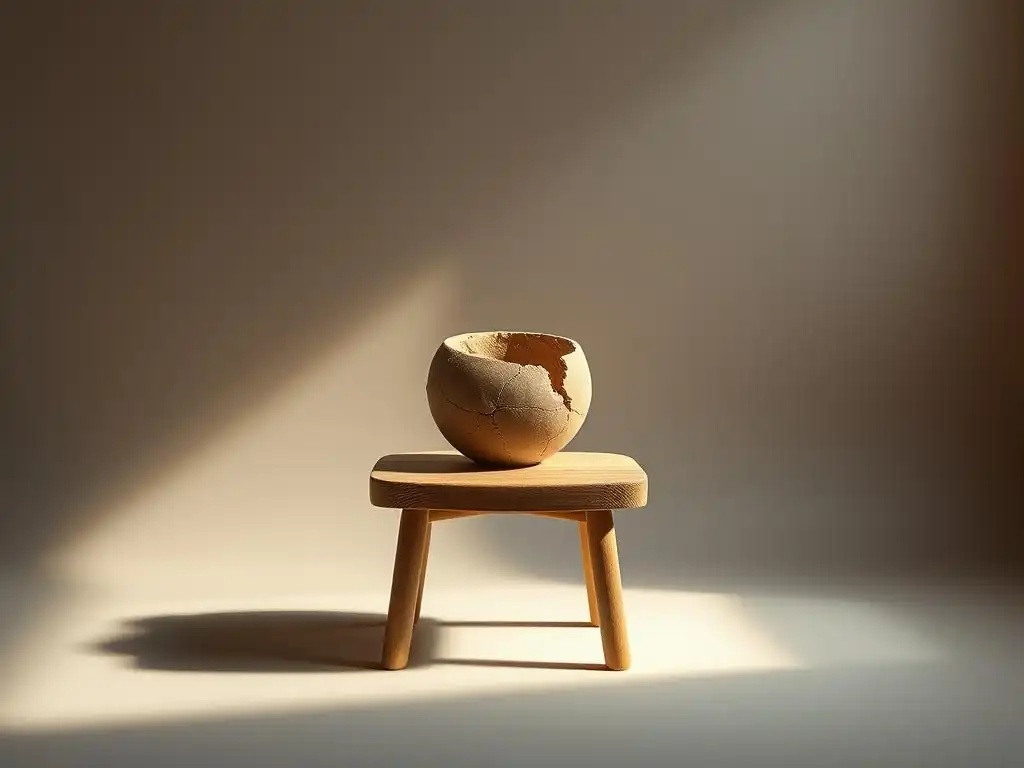
True self-worth isn't something you earn; it's something you possess inherently. It's not a reward for producing a masterpiece or achieving external success. Discovering this innate value is crucial for creatives who have tied their worth too tightly to their output.
This involves a fundamental shift in perspective – recognizing that you are valuable simply because you exist, because you are a complex, unique human being capable of thought, feeling, connection, and growth. This foundational self-worth is the bedrock upon which a healthy creative life is built, allowing for creative selfworth beyond perfection.
Defining Success on Your Own Terms: Redefining Creative Fulfillment
Instead of relying on external metrics like sales, likes, awards, or critical acclaim, define what creative fulfillment means to you. Is it the joy of the process? The opportunity to express yourself? Connecting with one person through your work? Learning a new skill?
By setting your own internal criteria for success, you take back control of your sense of accomplishment and value. This allows you to find fulfillment in aspects of your creative life that are within your control, rather than chasing external validation. This personal definition of success is key to building creative selfworth beyond perfection.
Embracing Imperfection as Part of the Creative Journey
Imperfection is not the opposite of value; it's often what makes creative work relatable, human, and interesting. Embrace the idea that mistakes are opportunities for learning and growth, and that finished work doesn't need to be flawless to be meaningful.
Think of beloved artworks, novels, or songs – many contain elements that, under harsh scrutiny, might be deemed imperfect, yet they resonate deeply with audiences. Allowing yourself to be imperfect in your creative work is an act of courage and authenticity. It frees you from the paralysis of perfectionism and opens the door to genuine creative selfworth beyond perfection.
Building a Support System: Connecting with Other Creatives
Connecting with other creatives who understand the unique challenges of this path can be incredibly validating and supportive. Sharing experiences, frustrations, and small wins with peers helps normalize struggles with self-worth and provides a sense of community.
Join local or online groups, attend workshops, or simply connect with a few creative friends for regular check-ins. Hearing how others navigate creative blocks, deal with criticism, or manage self-doubt can provide perspective and remind you that you're not alone in your journey toward creative selfworth beyond perfection.
Seeking Professional Support for Creative Self-Worth Issues
Sometimes, the challenges of overcoming deeply ingrained beliefs about self-worth and creative output are too difficult to navigate alone. Seeking professional help is a sign of strength and can provide tailored strategies and support.
Mental health professionals, particularly those with experience working with artists or creatives, can offer valuable insights and tools to address the root causes of low self-worth tied to creative output and build healthier coping mechanisms.
Recognizing When to Seek Therapy or Counseling
Consider seeking professional help if:
- Your self-worth is consistently low and tied to your creative output.
- You experience significant anxiety, depression, or burnout related to your creative work.
- Perfectionism is preventing you from starting or finishing projects.
- Criticism (internal or external) feels devastating and impacts your ability to function.
- You're struggling with identity issues related to being a "creative."
- These issues are negatively impacting other areas of your life (relationships, physical health).
A therapist can help you explore the origins of these beliefs, challenge negative thought patterns, and develop healthier ways of relating to yourself and your work, fostering creative selfworth beyond perfection.
Finding a Therapist Specializing in Creative Mental Health
Many therapists specialize in working with specific populations. Look for therapists who list experience with artists, writers, performers, or other creative professionals. They will likely have a better understanding of the unique pressures and dynamics of the creative world.
Online directories often allow you to search for therapists by specialization. Don't hesitate to schedule initial consultations to find a therapist whose approach feels like a good fit for you. Finding the right support is a crucial step in reclaiming your value and building sustainable creative selfworth beyond perfection.
Maintaining a Healthy Relationship with Your Creative Work
Building creative selfworth beyond perfection is an ongoing process that involves actively cultivating a healthy and balanced relationship with your creative work. This means setting boundaries, managing your time effectively, and learning to appreciate the progress and effort along the way, not just the finished product.
This healthy relationship views creativity as a valuable part of your life, but not the only measure of your worth. It allows you to engage with your passion from a place of joy and curiosity, rather than fear and obligation.
Setting Boundaries: Time Management and Preventing Burnout
Establishing clear boundaries around your creative work is essential for preventing burnout and maintaining mental well-being. This includes setting realistic limits on the time you spend creating, checking emails, or engaging with social media related to your work.
- Schedule dedicated creative time and stick to it, but also schedule time for rest and other activities.
- Learn to say no to projects or demands that overextend you or don't align with your values.
- Take regular breaks throughout your creative sessions.
- Separate your workspace from your living space if possible.
Effective time management and boundary setting protect your energy and prevent your creative passion from consuming your entire life, which is vital for sustaining creative selfworth beyond perfection.
Celebrating Small Wins and Progress, Not Just "Masterpieces"
Shift your focus from only celebrating major achievements (like finishing a huge project or getting significant recognition) to acknowledging and celebrating small wins and consistent effort.
Did you write for 15 minutes when you felt blocked? Celebrate it. Did you experiment with a new technique, even if the result wasn't perfect? Acknowledge the effort and learning. Did you receive constructive feedback gracefully? That's a win.
By celebrating progress along the way, you reinforce the value of the process and your commitment to it, regardless of the final outcome. This practice builds a sense of accomplishment and reinforces creative selfworth beyond perfection on a daily basis.
Frequently Asked Questions
How can I separate my self-worth from the quality of my creative work?
It's crucial to recognize that your inherent value exists independently of your artistic creations. Focus on the process of creation and the personal growth it brings, rather than solely judging the final product.
What are some practical steps to build "creative selfworth beyond perfection"?
Practice self-compassion and acknowledge that making mistakes is a natural part of the creative process. Set realistic goals and celebrate small achievements along the way.
Why is it important to detach your self-worth from creative output?
Attaching your self-worth to your creations can lead to anxiety, burnout, and a fear of failure, hindering your creative expression. A healthier approach fosters sustainable creativity and overall well-being.
What if I receive negative feedback on my creative work? How do I maintain my self-worth?
Remember that feedback reflects others' opinions and not your inherent worth. Use it as an opportunity for growth and learning, but don't let it define your self-perception.
Where can I find resources and support for building self-worth and managing creative challenges?
Mind Care Guide offers information, support, and resources for various mental health challenges, including building self-worth. Consider exploring online communities and seeking guidance from mental health professionals.
Final Reflection: Unfurling the Tapestry of Self-Worth
The relentless pursuit of creative perfection often overshadows the inherent worth we possess, a truth profoundly relevant in today's hyper-competitive creative landscape. This pressure to constantly produce "masterpieces" can leave artists, writers, musicians, and all creative individuals feeling depleted and undervalued, their self-worth tethered precariously to external validation. It's a dangerous game, one that risks silencing the very voices we need to hear.
The struggle to separate creative output from personal value is a deeply ingrained societal issue, one that continues to shape our understanding of success and self-worth. It's a battle I've personally wrestled with, the constant internal critique echoing the external pressures. The artist is nothing without the gift, but the gift is nothing without work.
This quote, while highlighting the importance of dedication, often overlooks the crucial element of self-compassion. We must remember that our inherent worth transcends the quality of our creations; our value lies in our existence, our journey, and our unique perspective, not solely in the final product.
You, the reader, are more than your last project, your latest creation, or even your grandest ambition. Take a moment to reflect on this. Embrace the imperfections, the stumbles, the moments of doubt – they are all part of the vibrant tapestry of your creative journey. Let go of the need for constant external validation and cultivate a deep, unwavering sense of self-worth that stems from within. Dare to create freely, knowing that your value is intrinsic, regardless of the outcome. Your masterpiece is your life, lived authentically and with passion.
Unleash Your Inner Radiance: Cultivate Self-Worth Beyond Creation
Thanks for taking the time to explore the fascinating connection between creativity and self-worth! We hope you gained valuable insights into nurturing your self-esteem beyond the finished product. Now, let's put these insights into action:
- Prioritize a self-care ritual: Dedicate just 15 minutes daily to an activity that nourishes your soul – a mindful walk, journaling, listening to uplifting music – anything that helps you reconnect with yourself independent of your creative output. This is your primary action for lasting self-worth.
- Share your reflections: What resonated most with you from the article? Share your thoughts in the comments below – let's build a supportive community!
- Try a "non-creative" accomplishment: Set a small, non-art related goal for the week – cleaning a drawer, learning a new word, calling a friend. Celebrate your success!
What small step can you take today to nurture your self-worth, regardless of your creative pursuits?