
The Energy Body: Exploring Concepts Like Chakras and Auras in Holistic Mental Health

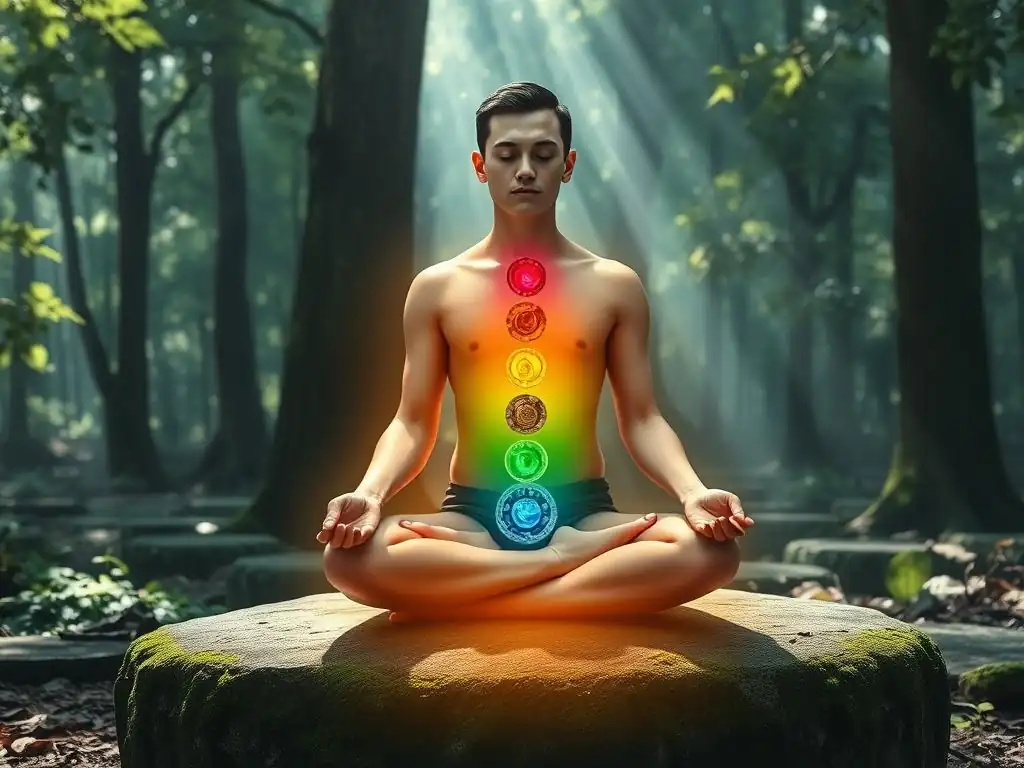
Welcome to Mind Care Guide, a sanctuary for your mental well-being.
Feeling a disconnect, a sense that something's just not right? Perhaps the answer lies deeper than you think. We understand the complexities of mental health, and that's why we're diving into the fascinating world of chakras and aura healing. Could understanding your energy body be the key to unlocking a more balanced and harmonious you? Explore with us as we unravel these ancient concepts and their potential impact on your overall well-being. Let's begin this journey together...
- The Energy Body: Exploring Chakras and Auras for Holistic Mental Health
- Chakras: Energy Centers and Their Impact on Emotional Balance
- Auras: The Energy Field Surrounding the Body and Its Significance
- Chakras and Aura Healing: Integrative Practices
- Integrating Chakra and Aura Work into Holistic Mental Health Care
- Precautions and Considerations When Exploring Energy Healing
- Conclusion: Embracing Energy Healing for Enhanced Mental Well-being
-
Frequently Asked Questions
- How do chakras relate to mental well-being, according to the Mind Care Guide?
- What does the Mind Care Guide say about aura healing and its potential benefits for mental health?
- Does the Mind Care Guide consider chakra and aura healing a replacement for traditional mental health treatments?
- Where can I find resources on the Mind Care Guide for learning more about chakras and auras?
- What are some practical ways to begin exploring chakra and aura concepts for improving mental well-being, according to the Mind Care Guide?
- Final Reflection: Unlocking Inner Harmony Through Energy Body Awareness
- Unlock Your Inner Radiance: Awaken Your Energy Body
The Energy Body: Exploring Chakras and Auras for Holistic Mental Health
Defining the Energy Body
In many ancient and holistic health traditions, the human being is understood to be more than just a physical form. There is a concept of an "energy body," a subtle, non-physical field or system of energies that interpenetrates and surrounds the physical body. This energy body is often described as a dynamic network through which life force, or vital energy (known by various names like Prana in Yoga, Qi or Chi in Traditional Chinese Medicine, or Ki in Reiki), flows. It's considered the foundation of our vitality and consciousness.
Different cultures have mapped this energy body in various ways, identifying specific points or centers where energy converges or flows most powerfully. These systems, whether meridians in acupuncture or chakras in yogic philosophy, suggest that disruptions or blockages in this energy flow can manifest not only as physical ailments but also as emotional and mental distress. Understanding this subtle anatomy provides a framework for exploring how non-physical interventions might influence psychological states.
The Connection Between Energy Flow and Mental Health
The state of our energy body is believed to be intrinsically linked to our mental and emotional well-being. When energy flows freely and harmoniously, individuals often report feeling vibrant, balanced, and emotionally resilient. Conversely, stagnant, blocked, or chaotic energy is associated with feelings of lethargy, anxiety, depression, and difficulty managing emotions. Think of it like a river; a free-flowing river nourishes the land, while a dammed or polluted river becomes stagnant and unhealthy.
For example, persistent stress or unresolved trauma is thought to create energetic blockages or imbalances in the energy body. These blockages can disrupt the natural flow of vital energy, potentially leading to or exacerbating mental health challenges such as chronic worry, irritability, or feelings of disconnection. Holistic practices aiming at chakras and aura healing seek to address these energetic imbalances as a complementary approach to improving mental and emotional states.
Chakras: Energy Centers and Their Impact on Emotional Balance
What are Chakras?
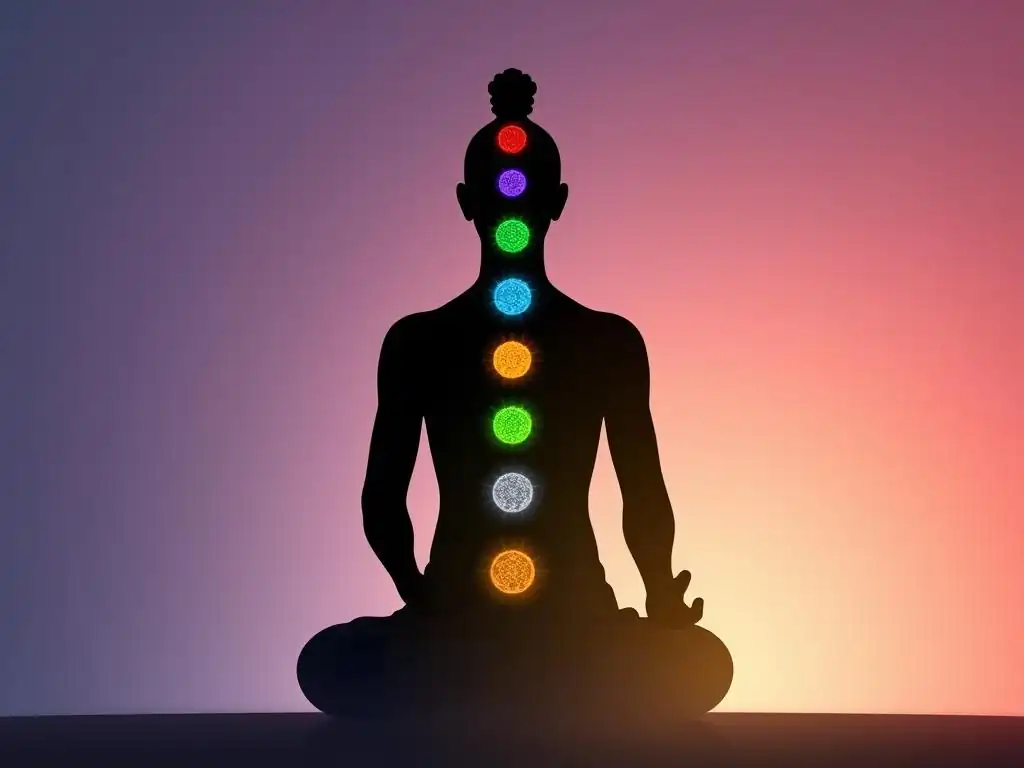
Chakras are conceptional energy centers within the subtle body, widely recognized in yogic traditions and various spiritual practices. The word "chakra" comes from the Sanskrit word meaning "wheel" or "disk," and they are visualized as spinning vortices of energy located along the central channel of the body, running from the base of the spine to the crown of the head. While different traditions identify varying numbers of chakras, the system of seven major chakras is the most commonly discussed in modern holistic contexts.
These energy centers are considered vital hubs that receive, assimilate, and express life force energy. Each chakra is associated with specific physical organs, nerve plexuses, colors, sounds, and, importantly for mental health, particular psychological functions and emotional states. The health and balance of each chakra are believed to influence the corresponding aspects of our physical, emotional, and mental lives.
The Seven Major Chakras and Their Psychological Associations
The system of seven major chakras provides a map for understanding the relationship between energy centers and psychological well-being. Balancing these centers is a core goal in many practices focused on chakras and aura healing.
Root Chakra (Muladhara): Grounding and Security
Located at the base of the spine, the Root Chakra is associated with our sense of safety, security, grounding, and survival instincts. It relates to our connection to the physical world, our family roots, and basic needs.
Psychologically, a balanced Root Chakra fosters feelings of stability, trust, and belonging. Imbalances here can manifest as anxiety about survival, fear, insecurity, restlessness, or difficulty establishing roots and feeling safe in the world.
Sacral Chakra (Svadhisthana): Creativity and Emotional Expression
Situated in the lower abdomen, below the navel, the Sacral Chakra is linked to creativity, sensuality, emotions, pleasure, and relationships. It governs our ability to experience joy, passion, and emotional fluidity.
A healthy Sacral Chakra supports vibrant emotional expression, healthy boundaries, creativity, and the ability to adapt to change. Blockages might lead to emotional numbness, fear of intimacy, creative blocks, or issues with control and addiction.
Solar Plexus Chakra (Manipura): Personal Power and Self-Esteem
Found in the upper abdomen, around the stomach area, the Solar Plexus Chakra is the center of personal power, willpower, self-esteem, and digestion (both physical and metaphorical). It's where we process experiences and assert our will.
When balanced, this chakra allows for confidence, self-discipline, and the ability to take action and manifest goals. An imbalanced Solar Plexus can result in low self-worth, difficulty making decisions, anger issues, or feeling powerless and victimized.
Heart Chakra (Anahata): Love, Compassion, and Connection
Located in the center of the chest, the Heart Chakra bridges the lower, more physical chakras with the upper, more spiritual ones. It is the seat of love, compassion, forgiveness, empathy, and connection to others and ourselves.
A balanced Heart Chakra allows us to give and receive love freely, feel connected, and experience joy and peace. Imbalances can manifest as loneliness, isolation, difficulty trusting others, fear of commitment, or holding onto grudges.
Throat Chakra (Vishuddha): Communication and Self-Expression
Positioned in the throat area, this chakra governs communication, self-expression, truth, and the ability to listen. It's about speaking our truth and expressing our unique voice in the world.
When open and balanced, the Throat Chakra supports clear, honest communication and the ability to express thoughts and feelings authentically. Imbalances can lead to difficulty speaking up, fear of judgment, excessive talking, gossiping, or feeling unheard.
Third Eye Chakra (Ajna): Intuition and Insight
Located between the eyebrows, the Third Eye Chakra is associated with intuition, inner wisdom, imagination, and psychic abilities. It's considered the center of perception and insight beyond the physical senses.
A balanced Third Eye fosters clarity, strong intuition, and the ability to see the bigger picture. Blockages might result in difficulty focusing, denial, lack of imagination, or feeling disconnected from one's inner guidance.
Crown Chakra (Sahasrara): Spirituality and Connection to the Divine
Situated at the very top of the head, the Crown Chakra is the gateway to higher consciousness, spirituality, and our connection to the universe or divine source. It represents enlightenment and transcendence.
When open, the Crown Chakra facilitates feelings of unity, peace, and a deep understanding of our spiritual nature. An imbalanced or blocked Crown Chakra can manifest as feelings of disconnection, spiritual cynicism, apathy, or a lack of purpose.
Chakra Imbalances and Their Effect on Mental State
Imbalances in the chakras can significantly impact mental and emotional health. These imbalances can manifest as either an underactive chakra, meaning the energy flow is deficient, or an overactive chakra, where the energy flow is excessive or chaotic. An underactive chakra might lead to feelings of deficiency in the associated quality – for instance, an underactive Solar Plexus might cause low self-esteem.
Conversely, an overactive chakra can lead to an excess or distortion of the associated quality. An overactive Solar Plexus, for example, might manifest as excessive control, aggression, or a need to dominate. These energetic states don't just stay in the subtle body; they are believed to influence the nervous system, endocrine system, and overall psychological landscape, contributing to conditions like anxiety, depression, mood swings, and difficulty managing stress.
How to Identify Chakra Blockages: Signs and Symptoms
Identifying chakra blockages often involves paying attention to physical, emotional, and mental cues. While not a diagnostic tool in conventional medicine, recognizing these patterns within a holistic framework can be the first step toward seeking balance. For example, chronic fatigue and a feeling of being ungrounded might suggest an imbalance in the Root Chakra.
Emotional indicators are also key. Persistent feelings of guilt or shame could point to a Sacral Chakra issue, while chronic worry or a strong need for control might relate to the Solar Plexus. Difficulty expressing feelings or speaking up could indicate a Throat Chakra blockage. Physical symptoms sometimes correspond as well; digestive issues might link to the Solar Plexus, or heart palpitations (in the absence of medical cause) to the Heart Chakra. Paying mindful attention to recurring physical and emotional patterns can offer clues to potential energetic imbalances requiring attention through chakras and aura healing practices.
Auras: The Energy Field Surrounding the Body and Its Significance
Defining the Aura
Beyond the internal chakra system, holistic traditions also describe an energy field that surrounds and permeates the physical body, known as the aura. The aura is often depicted as layers of subtle energy extending outwards from the body, like an energetic atmosphere. It's believed to be a reflection of our physical, emotional, mental, and spiritual state, constantly shifting and changing based on our health, mood, and experiences.
This energetic field is thought to act as both a protective shield and a medium through which we interact with the energies of others and our environment. Its vibrancy, size, and color are considered indicators of our overall vitality and well-being. Understanding and working with the aura is another facet of comprehensive energy healing, complementing practices focused on chakras and aura healing.
Aura Colors and Their Meanings
Different colors within the aura are often interpreted as reflecting specific emotional states, personality traits, or energy levels. While interpretations vary among practitioners, some common associations exist. For instance, vibrant red is often linked to strong physical energy, passion, or anger, while soft pink might represent love and compassion.
Bright blue is frequently associated with calm, communication, and intuition, whereas yellow can signify intellect, optimism, or anxiety. Dark or muddy colors are generally seen as indicators of stagnant energy, stress, or negative emotions. Observing or sensing these colors (either through trained perception or intuitive feeling) is one way practitioners assess the state of an individual's energy field.
Understanding Aura Layers
The aura is often described as consisting of multiple layers or bodies, each corresponding to a different aspect of human experience, extending outwards from the physical body. While models vary, common descriptions include layers related to the physical body, emotional states, mental processes, astral projection, and higher spiritual connections.
The layer closest to the body, often called the etheric body, is thought to relate closely to physical health and sensations. Further out are layers associated with emotions, thoughts, and spiritual connection. Imbalances or disruptions can occur in any of these layers, affecting the corresponding aspect of well-being. For example, stress might show up as disturbance in the mental layer, while grief could impact the emotional layer.
Aura Cleansing and Strengthening Techniques
Maintaining a healthy aura is considered important for overall well-being, acting as an energetic boundary and filter. Just as we cleanse our physical bodies, energy workers suggest the aura can accumulate stagnant or negative energies from stress, negative interactions, or environmental factors.
Techniques for aura cleansing aim to clear away this unwanted energy. Strengthening the aura involves practices that promote overall energy flow and vitality, making the energy field more resilient. These practices are often integrated into broader approaches like chakras and aura healing to support a robust and balanced energetic system.
Chakras and Aura Healing: Integrative Practices
Energy Healing Modalities
Energy healing encompasses a variety of practices that aim to restore balance and flow within the body's energy system, including the chakras and aura. Modalities such as Reiki, Therapeutic Touch, Pranic Healing, and Quantum-Touch are based on the premise that practitioners can channel or direct energy to facilitate healing.
These practices are often used to address energetic blockages or deficiencies believed to underlie physical symptoms or emotional distress. While the mechanisms are not fully understood by conventional science, many individuals report positive effects on stress reduction, pain management, and improved emotional states after receiving energy healing sessions focused on their chakras and aura.
Techniques for Chakra Balancing and Activation
Balancing and activating the chakras is a central focus in many energy healing practices. The goal is to ensure each chakra is spinning optimally and that energy flows freely between them.
Meditation for Chakra Alignment
Guided meditations focusing on each chakra are a popular method for balancing and activating these energy centers. These meditations often involve visualizing each chakra as a spinning wheel of light corresponding to its color, focusing attention and breath on its location, and using specific affirmations or sounds (like Bija mantras) associated with each chakra. Regular practice is believed to help clear blockages and enhance energy flow.
Yoga for Chakra Stimulation
Specific yoga poses (asanas) are thought to stimulate different chakras. For example, poses that ground the body, like Mountain Pose or Warrior Pose, can help activate the Root Chakra. Hip-opening poses may stimulate the Sacral Chakra, while core-strengthening poses relate to the Solar Plexus. A well-rounded yoga practice can work through all the major chakras, promoting energetic balance throughout the system.
Crystal Healing for Chakra Balancing
Crystals and gemstones are often used in conjunction with chakra work. Specific crystals are associated with each chakra based on their color and energetic properties. Placing these crystals on or near the corresponding chakra location during meditation or relaxation is believed to help clear blockages and amplify the chakra's energy. For instance, red or black stones like Garnet or Hematite are used for the Root Chakra, while Amethyst is often placed on the Third Eye.
Sound Healing for Chakra Harmony
Sound vibrations, whether from singing bowls, tuning forks, or vocal toning, are also used to influence the chakras. Each chakra is sometimes associated with a specific musical note or frequency. Applying these specific sounds is believed to resonate with and help restore the natural vibration and harmony of the chakra, facilitating chakras and aura healing through auditory input.
Methods for Aura Cleansing and Protection
Cleansing and protecting the aura are vital aspects of maintaining energetic health and are often included in comprehensive chakras and aura healing practices.
Smudging for Aura Purification
Smudging, traditionally using sacred herbs like sage or palo santo, involves passing the smoke around the body to clear away stagnant or negative energy from the aura. This practice is found in various indigenous cultures and is used to purify spaces and individuals energetically.
Salt Baths for Energy Cleansing
Bathing in water mixed with sea salt or Epsom salt is a simple yet effective method for cleansing the aura. Salt is traditionally believed to absorb and neutralize negative energy. Immersing oneself in a salt bath can help release energetic debris accumulated throughout the day, leaving one feeling lighter and refreshed.
Visualization Techniques for Aura Shielding
Visualization is a powerful tool for strengthening and protecting the aura. One common technique involves visualizing a protective bubble or shield of white or golden light surrounding the body. This energetic shield is imagined as deflecting negative energies while allowing positive ones to enter, helping to maintain energetic integrity and resilience.
Integrating Chakra and Aura Work into Holistic Mental Health Care
The Benefits of Energy Healing for Anxiety and Depression
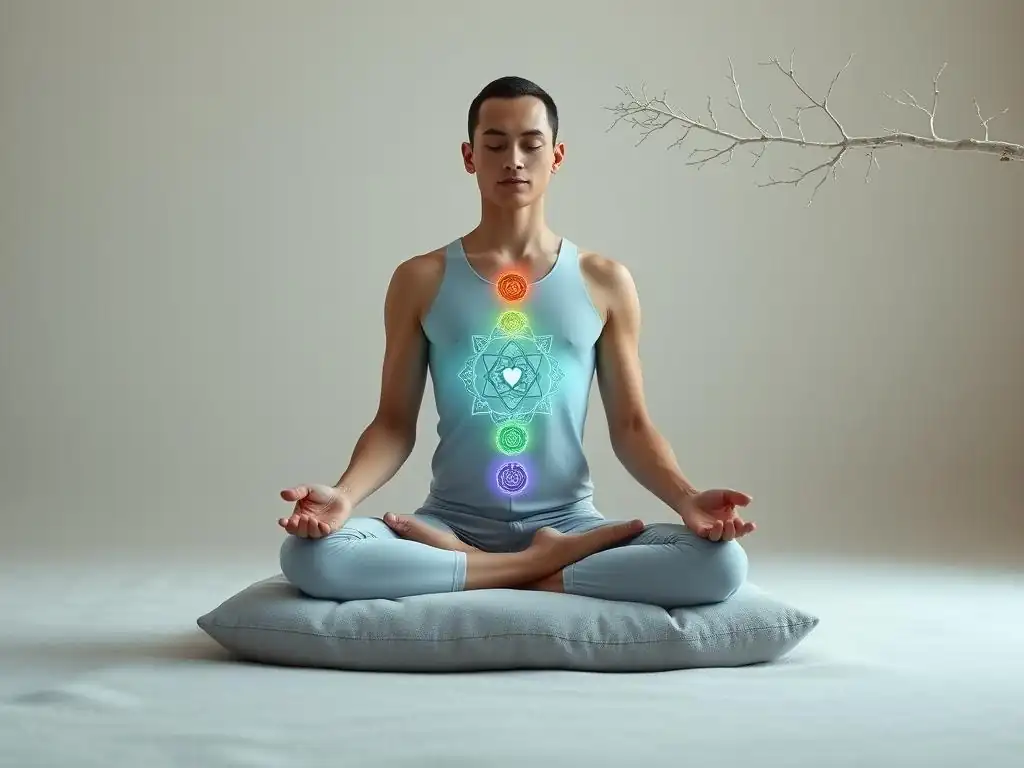
While not a replacement for conventional medical or psychological treatment, energy healing modalities, including chakras and aura healing, are increasingly explored as complementary practices for managing symptoms of anxiety and depression. Proponents suggest that by addressing underlying energetic imbalances, these practices can help alleviate the emotional and physical manifestations of these conditions.
Anecdotal evidence and preliminary studies suggest that practices like Reiki or acupuncture might help reduce stress hormone levels and promote relaxation, which can be beneficial for individuals experiencing anxiety. Similarly, working on chakra imbalances associated with low self-worth (Solar Plexus) or feelings of isolation (Heart Chakra) might support individuals struggling with depressive symptoms by promoting feelings of empowerment and connection. A small pilot study, for example, might report participants experiencing a subjective reduction in anxiety scores after several weeks of regular energy healing sessions.
Using Energy Work to Manage Stress and Trauma
Stress and trauma are believed to create significant disruptions in the energy body, potentially leading to chronic blockages or energetic fragmentation. Energy work offers tools to help process and release the energetic residue of stressful or traumatic experiences.
Techniques focusing on the lower chakras (Root, Sacral, Solar Plexus) can be particularly relevant for trauma survivors, helping to restore a sense of safety, emotional flow, and personal power that may have been compromised. Practices like EFT (Emotional Freedom Techniques), which combines tapping on energy points with psychological exposure, have shown promise in reducing symptoms of PTSD and anxiety in some studies, illustrating how working with the body's energy system can impact trauma recovery.
Combining Traditional Therapy with Energy Healing Practices
A truly holistic approach to mental health often involves integrating various modalities. Combining traditional talk therapy (like CBT or psychotherapy) with energy healing practices can offer a more comprehensive path to wellness. Therapy provides tools for cognitive restructuring and emotional processing, while energy work can address the subtle energetic aspects that may be contributing to distress.
For example, someone working through past trauma in therapy might find that energy healing helps release physical tension or emotional blocks that are difficult to access through talking alone. This integrative approach acknowledges the complex interplay between mind, body, and energy, offering multiple avenues for healing and growth.
The Role of Energy Psychology in Trauma Recovery
Energy psychology is a field that specifically integrates energy system concepts with psychological interventions, often focusing on acupressure points or energy fields. Modalities like EFT and Trauma Tapping Technique (TTT) are examples used in trauma recovery.
These techniques involve stimulating specific points on the body while the individual focuses on a traumatic memory or distressing emotion. The theory is that this simultaneous process helps to clear the energetic disruption associated with the trauma, leading to a reduction in emotional intensity and symptoms. While research is ongoing, these approaches offer a unique perspective on how addressing the energy body can facilitate psychological healing, particularly in cases of trauma.
Precautions and Considerations When Exploring Energy Healing
Choosing a Qualified Energy Healing Practitioner
When exploring chakras and aura healing or any energy healing modality, it is crucial to seek out qualified and ethical practitioners. While the field is not always regulated in the same way as conventional medicine, many professional organizations offer certifications and ethical guidelines.
Look for practitioners who have undergone formal training in their specific modality, adhere to a code of ethics, and prioritize clear communication and client consent. Asking about their training, experience, and approach can help ensure you find a practitioner who is a good fit for your needs and provides safe and respectful care. Reputable practitioners will also emphasize that energy healing is complementary and not a substitute for professional medical or psychological treatment.
Understanding the Limitations of Energy Healing
It is important to approach energy healing practices with realistic expectations and understand their limitations. Chakras and aura healing are considered complementary therapies, meaning they are intended to be used alongside conventional medical and psychological treatments, not as replacements.
Energy healing should not be used to diagnose medical conditions or replace necessary medications or therapies prescribed by qualified healthcare professionals. While beneficial for stress reduction and promoting a sense of well-being for many, it is not a guaranteed cure for any specific mental or physical illness. Maintaining this perspective is vital for responsible integration into a holistic health plan.
Contraindications and Ethical Considerations
While generally considered safe, some energy healing practices might have considerations for certain individuals. For instance, practitioners are often advised to be cautious when working with individuals with severe psychological conditions, active psychosis, or certain medical implants.
Ethically, practitioners must maintain professional boundaries, ensure client confidentiality, and work within their scope of practice. They should never advise a client to stop conventional medical treatment. An empathetic and informative practitioner will discuss any potential considerations with you and work collaboratively with your other healthcare providers if appropriate, ensuring your safety and well-being are prioritized.
Conclusion: Embracing Energy Healing for Enhanced Mental Well-being
Frequently Asked Questions
How do chakras relate to mental well-being, according to the Mind Care Guide?
Chakras are believed to be energy centers in the body. The Mind Care Guide suggests that blockages or imbalances in these centers can manifest as mental and emotional distress, impacting overall well-being.
What does the Mind Care Guide say about aura healing and its potential benefits for mental health?
Aura healing, as described by the Mind Care Guide, aims to cleanse and strengthen the energy field surrounding the body. This process may promote emotional balance and reduce feelings of anxiety or stress.
Does the Mind Care Guide consider chakra and aura healing a replacement for traditional mental health treatments?
No, the Mind Care Guide emphasizes that chakra and aura healing should be considered complementary therapies. They should not replace evidence-based treatments like therapy or medication, but instead act as a support.
Where can I find resources on the Mind Care Guide for learning more about chakras and auras?
The Mind Care Guide website likely offers articles, guides, and possibly even recommended practitioners specializing in chakra and aura healing. Look for a section dedicated to holistic mental health or energy work.
What are some practical ways to begin exploring chakra and aura concepts for improving mental well-being, according to the Mind Care Guide?
The Mind Care Guide may suggest practices like meditation, mindfulness exercises, and spending time in nature to connect with and balance your energy. Experiment to find what resonates with you.
Final Reflection: Unlocking Inner Harmony Through Energy Body Awareness
The exploration of chakras and auras isn't just a fringe practice; it's a powerful tool for understanding and improving our holistic mental well-being in a world increasingly focused on stress reduction and self-care. The growing interest in energy healing modalities reflects a deep-seated human need to connect with something beyond the purely physical, a yearning for a more integrated and balanced existence. This search for inner harmony is more relevant than ever in our fast-paced, often overwhelming modern lives.
The influence of energy body concepts on our cultural landscape is undeniable, subtly shaping our understanding of wellness and self-improvement. From the rise of mindfulness practices to the increasing popularity of yoga and meditation, we see a growing acceptance of the interconnectedness of mind, body, and spirit. This shift towards holistic approaches resonates deeply with my own journey, reinforcing the importance of exploring these often-overlooked aspects of our being. The body keeps the score,
as Bessel van der Kolk so powerfully states, highlighting the profound impact of trauma and emotional experiences on our physical and energetic selves. Understanding our energy bodies allows us to address these impacts more effectively.
Consider this your invitation to explore the potential within. Don't just passively read about chakras and auras; actively engage with the concepts. Experiment with simple energy practices, like mindful breathing or spending time in nature. Listen to your intuition, pay attention to your body's subtle cues, and allow yourself to discover the profound connection between your inner world and the vibrant energy that flows through you. The journey to holistic well-being begins with awareness, and the exploration of your energy body is a crucial step on that path.
Unlock Your Inner Radiance: Awaken Your Energy Body
Thanks for taking the time to explore the fascinating world of energy bodies with us! We hope you gained a new understanding of how chakras and auras can contribute to your holistic well-being. Ready to take the next step?
- Begin a daily chakra meditation practice: Even 5 minutes a day can make a profound difference in your energy flow and overall sense of calm. Try focusing on one chakra each day to deepen your connection.
- Notice subtle energy shifts throughout your day: Pay attention to sensations in your body and emotions, noting any links to your energy centers. This heightened awareness will help you better understand your energy body’s subtle messages.
- Share your experiences with our community: Have you felt the benefits of working with your energy body? We’d love to hear your thoughts and experiences in the comments below!
What unique energy shifts have you noticed since learning about chakras and auras, and how are you planning to integrate this knowledge into your daily life?