
Biofeedback: Using Technology for Holistic SelfRegulation and Calm


Welcome to Mind Care Guide, your sanctuary for cultivating inner peace and understanding.
Feeling overwhelmed by anxiety? You're not alone. We understand the challenges you face, and we're here to help you explore innovative, holistic solutions. This guide dives into Biofeedback and how it can empower you to reduce anxiety symptoms through the power of technology and self-regulation. Curious about how to harness your body's own signals to find calm? Let's explore this fascinating technique together...
Biofeedback: Empowering Self-Regulation for Anxiety and Well-being
- Understanding Biofeedback for Anxiety and Mental Wellness
- Benefits of Biofeedback for Anxiety and Stress
- Types of Biofeedback Techniques for Anxiety Management
- Who Can Benefit from Biofeedback?
- Getting Started with Biofeedback
- Integrating Biofeedback with Other Practices
- Limitations and Considerations
- Success Stories
- The Future of Biofeedback
-
Frequently Asked Questions
- What is biofeedback and how does it work?
- Can biofeedback really help to reduce anxiety symptoms?
- What types of conditions can biofeedback be used to treat, besides anxiety?
- What are the different types of biofeedback techniques available?
- How do I find a qualified biofeedback therapist or practitioner?
- Final Reflection: Harnessing Technology for Inner Peace
- Unleash Your Inner Calm: Take Control with Biofeedback
Understanding Biofeedback for Anxiety and Mental Wellness
What is Biofeedback and How Does it Work?
Biofeedback is a mind-body technique that teaches individuals how to gain voluntary control over involuntary bodily functions. It involves using electronic sensors to monitor physiological signals such as heart rate, muscle tension, brainwave activity, skin temperature, and sweat gland activity. These signals are then "fed back" to the individual in real-time, often through visual displays, auditory tones, or tactile cues. By observing these signals, a person can learn to recognize how their thoughts, emotions, and behaviors influence their physical state.
The core principle is learning through observation and practice. For instance, someone learning to reduce anxiety symptoms with biofeedback might see their heart rate displayed on a screen. As they practice relaxation techniques or change their thought patterns, they observe the corresponding change in their heart rate. This immediate feedback allows them to identify which strategies are effective in calming their nervous system. Over time, with practice, individuals can learn to regulate these physiological responses without the need for the external monitoring equipment, achieving greater self-control and resilience against stress and anxiety triggers.
The Neuroscience of Biofeedback and Anxiety Reduction
The effectiveness of biofeedback in helping to reduce anxiety symptoms is rooted in its interaction with the autonomic nervous system (ANS), which controls involuntary bodily functions like heart rate, breathing, and digestion. The ANS has two main branches: the sympathetic nervous system (responsible for the "fight or flight" response) and the parasympathetic nervous system (responsible for the "rest and digest" response). Anxiety is often associated with an overactive sympathetic nervous system.
Biofeedback training, particularly techniques like Heart Rate Variability (HRV) biofeedback, helps individuals learn to shift from sympathetic dominance towards greater parasympathetic activity. By providing real-time data on physiological states linked to the ANS, biofeedback allows the brain to learn new patterns of regulation. This process involves neuroplasticity – the brain's ability to reorganize itself by forming new neural connections. Through repeated practice, the brain can develop more efficient pathways for managing stress and emotional arousal, thereby helping to reduce anxiety symptoms and promote a greater sense of calm.
Biofeedback vs. Other Anxiety Management Techniques
While many techniques aim to manage anxiety, biofeedback offers a unique, data-driven approach to self-regulation. Unlike talk therapy, which focuses on cognitive and emotional processing, or medication, which directly alters brain chemistry, biofeedback directly targets the physiological manifestations of anxiety. Techniques like deep breathing or meditation are often used within a biofeedback session, but the critical difference is the real-time, objective feedback that confirms the effectiveness of these practices on the body's state.
Consider the difference: someone might be told to "relax your shoulders," but EMG biofeedback shows them precisely how much tension is present (e.g., 50 microvolts) and helps them see that specific techniques reduce it (e.g., to 20 microvolts). This objective measurement accelerates the learning process and provides tangible proof of progress, which can be particularly empowering for individuals struggling with the often subjective experience of anxiety. While complementary, biofeedback provides a unique pathway to understanding and influencing the physical underpinnings of anxious states.
Benefits of Biofeedback for Anxiety and Stress
Reducing Anxiety Symptoms with Biofeedback
One of the primary benefits sought by individuals using this modality is the ability of biofeedback to reduce anxiety symptoms. By learning to control physiological responses such as rapid heart rate, shallow breathing, and muscle tension – all common physical signs of anxiety – individuals can directly mitigate the intensity of their anxious feelings. For example, a study involving generalized anxiety disorder patients showed significant reductions in self-reported anxiety scores after a course of biofeedback training focused on muscle tension and skin conductance. Participants reported feeling less overwhelmed and more in control during stressful situations.
This reduction isn't just about masking symptoms; it's about building a fundamental capacity for self-regulation. As individuals become more adept at lowering their physiological arousal using biofeedback techniques, they often experience a decrease in the frequency and severity of panic attacks, social discomfort, and generalized worry. The learned skills provide a tool they can deploy in real-time when feeling overwhelmed, offering an immediate pathway to calm that doesn't rely on external substances or constant therapeutic guidance.
Biofeedback for Stress Reduction and Relaxation
Beyond clinical anxiety, biofeedback is highly effective as a general stress reduction and relaxation tool. Chronic stress activates the same physiological pathways as anxiety, leading to symptoms like headaches, fatigue, and digestive issues. Biofeedback allows individuals to identify their unique stress responses – whether it's increased heart rate, cold hands (indicating reduced peripheral blood flow), or tense neck muscles – and learn targeted techniques to counteract them.
For instance, thermal biofeedback, which measures skin temperature, can help someone learn to increase blood flow to their extremities, a sign of relaxation that counteracts the stress-induced vasoconstriction often linked to tension headaches. Similarly, learning to maintain smooth, consistent breathing patterns through respiratory biofeedback helps regulate the body's stress response. A large body of research indicates that regular biofeedback practice can significantly lower overall stress levels, improve sleep quality, and enhance a general sense of well-being by promoting the body's natural relaxation response.
Long-Term Mental Health Benefits of Biofeedback
The benefits of biofeedback extend beyond immediate symptom relief, offering significant long-term advantages for mental health. The self-regulation skills acquired through biofeedback training are portable and enduring. Once learned, individuals can continue to apply these techniques throughout their lives to manage stress, prevent symptom relapse, and maintain emotional balance. This empowers individuals, shifting them from feeling like passive recipients of anxiety to active participants in their own well-being.
Furthermore, the process of biofeedback can increase body awareness and interoception – the ability to sense the internal state of the body. This heightened awareness allows individuals to recognize the early signs of stress or anxiety building before they become overwhelming, enabling proactive intervention. Over time, this consistent practice of self-monitoring and self-regulation can contribute to increased resilience, improved coping mechanisms, and a greater sense of agency over one's mental and emotional state, providing a robust foundation for sustained mental wellness.
Types of Biofeedback Techniques for Anxiety Management
EEG Biofeedback (Neurofeedback): Brainwave Training for Anxiety
Electroencephalography (EEG) biofeedback, commonly known as neurofeedback, focuses on training individuals to alter their brainwave activity. Sensors are placed on the scalp to measure electrical activity in different areas of the brain. This activity is then translated into visual or auditory feedback – for example, a screen might show a video that only plays smoothly when the desired brainwave pattern is achieved. The goal is to encourage the brain to spend more time in states associated with calmness and focus, and less time in states linked to anxiety and rumination.
For individuals with anxiety, neurofeedback often targets reducing excessive high-frequency beta waves (associated with alertness and worry) and increasing alpha or theta waves (associated with relaxation and calm). Clinical studies, including randomized controlled trials, have demonstrated that neurofeedback can lead to significant and lasting reductions in anxiety symptoms, sometimes comparable to the effects of medication or cognitive behavioral therapy. A typical training program might involve 20-40 sessions, with improvements often noticed within the first 10-15 sessions, as the brain learns to self-regulate more effectively.
Heart Rate Variability (HRV) Biofeedback: Enhancing Emotional Regulation
Heart Rate Variability (HRV) biofeedback trains individuals to increase their HRV, which is the natural variation in the time interval between heartbeats. A higher, more coherent HRV is associated with better emotional regulation, resilience to stress, and a well-functioning autonomic nervous system. Conversely, low HRV is often linked to anxiety, stress, and other health issues. HRV biofeedback uses a sensor, typically placed on a finger or earlobe, to monitor heartbeats and display the variability pattern in real-time.
Training involves guided breathing exercises, usually slow, deep breaths at a specific resonant frequency (often around 5-6 breaths per minute), while observing the effect on the HRV pattern displayed on a screen. The goal is to achieve a smooth, sine-wave-like pattern of HRV, indicative of heart-brain coherence and increased parasympathetic activity. Research consistently shows that HRV biofeedback can effectively help reduce anxiety symptoms, improve emotional stability, and enhance physiological resilience to stressors within relatively few sessions, often becoming a go-to technique for individuals seeking to manage panic or intense worry.
Electromyography (EMG) Biofeedback: Managing Muscle Tension
Electromyography (EMG) biofeedback measures electrical activity in muscles, indicating muscle tension. Anxiety often manifests as chronic muscle tightness, particularly in areas like the neck, shoulders, jaw, and lower back, contributing to tension headaches, pain, and fatigue. EMG biofeedback uses sensors placed on the skin over specific muscle groups to detect subtle electrical signals, displaying the level of tension (often in microvolts) on a monitor.
During an EMG biofeedback session, individuals learn relaxation techniques – such as progressive muscle relaxation, deep breathing, or guided imagery – while observing how these practices affect their muscle tension readings. The immediate feedback allows them to identify which techniques are most effective for releasing tension in specific areas. This training helps individuals become more aware of their body's tension signals in daily life and empowers them to actively relax muscles, which in turn can significantly help reduce anxiety symptoms and associated physical discomfort, such as chronic headaches linked to stress.
Galvanic Skin Response (GSR) Biofeedback: Reducing Arousal
Galvanic Skin Response (GSR) biofeedback, also known as skin conductance or electrodermal activity biofeedback, measures the electrical conductivity of the skin, which changes based on the activity of sweat glands. Sweat gland activity is primarily controlled by the sympathetic nervous system; increased sweating indicates higher physiological arousal, often associated with stress, fear, or anxiety. GSR biofeedback uses sensors, typically attached to the fingers or palm, to provide real-time feedback on these subtle changes in skin conductivity.
As individuals practice relaxation techniques, they observe their GSR levels decrease on the feedback display. This provides a direct measure of their ability to lower their sympathetic nervous system arousal. GSR biofeedback is particularly useful for individuals who experience anxiety primarily through physical symptoms like sweaty palms, blushing, or a general feeling of being "on edge." Learning to lower skin conductivity using this technique helps individuals gain better control over their physiological reactivity, thereby helping to reduce anxiety symptoms and improve their ability to remain calm in challenging situations.
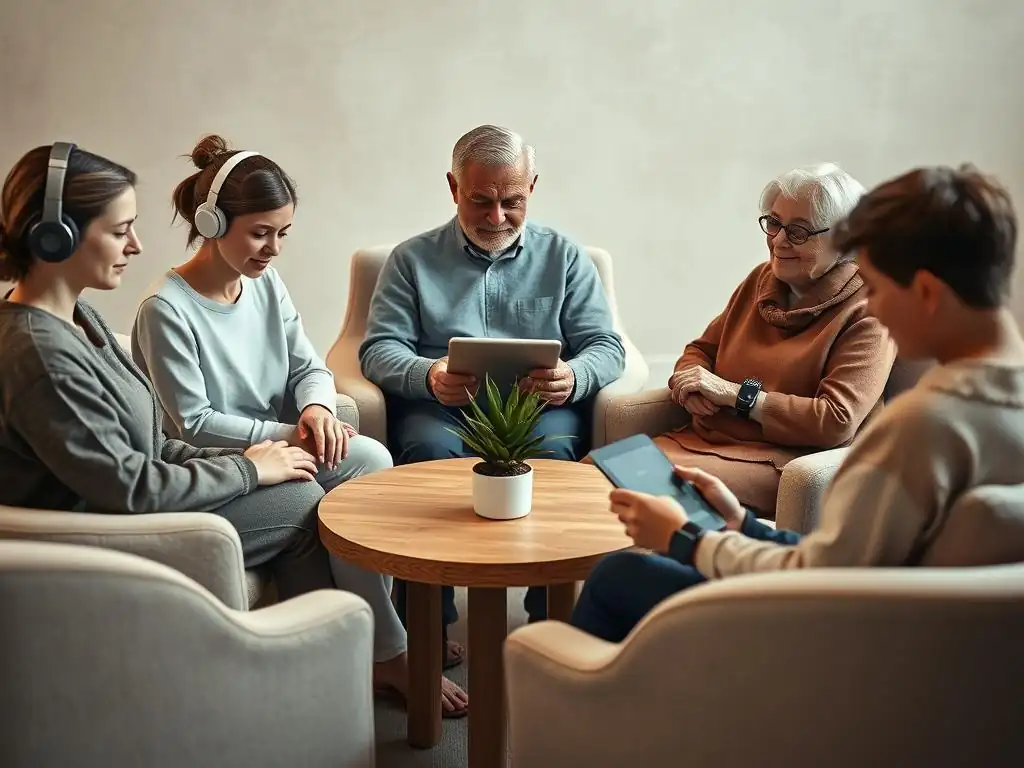
Who Can Benefit from Biofeedback?
Biofeedback for Generalized Anxiety Disorder (GAD)
Individuals diagnosed with Generalized Anxiety Disorder (GAD) often experience persistent, excessive worry about various aspects of life, accompanied by physical symptoms like restlessness, fatigue, difficulty concentrating, muscle tension, and sleep disturbances. Biofeedback can be particularly beneficial for GAD because it directly addresses many of these physiological manifestations. By learning to regulate muscle tension through EMG biofeedback, control heart rate and breathing via HRV or respiratory biofeedback, and reduce overall arousal with GSR or thermal biofeedback, individuals with GAD can gain a tangible sense of control over their often overwhelming physical sensations of anxiety.
Studies have shown that biofeedback, either alone or integrated with other therapies like CBT, can lead to significant reductions in worry and physical GAD symptoms. For example, participants in clinical trials have reported decreased muscle tension and improved sleep quality after several weeks of consistent biofeedback practice. The skills learned provide a practical tool for managing the constant state of physiological hyperarousal often experienced in GAD, offering a path to reduce anxiety symptoms and improve daily functioning.
Biofeedback for Panic Disorder
Panic disorder is characterized by recurrent, unexpected panic attacks, which involve intense fear and debilitating physical symptoms such as palpitations, sweating, trembling, shortness of breath, chest pain, and a feeling of losing control or impending doom. Biofeedback, especially HRV and respiratory biofeedback, can be highly effective in managing panic disorder by teaching individuals to recognize the early physiological signs of rising anxiety and intervene before a full-blown panic attack occurs.
Training focuses on learning to maintain calm, regulated breathing and a coherent heart rhythm. By practicing these techniques with real-time feedback, individuals gain confidence in their ability to influence their body's response during moments of rising panic. A person learning HRV biofeedback might see their chaotic heart rhythm pattern during a moment of anxiety and then practice slow breathing to restore coherence, visually confirming their ability to calm their system. This empowers them to use these skills outside of sessions, providing a crucial tool to reduce anxiety symptoms and regain control during episodes of panic.
Social anxiety disorder involves intense fear and avoidance of social situations due to worry about being judged, embarrassed, or humiliated. Physical symptoms like blushing, sweating, trembling, and a racing heart are common and can exacerbate the fear of negative evaluation. Biofeedback techniques like GSR, thermal, and HRV biofeedback can be very helpful for individuals with social anxiety by targeting these specific physical manifestations.
By learning to control blushing (via thermal biofeedback), reduce sweating (via GSR biofeedback), or calm a racing heart (via HRV biofeedback), individuals can reduce the visible and internal physical signs that trigger or worsen their social fears. This allows them to feel more confident and less self-conscious in social interactions.
For example, someone who fears public speaking might use thermal biofeedback to practice keeping their face temperature stable, reducing the fear of noticeable blushing, thereby helping to reduce anxiety symptoms related to public performance. The ability to manage these physical responses can significantly decrease overall social anxiety and avoidance behaviors.
Biofeedback for PTSD and Trauma
Post-Traumatic Stress Disorder (PTSD) is characterized by symptoms that can include flashbacks, nightmares, severe anxiety, and uncontrollable thoughts about the event, often accompanied by physiological hyperarousal – being easily startled, feeling tense, and having difficulty sleeping. Biofeedback, particularly neurofeedback (EEG biofeedback) and HRV biofeedback, can play a supportive role in trauma recovery by helping individuals regulate their overactive nervous system.
Neurofeedback can assist in training brainwave patterns associated with calmness and emotional regulation, which can be dysregulated in PTSD. HRV biofeedback helps individuals learn to create physiological coherence, counteracting the chronic state of "fight or flight" often experienced by trauma survivors. While biofeedback does not replace trauma-focused therapy, it provides a powerful tool for managing the intense physiological distress and hypervigilance associated with PTSD. By helping individuals gain control over their bodily responses, biofeedback can significantly help reduce anxiety symptoms and the overall intensity of trauma-related arousal, making other therapeutic work more accessible and effective.
Getting Started with Biofeedback
Finding a Qualified Biofeedback Therapist
The first step in pursuing biofeedback training is finding a qualified professional. Look for practitioners certified by recognized bodies, such as the Biofeedback Certification International Alliance (BCIA). BCIA certification ensures that a therapist has met rigorous educational and training standards and adheres to ethical guidelines. These professionals can come from various backgrounds, including psychology, counseling, social work, nursing, or physical therapy, but they must have specialized training in biofeedback.
When searching, consider asking about their experience with anxiety or the specific condition you are seeking help for. You can often find certified practitioners through the BCIA website or by asking for referrals from your doctor or mental health provider. A qualified therapist will conduct an initial assessment to understand your specific challenges and goals, determine which biofeedback modalities are most appropriate, and develop a personalized treatment plan tailored to help reduce anxiety symptoms effectively.
What to Expect During a Session
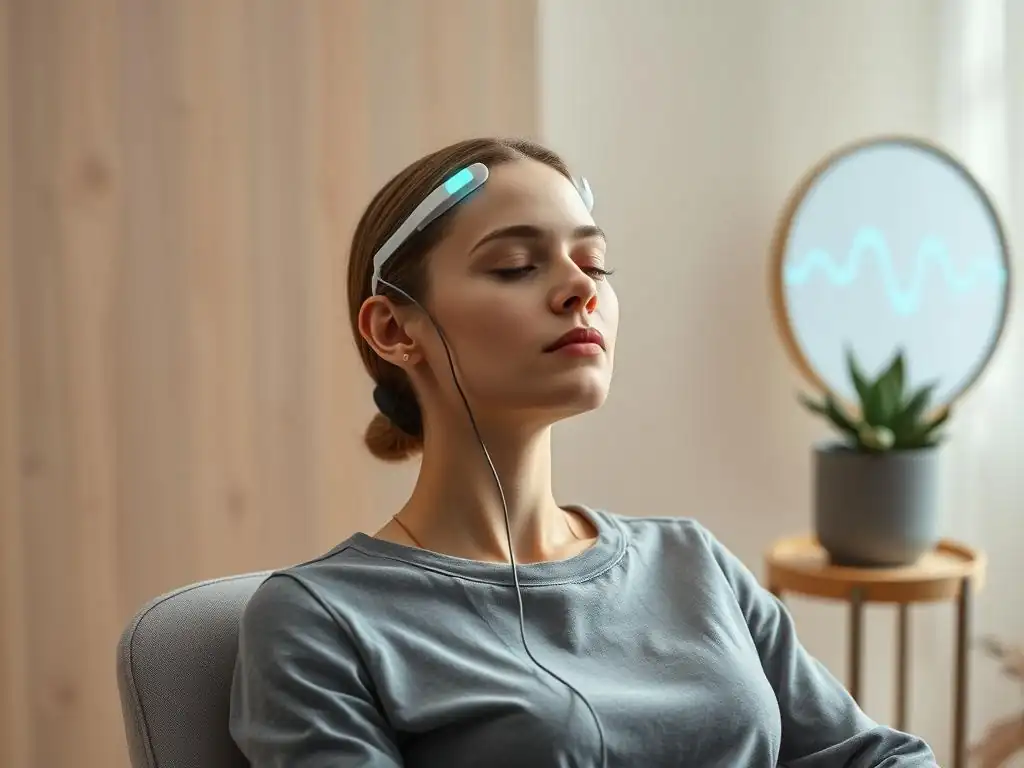
A typical biofeedback session involves sitting comfortably while sensors are attached to different parts of your body (e.g., fingers, wrist, scalp, forehead). The sensors are non-invasive and simply measure physiological signals without sending any electricity into your body. The therapist will explain what the sensors are measuring and how the feedback will be presented – usually on a computer screen showing graphs, numbers, or even interactive games or videos that respond to your physiological state.
The therapist will then guide you through exercises designed to influence the targeted physiological process. For example, you might be asked to practice deep breathing while watching your heart rate variability pattern change, or to relax specific muscles while observing your EMG levels drop.
The therapist provides coaching and strategies, and you learn by observing the real-time feedback, discovering what techniques work best for you to achieve the desired state (e.g., lower muscle tension, higher HRV coherence). Sessions typically last 30-60 minutes, and the number of sessions needed varies but often ranges from 8 to 20 or more, depending on the individual and the condition being addressed.
At-Home Biofeedback Options
While clinical biofeedback sessions with a therapist are highly recommended for personalized guidance and assessment, there are also increasing options for practicing biofeedback at home. These typically involve consumer-grade devices that connect to a smartphone or computer, offering basic biofeedback training for stress reduction and relaxation. Common home devices often focus on HRV biofeedback using a finger or ear clip sensor, or sometimes simple respiratory feedback via a chest strap.
These devices can be a valuable tool for practicing skills learned in therapy sessions or for general stress management. However, it's important to understand that home devices usually offer less sophisticated monitoring and analysis compared to clinical equipment and lack the guidance of a trained professional who can tailor protocols and interpret complex data. For serious anxiety disorders, starting with a qualified therapist is advisable, and home practice can then serve as a supplement to reinforce learned skills and maintain progress in helping to reduce anxiety symptoms between sessions.
Integrating Biofeedback with Other Practices
Biofeedback with Mindfulness and Meditation
Biofeedback and mindfulness or meditation practices are highly complementary approaches to mental wellness. Mindfulness involves paying attention to the present moment without judgment, often focusing on breath, bodily sensations, or thoughts. Meditation is a broader term encompassing various techniques to train attention and awareness. Both practices aim to calm the mind and body, which aligns perfectly with the goals of biofeedback.
Using biofeedback while practicing mindfulness or meditation can significantly enhance the learning process. For example, someone learning to meditate might use an HRV biofeedback device to see how their heart rhythm becomes more coherent as they settle into a meditative state. This objective feedback validates their experience and helps them identify exactly what kind of focus or breathing pattern is most effective for inducing a relaxed physiological state. Integrating these practices can deepen the mind-body connection, improve interoceptive awareness, and accelerate the ability to reduce anxiety symptoms and cultivate a sense of calm.
Biofeedback and Cognitive Behavioral Therapy (CBT)
Cognitive Behavioral Therapy (CBT) is a widely used psychotherapy that focuses on identifying and changing negative thought patterns and behaviors that contribute to mental health issues like anxiety. CBT teaches coping strategies and challenges irrational beliefs. While CBT works with thoughts and behaviors, biofeedback works directly with the physiological responses that often trigger or maintain anxiety.
Combining biofeedback with CBT creates a powerful synergistic approach. CBT can help an individual identify the anxious thoughts that lead to physiological arousal (e.g., "I'm going to fail this presentation"). Biofeedback can then teach them how to calm the resulting physical symptoms (e.g., rapid heart rate, sweaty palms) in real-time.
This allows the individual to practice CBT techniques (like challenging the negative thought) while simultaneously learning to regulate their body's stress response. This integrated approach addresses both the cognitive and physiological components of anxiety, making it a highly effective strategy to significantly help reduce anxiety symptoms and build comprehensive coping skills.
Lifestyle Factors Complementing Biofeedback
Achieving holistic well-being and maximizing the benefits of biofeedback for anxiety reduction involves integrating healthy lifestyle factors. Adequate sleep, regular physical activity, a balanced diet, and limiting stimulants like caffeine and alcohol all play a crucial role in regulating the nervous system and reducing overall stress levels. These factors create a foundation that supports the body's natural ability to maintain balance, making biofeedback training more effective.
For instance, someone struggling with anxiety who also has poor sleep habits may find it harder to achieve a relaxed state during biofeedback sessions. Conversely, incorporating regular exercise, which is known to reduce stress hormones and improve mood, can enhance the body's responsiveness to biofeedback training. Viewing biofeedback not as a standalone cure but as a powerful tool within a broader commitment to a healthy lifestyle significantly increases its potential to help reduce anxiety symptoms and promote long-term mental resilience.
Limitations and Considerations
Cost and Accessibility
One significant consideration when exploring biofeedback is its cost and accessibility. Biofeedback therapy is often not fully covered by health insurance plans, or coverage may be limited. Sessions with a certified therapist can range from approximately $100 to $250 per hour, and a course of treatment typically involves 10 to 20 sessions or more, leading to a total cost that can be a barrier for some individuals. The specialized equipment used in clinical settings also contributes to the cost of treatment.
Furthermore, finding a qualified biofeedback therapist can be challenging depending on geographical location. Biofeedback is not as widely available as traditional talk therapy or medication, particularly in rural or underserved areas. While home biofeedback devices exist and are more affordable (ranging from $50 to several hundred dollars), they may not provide the same level of efficacy or personalized guidance as clinical sessions, especially for severe anxiety conditions. These factors necessitate careful consideration of financial resources and local availability when deciding if biofeedback is a suitable option to help reduce anxiety symptoms.
Time Commitment and Consistency
Biofeedback training requires a significant time commitment and dedication to consistent practice to achieve lasting results. Attending regular sessions with a therapist, often weekly or bi-weekly, is essential, especially in the initial stages. Each session itself requires focused attention and effort to learn and practice the self-regulation techniques.
Beyond scheduled appointments, successful biofeedback relies heavily on consistent home practice. Just like learning any new skill, mastering physiological self-regulation requires repetition. Therapists often recommend practicing with a home unit or using learned techniques (like resonant breathing) for 10-20 minutes daily. Without this consistent practice, the skills may not become automatic, and the ability to effectively help reduce anxiety symptoms in real-world situations may be limited. Individuals considering biofeedback must be prepared for this ongoing commitment to reap its full benefits.
Precautions and Contraindications
While biofeedback is generally considered safe and non-invasive, there are a few precautions and considerations. It is not a substitute for medical diagnosis or treatment, and individuals should always consult with a healthcare provider before starting biofeedback, especially if they have underlying medical conditions or are taking medication.
In rare cases, individuals with certain medical conditions, such as severe heart arrhythmias or seizure disorders, may require special precautions or modifications to biofeedback protocols, and it should always be conducted under the supervision of a qualified professional knowledgeable about these conditions. Biofeedback is a tool for self-regulation, not a cure, and its effectiveness can vary from person to person. It is most often used as part of a comprehensive treatment plan, not as a standalone therapy, particularly for complex or severe anxiety conditions.
Success Stories
Biofeedback for Test Anxiety in College Students
Many college students experience significant test anxiety, leading to poor performance despite adequate preparation. One common scenario involves a student who suffers from a racing heart, sweaty palms, and difficulty concentrating during exams. After seeking help, the student enrolled in a biofeedback program focusing on HRV and GSR biofeedback.
Over 10 sessions, the student learned to recognize the early signs of their anxiety response and practiced using resonant breathing techniques guided by their HRV feedback. They also used GSR feedback to practice keeping their hands dry and cool. Initially, their heart rate variability showed chaotic patterns under imagined test stress, and their GSR levels spiked.
With practice, they were able to maintain a more coherent HRV pattern and lower GSR levels even when thinking about exams. By the time of their next major test, they reported significantly reduced physical symptoms, improved focus, and a greater sense of calm, which helped them perform closer to their potential. This real-world application demonstrated how biofeedback can effectively help reduce anxiety symptoms specific to performance situations.
Biofeedback for Managing Workplace Stress
Workplace stress is a major contributor to anxiety for many adults, often manifesting as tension headaches, fatigue, and irritability. Consider a marketing manager who consistently felt overwhelmed and tense, leading to frequent headaches by midday. Traditional stress management techniques offered limited relief. They decided to try EMG and thermal biofeedback.
Sensors placed on their forehead and neck revealed high levels of muscle tension, and thermal sensors showed reduced temperature in their hands, indicating stress-induced vasoconstriction. Through several weeks of training, they learned to actively relax their forehead and neck muscles, seeing the EMG levels decrease in real-time. They also practiced increasing hand temperature using guided imagery and thermal feedback.
They incorporated short biofeedback practice sessions during their workday using a home unit. Within two months, they reported a significant reduction in tension headaches, feeling less irritable, and having more energy, demonstrating how biofeedback can help reduce anxiety symptoms and physical discomfort stemming from chronic occupational stress.
A young professional struggled with social anxiety, particularly in networking events, experiencing intense blushing, sweating, and a racing heart, which made them avoid important career opportunities. They sought biofeedback therapy, focusing on thermal and GSR biofeedback.
In sessions, they practiced relaxation techniques while observing real-time feedback on their facial temperature and skin conductivity. Initially, even imagining a social event caused noticeable blushing and sweating spikes on the monitor. With consistent practice over 15 sessions, they became adept at using learned techniques to counteract these responses. They practiced in increasingly challenging simulated social scenarios within the therapy setting.
Over time, they gained confidence in their ability to manage their physical reactions. Attending their next networking event, they still felt some nervousness but were able to significantly reduce the visible signs of anxiety like blushing and sweating, allowing them to engage more freely. This case illustrates the power of biofeedback to help reduce anxiety symptoms tied to specific social triggers.
The Future of Biofeedback
Advances in Biofeedback Technology
The field of biofeedback is continuously evolving, driven by rapid advancements in technology. Sensors are becoming smaller, more accurate, and less intrusive, integrating seamlessly into wearable devices like smartwatches, rings, and specialized headbands. These devices are making it easier for individuals to monitor physiological signals like heart rate, HRV, skin temperature, and even basic EEG activity outside of a clinical setting.
Software is also becoming more sophisticated, offering engaging interfaces, gamified training programs, and advanced data analytics accessible via smartphone apps. Virtual reality (VR) and augmented reality (AR) are being explored to create immersive biofeedback environments that can simulate real-world anxiety-provoking situations (like public speaking) while providing real-time physiological feedback. These technological leaps are expanding the accessibility and potential applications of biofeedback, making it a more integrated part of daily wellness routines and enhancing its capacity to help reduce anxiety symptoms effectively.
Increasing Recognition of Biofeedback Effectiveness
There is growing recognition within the medical and mental health communities regarding the efficacy of biofeedback, particularly for conditions like anxiety, stress-related disorders, headaches, and chronic pain. Research continues to build a strong evidence base supporting its use. Professional organizations and clinical guidelines are increasingly acknowledging biofeedback as a valid, non-pharmacological treatment option.
This increasing recognition is leading to greater acceptance among healthcare providers and potentially wider insurance coverage in the future. As more studies demonstrate significant and lasting improvements in outcomes, particularly the ability of biofeedback to reduce anxiety symptoms and improve self-regulation, its role in integrated healthcare systems is likely to expand. This shift reflects a broader trend towards valuing mind-body interventions and empowering patients with tools for self-management.
Integrating Technology for Holistic Wellness
The future of biofeedback is likely to see it increasingly integrated into broader platforms for holistic wellness. Instead of being a standalone therapy, biofeedback data could be combined with information from other health tracking technologies (e.g., sleep monitors, activity trackers) to provide a more comprehensive picture of an individual's physical and mental state. This integrated data can offer personalized insights and guide interventions.
Furthermore, biofeedback principles are being incorporated into stress management apps, corporate wellness programs, and educational tools aimed at promoting resilience and emotional intelligence from a young age. This widespread adoption of biofeedback technology and principles aims to empower individuals to take proactive steps in managing their stress and anxiety, moving towards a model of preventative and self-directed mental healthcare. The goal is to make the powerful benefits of biofeedback – particularly its ability to help reduce anxiety symptoms through self-regulation – accessible to a wider population, fostering a culture of proactive well-being.
Frequently Asked Questions
What is biofeedback and how does it work?
Biofeedback is a technique that teaches you to control some of your body's functions, such as your heart rate or muscle tension. It uses sensors to provide information about these functions, helping you learn to consciously influence them, ultimately leading to better self-regulation.
Can biofeedback really help to reduce anxiety symptoms?
Yes, studies have shown that biofeedback can be effective in reducing anxiety symptoms. By learning to control physiological responses associated with anxiety, individuals can significantly decrease feelings of stress and worry, leading to improved overall well-being.
What types of conditions can biofeedback be used to treat, besides anxiety?
Beyond anxiety, biofeedback can be used to manage a range of conditions. This includes chronic pain, high blood pressure, tension headaches, and even certain digestive disorders.
What are the different types of biofeedback techniques available?
Several types of biofeedback exist, including heart rate variability (HRV) biofeedback, electromyography (EMG) biofeedback (measuring muscle tension), and neurofeedback (measuring brainwave activity). Each type focuses on different physiological responses to help manage various conditions.
How do I find a qualified biofeedback therapist or practitioner?
It's crucial to find a certified and experienced biofeedback therapist. Look for practitioners certified by organizations like the Biofeedback Certification International Alliance (BCIA). Also, discuss their experience and specific approach to ensure it aligns with your needs.
Final Reflection: Harnessing Technology for Inner Peace
The pervasive anxiety of modern life demands innovative solutions, and biofeedback offers a powerful, technology-driven path towards reclaiming inner calm. Its ability to translate physiological signals into actionable insights empowers individuals to directly address the root causes of anxiety, moving beyond mere symptom management. This is not simply a trend; it's a crucial step towards a more mindful and balanced approach to well-being.
The impact of biofeedback extends far beyond individual stress reduction; it's reshaping our understanding of self-regulation and mental health. By providing tangible feedback on our internal states, it fosters a deeper connection with our bodies and minds, allowing us to cultivate a more nuanced awareness of our emotional responses. This resonates deeply with my own experience learning to manage stress through biofeedback techniques. The mind is everything. What you think you become.
– Buddha. This ancient wisdom finds a powerful modern expression through the precise measurements and personalized insights offered by biofeedback technology.
Consider the potential within your reach. You have the power to actively shape your physiological responses, to learn the language of your body, and to cultivate a resilient inner landscape. Don't just passively endure anxiety; actively engage with it through the tools of biofeedback. Explore the resources available, experiment with different techniques, and discover the profound sense of calm and control that awaits you. This journey towards self-mastery begins with a single step – a step towards understanding and harnessing the incredible potential within you.
Unleash Your Inner Calm: Take Control with Biofeedback
Thanks for taking the time to explore the power of biofeedback with us! We hope you've gained valuable insights into how technology can support your journey towards greater self-regulation and inner peace. Now it's time to put that knowledge into action.
- Begin your biofeedback journey today: Research local practitioners or explore online resources to find the right method for you. This is your first step toward mastering your body's responses.
- Share your experience: Tell us about your thoughts and experiences with biofeedback in the comments below. Let's build a supportive community around this transformative practice!
- Try a simple breathing exercise: Even without specialized equipment, mindful breathing can unlock your body's natural calming mechanisms. Start with just five minutes daily and see the difference it makes.
Ready to experience the profound benefits of biofeedback? What small step will you take today to cultivate more calm and self-awareness?