
Breaking the "Man Up" Myth: Ending Stigma Around Male Emotions

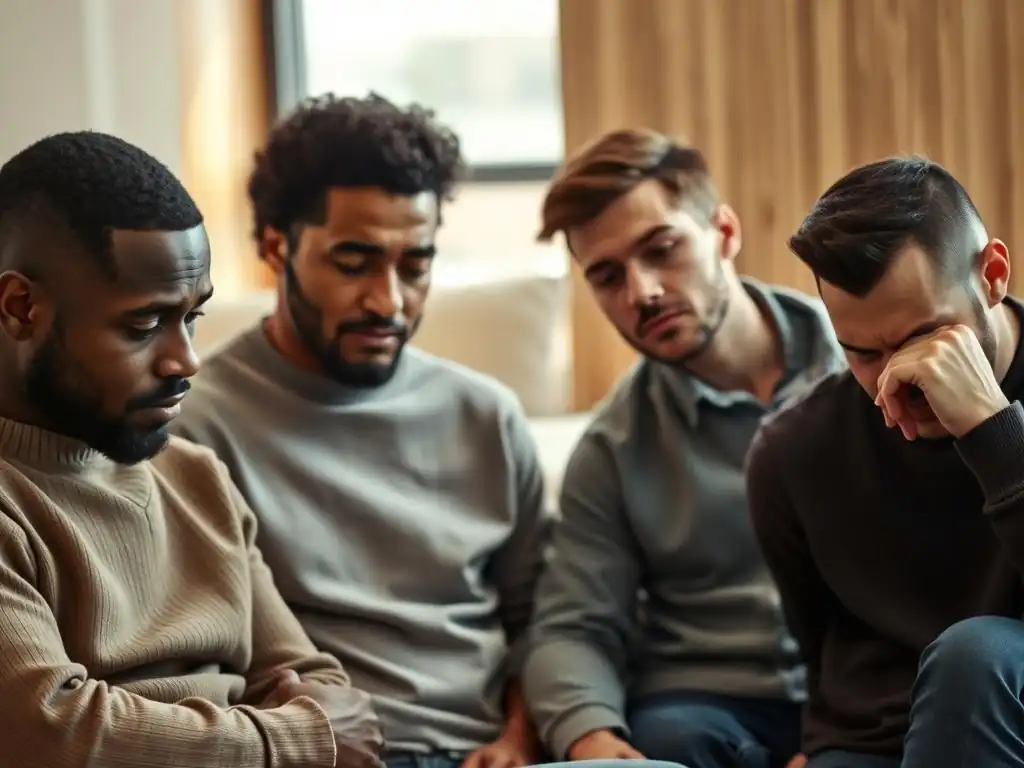
Welcome to Mind Care Guide, a safe space to explore and nurture your mental well-being.
Are you ready to rewrite the narrative around masculinity and emotional expression? We understand the societal pressures that often silence men's feelings. This month, we're diving deep into men's emotional vulnerability support, challenging the "man up" myth and offering practical resources to help you, or someone you care about, break free from the stigma. Discover a path towards authentic self-expression and genuine connection. Let's begin this journey together.
Breaking the "Man Up" Myth: Fostering Emotional Well-being in Men
- Understanding Societal Expectations and Their Impact
- The Importance of Emotional Expression and Connection
- Addressing Stigma and Barriers to Seeking Help
- Strategies for Building Emotional Resilience and Self-Awareness
- Finding Support and Resources for Men's Mental Health
- Creating a Supportive Culture for Men's Emotional Well-being
- Supporting Men in Crisis: Recognizing and Responding Effectively
- The Future of Men's Mental Health: Promoting Prevention and Early Intervention
-
Frequently Asked Questions
- What is the "Man Up" Myth, and how does it impact men's mental health?
- Why is it important to address emotional vulnerability in men specifically?
- What kind of support resources are available for men struggling with emotional vulnerability?
- How can I, as a friend or family member, support a man in my life who is struggling with emotional vulnerability?
- What are some practical steps men can take to begin embracing their emotional vulnerability?
- Final Reflection: Reclaiming Emotional Strength
- Unleash Your Emotional Strength: A New Path Forward
Understanding Societal Expectations and Their Impact
For generations, men have been conditioned by societal norms that often discourage the open expression of emotions, particularly those perceived as vulnerable or weak. This conditioning, frequently summarized by the harmful phrase "man up," creates a significant barrier to men seeking and receiving the emotional support they need. Understanding the roots and consequences of these expectations is the first step in dismantling the stigma surrounding male emotions and fostering Men’s emotional vulnerability support.
This cultural landscape impacts everything from how men communicate within relationships to their willingness to seek professional mental health care. The pressure to conform affects men across all demographics, though specific cultural backgrounds may add unique layers to these expectations. Recognizing this pervasive influence is crucial for anyone involved in providing Men’s emotional vulnerability support.
The Pressure to Conform to Traditional Masculinity
Traditional masculinity often dictates a narrow range of acceptable emotions for men, typically favoring stoicism, anger, or confidence while discouraging sadness, fear, or vulnerability. This pressure begins early in life, reinforced by family, peers, media, and cultural narratives. Boys are frequently taught that showing pain or crying is a sign of weakness, leading to the suppression of genuine feelings.
Studies and observations consistently show that this pressure significantly impacts male behavior. For example, research indicates that men are often socialized to be independent and self-reliant, which can translate into a reluctance to admit needing help. A survey by the American Psychological Association in 2018 highlighted how traditional masculine norms are associated with negative health outcomes, including depression and stress, precisely because they discourage help-seeking and emotional expression. This ingrained expectation makes providing Men’s emotional vulnerability support challenging but essential.
Consequences of Emotional Suppression on Mental and Physical Health
Suppressing emotions does not make them disappear; it often leads to them manifesting in unhealthy ways, impacting both mental and physical health. Men who internalize the "man up" message may experience increased rates of depression, anxiety, and substance abuse, as they turn to maladaptive coping mechanisms instead of processing their feelings. The emotional burden can become immense, leading to feelings of isolation and despair.
Beyond mental health, chronic emotional suppression has been linked to various physical ailments. Stress hormones released when emotions are constantly kept in check can contribute to cardiovascular problems, digestive issues, and weakened immune systems over time. For instance, some studies suggest a correlation between suppressed anger and increased risk of heart disease. This demonstrates that the lack of Men’s emotional vulnerability support has tangible, negative health consequences that extend far beyond psychological distress.
Recognizing Unhealthy Coping Mechanisms and Their Roots
When men are discouraged from expressing emotions openly, they often develop unhealthy coping mechanisms to manage their internal distress. These can include excessive risk-taking, aggression, substance abuse (alcohol, drugs), workaholism, or emotional withdrawal. These behaviors serve as temporary distractions or attempts to regain a sense of control or power when feeling overwhelmed by unacknowledged emotions.
Understanding the roots of these behaviors is key to providing effective support. Often, these mechanisms are learned responses, passed down through generations or reinforced by peer groups. For example, a man who saw his father or male role models deal with stress primarily through drinking might adopt a similar pattern. Recognizing these patterns not as inherent flaws but as coping strategies developed in the absence of healthy Men’s emotional vulnerability support is vital for fostering change and promoting healthier alternatives.
The Importance of Emotional Expression and Connection
Moving beyond the limitations of traditional masculinity requires recognizing the profound importance of emotional expression and genuine connection for overall well-being. Embracing vulnerability and authenticity allows men to build stronger relationships, improve their mental health, and live more fulfilling lives. Promoting Men’s emotional vulnerability support centers on cultivating environments where such expression is not just accepted but encouraged.
This shift involves challenging deeply ingrained beliefs about what it means to be strong. True strength lies not in suppressing emotions but in the courage to acknowledge, understand, and express them constructively. Encouraging men to connect with their feelings and with others provides a pathway to greater resilience and happiness.
Redefining Strength: Embracing Vulnerability and Authenticity
Strength has long been equated with stoicism and invincibility, particularly for men. However, a more nuanced understanding recognizes that true strength involves courage, honesty, and the capacity for genuine connection – all of which require vulnerability. Embracing vulnerability means allowing oneself to be seen, including acknowledging fears, uncertainties, and needs.
This redefined strength is not about being weak; it's about being real. Public figures like athletes or celebrities who have shared their struggles with mental health or emotional challenges exemplify this new paradigm. Their willingness to be open, despite potential judgment, requires immense courage and helps normalize emotional expression for other men. Supporting this shift in perspective is a core component of Men’s emotional vulnerability support efforts.
Benefits of Emotional Intelligence for Personal and Professional Life
Emotional intelligence – the ability to recognize, understand, and manage one's own emotions, and recognize, understand, and influence the emotions of others – is a critical skill with wide-ranging benefits. For men, developing emotional intelligence can lead to improved decision-making, better stress management, and enhanced empathy. It enables them to navigate complex social situations and build more meaningful connections.
In professional settings, emotional intelligence is increasingly valued. It contributes to effective leadership, better teamwork, and improved communication. Men who are emotionally intelligent are often more adaptable, resilient, and successful in their careers. Cultivating these skills is a practical way to enhance Men’s emotional vulnerability support, demonstrating that emotional awareness is a strength, not a weakness, in all areas of life.
Fostering Healthy Relationships Through Open Communication
Healthy relationships, whether romantic, familial, or platonic, are built on a foundation of trust, respect, and open communication. For men, this often means challenging the ingrained tendency to withdraw or shut down emotionally during conflict or distress. Learning to articulate feelings, listen actively, and respond empathetically are crucial skills for building and maintaining strong bonds.
When men feel safe to express their emotions within relationships, it deepens intimacy and understanding. Partners and family members can provide crucial Men’s emotional vulnerability support when they feel included in a man's emotional world. Conversely, emotional suppression can lead to distance, misunderstandings, and resentment, eroding the quality of relationships. Prioritizing open emotional dialogue is essential for relational well-being.
Addressing Stigma and Barriers to Seeking Help

Despite growing awareness, significant stigma and barriers still prevent many men from seeking help for mental health challenges. These obstacles are deeply rooted in societal norms, cultural influences, and internalized beliefs about masculinity and weakness. Addressing these barriers is paramount for improving Men’s emotional vulnerability support and ensuring men receive the care they need.
Overcoming stigma requires a multi-faceted approach that challenges harmful stereotypes, promotes education, and creates environments where seeking help is seen as an act of strength and self-care, not failure. It involves both changing societal perceptions and empowering individuals to overcome their own internal resistance.
Societal and Cultural Influences on Men's Mental Health
Societal expectations about masculinity profoundly influence how men perceive and address mental health issues. The pressure to be tough, self-reliant, and in control can make admitting to struggling with mental health feel like a personal failure. Cultural norms often dictate that emotional distress should be handled privately, if at all, leading to isolation.
These influences manifest in various ways. For instance, statistics consistently show lower rates of men seeking therapy compared to women, despite similar or higher prevalence rates for certain conditions like substance use disorders or completed suicides. Cultural differences also play a role; expectations of masculinity can vary significantly across different ethnic and national groups, adding layers of complexity to the challenge of providing universal Men’s emotional vulnerability support.
Overcoming Internalized Stigma and Self-Doubt
Beyond external societal pressures, many men grapple with internalized stigma – the personal acceptance of negative beliefs about mental illness and seeking help. This can manifest as self-doubt, shame, and a belief that their struggles are a sign of personal inadequacy. This internal barrier can be incredibly powerful, making it difficult to even acknowledge a problem, let alone seek professional Men’s emotional vulnerability support.
Overcoming internalized stigma often requires a conscious effort to challenge these deeply held beliefs. It involves recognizing that mental health challenges are health issues, not moral failings, and that seeking help is a sign of self-awareness and courage. Empowering men to reframe their thinking and prioritize their well-being is a critical step in breaking down these internal barriers and fostering Men’s emotional vulnerability support.
Promoting Help-Seeking Behaviors and Early Intervention
Promoting help-seeking behaviors among men is crucial for early intervention and improved outcomes. This involves normalizing discussions about mental health, making resources easily accessible, and educating men (and those who support them) about the signs and symptoms of common mental health conditions. Early intervention can prevent conditions from worsening and significantly improve recovery rates.
Initiatives that specifically target men, using language and approaches that resonate with them, have shown promise. This might include campaigns that frame seeking help as a strategic move for resilience or performance, or utilizing settings traditionally associated with men, such as workplaces, sports clubs, or community centers, to offer information and resources. Increasing Men’s emotional vulnerability support requires proactive efforts to meet men where they are and reduce the perceived difficulty of accessing help.
Strategies for Building Emotional Resilience and Self-Awareness
Building emotional resilience and self-awareness is an ongoing process that empowers men to better understand and manage their emotions, navigate challenges, and maintain their well-being. These strategies provide practical tools for developing a healthier relationship with one's internal world and fostering greater Men’s emotional vulnerability support from within.
Developing these skills is not about eliminating negative emotions, but about learning to experience them without being overwhelmed and responding to them constructively. It involves cultivating a deeper understanding of oneself and practicing techniques that promote emotional regulation and mental strength.
Developing Emotional Literacy: Identifying and Naming Feelings
Emotional literacy is the ability to identify, understand, and respond to emotions in oneself and others. For men, who may have been taught to suppress or intellectualize feelings, developing this skill is foundational. It begins with simply learning to recognize and name the wide spectrum of human emotions beyond basic categories like "fine," "angry," or "sad."
Practicing emotional literacy can involve journaling about feelings, using feeling wheels or charts to expand emotional vocabulary, or discussing emotions with trusted friends or a therapist. For example, instead of saying "I feel stressed," a man might learn to identify the underlying emotions: "I feel overwhelmed by my workload," or "I feel anxious about meeting expectations." This precision is essential for effective Men’s emotional vulnerability support and self-care.
Cultivating Mindfulness and Self-Compassion
Mindfulness involves paying attention to the present moment without judgment, including acknowledging thoughts, feelings, and bodily sensations. Practicing mindfulness can help men become more aware of their emotional states as they arise, rather than being blindsided by them or reacting impulsively. Simple techniques like deep breathing or body scans can be powerful tools.
Self-compassion is about treating oneself with the same kindness, understanding, and acceptance one would offer a friend facing a difficult time. For men who are often self-critical or feel pressure to be perfect, cultivating self-compassion is vital for combating internalized stigma and fostering Men’s emotional vulnerability support internally. It involves recognizing that experiencing difficult emotions or setbacks is part of the human experience.
Practicing Healthy Communication and Boundary Setting
Effective communication is a cornerstone of emotional health and strong relationships. This includes assertive communication – expressing one's needs, feelings, and opinions respectfully – rather than aggressive or passive communication. Learning to communicate emotions clearly and directly reduces misunderstandings and builds trust.
Setting healthy boundaries involves defining limits on how others can treat you and how you will spend your time and energy. For men who may feel obligated to always say "yes" or take on excessive burdens, learning to set boundaries is crucial for preventing burnout and protecting mental space. These communication and boundary-setting skills are practical applications of Men’s emotional vulnerability support, allowing men to advocate for their own needs.
Finding Support and Resources for Men's Mental Health
Finding the right support is a critical step for men navigating emotional challenges and mental health concerns. While general mental health resources exist, options specifically tailored to men's experiences can be particularly effective in fostering Men’s emotional vulnerability support by addressing unique perspectives and barriers. Accessing these resources is a sign of strength and a commitment to well-being.
Fortunately, a growing number of organizations and services are recognizing the specific needs of men and developing targeted programs. These resources can range from peer support groups to specialized therapy approaches, offering different avenues for help depending on individual needs and preferences.
Identifying Male-Specific Support Groups and Communities
Peer support groups offer a powerful avenue for Men’s emotional vulnerability support, providing a safe space to share experiences with others who understand similar pressures and challenges. Male-specific groups can be particularly impactful as they often address themes relevant to men, such as societal expectations, fatherhood, career stress, or relationship dynamics, within a context of shared understanding.
These groups can be found through local community centers, mental health organizations, or online platforms. For instance, organizations like ManKind Project or local men's sheds (in some regions) provide community spaces and peer support networks. Connecting with other men who are also actively working on their emotional well-being can reduce feelings of isolation and provide valuable perspective and encouragement.
Benefits of Therapy and Counseling Tailored to Men's Needs
Therapy and counseling provide professional Men’s emotional vulnerability support, offering evidence-based strategies for managing mental health conditions and developing healthier coping mechanisms. Therapists trained in men's issues understand the unique societal pressures men face and can tailor their approach to resonate effectively.
Therapy can help men identify the roots of emotional suppression, challenge harmful beliefs, and develop skills for emotional expression, communication, and building healthy relationships. Approaches like Cognitive Behavioral Therapy (CBT) or Acceptance and Commitment Therapy (ACT) can be adapted to address men's specific challenges. A therapist provides a confidential and non-judgmental space to process difficult emotions and experiences.
[List of Resources: Men's Mental Health Organizations and Support Groups]
Below are examples of types of organizations and resources that provide Men’s emotional vulnerability support. (Note: Specific organizations and contact details vary by location. Please consult local directories for resources in your area.)
- National Men's Health Organizations: Groups focused on advocating for men's health, including mental health.
- Example: The Brotherhood Initiative (Fictional Name) - Offers mental health information and programs.
- Local Community Mental Health Centers: Often have programs or therapists specializing in men's issues.
- Example: City Mental Wellness Clinic - Provides counseling services with male-focused options.
- Online Men's Support Communities: Digital platforms offering peer support and resources.
- Example: MenConnect Online Forum (Fictional Name) - A moderated online space for peer support.
- Workplace Employee Assistance Programs (EAPs): Confidential counseling services offered through employers.
- Example: Company-sponsored confidential counseling line.
Creating a Supportive Culture for Men's Emotional Well-being

Creating a culture that actively supports Men’s emotional vulnerability support requires collective effort. It involves challenging existing norms, promoting open dialogue, and fostering empathy within families, communities, and society at large. This cultural shift is essential for dismantling the "man up" myth and building environments where men feel safe and encouraged to prioritize their mental health.
This isn't just about individual behavior change; it's about systemic and cultural transformation. It requires challenging the narratives we consume, the language we use, and the expectations we place on men from a young age.
Promoting Open Dialogue and Education About Mental Health
One of the most powerful ways to combat stigma is through open and honest conversations about mental health. Promoting dialogue in schools, workplaces, families, and communities helps normalize the topic and educates people about common challenges and the importance of seeking help. For men, hearing others, particularly male role models, speak openly about their struggles can be incredibly validating.
Educational initiatives that specifically address men's mental health, highlighting the unique pressures they face and effective coping strategies, are vital. For example, workshops in schools or community centers could focus on emotional literacy, stress management, and where to find Men’s emotional vulnerability support. Increasing understanding reduces fear and encourages proactive engagement with mental well-being.
Challenging Harmful Gender Stereotypes in Media and Culture
Media and popular culture play a significant role in perpetuating harmful gender stereotypes. Portrayals of men as emotionless, aggressive, or solely defined by physical strength reinforce the "man up" myth. Actively challenging these stereotypes and promoting diverse, realistic representations of male emotional experiences is crucial for cultural change.
This involves advocating for more nuanced and empathetic portrayals of men in films, television, advertising, and news reporting. It also means being critical of content that mocks or dismisses male emotional expression. By showcasing examples of men demonstrating vulnerability, empathy, and seeking help, media can play a powerful role in fostering Men’s emotional vulnerability support and shifting public perception.
Encouraging Empathy and Understanding in Families and Communities
Creating a supportive culture begins at the interpersonal level, within families and local communities. Encouraging empathy means fostering an environment where men feel heard and understood when they express difficult emotions, without judgment or immediate attempts to "fix" the problem. It involves validating their feelings and offering support.
In families, this might look like fathers modeling healthy emotional expression, or parents teaching their sons that it's okay to cry or feel scared. In communities, it involves creating spaces where men can connect authentically, such as Men’s emotional vulnerability support groups or community events focused on well-being. These micro-cultures of support are foundational to broader societal change.
Supporting Men in Crisis: Recognizing and Responding Effectively
Knowing how to recognize the signs of mental health distress or crisis in men and responding effectively can be life-saving. Men, due to societal conditioning, may be less likely to outwardly show signs of struggle or directly ask for help, making it crucial for friends, family, and colleagues to be aware and prepared to offer Men’s emotional vulnerability support during difficult times.
Recognizing warning signs, offering non-judgmental support, and connecting individuals to professional resources are critical steps in crisis intervention. It requires courage, compassion, and a willingness to act when someone appears to be struggling.
Identifying Warning Signs of Mental Health Distress and Suicidal Ideation
Warning signs of mental health distress or suicidal ideation in men can sometimes differ from common portrayals. While some men may exhibit classic symptoms like persistent sadness or withdrawal, others might show increased irritability, anger, risk-taking behavior, substance use, or a sudden increase or decrease in activity. Specific signs of potential suicidal ideation include talking about feeling hopeless, being a burden, increased alcohol/drug use, reckless behavior, withdrawing from friends/family, or giving away possessions.
It's important to look for changes in behavior, mood, or personality. A man who is usually outgoing becoming withdrawn, or someone typically calm becoming easily angered, could be indicators. Trust your intuition if you feel something is wrong. Learning to recognize these specific signs is a vital aspect of providing timely Men’s emotional vulnerability support and crisis intervention.
Offering Non-Judgmental Support and Connecting Individuals to Resources
If you suspect a man is struggling, the most important first step is to reach out and offer non-judgmental support. This means listening without interrupting, validating their feelings ("That sounds incredibly difficult"), and expressing concern without blame ("I've noticed you seem really down lately, and I'm worried about you"). Avoid minimizing their feelings or telling them to "cheer up."
Once a connection is made and the person feels heard, gently encourage them to seek professional help. Offer to help them find resources, make an appointment, or even accompany them to a first session. Providing tangible assistance reduces the barrier to seeking Men’s emotional vulnerability support. Remember, your role is to support and connect, not to be their therapist.
[List of Crisis Hotlines and Emergency Resources]
If you or someone you know is in immediate crisis, please seek help immediately. Below are types of resources available. (Note: Specific contact information varies by location. Please use local directories or emergency services.)
- National Crisis Hotlines: Free, confidential phone lines available 24/7 for immediate support.
- Example: The National Crisis & Support Line (Fictional Name)
- Local Emergency Services: Call emergency services (e.g., 911 in the US, 999 in the UK) for immediate danger or medical emergencies.
- Hospital Emergency Rooms: Can provide immediate psychiatric evaluation and care in a crisis.
- Crisis Text Lines: Confidential text-based support available 24/7.
- Example: Text SUPPORT to [Fictional Number]
The Future of Men's Mental Health: Promoting Prevention and Early Intervention
Looking ahead, the focus on Men’s emotional vulnerability support must shift towards prevention and early intervention. While crisis management is essential, empowering men from a young age with emotional literacy, healthy coping skills, and the confidence to seek help is key to fostering long-term well-being. This proactive approach can reduce the incidence of severe mental health crises and improve overall quality of life for men.
Building a future where men's emotional health is prioritized requires ongoing effort from individuals, families, communities, and institutions. It's about creating a sustainable culture of support and resilience.
Promoting Positive Mental Health Practices from a Young Age
Instilling positive mental health practices in boys from a young age is foundational for preventing future struggles. This includes teaching emotional literacy, encouraging open communication about feelings, modeling healthy coping mechanisms, and challenging gender stereotypes that limit emotional expression. Parents, educators, and mentors play a crucial role in shaping these early attitudes.
For example, incorporating discussions about feelings and mental well-being into school curricula, promoting mindfulness exercises, or encouraging boys to participate in activities that foster emotional connection (like team sports focused on communication, or arts programs) can make a significant difference. Early Men’s emotional vulnerability support builds a strong foundation for resilience throughout life.
Empowering Men to Prioritize Their Emotional Well-being Throughout Life
Empowering men to view their emotional well-being as a priority, just like physical health, is essential. This means encouraging regular "check-ins" with themselves, seeking preventative care (like therapy even when not in crisis), and integrating stress-reducing activities into their routines. It's about shifting from a reactive approach to a proactive one.
This empowerment can come through educational campaigns, workplace wellness programs that specifically address men's health, and community initiatives that promote healthy lifestyles including emotional care. Providing accessible and destigmatized Men’s emotional vulnerability support resources empowers men to take ownership of their mental health journey at every stage of life.
Continuing Research and Advocacy for Men's Mental Health
Continued research into the unique aspects of men's mental health, including how societal pressures impact specific demographics of men, is necessary to develop more effective prevention and treatment strategies. Advocacy efforts are also crucial to raise awareness, challenge stigma, and push for policies and funding that support men's mental health initiatives.
This includes advocating for better access to affordable mental healthcare, promoting research into male-specific mental health challenges, and supporting organizations dedicated to Men’s emotional vulnerability support. By continuing to learn and advocate, we can build a future where the "man up" myth is replaced by a culture that celebrates emotional authenticity and supports the full spectrum of men's emotional lives.
Frequently Asked Questions
What is the "Man Up" Myth, and how does it impact men's mental health?
The "Man Up" Myth refers to societal expectations that men should suppress their emotions and be emotionally invulnerable. This can lead to increased stress, anxiety, and depression as men are discouraged from seeking help.
Why is it important to address emotional vulnerability in men specifically?
Men are often socialized to believe that expressing emotions is a sign of weakness. Addressing emotional vulnerability can help them challenge these harmful stereotypes and improve their overall mental well-being.
What kind of support resources are available for men struggling with emotional vulnerability?
Resources include therapy, support groups, and online communities specifically tailored to men's mental health. Mind Care Guide offers information and links to many such resources.
How can I, as a friend or family member, support a man in my life who is struggling with emotional vulnerability?
Encourage open communication, listen without judgment, and validate his feelings. Offer to help him find professional support and remind him that seeking help is a sign of strength, not weakness.
What are some practical steps men can take to begin embracing their emotional vulnerability?
Start by identifying and acknowledging your emotions. Practice self-compassion and challenge negative self-talk. Seek out safe spaces and trusted individuals where you can express your feelings without fear of judgment.
Final Reflection: Reclaiming Emotional Strength
The outdated notion of "manning up" is not only harmful but actively prevents men from accessing crucial support and living fulfilling lives. This toxic masculinity continues to fuel a crisis of emotional unavailability, impacting relationships, mental health, and overall societal well-being. We need a radical shift in how we perceive and support men's emotional expression.
The journey towards dismantling this harmful myth is a collective one, requiring empathy, understanding, and a willingness to challenge deeply ingrained societal norms. The impact of suppressing emotions is far-reaching, affecting not only individual men but also their families and communities. The most courageous act is still to think for yourself. Aloud.
– Coco Chanel. This quote, while seemingly unrelated at first glance, speaks to the bravery required to break free from societal expectations and embrace authenticity. It's a bravery that we must encourage in men, allowing them the space to express their full range of emotions without fear of judgment.
You, the reader, hold a powerful position in this shift. Consider how you interact with the men in your life – your partners, fathers, brothers, friends, and colleagues. Are you creating a safe space for vulnerability? Are you actively challenging the "man up" mentality when you encounter it? By fostering open communication and empathy, we can collectively build a world where men feel empowered to seek help, express their emotions, and thrive emotionally. Let's work together to rewrite the narrative around masculinity and redefine strength to include emotional vulnerability.
Unleash Your Emotional Strength: A New Path Forward
Thanks for taking the time to explore the often-overlooked world of male emotions. We hope you gained valuable insights into breaking free from harmful stereotypes. Now, it's time to put that knowledge into action!
- Start a conversation: Share this article with a friend, family member, or colleague who might benefit from a different perspective on masculinity. This simple act can spark important dialogue and create positive change.
- Embrace vulnerability: Reflect on your own emotional experiences. Journaling, meditation, or simply taking time for self-reflection can be powerful tools for emotional growth.
- Challenge the status quo: Actively question outdated ideas about masculinity that you encounter in your daily life – at work, home, or among friends.
What small step will you take today to promote healthier emotional expression in yourself and others?