
The Algorithm Effect: How Your Feed Influences Your Mood


Welcome to Mind Care Guide, your haven for understanding and nurturing mental well-being.
Ever felt that nagging sense of unease after scrolling through your feed? You're not alone. We delve into the complex relationship between our digital habits and our emotional state, exploring the often-overlooked social media mood impact. Are you ready to uncover how algorithms are subtly shaping your perception and, more importantly, what you can do about it? Let's explore the intricate connections between technology and your mental health, starting right here.
The Algorithm Effect: How Social Media Feeds Impact Mental Well-being
- Understanding Social Media's Impact on Mental Well-being: The Algorithm Connection
- Decoding the Algorithm: Content Curation on Social Media Platforms
- The "Social Media Mental Health Impact": Positive and Negative Effects
- The Psychological Mechanisms Behind Social Media's Emotional Influence
- Identifying Algorithmic Manipulation: Recognizing Its Influence
- Strategies for Managing the "Social Media Mental Health Impact"
- Tools and Techniques for Promoting a Positive Social Media Experience
- Real-Life Examples: Case Studies of Algorithm Impact
- Conclusion: Taking Control of Your Online Experience
-
Frequently Asked Questions
- How does the algorithm on social media affect my mood?
- Can prolonged social media use contribute to anxiety or depression?
- What are some signs that social media is negatively affecting my mental well-being?
- What steps can I take to mitigate the negative impact of social media on my mood?
- How can I use social media in a way that supports my mental well-being?
- Final Reflection: Reclaiming Your Feed, Reclaiming Your Mood
- Unlock Your Feed's Power: Reclaim Your Mood!
Social media platforms have become integral to modern life, shaping how we connect, consume information, and perceive the world. While offering numerous benefits, their pervasive nature raises significant questions about their influence on our mental state. The content we see is not random; it's meticulously curated by complex algorithms designed to maximize engagement, which in turn, can profoundly affect our mood, self-esteem, and overall psychological health. Understanding this fundamental relationship is crucial for navigating the digital landscape responsibly.
The connection between social media use and psychological outcomes is well-documented. Studies have shown links between excessive use and increased feelings of loneliness, anxiety, and depression. This isn't just about the time spent online, but critically, what content is being consumed and how it is presented. The algorithm acts as a personalized filter, constantly learning our preferences, behaviors, and even emotional responses, feeding us more of what keeps us scrolling, regardless of its potential social media mood impact.
Research consistently points to a correlation between heavy social media use and elevated levels of anxiety and depression, particularly among young adults and adolescents. A 2018 study involving over 6,500 young people aged 19-32 found that those who spent the most time on social media were significantly more likely to report concerns about anxiety and depression compared to their less frequent counterparts. This isn't necessarily a direct cause-and-effect, but rather a complex interplay where social comparison, fear of missing out (FOMO), cyberbullying, and sleep disruption contribute to psychological distress.
The constant exposure to seemingly perfect lives, filtered realities, and curated successes can lead to feelings of inadequacy and heightened social anxiety. For example, seeing friends constantly on vacation or achieving milestones can trigger negative self-assessment. This phenomenon, often exacerbated by algorithmic feeds that highlight popular or highly-engaged content, contributes significantly to the negative social media mood impact many users experience, fueling a cycle of comparison and self-doubt that can deepen feelings of depression and anxiety.
The Role of Algorithms in Shaping User Experience
Algorithms are the invisible architects of our social media reality. They analyze vast amounts of data—likes, shares, comments, time spent on posts, demographics, and even emotional reactions inferred from content—to determine what content appears in our feeds and in what order. Their primary goal is to keep users engaged on the platform for as long as possible, as this translates directly into advertising revenue. They predict what content we are most likely to interact with, whether it's entertaining videos, news articles, or updates from friends.
This relentless pursuit of engagement means algorithms can inadvertently amplify content that triggers strong emotional responses, including negative ones. Sensational news, emotionally charged posts, or content that sparks outrage often perform well algorithmically because they generate significant interaction. Over time, this can skew a user's perception of reality, making the world seem more negative or polarized than it is, contributing to a palpable social media mood impact that can feel overwhelming and inescapable for frequent users.
At its core, a social media algorithm is a set of rules or calculations that determines which content is shown to individual users. It's a personalized ranking system, constantly being refined. Think of it less like a simple chronological feed and more like a highly sophisticated editor deciding what makes it onto your unique front page. This curation process is designed to maximize engagement, but it has profound implications for the diversity of information we consume and the perspectives we encounter, influencing the overall social media mood impact.
Major platforms like Facebook, Instagram, TikTok, and X (formerly Twitter) each employ proprietary algorithms with varying priorities. While the exact formulas are secret, they generally weigh factors like user interest (based on past interactions), relationship with the poster (are they a friend or someone you interact with often? ), timeliness (how recent is the post? ), and the type of content (video, photo, text). Understanding these underlying principles helps demystify why certain content dominates your feed and others disappear.
How Algorithms Prioritize Content: Engagement, Relevance, and Recency
Algorithms prioritize content based on a complex interplay of factors, with engagement often being paramount. A post that receives many likes, comments, shares, or saves quickly is typically seen as high-quality or highly interesting by the algorithm and is shown to more users. Relevance is also key; the algorithm tries to show you content it believes you will personally find interesting based on your past behavior and stated preferences. If you often like posts about cooking, you'll likely see more cooking-related content.
Recency, or how new a post is, used to be a primary factor, but on many platforms, it has taken a backseat to engagement and relevance. This means older content that is still generating significant interaction can sometimes be prioritized over newer posts.
For instance, an Instagram post from yesterday that is suddenly going viral might appear higher in your feed than a post from a friend shared an hour ago. This focus on popularity and relevance, while aiming to keep you entertained, can easily create echo chambers and filter bubbles, significantly shaping the social media mood impact you experience by constantly reinforcing existing views.
The Echo Chamber Effect: Algorithms and Political Polarization
The "echo chamber" effect is a significant consequence of algorithmic content curation, particularly concerning news and political information. Algorithms, seeking to show you content you'll engage with, often prioritize information that aligns with your existing beliefs or interests. If you interact primarily with content from a specific political viewpoint, the algorithm will show you more of that content, reinforcing your views and limiting exposure to opposing perspectives. This creates a digital space where your own beliefs are echoed back to you, often with increasing intensity.
This phenomenon contributes directly to political polarization. Users within echo chambers are less likely to encounter information that challenges their assumptions or provides alternative viewpoints, making it harder to understand or empathize with those holding different opinions. For example, a user who frequently interacts with conservative news sources might see very little, if any, content from liberal outlets, and vice-versa. This lack of exposure to diverse perspectives makes reasoned debate difficult and can foster an environment of distrust and division, adding a layer of stress to the overall social media mood impact.
Filter Bubbles: Limiting Information Exposure and Reinforcing Biases
Related to echo chambers, filter bubbles occur when algorithms guess what information users would like to see and then limit their exposure to a diversity of content, effectively isolating them in their own informational bubble. This isn't just about politics; it applies to all sorts of information, from consumer choices to lifestyle trends. If you've shown interest in minimalist design, your feed might become saturated with content about minimalism, while information about other design styles is filtered out.
While this personalization can sometimes be helpful (like getting recommendations for products you might like), it can also limit your exposure to new ideas, diverse opinions, and information that falls outside your perceived interests. This can reinforce existing biases and create a skewed understanding of the world, making it seem smaller and less varied than it is.
Being constantly exposed to content that confirms your existing views, whether about lifestyle, health, or world events, can subtly shape your beliefs and attitudes, contributing to a particular social media mood impact, sometimes one of complacency or, conversely, one of anxiety if the bubble is filled with negative reinforcement.
The social media landscape is not monolithic; its effects on mental well-being are multifaceted and depend heavily on individual use patterns, personality traits, and the specific content being consumed. While the negative aspects often dominate headlines, it's important to acknowledge the potential for positive social media mental health impact when used mindfully and strategically. The algorithm plays a role in amplifying both the good and the bad, depending on user interaction.
Understanding this duality is crucial for navigating social media in a way that supports rather than harms mental health. It's about recognizing that the platforms themselves are tools, and their effect is often mediated by how we use them and what the algorithms decide to show us based on that use. The key lies in maximizing the positive potential while mitigating the risks associated with the algorithm's drive for endless engagement.
Despite the documented risks, social media offers significant benefits for mental well-being. It provides unprecedented opportunities for community building, allowing individuals to connect with others who share niche interests, experiences, or identities, especially for those who might feel isolated in their physical communities. Support groups for specific health conditions, online communities for hobbyists, or networks for marginalized groups are powerful examples.
Furthermore, social media is a vast repository of information, offering access to news, educational content, and resources that might otherwise be difficult to find. During crises or significant events, it can serve as a vital tool for disseminating information and organizing aid. Most importantly, social media can facilitate social support, allowing friends and family to stay connected, share experiences, and offer emotional comfort across distances. For some, seeing positive updates from loved ones or receiving messages of support can have a genuinely uplifting social media mood impact.
Conversely, the negative social media mental health impact is substantial and well-documented. Social comparison is arguably one of the most pervasive issues. Algorithms often highlight the most popular, polished, and seemingly successful aspects of people's lives, leading users to constantly compare their own reality to these idealized portrayals. This can foster feelings of inadequacy, envy, and dissatisfaction with one's own life, careers, relationships, and appearance.
Cyberbullying is another severe threat, causing significant psychological distress, anxiety, and depression. The anonymity and distance afforded by online platforms can embolden individuals to engage in harassment and abuse. Finally, the Fear of Missing Out (FOMO) is directly fueled by algorithmic feeds that constantly show users what others are doing, attending, or experiencing. Seeing friends at events you weren't invited to, or witnessing perceived exciting experiences you're not having, can lead to feelings of anxiety, restlessness, and exclusion, a common negative social media mood impact.
Excessive social media use can develop into a behavioral addiction, characterized by compulsive checking, withdrawal symptoms when offline, and a significant impact on daily functioning. The variable reward system employed by algorithms (you never know when you'll see something interesting or receive validation) is highly addictive, similar to gambling. Spending hours scrolling through feeds displaces time that could be spent on more beneficial activities like exercise, in-person social interaction, or sleep.
This leads directly to another significant negative effect: disrupted sleep quality. The blue light emitted by screens suppresses melatonin production, making it harder to fall asleep. The mental stimulation from constantly processing new information and the emotional arousal from engaging with content (whether positive or negative) also interfere with the ability to wind down. Many users find themselves scrolling late into the night, sacrificing precious sleep, which has cascading negative effects on mood, concentration, and overall mental health, contributing significantly to a poor social media mood impact.
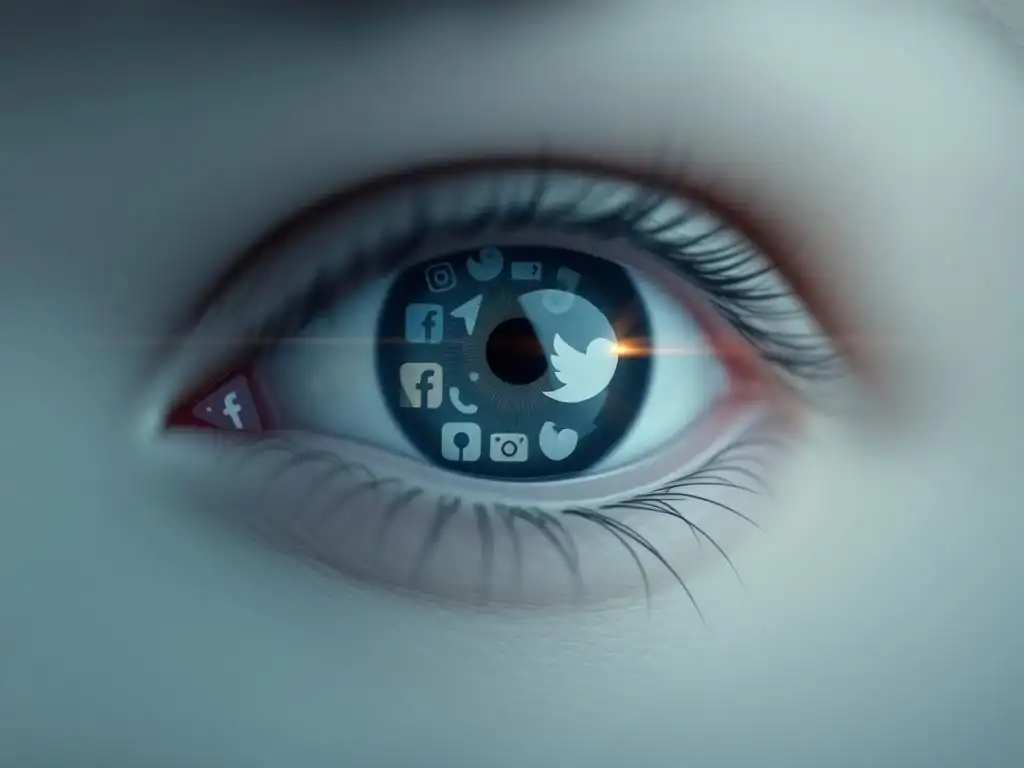
To understand the profound social media mood impact, it's helpful to look at the underlying psychological mechanisms at play. Social media platforms are expertly designed to tap into fundamental human needs and drives, leveraging principles from behavioral psychology and neuroscience to maximize user engagement. The algorithms are specifically tuned to exploit these psychological levers, often without the user even being aware of it.
Understanding these mechanisms empowers individuals to recognize why they feel certain ways after using social media and to develop strategies to mitigate negative effects. It's not just about the content itself, but how our brains process and react to the specific stimuli presented by the platform's design and algorithmic curation.
Social comparison theory posits that individuals determine their own social and personal worth by evaluating themselves against others. Social media provides a constant, often overwhelming, stream of opportunities for comparison. Upward social comparison occurs when we compare ourselves to someone we perceive as better off or superior (e.g., comparing your appearance to a heavily filtered celebrity photo, or your career success to a colleague's LinkedIn profile). This type of comparison online frequently leads to feelings of inadequacy, envy, and lower self-esteem, a significant contributor to negative social media mood impact.
Downward social comparison, where we compare ourselves to someone we perceive as worse off, can sometimes temporarily boost self-esteem. However, the dominant narrative on social media, amplified by algorithms that showcase 'success,' 'beauty,' and 'excitement,' tends to favor upward comparisons. Users are far more likely to encounter idealized versions of reality, making negative upward comparisons the norm rather than the exception, consistently challenging positive social media mood impact.
The Impact of Likes and Validation on Self-Esteem
Social media platforms are built around systems of public validation, primarily through likes, comments, and shares. Receiving these forms of engagement can trigger a temporary boost in self-esteem and a feeling of social acceptance. For some, the pursuit of this validation becomes a significant driver of their social media behavior, leading to posting content designed purely to garner likes or seeking external validation to feel good about themselves.
However, relying on external validation for self-worth is precarious. If a post doesn't receive the anticipated level of engagement, it can lead to feelings of disappointment, rejection, or inadequacy. The algorithmic prioritization of highly-liked content means that users are constantly shown examples of what is 'popular' or 'approved' by the digital crowd, subtly influencing what type of content they create and how they measure their own worth online. This constant seeking and potential withholding of validation contributes significantly to the volatile social media mood impact experienced by many.
Dopamine and the Reward System: Variable Ratio Reinforcement
The design of social media platforms, particularly the algorithmic feed and the notification system, taps directly into the brain's dopamine reward system. Dopamine is a neurotransmitter associated with pleasure, motivation, and learning. When we receive a like, a comment, or a notification, a small amount of dopamine is released, creating a feeling of pleasure and reinforcing the behavior that led to it (checking the app, posting content).
Crucially, social media employs a "variable ratio reinforcement schedule." This means the rewards (likes, interesting content) are unpredictable – you don't know when or how much you'll receive. This is the same psychological principle used in slot machines and is highly effective at driving compulsive behavior. The uncertainty of the reward keeps users checking back repeatedly, hoping for that next hit of dopamine. This constant seeking and unpredictable reward cycle contributes to the addictive nature of social media and its powerful, often disruptive, social media mood impact.
Identifying Algorithmic Manipulation: Recognizing Its Influence
Given the powerful psychological mechanisms at play and the algorithm's goal of maximizing engagement, it's essential for users to develop the ability to recognize when their experience might be shaped or even manipulated by the algorithm. This isn't necessarily about malicious intent from the platforms, but rather the unintended consequences of systems optimized purely for attention and interaction, which can have a subtle yet significant social media mood impact.
Becoming a more critical and self-aware social media user involves understanding that your feed is not a neutral reflection of reality or a random stream of information. It's a personalized construct, constantly being tweaked based on your behavior. Recognizing patterns and questioning the content you see are the first steps towards taking control of your online experience and mitigating negative social media mood impact.
Recognizing Patterns in Your Feed: Identifying Bias and Propaganda
Pay attention to the types of content that consistently appear in your feed. Do you primarily see content that confirms your existing beliefs? Are you repeatedly shown sensational or emotionally charged information? Do certain topics or perspectives seem to be amplified while others are absent? These are potential signs of algorithmic bias. If you've interacted with a particular viewpoint, the algorithm is likely feeding you more of it, potentially creating an echo chamber.
Furthermore, be vigilant about potential propaganda or misinformation. Algorithms can inadvertently amplify false or misleading content if it generates high engagement, regardless of its veracity. For instance, a sensational but untrue news story might spread rapidly if it sparks outrage or strong reactions. Learning to identify the source of information, cross-reference facts, and be skeptical of emotionally manipulative content is crucial in navigating the algorithmically curated landscape and protecting your social media mood impact from negativity.
The Importance of Critical Thinking When Consuming Information
In an environment where algorithms prioritize engagement and can amplify biased or misleading content, critical thinking is paramount. This means actively questioning the information presented to you, rather than passively accepting it. Ask yourself: Who created this content? What is their potential agenda? Is this information supported by credible sources? What perspectives might be missing?
Developing a critical mindset helps you see beyond the algorithmic filter. Instead of just reacting to the emotional triggers in your feed, take a step back and analyze the content. This is particularly important for news and politically charged topics, where algorithms can exacerbate polarization. By actively engaging your critical thinking skills, you can make more informed decisions about what content to consume, share, and believe, significantly reducing the potential for negative social media mood impact stemming from misinformation or manipulation.
Given the powerful influence of algorithms and the potential for negative social media mental health impact, it's crucial to adopt proactive strategies for managing your online experience. You don't have to be a passive recipient of whatever the algorithm decides to show you. By making conscious choices about how you use social media, you can regain a sense of control and curate a feed that is more supportive of your well-being.
These strategies range from direct actions within the platforms to broader changes in your habits and mindset. Implementing even a few of these techniques can make a significant difference in reducing anxiety, fostering a more positive online environment, and minimizing the negative social media mood impact.
Curating Your Feed: Unfollowing, Muting, and Blocking Accounts to Reduce Negativity
One of the most effective ways to improve your social media mood impact is to actively curate the content you see. Don't hesitate to unfollow accounts that consistently make you feel inadequate, anxious, or angry. This could be people whose content fuels social comparison, news sources that are constantly negative, or accounts that promote unrealistic lifestyles.
Utilize the mute feature for accounts you don't want to unfollow entirely (like friends or family) but whose frequent posts are overwhelming or triggering. Blocking is a necessary step for dealing with harassment or genuinely harmful content. Regularly reviewing who you follow and actively pruning your feed is like spring cleaning for your digital space – it removes clutter and negativity, making your online experience more pleasant and significantly improving your social media mood impact.
Diversifying Your Content: Seeking Out Opposing Viewpoints
To counteract the filter bubble effect and gain a more balanced perspective, make a conscious effort to diversify the content you consume. Actively seek out sources of information and viewpoints that differ from your own. Follow accounts from different political perspectives, read news from a variety of reputable outlets, and expose yourself to content that challenges your assumptions.
This doesn't mean you have to agree with everything you see, but understanding different perspectives is vital in a polarized world. By deliberately seeking out diverse content, you signal to the algorithm that you have broader interests, which can help break you out of a narrow filter bubble. This practice can also foster empathy and reduce the stress associated with feeling constantly surrounded by reinforcing, sometimes extreme, views, leading to a more balanced social media mood impact.
Setting Time Limits: Using App Timers and "Do Not Disturb" Mode
Excessive time spent on social media is strongly linked to negative mental health outcomes. Setting clear boundaries on your usage is a practical way to mitigate this. Most smartphones now have built-in features that allow you to monitor your app usage and set daily time limits for specific apps like Instagram, Facebook, or TikTok. When you reach your limit, the app will notify you or even lock you out until the next day.
Utilizing "Do Not Disturb" mode during specific hours, such as before bed or during work/study periods, can also significantly reduce the urge to constantly check notifications. By consciously reducing the sheer volume of time spent scrolling, you decrease your exposure to potential triggers for anxiety, comparison, and FOMO, thereby lessening the overall negative social media mood impact and freeing up time for activities that genuinely support your well-being.
Mindful social media use involves approaching platforms with intention and self-awareness, rather than mindlessly scrolling. Before opening an app, ask yourself: Why am I doing this? Am I looking to connect with someone specific, find information, or am I just bored or avoiding something else? Be aware of how different types of content make you feel. If you notice yourself feeling anxious, sad, or angry after viewing certain posts or accounts, take note of it.
Practice conscious disengagement. Instead of endless scrolling, set a purpose for your visit (e.g., "I'm going to check my friend's updates for 10 minutes") and stick to it. Pay attention to physical cues like eye strain or restlessness. By being present and intentional in your social media use, you gain greater control over its impact on your mood and reduce the likelihood of falling into addictive or harmful patterns, fostering a more positive social media mood impact.

Beyond the strategies of curating your feed and managing your time, there are specific tools and techniques that can further support a healthier relationship with social media. These resources can help you create boundaries, reduce distractions, and incorporate mindfulness into your digital habits. Leveraging these external aids can be particularly helpful when trying to break established patterns of excessive or unhelpful use.
Using technology to manage technology might seem counterintuitive, but many apps and browser extensions are specifically designed to empower users to take control of their online environment. Similarly, psychological techniques like grounding can be applied to manage the anxiety that social media sometimes provokes.
Freedom: A Tool for Blocking Distracting Websites and Apps
Freedom is a popular application and browser extension designed to block distracting websites and apps, including social media platforms, email clients, and games, across all your devices. You can schedule blocking sessions in advance or start them on demand. This tool is particularly useful for individuals who struggle with self-control when it comes to social media use and find themselves easily drawn into endless scrolling when they should be focusing on other tasks or simply taking a break.
By making it physically harder to access distracting platforms during designated times, Freedom helps reinforce your intention to limit usage. It's a practical way to support your goal of reducing time spent on social media, which in turn, can significantly improve your focus, productivity, and overall social media mood impact by reducing exposure to potential stressors and time sinks.
Grounding Techniques: A Mindfulness Exercise for Reducing Anxiety
When social media triggers feelings of anxiety, overwhelm, or comparison, grounding techniques can be incredibly helpful in bringing you back to the present moment and reducing distress. Grounding is a mindfulness exercise that involves focusing on your immediate surroundings or physical sensations to anchor yourself in reality.
A simple grounding technique is the "5-4-3-2-1" method: acknowledge 5 things you can see, 4 things you can touch, 3 things you can hear, 2 things you can smell, and 1 thing you can taste. Another is focusing on your breath. Taking a few deep, slow breaths can calm the nervous system. Practicing these techniques while using social media, or immediately after a difficult interaction or exposure to triggering content, can help manage the immediate social media mood impact and prevent negative feelings from escalating.
Real-Life Examples: Case Studies of Algorithm Impact
Examining real-world scenarios helps illustrate the tangible effects of algorithmic influence on individuals and society. These examples, though sometimes approximations or composites for illustrative purposes, reflect documented phenomena and research findings regarding the social media mood impact. They highlight how algorithmic design choices, even if well-intentioned, can have significant psychological and social consequences.
These cases demonstrate that the algorithm's impact is not just theoretical; it plays out in people's lives every day, influencing everything from personal self-perception to broader societal dynamics.
The Impact of Beauty Filters on Body Image Perception
Social media algorithms, particularly on platforms like Instagram and TikTok, often prioritize content that uses filters, including beauty filters that smooth skin, alter facial features, or change body shape. These filters, amplified by the algorithm's preference for visually appealing or highly-engaged content, contribute to a pervasive aesthetic of unattainable perfection online. One study from 2021 found that frequent use of editing apps and filters was associated with greater body image concerns and a higher likelihood of considering cosmetic surgery among young women.
The algorithm's preference for filtered content means users are constantly shown idealized, often digitally altered, images as if they were real. This constant exposure contributes to social comparison and can distort users' perception of normal appearance, leading to dissatisfaction with their own bodies and faces. This direct link between algorithmic amplification of filtered content and negative body image is a clear example of a detrimental social media mood impact.
The Effects of Political Algorithms on Belief Polarization
The role of algorithms in political polarization is a well-documented phenomenon. During major political events, algorithms on platforms like Facebook and X can create highly segregated information environments. For instance, during the 2020 US election cycle, studies showed that users were primarily shown content from sources that aligned with their stated or inferred political leanings. If a user interacted with conservative news, they were fed more conservative news; if they engaged with liberal content, that's what their feed became.
This algorithmic reinforcement of existing beliefs, while limiting exposure to opposing viewpoints, makes it difficult for individuals to understand or empathize with those holding different opinions. It contributes to an environment where political discourse becomes increasingly tribal and hostile, with each side feeling validated by their algorithmically curated feed and increasingly distrustful of the 'other side' and the information they receive. This contributes to stress, anxiety, and frustration, adding a significant layer to the social media mood impact related to engaging with political content online.
Conclusion: Taking Control of Your Online Experience
The algorithm effect is a powerful force shaping our social media experience and, consequently, our mental well-being. While algorithms are designed to keep us engaged, this pursuit can inadvertently lead to negative outcomes like increased anxiety, social comparison, and exposure to misinformation. However, recognizing the algorithm's influence is the first step towards mitigating its negative social media mood impact. You are not powerless in the face of these systems.
By understanding how algorithms work and adopting conscious strategies, you can reclaim your feed and cultivate a healthier relationship with social media. This involves being critical of the content you consume, setting boundaries on your usage, and actively curating a digital environment that supports your mental health goals.
Reclaiming Your Feed: Empowering Yourself in the Digital Age
Reclaiming your feed is about asserting your agency in a digital space that is constantly trying to predict and influence your behavior. It means moving from being a passive consumer to an active participant who makes deliberate choices about what content you interact with and what you allow to influence your mood. This involves regularly reviewing your follows, muting or blocking negative accounts, and actively seeking out diverse perspectives.
Empowering yourself in the digital age means recognizing that your time and attention are valuable. It means prioritizing your mental well-being over endless scrolling and external validation. By implementing the strategies discussed, such as setting time limits and practicing mindful use, you can reduce the algorithm's hold and create a more positive and less stressful online experience, significantly improving your social media mood impact.
As awareness grows about the significant social media mood impact, there is increasing pressure on platforms to consider the ethical implications of their algorithm design. Discussions are ongoing about designing algorithms that prioritize user well-being alongside engagement. This could involve promoting diverse content, reducing the amplification of sensational or harmful material, and providing users with greater transparency and control over how their feeds are curated.
While the onus is currently largely on individual users to navigate the algorithmic landscape, the future may see platforms taking more responsibility for the psychological effects of their design choices. Advocating for more ethical and transparent algorithms is an important step in creating a digital environment that supports, rather than harms, mental health for everyone.
Frequently Asked Questions
Social media algorithms are designed to show you content you're likely to engage with. This can lead to an echo chamber effect, exposing you repeatedly to similar content, which can negatively impact your mood if the content is negative or polarizing.
Yes, studies suggest a link between excessive social media use and increased rates of anxiety and depression. The constant comparison to others and the pressure to present a perfect image can contribute to feelings of inadequacy and social isolation.
Signs include increased feelings of anxiety, depression, or loneliness, a constant need to check your phone, comparing yourself unfavorably to others, and experiencing fear of missing out (FOMO). Notice if social media use starts to dominate your thoughts and behaviors.
Consider limiting your time on social media, unfollowing accounts that make you feel bad, and being mindful of the content you consume. Prioritize real-life connections and activities that bring you joy and disconnect from the online world.
Follow accounts that promote positivity, mindfulness, and self-care. Use social media to connect with friends and family, share your experiences, and seek support from online communities. Remember to curate your feed to reflect your values and goals.
Final Reflection: Reclaiming Your Feed, Reclaiming Your Mood
The curated chaos of our social media feeds directly impacts our mental wellbeing, a reality increasingly undeniable in our hyper-connected world. The algorithms designed to keep us scrolling are, ironically, often detrimental to our emotional equilibrium. We've explored how these systems prioritize engagement over genuine connection, leading to a cycle of comparison, anxiety, and dissatisfaction. This isn't just a fleeting trend; it's a fundamental shift in how we experience the digital landscape and its impact on our daily lives.
The pervasive influence of social media algorithms on our moods is a profound societal shift, one that demands careful consideration. We've seen how seemingly innocuous design choices can subtly shape our perceptions of reality, fostering unrealistic expectations and fueling feelings of inadequacy. The medium is the message,
Marshall McLuhan famously stated, and in the context of social media, the message is often one of curated perfection and relentless comparison. This constant exposure has a cumulative effect, subtly eroding our self-esteem and influencing our overall emotional landscape. Understanding this dynamic is the first step towards reclaiming our mental health.
Consider, for a moment, the power you hold. You are not a passive recipient of your feed; you are an active participant. By consciously curating your online experience, unfollowing accounts that trigger negative emotions, and actively seeking out positive and uplifting content, you can begin to reshape your digital environment and, in turn, your mood. Take control of your feed, and you take control of your mental wellbeing. This isn't about abandoning social media entirely, but about fostering a healthier, more mindful relationship with it – one that prioritizes your mental health above all else.
Unlock Your Feed's Power: Reclaim Your Mood!
Thanks for taking the time to explore how your social media feed impacts your mood. We hope you gained valuable insights into building a more positive online experience. Now, it's time to put that knowledge into action!
- Restructure your feed: Identify and unfollow accounts that consistently trigger negative emotions. This is your primary step toward a happier online life.
- Experiment with new content: Discover accounts focused on positivity, mindfulness, or hobbies you enjoy. Try exploring niche communities for a refreshing perspective.
- Share your insights: Discuss your experiences and share this article with friends who might benefit from understanding the algorithm effect. Let's spread the word about mindful social media habits!
What small change will you make today to curate a more positive online space?