
Finding Connection (Not Loneliness) on Social Media


Welcome to Mind Care Guide, a sanctuary where we explore the delicate landscape of mental well-being.
Feeling disconnected in a hyper-connected world? It's a common paradox. In our latest article, "Finding Connection (Not Loneliness) on Social Media," we delve into the surprising ways social media connection benefits mental health, offering insights and strategies to cultivate genuine relationships online. Ready to uncover the positive side of your digital life and break free from the loneliness loop? Let's begin.
- Finding Connection (Not Loneliness) on Social Media: A Mind Care Guide
- Benefits of Social Media Connection for Mental Health
- Strategies for Building Genuine Connections on Social Media
- Minimizing the Negative Impacts of Social Media on Mental Health
- Building a Healthy Relationship with Social Media for Positive Mental Health
- The Future of Social Media and Mental Health Connection
- Seeking Professional Help for Social Media-Related Mental Health Concerns
-
Frequently Asked Questions
- How can social media actually benefit my mental health, given its negative reputation?
- What are some specific strategies for using social media to improve mental well-being?
- How can I differentiate between healthy social media use and problematic use that harms my mental health?
- What role does online community play in supporting mental well-being through social media?
- How can I protect myself from the negative impacts of social media on my mental health, like cyberbullying or misinformation?
- Final Reflection: Reclaiming Connection in the Digital Age
- Unlock Your Social Connection: It's Easier Than You Think!
Social media platforms were initially designed to connect people, bridging geographical distances and facilitating communication. On one hand, they offer unprecedented opportunities for staying in touch with friends and family, joining communities based on shared interests, and accessing support networks. This potential for genuine social media connection benefits mental health by fostering a sense of belonging and reducing feelings of isolation. Millions of people worldwide use these platforms daily, and for many, they serve as a primary means of social interaction, particularly for those with mobility issues, living in remote areas, or navigating social anxiety.
However, the very tools intended for connection can paradoxically contribute to feelings of loneliness and inadequacy. The curated nature of online profiles often presents idealized versions of reality, leading to social comparison that can negatively impact self-esteem. Spending excessive amounts of time passively consuming content, rather than actively engaging, has been linked in various studies to increased feelings of envy, dissatisfaction, and even symptoms of depression. While the opportunity for social media connection benefits mental health, the way it is used significantly determines the outcome, highlighting the critical need for mindful engagement.
Engaging with social media mindfully involves being aware of your intentions, emotions, and behaviors while online. It means consciously choosing how you spend your time on platforms, who you interact with, and how you respond to the content you encounter. This proactive approach is crucial because unexamined social media habits can easily become detrimental, leading to comparison, anxiety, and a drain on mental energy. Acknowledging that the platform is a tool, and you are in control of its use, is the first step toward harnessing its potential benefits for your well-being.
Cultivating mindful social media use involves setting boundaries, recognizing your emotional triggers, and prioritizing quality interactions over quantity. Instead of endless scrolling, one might choose to engage in specific conversations, seek out supportive groups, or share authentic experiences. This deliberate engagement transforms social media from a potential source of stress into a platform where social media connection benefits mental health by facilitating meaningful interactions and providing access to valuable support systems. Practices like checking in with your feelings before and after using social media can help you understand its impact and adjust your habits accordingly.
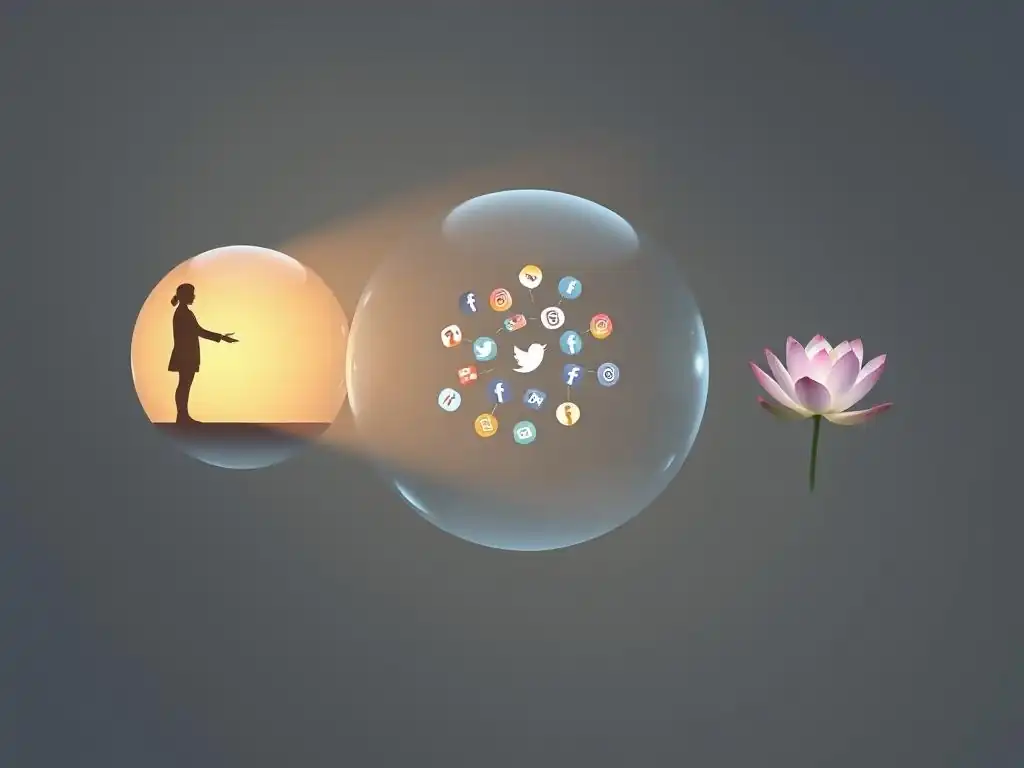
Social media platforms provide a convenient and accessible avenue for nurturing both existing and new relationships. Keeping up with the lives of friends and family, even those living far away, is made easier through updates, messages, and calls facilitated by these platforms. A quick comment on a post, a shared meme, or a private message can maintain a sense of closeness and continuity that might be challenging with only face-to-face interactions. This consistent, low-barrier communication helps relationships endure over time and distance.
Furthermore, social media enables the formation of new connections based on shared interests, hobbies, or experiences. Online groups dedicated to everything from specific book genres or crafting techniques to support networks for rare medical conditions allow individuals to find like-minded people they might never encounter in their local area. These connections can evolve into significant friendships, providing valuable social support and expanding one's social circle. The ability to easily find and interact with others who understand your passions or challenges demonstrates how social media connection benefits mental health by enriching your social landscape.
Fostering a Sense of Belonging and Community Online
For many individuals, particularly those who feel marginalized or isolated in their physical communities, online spaces offer a vital sense of belonging. Platforms host countless groups and forums where people can connect with others who share similar identities, experiences, or struggles. This might include support groups for individuals with chronic illnesses, communities for LGBTQ+ youth, or forums for people navigating specific life transitions. Within these digital communities, individuals can find acceptance, validation, and a sense of not being alone.
Being part of an online community provides a space for mutual support and understanding. Members often share advice, offer encouragement, and celebrate each other's successes, creating a positive feedback loop that strengthens social bonds. This sense of collective identity and shared purpose is a powerful antidote to loneliness. Studies have shown that active participation in supportive online communities can correlate with reduced feelings of isolation and improved mood, underscoring the significant way social media connection benefits mental health by providing a sense of place and acceptance.
Social media can serve as a crucial source of emotional support, especially during difficult times. When facing challenges, individuals can reach out to their online network for comfort, advice, or simply a listening ear. This support can come from close friends, family, or even members of online support groups who understand similar situations. The accessibility of these platforms means support is often available around the clock, which can be particularly helpful during crises or late-night worries.
Sharing personal experiences and receiving empathetic responses online can validate feelings and reduce the burden of carrying emotional weight alone. For instance, someone struggling with anxiety might find solace and practical coping strategies by connecting with others in an anxiety support group on social media. Hearing from people who have navigated similar challenges can provide hope and practical guidance. This ability to access diverse forms of social support highlights how social media connection benefits mental health by providing comfort, validation, and practical assistance when needed.
One of the most significant advantages of social media is its ability to eliminate geographical limitations to social interaction. Maintaining close ties with friends and family who have moved away, connecting with international peers, or participating in communities based far from one's home city becomes effortless. This is particularly valuable in an increasingly mobile world where physical proximity is not always possible.
For individuals living in rural areas, those with limited mobility, or people whose interests are niche, social media provides access to a wider social pool than might be available locally. It allows them to connect with others who share their specific interests, cultural background, or life experiences, regardless of distance. This capacity to build and maintain relationships across borders and distances clearly demonstrates how social media connection benefits mental health by expanding social horizons and preventing isolation that might otherwise arise from geographical separation.
Identifying and Engaging with Supportive Online Communities
Finding online communities that align with your interests, values, or needs is a critical first step towards building genuine connections. These can range from hobby-specific groups (e.g., "Gardening Enthusiasts"), support networks (e.g., "Living with Chronic Pain"), or groups centered around shared identities (e.g., "Expat Community in [City]"). Look for groups that have active, positive engagement and clear community guidelines promoting respectful interaction.
Once you've identified potential communities, don't just observe; actively participate. Start by reading posts to understand the group's dynamic and topics of discussion. Then, begin engaging by liking or commenting on posts. Gradually, contribute your own thoughts, questions, or experiences. Sharing relevant information or offering support to others helps establish your presence and builds rapport. Engaging authentically within these spaces allows the positive potential of social media connection benefits mental health to flourish by surrounding yourself with supportive individuals.
Cultivating Meaningful Interactions Beyond Superficial Engagement
Genuine connection online goes beyond surface-level interactions like liking posts or sending generic comments. It involves engaging in more substantive conversations and showing genuine interest in others. Ask open-ended questions, share thoughtful responses to posts, and participate in discussions that matter to you. Instead of just scrolling through photos, take the time to read captions and respond specifically to what the person shared.
Consider moving interactions from public feeds to private messages for more personal conversations. Reaching out to someone directly after connecting in a group, or sending a private message to a friend to check in, can deepen the bond. Sharing personal experiences or offering support privately can foster trust and intimacy that public interactions often lack. Prioritizing these deeper exchanges is key to ensuring social media connection benefits mental health by building strong, supportive relationships rather than just a large list of acquaintances.
Building deep connections requires a level of authenticity and vulnerability. While it's important to be mindful of privacy and safety, sharing genuine aspects of your life, thoughts, and feelings can invite others to do the same, creating a space for mutual understanding and empathy. This doesn't mean oversharing every detail, but rather presenting a real, relatable version of yourself.
When you share your struggles, triumphs, or perspectives honestly, it allows others to connect with you on a human level. For example, sharing a challenge you're facing can lead to receiving support and encouragement from your network, while also giving others permission to share their own difficulties. This reciprocal vulnerability strengthens bonds and transforms casual online acquaintances into supportive relationships. This kind of open sharing is a powerful way that social media connection benefits mental health by building a network of trust and mutual support.
Practicing Active Listening and Empathy in Online Interactions
Just as in face-to-face conversations, active listening and empathy are crucial for building genuine connections online. When someone shares something, take the time to read their post carefully, understand their perspective, and respond thoughtfully. Avoid distractions and focus on the message being conveyed. Show empathy by acknowledging their feelings or experiences, even if you don't fully agree with their viewpoint.
Responding with empathy involves validating the other person's feelings ("That sounds really tough," "I can understand why you feel that way") and offering support rather than judgment or unsolicited advice (unless asked). Engaging in discussions by summarizing what you've understood or asking clarifying questions shows you are actively listening and engaged. Practicing these skills online helps create a more positive and supportive environment, reinforcing how attentive social media connection benefits mental health for everyone involved by fostering understanding and care.
Setting Boundaries and Limiting Screen Time for Improved Well-being
Unchecked social media use can easily consume significant portions of your day, potentially displacing activities that are more beneficial for mental health, such as exercise, spending time in nature, or face-to-face interactions. Setting clear boundaries around when and how long you use social media is essential. This might involve designating specific times of the day for checking platforms, using app limits provided by your phone's operating system, or avoiding social media entirely during meals or before bedtime.
Establishing these limits helps regain control over your time and attention, reducing the risk of passive consumption that can lead to negative feelings. For instance, aiming for just 30-60 minutes of active engagement per day, focused on connecting with specific individuals or communities, can be far more beneficial than hours of aimless scrolling. By being intentional about usage, you can ensure that social media connection benefits mental health without letting the platform dominate your life.
Curating Your Feed: Unfollowing Accounts That Trigger Negativity
The content you see on social media significantly impacts your mood and mindset. Feeds filled with idealized lifestyles, constant comparisons, or negative news can easily contribute to feelings of inadequacy, anxiety, or sadness. Actively curating your feed by unfollowing or muting accounts that consistently make you feel bad about yourself or trigger negative emotions is a powerful act of self-care.
Focus on following accounts that inspire, educate, entertain positively, or belong to people you genuinely care about and connect with. Seek out creators or communities that promote positive mental health practices, share authentic experiences, or offer support. Regularly reviewing who you follow and making adjustments ensures your online environment is more conducive to positive feelings and supports your overall well-being. A well-curated feed allows the positive aspects of social media connection benefits mental health to shine through by minimizing exposure to harmful content.
Recognizing and Addressing Cyberbullying and Online Harassment
Cyberbullying and online harassment are serious issues that can have devastating effects on mental health, including increased anxiety, depression, and even suicidal thoughts. Recognizing the signs of such behavior, whether directed at you or others, is crucial. This can range from aggressive messages, spreading rumors, public shaming, or persistent unwanted contact.
If you experience or witness cyberbullying, take steps to address it. Do not engage with the bully, as this can escalate the situation. Instead, document the harassment (take screenshots), block the individual, and report the behavior to the platform. Many platforms have reporting mechanisms and policies against harassment. Seeking support from friends, family, or a mental health professional is also vital when dealing with the emotional impact of online abuse. Protecting yourself from harm is paramount to ensuring that social media connection benefits mental health in your life.
Developing Critical Thinking Skills for Evaluating Online Information
Social media is a vast and often unfiltered source of information, including news, opinions, and even health advice. Not all of this information is accurate or reliable. Developing critical thinking skills is essential to navigate this landscape without being misled, which can cause unnecessary anxiety or distress. This involves questioning the source of information, looking for evidence, checking multiple reputable sources, and being wary of sensationalized or emotionally manipulative content.
Be particularly cautious about health or mental health information shared online. While peer support can be valuable, advice from non-professionals should be treated with skepticism. Learn to identify misinformation and disinformation. Fact-checking websites and being aware of common online scams or hoaxes can protect you from falling victim to harmful content. Approaching online information critically reduces anxiety and allows you to focus on the genuine ways social media connection benefits mental health through reliable interactions and information.

Shifting Focus from Validation to Connection
Many people unconsciously use social media to seek external validation through likes, comments, and followers. This focus can lead to anxiety about performance, comparison with others, and a sense of disappointment when validation isn't received as expected. Shifting your focus from seeking validation to genuinely connecting with others is fundamental for a healthier relationship with these platforms.
Instead of posting with the primary goal of getting likes, share content that genuinely interests you or allows you to engage in meaningful conversations. Focus on interacting with specific people you care about or joining discussions in communities you value. Measure the success of your social media use not by the number of notifications you receive, but by the quality of interactions and the sense of connection you feel. This intentional shift ensures that social media connection benefits mental health by prioritizing authentic relationships over fleeting approval.
Social media should ideally complement, not replace, face-to-face interactions and real-world relationships. While online connections are valuable, physical presence, body language, and shared physical experiences contribute uniquely to the depth and quality of relationships. Consider how you can use social media to enhance your real-life connections.
This might involve using platforms to organize meetups with friends, sharing photos from a recent outing, or simply staying in touch between physical visits. Social media can be a tool to nurture the relationships you have offline, making it easier to coordinate schedules or share quick updates. Ensuring a balance between your online and offline social life is crucial for overall well-being and maximizes the ways social media connection benefits mental health by integrating it positively into your broader social world.
Practicing Gratitude and Mindfulness While Engaging Online
Bringing principles of gratitude and mindfulness to your social media use can significantly improve your experience. Before logging on, take a moment to set an intention – perhaps to connect with a specific person or learn something new. While online, practice mindfulness by paying attention to how different types of content make you feel. Notice if certain posts trigger negative emotions and make a conscious choice to disengage from them.
Practicing gratitude involves appreciating the positive interactions and connections you encounter online. Be thankful for supportive comments, interesting perspectives shared by others, or the opportunity to connect with people far away. Taking a moment to acknowledge these positive aspects can counteract the tendency to focus on negative comparisons or anxieties. Integrating gratitude and mindfulness helps ensure that your time spent online contributes positively to your mental state, leveraging how social media connection benefits mental health when approached with awareness.
Ultimately, your mental well-being is more important than any level of approval or popularity on social media. Make conscious decisions based on what supports your mental health, even if it means taking a break from platforms, unfollowing certain accounts, or posting less frequently. Recognize that online metrics do not define your worth.
If you find yourself constantly seeking validation, feeling anxious about your online presence, or comparing yourself negatively to others, it's a sign that your relationship with social media may be unhealthy. Be willing to step back and reassess your usage patterns. Prioritizing your peace of mind over achieving online popularity is a fundamental step towards building a sustainable and healthy relationship with social media, ensuring that any connection found online truly serves your mental health needs.
Emerging Platforms and Tools Promoting Positive Online Interactions
The landscape of social media is constantly evolving, with new platforms and features emerging that aim to address some of the negative aspects of current social media use. Some newer platforms are designed with well-being in mind, focusing on smaller, more intimate communities, asynchronous communication to reduce pressure for instant responses, or features that actively encourage positive interactions and discourage toxic behavior.
Examples include platforms built around shared interests with strong moderation policies, apps designed specifically for supportive group chat among friends, or networks that prioritize in-depth content and meaningful discussion over fleeting viral trends. These developments suggest a growing awareness within the tech industry of the need to design platforms that facilitate genuine social media connection benefits mental health, moving away from metrics that might inadvertently harm users' well-being.
Beyond individual connection, social media platforms have become powerful tools for mental health advocacy and raising awareness. Individuals, non-profits, and mental health organizations use these platforms to share information about mental health conditions, reduce stigma, promote help-seeking, and build supportive online movements. Campaigns using hashtags have successfully brought global attention to mental health issues and connected people seeking support.
Platforms allow for the sharing of personal stories of recovery and resilience, which can be incredibly validating and inspiring for others facing similar challenges. They also provide easy access to resources, helplines, and information about mental health services. This collective voice and widespread dissemination of information play a significant role in normalizing conversations around mental health and facilitating access to support, demonstrating a large-scale way social media connection benefits mental health by fostering a more informed and compassionate society.
Research Areas: Impact of AI Moderation on Online Connection
As social media platforms increasingly rely on Artificial Intelligence (AI) for content moderation, significant research is being conducted on how this impacts online connection and mental health. AI can help filter out hate speech, harassment, and misinformation, potentially creating safer online spaces. However, there are concerns about false positives, the removal of legitimate content (especially from marginalized groups), and the potential for algorithms to shape interactions in unintended ways.
Researchers are exploring how AI moderation affects user behavior, the sense of community within groups, and the ability for authentic, vulnerable sharing. Understanding the nuances of AI's role is crucial for developing moderation strategies that effectively protect users without stifling genuine connection or disproportionately affecting certain communities. This ongoing research is vital for ensuring that future social media environments are designed to maximize the potential for social media connection benefits mental health while minimizing harm.
While social media connection benefits mental health for many, for some, usage patterns can become problematic and negatively impact well-being. It's important to recognize the signs that your relationship with social media might be unhealthy. These signs can include spending excessive amounts of time online to the detriment of other life areas (work, school, relationships, sleep), feeling anxious or restless when unable to check social media, experiencing persistent negative emotions after using platforms, or using social media as a primary coping mechanism to avoid dealing with real-life problems.
Other indicators might be neglecting responsibilities, lying about time spent online, or a preoccupation with social media that interferes with daily functioning. If you find yourself constantly comparing your life negatively to others online, feeling pressure to present an inauthentic self, or experiencing significant distress related to online interactions, it may be time to consider seeking help. Acknowledging these patterns is the first step toward addressing them.
The impact of technology, including social media, on mental health is a growing area of focus within the mental health field. Many therapists and counselors now specialize in technology addiction, cyberbullying, the effects of screen time, and navigating online relationships. These professionals can provide tailored strategies and support for individuals struggling with problematic social media use or its consequences.
When seeking a therapist, look for those with experience or training in areas like digital well-being, internet addiction, or the psychological effects of social media. Websites of professional organizations often have directories where you can search for therapists by specialization. Don't hesitate to ask potential therapists about their experience in helping clients with technology-related mental health concerns during an initial consultation. Finding the right professional can provide the tools and insight needed to build a healthier relationship with social media and improve overall mental health.
For individuals struggling with compulsive social media use, support groups can offer a valuable source of peer support and shared experience. These groups, which may be online or in-person, provide a space for individuals to connect with others who understand their challenges, share coping strategies, and offer mutual encouragement. Hearing from others who are working towards healthier habits can reduce feelings of shame and isolation.
While specific, widely recognized "Social Media Addiction" groups comparable to substance abuse groups are still developing, many general technology addiction or internet addiction support groups address problematic social media use. Online forums and communities dedicated to digital detox or mindful technology use can also offer peer support. Exploring these resources can provide a sense of community and practical tips for managing problematic usage patterns, reinforcing the idea that even when social media is the problem, connection (in a different form) can be part of the solution for improving mental health.
Frequently Asked Questions
Social media, when used mindfully, can foster social connection and reduce feelings of isolation. It provides opportunities for support and community, especially for those with shared interests or experiences.
Focus on meaningful interactions rather than passive scrolling. Join groups related to your hobbies, engage in positive conversations, and limit your time to avoid overstimulation and comparison.
Healthy use involves intentional connection and positive interactions. Problematic use includes excessive scrolling, comparison to others, cyberbullying, and neglecting real-life relationships.
Online communities can provide a sense of belonging and validation, offering a safe space to share experiences and receive support. Shared experiences can reduce feelings of loneliness and isolation.
Be mindful of your online interactions, block or mute accounts that contribute to negativity, and verify information before sharing it. Prioritize your mental health and take breaks when needed.
Final Reflection: Reclaiming Connection in the Digital Age
The pervasive nature of social media has fundamentally reshaped how we connect, and its impact on our mental well-being is undeniable. While often portrayed as a source of isolation, social media, when used mindfully, can be a powerful tool for fostering genuine connection and bolstering mental health. This article has explored the nuanced relationship between online interaction and our emotional landscape, highlighting the crucial need for intentional engagement.
The ongoing conversation surrounding social media's influence on our lives is vital, as its effects are constantly evolving. We are witnessing a shift in how we define community and belonging, with digital spaces increasingly playing a central role. This necessitates a critical examination of our online habits and a conscious effort to cultivate meaningful connections rather than simply accumulating followers. The purpose of life, after all, is to live it, to taste experience to the utmost, to reach out eagerly and without fear for newer and richer experience.
- Eleanor Roosevelt. This quote speaks to the importance of actively seeking out enriching experiences, both online and offline, to foster a sense of purpose and connection.
Consider how you navigate the digital world. Are you actively building meaningful relationships online, or are you passively scrolling, potentially exacerbating feelings of loneliness and inadequacy? I urge you to take a moment to reflect on your own social media habits and consciously choose to prioritize genuine connection over superficial engagement.
By cultivating mindful interactions and seeking out online communities that align with your values, you can harness the power of social media to enhance your mental well-being and build a stronger sense of belonging. Let's reclaim the potential for connection in the digital age, transforming social media from a potential source of isolation into a vibrant space for meaningful interaction.
Thanks for taking the time to explore the world of positive social media engagement with Mind Care Guide! We hope you've gained valuable insights into building meaningful connections online. Now, let's put that knowledge into action.
- Prioritize one genuine connection: Reach out to someone you've been meaning to connect with—a friend, family member, or even someone you follow whose posts resonate with you. A simple message can make a big difference.
- Share this article with someone who might benefit: Spread the word about fostering positive online relationships – you never know who might need this information.
- Engage in a comment section today: Find a post that inspires you, and leave a thoughtful comment. Let’s build a supportive online community together!
Ready to start building those meaningful connections? What’s one small step you can take today to cultivate a more positive social media experience?