
Using Social Media for Good: Building Supportive Online Communities


Welcome to Mind Care Guide, a place dedicated to nurturing your mental well-being.
Are you feeling overwhelmed by the constant stream of information online? You're not alone. Discover how to harness the power of social media support communities to build meaningful connections and find a safe haven. Curious about how these online spaces can positively impact your mental health journey? Let's explore the possibilities together...
- Building Supportive Online Communities for Mental Well-being
- The Power of Online Communities for Mental Health Support
- Finding and Joining the Right Support Communities
- Creating a Supportive and Safe Online Environment
- Engaging Positively in Support Groups
- Building Stronger Connections
- The Benefits of Social Media Support Communities
- Potential Risks and Challenges of Online Support
- Online Support vs. Professional Mental Health Treatment
- Examples of Effective Social Media Support Communities
- Tips for Starting Your Own Support Community
- The Future of Social Media and Mental Health Support
- Conclusion: Harnessing Social Media for Positive Mental Health Outcomes
-
Frequently Asked Questions
- What are social media support communities and how do they help with mental well-being?
- How can I find reputable and safe social media support communities?
- What are the potential downsides of relying solely on social media for mental health support?
- How can I contribute positively to a social media support community?
- What are some tips for protecting my privacy and maintaining boundaries within a social media support community?
- Final Reflection: Weaving a Tapestry of Online Support
- Ignite Your Positive Impact: Build a Supportive Online Community Today!
Building Supportive Online Communities for Mental Well-being
Social media platforms, often criticized for their potential negative impacts on mental health, also hold significant power as tools for positive connection and mutual aid. When approached mindfully and strategically, these digital spaces can become vital hubs for support, understanding, and shared experiences. Building and participating in social media support communities offers a unique avenue for individuals navigating mental health challenges to find solace and strength in numbers.
These online communities provide a sense of belonging that can be particularly crucial for those feeling isolated due to their mental health struggles. They offer a platform where people can openly discuss their experiences without fear of judgment, connect with others who truly understand, and access valuable information and resources. Harnessing social media for good means actively cultivating and engaging with these supportive networks.
The Power of Online Communities for Mental Health Support
Online communities have emerged as powerful resources in the mental health landscape, offering accessibility and anonymity that traditional support systems may not always provide. For many, the barrier to seeking help is high, but logging into a digital space where others share similar struggles can be a first, vital step towards feeling less alone and more empowered. The sheer scale and reach of social media platforms mean that finding highly specific support for niche conditions or experiences is often possible, connecting individuals who might otherwise never meet.
This accessibility is particularly beneficial for individuals in remote areas, those with mobility issues, or those who feel uncomfortable attending in-person groups. A significant benefit of social media support communities is the 24/7 availability of connection. While moderation may vary, the ability to post a message or read through shared experiences at any time of day or night offers continuous potential for support and reduces feelings of acute isolation during difficult moments.
Understanding the Potential of Online Communities
Online communities possess immense potential to foster connection and provide support for individuals facing mental health challenges. They offer a space where shared experiences can be validated, stigma can be reduced, and mutual encouragement can flourish. Research, such as studies published in journals like Cyberpsychology, Behavior, and Social Networking, has explored how online support groups can significantly impact perceived social support and reduce feelings of loneliness among participants. For instance, a study involving individuals with depression found that active engagement in online forums correlated with decreased depressive symptoms over time, highlighting the therapeutic potential of these digital interactions.
Furthermore, these communities often become informal repositories of practical coping strategies and shared knowledge. Members frequently exchange tips on managing symptoms, navigating healthcare systems, or finding helpful resources. While not a substitute for professional advice, this peer-to-peer exchange can offer immediate, relatable insights. An analysis of posts within online anxiety support groups, for example, revealed a recurring theme of sharing specific grounding techniques or relaxation exercises that members had found effective, providing a low-barrier way for others to discover and try new approaches.
Navigating social media platforms specifically for mental health support requires a mindful and strategic approach. The same features that enable connection can also expose users to potential triggers or negative content, making it essential to curate one's online environment carefully. This involves actively seeking out positive and supportive groups while being prepared to unfollow or block accounts or content that are detrimental to one's well-being. Developing a discerning eye for credible sources of information versus misinformation is also paramount, especially when health-related advice is being shared within social media support communities.
Setting personal boundaries around social media usage is another critical aspect of navigating these platforms healthily. This might involve limiting the amount of time spent online, scheduling specific times for engaging with support groups, and taking breaks when feeling overwhelmed. For example, if engaging with a discussion about a particularly challenging topic feels draining, recognizing that feeling and stepping away is crucial for self-care. Many users find it helpful to follow accounts that promote positive mental health messages and coping strategies alongside their participation in specific support communities, creating a more balanced and uplifting overall feed.
Finding and Joining the Right Support Communities
Finding the right social media support communities is a crucial step in leveraging these platforms for positive mental health outcomes. Not all groups are created equal, and the effectiveness of the support received is heavily dependent on the specific community's focus, culture, and moderation practices. Taking the time to identify your specific needs and research available options will significantly increase your chances of finding a truly beneficial group.
The process involves self-reflection, understanding what kind of support you are seeking, and then actively searching across various platforms using relevant keywords. Once potential communities are identified, a period of observation—often called "lurking"—can be invaluable to assess the group's dynamics before actively participating.
Identifying Your Needs
The first step in finding suitable social media support communities is to clearly identify your specific mental health needs and challenges. Are you seeking support for a particular condition, such as depression, anxiety, bipolar disorder, or PTSD? Or are you looking for support related to a specific experience, like grief, trauma recovery, or navigating a new diagnosis?
Understanding your primary focus will help narrow down the search for relevant groups. For instance, someone dealing with social anxiety might look for communities focused on building social skills or managing anxious thoughts in social situations, while someone recovering from trauma might seek groups centered on healing and resilience.
Consider also the type of interaction you prefer. Do you learn best by reading others' experiences, or do you feel more supported by active discussion and asking questions? Some social media support communities are primarily forums for sharing stories, while others are more interactive, with members offering direct advice and encouragement. Reflecting on whether you prefer a large, active community with thousands of members or a smaller, more intimate group where you might recognize more individuals can also guide your search towards environments where you feel most comfortable and likely to engage positively.
Platforms for Mental Health Support
Various social media platforms host vibrant social media support communities, each with its own strengths and typical user base. Facebook Groups remain one of the most popular platforms due to their widespread use and robust group features, allowing for private or public communities centered around specific interests or conditions.
Reddit, with its subreddit structure, offers a high degree of anonymity and hosts thousands of highly specific communities covering virtually every mental health topic imaginable, from r/Anxiety to r/BipolarReddit. Discord is gaining popularity, particularly among younger demographics, offering real-time chat, voice channels, and smaller, more interactive community experiences often focused on specific interests that intersect with mental health, like gaming or art communities with built-in support channels.
Other platforms like online forums (separate from mainstream social media but often linked or discussed on them), Instagram (through hashtags and support-focused accounts), and even TikTok (using relevant hashtags to find shared experiences) can also serve as gateways to finding supportive connections, though the nature of interaction may be less structured than dedicated group platforms. For example, searching hashtags like #AnxietySupport or #DepressionHelp on Instagram can lead users to accounts sharing coping tips or connecting them with others in the comments sections, demonstrating the diverse ways social media facilitates finding social media support communities.
Searching for Relevant Groups
Effectively searching for relevant social media support communities involves using specific keywords related to your needs and the platforms you are using. Start by searching the name of your condition followed by terms like "support group," "community," "forum," or "network." For example, searching "depression support group Facebook" or "anxiety Reddit community" are good starting points. Be specific – if you have a particular type of anxiety, like OCD, search "OCD support group" rather than just "anxiety." Exploring variations of terms can also be helpful, as communities may use different phrasing (e.g., "PTSD recovery" instead of "PTSD support").
Many platforms also have discovery features that can help. On Facebook, you can explore suggested groups based on your interests or groups that friends have joined. On Reddit, browsing related subreddits from a known mental health community can lead you to others. Don't be afraid to try searching for broader terms first, like "mental health support," and then look for more specific groups mentioned or linked within those larger communities. Sometimes, the most helpful social media support communities are found through recommendations from friends, therapists, or other online resources, so keep an eye out for suggestions.
Evaluating Community Guidelines
Before actively participating in any social media support community, it is absolutely essential to carefully read and understand its community guidelines or rules. These guidelines dictate the expected behavior within the group, outline what kind of content is permitted (and prohibited), and explain the moderation policies. A well-established community will have clear rules regarding respectful communication, avoiding unsolicited medical advice, protecting privacy, and prohibiting bullying or harassment. For example, a guideline might state, "Do not offer medical diagnoses or advise anyone to stop taking prescribed medication," which is a vital rule for safety.
Evaluating these guidelines helps you determine if the community's values align with your own and if it is likely to be a safe and supportive space. Look for rules that prioritize empathy, confidentiality (within the limits of the platform), and the prohibition of harmful content. Communities with vague or non-existent rules may be less effectively moderated and thus riskier to engage with. A community that explicitly states its commitment to being a safe space for all members, regardless of background or specific challenge, is often a positive sign that you've found a potentially beneficial social media support community.
Creating a Supportive and Safe Online Environment
Creating and maintaining a supportive and safe online environment is paramount for any social media support community focused on mental health. Without intentional effort, these spaces can unfortunately become sources of stress or negativity. It requires clear boundaries, active moderation, and a commitment from all members to uphold the principles of empathy and respect.
Establishing a culture of safety means addressing potential harms proactively and having clear procedures in place for handling conflicts or breaches of trust. It's not enough to simply gather people together; the environment must be actively cultivated to be one where vulnerability is safe and support is genuine.
Establishing Clear Community Guidelines
Clearly defined community guidelines form the bedrock of any successful and safe social media support community. These rules should be easily accessible to all members and cover essential aspects like expected behavior, content restrictions, and privacy expectations. For instance, guidelines might specify that personal identifying information should not be shared, that triggering content must include warnings, and that all interactions must be respectful and free from judgment. A common and crucial guideline in mental health groups is the prohibition of giving specific medical advice or encouraging members to alter their treatment plans without consulting a professional.
Posting these guidelines prominently, perhaps in a pinned post or a dedicated "About" section, ensures that new members are aware of the expectations from the moment they join. It's also beneficial to periodically remind members of the rules, especially if the community is growing or if issues arise. Clear guidelines not only protect members from harmful interactions but also empower moderators to take appropriate action when rules are broken, ensuring that the social media support community remains a truly supportive space.
The Role of Moderation
Effective moderation is the backbone of a safe and supportive social media support community. Moderators are responsible for enforcing the community guidelines, addressing conflicts, removing inappropriate content, and fostering a positive atmosphere. This role requires significant time and emotional labor, as moderators often deal with sensitive topics and challenging interpersonal dynamics. For example, moderators might need to quickly remove posts containing harmful misinformation about treatments, intervene in arguments between members, or respond to reports of bullying or harassment.
The presence of active and empathetic moderators helps build trust within the community. Members feel safer sharing their experiences knowing that there is oversight and that harmful behavior will be addressed. In larger social media support communities, a team of moderators is often necessary to cover different time zones and manage the volume of activity. Their work is essential in ensuring that the online space remains a valuable resource for mental health support rather than becoming a source of distress.
Strategies for Addressing Conflict
Conflict is an unfortunate possibility in any group setting, including social media support communities, and having clear strategies for addressing it is vital for maintaining a safe environment. When disagreements or misunderstandings arise, moderators should step in promptly and impartially. This might involve mediating the conversation, reminding members of the guidelines, or, if necessary, issuing warnings or temporarily banning members who repeatedly violate rules or engage in harmful behavior. Transparency about the conflict resolution process, where appropriate, can also help members understand how issues are handled.
One effective strategy is to move conflict resolution to private channels whenever possible, preventing public disputes that can escalate and cause distress to other members. For example, a moderator might message individuals involved in a disagreement privately to help them resolve the issue or explain why certain content was removed. Emphasizing restorative approaches where possible, focusing on educating members about the impact of their words, can also be beneficial. The goal is always to de-escalate the situation and protect the overall well-being of the social media support community members.
Engaging Positively in Support Groups
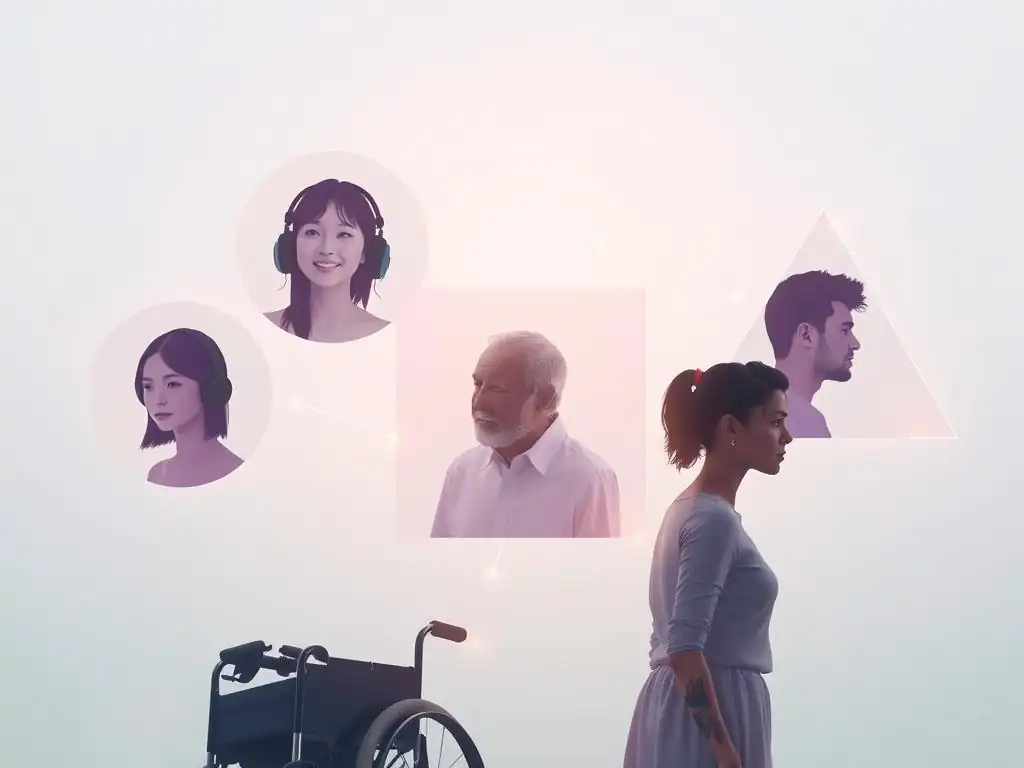
Engaging positively within social media support communities is key to both receiving and providing beneficial support. It's a two-way street where active participation, empathy, and respect for others' experiences contribute to the collective strength and healing of the group. Simply joining isn't enough; the real value comes from how members interact with one another.
Positive engagement involves mindful communication, offering genuine encouragement, and being a supportive listener. It reinforces the supportive nature of the community and helps build stronger bonds between members, making the social media support community a truly valuable resource.
Sharing personal experiences is a fundamental aspect of participation in social media support communities. When members feel safe enough to open up about their struggles, challenges, and successes, it fosters a sense of shared humanity and reduces feelings of isolation. Reading about someone else navigating a similar difficulty can be incredibly validating and provide hope. For instance, a post detailing how someone managed to overcome a specific social anxiety trigger or found a new coping mechanism for depression can inspire others to try similar strategies or simply feel less alone in their fight.
Equally important is offering encouragement and validating the experiences of others. Responding to someone's vulnerable post with a message like "Thank you for sharing, I feel the same way" or "That sounds incredibly difficult, you are strong for getting through it" can have a profound positive impact. These simple acts of acknowledgment and empathy reinforce the supportive nature of the community and encourage continued open communication. In a thriving social media support community, the exchange of personal stories and mutual encouragement creates a powerful cycle of healing and connection.
Practicing Active Listening and Empathy
Practicing active listening, even in a text-based format, is crucial for positive engagement in social media support communities. This means fully reading and attempting to understand what another member is sharing before responding. Instead of formulating your own response while reading, focus on absorbing their message, acknowledging their feelings, and responding thoughtfully. This could involve asking clarifying questions (respectfully) or simply reflecting back what you've understood, such as "It sounds like you're feeling really overwhelmed by X."
Empathy is the cornerstone of effective support within these groups. It's the ability to understand and share the feelings of another. When responding to a post, try to put yourself in the other person's shoes and respond with compassion and understanding, even if you haven't experienced the exact same situation. Avoiding judgment, offering validation ("It's completely understandable that you feel that way"), and expressing genuine care are all ways to demonstrate empathy. Cultivating this empathetic approach helps ensure that the social media support community remains a safe and welcoming space for everyone to share their vulnerabilities.
Respecting Boundaries
Respecting boundaries is a critical element of positive engagement within social media support communities. While these groups encourage sharing and connection, every member has their own limits on what they are comfortable discussing or how they wish to interact. This includes respecting when someone indicates they are not looking for advice but simply want to be heard, or when they state they are taking a break from the group or a particular conversation. Forcing interaction or pushing someone to share more than they are comfortable with is a violation of their boundaries and can cause significant distress.
Task List:
- Read posts carefully before responding.
- Acknowledge the poster's feelings ("That sounds tough," "I hear you").
- Avoid giving unsolicited medical advice.
- Do not pressure others to share personal details.
- Respect requests for privacy or space.
- Use trigger warnings when discussing sensitive topics if required by group rules.
Furthermore, respecting the privacy of other members is paramount. Information shared within private or closed social media support communities should never be shared outside of that group without explicit permission. This includes not taking screenshots of conversations or identifying members to others. Upholding these boundaries of privacy and personal space is fundamental to maintaining trust and safety within the social media support community.
Building Stronger Connections
Moving beyond simple support, social media support communities can actively work towards building stronger, more meaningful connections between members. This can transform a helpful resource into a true community where individuals feel deeply connected and supported on their mental health journey. This often involves facilitating interactions that go beyond just responding to posts.
Creating opportunities for members to connect on a more personal level, while still respecting boundaries and privacy, can significantly enhance the sense of belonging and mutual aid within the group. These initiatives can foster deeper relationships and make the social media support community a more impactful part of members' lives.
Organizing Virtual Events
Organizing virtual events can significantly strengthen connections within social media support communities by providing opportunities for real-time interaction and shared activities. These events can take various forms depending on the platform and the group's focus.
Examples include hosting Q&A sessions with guest speakers (like mental health professionals, provided they are not offering individual medical advice), organizing virtual hangouts using video conferencing tools, or even group meditation or mindfulness sessions conducted online. A Facebook group focused on managing anxiety might host a weekly live video session where members share coping strategies they've used that week, fostering direct interaction and shared learning.
Polls conducted within the group can help gauge interest in different types of events and find convenient times for members across potentially diverse time zones. While these events require planning and coordination, the payoff in terms of increased engagement and stronger interpersonal bonds within the social media support community can be substantial. They provide a more dynamic way for members to connect compared to purely asynchronous text-based communication.
Creating Peer-to-Peer Support Opportunities
Creating structured peer-to-peer support opportunities within social media support communities can facilitate deeper connections and more focused mutual aid. This could involve setting up smaller breakout groups within a larger community for members with very specific shared experiences, or even establishing a buddy system where members can voluntarily pair up for one-on-one support (with clear guidelines and disclaimers about the nature of this support). For example, a large community for individuals with bipolar disorder might create smaller, opt-in groups for those navigating specific challenges like medication management or dealing with stigma, allowing for more targeted conversations.
Some communities also organize informal meetups (virtual or, rarely and with caution, in-person if geographically feasible and safe) or create dedicated threads for members to connect based on shared interests outside of their mental health challenges, fostering a more holistic sense of community. Providing these structured avenues for connection helps members move beyond general group interactions to build more personal and potentially lasting supportive relationships within the social media support community.
Fostering Belonging and Inclusivity
Fostering a strong sense of belonging and ensuring inclusivity are vital for the long-term health and effectiveness of any social media support community. This means actively working to create an environment where all members feel welcome, valued, and safe to share, regardless of their background, identity, or the specific nature of their mental health challenges. Moderators and active members play a crucial role in setting an inclusive tone, using respectful language, and intervening if exclusionary behavior occurs. For example, ensuring that discussions are sensitive to diverse cultural backgrounds or gender identities is key.
Creating a welcoming atmosphere can involve simple actions like encouraging new members to introduce themselves (without pressure), celebrating milestones (like periods of stability or recovery), and regularly soliciting feedback from members on how the community can be improved to feel more inclusive. A truly supportive social media support community makes a conscious effort to ensure that marginalized voices are heard and respected, reinforcing that everyone's experience is valid and that the group is a safe haven for all who need it.
Engaging with social media support communities offers a range of significant benefits for individuals navigating mental health challenges. These benefits extend beyond simple interaction, touching upon crucial aspects of emotional well-being, access to information, and the development of personal coping strategies. The unique nature of online interaction provides advantages that complement traditional forms of support.
From reducing the heavy burden of isolation to gaining practical insights and finding validation, the positive impacts of participating in well-managed social media support communities are substantial and well-documented in anecdotal evidence and preliminary research.
Reducing Isolation
One of the most significant benefits of social media support communities is their power to combat feelings of isolation, a common and debilitating symptom of many mental health conditions. For someone struggling with depression, anxiety, or other challenges, connecting with others who truly understand their experience can be incredibly comforting. Being able to log on at any time and find people who are awake and willing to listen or share their own similar struggles provides a lifeline, particularly during moments of acute loneliness or distress, like late at night when other support systems might be unavailable.
A survey conducted by the Pew Research Center in 2020, while not specific to mental health communities, highlighted that a significant portion of social media users reported feeling more connected to others because of these platforms. Within the context of mental health, this connection is amplified; hearing from someone else who experiences similar intrusive thoughts or panic attack symptoms validates one's own reality and makes the burden feel lighter. This reduction in perceived isolation is a cornerstone benefit of engaging with social media support communities.
Gaining Access to Information
Social media support communities serve as valuable, albeit informal, hubs for accessing information related to mental health. Members frequently share resources they have found helpful, discuss different treatment options they have explored, or point each other towards reputable organizations and websites.
While this information should always be cross-referenced with professional medical advice, the peer-to-peer sharing of experiences with therapies, medications, or coping techniques can provide practical insights that are sometimes difficult to find elsewhere. For example, a member might share their positive experience with a specific type of therapy, prompting others to research it further and discuss it with their therapist.
These communities can also help members navigate the complexities of mental healthcare systems, sharing tips on finding affordable resources, understanding insurance coverage, or preparing for appointments. While not a substitute for professional guidance, the collective knowledge within a large social media support community can offer practical support and empower individuals to become more informed advocates for their own health.
Finding Validation and Understanding
Finding validation and understanding is a deeply therapeutic benefit offered by social media support communities. Mental health struggles can often feel invisible or misunderstood by those who haven't experienced them. Within these online groups, members find a space where their feelings, thoughts, and experiences are not just acknowledged but genuinely understood by others who have walked a similar path. Sharing a difficult experience and receiving responses like "I completely understand, that happens to me too" or "You are not alone in feeling that way" can be incredibly powerful and healing.
This shared understanding helps to dismantle the shame and stigma often associated with mental illness. Knowing that others experience similar challenges normalizes one's own struggles and reduces feelings of being "broken" or fundamentally different. This sense of collective validation is a core component of the support provided by social media support communities.
Developing Coping Mechanisms
Engaging with social media support communities exposes individuals to a wide array of coping mechanisms and strategies that other members have found effective. Through shared experiences and discussions, members learn about different techniques for managing symptoms, reducing stress, or improving their overall well-being. This could range from simple grounding exercises for anxiety to specific routines for managing energy levels with depression or strategies for navigating social situations. For example, in an anxiety support group, members might share specific breathing techniques, mindfulness exercises, or distraction methods they use during panic attacks.
Block Quote: Reading about how others cope gives me new ideas to try. It's like a toolbox of strategies shared by people who 'get it'.
- Anonymous member of an online support community.
This peer-to-peer exchange of coping strategies provides practical, real-world examples that can be immediately applicable. While it's important to find what works best individually and consult with professionals, the exposure to diverse approaches within a social media support community expands one's personal toolkit for managing their mental health.
Potential Risks and Challenges of Online Support
While social media support communities offer significant benefits, it is crucial to be aware of the potential risks and challenges associated with online support. The anonymity and accessibility that make these platforms valuable can also create vulnerabilities that members need to navigate carefully. Being informed about these potential pitfalls allows users to engage more safely and protect their well-being.
Understanding these risks is not a reason to avoid online support entirely, but rather a call for mindful engagement, critical thinking, and prioritizing personal safety and professional guidance.
Verifying Information and Seeking Professional Help
A significant challenge in social media support communities is the potential for misinformation. While members share valuable personal experiences, the information shared is not always accurate, medically sound, or applicable to everyone. Unsolicited medical advice, unproven treatments, or even harmful health trends can sometimes circulate within these groups. For instance, a member might strongly advocate for a specific supplement or therapy without scientific evidence, or discourage proven treatments like medication or therapy.
Therefore, it is absolutely critical for individuals to verify any health-related information encountered in these communities with qualified mental health professionals. Social media support should complement, not replace, professional medical advice and treatment. If you read something that resonates or suggests a new approach, discuss it with your doctor or therapist before making any changes to your treatment plan.
Avoiding Misinformation
Actively avoiding misinformation within social media support communities requires a critical and discerning approach to the content you consume. Do not automatically accept everything you read as fact, especially when it pertains to diagnoses, treatments, or medical advice. Be skeptical of claims that sound too good to be true or that contradict established medical consensus. Look for whether information shared is supported by reputable sources or if it is simply anecdotal experience presented as universal truth.
If a member shares information that seems questionable or potentially harmful, you can often report it to the group moderators, who are responsible for maintaining the accuracy and safety of the community. Developing media literacy skills, such as checking the credentials of anyone presenting themselves as an expert (if identifiable), and cross-referencing information with trusted health websites (like those of major health organizations), are essential practices when navigating online social media support communities.
Protecting Your Privacy
Protecting your privacy is paramount when participating in social media support communities, especially those dealing with sensitive mental health topics. Even in "private" or "closed" groups, information shared is not completely secure. Be mindful of the personal details you disclose, including your full name, location, workplace, and specific identifying information about your health or treatment.
While sharing experiences is key, you can often do so without revealing highly specific personal identifiers. For example, instead of saying "I had a panic attack yesterday at the grocery store on Elm Street," you could say "I had a panic attack yesterday while running errands."
Consider the platform's privacy settings and group type (public, closed, secret) before sharing. Remember that moderators and other members can see your posts, and in some cases, group content might be accessed or shared in ways you didn't intend. Think carefully about the potential consequences of sharing specific information and err on the side of caution to protect your personal boundaries and safety within the social media support community.
Managing your overall social media usage is essential for ensuring that participation in support communities remains a positive force in your mental health journey. Spending excessive amounts of time online, even in supportive spaces, can sometimes lead to increased feelings of comparison, information overload, or neglecting real-world responsibilities and connections. It's important to find a healthy balance. Set clear limits on how much time you spend engaging with social media support communities each day or week.
Recognize when you are feeling overwhelmed, triggered by content, or finding that online interaction is adding to your stress rather than alleviating it. Taking intentional breaks, sometimes called "digital detoxes," can be beneficial. Use features provided by platforms or third-party apps to monitor your screen time if needed. Mindful management of your social media usage ensures that these platforms serve as a tool for support rather than becoming another source of stress, allowing you to harness the benefits of social media support communities effectively.
Online Support vs. Professional Mental Health Treatment
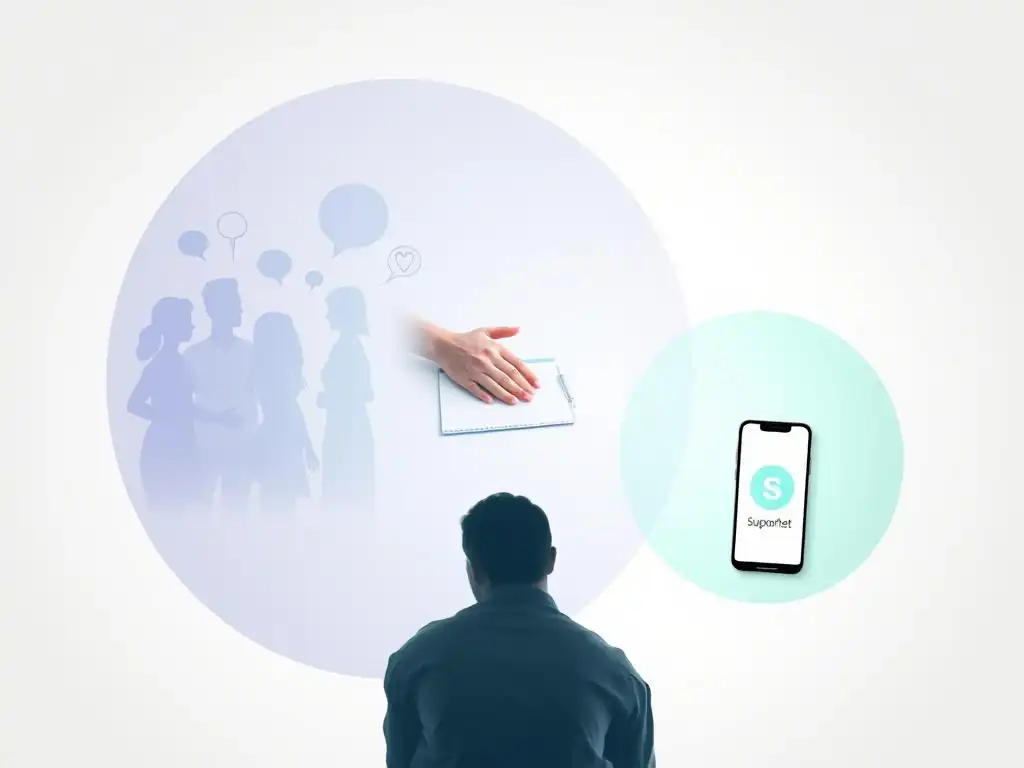
It is crucial to understand the distinct roles of online support communities and professional mental health treatment. While social media support communities offer invaluable peer support, validation, and shared experiences, they are fundamentally different from therapy, counseling, or psychiatric care provided by licensed professionals. Recognizing these differences is essential for making informed decisions about your mental health care.
Online support should be viewed as a complementary resource, a valuable addition to a comprehensive mental wellness plan, rather than a replacement for professional diagnosis, treatment, and ongoing care.
Understanding the Differences and Limitations
The primary difference between social media support communities and professional mental health treatment lies in the nature of the support provided. Online communities offer peer support, where individuals share personal experiences, offer empathy based on those experiences, and provide mutual encouragement. This is distinct from the clinical expertise, diagnostic capabilities, and therapeutic interventions offered by licensed mental health professionals like therapists, counselors, psychologists, and psychiatrists. Professionals are trained to assess individual needs, provide evidence-based treatments, manage medication, and offer personalized therapeutic guidance based on clinical knowledge.
Limitations of online support include the lack of professional oversight (beyond moderation), the inability to receive a diagnosis, the absence of personalized treatment plans, and the potential for inaccurate or harmful information. While sharing experiences is helpful, members of social media support communities are not qualified to provide clinical advice or therapy. Understanding these limitations is vital to ensure that individuals seek appropriate professional help when needed and use online support as a supplement, not a substitute.
When to Seek Professional Help
Knowing when to seek professional help is paramount, and this should not be delayed or replaced by relying solely on social media support communities. You should seek professional help if you are experiencing symptoms of a mental health condition that are significantly impacting your daily life, work, relationships, or overall well-being. This includes persistent feelings of sadness, anxiety, hopelessness, changes in sleep or appetite, difficulty concentrating, or loss of interest in activities you once enjoyed.
Crucially, if you are having thoughts of harming yourself or others, or are in a crisis situation, you must seek immediate professional help by contacting a crisis hotline, emergency services, or going to the nearest emergency room. While social media support communities can offer comfort, they are not equipped to handle mental health crises. Using online support as a complement means continuing to engage with professionals while also finding peer connection.
Using Online Support as a Complement to Therapy
Using social media support communities as a complement to professional therapy or treatment can enhance your overall mental health journey. Online groups can provide ongoing daily support between therapy sessions, offering a space to process feelings, gain validation for experiences discussed in therapy, or practice coping strategies learned from a professional in a peer setting. For example, someone working on social anxiety in therapy might use an online community to practice sharing vulnerabilities in a lower-pressure environment or gain encouragement before attempting real-world social interactions.
Online communities can also provide a sense of community and understanding that complements the one-on-one relationship with a therapist. While therapy offers personalized clinical guidance, the shared experience and collective wisdom found in social media support communities can provide a unique form of validation and practical peer-to-peer support that enhances the therapeutic process. Many individuals find that this combined approach offers the most comprehensive support for their mental well-being.
Highlighting examples of effective social media support communities provides concrete illustrations of how these online spaces function and the variety of support available. These examples demonstrate that supportive communities exist across different platforms and cater to a wide range of specific mental health needs, showcasing the potential for finding a community that truly fits an individual's unique situation.
Exploring these examples can help prospective members understand the types of communities available and where they might look to find the support they need on their preferred platforms or for their specific challenges.
Platform Specific Examples: Reddit, Facebook, Discord
Reddit hosts numerous highly active and effective social media support communities in the form of subreddits. For example, r/depression has over 1.1 million members who share experiences, offer encouragement, and discuss coping strategies. r/Anxiety is another large community with over 900,000 members focused on various anxiety disorders. These subreddits benefit from Reddit's anonymity features, which can make it easier for some users to share openly.
Facebook Groups offer a more identity-linked but often private space. There are thousands of closed Facebook groups dedicated to specific conditions like Bipolar Disorder Support, PTSD Survivors, or Eating Disorder Recovery. These groups often have strict privacy settings and active moderation, fostering a strong sense of community among members who may connect more personally due to less anonymity than Reddit.
Discord servers provide real-time chat and voice options, appealing to those who prefer more immediate interaction. Many Discord servers are built around specific interests but include dedicated mental health support channels. For instance, a server for artists might have a channel specifically for discussing mental health challenges related to creative work, or a gaming community might have a support channel for members dealing with stress or anxiety. These platform-specific examples illustrate the diverse formats and cultures of social media support communities.
Niche Specific Examples: Anxiety, Depression, Trauma
Beyond broad categories, effective social media support communities often cater to highly specific niches within mental health, allowing for more targeted support and understanding. For individuals dealing with Anxiety, communities might specialize in specific types like social anxiety (e.g., r/socialanxiety), generalized anxiety disorder, or panic disorder, allowing members to connect with others facing very similar daily struggles.
For Depression, niche groups might focus on specific demographics (e.g., depression in college students), co-occurring conditions (e.g., depression and chronic illness), or specific phases like postpartum depression. These specialized communities can offer more tailored advice and a stronger sense of shared identity.
Communities focused on Trauma often specialize in types of trauma (e.g., complex PTSD, specific types of abuse) or specific stages of recovery. These niche social media support communities provide a space where members can discuss highly sensitive topics with others who have undergone similar experiences, fostering a unique depth of understanding and validation that might be harder to find in broader groups.
Tips for Starting Your Own Support Community
Starting your own social media support community can be a rewarding endeavor, providing a focused space for individuals with specific needs to connect. However, it requires careful planning, dedication, and a commitment to creating a safe and supportive environment. It's not a task to be taken lightly, as you will be responsible for the well-being of the community members to a significant extent.
Approaching the creation of a social media support community strategically, from defining its purpose to establishing operational procedures, is key to its success and impact.
Defining Your Niche
Defining a clear and specific niche is the foundational step in starting a social media support community. What specific mental health challenge, experience, or demographic will your community serve? Trying to be too broad can make it difficult to attract members with shared needs and dilute the focus of the support offered. For example, instead of starting a general "mental health support" group, consider focusing on "Support for First Responders with PTSD" or "Managing Anxiety as a College Student."
A well-defined niche ensures that members who join are likely to have highly relevant experiences and needs, fostering deeper connections and more targeted support. Research existing communities to see if your niche is already well-served. If it is, consider if there's a specific angle or approach you can offer that is missing. Clearly articulating your niche will guide all subsequent decisions, from choosing a platform to developing content and rules for your social media support community.
Choosing the Right Platform
Choosing the right social media platform is critical for the success of your support community, as different platforms cater to different types of interaction and user preferences. Consider your target niche and how they typically communicate online. If your community would benefit from anonymity and threaded discussions on specific topics, Reddit might be a good fit. If you envision a more personal, identity-linked group with easy photo sharing and event planning, Facebook Groups could be ideal. For real-time chat and voice communication, especially with a younger or more tech-savvy audience, Discord might be the best choice.
Evaluate the features each platform offers for group administration, moderation tools, privacy settings, and ease of use for both administrators and members. For instance, Facebook Groups offer robust moderation tools and the ability to create rules, while Discord allows for multiple channels dedicated to different subtopics. Select the platform that best aligns with the intended purpose, interaction style, and technical comfort level of your potential social media support community members.
Developing a Content Strategy
Developing a content strategy for your social media support community involves planning the types of posts, discussions, and activities that will occur within the group. While peer-to-peer sharing is the core, administrators can facilitate engagement by initiating discussions, sharing relevant resources (from reputable sources), posting prompts for sharing experiences, or organizing virtual events. For example, a content strategy might include a weekly check-in thread, sharing a link to a mental health article every few days, or hosting a Q&A session with a relevant professional once a month.
Consider the tone and format of content that will resonate with your niche. Will you encourage long-form sharing, short updates, or a mix? How will you incorporate educational content while keeping the focus on support? A thoughtful content strategy helps maintain activity, encourages positive interaction, and ensures that the social media support community remains a valuable resource for its members.
Promoting Your Community
Promoting your newly created social media support community is necessary to attract members who can benefit from it. Start by sharing information about the group through relevant channels where your target niche might be found. This could include mentioning the group on your personal social media (if appropriate), sharing it with relevant mental health organizations or blogs (check their guidelines for promotion), or posting about it in other, larger but related, online communities (again, ensuring this is allowed by their rules).
Consider creating a simple landing page or introductory post that clearly explains the community's purpose, niche, target audience, and rules. Encourage initial members to invite others they know who fit the niche. Growth is often gradual, particularly for specific support groups, but consistent, ethical promotion to the right audience will help your social media support community find the people it's intended to serve.
The landscape of social media and mental health support is continuously evolving, driven by technological advancements, changing user behavior, and a growing recognition of the importance of online well-being. As platforms develop new features and researchers gain a deeper understanding of the dynamics of online communities, the potential for social media to positively impact mental health support is likely to expand.
Exploring emerging trends and considering the role of technology and responsible usage provides insight into how social media support communities might develop and become even more effective in the years to come.
Emerging Trends and Innovations
Emerging trends in social media and mental health support include the integration of AI and machine learning tools to help identify users in distress or flag potentially harmful content more quickly for moderators. While raising privacy concerns, these technologies could potentially enhance the safety and responsiveness of social media support communities. Another trend is the development of more specialized and niche platforms or apps specifically designed for mental health support, moving beyond general social media platforms to offer features tailored to the needs of support groups, such as mood tracking integration or guided journaling within the community space.
The increasing popularity of video and audio-based social features could also influence how online support is delivered, potentially allowing for more synchronous and personal interactions within trusted groups. For example, group video calls or audio-only support sessions could become more common within social media support communities, offering a different dimension of connection compared to text-only forums. These innovations suggest a future where online support is more dynamic, responsive, and tailored to individual needs.
The Role of Technology
Technology plays a fundamental and ever-increasing role in shaping the future of social media support communities. Advancements in natural language processing could potentially improve content filtering and help moderators identify nuanced signs of distress or harmful interactions. Features like anonymous posting options, enhanced privacy controls, and customizable notification settings powered by technology can give users more control over their experience and increase their sense of safety within online groups.
Furthermore, technology facilitates the collection and analysis of data (often aggregated and anonymized for research purposes) that can help administrators and researchers better understand how social media support communities function, what types of interactions are most helpful, and how to improve the design and moderation of these spaces. As technology continues to evolve, it will provide new tools and capabilities that can be harnessed to make social media support communities more accessible, effective, and safer for individuals seeking mental health support.
Promoting responsible social media usage is a critical aspect of the future of online mental health support. This involves educating users about the potential risks of social media, encouraging healthy online habits, and empowering individuals to curate their digital environment mindfully. Platforms themselves have a role to play by implementing features that support well-being, such as screen time tracking tools, options to filter triggering content, and easy access to reporting mechanisms and mental health resources.
Education initiatives that teach digital literacy and critical thinking skills are essential to help users navigate the complexities of online information and interaction within social media support communities and beyond. Ultimately, the future of social media support relies on a collaborative effort between platforms, community administrators, and individual users to ensure that these powerful tools are used responsibly and effectively to foster positive mental health outcomes and build truly supportive online connections.
Social media support communities, when approached mindfully and managed effectively, represent a powerful force for positive mental health outcomes. They offer vital avenues for individuals to connect with others who understand their struggles, reducing debilitating feelings of isolation and fostering a sense of belonging. These online spaces provide accessible platforms for sharing experiences, finding validation, gaining practical coping strategies, and accessing peer-to-peer support that complements professional care.
While potential risks like misinformation and privacy concerns exist, awareness, critical thinking, and adherence to community guidelines can mitigate these challenges. By actively seeking out well-moderated groups, engaging with empathy and respect, and using online support as a supplement to professional treatment, individuals can harness the unique benefits offered by social media support communities. As technology evolves and understanding grows, these digital networks are poised to become even more integral in the broader landscape of mental health support, offering hope and connection to those who need it most.
Frequently Asked Questions
Social media support communities are online groups or forums on platforms like Facebook, Reddit, or Discord where individuals can connect, share experiences, and offer mutual support related to specific mental health challenges. They help by providing a sense of belonging and reducing feelings of isolation.
Look for communities moderated by qualified professionals or organizations with a strong reputation in mental health. Check for clear guidelines on content and behavior to ensure a safe and supportive environment. Mind Care Guide also provides links to verified resources.
Social media support is beneficial but cannot replace professional help. Over-reliance can lead to information overload or exposure to misinformation. It's important to remember that online advice should not replace professional guidance.
Offer empathetic and non-judgmental support based on your own experiences or knowledge. Avoid giving medical advice and encourage others to seek professional help when needed. Always respect privacy and confidentiality.
Use a pseudonym or separate account, carefully consider what you share, and avoid disclosing personal details that could identify you. Set boundaries by limiting your time spent online and disengaging from conversations that feel triggering or overwhelming.
Final Reflection: Weaving a Tapestry of Online Support
The power of connection in the digital age is undeniable, and building supportive online communities is no longer a luxury but a necessity. We've explored how social media, often criticized for its negativity, can be a powerful tool for fostering empathy, sharing resources, and creating spaces where individuals facing similar challenges can find solace and strength. This isn't just about fleeting interactions; it's about building genuine, lasting connections that transcend geographical boundaries and offer vital support networks.
The impact of these online communities is profound and far-reaching. They offer a sense of belonging, a feeling often lacking in our increasingly fragmented world. These spaces provide a safe haven for vulnerable individuals, allowing them to share their experiences without judgment and access crucial information and support. As the writer and activist, Gloria Steinem, wisely stated: The story of women's lives is not a story of individual achievement, but of collective action.
This sentiment rings true for the supportive online communities we've discussed; their strength lies in their collective power to uplift and empower.
Now, consider your own role in this evolving landscape. What kind of online community do you want to be a part of? What can you contribute to foster a more supportive and inclusive digital environment? Perhaps you can dedicate time to actively participate in existing communities, offering encouragement and sharing your own experiences.
Or maybe you'll be inspired to create your own space, tailored to a specific need or interest. The possibilities are endless, and the impact you can have is significant. Let's work together to harness the power of social media for good, weaving a stronger, more supportive tapestry of online connection for everyone.
Ignite Your Positive Impact: Build a Supportive Online Community Today!
Thanks for taking the time to explore the power of social media for good! We hope you've gained valuable insights into building truly supportive online spaces. Now it's time to put that knowledge into action.
Here's how you can make a difference:
- Launch your own positive online community: Start small – maybe a focused Facebook group or a niche forum. What unique support could you offer?
- Share this article with your network – inspire others to build their own havens of positivity online.
- Engage actively in existing communities that align with your values. What positive conversation will you join today?
What kind of supportive online community would best serve your passions and values? Let's discuss in the comments below!