
Red Flags: Signs Your Social Media Use is Becoming Unhealthy

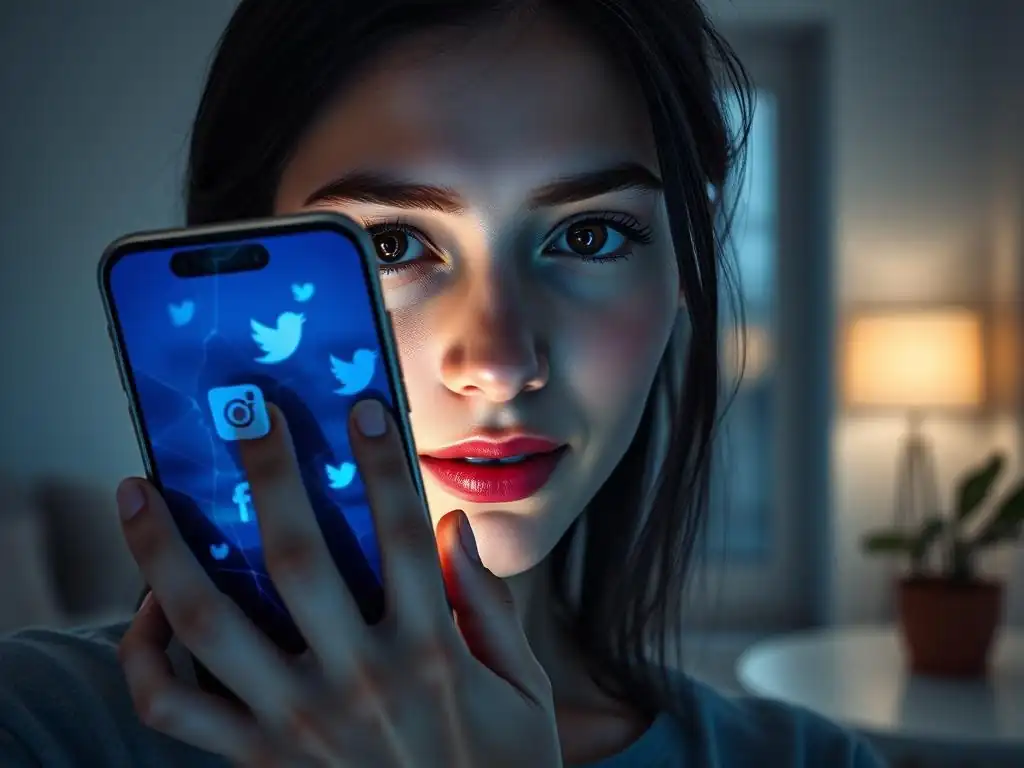
Welcome to Mind Care Guide, a sanctuary for your mental well-being.
Are you endlessly scrolling, feeling disconnected despite being "connected"? We understand. In today's digital age, the line between healthy engagement and harmful addiction can blur. Explore our comprehensive guide to understand the social media addiction warning signs and discover practical steps to reclaim your mental space. Let's navigate the digital world together, consciously and healthily. Read on to learn more about protecting your mental health in the age of technology.
Red Flags: Signs Your Social Media Use is Becoming Unhealthy
- Introduction: Understanding Unhealthy Social Media Habits
- Social Media Addiction Warning Signs: Identifying Problematic Behavior
- Emotional and Psychological Red Flags: How Social Media Impacts Your Mental Health
- Physical Health Warning Signs: The Physical Toll of Excessive Social Media Use
- Behavioral Red Flags: Changes in Your Actions and Routines
- Impact on Productivity and Focus: The Detrimental Effects on Daily Life
- Social Media Addiction and Self-Esteem: A Vicious Cycle
- Strategies for Addressing Unhealthy Social Media Use
- Reclaiming Your Time and Mental Well-being: Breaking Free from Social Media Dependence
- Conclusion: Taking Control of Your Social Media Habits for a Healthier Life
-
Frequently Asked Questions
- What are some early warning signs that my social media use is becoming unhealthy?
- How can I distinguish between normal social media use and a potential addiction?
- What are the psychological effects of excessive social media use?
- What resources are available if I suspect I have a social media addiction?
- What are some practical steps I can take to reduce my social media consumption?
- Final Reflection: Reclaiming Your Time, Reclaiming Yourself
- Reclaim Your Time: Take Control of Your Social Media Habits
Social media has become an integral part of modern life, connecting billions of people across the globe. While it offers incredible opportunities for communication, information sharing, and community building, its pervasive presence also brings potential challenges to our mental well-being. The constant stream of updates, notifications, and curated content can subtly, or sometimes overtly, influence our moods, self-perception, and daily habits. Understanding this influence is the first step in identifying when our interaction with these platforms crosses the line from healthy engagement to something more problematic.
The digital landscape is designed to be engaging, utilizing psychological principles to keep users hooked. Features like infinite scrolling, variable rewards (the unpredictable nature of likes or comments), and instant gratification create a powerful pull. Research, including studies from institutions like the Pew Research Center, consistently shows high levels of daily social media use across various age groups, with many individuals spending several hours per day on these platforms.
This level of immersion, while seemingly normal in today's world, necessitates a closer look at its effects on our psychological state and overall mental health. Recognizing the social media addiction warning signs is crucial for maintaining a healthy balance.
Recognizing the Line Between Healthy Use and Addiction
Distinguishing between healthy social media use and problematic or addictive behavior can be challenging because the platforms are so deeply embedded in our social fabric. Healthy use typically involves engaging with content intentionally, maintaining real-world connections, and using the platforms as a tool for information or entertainment without negative consequences on other life areas. It's characterized by control and choice – you decide when and how long to use it, and it doesn't cause distress when you're offline.
In contrast, unhealthy use, often bordering on addiction, is marked by a loss of control, compulsive behavior, and negative impacts on one's life. The line is crossed when social media use becomes a primary focus, displacing other activities and relationships, and leading to feelings of anxiety, guilt, or withdrawal when access is limited. Identifying the social media addiction warning signs involves observing persistent patterns of behavior and emotional states that indicate a reliance on the platforms beyond simple enjoyment or utility. It’s about noticing how and why you use social media, and the consequences it has on your life.
One of the most apparent social media addiction warning signs is the sheer amount of time spent on these platforms. What constitutes "excessive" can vary, but it generally refers to time spent that significantly exceeds initial intentions or begins to encroach upon other essential life activities. Many users find themselves mindlessly scrolling for hours each day, often without a clear purpose or benefit, simply because they feel compelled to check for new updates or content.
Consider the user who plans to check their feed for "just a few minutes" but finds an hour has passed, or someone who spends more time interacting online than they do sleeping or engaging in productive work or hobbies. Studies suggest that spending more than two hours per day on social media can be linked to negative mental health outcomes for adolescents, though this threshold can vary by individual and platform use type.
If tracking your screen time reveals hours upon hours dedicated to social media daily, and this feels difficult to reduce, it's a significant red flag indicating potential social media dependence.
Problematic social media use often leads to a decline in engagement with real-world relationships. This isn't just about spending less time physically with friends and family; it also involves a decrease in the quality of those interactions when they do occur. Someone might be physically present but constantly distracted by their phone, checking notifications or scrolling through feeds instead of actively listening and participating in conversation.
This neglect can manifest in various ways: cancelling plans to stay home and engage online, feeling more comfortable communicating via text or comments than face-to-face, or even experiencing conflict with loved ones who feel ignored or deprioritized compared to online connections. For example, anecdotal evidence suggests many couples report arguments stemming from one partner's excessive phone use during shared meals or activities. Prioritizing superficial online interactions over deeper, meaningful relationships with people physically present is a clear sign that social media use may be becoming unhealthy and is among the critical social media addiction warning signs.
A strong indicator of unhealthy social media habits is a noticeable negative impact on your emotional state, particularly increased feelings of anxiety or depression. This can stem from various factors inherent in platform design and usage patterns. Constantly comparing your life, appearance, or achievements to the often-idealized portrayals of others online can foster feelings of inadequacy, envy, and low self-worth. The pressure to present a perfect online persona can also create significant stress and anxiety.
Furthermore, the fear of missing out (FOMO), discussed below, directly contributes to anxiety, as does the constant need to be "on" and available. Studies have shown correlations between high levels of social media use and increased rates of depression and anxiety, particularly among young adults.
For instance, a 2017 study involving over 6,500 young adults found that higher social media use was significantly associated with increased odds of experiencing depression and anxiety. If you frequently feel worse about yourself, more stressed, or sad after spending time on social media, these are significant social media addiction warning signs related to your mental health.
Fear of Missing Out, or FOMO, is a pervasive feeling fueled by social media that you are missing out on exciting or important events or experiences that others are having. This anxiety-inducing feeling drives compulsive checking behavior, as individuals constantly monitor their feeds to stay updated and avoid the discomfort of feeling left out. FOMO can make it difficult to disconnect, leading to prolonged and often unintentional social media sessions.
This phenomenon is particularly potent because social media platforms often highlight the most exciting moments of people's lives, creating a distorted perception of reality where it seems everyone else is constantly enjoying themselves. The feeling that you must know what everyone else is doing can override your own intentions and priorities, compelling you to spend time online even when you'd rather be doing something else. This compulsion driven by anxiety is a key component of many social media addiction warning signs.
Constant Need for Validation: Seeking Approval Through Likes and Comments
Another significant emotional red flag is basing your self-worth on the validation received through social media metrics like likes, comments, and followers. When your mood becomes dependent on the level of engagement your posts receive, you are likely developing an unhealthy relationship with the platforms. This constant seeking of external approval can become a compulsive behavior, leading to posting content primarily for the sake of getting likes rather than for genuine self-expression or connection.
The dopamine hit received from notifications signaling positive engagement can create a reward loop, reinforcing the behavior. If you find yourself checking your phone frequently after posting, feeling disappointed or anxious when a post doesn't receive the expected number of likes, or tailoring your online presence solely to gain approval, these are strong indicators of a problematic pattern. This reliance on external validation for self-esteem is a clear example of the psychological social media addiction warning signs.

Excessive social media use, particularly before bedtime, is strongly linked to sleep disturbances. The blue light emitted from screens can interfere with the body's production of melatonin, the hormone that regulates sleep. Furthermore, the mentally stimulating nature of scrolling through feeds, engaging in conversations, or encountering emotionally charged content can make it difficult for the mind to wind down and prepare for rest.
Many individuals report staying up late scrolling, sacrificing precious hours of sleep. A study published in the Journal of Adolescent Health found that using social media in bed was associated with poor sleep quality and increased fatigue among teenagers. Chronic sleep deprivation can lead to a host of physical and mental health problems, including impaired cognitive function, weakened immune system, and increased risk of mood disorders. If your social media habits are consistently cutting into your sleep time or quality, it's a significant physical social media addiction warning sign.
Eye Strain and Headaches: Physical Symptoms of Prolonged Screen Time
Spending extended periods staring at screens can lead to physical discomfort, most commonly eye strain and headaches. The repetitive action of focusing on a screen, combined with reduced blinking rates while concentrating, can cause dryness, irritation, and fatigue in the eyes. This is often referred to as Computer Vision Syndrome, though it applies equally to prolonged smartphone and tablet use.
Symptoms include blurred vision, difficulty focusing, dry or watery eyes, and headaches. While these symptoms aren't exclusive to social media use, they are frequently reported by individuals who spend many hours daily engaged with their devices. If you regularly experience eye discomfort or headaches after extended social media sessions, it's a physical manifestation of excessive use and a potential social media addiction warning sign.
Behavioral Red Flags: Changes in Your Actions and Routines
A key behavioral indicator of potential social media dependence is experiencing withdrawal symptoms when unable to access the platforms. This can manifest as feelings of anxiety, irritability, restlessness, or even physical discomfort when your phone battery dies, you're in an area with no signal, or you attempt to take a break from social media. The thought of being disconnected can be highly distressing.
This reaction is similar to withdrawal symptoms experienced with other addictive behaviors, highlighting the psychological and potentially physiological dependence that can develop. If you find yourself constantly checking your phone even when there are no new notifications, or feeling a sense of panic or unease when separated from your device for a period, these are strong social media addiction warning signs related to withdrawal.
Hiding the amount of time spent on social media or downplaying its importance in your life is a common behavioral red flag. This secretive behavior often arises from guilt or shame associated with the amount of time consumed or the negative impact it's having. You might delete your browsing history, minimize apps quickly when someone approaches, or tell friends and family you spent less time online than you actually did.
This dishonesty indicates an acknowledgment, perhaps subconscious, that the behavior is problematic and needs to be concealed. It suggests a loss of control and an inability to manage the behavior openly and honestly. Lying about your social media habits is a significant indicator among the social media addiction warning signs that your relationship with these platforms is unhealthy.
Turning to social media as a primary coping mechanism to avoid dealing with real-life problems, stress, or responsibilities is another significant behavioral warning sign. Instead of confronting difficult tasks, engaging in self-care, or addressing emotional issues, you might retreat into the digital world, using scrolling as a form of distraction or emotional numbing.
This avoidant behavior can create a vicious cycle: avoiding problems makes them worse, which in turn increases stress and the desire to escape, leading to more time spent on social media. Examples include procrastinating on work or school assignments, neglecting household chores, or avoiding difficult conversations with loved ones by immersing yourself online. Using social media as an escape is a clear indication that it's serving an unhealthy purpose in your life and is one of the key social media addiction warning signs.
Impact on Productivity and Focus: The Detrimental Effects on Daily Life
Constant notifications and the urge to check social media feeds significantly impair concentration and focus, especially on tasks that require sustained attention. The brain becomes accustomed to frequent context switching and immediate rewards from online interactions, making it harder to engage in activities that require deeper, prolonged focus and offer delayed gratification.
Studies on multitasking and digital distractions consistently show that interruptions, even brief ones like checking a notification, can take significant time to recover from and return to the original task with the same level of focus. If you find yourself easily distracted by your phone while working, studying, or even trying to read a book, and frequently switch between tasks and social media apps, this is a clear sign that your social media use is negatively impacting your cognitive function and is among the social media addiction warning signs.
As a direct consequence of impaired focus and using social media for escape, procrastination and reduced performance in work, school, or other important areas of life are common. The time and mental energy diverted to social media mean less time and energy are available for productive tasks. Deadlines might be missed, the quality of work might decline, and overall productivity can suffer.
For instance, a student might spend hours scrolling through TikTok or Instagram instead of studying for an exam, leading to poor grades. An employee might find their work taking much longer than it should because they are constantly checking emails, feeds, or messages unrelated to their job. If your social media habits are consistently interfering with your ability to complete tasks and meet responsibilities, resulting in negative consequences for your performance, it's a significant social media addiction warning sign.

Social media platforms are fertile ground for social comparison, where individuals compare their own lives, appearances, and accomplishments to those of others, often unfavorably. Because most people curate highly positive and often unrealistic versions of their lives online, this constant exposure to seemingly perfect existences can lead to feelings of inadequacy, envy, and dissatisfaction with one's own life.
This upward social comparison can significantly erode self-esteem. You might feel like you're not successful enough, attractive enough, or popular enough compared to your online peers. Research indicates a strong link between frequent social media comparison and lower self-esteem and increased depressive symptoms. If you regularly feel worse about yourself after viewing others' profiles, this destructive comparison is a powerful social media addiction warning sign.
Social media's emphasis on visual content, coupled with the prevalence of filtered, edited, and idealized images, contributes significantly to negative body image issues for many users. Exposure to unrealistic beauty standards can lead to dissatisfaction with one's own appearance, body shame, and disordered eating patterns or excessive exercise habits in an attempt to conform to these unattainable ideals.
Platforms like Instagram and TikTok, known for their visual focus, have been particularly implicated in studies linking use to body image concerns, especially among young women. For example, a 2019 study found that greater time spent on Instagram was associated with higher levels of self-objectification and body image dissatisfaction. If your social media use consistently makes you feel bad about your body or appearance, it's a critical social media addiction warning sign impacting your self-esteem and overall well-being.
One of the most practical steps to address unhealthy social media use is to establish clear time limits and boundaries. This involves consciously deciding how much time you will spend on platforms each day and sticking to it. Many smartphones and third-party apps offer built-in tools to track screen time and set daily limits, even blocking access once the limit is reached.
Consider setting specific times for checking social media rather than allowing it to be a constant background activity. For instance, you might decide to check it only for 15 minutes in the morning and 15 minutes in the evening. Establishing device-free zones or times, such as keeping phones out of the bedroom or away during meals, can also create helpful boundaries.
- Set a daily time limit using phone settings or apps.
- Schedule specific, limited times for checking social media.
- Implement device-free zones (e.g., bedroom, dinner table).
- Turn off non-essential notifications to reduce urges to check.
Engaging with social media mindfully means being present and intentional about why and how you are using the platforms. Instead of mindlessly scrolling, take a moment to consider your purpose. Are you looking for specific information, connecting with a particular person, or simply passing time? This awareness can help you use social media as a tool rather than letting it control your attention.
Mindful use also involves paying attention to how social media makes you feel. If you notice yourself feeling anxious, sad, or envious while scrolling, recognize these emotions without judgment and consider whether continuing to engage is serving you positively. Being intentional about the accounts you follow and actively curating a feed that is uplifting, informative, or genuinely entertaining, rather than triggering comparison or negative feelings, is part of this practice.
Mindful use isn't about avoiding social media entirely, but about engaging with it consciously and evaluating its impact on your well-being in real-time.
Seeking Support from Friends, Family, or a Therapist: Addressing Underlying Issues
Recognizing social media addiction warning signs and attempting to change habits can be challenging, especially if there are underlying issues contributing to the problematic use, such as anxiety, depression, or loneliness. Talking to trusted friends or family members about your struggles can provide emotional support and accountability. Sharing your goals for reducing use can make them easier to achieve.
For more significant challenges, or if social media use feels truly compulsive and is severely impacting your life, seeking professional help from a therapist or counselor is highly recommended. A mental health professional can help you explore the root causes of your problematic use, develop healthier coping mechanisms, and provide strategies tailored to your specific situation. They can also help address any co-occurring mental health conditions.
Prioritizing Real-Life Experiences and Relationships
Breaking free from unhealthy social media dependence requires a conscious effort to shift focus and energy back to the real world. Actively prioritize spending time with friends and family in person, engaging in activities that don't involve screens, and nurturing face-to-face connections. These real-life interactions provide deeper emotional fulfillment and support than online interactions often can.
Make plans to meet up with friends, join a club or group related to your interests, volunteer in your community, or simply dedicate time each day to being fully present with the people you live with. Intentionally scheduling these activities can help fill the void left by reducing social media time and reinforce the value of tangible experiences and relationships. Reinvesting your time and attention here is key to counteracting the social media addiction warning signs.
Replacing the time spent on social media with activities that genuinely nourish your mind and body is crucial for long-term change. Identify hobbies or interests you've neglected or always wanted to try. This could include reading books, exercising, spending time outdoors, learning a new skill, practicing mindfulness or meditation, or engaging in creative pursuits like writing, painting, or playing music.
These activities provide a sense of accomplishment, relaxation, or joy that is independent of external validation from a screen. They offer opportunities for genuine self-improvement and well-being, creating a positive feedback loop that reinforces the benefits of reducing unhealthy social media use. Exploring and committing to these alternatives helps build a fulfilling life that doesn't rely on constant digital stimulation.
Recognizing the social media addiction warning signs is a critical first step toward fostering a healthier relationship with technology. While social media offers many benefits, it's essential to be aware of its potential negative impacts on our time, relationships, and mental and physical health. The red flags discussed – from excessive time online and neglecting real-life connections to experiencing anxiety, seeking constant validation, suffering sleep disturbances, and letting it impact productivity – all point towards a need for change.
Taking control of your social media habits is an ongoing process that involves setting boundaries, practicing mindful use, prioritizing real-world connections and activities, and seeking support when needed. By being proactive and intentional about how you use these platforms, you can mitigate the risks of unhealthy dependence and reclaim your time, energy, and mental well-being. It's about finding a balance that allows you to harness the positive aspects of social media without letting it dictate your mood, self-worth, or life. Your mental health is paramount, and managing your social media use is a vital part of protecting it.
Frequently Asked Questions
Becoming preoccupied with social media content, experiencing anxiety or withdrawal when unable to access platforms, and neglecting responsibilities in favor of online activity are key indicators.
Normal use involves a balanced approach, while addiction is characterized by compulsive behavior, negative impacts on well-being, and difficulty controlling usage despite adverse consequences.
Excessive use can contribute to feelings of anxiety, depression, social isolation, and low self-esteem due to social comparison and the pursuit of validation online.
Mind Care Guide offers information, support, and resources. Additionally, consider seeking guidance from a mental health professional specializing in addiction or behavioral therapies.
Set time limits for daily use, curate your feed to remove triggering content, engage in real-life activities, and create tech-free zones in your home.
Final Reflection: Reclaiming Your Time, Reclaiming Yourself
The insidious creep of excessive social media use is no longer a futuristic dystopia; it's a present-day reality impacting millions. We've explored the subtle yet significant red flags that signal a transition from casual engagement to unhealthy dependence, highlighting the importance of recognizing these signs before they take root and negatively affect your well-being. This isn't about demonizing social media entirely, but about fostering a healthier, more balanced relationship with these powerful tools.
The pervasiveness of social media in our lives has fundamentally reshaped our interactions, our sense of self, and even our perception of reality. It's a constant, subtle pressure, influencing our self-esteem, our relationships, and our overall mental health. The pressure to curate a perfect online persona, the fear of missing out (FOMO), and the addictive nature of the endless scroll are all contributing factors to this growing concern. As Sherry Turkle poignantly stated, We expect more from technology and less from each other.
This quote perfectly encapsulates the delicate balance we must strive for in navigating the digital age.
You now possess a clearer understanding of the warning signs. Take a moment to honestly reflect on your own social media habits. Are you experiencing any of the red flags discussed? If so, don't despair; this is an opportunity for positive change. Start small: set time limits, be mindful of your triggers, and prioritize real-life connections. Reclaim your time, reclaim your focus, and reclaim your life from the potentially overwhelming grip of excessive social media use. You deserve a healthier, more fulfilling relationship with technology, one that empowers you rather than controls you.
Thanks for taking the time to learn about healthier social media habits! We hope this article helped you identify potential areas for improvement in your digital wellbeing. Now, let's put that knowledge into action.
- Take a Social Media Sabbath: This week, choose one day to completely disconnect from all social media platforms. Notice how you feel – more present? More energized?
- Re-evaluate Your Follow List: Spend some time unfollowing accounts that consistently trigger negative emotions or waste your precious time. Start fresh with accounts that uplift and inspire you.
- Share Your Experience: Let's create a supportive community! Share your thoughts or challenges in the comments below – your insights might help someone else on their journey to healthier social media use.
What small change will you make today to reclaim your time and improve your digital wellbeing?