
Affordable & Effective: Practical Stress Techniques from BudgetFriendly Online Courses


Welcome to Mind Care Guide, your trusted companion on the journey to mental well-being. Feeling overwhelmed by stress? You're not alone, and help is within reach. Discover affordable and effective strategies to reclaim your calm. Our latest article delves into stress reduction online courses, revealing how these accessible resources can empower you with practical techniques. Curious to learn how to manage stress without breaking the bank? Let's explore together...
Affordable & Effective: Practical Stress Techniques from BudgetFriendly Online Courses
- Introduction: Mastering Stress with Accessible Online Learning
- Understanding Stress and Its Impact: A Foundation for Effective Techniques
- Exploring Budget-Friendly Stress Reduction Online Courses
-
Practical Stress Techniques Taught in Online Courses
- Mindfulness Meditation for Stress Relief: Cultivating Present Moment Awareness
- Breathing Exercises for Immediate Calm: Quick and Easy Techniques
- Progressive Muscle Relaxation (PMR): Releasing Physical Tension
- Cognitive Behavioral Therapy (CBT) for Stress Management: Changing Thought Patterns
- Time Management and Organization: Reducing Stress Through Productivity
- Comparing Affordable Stress Reduction Online Courses: Features and Benefits
- Integrating Stress Reduction Techniques into Daily Life: A Sustainable Approach
- Maximizing the Value of Your Online Stress Management Course
- Conclusion: Empowering Yourself with Affordable Stress Reduction Online Courses
-
Frequently Asked Questions
- What types of stress reduction techniques are typically taught in online courses?
- How affordable are these "budget-friendly" stress reduction online courses mentioned in the article?
- Are these online stress reduction courses effective in the long run?
- Do these courses offer personalized support or guidance for individual stress triggers?
- Where can I find reliable and reputable "stress reduction online courses"?
- Final Reflection: Unlocking Inner Peace: The Power of Accessible Stress Management
- Unwind Your Mind: Start Your Stress-Free Journey Today!
Introduction: Mastering Stress with Accessible Online Learning
Why Stress Reduction Online Courses Are Essential for Modern Well-being
In today's fast-paced world, stress is an almost universal experience. Chronic stress is linked to a host of physical and mental health issues, from heart disease and weakened immune systems to anxiety disorders and depression. Addressing stress is no longer a luxury but a necessity for maintaining overall well-being. Traditional methods like therapy or in-person workshops can be costly and time-consuming, presenting significant barriers for many individuals seeking help.
Online stress reduction courses offer a flexible, accessible, and often much more affordable alternative. They provide structured learning environments where individuals can acquire practical techniques at their own pace, fitting education around busy schedules. The global reach of online platforms means that high-quality instruction from experts is available to anyone with an internet connection, democratizing access to essential mental wellness tools. This accessibility is crucial in empowering people to proactively manage their stress levels before they escalate into more serious health concerns.
The Growing Demand for Affordable Stress Management Solutions
The economic pressures and uncertainties of recent years have amplified the need for cost-effective mental health resources. As awareness of the impact of stress grows, so does the demand for solutions that don't require significant financial investment. Affordable stress reduction online courses directly address this need, providing evidence-based techniques taught by qualified instructors at a fraction of the cost of traditional options.
Platforms like Coursera, edX, Udemy, and others host a vast array of courses specifically designed for stress management, with many priced under $50 or even available for free audit. This affordability makes learning practical stress techniques attainable for students, low-income individuals, and anyone facing financial constraints. The sheer volume of enrollments in popular stress-related courses—some reaching hundreds of thousands of students globally—underscores the widespread and urgent demand for these accessible learning opportunities.
Understanding Stress and Its Impact: A Foundation for Effective Techniques
Identifying Common Stress Triggers and Their Physical Manifestations
Stress triggers are highly individual, but common culprits include workplace demands, financial worries, relationship conflicts, major life changes (like moving or job loss), and even daily hassles like traffic. Identifying these personal triggers is the first step toward effective stress management. Online courses often guide users through exercises to pinpoint their unique stressors, helping them understand why they feel stressed in certain situations.
The body responds to stress with a complex physiological cascade, often referred to as the "fight or flight" response. Physical manifestations can include headaches, muscle tension (especially in the neck and shoulders), digestive issues, fatigue, difficulty sleeping, and even a weakened immune system leading to increased susceptibility to illness.
Studies have shown that chronic exposure to stress hormones like cortisol can lead to long-term health problems; for instance, research published in the Journal of the American Medical Association has linked chronic stress to increased risk of cardiovascular disease. Recognizing these physical signals is vital for intervening early and applying learned stress reduction techniques.
The Connection Between Stress, Anxiety, and Mental Health
Stress and anxiety are closely related but distinct experiences. Stress is typically a response to an external pressure or threat, whereas anxiety is often characterized by excessive worry, even in the absence of a clear external trigger. However, chronic stress can easily morph into or exacerbate anxiety disorders. Persistent activation of the stress response system can rewire brain circuits, making individuals more prone to anxious thoughts and feelings.
Moreover, prolonged stress significantly increases the risk of developing other mental health conditions, including depression, burnout, and substance use disorders. Data from organizations like the World Health Organization consistently highlight stress as a major contributor to the global burden of mental illness. Learning effective stress reduction online courses provides individuals with proactive strategies to interrupt this cycle, building resilience and protecting their overall mental health. Techniques taught in these courses, such as mindfulness and cognitive restructuring, directly address the thought patterns and physical sensations common to both stress and anxiety.
The Benefits of Learning Practical Stress Techniques
Acquiring practical stress techniques through online courses offers a multitude of benefits that extend far beyond simply feeling less stressed in the moment. These skills empower individuals with lifelong tools to navigate life's challenges more effectively. Immediate benefits often include improved mood, increased energy levels, better sleep quality, and a reduction in physical symptoms associated with tension.
In the long term, consistent application of stress reduction strategies can lead to enhanced productivity, improved relationships, greater emotional regulation, and a stronger sense of control over one's reactions to difficult situations. For example, incorporating mindfulness learned in a course can lead to greater focus and reduced reactivity in the workplace, potentially improving performance and job satisfaction. Learning techniques like Progressive Muscle Relaxation can help individuals fall asleep faster and achieve deeper, more restorative sleep, impacting overall health and cognitive function. These tangible outcomes demonstrate the significant return on investment offered by affordable stress reduction online courses.
Exploring Budget-Friendly Stress Reduction Online Courses
What to Look for in an Affordable Stress Management Course
When seeking an affordable stress reduction online course, several factors are crucial for ensuring quality and effectiveness despite the low cost. Firstly, check the instructor's credentials and experience. Are they licensed therapists, experienced mindfulness practitioners, or university professors in relevant fields? Their expertise is key to the course's value. Secondly, examine the course curriculum. Does it cover a range of techniques, or focus solely on one? A comprehensive course might include mindfulness, breathing exercises, time management, and cognitive strategies.
Thirdly, look for courses that offer practical, actionable exercises rather than just theoretical information. The goal is to learn how to reduce stress, not just what stress is. Check if the course includes guided meditations, worksheets, or assignments that encourage practice. Finally, consider the course format and platform. Is it primarily video-based, text-based, or interactive? Ensure the format suits your learning style. Many platforms offer free previews or introductory modules, allowing you to sample the content before committing. Reading student reviews can also provide insight into the course's quality and effectiveness for others.
Key Features of Effective Online Stress Reduction Programs
Effective online stress reduction programs typically share several key features designed to facilitate learning and application of techniques. High-quality programs often include a mix of video lectures explaining concepts and guided practice sessions (e.g., guided meditations, breathing exercise walkthroughs). This blend of theory and practice is essential for skill development. Many courses also provide downloadable resources such as workbooks, journals, or audio files of guided exercises, allowing students to continue practicing offline.
Another important feature is structure and pacing. Well-designed courses break down complex topics into manageable modules, often suggesting a weekly schedule to help students stay on track. Some platforms offer community forums or discussion boards, providing a space for students to ask questions, share experiences, and support each other, fostering a sense of connection despite the online format. While live interaction might be limited in budget-friendly options, clear explanations and opportunities for self-reflection are paramount. Look for courses that emphasize consistent practice, as integrating these techniques into daily life is key to long-term stress management.
Case Study: Success Stories from Coursera
Coursera, a popular online learning platform, hosts numerous stress reduction online courses, many developed by leading universities and available for audit or with financial aid. One notable example is the "Mindfulness for Wellbeing and Peak Performance" course offered by Monash University. As of late 2023, this course had enrolled well over 250,000 students globally, with many reporting significant improvements in stress levels and overall well-being. Student testimonials frequently highlight the practical nature of the guided meditations and the clear explanations of mindfulness principles as particularly beneficial.
Another example is "The Science of Well-Being" from Yale University, while broader than just stress, dedicates significant modules to happiness habits and combating negative thought patterns, directly addressing stress and anxiety. This course has seen over 4 million enrollments, becoming one of Coursera's most popular offerings. User reviews often praise the course's engaging professor and the effectiveness of the simple, actionable "happiness challenges" which include stress-reducing practices. These high enrollment numbers and positive feedback demonstrate the widespread impact and perceived value of affordable stress reduction online courses offered on reputable platforms.
Practical Stress Techniques Taught in Online Courses
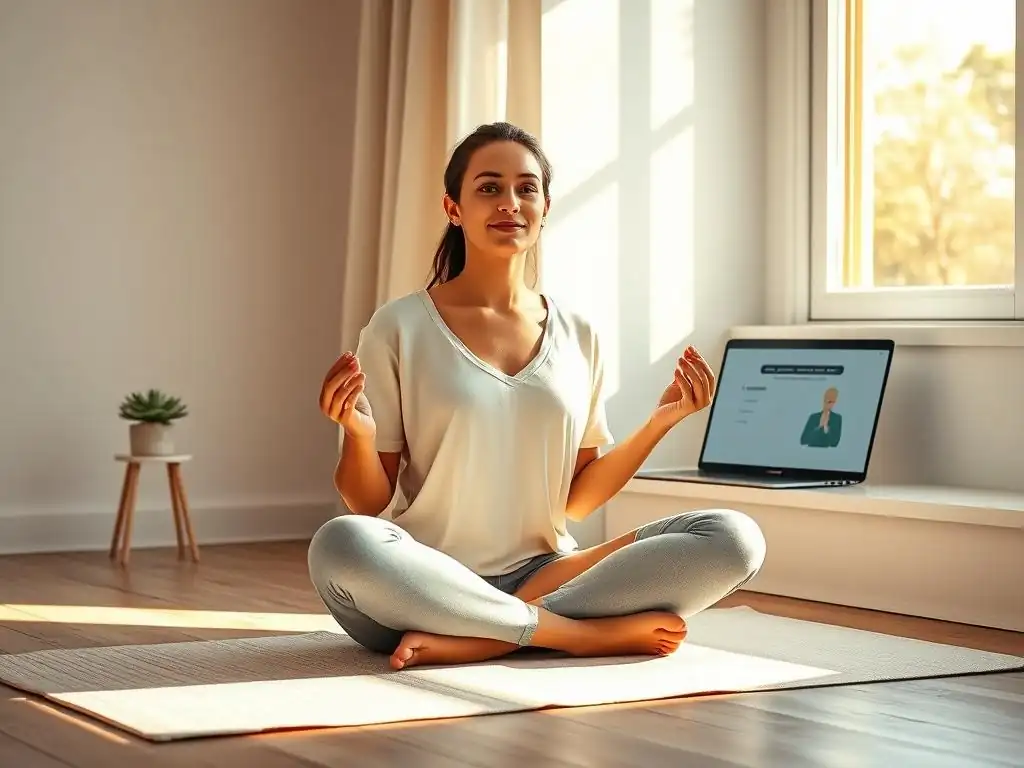
Mindfulness Meditation for Stress Relief: Cultivating Present Moment Awareness
Mindfulness meditation is a cornerstone technique taught in many stress reduction online courses. It involves paying attention, on purpose, to the present moment without judgment. The core practice typically involves focusing on the breath, bodily sensations, or sounds, and gently bringing the attention back whenever the mind wanders. Regular mindfulness practice has been shown in numerous studies to reduce the physiological markers of stress, such as cortisol levels, and decrease activity in the brain's amygdala, which is involved in the fear response.
Online courses provide structured guidance for beginners, often starting with short, 5-10 minute guided meditations and gradually increasing duration. They explain the principles behind mindfulness, addressing common misconceptions and challenges like a busy mind. Through consistent practice facilitated by the course structure, individuals learn to observe their thoughts and feelings without getting swept away by them, creating a space between a stressful trigger and their reaction. This cultivated awareness is fundamental to managing stress more effectively in daily life.
Online Courses Teaching Mindfulness: "Mindfulness for Wellbeing and Peak Performance" & "De-Stress Your Life"
The "Mindfulness for Wellbeing and Peak Performance" course, often found on platforms like Coursera, provides a university-backed approach to mindfulness. It covers the scientific basis of mindfulness and teaches various practices, including body scans, sitting meditation, and mindful movement. The course emphasizes integrating mindfulness into daily activities, not just formal meditation sessions, making it highly practical for stress reduction.
Another relevant course type, often titled something like "De-Stress Your Life," found on platforms like Udemy or Skillshare, might offer a more practical, less academic approach. These courses often feature shorter video lessons and focus heavily on guided practices and quick techniques for managing stress in specific situations (e.g., mindful eating, mindful commuting). Both types of stress reduction online courses aim to build the fundamental skill of present moment awareness, albeit with different pedagogical styles and target audiences.
Example: Using Mindfulness to Manage Workplace Stress (Real Case)
Consider the common scenario of workplace stress, perhaps facing a tight deadline or a difficult conversation with a colleague. An individual who has taken a stress reduction online course teaching mindfulness can apply these skills in the moment. Instead of reacting immediately with frustration or panic, they might take a few conscious breaths, grounding themselves in the present moment.
They can observe the physical sensations of stress (e.g., tight shoulders, rapid heartbeat) without judgment. They can also notice the anxious thoughts ("I'm going to fail," "This is impossible") but recognize them merely as thoughts, not absolute truths. This brief pause, facilitated by mindfulness, allows for a more measured and effective response, such as breaking down the task into smaller steps or approaching the conversation with greater clarity and composure, rather than being overwhelmed by the stress reaction itself. Numerous anecdotes from course participants describe using these techniques to navigate challenging professional situations more effectively.
Breathing Exercises for Immediate Calm: Quick and Easy Techniques
Breathing exercises are among the most accessible and immediate stress reduction techniques taught in online courses. The simple act of regulating breath can quickly calm the nervous system, shifting it from a state of fight-or-flight to rest-and-digest. Courses dedicated to practical stress techniques invariably include instruction on several breathing methods, explaining the physiological basis for their effectiveness – how slow, deep breathing increases oxygen flow and stimulates the vagus nerve, promoting relaxation.
These techniques require no special equipment and can be practiced anywhere, anytime, making them incredibly valuable for managing acute stress spikes. Online lessons often include guided audio or video sessions to help learners practice the correct rhythm and depth of breath. The emphasis is often on mindful breathing, combining breath regulation with present moment awareness, enhancing the calming effect. Mastery of just one or two breathing techniques learned in a stress reduction online course can provide an invaluable tool for immediate relief.
Diaphragmatic Breathing: A Beginner-Friendly Technique
Diaphragmatic breathing, also known as belly breathing, is a foundational technique often introduced early in stress reduction online courses due to its simplicity and effectiveness. It involves inhaling deeply through the nose, allowing the abdomen (diaphragm) to expand, and exhaling slowly through the mouth. This differs from shallow chest breathing, which is common during stress.
Online course modules on diaphragmatic breathing typically include visual demonstrations and guided practice sessions. Learners are often instructed to place one hand on their chest and the other on their abdomen to feel the movement, ensuring they are engaging the diaphragm correctly. Practicing this technique for just a few minutes can lower heart rate and blood pressure, providing a quick way to induce a state of calm. It's often recommended for managing anxiety before stressful events or simply as a daily practice to promote overall relaxation.
Box Breathing: A Powerful Stress Reduction Tool for Any Situation
Box breathing (also known as four-square breathing) is another powerful technique frequently taught in stress reduction online courses, often favored for its structured rhythm which makes it easy to follow. It involves inhaling for a count of four, holding the breath for a count of four, exhaling for a count of four, and holding the breath again for a count of four, creating a "box" or square pattern.
This technique is particularly effective for calming the nervous system quickly and can be used discreetly in various situations, from a tense meeting to sitting in traffic. Online courses typically provide audio guides or visual timers to help students practice maintaining the four-count rhythm. The structured nature of box breathing helps to interrupt racing thoughts and focus the mind, making it a robust tool for immediate stress reduction and improving focus under pressure.
Progressive Muscle Relaxation (PMR): Releasing Physical Tension
Progressive Muscle Relaxation (PMR) is a technique that involves tensing and then releasing different muscle groups in the body, one by one. This process helps individuals become more aware of physical tension and learn how to consciously release it, promoting overall relaxation and reducing physical symptoms of stress like headaches and muscle aches. Stress reduction online courses often dedicate specific modules to teaching PMR due to its effectiveness in addressing the physical manifestations of stress.
Courses typically guide learners through a systematic process, starting with hands and arms, then moving to the head and face, neck and shoulders, back, abdomen, and finally legs and feet. The guidance includes instructions on how firmly to tense muscles and how to notice the difference between tension and relaxation. Regular practice of PMR, as encouraged by online courses, can lead to a greater ability to recognize and release tension reflexively throughout the day, not just during dedicated practice sessions.
Online Courses Offering PMR Training: "Stress Management" with Dr. Smith
A course titled "Stress Management," perhaps offered by an instructor like "Dr. Smith" (representing a typical qualified professional teaching online), would likely include detailed training on Progressive Muscle Relaxation. Such a course would break down PMR into easily digestible steps, often providing audio or video guides for each muscle group sequence. The instructor would likely explain the physiological benefits, such as reducing muscle stiffness and promoting better sleep.
These online modules often include downloadable scripts or audio files of the guided PMR sessions, allowing students to practice offline. The instruction would emphasize the importance of consistent practice to build the skill of recognizing and releasing tension. The course might also include variations of PMR, such as passive PMR (focusing on release without initial tension), to cater to different needs and preferences.
How PMR Works: Step-by-Step Guide and Course Recommendations
PMR works by first heightening awareness of physical tension. By deliberately tensing a muscle group for about 5-10 seconds, you intensely feel the sensation of tightness. Then, by releasing that tension completely for about 20 seconds, you experience a profound sense of relaxation and learn to differentiate it from the tense state. Repeating this process throughout the body systematically reduces overall muscle tension.
Many stress reduction online courses, particularly those focused on practical techniques, will offer comprehensive PMR training. Look for courses with clear audio guidance, as listening to instructions is key for this technique. Courses on platforms like Udemy or Skillshare often have titles explicitly mentioning relaxation techniques or stress relief and are good places to find affordable PMR training. For instance, searching for "Progressive Muscle Relaxation course" on these platforms yields numerous options, often priced under $30.
Cognitive Behavioral Therapy (CBT) for Stress Management: Changing Thought Patterns
Cognitive Behavioral Therapy (CBT) is a widely-used therapeutic approach that focuses on identifying and changing negative thought patterns and behaviors that contribute to stress and other mental health challenges. While full CBT therapy is complex, many stress reduction online courses incorporate basic CBT techniques relevant to managing stress. The core principle is that our thoughts about a situation, not just the situation itself, significantly influence how we feel and behave.
Online modules on CBT for stress management typically teach students how to recognize "cognitive distortions" or unhelpful thinking styles (e.g., catastrophizing, black-and-white thinking) that amplify stress. They provide tools and exercises to challenge these thoughts and replace them with more balanced, realistic perspectives. By altering how we interpret stressors, we can reduce their emotional impact. This cognitive restructuring is a powerful technique for building resilience against stress.
Introduction to CBT Techniques
Online stress reduction courses often introduce fundamental CBT techniques through video lectures and interactive exercises. Key techniques covered might include:
- Thought Records: A structured way to identify a stressful situation, the associated thoughts, feelings, and behaviors, and then challenge the negative thoughts.
- Cognitive Restructuring: Learning to question the evidence for and against negative thoughts and develop alternative, more balanced thoughts.
- Behavioral Activation: Identifying enjoyable or meaningful activities that are being avoided due to stress or low mood and scheduling them back into life.
- Problem-Solving: Breaking down stressors into manageable parts and developing action plans.
These techniques provide a systematic framework for analyzing stress triggers and developing proactive coping strategies. Courses explain the rationale behind these techniques, often using simple examples to illustrate their application in everyday stressful situations.
Identifying and Challenging Negative Thoughts: A CBT Exercise
A common CBT exercise taught in stress reduction online courses involves a simple four-column thought record. Column 1: Situation (What happened?). Column 2: Thoughts (What was going through your mind?). Column 3: Feelings (What emotions did you feel, and how intensely?). Column 4: Challenge/Alternative Thought (What evidence supports the thought? What evidence contradicts it? What's a more balanced perspective? ).
For example, if a stressful situation is receiving critical feedback at work, a negative thought might be "I'm terrible at my job." The feeling is intense anxiety. Using the exercise, you'd look for evidence against this thought (e.g., positive feedback received previously, specific tasks completed successfully) and evidence for it (e.g., this specific criticism).
Then, you'd formulate a more balanced thought, like "I received criticism on one task, which is feedback I can learn from. It doesn't mean I'm terrible at everything; I have strengths in other areas." Practicing this technique, often facilitated by downloadable worksheets from the course, helps weaken the power of negative self-talk and reduces the associated stress.
Time Management and Organization: Reducing Stress Through Productivity
Poor time management and disorganization are significant sources of stress for many people. Feeling overwhelmed by deadlines, having too much to do, or constantly searching for misplaced items can create a perpetual state of low-grade stress. Stress reduction online courses often recognize this and include modules on practical time management and organizational strategies, framing them as essential tools for reducing external stressors.
These modules don't just offer generic tips; they often provide actionable techniques and frameworks for planning, prioritizing, and breaking down tasks. Learning to manage your time and workspace effectively can lead to a greater sense of control, reduced procrastination, and fewer last-minute rushes, all of which contribute to a calmer, less stressed state of being. Courses may emphasize that these are skills that can be learned and improved with practice, just like meditation or breathing exercises.
Strategies for Effective Time Management
Effective time management strategies taught in online stress management courses often include techniques like the Pomodoro Technique (working in focused bursts with short breaks), time blocking (scheduling specific tasks for specific time slots), and setting clear boundaries around work or study time. Courses explain how these methods can help combat procrastination and maintain focus, reducing the stress associated with feeling overwhelmed or behind schedule.
Another key strategy is understanding energy levels throughout the day and scheduling demanding tasks during peak productivity times. Courses might also cover the importance of scheduling breaks and leisure activities, not just work, as these are crucial for preventing burnout and maintaining perspective. Learning to estimate the time required for tasks accurately is also a common focus, helping individuals create more realistic schedules and avoid the stress of overcommitment.
Prioritization and Task Breakdown: Practical Tips for Reducing Overwhelm
Feeling overwhelmed by a long to-do list is a major stressor. Stress reduction online courses address this by teaching effective prioritization methods. Techniques like the Eisenhower Matrix (categorizing tasks by urgency and importance) help individuals focus on what truly matters and delegate or eliminate less critical tasks. Understanding the difference between urgent and important is a fundamental skill for managing workload stress.
Breaking down large, daunting tasks into smaller, more manageable steps is another crucial technique. This makes tasks feel less intimidating and provides a clear path forward, reducing the stress associated with not knowing where to start. Courses often provide templates or frameworks for breaking down projects. By combining effective prioritization with task breakdown, individuals can transform a chaotic list of obligations into a clear, actionable plan, significantly reducing feelings of overwhelm and increasing a sense of accomplishment as steps are completed.
Comparing Affordable Stress Reduction Online Courses: Features and Benefits
"Stress Management" vs. "Mindfulness-Based Stress Reduction": A Detailed Comparison
When comparing affordable stress reduction online courses, two common types emerge: general "Stress Management" courses and those specifically focused on "Mindfulness-Based Stress Reduction" (MBSR) or similar mindfulness programs. General Stress Management courses tend to offer a broader toolkit, potentially including elements of CBT, time management, organizational skills, communication techniques, and relaxation methods like PMR and breathing exercises, alongside an introduction to mindfulness. They aim to provide a comprehensive approach to identifying and tackling various stressors.
MBSR-focused courses, while also addressing stress, place mindfulness meditation and gentle movement practices at the core. They are often based on the structure and principles of the renowned 8-week in-person MBSR program developed by Jon Kabat-Zinn, although online versions may vary in length and depth. These courses delve deeply into mindfulness practices, exploring their theoretical underpinnings and encouraging significant dedicated meditation time. While highly effective for stress reduction, they may appeal more to individuals specifically interested in developing a strong mindfulness practice as their primary coping mechanism.
Pricing, Curriculum, and Instructor Expertise: Choosing the Right Course for You
Choosing the right affordable stress reduction online course involves weighing pricing against curriculum and instructor expertise. Many platforms offer courses ranging from free (often audit-only access without certificates) to under $100. Consider your budget and whether a certificate of completion is important to you (which usually requires a paid option). Some university-affiliated courses on platforms like Coursera or edX might offer financial aid options.
Examine the curriculum outline closely. Does it cover the specific techniques you are interested in learning? If you want a broad overview, a general "Stress Management" course might be better. If you are specifically interested in meditation, an MBSR-style course could be more suitable. Research the instructors' backgrounds – are they qualified professionals with relevant experience? Look for clear learning objectives and a well-structured course outline. Many platforms allow you to preview a few lessons, which can give you a feel for the instructor's style and the course's quality before committing financially.
User Reviews and Ratings: What Students Are Saying About Affordable Stress Management
User reviews and ratings are invaluable resources when selecting an affordable stress reduction online course. Platforms typically display average ratings (often out of 5 stars) and allow students to leave detailed comments. Pay attention not just to the overall score but also to the content of the reviews. Do students mention the course's effectiveness in reducing their stress? Are the techniques practical and easy to apply?
Look for comments regarding the instructor's teaching style – were they clear, engaging, and knowledgeable? Were the course materials well-organized and helpful? While a few negative reviews are normal, consistent complaints about the course quality, lack of practical content, or poor instruction should be red flags. Conversely, courses with consistently high ratings and numerous positive testimonials specifically mentioning tangible benefits in stress reduction are strong indicators of a worthwhile investment. Reading reviews from students with similar goals or backgrounds can be particularly helpful.
Integrating Stress Reduction Techniques into Daily Life: A Sustainable Approach

Creating a Personalized Stress Management Plan
Completing a stress reduction online course is the first step; integrating the learned techniques into daily life is key to long-term success. This requires creating a personalized stress management plan. Start by identifying which techniques resonated most with you during the course – perhaps you found box breathing particularly calming or mindfulness meditation surprisingly effective. Your plan should incorporate these preferred techniques.
Consider your daily routine and identify specific times or situations where you can realistically practice. This might be a 10-minute mindfulness session in the morning, using box breathing before a stressful meeting, or scheduling PMR before bed. Write down your plan and be specific about what you will do and when. For instance: "Practice 10-minute guided mindfulness meditation using the course audio at 7:30 AM daily" or "Use box breathing for 1 minute before every client call." A personalized plan makes the integration process intentional and sustainable.
Setting Realistic Goals and Tracking Progress
Setting realistic goals is crucial for maintaining motivation when integrating stress reduction techniques. Don't aim for perfection or complete elimination of stress overnight. Instead, set small, achievable goals, such as practicing a breathing exercise once a day for a week, or incorporating a 5-minute mindfulness break during your workday. As these become habits, you can gradually increase the duration or frequency.
Tracking your progress can also be highly motivating. This doesn't need to be complex; a simple journal, a note on your phone, or a habit-tracking app can work. Note down which techniques you practiced, when, and how you felt afterward. Over time, reviewing your notes can highlight which strategies are most effective for you and demonstrate the tangible benefits of your efforts. Seeing evidence of reduced stress or improved ability to cope reinforces the value of the techniques learned in your stress reduction online course.
Seeking Support and Accountability: Building a Community of Wellness
While stress reduction online courses offer independent learning, seeking support and accountability can significantly enhance long-term practice and integration. Share your goals with a trusted friend, family member, or colleague. Simply telling someone about your plan can increase your commitment. You could even find a "wellness buddy" to practice techniques together or check in with each other regularly.
Some online courses offer community forums or social media groups where students can connect, share experiences, ask questions, and offer encouragement. Participating in these communities can provide a sense of belonging and shared purpose. Additionally, consider joining local mindfulness or meditation groups, or even seeking support from a therapist or coach if you feel you need more personalized guidance. Building a support network provides encouragement during challenging times and reinforces your commitment to managing stress effectively.
Maximizing the Value of Your Online Stress Management Course
Active Participation and Engagement
To truly benefit from a stress reduction online course, active participation is essential. Simply watching the videos or reading the text is not enough; you must engage with the material. This means completing all exercises, guided practices, and assignments, even if they feel awkward or difficult at first. If the course suggests practicing a technique daily, commit to doing it.
Take notes, ask questions (if the platform allows or provides a forum), and reflect on how the techniques feel in your own body and mind. Don't just passively consume the content; actively apply it to your own experiences of stress. The more you engage with the practical aspects of the course, the more deeply you will understand the techniques and the more effective they will become in helping you manage stress in real-time situations.
Utilizing Course Resources and Support
Most quality stress reduction online courses provide supplementary resources beyond the core video lectures or readings. These might include downloadable worksheets for thought records, audio files of guided meditations or relaxation exercises, suggested reading lists, or links to helpful external websites. Make sure to download and utilize these resources. The audio guides, in particular, are invaluable for consistent practice of techniques like mindfulness and PMR.
If the course offers any form of support, such as a Q&A forum, discussion board, or even limited instructor interaction, take advantage of it. Don't hesitate to ask questions if you are confused about a concept or struggling with a technique. Learning from others' questions and the instructor's responses in forums can also deepen your understanding. These resources are part of the value of the course and are designed to support your learning journey.
Continuing Education and Skill Development
Stress management is not a one-time fix but an ongoing practice. Maximizing the value of your initial stress reduction online course involves committing to continuing education and skill development. Once you've mastered the basics taught in one course, consider exploring other courses on different techniques (e.g., if you started with mindfulness, explore CBT or vice versa). Many platforms offer bundles or subscriptions that make exploring multiple courses affordable.
Regularly revisit the materials from your completed course, especially the guided practice sessions. Consider joining advanced courses or workshops on specific techniques you wish to deepen your knowledge in. Staying engaged with learning new strategies or refining existing ones ensures that your stress management toolkit remains robust and adaptable to life's inevitable changes and challenges. This commitment to continuous learning is key to sustained well-being.
Conclusion: Empowering Yourself with Affordable Stress Reduction Online Courses
The Long-Term Benefits of Investing in Your Mental Well-being
Investing time and a modest amount of money in affordable stress reduction online courses yields significant long-term benefits for your mental and physical well-being. By learning and practicing effective techniques like mindfulness, breathing exercises, PMR, and cognitive restructuring, you gain the skills to navigate stress more effectively throughout your life. This leads to improved resilience, reduced risk of stress-related health issues, better emotional regulation, and enhanced overall quality of life.
Beyond individual benefits, better stress management can improve your relationships, boost your productivity, and increase your capacity to enjoy life. It's an investment in yourself that pays dividends across all areas of your life. The accessibility and affordability of online learning have removed many barriers that previously prevented people from acquiring these vital skills, making empowerment through stress reduction attainable for a much wider audience.
Taking Action Today: Finding the Right Stress Management Course for You
The journey to better stress management begins with a single step. Taking action today means exploring the wealth of affordable stress reduction online courses available. Consider your specific needs and interests – are you looking for quick techniques, a deep dive into mindfulness, or a comprehensive approach? Use the tips outlined in this article to evaluate course options based on instructor expertise, curriculum, and student reviews on platforms like Coursera, edX, Udemy, or Skillshare.
Remember that finding the "right" course is less about perfection and more about getting started. Many courses offer free trials or low introductory prices, allowing you to explore without significant commitment. Empower yourself by choosing a course and dedicating time to learning and practicing the techniques. Your mental well-being is a priority, and affordable online courses offer a practical, effective pathway to mastering stress and living a calmer, more fulfilling life.
Frequently Asked Questions
What types of stress reduction techniques are typically taught in online courses?
Online courses often cover techniques like mindfulness meditation, deep breathing exercises, and cognitive restructuring to manage stress. These provide practical strategies for coping with daily stressors.
How affordable are these "budget-friendly" stress reduction online courses mentioned in the article?
The "budget-friendly" courses generally range from free introductory courses to paid options under $50. This accessibility makes stress management resources available to a wider audience.
Are these online stress reduction courses effective in the long run?
The effectiveness depends on individual commitment, but courses offering practical techniques and ongoing support can significantly improve long-term stress management. Consistency is key.
Do these courses offer personalized support or guidance for individual stress triggers?
While some courses may offer limited personalized support, most focus on general stress reduction techniques. Individual therapy may be needed for specific triggers.
Where can I find reliable and reputable "stress reduction online courses"?
Reputable platforms like Coursera, Udemy, and Skillshare often host reliable courses. Always check reviews and instructor credentials before enrolling to ensure quality.
Final Reflection: Unlocking Inner Peace: The Power of Accessible Stress Management
The pervasive nature of stress in our modern lives demands accessible solutions, and the good news is that effective stress reduction techniques are now readily available through budget-friendly online courses. This accessibility democratizes mental wellness, empowering individuals regardless of their financial circumstances to take control of their mental health. This is not simply a trend; it's a vital shift towards a more compassionate and proactive approach to well-being.
The impact of readily available stress management resources is profound. We are witnessing a cultural shift where open conversations about mental health are becoming increasingly normalized, and affordable online courses are playing a crucial role in this evolution. The mind is everything. What you think you become.
– Buddha. This ancient wisdom finds new relevance in our digital age, where the tools to cultivate a peaceful mind are increasingly within reach. The ease of access to these courses dismantles barriers that previously prevented many from seeking help, fostering a more inclusive and supportive environment for mental wellness.
Consider the practical skills you've learned throughout this article. From mindfulness techniques to breathing exercises, these tools are not just theoretical concepts; they are actionable strategies you can implement immediately to improve your daily life. Take a moment to reflect on your own stress levels and identify one technique you can incorporate into your routine this week. Start small, be consistent, and remember that prioritizing your mental well-being is an act of self-love and resilience. Your journey to a calmer, more fulfilling life begins now.
Unwind Your Mind: Start Your Stress-Free Journey Today!
Thanks for taking the time to explore practical ways to manage stress! We hope you found the budget-friendly online courses highlighted in this article valuable. Now it's time to put that knowledge into action. Here's how:
- Enroll in a course: Choose one of the recommended courses that resonated most with you and start learning immediately. It's a small investment with potentially huge returns for your well-being.
- Share your experience: Tell your friends and family about your journey to stress reduction. You might inspire them to take care of their mental health too.
- Try one technique daily: Pick one stress-reducing technique from the article and commit to practicing it every day this week. Even small steps make a big difference.
What simple change will you make today to prioritize your mental wellbeing?