
The Brain on GAD: Neurological Causes and How Treatment Can Help

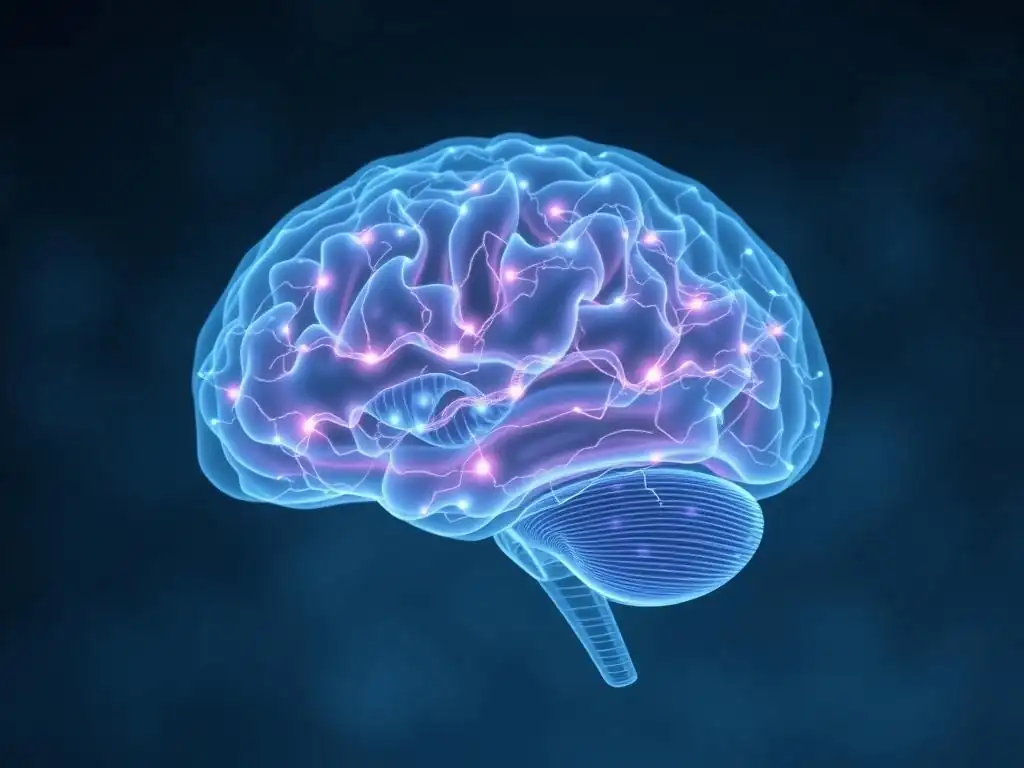
Welcome to Mind Care Guide, a space dedicated to nurturing your mental well-being. Feeling overwhelmed by Generalized Anxiety Disorder (GAD)? You're not alone. Ever wondered what's actually happening in your brain when anxiety takes hold? Our article, "The Brain on GAD: Neurological Causes and How Treatment Can Help," delves deep into GAD neurological treatment options, uncovering the science behind anxiety and exploring pathways to relief. Let's embark on this journey of understanding and healing together.
The Brain on Anxiety: Neurological Causes and Treatment Approaches
- Understanding Anxiety Disorders and the Brain
- Neurological Factors Contributing to Anxiety Disorders
- Exploring Neurological Treatment Options for Anxiety
- Lifestyle Factors and Brain Health in Anxiety Management
- Future Directions in Anxiety Research and Treatment
- Resources for Anxiety Support and Treatment
-
Frequently Asked Questions
- What are the underlying neurological causes of Generalized Anxiety Disorder (GAD)?
- How do neurological treatment options for GAD differ from traditional therapies?
- Can medication be considered a "neurological treatment" for GAD?
- What kind of brain stimulation techniques are used to treat GAD?
- Are there any potential risks or side effects associated with neurological treatments for GAD?
- Final Reflection: Unraveling the GAD Enigma: Hope Through Neurological Understanding
- Unlock Your Brain's Potential: Take Control of GAD
Understanding Anxiety Disorders and the Brain
What are Anxiety Disorders?
Anxiety disorders are a group of mental health conditions characterized by excessive fear, worry, or nervousness that significantly impacts a person's daily life. While occasional anxiety is a normal human response to stress or danger, in anxiety disorders, these feelings are persistent, intense, and often out of proportion to the actual situation. Generalized Anxiety Disorder (GAD), specifically, involves chronic and excessive worry about everyday things, such as work, school, health, or relationships, even when there is little or no reason to worry.
This pervasive worry is difficult to control and is often accompanied by physical symptoms like restlessness, fatigue, difficulty concentrating, irritability, muscle tension, and sleep disturbances. These disorders are not simply a matter of feeling stressed; they involve complex changes in brain function and structure.
Understanding anxiety disorders from a biological perspective is crucial because it highlights that these conditions have a tangible basis in the nervous system. It helps to destigmatize the experience, framing it as a health issue rather than a personal failing. Millions of people worldwide experience anxiety disorders; for instance, in the United States alone, GAD affects approximately 6.8 million adults, or about 3.1% of the population in any given year.
While psychological factors and life experiences play significant roles, research increasingly points to underlying neurological differences and dysregulations that contribute to the development and persistence of these debilitating conditions. Examining the brain's role provides a foundation for exploring effective GAD neurological treatment options that target these biological mechanisms.
The Neurological Impact of Chronic Anxiety
Chronic anxiety, particularly in conditions like GAD, can exert significant and potentially long-lasting effects on the brain's structure and function. Persistent activation of the stress response system, driven by excessive worry and fear, leads to prolonged exposure to stress hormones like cortisol. This chronic exposure can contribute to changes in key brain regions involved in emotional regulation, memory, and threat processing.
Studies using neuroimaging techniques like MRI have indicated that individuals with chronic anxiety may show differences in the size and activity of areas such as the amygdala, which can become hyperactive, and the prefrontal cortex and hippocampus, which may show reduced volume or altered function. These structural and functional changes can create a feedback loop, making individuals more susceptible to anxiety and reinforcing the cycle of worry.
Furthermore, the constant state of alert associated with chronic anxiety impacts the brain's neurochemical balance. Key neurotransmitters involved in mood, fear, and stress responses, such as serotonin, GABA, and norepinephrine, can become dysregulated. This imbalance affects how brain regions communicate with each other, impairing the brain's ability to effectively process emotional information, regulate fear responses, and manage stress.
The cumulative effect of these neurological changes can make it challenging for individuals with GAD to simply "snap out of it" or control their worry through willpower alone. It underscores the need for treatments that address these underlying neurological mechanisms, providing a rationale for pharmacological and non-pharmacological GAD neurological treatment options that aim to restore balance and improve brain function.
Anxiety Disorders: A Neurological Perspective
From a neurological standpoint, anxiety disorders like GAD are understood as conditions arising from disruptions in the complex neural circuits that govern fear, emotion, and stress responses. The brain is equipped with sophisticated systems to detect threats and initiate appropriate protective responses. However, in anxiety disorders, these systems can become overactive or dysregulated.
This often involves an oversensitive alarm system, particularly within the limbic system, and a compromised regulatory system, largely involving the prefrontal cortex. The result is a state where the brain perceives non-threatening situations as dangerous or feels constantly on edge, even in the absence of immediate threat. This perspective moves beyond viewing anxiety solely as a psychological reaction and highlights the biological underpinnings that make individuals vulnerable.
This neurological view is supported by evidence from various fields, including genetics, neurochemistry, and neuroimaging. For instance, research has identified specific genes that may increase susceptibility to anxiety disorders by influencing neurotransmitter pathways or the development of brain structures involved in fear processing. Neuroimaging studies reveal distinct patterns of brain activity in individuals with GAD compared to those without the disorder, such as heightened activity in the amygdala when processing emotional stimuli or altered connectivity between the amygdala and regulatory regions in the prefrontal cortex.
Understanding these specific neurological differences is key to developing more targeted and effective GAD neurological treatment options. By identifying the specific brain circuits and chemicals involved, researchers and clinicians can design interventions aimed at correcting these underlying dysfunctions.
Neurological Factors Contributing to Anxiety Disorders
The Role of Neurotransmitters in Anxiety
Neurotransmitters are the brain's chemical messengers, playing a critical role in regulating mood, emotion, sleep, and the stress response. Imbalances or dysfunctions in the systems that produce, transport, or receive these chemicals are strongly implicated in the development of anxiety disorders, including GAD. Several key neurotransmitters are particularly relevant. Serotonin, often associated with mood regulation, also influences anxiety.
GABA (gamma-aminobutyric acid) is the brain's primary inhibitory neurotransmitter, crucial for calming neural activity. Norepinephrine, part of the fight-or-flight response, can contribute to the physical symptoms of anxiety when its signaling is excessive or dysregulated. Understanding how these chemicals function and malfunction provides essential insights into the biological basis of anxiety and guides the development of pharmacological GAD neurological treatment options.
Research suggests that individuals with anxiety disorders may have altered levels or activity of these neurotransmitters. For example, studies have pointed to reduced GABAergic tone or responsiveness in certain brain areas, leading to increased neuronal excitability and heightened anxiety. Similarly, disruptions in serotonin pathways are linked to mood and anxiety symptoms.
The intricate balance and interaction between these neurotransmitter systems are vital for maintaining emotional stability. When this balance is disturbed, it can predispose an individual to chronic worry and the physiological manifestations of anxiety. Targeting these neurotransmitter systems is a cornerstone of many current GAD neurological treatment options, aiming to restore chemical balance and alleviate symptoms.
Serotonin and Anxiety: Modulation and Effects
Serotonin is a monoamine neurotransmitter widely distributed throughout the brain and body, involved in regulating mood, sleep, appetite, and social behavior. Its role in anxiety is complex, but research suggests that dysregulation in serotonin pathways can contribute to anxiety symptoms. Lower levels of serotonin activity in certain brain regions or problems with serotonin receptors are hypothesized to be associated with increased anxiety and worry. However, the relationship is not straightforward; increasing serotonin activity too quickly or in the wrong context can sometimes initially increase anxiety before improving it. This highlights the delicate balance required within the serotonergic system.
Many effective GAD neurological treatment options, particularly SSRIs (Selective Serotonin Reuptake Inhibitors), work by increasing the availability of serotonin in the synaptic clefts between neurons. By blocking the reabsorption (reuptake) of serotonin back into the presynaptic neuron, SSRIs enhance serotonin signaling, which over time can help to modulate mood, reduce worry, and dampen the intensity of the anxiety response.
This mechanism provides symptomatic relief for many individuals with GAD, suggesting that correcting serotonin imbalances is a key neurological target for treatment. However, the clinical effects of SSRIs typically take several weeks to become apparent, suggesting that the benefits involve more than just an immediate change in serotonin levels, possibly involving downstream adaptations in neural circuits and receptor sensitivity.
GABA and Anxiety: Inhibitory Function and Regulation
GABA (gamma-aminobutyric acid) is the brain's major inhibitory neurotransmitter. Its primary function is to reduce neuronal excitability throughout the nervous system. Think of GABA as the brake pedal for brain activity; it helps to calm down nerve impulses, preventing them from firing too rapidly or excessively.
In the context of anxiety, a well-functioning GABAergic system is crucial for modulating fear responses and preventing the brain from becoming hyper-aroused. Research indicates that individuals with anxiety disorders, including GAD, may have reduced GABA levels, fewer GABA receptors, or impaired GABA receptor function in certain brain regions, leading to a state of increased neuronal excitation and heightened anxiety.
Benzodiazepines, a class of medications sometimes used for short-term relief of severe anxiety, work by enhancing the effects of GABA at the GABA-A receptor. They bind to a specific site on the receptor, increasing the frequency of channel opening and allowing more chloride ions to enter the neuron.
This influx of negative charge makes the neuron less likely to fire, thereby dampening neural activity and producing a calming effect. While effective for acute symptom relief by directly targeting GABAergic neurotransmission, the potential for tolerance and dependence limits their use as a long-term GAD neurological treatment option compared to SSRIs or SNRIs, which modulate broader neurotransmitter systems with less immediate sedative effects.
Norepinephrine's Influence on Anxiety Symptoms
Norepinephrine (also known as noradrenaline) is a neurotransmitter and hormone involved in the body's "fight or flight" response, playing a central role in alertness, arousal, and the stress response. It is produced in brain regions like the locus coeruleus and projects to many areas, including the amygdala, hippocampus, and prefrontal cortex.
While necessary for responding to danger, dysregulation of the norepinephrine system can contribute significantly to the physiological symptoms of anxiety, such as increased heart rate, sweating, tremors, and a feeling of being on edge. An overactive norepinephrine system can lead to a state of chronic hyperarousal and heightened vigilance, characteristic of GAD.
Both excessive release of norepinephrine and hypersensitivity of adrenergic receptors (which bind norepinephrine) are implicated in anxiety disorders. Some GAD neurological treatment options, particularly Serotonin-Norepinephrine Reuptake Inhibitors (SNRIs), work by increasing the availability of both serotonin and norepinephrine in the brain.
By modulating norepinephrine levels, SNRIs can help regulate the body's stress response and reduce the physical manifestations of anxiety. Beta-blockers, while not typically first-line GAD treatment, can also help manage specific physical symptoms like palpitations or tremors by blocking the effects of norepinephrine on certain receptors in the body, illustrating another way of influencing this system to alleviate anxiety-related physical discomfort.
Brain Structures and Anxiety: An In-Depth Look
Anxiety disorders are not caused by a single malfunctioning brain region but rather by disruptions in the intricate network of brain structures that process emotions, regulate fear, and manage stress. Key players in this network include the amygdala, prefrontal cortex, and hippocampus. The way these regions interact, or fail to interact properly, significantly influences an individual's vulnerability to anxiety and the manifestation of symptoms. Understanding the roles of these structures provides a spatial map of the brain areas targeted by various GAD neurological treatment options, from therapy to medication.
Neuroimaging research has been instrumental in highlighting the structural and functional differences in these regions in people with anxiety disorders. For instance, studies often show heightened activity in the amygdala in response to perceived threats, coupled with reduced activity or impaired connectivity in the prefrontal cortex, which is responsible for dampening these fear responses.
The hippocampus, involved in contextualizing fears and creating memories, also shows alterations, potentially contributing to the difficulty in distinguishing between safe and unsafe situations. These findings reinforce the idea that anxiety is rooted in tangible brain differences and that effective treatment must address these neural circuit dysfunctions.
Amygdala: Processing Threat and Fear
The amygdala is a small, almond-shaped structure deep within the temporal lobe, widely recognized as the brain's primary center for processing emotions, particularly fear and threat detection. It acts as an alarm system, rapidly evaluating incoming sensory information for potential danger and initiating a fear response. In individuals with anxiety disorders, the amygdala is often found to be hyperactive or oversensitive. It may react excessively to stimuli that are not genuinely threatening or remain in a state of heightened alert even in safe environments. This over-responsiveness contributes directly to the feelings of fear, panic, and hypervigilance characteristic of anxiety.
Research using fMRI (functional Magnetic Resonance Imaging) has repeatedly shown increased amygdala activation in individuals with GAD when presented with emotionally ambiguous or negative stimuli. This exaggerated response can trigger a cascade of physiological reactions via connections to other brain areas, including the hypothalamus (which activates the stress hormone system) and the brainstem (which controls heart rate and breathing).
Many GAD neurological treatment options, both pharmacological and therapeutic, aim to modulate amygdala activity. Medications like SSRIs can indirectly dampen the amygdala's response over time, while therapies like CBT specifically target the cognitive appraisal processes that feed into the amygdala's threat evaluation, helping to retrain its response.
Prefrontal Cortex: Executive Function and Regulation of Emotion
The prefrontal cortex (PFC), located at the front of the brain, is the seat of executive functions, including planning, decision-making, working memory, and, crucially, the regulation of emotions and behavior. Different parts of the PFC play distinct roles in emotional regulation. The ventromedial PFC (vmPFC) and orbitofrontal cortex (OFC) are involved in evaluating rewards and punishments and inhibiting inappropriate emotional responses.
The dorsolateral PFC (dlPFC) is more involved in cognitive control and reappraisal of emotional stimuli. In anxiety disorders, there is often evidence of reduced activity or impaired connectivity within the PFC, particularly in areas responsible for inhibiting the amygdala's fear response.
This functional impairment means that the "top-down" control over emotional reactions is weakened. The prefrontal cortex struggles to effectively signal to the amygdala that a perceived threat is not real or requires a less intense reaction. This deficit in regulatory capacity contributes to the difficulty individuals with GAD have in controlling their worry and preventing it from escalating into overwhelming anxiety.
Many GAD neurological treatment options, particularly psychotherapies like CBT, are thought to work, in part, by strengthening the prefrontal cortex's ability to regulate the limbic system. By learning new ways to appraise situations and manage thoughts, individuals can functionally enhance the PFC's control over the amygdala, thereby reducing anxiety.
Hippocampus: Memory and Contextualizing Anxiety
The hippocampus, another structure within the limbic system, is primarily known for its role in forming and retrieving memories, particularly episodic and contextual memories. It helps us learn from past experiences and place events in their proper context.
In the context of anxiety, the hippocampus is crucial for distinguishing between safe and dangerous environments and for extinguishing fear responses when a threat is no longer present. For example, if you were scared by a dog in a specific park, the hippocampus helps you remember that the fear was tied to that specific dog or park, allowing you to feel safe in other parks or around other dogs.
Chronic stress and anxiety can negatively impact the hippocampus. Prolonged exposure to stress hormones like cortisol can impair neurogenesis (the birth of new neurons) in the hippocampus and even lead to a reduction in its volume. This damage or dysfunction can impair the hippocampus's ability to properly contextualize fear memories or to form new memories that contradict old fear associations.
This might contribute to generalized fear responses where anxiety is not tied to a specific trigger but is pervasive, as seen in GAD. Some GAD neurological treatment options, particularly those that reduce chronic stress and improve mood (like SSRIs and exercise), may help protect the hippocampus and potentially promote neurogenesis, aiding in the ability to learn new, non-anxious responses to stimuli.
Genetic and Environmental Influences on Neurological Vulnerability to Anxiety
Anxiety disorders, including GAD, are understood to arise from a complex interplay between genetic predisposition and environmental factors. While there isn't a single "anxiety gene," research suggests that variations in multiple genes can increase an individual's vulnerability by influencing the development and function of brain regions and neurotransmitter systems involved in anxiety.
Genes related to serotonin transport (like the SLC6A4 gene), GABA receptors, and stress hormone regulation (like the CRH gene) are among those that have been studied as potential contributors to this vulnerability. Having a genetic predisposition doesn't guarantee the development of an anxiety disorder, but it can lower the threshold for environmental factors to trigger the condition by influencing underlying neurological architecture.
Environmental factors, particularly early life experiences and chronic stress, can significantly interact with genetic predispositions to shape the brain's development and function, further increasing vulnerability to anxiety. Adverse childhood experiences, such as trauma, neglect, or chronic instability, can permanently alter the stress response system and influence the development of brain areas like the amygdala and hippocampus.
This gene-environment interaction highlights why two people with similar genetic profiles might have vastly different levels of anxiety depending on their life experiences. Understanding this complex interplay is vital for developing comprehensive GAD neurological treatment options that consider both biological vulnerability and the impact of lived experience, often combining pharmacotherapy with psychotherapy to address both aspects.
Exploring Neurological Treatment Options for Anxiety

Effective GAD neurological treatment options target the underlying brain dysfunctions and imbalances that contribute to the disorder. These treatments can be broadly categorized into pharmaceutical interventions, which primarily modulate neurotransmitter systems, and non-pharmaceutical approaches, which aim to modify brain activity, neural pathways, and cognitive processes. The choice of treatment often depends on the severity of symptoms, individual preferences, potential side effects, and co-occurring conditions. Many individuals benefit from a combination of approaches, reflecting the multifaceted nature of anxiety disorders and their neurological basis.
The goal of these treatments is not merely to suppress symptoms but to help the brain regain a state of better regulation and resilience. By restoring neurotransmitter balance, strengthening regulatory circuits, and helping individuals develop new coping strategies that are encoded in neural pathways, these interventions aim to create lasting changes in how the brain processes fear and worry. Exploring the range of available GAD neurological treatment options, from medication to therapy and lifestyle changes, empowers individuals to find the most effective path toward managing their anxiety and improving their quality of life.
Pharmaceutical Interventions for Neurotransmitter Imbalances in Anxiety
Pharmaceuticals are a common and often effective component of GAD neurological treatment options, primarily working by modulating neurotransmitter activity in the brain. These medications aim to correct the chemical imbalances believed to contribute to anxiety symptoms, such as dysfunctions in serotonin, GABA, or norepinephrine systems. While they don't "cure" anxiety, they can significantly reduce the intensity and frequency of worry, making it easier for individuals to engage in therapy and daily life. Different classes of medications target different neurotransmitter pathways, offering varied approaches to restoring neurochemical balance.
It's important to note that finding the right medication and dosage can take time and requires close collaboration with a healthcare provider. The effects are often not immediate, and individuals may experience side effects. However, for many people with moderate to severe GAD, these medications provide crucial relief by directly addressing some of the core neurological underpinnings of their symptoms. Understanding how these drugs interact with brain chemistry helps demystify their action and highlights the biological nature of anxiety disorders.
Selective Serotonin Reuptake Inhibitors (SSRIs): Mechanism of Action
Selective Serotonin Reuptake Inhibitors (SSRIs) are one of the most commonly prescribed classes of GAD neurological treatment options. Medications like escitalopram (Lexapro), sertraline (Zoloft), and paroxetine (Paxil) belong to this group. Their mechanism of action involves increasing the concentration of serotonin in the synaptic clefts between neurons. Normally, after serotonin transmits a signal from one neuron to the next, it is reabsorbed back into the presynaptic neuron through a process called reuptake. SSRIs block the protein responsible for this reuptake, thereby leaving more serotonin available in the synapse to bind to receptors on the postsynaptic neuron.
While the immediate effect of blocking reuptake is increased synaptic serotonin, the therapeutic effects on anxiety typically take several weeks to appear. This suggests that the benefit is not just from the immediate increase in serotonin but from downstream adaptations in the brain. These adaptations may include changes in the sensitivity of serotonin receptors, alterations in gene expression, and potentially even structural changes over time, such as improved function in areas like the prefrontal cortex. By enhancing serotonin signaling, SSRIs help to modulate mood, reduce excessive worry, and dampen the overactivity of brain circuits involved in fear and anxiety.
Serotonin-Norepinephrine Reuptake Inhibitors (SNRIs): Dual Action
Serotonin-Norepinephrine Reuptake Inhibitors (SNRIs) are another class of medications often used as GAD neurological treatment options. Examples include venlafaxine (Effexor XR) and duloxetine (Cymbalta). As their name suggests, SNRIs work by inhibiting the reuptake of both serotonin and norepinephrine in the brain, increasing the levels of both neurotransmitters available in the synaptic clefts. This dual mechanism of action can be particularly effective for individuals whose anxiety is accompanied by symptoms related to both systems, such as persistent worry (serotonin) and physical symptoms of hyperarousal (norepinephrine).
By increasing the availability of both serotonin and norepinephrine, SNRIs can influence a broader range of brain circuits involved in mood, anxiety, and the stress response. The effects on norepinephrine can help address the physical manifestations of anxiety, such as muscle tension and restlessness, in addition to the psychological symptoms targeted by serotonin modulation. Similar to SSRIs, the full therapeutic effect of SNRIs typically develops over several weeks, indicating that the benefits involve complex adaptations in neural pathways beyond the initial increase in neurotransmitter levels.
Benzodiazepines: Targeting GABAergic Neurotransmission (Note: potential for dependency)
Benzodiazepines, such as alprazolam (Xanax), lorazepam (Ativan), and clonazepam (Klonopin), represent a class of GAD neurological treatment options that act rapidly to reduce severe anxiety symptoms. Unlike SSRIs and SNRIs, which work by increasing neurotransmitter availability in the synapse, benzodiazepines directly enhance the effects of GABA, the brain's primary inhibitory neurotransmitter. They bind to specific sites on the GABA-A receptor, a protein complex that forms a channel allowing chloride ions to enter the neuron.
When GABA binds to the receptor, the channel opens, increasing chloride influx and making the neuron less likely to fire. Benzodiazepines increase the frequency of this channel opening when GABA is bound, significantly amplifying GABA's inhibitory effect.
This enhanced GABAergic inhibition quickly dampens neuronal activity, leading to a rapid reduction in feelings of anxiety, muscle tension, and agitation. However, due to their rapid onset of action and direct impact on inhibitory circuits, benzodiazepines carry a significant risk of tolerance and dependence, especially with long-term or high-dose use. Tolerance means needing higher doses to achieve the same effect, while dependence involves withdrawal symptoms if the medication is stopped suddenly.
For this reason, benzodiazepines are typically prescribed for short-term use during acute periods of severe anxiety or while waiting for other medications like SSRIs or SNRIs to take effect. They are generally not recommended as a primary long-term GAD neurological treatment option due to dependency risks.
Non-Pharmaceutical Neurological Treatments for Anxiety
While medication targets the neurochemical imbalances, non-pharmaceutical GAD neurological treatment options focus on modifying brain activity, strengthening regulatory pathways, and changing how individuals process information and react to stimuli. These approaches can be highly effective, either on their own for mild to moderate anxiety or in combination with medication for more severe cases. They highlight the brain's remarkable plasticity – its ability to change and adapt in response to experience and training.
These non-pharmacological interventions include various forms of psychotherapy, mindfulness practices, and newer technologies like neurofeedback and Transcranial Magnetic Stimulation (TMS). They offer alternative or complementary ways to influence the brain's function and structure, providing valuable GAD neurological treatment options for individuals seeking alternatives to or adjuncts for medication. These methods often empower individuals by teaching them skills to manage their anxiety, fostering long-term resilience by literally helping to reshape the neural circuits involved in worry and fear.
Cognitive Behavioral Therapy (CBT): Modifying Neural Pathways
Cognitive Behavioral Therapy (CBT) is one of the most well-established and effective non-pharmaceutical GAD neurological treatment options. It is a structured form of psychotherapy that helps individuals identify and challenge negative thought patterns and behaviors that contribute to their anxiety. The core idea is that our thoughts, feelings, and behaviors are interconnected, and changing one can influence the others. For GAD, CBT helps individuals recognize and modify the catastrophic thinking and excessive worry that fuel their anxiety. This involves learning to identify irrational worries, evaluate the likelihood of feared outcomes, and replace anxious thoughts with more realistic ones.
From a neurological perspective, CBT is thought to work by promoting neuroplasticity – the brain's ability to reorganize itself by forming new neural connections throughout life. By repeatedly practicing new ways of thinking and reacting to anxiety-provoking situations, individuals strengthen neural pathways associated with rational appraisal and emotional regulation, while weakening those associated with excessive worry and fear responses (like the hyperactive amygdala and impaired PFC control).
Studies using neuroimaging have shown that successful CBT treatment for anxiety disorders is associated with changes in activity and connectivity in brain regions like the prefrontal cortex and amygdala, providing neurological evidence that therapy can indeed modify brain circuits relevant to GAD.
Mindfulness-Based Interventions: Enhancing Emotional Regulation
Mindfulness-based interventions, such as Mindfulness-Based Stress Reduction (MBSR) or Mindfulness-Based Cognitive Therapy (MBCT), are increasingly recognized as beneficial GAD neurological treatment options. Mindfulness involves paying deliberate, non-judgmental attention to the present moment – thoughts, feelings, bodily sensations, and the surrounding environment. For individuals with GAD, who are often caught in a cycle of worrying about the future or dwelling on the past, mindfulness offers a way to anchor themselves in the present and observe their anxious thoughts without getting swept away by them. This practice cultivates acceptance and reduces the tendency to react automatically to worrisome thoughts.
Neurologically, mindfulness practices are believed to enhance emotional regulation by increasing activity and potentially grey matter volume in areas like the prefrontal cortex, particularly regions involved in attention and self-awareness. Regular mindfulness meditation has been associated with reduced activity in the amygdala and improved functional connectivity between the PFC and the amygdala, suggesting strengthened "top-down" control over fear responses. By training the brain to observe thoughts and feelings without immediate reaction, mindfulness helps individuals create psychological space between a worrisome thought and an anxious response, effectively rewiring the brain to be less reactive and more resilient to anxiety triggers.
Neurofeedback: Training Brainwave Activity
Neurofeedback, also known as EEG biofeedback, is a non-invasive GAD neurological treatment option that aims to train individuals to self-regulate their brain activity. The process involves placing electrodes on the scalp to measure brainwave activity (EEG). This activity is then displayed to the individual in real-time, often in the form of a video game or visual display that responds to changes in specific brainwave frequencies. For example, a person might be trained to increase brainwave patterns associated with calm focus (like alpha or theta waves) and decrease those associated with anxiety or hyperarousal (like high beta waves).
The underlying principle is operant conditioning: the individual receives positive reinforcement (e.g., the video game progresses, a sound plays) when their brain produces the desired pattern and negative feedback when it produces the undesired pattern. Over multiple sessions, the brain is thought to learn to maintain more balanced and regulated activity patterns.
While research is still evolving, some studies suggest that neurofeedback can help normalize dysregulated brain activity patterns observed in anxiety disorders, potentially improving symptoms by training the brain towards a calmer, more regulated state. It represents a direct attempt to modify the electrical activity of the brain as a therapeutic intervention.
Transcranial Magnetic Stimulation (TMS): Modulation of Brain Activity
Transcranial Magnetic Stimulation (TMS) is a non-invasive brain stimulation technique that has emerged as a potential GAD neurological treatment option, particularly for individuals who haven't responded to traditional treatments. TMS uses magnetic pulses delivered through a coil placed on the scalp to stimulate or inhibit activity in specific brain regions. For anxiety and depression, TMS often targets areas of the prefrontal cortex believed to be underactive or dysregulated in these conditions. The magnetic pulses induce small electrical currents in the underlying brain tissue, altering neuronal excitability and activity.
By modulating the activity of targeted brain regions, TMS aims to restore more balanced function within neural circuits implicated in anxiety, such as strengthening the regulatory control of the prefrontal cortex over the amygdala. A typical course of TMS involves daily sessions over several weeks.
While the exact mechanisms are still being researched, the repeated stimulation is thought to induce longer-lasting changes in synaptic plasticity and network connectivity. TMS offers a way to directly influence the electrical activity of specific brain areas, providing a novel approach among the range of GAD neurological treatment options for individuals seeking alternatives or additions to medication and psychotherapy.
Lifestyle Factors and Brain Health in Anxiety Management
Beyond formal GAD neurological treatment options, various lifestyle factors play a crucial role in supporting brain health and managing anxiety symptoms. These factors influence neurochemical balance, stress hormone levels, neurogenesis, and overall brain function. Incorporating healthy habits related to nutrition, exercise, and sleep can significantly complement other treatments and enhance the brain's natural capacity for resilience and regulation. These are not just general health recommendations but have specific impacts on the neurological underpinnings of anxiety.
Adopting these lifestyle changes can empower individuals by giving them actionable ways to positively influence their brain health and reduce anxiety. While they may not replace medication or therapy for severe GAD, they are essential components of a holistic approach to managing the condition. Understanding how these factors affect the brain provides motivation and highlights their importance in supporting the brain's recovery and maintenance of a calmer state.
Nutrition: Impact on Neurotransmitter Synthesis and Function
Nutrition plays a vital, though often underestimated, role in brain health and neurotransmitter function, making it relevant to GAD neurological treatment options. The brain requires a steady supply of specific nutrients to synthesize neurotransmitters, maintain neuronal structure, and regulate inflammation. For example, amino acids like tryptophan are precursors to serotonin, while tyrosine is a precursor to dopamine and norepinephrine. Omega-3 fatty acids are essential components of neuronal cell membranes and have anti-inflammatory properties that can benefit brain health. B vitamins are crucial cofactors for neurotransmitter synthesis.
A diet rich in whole foods, including fruits, vegetables, lean proteins, and healthy fats, provides the necessary building blocks for optimal brain function. Conversely, a diet high in processed foods, sugar, and unhealthy fats can contribute to inflammation and oxidative stress, potentially impairing brain function and exacerbating anxiety. While diet alone may not eliminate GAD, ensuring adequate nutrient intake supports the healthy functioning of the neurotransmitter systems targeted by many GAD neurological treatment options and provides the brain with the resources it needs to regulate mood and stress effectively.
Exercise: Promoting Neurogenesis and Reducing Stress
Regular physical exercise is a powerful tool for managing anxiety and promoting brain health, offering significant neurological benefits. Exercise has been shown to reduce stress hormones like cortisol and increase the production of endorphins, which have mood-boosting effects. More profoundly, exercise promotes neurogenesis, particularly in the hippocampus – a brain region often negatively impacted by chronic stress and anxiety. This growth of new neurons can improve mood regulation and cognitive function.
Furthermore, exercise influences neurotransmitter systems relevant to anxiety, including increasing levels of serotonin, norepinephrine, and dopamine. It can also enhance the sensitivity of GABA receptors, contributing to a calming effect. Engaging in regular physical activity helps to regulate the autonomic nervous system, shifting it away from a state of chronic "fight or flight" (sympathetic activation) towards a more balanced and relaxed state (parasympathetic activation). Incorporating exercise into one's routine is a readily accessible and impactful component of supporting the brain's resilience alongside other GAD neurological treatment options.
Sleep: Consolidating Memories and Regulating Emotions
Adequate, quality sleep is fundamental for brain health and plays a critical role in emotional regulation and memory consolidation. During sleep, the brain processes information, consolidates memories, and clears metabolic waste. Crucially, sleep deprivation significantly impairs the function of the prefrontal cortex and can lead to increased reactivity in the amygdala, making individuals more emotionally volatile and susceptible to anxiety and stress. Chronic sleep problems are both a symptom and a contributor to anxiety disorders like GAD.
Ensuring consistent and sufficient sleep (typically 7-9 hours for adults) helps to restore the balance between the amygdala and the prefrontal cortex, improving the brain's ability to regulate emotions and respond appropriately to stress. Practices that promote good sleep hygiene are therefore essential for managing anxiety. Addressing sleep disturbances is often a necessary part of effective GAD neurological treatment options, as improving sleep can directly improve mood, reduce irritability, and enhance the brain's capacity to cope with worry.
Future Directions in Anxiety Research and Treatment

The field of anxiety research is continuously evolving, driven by advancements in neuroscience and technology. Future directions in understanding and treating the neurological basis of anxiety disorders, including GAD, hold promise for more effective and personalized interventions. Researchers are exploring novel neurobiological targets, investigating how to tailor treatments to individual genetic and neural profiles, and utilizing advanced neuroimaging techniques to gain deeper insights into the anxious brain. These efforts aim to move beyond current GAD neurological treatment options to develop therapies that are more precise, effective, and have fewer side effects.
Investments in research continue to uncover the intricate complexities of the brain circuits and molecular pathways involved in anxiety. This growing knowledge base is essential for identifying new therapeutic targets. The future holds the potential for treatments that are not just broadly effective but are specifically matched to the unique neurological profile of an individual's anxiety, representing a significant shift towards personalized medicine in mental healthcare.
Research into Novel Neurobiological Targets for Anxiety
Current GAD neurological treatment options primarily target well-known neurotransmitter systems like serotonin, GABA, and norepinephrine. However, ongoing research is exploring a wider range of neurobiological targets that may play a role in anxiety. This includes investigating the roles of other neurotransmitters and neuromodulators, such as glutamate (the brain's primary excitatory neurotransmitter), peptides like CRF (corticotropin-releasing factor) involved in the stress response, and neurotrophic factors like BDNF (brain-derived neurotrophic factor), which supports neuronal growth and survival.
Researchers are also examining the potential of influencing specific neural circuits with greater precision. This involves understanding the complex connectivity between regions like the amygdala, prefrontal cortex, hippocampus, and other areas like the insula and anterior cingulate cortex, all of which are implicated in anxiety. Identifying specific points of dysfunction within these networks could lead to the development of highly targeted pharmacological or stimulation-based therapies. For instance, novel drug compounds that modulate glutamate receptors or influence stress peptide signaling are in various stages of development, representing exciting future GAD neurological treatment options.
Personalized Medicine: Tailoring Treatment Based on Individual Profiles
The concept of personalized medicine is gaining traction in mental health, including the treatment of anxiety disorders. Recognizing that individuals respond differently to the same treatment, researchers are working to identify biomarkers – biological indicators – that can predict treatment response or vulnerability to anxiety. These biomarkers could include genetic variations, specific patterns of brain activity or structure revealed by neuroimaging, or even levels of certain molecules in the blood or cerebrospinal fluid.
The goal is to move away from a trial-and-error approach to finding effective GAD neurological treatment options. Instead, a clinician could use an individual's unique biological profile to predict which medication or therapy is most likely to be effective for them. For example, genetic testing might reveal variations in genes affecting drug metabolism or receptor function, guiding medication selection and dosing.
Neuroimaging might reveal specific patterns of brain connectivity that suggest a person might respond better to CBT versus a particular medication. While still largely in the research phase, personalized medicine holds the promise of significantly improving treatment outcomes by matching the right intervention to the right person based on their underlying neurological characteristics.
Advancements in Neuroimaging and Biomarker Identification
Advancements in neuroimaging techniques are revolutionizing our understanding of the anxious brain and facilitating the identification of potential biomarkers. Techniques like fMRI, PET (Positron Emission Tomography), and EEG (Electroencephalography) are becoming more sophisticated, allowing researchers to visualize and measure brain activity, connectivity, and neurochemistry with increasing precision. These tools enable scientists to compare the brains of individuals with GAD to those without the disorder, pinpointing specific differences in structure, function, and chemical balance.
These imaging studies are crucial for validating the neurological theories of anxiety and identifying potential targets for treatment. For instance, fMRI can show which brain regions are hyperactive or hypoactive during worry, while PET can measure the density of specific neurotransmitter receptors.
Combining imaging data with genetic information and clinical profiles is key to discovering biomarkers that can predict treatment response or risk. As these technologies become more accessible and refined, they will play an increasing role in both research and potentially clinical practice, guiding the selection and monitoring of GAD neurological treatment options and advancing the field towards a more biologically informed approach to care.
Resources for Anxiety Support and Treatment
Seeking help is a crucial step in managing Generalized Anxiety Disorder and exploring the available GAD neurological treatment options. Recognizing that anxiety has a biological basis can alleviate feelings of guilt or shame and empower individuals to pursue evidence-based interventions. Support is available through various channels, from qualified mental health professionals to dedicated support organizations.
Finding the right resources can make a significant difference in navigating the challenges of GAD. Whether you are considering medication, therapy, or lifestyle changes, connecting with knowledgeable professionals and supportive communities is vital for developing an effective treatment plan and fostering recovery. Remember, you don't have to manage anxiety alone; help is available.
Finding a Qualified Mental Health Professional
A qualified mental health professional is essential for accurately diagnosing GAD and developing a personalized treatment plan that may include GAD neurological treatment options. This could be a psychiatrist, who can prescribe and manage medication targeting neurotransmitter imbalances, or a psychologist, licensed clinical social worker, or licensed professional counselor, who can provide evidence-based psychotherapies like CBT or mindfulness-based approaches. A comprehensive evaluation is necessary to understand the specific nature of your anxiety, identify any co-occurring conditions, and determine the most appropriate course of action based on your symptoms, history, and preferences.
When looking for a professional, consider their experience treating anxiety disorders, their therapeutic approach, and whether they are licensed and accredited. Don't hesitate to ask questions about their background and how they typically work with clients experiencing GAD. Finding a good fit is important for building a trusting therapeutic relationship. Your primary care physician can often provide a referral to a mental health specialist, or you can search directories provided by professional organizations or mental health advocacy groups.
Anxiety Support Organizations and Information
Numerous organizations are dedicated to providing information, resources, and support for individuals affected by anxiety disorders, including GAD. These organizations often offer valuable educational materials about the symptoms, causes, and GAD neurological treatment options. They may also provide access to support groups, helplines, or directories of mental health professionals.
Examples of such organizations include the Anxiety & Depression Association of America (ADAA) and the National Alliance on Mental Illness (NAMI). These groups play a vital role in raising awareness, reducing stigma, and connecting people with the help they need. Accessing resources from reputable organizations can supplement the care received from mental health professionals, providing additional information, coping strategies, and a sense of community. These resources underscore that anxiety is a common and treatable condition, and help is readily available for those seeking support.
Frequently Asked Questions
What are the underlying neurological causes of Generalized Anxiety Disorder (GAD)?
GAD involves complex interactions in the brain. It can be related to imbalances in neurotransmitters like serotonin and GABA, and altered activity in the amygdala and prefrontal cortex.
How do neurological treatment options for GAD differ from traditional therapies?
Neurological treatments often target the brain's function directly, using methods like medication or brain stimulation. Traditional therapies, such as cognitive behavioral therapy (CBT), focus on changing thought patterns and behaviors.
Can medication be considered a "neurological treatment" for GAD?
Yes, certain medications prescribed for GAD, such as SSRIs and SNRIs, are considered neurological treatments. They work by influencing the levels and activity of neurotransmitters in the brain.
What kind of brain stimulation techniques are used to treat GAD?
Techniques like Transcranial Magnetic Stimulation (TMS) are sometimes used. TMS involves using magnetic pulses to stimulate specific areas of the brain, potentially reducing anxiety symptoms.
Are there any potential risks or side effects associated with neurological treatments for GAD?
Like all treatments, neurological options can have side effects. These vary depending on the specific treatment but may include headaches, nausea, or changes in mood. It's crucial to discuss potential risks with a healthcare professional.
Final Reflection: Unraveling the GAD Enigma: Hope Through Neurological Understanding
The intricate relationship between Generalized Anxiety Disorder (GAD) and neurological processes is no longer a mystery, but a crucial area of understanding for effective treatment. The more we learn about the brain's role in GAD, the more targeted and successful our interventions become. This knowledge empowers both patients and clinicians to move beyond simply managing symptoms and towards achieving true neurological healing.
The journey of understanding GAD's neurological underpinnings has been transformative, not just for the field of mental health, but for the individuals who suffer from its debilitating effects. The stigma surrounding anxiety disorders is slowly but surely being eroded as we gain a deeper appreciation for the biological mechanisms at play. This shift in perspective is vital. The mind is not separate from the body; it is the body.
This simple truth, often overlooked, is at the heart of effective GAD treatment. The more we integrate neurological understanding into therapeutic approaches, the more holistic and successful our interventions will be.
Now, it's your turn. Consider the information presented in this article. Reflect on how the neurological perspective on GAD might shift your own understanding of anxiety, and perhaps even your approach to managing it. Are there specific treatment options mentioned that resonate with you? Don't hesitate to seek professional help; understanding the neurological basis of GAD is a powerful first step towards finding the right treatment path for you, leading to a life less burdened by anxiety and more filled with peace and well-being.
Unlock Your Brain's Potential: Take Control of GAD
Thanks for taking the time to explore the neurological aspects of Generalized Anxiety Disorder with us! We hope you gained valuable insights into the underlying causes and potential pathways to effective treatment. Now it's time to put this knowledge into action.
- Schedule a consultation with your doctor or therapist: This is the crucial first step to discuss your concerns and explore personalized treatment options tailored to your specific needs. Don't wait – your well-being is paramount.
- Share this article with someone you know who might benefit: Helping others understand GAD can make a significant difference in their lives and create a supportive community.
- Consider exploring mindfulness techniques: Even small steps towards incorporating mindfulness into your daily routine can yield surprising results in managing anxiety.
Ready to begin your journey toward a calmer, more focused you? What's the first small step you'll take today to prioritize your mental well-being?