
Parenting Through Separation Anxiety: Support and Guidance


Welcome to Mind Care Guide, a safe space dedicated to nurturing your mental well-being.
Feeling overwhelmed by your child's separation anxiety? You're not alone. We understand the challenges of parenting separation anxiety, and we're here to offer a comprehensive support guide filled with practical advice, empathetic insights, and actionable strategies. Explore our resources to learn how to navigate this sensitive time and build a stronger, more secure connection with your child. Let's begin this journey together...
Supporting Children Through Separation Anxiety
Parenting through separation anxiety can be a challenging journey, filled with difficult goodbyes and emotional moments. This comprehensive guide aims to provide parents and caregivers with the understanding and tools needed to support children experiencing separation anxiety, offering practical strategies and empathetic guidance.
- Understanding Separation Anxiety
- Impact on Children and Families
- Parenting Strategies
- Age-Specific Management
- Communication and Emotional Regulation
- Seeking Professional Help
- Building Resilience and Independence
- Creating a Support Plan
- Resources for Parents
- Long-Term Management
-
Frequently Asked Questions
- What is separation anxiety in children, and how is it related to parenting?
- How can the "Parenting Separation Anxiety Support Guide" help parents?
- What are some common signs of separation anxiety in children that parents should be aware of?
- What are some effective strategies for parents to help their child overcome separation anxiety?
- Where can parents find additional resources and support for dealing with their child's separation anxiety?
- Final Reflection: Nurturing Resilience Through Separation Anxiety
- Unlock Your Child's Confidence: Practical Steps to Ease Separation Anxiety
Understanding Separation Anxiety
Separation anxiety is a common and normal part of childhood development, particularly in infants and toddlers. It manifests as distress when a child is separated from their primary caregiver. However, for some children, this anxiety can be more intense or prolonged than typical, significantly impacting their daily lives and family dynamics. Understanding the nuances of separation anxiety is the first step in providing effective support.
This guide serves as a parenting separation anxiety support guide, exploring not just the definition and symptoms but also practical approaches to manage and alleviate distress. It addresses the emotional toll on both the child and the parent, emphasizing that navigating this challenge requires patience, consistency, and a deep understanding of the child's emotional world.
Defining Separation Anxiety
Separation anxiety is characterized by excessive fear or anxiety concerning separation from home or from those to whom the individual is attached. While developmentally appropriate in infancy and early childhood, it becomes a concern when the level of anxiety is beyond what is expected for the child's age, is persistent, and causes significant distress or impairment in social, academic, or other important areas of functioning.
Unlike a fleeting moment of sadness when a parent leaves, clinical separation anxiety involves intense distress that can include anticipatory worry days before a planned separation, refusal to go to school or daycare, difficulty sleeping alone, and physical complaints like headaches or stomachaches when separation is imminent. This level of anxiety requires a thoughtful parenting separation anxiety support guide to help families navigate these intense emotions and behaviors effectively.
Identifying Symptoms of Separation Anxiety
Recognizing the signs of separation anxiety is crucial for providing timely support. Symptoms can vary depending on the child's age and the severity of the anxiety, but some common indicators include:
- Recurrent excessive distress when anticipating or experiencing separation from home or from major attachment figures.
- Persistent and excessive worry about losing major attachment figures or about possible harm to them, such as illness, injury, disasters, or death.
- Persistent and excessive worry about experiencing an untoward event (e.g., getting lost, being kidnapped) that causes separation from a major attachment figure.
- Persistent reluctance or refusal to go to school or elsewhere because of fear of separation.
- Persistent and excessive fear or reluctance about being alone or without major attachment figures at home or in other settings.
- Persistent reluctance or refusal to sleep away from home or to go to sleep without being near a major attachment figure.
- Repeated nightmares involving the theme of separation.
- Repeated physical complaints (e.g., headaches, stomachaches, nausea, vomiting) when separation from major attachment figures occurs or is anticipated.
These symptoms are not just passing phases; they are persistent and cause real distress. A child might cling excessively, have dramatic tantrums at drop-off, or become withdrawn and anxious hours before a separation is scheduled. Understanding these specific manifestations is key for parents seeking a comprehensive parenting separation anxiety support guide.
Distinguishing Normal Anxiety from a Disorder
It's essential for parents to differentiate between typical, age-appropriate separation anxiety and a more significant separation anxiety disorder. Normal separation anxiety is a developmental stage, often peaking between 12 and 18 months, where children understand object permanence and become distressed when a loved one is out of sight. A brief cry or clinging at daycare drop-off is common and usually resolves quickly once the child is engaged in activities.
Separation anxiety becomes a potential disorder when the anxiety is excessive for the child's developmental level, persistent over time (often lasting for several weeks or months), and causes significant impairment in daily life. For example, a child might consistently refuse to attend school for weeks, leading to academic difficulties and social isolation, or experience severe panic attacks whenever a parent leaves the room at home. This level of impact indicates a need for more structured intervention, often outlined in a detailed parenting separation anxiety support guide.
Impact on Children and Families
Separation anxiety doesn't just affect the child; it creates ripples throughout the family system. The constant worry, difficult goodbyes, and limitations on family activities can lead to significant stress and strain on everyone involved. Understanding these broader impacts helps underscore the importance of addressing separation anxiety effectively with a robust parenting separation anxiety support guide.
The emotional and practical challenges can feel overwhelming. Parents might delay returning to work, miss appointments, or feel guilty about leaving their child. Siblings might feel neglected due to the focus on the anxious child. This collective stress highlights the need for family-wide strategies and support.
Child's Development
Persistent separation anxiety can significantly impede a child's healthy development. Socially, it can lead to isolation as the child avoids situations requiring separation, such as school, playdates, or extracurricular activities. This limits opportunities to develop peer relationships and essential social skills. For instance, a child who consistently refuses to attend birthday parties or join a sports team due to separation fears misses out on crucial social learning experiences.
Academically, school refusal is a common symptom that directly impacts learning. Missing school days can lead to falling behind in coursework, decreased motivation, and increased anxiety about catching up, creating a vicious cycle. A child struggling with severe separation anxiety might miss weeks or even months of school over a year, requiring significant catch-up efforts and potentially impacting their educational trajectory. Addressing these developmental impacts is a core component of any effective parenting separation anxiety support guide.
Parental Stress
Parenting a child with significant separation anxiety is incredibly stressful. Parents often experience high levels of guilt, exhaustion, and frustration. The daily struggle of difficult goodbyes can be emotionally draining, leading to burnout. Parents might feel judged by others who don't understand the intensity of the anxiety, adding to their burden.
The practical challenges are also significant. Parents may have difficulty maintaining employment if they are frequently called to pick up their child from school or if their child cannot tolerate being in childcare. Social lives can shrink as parents avoid situations that might trigger their child's anxiety. This constant state of alert and the feeling of being trapped can take a toll on parental mental health, making a parenting separation anxiety support guide crucial for their well-being too.
Family Relationships
Separation anxiety can strain relationships within the family. The constant focus on the anxious child's needs might inadvertently lead to siblings feeling neglected or resentful. A sibling might complain about "always having to wait" for the anxious child or feeling like they "never get attention." This can create tension and conflict among siblings.
Furthermore, the stress of managing separation anxiety can impact the relationship between parents. Disagreements about how to handle the child's behavior, differing opinions on seeking professional help, or simply the exhaustion from dealing with daily meltdowns can put a strain on the parental partnership. Finding common ground and supporting each other is vital, a topic often covered in a comprehensive parenting separation anxiety support guide.
Parenting Strategies
Effective parenting strategies are the cornerstone of helping a child overcome separation anxiety. These approaches focus on building the child's confidence, gradually increasing their tolerance for separation, and creating a predictable and secure environment. Consistency is paramount in implementing these strategies.
This section provides practical, actionable steps that parents can integrate into their daily routines. While every child is unique, these foundational strategies offer a solid starting point for any parenting separation anxiety support guide.
Creating a Secure Environment
A secure and predictable home environment helps reduce a child's overall anxiety levels, making separations less daunting. This involves ensuring the child feels loved, safe, and understood. Consistent emotional availability from caregivers is key; knowing a parent is reliably there for them when they are together builds trust and security during times of separation.
Establishing clear boundaries and expectations also contributes to a sense of security. Children thrive on predictability. This includes having a consistent daily schedule, knowing what to expect in different situations, and having clear rules. When a child feels secure in their environment, they are better equipped to handle the temporary insecurity that separation can bring. This foundational security is essential for any parenting separation anxiety support guide.
Establishing Consistent Routines
Routines provide a sense of structure and predictability that is incredibly comforting to anxious children. Consistent morning routines before school or daycare, predictable bedtime routines, and regular schedules for meals and activities help children know what to expect, reducing uncertainty which often fuels anxiety.
For separations, creating a consistent drop-off or goodbye routine is particularly helpful. This might involve a specific sequence of actions: a hug, saying "I love you," a quick transition, and a clear statement about when you will return (e.g., "I'll be back after your snack time" for a toddler, or "I'll pick you up after school" for an older child). Avoid lingering or showing your own anxiety, as this can escalate the child's distress. A reliable routine signals to the child that the separation is temporary and manageable, a core strategy in a parenting separation anxiety support guide.
Gradual Exposure
Gradual exposure, also known as systematic desensitization, is a therapeutic technique adapted for parenting. It involves slowly and incrementally increasing the child's tolerance for separation. Start with very brief separations in a safe environment, like leaving the child with a trusted caregiver in another room for a few minutes while you remain nearby.
As the child becomes comfortable with shorter separations, gradually increase the duration and distance. This might involve leaving them with a grandparent for an hour, then two, then for a short outing. For school-aged children, this could mean starting with a half-day, then a full day. The key is to move at the child's pace, celebrating small successes and never forcing separations that are too overwhelming too soon. This step-by-step approach is a vital part of a practical parenting separation anxiety support guide.
Positive Reinforcement
Positive reinforcement is a powerful tool in encouraging independent behavior and managing separation anxiety. Praise and reward your child for brave behavior related to separation, no matter how small the step. This could be getting ready for school without a major meltdown, saying goodbye calmly, or staying engaged in an activity after you've left.
Rewards don't need to be elaborate; they can be verbal praise ("You were so brave at drop-off today! "), a special activity, or a small tangible reward like a sticker. Focus on reinforcing the behavior you want to see. This positive focus shifts the child's attention from the anxiety of separation to the positive outcomes of coping well, making it a key element in any parenting separation anxiety support guide.
Age-Specific Management
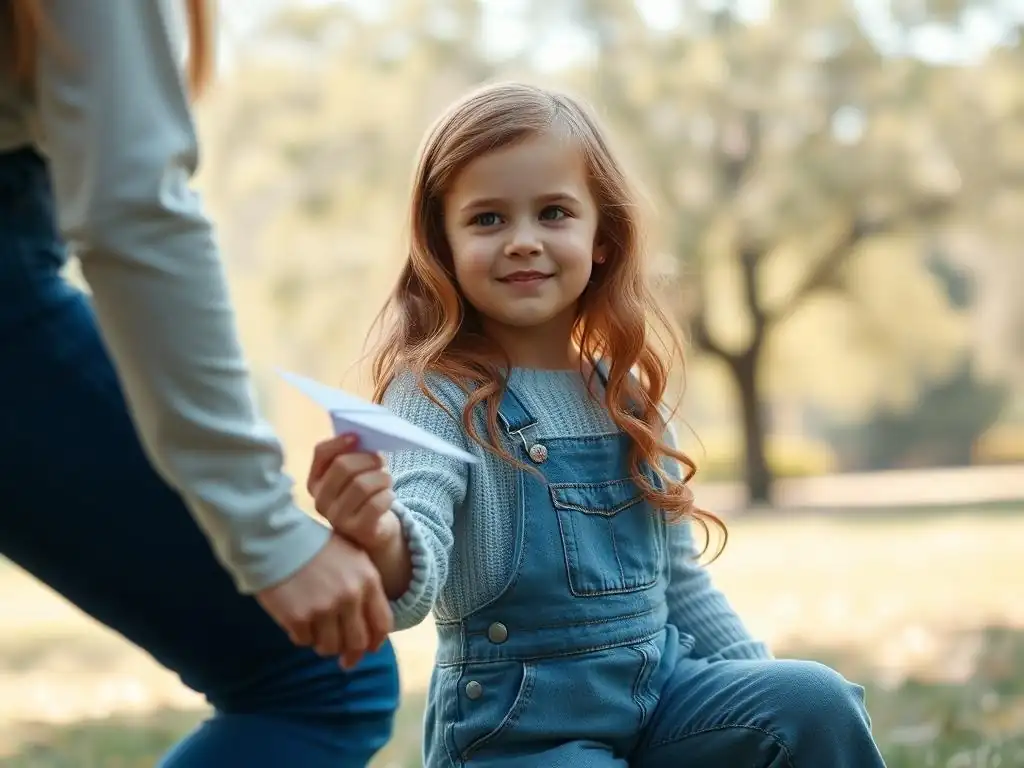
Separation anxiety manifests differently across age groups, and the strategies for managing it need to be tailored accordingly. What works for a toddler will likely be ineffective for a school-aged child. This section provides insights into age-appropriate approaches, helping parents apply the principles of a parenting separation anxiety support guide to their child's specific developmental stage.
Understanding the developmental milestones related to separation is crucial. While some separation anxiety is normal at certain ages, its persistence or intensity requires targeted support.
Infants and Toddlers
Separation anxiety is most developmentally appropriate in infants and toddlers, typically between 8 months and 2 years old. At this age, the anxiety is often expressed through crying, clinging, and tantrums when a parent attempts to leave. The focus of managing anxiety in this age group is on building trust and predictability.
Consistent routines, especially around goodbyes and bedtimes, are vital. Short, predictable separations with trusted caregivers help infants and toddlers learn that separation is temporary and that their needs will still be met. Using transition objects, like a favorite blanket or small toy that smells like the parent, can provide comfort. Quick, confident goodbyes are better than prolonged, tearful ones, no matter how difficult it feels for the parent. This age group benefits greatly from the foundational strategies described in a parenting separation anxiety support guide.
Preschoolers at School
For preschoolers (ages 3-5), separation anxiety might involve refusal to go to preschool or daycare, crying, tantrums, and physical complaints. At this age, children have a better understanding of time and can benefit from simple explanations about when you will return. Strategies should focus on preparation and positive anticipation.
Visiting the school beforehand, meeting the teacher, and talking positively about the fun activities they will do can help. Establishing a consistent drop-off routine is crucial – a quick hug, a specific phrase ("See you after circle time! "), and then leaving promptly. Teachers can be invaluable partners in distracting the child and helping them transition. Using a visual timer or a simple drawing showing the sequence of the day until pickup can also provide reassurance. A good parenting separation anxiety support guide will emphasize collaboration with the school at this stage.
School-Aged Children
In school-aged children (ages 6-12), separation anxiety can be more complex and might involve specific fears, such as worrying about parents being harmed or feeling unsafe alone. School refusal is a significant issue at this age, often accompanied by physical symptoms like stomachaches or headaches that conveniently appear on school mornings.
Strategies for this age group should involve more verbal processing of fears, teaching coping skills, and gradual exposure to separation situations outside of school, such as sleepovers or attending activities independently. Collaboration with the school counselor or psychologist is often necessary to develop a plan for school reintegration.
Using logical consequences for avoided situations (e.g., if you stay home from school, you cannot have screen time) can sometimes be helpful, but must be balanced with empathy and support for the underlying anxiety. A comprehensive parenting separation anxiety support guide for this age group will incorporate therapeutic approaches and school collaboration.
Communication and Emotional Regulation
Open communication and teaching children how to understand and manage their emotions are fundamental to helping them cope with separation anxiety. Children need to feel heard and validated, while also learning practical skills to navigate their distress. This section focuses on the verbal and emotional tools parents can use as part of a parenting separation anxiety support guide.
Helping a child label their feelings and understand why they feel anxious during separations empowers them to take an active role in managing their anxiety over time.
Talking About Fears
Encourage your child to talk about what specifically makes them feel anxious about separation. Avoid dismissing their fears, even if they seem irrational to you. Instead, validate their feelings ("I understand you feel scared when I leave") and gently challenge the anxious thoughts ("What are you worried might happen? Has that happened before? ").
Use age-appropriate language. For a young child, this might involve reading books about separation or using puppets to act out scenarios. For an older child, it might be a calm conversation during a relaxed time. Help them identify the difference between a "feeling" and a "fact." For instance, the feeling is "I feel like something bad will happen," but the fact is "Mommy always comes back after school." This type of dialogue is essential in a parenting separation anxiety support guide focused on building emotional intelligence.
Teaching Coping Mechanisms
Equip your child with practical strategies they can use when feeling anxious during separation. These coping mechanisms provide alternatives to crying, clinging, or avoidance. Simple techniques can be practiced when the child is calm so they can access them during moments of distress.
Examples include deep breathing exercises ("smell the flower, blow out the candle"), using a comfort object, thinking positive thoughts ("I can do this," "Mommy will be back soon"), or engaging in a distracting activity (playing with a favorite toy, drawing). Help your child identify which strategies work best for them. Role-playing scenarios where they practice using these skills before a separation can also be beneficial. Teaching these skills is a practical component of a parenting separation anxiety support guide.
Calming Techniques
Beyond specific coping mechanisms, teaching general calming techniques can help reduce a child's overall anxiety levels. Mindfulness exercises, even simple ones like focusing on the five senses, can help ground a child in the present moment when their mind is racing with worries about separation.
Progressive muscle relaxation, where the child tenses and then relaxes different muscle groups, can help release physical tension associated with anxiety. Creating a "calm-down corner" at home with soothing items like soft blankets, books, or drawing supplies provides a dedicated space for the child to self-regulate. These techniques empower the child to manage their physiological response to anxiety, complementing the strategies found in a comprehensive parenting separation anxiety support guide.
Seeking Professional Help
While many children navigate separation anxiety with parental support and time, some require professional intervention. Recognizing when the anxiety is severe or persistent enough to warrant consulting a mental health professional is a crucial step for parents. This section helps parents identify the signs that indicate a need for professional guidance and outlines steps for finding appropriate help, a key part of any comprehensive parenting separation anxiety support guide.
Professional help can provide targeted strategies and therapeutic approaches that go beyond general parenting advice, addressing the underlying mechanisms of the anxiety disorder.
Identifying When to Seek Help
Consider seeking professional help if your child's separation anxiety is significantly impacting their daily life and development, and your efforts to manage it haven't been sufficient. Specific indicators that professional help may be needed include:
- The anxiety is excessive for the child's age and developmental level.
- Symptoms have persisted for at least four weeks (as a general guideline, though duration alone isn't the only factor).
- The anxiety is causing significant distress to the child.
- The anxiety is causing significant impairment in social, academic, or other important areas (e.g., school refusal, inability to attend activities, significant family stress).
- The child is experiencing panic attacks related to separation.
- You, as the parent, feel overwhelmed and unable to cope with the situation.
If your child's anxiety is preventing them from attending school regularly, participating in age-appropriate social activities, or sleeping independently, these are strong signals that professional support is needed. A parenting separation anxiety support guide acknowledges that sometimes, external expertise is necessary.
Finding a Therapist
Finding a qualified therapist or counselor who specializes in child anxiety disorders is essential. Start by consulting your pediatrician, who can often provide referrals to local mental health professionals. School counselors or psychologists can also be valuable resources for recommendations, especially if school refusal is an issue.
Look for therapists with experience in cognitive behavioral therapy (CBT) or other evidence-based treatments for anxiety in children. Consider their approach and whether it feels like a good fit for your child and family. Don't hesitate to schedule initial consultations to ask about their experience, methods, and how they involve parents in the treatment process. Accessing professional help is a vital component of a complete parenting separation anxiety support guide.
Cognitive Behavioral Therapy (CBT)
Cognitive Behavioral Therapy (CBT) is one of the most effective treatments for separation anxiety disorder in children. CBT helps children identify and challenge the anxious thoughts that fuel their fear of separation. A therapist works with the child (and often the parent) to understand the connection between thoughts, feelings, and behaviors.
A typical course of CBT for separation anxiety might involve several components: psychoeducation (teaching the child and parent about anxiety), cognitive restructuring (identifying and changing negative thought patterns, like "If Mom leaves, something terrible will happen"), exposure therapy (gradually facing feared situations in a safe environment, as discussed in gradual exposure strategies), and learning coping skills. For instance, a child might start by imagining a separation, then watching a parent leave the room briefly, and eventually tolerating a longer separation at school. CBT provides structured, evidence-based techniques often recommended in a professional parenting separation anxiety support guide.
Building Resilience and Independence

Supporting a child through separation anxiety is not just about reducing anxious behaviors; it's also about fostering their overall resilience and independence. Helping children develop confidence in their abilities and feel secure in their identity outside of constant proximity to their parents is crucial for long-term well-being. This section highlights strategies for nurturing these important traits, integrating them into a holistic parenting separation anxiety support guide.
Encouraging independence doesn't mean pushing a child before they are ready, but rather providing opportunities for them to succeed in managing tasks and social interactions on their own terms.
Fostering Independence
Provide your child with age-appropriate opportunities to do things for themselves. For toddlers, this might be choosing their clothes or helping put toys away. For preschoolers, it could be dressing themselves or pouring their own drink. For school-aged children, it might involve managing their homework, packing their own lunch, or walking to a friend's house nearby.
Celebrate their successes in these independent tasks. This helps build their confidence in their own capabilities, which can generalize to feeling more capable of handling separations. Avoid doing things for your child that they are capable of doing themselves, even if it's quicker or easier. This gradual empowerment is a key element in any parenting separation anxiety support guide aimed at long-term solutions.
Separation anxiety often leads to social avoidance, but social interaction is vital for a child's development and can build confidence outside the family unit. Encourage your child to participate in activities with peers, even if it's challenging initially. Start small, perhaps a playdate at your home with you present, then gradually move to playdates at a friend's house for a short period.
Enrolling them in a low-pressure activity like a library story time or a casual sports league can provide opportunities for positive interactions with peers and other adults. These experiences help children build a support network and feel comfortable in settings away from their primary caregivers, reinforcing the principles of a parenting separation anxiety support guide focused on social confidence.
Promoting Self-Confidence
Nurturing a child's self-confidence is fundamental to helping them overcome anxiety. Praise effort and specific achievements rather than just outcomes ("I saw how hard you worked on that puzzle!" instead of just "You're so smart!"). Help them identify their strengths and interests and provide opportunities for them to pursue them.
Allowing children to make choices (within reasonable limits) and experience the natural consequences of those choices also builds confidence and a sense of control. When a child feels competent and valued for who they are, they are better equipped to face challenges like separation. This focus on building inner strength is a crucial, often overlooked, part of a comprehensive parenting separation anxiety support guide.
Creating a Support Plan
A structured support plan involving all relevant parties can significantly improve outcomes for children with separation anxiety, especially when school or childcare is involved. This plan ensures consistency in how the anxiety is managed across different environments and provides a clear roadmap for parents and educators. Developing such a plan is a practical application of a parenting separation anxiety support guide.
Collaboration and clear communication among parents, teachers, and potentially therapists are key to a successful support plan.
Collaborating with Teachers
Teachers spend a significant portion of the day with your child and can be invaluable allies. Schedule a meeting with your child's teacher or school counselor to discuss the separation anxiety. Share information about the specific symptoms you observe, the strategies you are using at home, and what seems to help or hinder your child.
Work together to develop a consistent plan for drop-off, transitions throughout the school day, and how to handle moments of anxiety. This might include having a designated safe person the child can talk to, allowing them to keep a comfort object, or having a plan for gradually increasing school attendance if school refusal is an issue. A collaborative approach with the school is a cornerstone of an effective parenting separation anxiety support guide.
Developing a Home-Based System
Create a clear, predictable system at home for managing separations. This includes the consistent goodbye routine mentioned earlier, but also might involve:
- Using a visual schedule to show the child the sequence of the day, including the separation and reunion.
- Having a designated "check-in" time or method for parents to communicate with older children if needed (e.g., a quick text after they arrive at school), provided it doesn't reinforce anxiety.
- Implementing a reward system for successful separations or brave behaviors.
- Practicing short separations at home with increasing duration.
[ ] Establish consistent morning routine.
[ ] Define quick goodbye ritual.
[ ] Implement visual schedule if needed.
[ ] Plan for positive reinforcement after successful separation.
[ ] Practice short separations at home.
This structured home system provides the child with predictability and helps reinforce positive coping behaviors, making it a practical component of a parenting separation anxiety support guide.
Maintaining Consistency
Consistency across all environments and caregivers is paramount. Ensure that everyone involved in your child's care – parents, grandparents, babysitters, teachers – understands and follows the support plan. Mixed messages or inconsistent responses to anxious behaviors can be confusing for the child and undermine progress.
If the plan involves a quick goodbye, all caregivers should adhere to this. If the plan involves a specific coping strategy, everyone should encourage its use. While flexibility is sometimes needed, maintaining consistency in the core strategies provides the child with the security of knowing what to expect and reinforces the message that they can cope with separation. This unwavering consistency is highlighted in any effective parenting separation anxiety support guide.
Resources for Parents
Navigating separation anxiety can feel isolating, but numerous resources are available to provide information, support, and practical tools for parents. Connecting with others who understand or accessing expert-vetted information can make a significant difference in a parent's ability to support their child and themselves. This section points parents towards helpful resources as part of a comprehensive parenting separation anxiety support guide.
Remember, you are not alone in this journey. Seeking support for yourself is just as important as supporting your child.
Books and Websites
Many excellent books and websites offer detailed information and practical strategies for parenting separation anxiety. Look for resources written by child psychologists or experts in child development and anxiety disorders. Websites from reputable mental health organizations often provide free articles, tips, and downloadable guides.
- Search for titles specifically addressing "children's separation anxiety" or "managing child anxiety."
- Explore websites of organizations dedicated to child mental health.
- Look for parenting blogs or forums focused on anxiety, but always cross-reference information with professional sources.
While this guide provides a solid foundation, dedicated books and online resources can offer deeper dives into specific techniques or personal stories that resonate. They are valuable additions to any parenting separation anxiety support guide.
Support Groups
Connecting with other parents facing similar challenges can provide invaluable emotional support and practical advice. Support groups offer a safe space to share experiences, frustrations, and successes. Knowing that others understand the daily struggles can significantly reduce feelings of isolation and burnout.
Look for local parent support groups focused on anxiety or specific child conditions. Online forums and social media groups can also provide a sense of community, though it's important to critically evaluate the information shared in informal settings. Sharing stories and strategies with peers who truly "get it" is a powerful form of support, complementing the information in a parenting separation anxiety support guide.
Long-Term Management
Helping a child overcome significant separation anxiety is often a process that requires ongoing effort and attention. While symptoms may decrease over time with consistent support and strategies, building long-term resilience and preventing relapses are important considerations. This section focuses on sustaining progress and empowering the child for the future, completing the picture of a comprehensive parenting separation anxiety support guide.
The goal is not just to eliminate symptoms but to equip the child with lifelong coping skills for managing anxiety and facing challenges.
Ongoing Support
Even after a child's separation anxiety has significantly improved, maintaining ongoing support is beneficial. Continue to check in with your child about how they are feeling, especially during transitions or times of stress (e.g., starting a new school year, moving). Reinforce the coping skills they have learned and celebrate their continued independence.
Be mindful of potential triggers for increased anxiety and be prepared to re-implement strategies if needed. Maintaining open communication with the school and any therapists involved, even on a less frequent basis, can ensure a smooth transition and provide a safety net if difficulties arise. Sustaining the principles learned from a parenting separation anxiety support guide is key to long-term success.
Preventing Relapses
Relapses in anxiety symptoms can occur, particularly during periods of change or stress. Being prepared for this possibility can help parents respond effectively rather than feeling discouraged. Continue to prioritize consistent routines and predictable environments, as these provide a buffer against anxiety.
Encourage healthy lifestyle habits, including sufficient sleep, balanced nutrition, and regular physical activity, all of which can positively impact mental well-being. Teach your child to recognize the early warning signs of their anxiety returning and empower them to use their coping strategies proactively. Having a plan in place for potential relapses is a forward-thinking aspect of a parenting separation anxiety support guide.
Empowering the Child
Ultimately, the goal is to empower the child to manage their own anxiety and build confidence in their ability to handle separations and other challenges. This involves shifting the focus from the parent "fixing" the anxiety to the child developing their own resilience.
Encourage self-advocacy – teach your child how to express their feelings and needs appropriately to trusted adults (teachers, counselors). Praise their bravery and effort in facing fears. Help them see themselves as capable problem-solvers. As they grow older, gradually give them more responsibility in managing their anxiety, guided by the skills they've learned. Empowering the child to be an active participant in their own journey is the most enduring outcome of following a comprehensive parenting separation anxiety support guide.
Frequently Asked Questions
Separation anxiety is a developmental stage where children experience distress when separated from primary caregivers. Parenting plays a crucial role in managing and alleviating this anxiety through supportive strategies.
How can the "Parenting Separation Anxiety Support Guide" help parents?
This guide provides parents with practical techniques and strategies to help their children cope with separation anxiety. It offers insights into understanding the root causes and implementing effective interventions.
What are some common signs of separation anxiety in children that parents should be aware of?
Common signs include excessive crying or tantrums when separated, refusal to go to school or daycare, and clingy behavior. Parents should also look for physical symptoms like stomachaches or headaches.
What are some effective strategies for parents to help their child overcome separation anxiety?
Strategies include creating a consistent routine, practicing brief separations, and offering reassurance and positive reinforcement. It's also important to validate their feelings and avoid dismissing their fears.
Where can parents find additional resources and support for dealing with their child's separation anxiety?
Parents can find support through therapy and counseling, online support groups, and educational resources like the Mind Care Guide website. Seeking professional help is recommended for severe or persistent anxiety.
Final Reflection: Nurturing Resilience Through Separation Anxiety
The anxieties surrounding separation from a child are not merely developmental hiccups; they are a universal experience demanding understanding, patience, and proactive support. The emotional toll on both parent and child is significant, impacting daily routines, family dynamics, and the child's overall sense of security. This guide has aimed to equip parents with the tools and knowledge to navigate this challenging phase with empathy and effectiveness.
The impact of separation anxiety extends far beyond the immediate family unit. It shapes a child's developing sense of self, their trust in caregivers, and their ability to cope with future challenges. The most important thing a father can do for his children is to love their mother.
This quote, while traditionally focused on marital harmony, underscores the profound influence of parental relationships on a child's emotional well-being, particularly during times of stress like separation anxiety. A secure attachment, fostered through consistent and loving care, is the bedrock upon which resilience is built.
Now, consider your own journey. Reflect on the strategies discussed within this guide – from establishing consistent routines to employing positive reinforcement techniques. What resonates most with your unique parenting style and your child's personality? Remember, there is no one-size-fits-all solution. The power lies in your ability to adapt these tools, to understand your child's individual needs, and to approach each situation with love and understanding. Embrace this journey as an opportunity to strengthen your bond and nurture your child's growing independence.
Unlock Your Child's Confidence: Practical Steps to Ease Separation Anxiety
Thanks for taking the time to learn more about supporting your child through separation anxiety. We hope the insights shared provided you with valuable tools and a renewed sense of hope. Now, let's turn that knowledge into action!
- Implement one new coping strategy this week: Choose one of the techniques discussed—whether it’s creating a special goodbye ritual, using a transitional object, or practicing short separations—and dedicate yourself to trying it consistently. This small step can make a big difference.
- Share your experiences: Connect with other parents facing similar challenges. Sharing your journey can be incredibly supportive and offer new perspectives. Let's build a supportive community together!
- Explore our resource library: Discover additional articles and resources designed to provide even more support on MindCareGuide.org in the coming days. We continue to add resources based on feedback from the community.
Ready to make a positive difference in your child’s life? What small, consistent step will you take today to build their confidence and overcome separation anxiety?