
Your Personal Sanctuary: Creating Calm with Guided Meditation

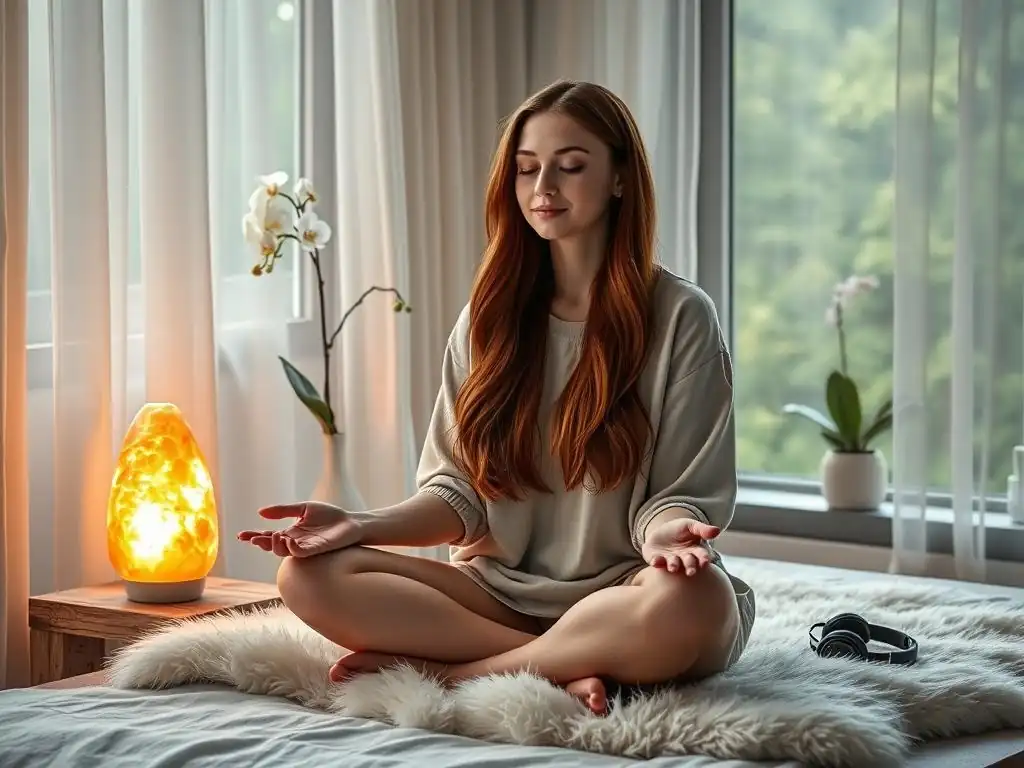
Welcome to Mind Care Guide, your sanctuary for navigating the complexities of mental well-being. Feeling overwhelmed by anxiety? You're not alone. Discover the profound power of guided meditation for anxiety relief and unlock a pathway to inner peace. Are you ready to begin your journey towards a calmer, more centered you? Let's explore together.
Finding Inner Peace: Guided Meditation for Anxiety & Stress
Anxiety is a common experience, often manifesting as worry, nervousness, or unease about an imminent event or something with an uncertain outcome. While mild anxiety can be a normal part of life, chronic or severe anxiety can significantly impact daily functioning, relationships, and overall quality of life. Understanding the nature of anxiety and exploring effective strategies like guided meditation can be a crucial step towards managing its effects and cultivating a greater sense of calm. This guide explores how guided meditation for anxiety relief can become your personal sanctuary.
- Understanding Anxiety and the Power of Meditation
- Preparing Your Mind and Body for Meditation
- Types of Guided Meditations for Anxiety and Stress Relief
- A Practical Guide to Guided Meditation
- Resources for Guided Meditation
- Optimizing Your Meditation Practice
- Overcoming Common Challenges
- Advanced Techniques for Deeper Relaxation
- The Science of Meditation and Anxiety Reduction
- Conclusion: Embracing Meditation for a Calmer Life
-
Frequently Asked Questions
- What is guided meditation and how does it differ from other forms of meditation?
- How can guided meditation specifically help with anxiety relief?
- What types of guided meditation are most effective for anxiety?
- How often should I practice guided meditation to experience noticeable anxiety relief?
- Where can I find reliable guided meditations for anxiety relief, and are there any free options?
- Final Reflection: Cultivating Inner Peace in a Turbulent World
- Unlock Your Inner Peace: Start Your Meditation Journey Today!
Understanding Anxiety and the Power of Meditation
Anxiety: Recognizing the Symptoms and Impact
Anxiety presents itself in various forms, affecting individuals both mentally and physically. Common mental symptoms include persistent worry, racing thoughts, difficulty concentrating, irritability, and a sense of impending doom. Physically, one might experience a rapid heartbeat, sweating, trembling, shortness of breath, muscle tension, headaches, or digestive issues.
These symptoms can range from mild to debilitating, often leading to avoidance behaviors that further limit one's life. According to the Anxiety & Depression Association of America (ADAA), anxiety disorders are the most common mental illness in the U.S., affecting 40 million adults aged 18 and older, which is approximately 18.1% of the population each year.
The impact of untreated anxiety extends beyond immediate discomfort. It can lead to impaired performance at work or school, strained relationships, and an increased risk of developing other health issues, including depression. Chronic stress, often a precursor or companion to anxiety, further exacerbates physical symptoms and can weaken the immune system.
For instance, studies have shown that individuals with generalized anxiety disorder (GAD) often report higher rates of fatigue and sleep disturbances compared to the general population, sometimes impacting their ability to perform routine tasks by as much as 30-50% on difficult days. Recognizing these symptoms early and seeking tools like guided meditation for anxiety relief is vital for intervention and management.
Guided Meditation: A Pathway to Calm
Guided meditation is a practice where a teacher or recording leads you through a meditation, offering instructions on how to focus your attention, often on the breath, bodily sensations, or specific visualizations. This structure can be particularly helpful for beginners or those with active minds who find it difficult to meditate in silence. The guidance helps to gently redirect wandering thoughts, making the practice accessible and less daunting. Unlike trying to stop thinking, guided meditation encourages observing thoughts without judgment, gradually creating mental space and reducing reactivity to anxious feelings.
For individuals seeking guided meditation for anxiety relief, the structured nature provides a sense of safety and direction. The calming voice of the guide can be grounding, offering a consistent point of focus amidst internal turbulence. Many guided sessions specifically target anxiety, using techniques designed to soothe the nervous system, promote relaxation, and build resilience. For example, a 10-minute guided session focused on body scan meditation can significantly reduce immediate feelings of tension and worry, as reported by participants in stress-reduction programs. This makes it an effective, accessible tool for managing anxiety symptoms in real-time.
Benefits: Reducing Anxiety, Stress, and Improving Well-being
Engaging in regular guided meditation has been shown to offer substantial benefits for reducing anxiety and stress. By promoting the relaxation response, meditation helps to lower heart rate, blood pressure, and the levels of stress hormones like cortisol in the body. Over time, this physiological shift can lead to a significant decrease in the frequency and intensity of anxiety symptoms. A meta-analysis published in JAMA Internal Medicine in 2014, reviewing 47 trials with 3,515 participants, found moderate evidence that meditation programs can improve anxiety, depression, and pain.
Beyond symptom reduction, guided meditation contributes to overall mental and emotional well-being. Regular practice can enhance self-awareness, allowing individuals to better understand their triggers and thought patterns related to anxiety. It also cultivates a non-judgmental attitude towards oneself and one's experiences, fostering greater self-compassion. Improved focus, emotional regulation, and a greater sense of presence in daily life are frequently reported benefits, leading to a more balanced and resilient state of mind. For instance, individuals practicing guided meditation for anxiety relief often report improved sleep quality, which is crucial for managing mood and stress levels.
Preparing Your Mind and Body for Meditation
Creating a Serene Environment
Establishing a dedicated space for your guided meditation practice can significantly enhance its effectiveness. Choose a quiet area where you are unlikely to be disturbed, even if it's just a corner of a room. Ensure the temperature is comfortable and consider minimizing external stimuli – perhaps dimming the lights or using earplugs if necessary. The idea is to create a personal sanctuary, a place that signals to your mind and body that it's time to relax and turn inward. This environment doesn't need to be elaborate; a simple cushion or chair in a peaceful spot is sufficient.
Consider adding elements that promote calm, such as a soft blanket, comfortable clothing, or even a subtle, calming scent like lavender (if you find it relaxing). The key is consistency; using the same space regularly helps build a routine and strengthens the association between the environment and the meditative state. While guided meditation for anxiety relief can be practiced anywhere, having a designated peaceful spot can make it easier to drop into a relaxed state, especially when feeling overwhelmed by anxious thoughts.
Establishing a Consistent Schedule
Consistency is perhaps the most important factor in developing a beneficial meditation practice. Aim to meditate at roughly the same time each day, even if it's only for 5-10 minutes initially. Just like any skill, the benefits of guided meditation for anxiety relief accumulate over time with regular practice. Choosing a time when you are less likely to be interrupted, such as first thing in the morning, during a lunch break, or before bed, can help maintain adherence.
Making meditation a non-negotiable part of your daily routine, like brushing your teeth, helps solidify the habit. If you miss a session, don't be discouraged; simply pick up again the next day. The goal is progress, not perfection. Many people find that meditating in the morning sets a calm tone for the day, while an evening practice can help unwind and prepare for restful sleep, both of which are crucial for managing anxiety.
Setting Clear Intentions
Before beginning your guided meditation for anxiety, take a moment to set a clear intention for your practice. This isn't about having expectations for how the meditation should feel, but rather about clarifying why you are meditating in the first place. Your intention might be simple: "I intend to be present with myself for the next ten minutes," or more specific: "I intend to practice self-compassion and release tension."
Setting an intention helps focus your mind and gives purpose to the session. It acts as a gentle guide throughout the meditation, especially when distractions arise. For someone using guided meditation for anxiety relief, an intention might be to cultivate calm, observe anxious thoughts without judgment, or simply to offer kindness to themselves. Holding this intention lightly can deepen the practice and make it more meaningful.
Types of Guided Meditations for Anxiety and Stress Relief
Body Scan: Releasing Tension and Promoting Relaxation
Body scan meditation involves systematically bringing awareness to different parts of the body, noticing sensations without judgment. Guided body scans typically lead you from the toes up to the head, encouraging you to pay attention to physical feelings like warmth, tingling, pressure, or tension. This practice helps anchor your awareness in the present moment and can reveal areas where you unknowingly hold stress. By simply noticing tension, you often give your body permission to begin releasing it.
This type of guided meditation for anxiety is highly effective because anxiety often manifests physically as muscle tension and discomfort. By focusing on bodily sensations, the body scan interrupts the cycle of anxious thoughts and brings you back into your physical form. Regular practice can increase body awareness, allowing you to recognize the early signs of stress or anxiety in your body and take steps to address them before they escalate. Research indicates that body scan practices can significantly reduce perceived stress levels and improve sleep quality.
Visualization: Creating Positive Mental Images
Guided visualization meditation uses imagery to evoke feelings of calm, peace, or safety. The guide might lead you through imagining a peaceful natural setting, like a serene beach or a tranquil forest, engaging your senses to make the experience vivid. Alternatively, visualizations might focus on imagining letting go of worries, picturing them floating away like clouds. The mind often responds powerfully to imagery, and creating positive mental landscapes can counteract the negative thought loops associated with anxiety.
This form of guided meditation for anxiety relief leverages the mind-body connection. By vividly imagining a peaceful scene, you can trigger the relaxation response in your body, much like physically being in that place would. For example, visualizing a calm, sunny day can help reduce the physiological symptoms of anxiety, such as a racing heart. Many find this technique particularly soothing and a welcome escape from overwhelming thoughts.
Mindfulness: Observing Thoughts and Emotions Without Judgment
Mindfulness meditation involves paying attention to the present moment with openness and acceptance. In a guided mindfulness session, the guide might instruct you to simply notice whatever arises in your awareness – thoughts, feelings, sounds, bodily sensations – without trying to change or judge them. The practice is about observing your internal landscape with curiosity and kindness, recognizing that thoughts and emotions are transient.
For those struggling with anxiety, mindfulness offers a powerful tool for changing your relationship with anxious thoughts. Instead of being consumed by worry, you learn to see thoughts as just thoughts, not necessarily facts. This creates distance and reduces their power over you. Regular practice of this guided meditation for anxiety helps build resilience, allowing you to navigate challenging emotions with greater ease and less reactivity. Studies have shown that mindfulness-based interventions can lead to significant reductions in symptoms of generalized anxiety disorder.
Breath Awareness: Anchoring Yourself in the Present Moment
Breath awareness meditation is a fundamental practice that involves focusing your attention on the sensation of breathing. The guide might instruct you to notice the feeling of air entering and leaving your nostrils, the rise and fall of your abdomen, or the subtle pauses between breaths. The breath is always in the present moment, making it an ideal anchor for your attention when the mind is pulled into worries about the past or future.
Focusing on the breath is a simple yet profound way to calm the nervous system. Slowing and deepening the breath signals to your body that you are safe and relaxed. This type of guided meditation for anxiety provides an immediate tool for grounding yourself when feeling overwhelmed. Whenever anxious thoughts arise, you can gently return your focus to the breath, interrupting the thought spiral and bringing yourself back to the stability of the present moment. Techniques like box breathing or 4-7-8 breathing are often incorporated into guided breath awareness sessions specifically for their calming effects.
A Practical Guide to Guided Meditation
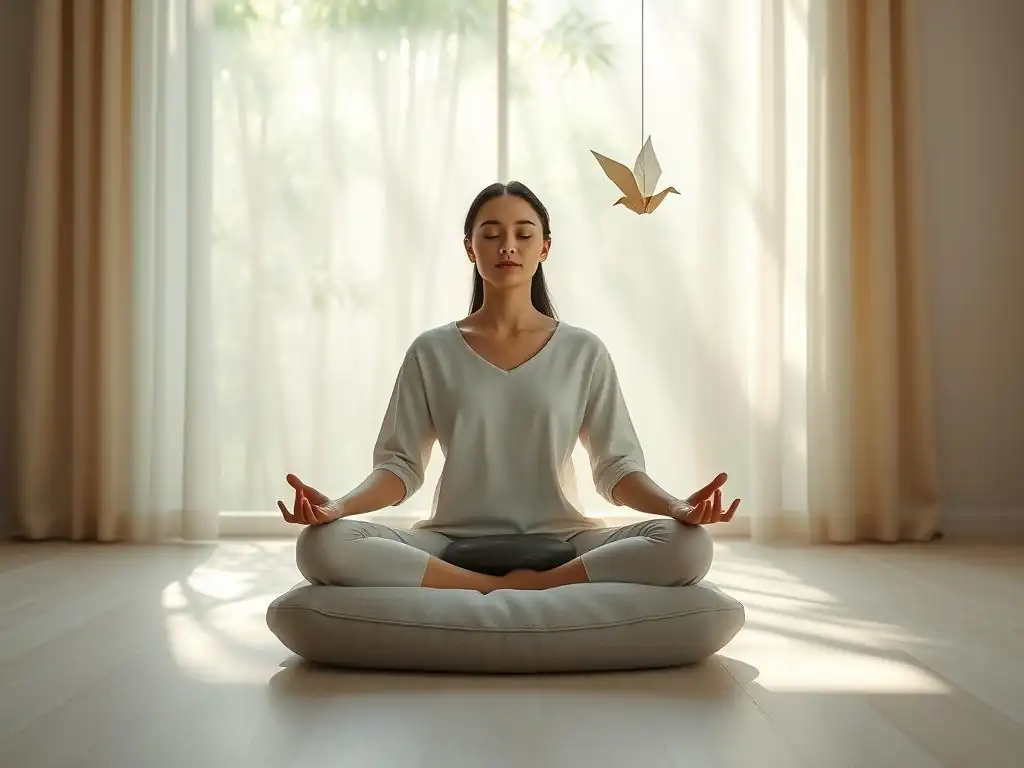
Finding a Comfortable Posture
Comfort is key when preparing for guided meditation for anxiety relief. You can sit on a cushion on the floor, on a chair with your feet flat on the ground, or even lie down if that is more comfortable for you. The most important thing is to choose a posture that you can maintain for the duration of the meditation without excessive fidgeting or discomfort. If sitting, keep your spine relatively straight but not rigid, allowing your shoulders to relax.
Your hands can rest gently on your lap or knees. If lying down, ensure your head is supported and your limbs are comfortably extended. While some traditions emphasize specific postures, the goal for anxiety relief is relaxation and ease. Experiment with different positions to find what works best for your body, allowing you to focus on the meditation itself rather than physical discomfort.
Focusing on Your Breath
Once in a comfortable posture, the guide will often instruct you to bring your attention to your breath. You don't need to change your breathing in any way, simply notice it as it is. Pay attention to the physical sensations of each inhale and exhale. Where do you feel the breath most prominently? Is it in your nostrils, your chest, or your belly?
The breath serves as your primary anchor during guided meditation for anxiety. When your mind inevitably wanders (and it will), the guide will gently prompt you to return your attention to the breath. This repeated act of returning is the core practice – building your ability to redirect focus and stay present, which is invaluable for managing anxious thoughts.
Following the Meditation Script
The guide will provide instructions throughout the meditation. This might involve focusing on different parts of the body during a body scan, visualizing specific scenes, or observing thoughts and emotions. Your role is simply to listen to the guide's voice and follow the instructions to the best of your ability. There's no right or wrong way to do it.
If your mind gets distracted, which is perfectly normal, simply notice that it has wandered and gently bring your attention back to the guide's voice or the point of focus they suggest (like the breath). The guide acts as your support, leading you through the process step-by-step, making guided meditation for anxiety accessible and manageable even on challenging days.
Managing Distractions
Distractions are a natural part of meditation, especially when practicing guided meditation for anxiety. These can be external sounds, physical sensations, or internal thoughts and emotions. The key is not to eliminate distractions, but to change your relationship with them. When you notice a distraction, simply acknowledge it without judgment.
Think of thoughts like cars driving by – you see them, but you don't need to jump in and go for a ride. Gently redirect your attention back to the meditation focus, whether it's the breath, the guide's voice, or a specific visualization. Each time you notice a distraction and return to the focus, you are strengthening your ability to concentrate and manage your attention, which is a core skill for reducing the impact of anxiety.
Gently Returning to Awareness
As the guided meditation session nears its end, the guide will typically lead you through a process of gently bringing your awareness back to the present moment and your surroundings. This might involve taking a few deeper breaths, wiggling your fingers and toes, or noticing the feeling of your body in contact with the chair or floor.
Take your time as you transition out of the meditative state. Avoid rushing back into activity. Sit quietly for a moment, integrating the experience. This gentle return helps bridge the gap between the calm of meditation and the demands of daily life, allowing you to carry some of that peace with you. Reflect briefly on how you feel, perhaps noticing a subtle shift in your state compared to before the practice.
Resources for Guided Meditation
Mobile Apps: Calm, Headspace, Insight Timer
Mobile applications have made guided meditation for anxiety relief incredibly accessible. Apps like Calm, Headspace, and Insight Timer offer vast libraries of guided meditations, catering to various lengths, themes (including specific anxiety relief sessions), and experience levels. Calm is known for its soothing interface and sleep stories, Headspace uses playful animations to explain concepts, and Insight Timer offers thousands of free tracks from various teachers.
These platforms often provide structured courses on managing stress and anxiety through meditation, daily guided sessions, and features like progress tracking. While many offer premium subscriptions, most provide a substantial amount of free content, allowing users to explore different styles and find guides whose voices resonate with them. For example, Headspace reported over 65 million downloads globally by early 2020, indicating the widespread adoption of app-based meditation.
Online Platforms: YouTube Channels, Spotify Playlists
Beyond dedicated apps, numerous free resources for guided meditation for anxiety relief are available online. YouTube hosts countless channels dedicated to meditation, offering visual guides, calming music, and a wide variety of meditation styles. Many experienced meditation teachers and organizations share their guided practices freely on this platform.
Spotify and other music streaming services also feature extensive playlists specifically curated for guided meditation and relaxation. Searching for terms like "guided meditation anxiety," "stress relief meditation," or "calming meditation" will yield numerous options. These platforms offer flexibility, allowing you to find guided sessions that fit into your schedule and preferences, whether you prefer a specific voice, background music, or duration.
Local Meditation Centers and Classes
For those who prefer in-person instruction or community support, local meditation centers and wellness studios often offer guided meditation classes. These classes provide the opportunity to learn from experienced teachers and practice alongside others, which can be motivating and insightful. Many centers offer beginner-friendly sessions and workshops specifically focused on using meditation for stress and anxiety management.
Attending local classes can provide personalized guidance and allow you to ask questions. While the cost might be higher than free online resources, the interactive element and sense of community can be invaluable for establishing a consistent practice. Checking local community centers, yoga studios, or dedicated meditation centers can help you find options in your area. Some centers also offer drop-in sessions or introductory courses specifically designed for guided meditation for anxiety relief.
Optimizing Your Meditation Practice
Consistency: Making Meditation a Daily Habit
As mentioned earlier, consistency is paramount. Aim to practice guided meditation for anxiety relief daily, even if it's just for a short duration. Five to ten minutes of focused practice every day is far more beneficial than one long session per week. Choose a time that works best for you and try to stick to it.
Using cues can help build the habit. For instance, meditate immediately after waking up, before your first cup of coffee, or right before going to bed. Linking meditation to an existing habit makes it easier to remember and integrate into your routine. Tracking your practice, either mentally or using an app, can also provide a sense of accomplishment and reinforce the habit.
Integrating Meditation into Your Day
Meditation doesn't have to be confined to a formal seated practice. You can integrate mindful moments into your daily activities. This could involve mindful eating, paying attention to the sensations of your food, or mindful walking, noticing the feeling of your feet on the ground and the movement of your body.
Even taking a few conscious breaths before responding to an email or during a stressful conversation can help manage anxiety in the moment. These small acts of mindfulness throughout the day complement your formal guided meditation for anxiety practice and help cultivate a more continuous state of presence and calm.
Combining Meditation with Other Relaxation Techniques
Guided meditation for anxiety relief can be even more effective when combined with other relaxation techniques. Practices like yoga, progressive muscle relaxation, deep breathing exercises (beyond what's in meditation), or even listening to calming music can amplify the benefits.
Experiment with combining these techniques. For example, you might do some gentle stretching or yoga before your guided meditation session to release physical tension. Or, follow a guided session with a few minutes of journaling about your experience. Finding a combination of practices that resonates with you can create a powerful toolkit for managing anxiety and promoting overall well-being.
Overcoming Common Challenges
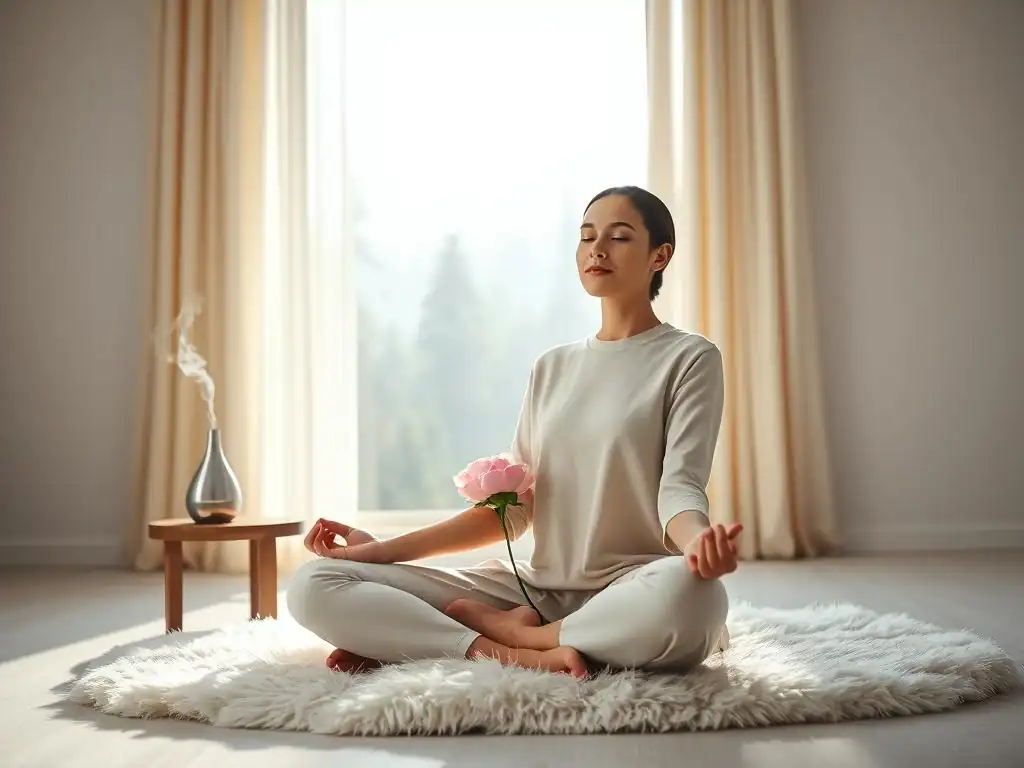
Dealing with Restlessness
Restlessness, both physical and mental, is a very common challenge when practicing guided meditation for anxiety. It's important to remember that it's a normal part of the process, not a sign of failure. When you notice restlessness, acknowledge it without judgment. If it's physical, see if a slight adjustment in posture helps, but try not to give in to the urge to constantly shift.
Mentally, restlessness often manifests as a strong desire to stop or do something else. Gently acknowledge this feeling and bring your attention back to the guide's voice or the focus of the meditation. Remind yourself that simply sitting with the restlessness, rather than being consumed by it, is part of the practice of building tolerance for discomfort, a key aspect of managing anxiety.
Managing Anxious Thoughts
Anxious thoughts can feel particularly overwhelming during meditation, as the quiet environment can sometimes make them louder. When anxious thoughts arise during guided meditation for anxiety, the key is to observe them without getting caught up in their content. Imagine them as clouds drifting by, or leaves floating down a stream.
The guide will often provide instructions on how to work with thoughts, usually suggesting that you simply notice them and gently return your attention to the breath or the current instruction. It's not about emptying your mind, but about changing your relationship with your thoughts – seeing them as temporary mental events rather than absolute truths. Patience and self-compassion are crucial here; it takes practice to develop this skill.
Addressing Physical Discomfort
Sometimes physical discomfort can arise during guided meditation, especially in longer sessions. This might be stiffness, tingling, or aches. First, check your posture and make any necessary adjustments to ensure you are comfortable and supported.
If the discomfort persists, try bringing your awareness directly to the sensation, noticing its qualities (e.g., dull, sharp, throbbing) without labeling it as "bad." Often, simply acknowledging the sensation with curiosity can lessen its intensity. If the discomfort is significant and distracting, it's okay to gently shift your position or even pause the meditation briefly. The goal is to cultivate ease, not to endure pain unnecessarily.
Advanced Techniques for Deeper Relaxation
Self-Guided Meditation
Once you are comfortable with guided meditation for anxiety relief and have developed a consistent practice, you might explore self-guided meditation. This involves meditating without a recording, relying on your own ability to focus and structure the practice. You can start with short periods and gradually increase the duration.
Self-guided meditation offers greater flexibility and allows you to tailor the practice entirely to your needs in the moment. You might choose to focus solely on the breath, do a spontaneous body scan, or simply sit in mindful awareness. This progression builds confidence in your ability to find calm independently.
Combining Meditation with Positive Affirmations
Integrating positive affirmations into your guided meditation practice can enhance its benefits, particularly for anxiety. An affirmation is a short, positive statement that you repeat to yourself, such as "I am safe," "I am calm," or "I am capable."
During or after a guided session, you can quietly repeat an affirmation that resonates with you. This helps to counteract negative self-talk and reinforce feelings of security and confidence. For example, using guided meditation for anxiety relief followed by repeating "I am peaceful and relaxed" can help solidify the feeling of calm generated by the practice.
Using Binaural Beats or Nature Sounds
Some individuals find that incorporating specific audio elements like binaural beats or nature sounds enhances their guided meditation experience. Binaural beats are auditory illusions created when you listen to two slightly different frequencies in each ear, which the brain perceives as a single tone. Different frequencies are associated with different brainwave states, and specific beats are sometimes used to promote relaxation or focus.
Listening to nature sounds, such as ocean waves, rain, or forest ambiance, can also create a soothing background for meditation and help mask distracting noises. Many guided meditation for anxiety recordings incorporate these elements. Experimenting with different sounds can help you discover what best supports your practice and deepens your state of relaxation.
The Science of Meditation and Anxiety Reduction
Research on the Effectiveness of Meditation
Extensive research supports the effectiveness of meditation, including guided meditation for anxiety relief. Studies using neuroimaging techniques like fMRI have shown that regular meditation practice can lead to measurable changes in brain structure and function, particularly in areas related to emotion regulation, self-awareness, and stress response.
For example, research from institutions like Harvard Medical School has demonstrated that participants in 8-week mindfulness-based stress reduction (MBSR) programs experience reductions in anxiety and depression symptoms, along with structural changes in brain regions like the amygdala (involved in fear processing) and the prefrontal cortex (involved in attention and decision-making). These findings provide a scientific basis for the subjective reports of reduced anxiety and increased calm among meditators.
How Meditation Impacts the Brain
Meditation influences brain activity and structure in several key ways. It has been shown to decrease activity in the default mode network (DMN), the brain network active when the mind is wandering or ruminating, which is often overactive in individuals with anxiety. By reducing DMN activity, meditation helps quiet the internal chatter associated with worry.
Furthermore, meditation appears to increase gray matter density in areas associated with learning, memory, and emotional regulation, such as the hippocampus and prefrontal cortex. Simultaneously, it can lead to a decrease in gray matter volume in the amygdala, the brain's fear center. These changes suggest that meditation literally reshapes the brain to become less reactive to stress and more adept at managing emotions, providing a neurological foundation for the benefits of guided meditation for anxiety relief.
The Role of Mindfulness in Reducing Anxiety
Mindfulness, a core component of many guided meditations, plays a critical role in anxiety reduction. By cultivating present-moment awareness without judgment, mindfulness helps individuals observe anxious thoughts and feelings from a distance, rather than being consumed by them. This practice weakens the habitual link between having an anxious thought and immediately reacting with fear or worry.
Mindfulness training, often delivered through guided meditation programs, teaches individuals to recognize their triggers, understand their emotional patterns, and respond to stress with greater awareness and less reactivity. This shift in perspective and response is fundamental to breaking the cycle of anxiety, empowering individuals to navigate challenging internal states with greater ease and resilience.
Conclusion: Embracing Meditation for a Calmer Life
Key Benefits of Guided Meditation
Guided meditation for anxiety relief offers a powerful and accessible pathway to finding inner peace. Its key benefits include significant reductions in anxiety and stress symptoms, improved emotional regulation, enhanced self-awareness, better sleep quality, and increased overall well-being. By providing structure and support, guided sessions make meditation approachable for everyone, regardless of prior experience.
Regular practice helps to calm the nervous system, quiet the overactive mind often associated with anxiety, and cultivate a more positive and resilient state of mind. The scientific evidence supporting its efficacy underscores that meditation is not just a spiritual practice, but a practical tool with tangible benefits for mental health.
Encouragement for Continued Practice
Embarking on a guided meditation journey is an investment in your mental and emotional health. Like any skill, it requires consistent practice and patience. There will be days when your mind feels particularly restless, or anxiety seems louder than usual – this is normal. Approach these moments with kindness and persistence.
Commit to making guided meditation for anxiety relief a regular part of your life. Explore different resources, find guides and styles that resonate with you, and be gentle with yourself throughout the process. With continued effort, you can cultivate a personal sanctuary within yourself, a place of calm and peace that you can access whenever you need it, significantly improving your ability to manage anxiety and live a more fulfilling life.
Frequently Asked Questions
What is guided meditation and how does it differ from other forms of meditation?
Guided meditation involves following a narrator's voice that leads you through imagery and relaxation techniques. Unlike other forms, it offers a structured approach, making it easier for beginners to find focus.
How can guided meditation specifically help with anxiety relief?
Guided meditation promotes relaxation and mindfulness, which can significantly reduce anxiety symptoms. By focusing on the present moment, it helps to quiet racing thoughts and alleviate stress.
What types of guided meditation are most effective for anxiety?
Meditations focusing on body scans, breath awareness, and visualization of peaceful scenes are particularly beneficial. These techniques help ground you and reduce feelings of panic.
How often should I practice guided meditation to experience noticeable anxiety relief?
Consistency is key; even 10-15 minutes daily can make a significant difference. Regular practice helps build resilience to stress and cultivate a calmer state of mind.
Where can I find reliable guided meditations for anxiety relief, and are there any free options?
The Mind Care Guide and other reputable sources offer audio and video guided meditations. Many platforms provide free introductory sessions to get you started.
Final Reflection: Cultivating Inner Peace in a Turbulent World
The relentless pace of modern life often leaves us feeling overwhelmed, frayed, and disconnected from our inner selves. Guided meditation, however, offers a powerful antidote, a readily accessible path to reclaiming calm amidst the chaos. This exploration into the practice has highlighted its profound ability to not only alleviate anxiety but also foster self-awareness, resilience, and a deeper connection to our own inner wisdom. The simplicity of the practice belies its transformative potential.
The impact of guided meditation extends far beyond individual stress reduction; it's a ripple effect influencing our relationships, our productivity, and the overall quality of our lives. It's a quiet revolution, a personal rebellion against the constant pressure to "do more, be more." As Thich Nhat Hanh wisely said, Peace is not absence of conflict, but the presence of mind in conflict.
Guided meditation provides precisely that – the tools to cultivate presence and navigate the inevitable challenges of life with greater equanimity and grace.
Now, consider this: what small step can you take today to integrate the practice of guided meditation into your daily routine? Even five minutes of focused breathing and mindful awareness can make a world of difference. Don't underestimate the power of this simple yet profound practice. Embrace the opportunity to create your own personal sanctuary, a space of calm and clarity within, and watch as it transforms not only your experience of anxiety but the very fabric of your life. Begin your journey to inner peace today.
Unlock Your Inner Peace: Start Your Meditation Journey Today!
Thanks for taking the time to explore the power of guided meditation with us! We hope you gained valuable insights into creating your personal sanctuary of calm. Ready to dive deeper and experience the transformative benefits firsthand?
- Begin your free guided meditation practice: We've curated a selection of introductory meditations specifically designed to help you relax and center yourself. Find the perfect one for you and start your journey to inner peace.
- Share your experience: Let us know what resonated most with you – what part of the practice was most helpful? Share your insights with our community on social media!
- Explore additional resources: Discover more articles and guided meditations on MindCareGuide.org to deepen your understanding and practice.
What small step will you take today to cultivate more inner peace in your life?