
Physical Symptoms, Mental Roots: Understanding Men's Stress

Welcome to Mind Care Guide, a space dedicated to nurturing your mental well-being.
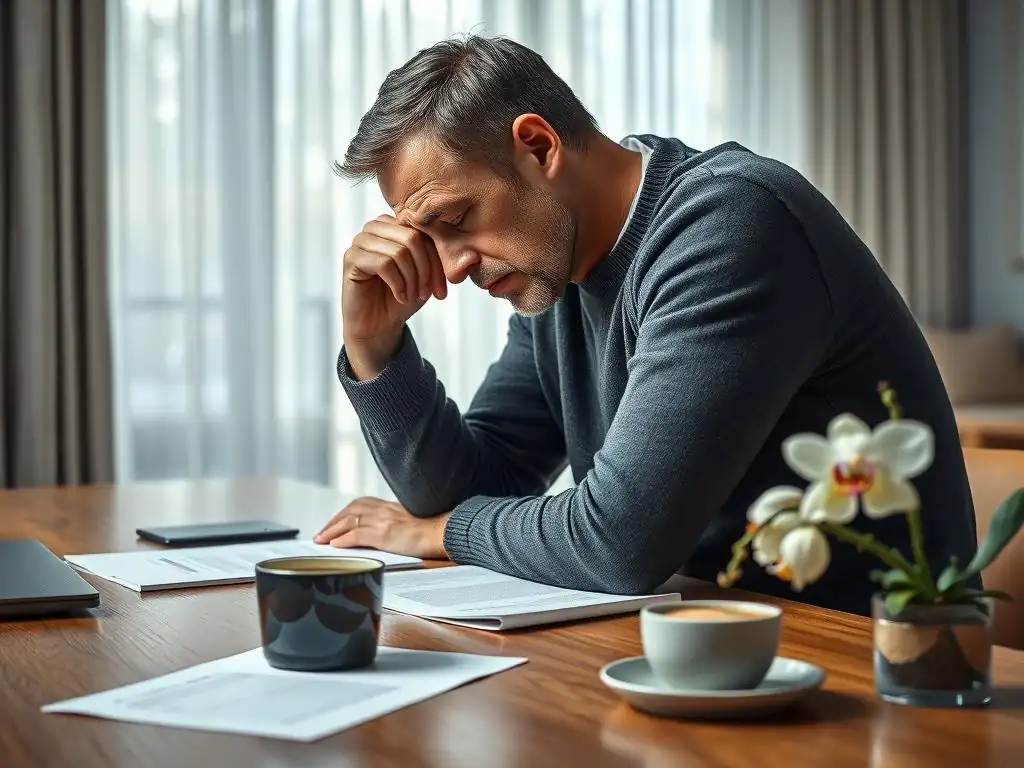
Ever feel like your body is screaming, but you can't quite pinpoint why? We understand. Too often, the physical symptoms of stress are dismissed, especially when it comes to men's health. In this article, we delve into Men's Stress Physical Symptom Causes, exploring the intricate connection between your mind and body. Join us as we unravel the hidden signs of stress and empower you to take control of your well-being. What if understanding these connections could be the first step toward lasting relief? Read on to discover more...
Physical Symptoms, Mental Roots: Understanding Men's Stress
- Introduction: The Silent Struggle - Men's Mental Health and Stress
- The Mind-Body Connection: How Stress Impacts Men's Physical Health
- Men's Stress Physical Symptom Causes: A Deep Dive
- Identifying the Mental Roots of Physical Symptoms
- Breaking the Stigma: Seeking Help for Men's Mental Health
- Effective Strategies for Managing Men's Stress and Physical Symptoms
- Conclusion: Prioritizing Men's Mental and Physical Well-being
-
Frequently Asked Questions
- What are some common physical symptoms of stress in men?
- How can stress affect a man's heart health?
- What role do hormones play in the connection between stress and physical symptoms in men?
- What are some effective coping mechanisms men can use to manage stress and reduce physical symptoms?
- When should a man seek professional help for stress-related physical symptoms?
- Final Reflection: Unmasking the Body's Silent Scream
- Unlock Your Inner Calm: Take Control of Your Stress
Introduction: The Silent Struggle - Men's Mental Health and Stress
Why Men Often Overlook Stress and its Physical Manifestations
Traditional societal expectations often pressure men to embody strength, stoicism, and self-reliance. This cultural conditioning can make it difficult for men to acknowledge or express feelings of stress, anxiety, or vulnerability. Instead of discussing emotional burdens, many men internalize their struggles or manifest them in ways deemed more socially acceptable, such as through irritability or withdrawal. This ingrained reluctance to verbalize emotional distress means that the signs of stress are frequently overlooked, not just by others, but by the men themselves.
Consequently, the physical manifestations of stress often become the primary, or even the only, indicators that something is wrong. A man might dismiss persistent headaches, digestive issues, or chronic fatigue as mere physical ailments, unrelated to his mental state. He might seek treatment for the symptom itself without ever addressing the underlying stressor. This pattern of ignoring the emotional root cause perpetuates a cycle where stress continues to build, potentially leading to more severe physical health problems over time. The focus remains on the body, while the mind's plea for help goes unheard.
Mind Care Guide: Empowering Men to Prioritize Mental Well-being
At Mind Care Guide, we understand that navigating the complexities of mental health can be challenging, especially when societal norms discourage open discussion. Our mission is to provide a comprehensive, accessible resource designed to help men recognize, understand, and address their mental health needs, including the often-hidden impacts of stress. We aim to break down the barriers associated with seeking help by offering clear, actionable information and support tailored to the unique experiences men face.
This platform serves as a vital resource for men seeking to understand the profound connection between their mental state and physical health. By providing evidence-based information, practical coping strategies, and guidance on finding professional support, Mind Care Guide empowers men to take a proactive role in their well-being. We believe that prioritizing mental health is not a sign of weakness, but a fundamental aspect of a strong, healthy life, and we are committed to supporting men on their journey towards greater resilience and vitality.
The Mind-Body Connection: How Stress Impacts Men's Physical Health
Understanding the Physiological Response to Stress in Men
When a man experiences stress, his body initiates the 'fight or flight' response, a primal survival mechanism. This involves the rapid release of hormones like adrenaline and cortisol from the adrenal glands. Adrenaline increases heart rate, elevates blood pressure, and boosts energy levels to prepare the body for immediate action. Cortisol, often called the "stress hormone," helps regulate energy, manage inflammation (initially), and maintain alertness. While beneficial in short bursts for acute threats, this response system is not designed to be constantly activated.
Chronic stress, stemming from ongoing pressures like work demands, financial worries, or relationship issues, keeps these stress hormones circulating at elevated levels for extended periods. This sustained physiological activation can disrupt nearly every system in the body. Over time, high cortisol can suppress the immune system, interfere with sleep patterns, impair digestion, and contribute to chronic inflammation. Understanding this fundamental biological process is crucial to recognizing how stress can manifest as tangible physical symptoms in men.
The Vicious Cycle: Physical Symptoms Exacerbating Mental Stress
The physical symptoms caused by stress are not merely isolated bodily complaints; they can significantly worsen a man's mental state, creating a detrimental feedback loop. For instance, persistent tension headaches or chronic back pain resulting from stress can lead to increased irritability, difficulty concentrating, and a reduced capacity for enjoyable activities. This physical discomfort becomes a constant reminder of the underlying stress, fueling feelings of frustration and helplessness.
Furthermore, stress-induced physical issues like insomnia or digestive problems can directly impact mood and cognitive function. Lack of sleep, a common physical symptom of stress in men, impairs judgment, increases emotional reactivity, and can deepen feelings of depression or anxiety. Similarly, ongoing stomach upset or chest discomfort can trigger health anxiety, leading to worries about serious illness, which in turn amplifies the original stress. This vicious cycle highlights the critical need to address both the mental and physical aspects of stress simultaneously.
Men's Stress Physical Symptom Causes: A Deep Dive
Cardiovascular Issues: Stress and Heart Health in Men
High Blood Pressure and Increased Risk of Heart Disease
Chronic stress is a significant men's stress physical symptom cause that directly impacts cardiovascular health. The continuous release of stress hormones like cortisol and adrenaline leads to prolonged constriction of blood vessels and an increased heart rate, which over time contributes to elevated blood pressure (hypertension). High blood pressure is a major risk factor for heart attack, stroke, and other forms of heart disease. While acute stress can cause temporary spikes, it's the long-term exposure to stress that significantly raises the baseline risk.
Research consistently links chronic stress to a higher incidence of cardiovascular events in men. For example, studies have shown that men experiencing high levels of job strain have a roughly 15% increased risk of heart attack compared to those with lower stress levels. The inflammatory effects of chronic stress also play a role, potentially contributing to the buildup of plaque in arteries. Understanding stress as a primary men's stress physical symptom cause related to the heart is crucial for prevention and management.
Stress-Induced Palpitations and Chest Pain
Beyond long-term risks, stress can also cause acute cardiovascular symptoms that can be alarming, such as heart palpitations or chest pain. Stress-induced palpitations are often described as a fluttering, pounding, or racing sensation in the chest. These typically occur during or immediately after a stressful event, as adrenaline surges increase the heart's pumping speed and force. While often benign and related to the stress response, they can be unsettling and lead to anxiety about heart health.
Stress can also trigger chest pain, sometimes referred to as non-cardiac chest pain or stress cardiomyopathy (Takotsubo cardiomyopathy), though the latter is less common and more severe. More often, stress contributes to chest tightness or discomfort due to muscle tension in the chest wall or increased sensitivity in the esophagus. These symptoms are a direct men's stress physical symptom cause manifesting acutely. While it's essential to rule out serious heart conditions, recognizing that stress can be the root cause is a vital step in addressing these distressing physical experiences.
Digestive Problems: The Gut-Brain Axis and Men's Stress
Irritable Bowel Syndrome (IBS) and Stress
The gut-brain axis is a complex communication network connecting the central nervous system (brain and spinal cord) and the enteric nervous system (nerves within the gut wall). Stress significantly impacts this axis, making digestive issues common men's stress physical symptom causes. For men already predisposed to conditions like Irritable Bowel Syndrome (IBS), stress is a well-known trigger for symptom flare-ups. While stress does not cause IBS, it can dramatically worsen existing symptoms such as abdominal pain, bloating, constipation, and diarrhea.
Elevated stress hormones can alter gut motility (the movement of food through the digestive tract), increase gut sensitivity, and change the composition of gut bacteria. This disruption contributes to the unpredictable and often painful symptoms experienced by men with stress-aggravated IBS. Managing stress effectively is often a crucial component of managing IBS symptoms, highlighting the powerful link between psychological state and digestive health as a key men's stress physical symptom cause.
Acid Reflux and Stomach Upset Due to Anxiety
Stress and anxiety are also frequent men's stress physical symptom causes affecting the upper digestive tract, leading to issues like acid reflux (heartburn) and general stomach upset. Stress can increase the production of stomach acid, and it can also relax the lower esophageal sphincter, the valve that prevents stomach acid from flowing back up into the esophagus. This combination can result in the burning sensation of heartburn or regurgitation.
Furthermore, the direct impact of stress on the gut-brain axis can manifest as nausea, indigestion, or a feeling of "knots" in the stomach. Some men experience a loss of appetite, while others may overeat as a coping mechanism, both of which can further disrupt digestion. Recognizing that chronic heartburn or a persistently upset stomach might stem from stress, rather than purely dietary factors, is essential for identifying these men's stress physical symptom causes and seeking appropriate strategies.
Musculoskeletal Pain: Tension and Stress in the Body
Headaches and Migraines Linked to Stress
Musculoskeletal pain, particularly headaches, is one of the most common men's stress physical symptom causes. Tension headaches, characterized by a dull, aching pain often described as a tight band around the head, are frequently triggered or exacerbated by stress. Stress causes muscles, particularly in the neck, shoulders, and scalp, to tense up. Prolonged muscle contraction reduces blood flow and can lead to localized pain.
For men prone to migraines, stress is also a significant trigger. The fluctuating levels of stress hormones and the subsequent "let-down" period after a stressful event can initiate a migraine attack. Managing stress is a cornerstone of headache and migraine prevention strategies, underscoring how the body's physical response to mental pressure translates directly into painful men's stress physical symptom causes.
Back Pain, Neck Pain, and Muscle Tension
Similar to headaches, chronic stress contributes significantly to back pain, neck pain, and generalized muscle tension. When a man is stressed, his body's natural response is to brace and tighten muscles in preparation for action. If stress is constant, these muscles remain contracted for extended periods, leading to stiffness, soreness, and pain. The upper back, shoulders, and neck are particularly susceptible to this stress-induced tension.
Poor posture, often adopted unconsciously when feeling stressed or sitting for long periods while stressed, can further exacerbate this pain. This persistent muscle tension is a clear men's stress physical symptom cause, often leading men to seek physical therapies without fully addressing the underlying psychological stress. Recognizing this connection is vital for effective long-term relief from chronic musculoskeletal discomfort.
Sleep Disturbances: The Impact of Stress on Rest and Recovery
Insomnia and Difficulty Falling Asleep
Stress is a primary culprit behind sleep disturbances, including insomnia and difficulty falling asleep, acting as significant men's stress physical symptom causes. When stressed, the mind races with worries and concerns, making it nearly impossible to quiet thoughts enough to drift off. Elevated levels of cortisol, which follows a natural rhythm throughout the day, become dysregulated under chronic stress, often peaking at night instead of dropping, further interfering with the body's natural sleep cues.
This struggle to fall asleep creates frustration and anxiety about not getting enough rest, which in turn increases stress levels, perpetuating a cycle of sleeplessness. Men experiencing job stress or financial worries, for example, may find their minds actively problem-solving or replaying events when they should be relaxing, highlighting how mental stress directly impacts the physical ability to initiate sleep.
Restless Sleep and Nightmares
Even when a man manages to fall asleep, stress can severely impact the quality of that sleep, resulting in restless nights and disturbing dreams or nightmares. Stress activates the sympathetic nervous system, keeping the body in a state of heightened alert even during sleep. This can lead to frequent awakenings, fragmented sleep, and an inability to reach the deeper, more restorative stages of sleep. The mind remains partially active, processing stressors even unconsciously.
Nightmares are another common manifestation of stress impacting sleep, serving as a direct men's stress physical symptom cause related to rest. Stressful experiences and anxieties can be processed in the form of vivid, often disturbing dreams. Consistently poor sleep quality prevents adequate physical and mental recovery, leading to fatigue, impaired cognitive function, and a weakened ability to cope with daily stressors, further solidifying sleep issues as significant men's stress physical symptom causes.
Immune System Weakening: Stress and Susceptibility to Illness
Increased Frequency of Colds and Infections
Chronic stress is a well-documented men's stress physical symptom cause that compromises the immune system's ability to defend against illness. Prolonged exposure to stress hormones, particularly cortisol, suppresses immune cell function. Cortisol can reduce the production of lymphocytes, the white blood cells that help fight off infection. This suppression makes the body more vulnerable to pathogens.
Men experiencing chronic stress may find themselves getting sick more often with common illnesses like colds, flu, or other infections. The body's ability to mount an effective immune response is diminished, leading to more frequent bouts of illness or infections that last longer than usual. This weakened state is a direct result of stress acting as a men's stress physical symptom cause impacting immune function.
Slower Wound Healing
Beyond making men more susceptible to illness, chronic stress also impairs the body's ability to heal itself, acting as a men's stress physical symptom cause impacting recovery processes. Studies have shown that stressed individuals take longer to recover from injuries or illnesses compared to those with lower stress levels. For instance, research indicates that academic stress in students can slow down the wound healing process.
The inflammatory response, crucial for healing, can be dysregulated by chronic stress. While acute stress initially boosts some aspects of immunity, prolonged stress can suppress the necessary inflammatory processes required for tissue repair. This means that cuts, scrapes, or even surgical wounds may take longer to heal, and recovery from illness can be slower, further demonstrating the pervasive nature of stress as a men's stress physical symptom cause.
Identifying the Mental Roots of Physical Symptoms
Common Stressors for Men: Work, Relationships, and Finances
Understanding the specific sources of stress is key to addressing the men's stress physical symptom causes. For many men, significant stressors often revolve around work, relationships, and finances. Career pressures, including long hours, job insecurity, demanding deadlines, or feeling undervalued, are pervasive sources of chronic stress that can manifest physically. The pressure to be a provider or achieve professional success weighs heavily on many men.
Relationship dynamics, whether with partners, family members, or friends, also contribute significantly to stress levels. Conflict, lack of support, communication difficulties, or the dissolution of relationships can cause immense emotional strain that translates into physical symptoms. Financial worries, including debt, budgeting challenges, or concerns about providing for a family, are consistently ranked among the top stressors for men, creating a constant undercurrent of anxiety that fuels various men's stress physical symptom causes.
The Role of Anxiety and Depression in Physical Manifestations
Mental health conditions such as anxiety and depression are often deeply intertwined with and contribute to men's stress physical symptom causes. In men, these conditions may not always present with overt emotional symptoms like sadness or excessive worry. Instead, they frequently manifest physically. A man experiencing depression might report chronic fatigue, unexplained aches and pains, or digestive issues rather than feelings of hopelessness.
Similarly, anxiety can cause a wide range of physical symptoms, including muscle tension, headaches, rapid heart rate, shortness of breath, and gastrointestinal distress. Sometimes, these physical symptoms are the first and most prominent indicators that a man is struggling with an underlying mental health issue like generalized anxiety disorder or a depressive episode. Recognizing that these physical complaints could be rooted in anxiety or depression is crucial for accurate identification of the men's stress physical symptom causes and seeking appropriate mental health support.
Recognizing Unhealthy Coping Mechanisms
When faced with stress, men may resort to unhealthy coping mechanisms that can exacerbate both their mental state and their physical symptoms. Instead of directly addressing the stressor or seeking support, some men may withdraw socially, leading to isolation. Others might turn to substance use, such as excessive alcohol consumption or smoking, as a way to numb feelings. These behaviors provide temporary relief but ultimately worsen stress and introduce new physical health risks.
Other unhealthy coping strategies include overworking, avoiding problems, or engaging in risky behaviors. While appearing to be managing, these actions prevent genuine processing of stress and can intensify physical symptoms like sleep deprivation (from overworking), digestive issues (from poor diet or substance use), or musculoskeletal pain (from tension associated with avoidance). Identifying these patterns is a critical step in understanding the factors that contribute to persistent men's stress physical symptom causes.
Breaking the Stigma: Seeking Help for Men's Mental Health
Challenging Traditional Masculinity and its Impact on Seeking Support
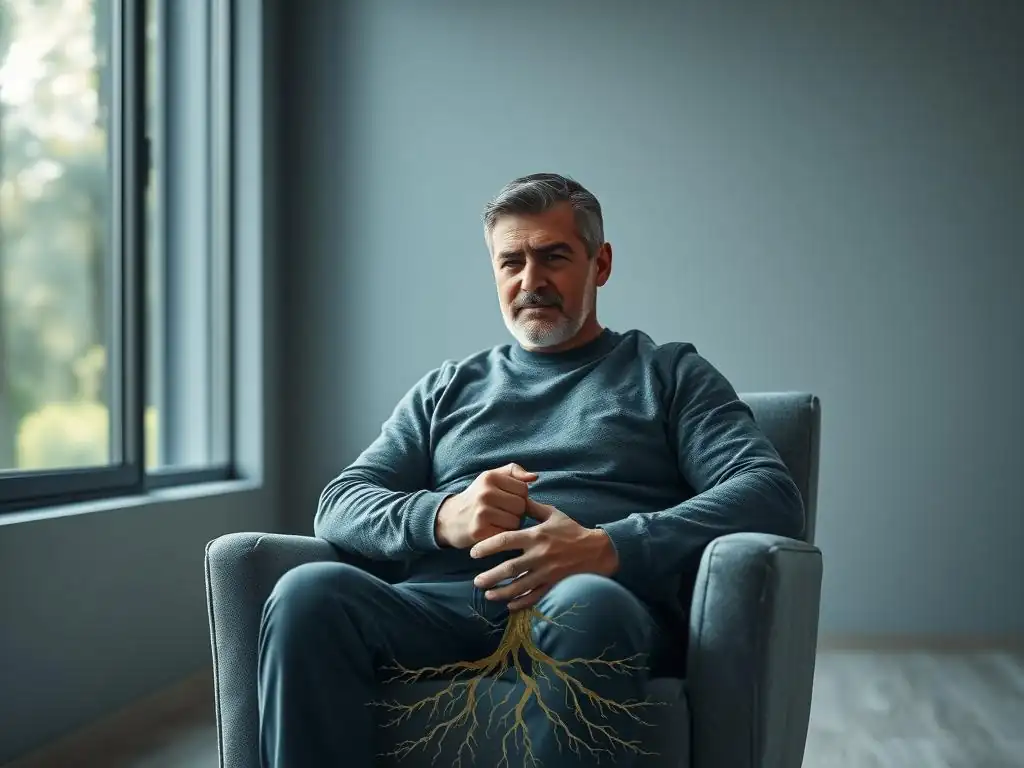
Traditional notions of masculinity often equate strength with emotional suppression and independence, creating significant barriers for men seeking help for stress or mental health issues. The idea that "real men don't cry" or "should handle their problems alone" is deeply ingrained in many cultures. This cultural script makes admitting vulnerability or asking for help feel like a sign of weakness or failure, directly impacting a man's willingness to address men's stress physical symptom causes stemming from psychological roots.
Challenging these outdated norms is essential. It requires recognizing that seeking support is not an act of surrender but an act of courage and self-preservation. Encouraging men to redefine strength to include emotional intelligence and the ability to seek help is vital for their overall well-being. By dismantling the stigma associated with mental health, we can create an environment where men feel safe and empowered to address their stress and its physical manifestations without fear of judgment.
Understanding Mental Health Resources Available for Men
Awareness of available resources is crucial for men ready to address their stress and its men's stress physical symptom causes. A range of options exists, from individual therapy and counseling to support groups and online resources. Therapy provides a confidential space to explore stressors, develop coping strategies, and address underlying issues like anxiety or depression that contribute to physical symptoms. Cognitive Behavioral Therapy (CBT) and other modalities are proven effective in stress management.
Support groups, whether in-person or online, connect men with others facing similar challenges, reducing feelings of isolation and offering shared wisdom and encouragement. Online platforms and mental health apps provide accessible tools for tracking mood, practicing mindfulness, and learning stress reduction techniques. Understanding the variety of resources available empowers men to find the type of support that best suits their needs and comfort level, facilitating a proactive approach to their health.
Normalizing the Conversation: Encouraging Open Dialogue about Stress
One of the most powerful ways to break down stigma and encourage men to seek help is by normalizing the conversation about stress and mental health. Openly discussing personal experiences with stress, anxiety, or depression can help others feel less alone and more comfortable sharing their own struggles. This starts in families, friendships, workplaces, and communities.
Creating spaces where men feel safe to express their feelings without fear of ridicule or dismissal is paramount. Encouraging men to check in on their friends and family members, asking specific questions about how they are really doing, can open doors to vital conversations. Normalizing the fact that stress is a universal human experience and that seeking help is a sign of strength, not weakness, is fundamental to addressing the hidden men's stress physical symptom causes and promoting overall well-being.
Effective Strategies for Managing Men's Stress and Physical Symptoms
Lifestyle Modifications: Diet, Exercise, and Sleep Hygiene
Implementing healthy lifestyle changes is a foundational step in managing stress and mitigating men's stress physical symptom causes. Regular physical activity is a powerful stress reliever; exercise releases endorphins, which have mood-boosting effects, and helps reduce stress hormones like cortisol. Aiming for at least 30 minutes of moderate exercise most days of the week can significantly improve both mental and physical health.
A balanced diet also plays a critical role. Nutrient-rich foods support brain function and overall physical resilience, while processed foods, excessive sugar, and caffeine can exacerbate stress and anxiety symptoms. Prioritizing sleep hygiene – maintaining a consistent sleep schedule, creating a relaxing bedtime routine, and ensuring a dark, quiet sleep environment – is essential, as poor sleep is both a symptom and a contributor to stress and its physical effects. Addressing these lifestyle factors provides a strong base for combating men's stress physical symptom causes.
Stress Reduction Techniques: Mindfulness, Meditation, and Yoga
Specific stress reduction techniques can help men actively manage their stress response and alleviate men's stress physical symptom causes. Mindfulness involves focusing on the present moment without judgment, which can interrupt the cycle of worry and rumination. Simple mindfulness exercises, like paying attention to breathing or sensations during daily activities, can be easily integrated into a routine.
Meditation is a more structured practice of mindfulness, often involving focused attention or open awareness, which has been shown to lower cortisol levels and reduce blood pressure. Even a few minutes of daily meditation can yield benefits. Yoga combines physical postures, breathing exercises, and meditation, offering a holistic approach to reducing muscle tension, calming the nervous system, and improving overall resilience against stress and its physical manifestations.
Connecting with others and building a strong social support network is a vital buffer against stress and a key factor in managing men's stress physical symptom causes. Sharing concerns with trusted friends, family members, or a partner can provide emotional relief and perspective. Isolation, conversely, tends to amplify stress and its negative effects.
Engaging in social activities, joining clubs, or participating in community events can foster a sense of belonging and reduce feelings of loneliness. For men who may find it difficult to open up, simply spending time with supportive people, even without discussing problems directly, can be beneficial. Strong social connections provide a sense of security and offer practical or emotional support during challenging times, helping to mitigate the impact of stress on physical health.
Professional Help: Therapy and Counseling Options for Men
Cognitive Behavioral Therapy (CBT) for Stress Management
When stress feels overwhelming or significantly impacts daily life through men's stress physical symptom causes, professional help is a valuable option. Cognitive Behavioral Therapy (CBT) is a highly effective form of therapy for stress and anxiety management. CBT helps individuals identify negative thought patterns and beliefs that contribute to stress and teaches them how to challenge and change these unhelpful ways of thinking.
A therapist using CBT will work with a man to recognize the triggers for his stress, understand how his thoughts influence his feelings and behaviors (including physical symptoms), and develop practical coping strategies. Techniques learned in CBT can include relaxation exercises, problem-solving skills, and gradual exposure to stressful situations in a controlled way. This empowers men to gain better control over their stress response and reduce the severity of associated physical symptoms.
Medication Options (Discuss with a Professional)
In some cases, particularly when stress is accompanied by significant anxiety, depression, or severe physical symptoms that are not responding to other interventions, medication may be an option. However, medication should always be discussed thoroughly with a qualified healthcare professional, such as a doctor or psychiatrist. They can assess the specific symptoms, medical history, and overall health to determine if medication is appropriate.
Medications like antidepressants or anti-anxiety medications can help regulate brain chemistry, alleviating some of the underlying mental health issues that contribute to men's stress physical symptom causes. It's important to understand that medication is typically most effective when used in conjunction with therapy and lifestyle changes, rather than as a standalone solution. A professional can provide guidance on potential benefits, side effects, and proper usage.
Conclusion: Prioritizing Men's Mental and Physical Well-being
Taking Control of Your Health: A Proactive Approach to Stress Management
Understanding that many physical symptoms experienced by men have roots in psychological stress is the first critical step towards better health. Men's stress physical symptom causes are real and can significantly impact quality of life and long-term health. By recognizing the signs, acknowledging the impact of stress, and challenging the cultural pressures to remain silent, men can begin to take proactive control of their well-being.
Managing stress is not a passive activity; it requires conscious effort and the adoption of healthy habits and coping strategies. This includes making lifestyle changes, practicing relaxation techniques, building strong social connections, and being willing to seek professional support when needed. Prioritizing mental health is not separate from prioritizing physical health; they are inextricably linked, and addressing stress is fundamental to achieving overall vitality.
Mind Care Guide: Your Partner in Mental Wellness for Men
Mind Care Guide is dedicated to being a trusted partner for men navigating the complexities of stress and mental health. We provide reliable information, practical tools, and resources to help men understand the connection between their mind and body, identify the men's stress physical symptom causes, and implement effective strategies for managing stress. Our goal is to empower men to break the stigma, speak openly about their experiences, and confidently seek the support they need.
We encourage you to explore the resources available on Mind Care Guide, learn more about stress and its impact, and take steps towards prioritizing your mental and physical health. Remember, seeking understanding and support is a sign of strength, and you don't have to navigate these challenges alone. Your well-being matters, and taking proactive steps today can lead to a healthier, more resilient future.
Frequently Asked Questions
What are some common physical symptoms of stress in men?
Many men experience stress manifesting as headaches, muscle tension, and digestive issues. These can be early indicators of underlying stress levels.
How can stress affect a man's heart health?
Chronic stress elevates blood pressure and heart rate, increasing the risk of heart disease and stroke. Managing stress is vital for cardiovascular well-being.
What role do hormones play in the connection between stress and physical symptoms in men?
Stress triggers the release of cortisol, which can disrupt hormone balance and contribute to symptoms like fatigue and decreased libido.
What are some effective coping mechanisms men can use to manage stress and reduce physical symptoms?
Regular exercise, mindfulness meditation, and spending time in nature are proven strategies for managing stress and improving overall well-being.
If symptoms are severe, persistent, or interfere with daily life, seeking help from a doctor or therapist is crucial for proper diagnosis and treatment.
Final Reflection: Unmasking the Body's Silent Scream
The connection between mental health and physical well-being in men is not merely a correlation; it's a profound and often overlooked causation. Ignoring the physical manifestations of men's stress—from chronic headaches to digestive issues—is not only detrimental to their health but also perpetuates a dangerous cycle of silence and suffering. We must move beyond simplistic solutions and delve deeper into the root causes to truly understand and address this pervasive issue.
The societal pressures placed upon men to suppress emotions and maintain a stoic facade have created a landscape where physical symptoms become the primary, and often only, visible sign of underlying distress. This unspoken burden impacts not only individual men but also their families and communities. What is mental health if not the ability to cope with the realities of life?
This quote highlights the crucial link between mental resilience and the ability to navigate the inevitable stressors of life, a skill often underdeveloped in many men due to societal expectations.
You, the reader, now possess a deeper understanding of the intricate relationship between men's stress and its physical manifestations. Consider your own life, your relationships with the men in your life, and the societal messages that shape our understanding of masculinity. Take the time to listen, not just to the words, but to the unspoken language of the body.
Encourage open communication, seek professional help when needed, and challenge the harmful stereotypes that prevent men from seeking support. Let's work together to create a world where men feel empowered to prioritize their mental and physical well-being, without shame or stigma.
Unlock Your Inner Calm: Take Control of Your Stress
We appreciate you taking the time to explore the connection between physical symptoms and mental stress. You've gained valuable insights into understanding and managing your well-being. Now, let's put that knowledge into action!
- Prioritize one small self-care practice this week: This could be anything from a short walk in nature to a mindful breathing exercise. Even 5 minutes can make a difference!
- Share this article with a friend or family member who might also benefit from understanding the mind-body connection. Starting a conversation is a powerful step.
- Explore a new stress-management technique: Perhaps try progressive muscle relaxation, journaling, or a guided meditation – find what resonates with you.
Ready to feel more in control of your stress levels? What's one small change you can commit to making today?