
Burnout on the Field: Recognizing and Recovering from Athlete Mental Exhaustion

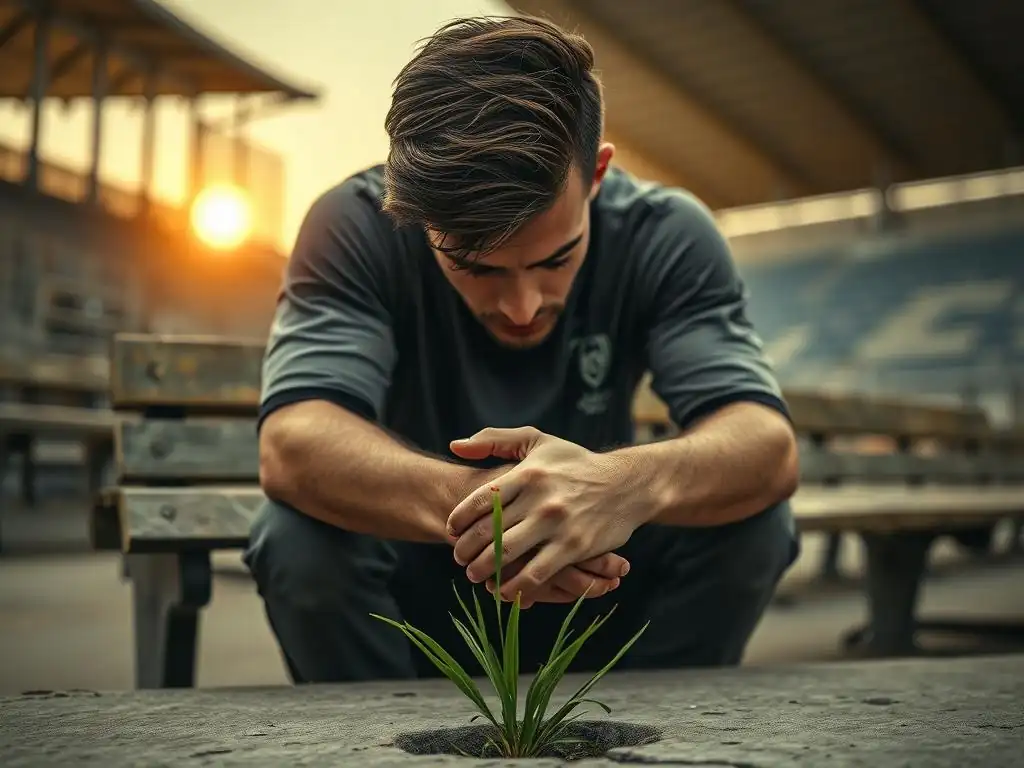
Welcome to Mind Care Guide, where we understand the unique challenges to mental well-being in all walks of life. Feeling overwhelmed and depleted, especially when striving for peak performance? It's more common than you think. Are you, or someone you know, experiencing the crushing weight of athlete burnout? This article dives deep into practical athlete burnout recovery strategies, offering a roadmap to reclaim your passion and mental fortitude. Let's explore how you can get back in the game, mentally and emotionally.
Burnout on the Field: Recognizing and Recovering from Athlete Mental Exhaustion
- Understanding Athlete Burnout: A Mind Care Guide Perspective
- Recognizing the Signs and Symptoms of Athlete Burnout
-
Factors Contributing to Athlete Burnout: Pressure and Performance
- The Role of Performance Pressure in Athlete Mental Exhaustion
- Excessive Training and Competition Schedules: A Pathway to Burnout
- Lack of Recovery and Rest: Fueling the Fire of Mental Exhaustion
- The Impact of Social and Emotional Support on Athlete Well-being
- External Expectations and Internal Pressure: A Dangerous Combination
-
Athlete Burnout Recovery Strategies: Reclaiming Your Mental Well-being
- Prioritizing Rest and Recovery: Essential Steps for Healing
- Implementing Effective Time Management Techniques: Balancing Sport and Life
- Seeking Support from Mental Health Professionals: Therapy and Counseling Options
- The Power of Mindfulness and Meditation for Athlete Mental Health
- Re-evaluating Goals and Expectations: Finding Joy in Sport Again
-
Preventing Athlete Burnout: Long-Term Strategies for Mental Resilience
- Setting Realistic Goals and Expectations: A Sustainable Approach to Performance
- Building a Strong Support System: Coaches, Teammates, and Family
- Practicing Self-Care: Nurturing Your Physical and Mental Health
- Developing Coping Mechanisms for Stress and Pressure: Handling Challenges Effectively
- Creating a Healthy Training Environment: Promoting Well-being Over Winning at All Costs
- Resources for Athletes Facing Burnout: Accessing Help and Support
- Conclusion: Embracing Mental Well-being for a Sustainable Athletic Career
-
Frequently Asked Questions
- What are the primary signs of athlete burnout?
- How does athlete burnout differ from simple fatigue or overtraining?
- What are some effective athlete burnout recovery strategies?
- What role does a coach play in preventing and addressing athlete burnout?
- Where can athletes find resources and support for dealing with burnout?
- Final Reflection: The Unseen Battleground of Athlete Wellbeing
- Rediscover Your Athletic Peak: Take Charge of Your Mental Wellness
Understanding Athlete Burnout: A Mind Care Guide Perspective
Defining Athlete Burnout: Beyond Simple Fatigue
Athlete burnout is a psychological, emotional, and physical withdrawal from a formerly pleasurable sport. It's more than just feeling tired after a tough practice; it's a state of chronic stress that leads to emotional and physical exhaustion, reduced sense of accomplishment, and devaluation of sport participation. This profound depletion impacts an athlete's motivation, performance, and overall well-being, often manifesting as a loss of interest and a desire to quit.
Unlike simple fatigue, which is typically resolved with rest, burnout persists and can have long-lasting effects on an athlete's life both in and out of their sport. It represents a significant breakdown in the athlete's relationship with their activity, driven by a combination of internal and external pressures that exceed their coping resources.
This complex phenomenon is characterized by three core dimensions: emotional and physical exhaustion, depersonalization (or a cynical attitude towards the sport), and reduced personal accomplishment. For example, a swimmer who once loved training might start feeling constantly drained, dread going to practice, and feel like their efforts yield no results, despite putting in the same or even more hours. This isn't just physical tiredness; it's a deep-seated mental and emotional drain.
Recognizing these distinct components is crucial for understanding the depth of athlete burnout and developing effective athlete burnout recovery strategies. It requires looking beyond the physical symptoms to the underlying psychological distress.
Athlete Burnout vs. Overtraining Syndrome: Key Differences
While athlete burnout and overtraining syndrome share some overlapping symptoms, they are distinct conditions. Overtraining syndrome is primarily a physiological condition resulting from excessive physical training without adequate rest, leading to performance decrements, hormonal imbalances, and increased susceptibility to illness or injury. It's rooted in the body's inability to recover from physical stress. Symptoms often include persistent muscle soreness, elevated resting heart rate, sleep disturbances, and decreased performance.
Athlete burnout, on the other hand, has a significant psychological component. While physical exhaustion is a key dimension, it is coupled with emotional exhaustion, cynicism towards the sport, and a reduced sense of accomplishment. An athlete might be physically capable but mentally and emotionally unable to participate.
For instance, a runner might show signs of overtraining like shin splints and fatigue, while an athlete experiencing burnout might dread training, feel emotionally numb towards their sport, and question their passion, even if their physical health is relatively stable. Effective athlete burnout recovery strategies must address these psychological dimensions, which differ from the purely physiological interventions needed for overtraining.
The Prevalence of Mental Exhaustion in Sports: Statistics and Trends
Mental exhaustion, a core component of athlete burnout, is increasingly recognized as a significant issue across all levels of sport. While precise global statistics are challenging to gather, research consistently shows worrying prevalence rates. Studies suggest that between 1% and 9% of elite athletes experience clinical burnout symptoms annually, with higher rates reported in specific sports or at critical junctures like transitions or injuries. Some research focusing on collegiate athletes in the US has indicated that up to 49% report high levels of emotional exhaustion, a strong predictor of burnout.
Furthermore, trends indicate that the intensity and pressure in youth sports are contributing to earlier onset of burnout symptoms. Approximately 25% of youth athletes report experiencing burnout, with some studies citing rates as high as 70% among specialized young athletes. These figures highlight that athlete mental exhaustion is not just an elite issue but affects individuals across the athletic lifespan. Understanding this widespread prevalence underscores the urgent need for effective recognition and athlete burnout recovery strategies at all levels of participation.
Recognizing the Signs and Symptoms of Athlete Burnout
Physical Symptoms of Athlete Burnout
Athlete burnout often manifests physically, even though its roots are psychological. Common physical symptoms include chronic fatigue that doesn't improve with rest, increased muscle soreness, and prolonged recovery time after training or competition. Athletes may also experience frequent minor illnesses, such as colds or infections, due to a weakened immune system stemming from chronic stress. Sleep disturbances, including difficulty falling asleep or staying asleep, are also prevalent.
Beyond fatigue and illness, physical signs can include changes in appetite, weight fluctuations, and increased susceptibility to injuries. An athlete might find themselves constantly battling nagging pains or experiencing injuries that take longer than usual to heal. These physical manifestations are the body's way of signalling that it is under excessive stress, both physically and mentally. Recognizing these physical cues is often the first step in identifying potential athlete burnout and initiating athlete burnout recovery strategies.
Emotional Signs of Athlete Burnout
The emotional toll of athlete burnout is profound and often more telling than the physical signs. Athletes experiencing burnout frequently report feeling emotionally drained, irritable, and moody. They may lose their passion and enthusiasm for their sport, which was once a source of joy and fulfillment. A pervasive sense of apathy or cynicism towards training, teammates, and coaches is common. The athlete might feel detached or emotionally numb.
Other emotional indicators include increased anxiety or depression symptoms, feelings of hopelessness, and a diminished sense of self-worth tied to their athletic performance. They might become more critical of themselves and others, experiencing frustration and anger more easily. This emotional detachment and negativity significantly impact their performance and relationships within the sport environment. Addressing these deep-seated emotional issues is a cornerstone of effective athlete burnout recovery strategies.
Behavioral Indicators of Athlete Burnout
Changes in behavior are often noticeable signs that an athlete may be experiencing burnout. These can include decreased motivation to train or compete, leading to missed practices or a lack of effort during sessions. Athletes might withdraw from teammates and coaches, becoming socially isolated. Their performance may decline noticeably, not necessarily due to lack of physical ability, but rather from a loss of focus and motivation.
Other behavioral signs include increased frustration with mistakes, a tendency to blame others, and a general negative attitude towards the sport. The athlete might start questioning their identity outside of their sport or express a strong desire to quit altogether. They may also exhibit increased risk-taking behavior or engage in unhealthy coping mechanisms. Recognizing these behavioral shifts is critical for early intervention and implementing appropriate athlete burnout recovery strategies.
Self-Assessment: Identifying Your Risk of Athlete Burnout
Self-awareness is a powerful tool in identifying the risk of athlete burnout. Athletes can assess their own state by reflecting on how they feel physically and emotionally about their sport. Questions to consider include: Do I feel constantly tired, even after rest? Have I lost my passion for training and competing? Do I feel cynical or detached from my sport? Am I frequently irritable or anxious? Has my performance declined despite consistent training? Am I withdrawing from my teammates or coaches?
Several validated questionnaires exist that athletes can use, often with the guidance of a sports psychologist or mental health professional, such as the Athlete Burnout Questionnaire (ABQ). While self-assessment is not a substitute for professional diagnosis, paying attention to persistent negative changes in physical, emotional, and behavioral patterns can indicate a heightened risk. Early identification through self-reflection is crucial for proactively seeking support and exploring athlete burnout recovery strategies before symptoms become severe.
Factors Contributing to Athlete Burnout: Pressure and Performance
The Role of Performance Pressure in Athlete Mental Exhaustion
Performance pressure is a significant contributor to athlete mental exhaustion. The constant demand to perform at a high level, meet expectations from coaches, parents, and sponsors, and achieve specific results creates chronic stress. This pressure can be internal, stemming from an athlete's own high standards and desire for success, or external, imposed by others. When athletes feel their worth is solely tied to their performance outcomes, every competition or even training session becomes a high-stakes event, leading to constant anxiety and fear of failure.
This unrelenting pressure environment can deplete an athlete's mental resources, making them more susceptible to burnout. For example, a gymnast aiming for the Olympics faces immense pressure from a young age, often training intensely for years with little downtime. The fear of not meeting expectations or falling short of goals can lead to significant emotional and mental strain. Learning to manage this pressure is vital for preventing burnout and forms a key part of athlete burnout recovery strategies.
Excessive Training and Competition Schedules: A Pathway to Burnout
Excessive training volume and intensity, combined with demanding competition schedules, are primary physical drivers of athlete burnout. Athletes, particularly in specialized sports, often train for many hours each day, sometimes year-round, with minimal off-season breaks. This relentless physical demand, without adequate recovery periods, leads to chronic physical fatigue which, in turn, contributes to mental and emotional exhaustion.
Furthermore, a packed competition calendar, requiring frequent travel and performance peaks, adds another layer of stress. Athletes may feel like they are constantly on the go, with no time to rest, recover, or simply decompress. This can disrupt sleep patterns, nutritional habits, and social connections outside of sport. For example, professional tennis players often compete in tournaments weekly across different continents, leading to significant physical and mental strain. Reducing this burden and incorporating sufficient rest are crucial for athlete burnout recovery strategies.
Lack of Recovery and Rest: Fueling the Fire of Mental Exhaustion
Inadequate recovery and rest are perhaps the most direct pathways to athlete burnout. Recovery is not just about physical rest; it includes mental and emotional downtime. Athletes who do not prioritize sufficient sleep, active recovery, mental breaks from thinking about their sport, and time away from the training environment are at high risk. Chronic sleep deprivation alone can impair cognitive function, mood regulation, and physical recovery, accelerating the onset of exhaustion.
Many athletes operate under a culture that glorifies pushing through fatigue and views rest as weakness. This mentality prevents them from taking necessary breaks, even when their bodies and minds are screaming for it. Without proper physical and psychological recovery, the cumulative stress from training and competition builds up, leading to the emotional and physical exhaustion characteristic of burnout. Prioritizing and scheduling deliberate rest are fundamental athlete burnout recovery strategies.

The presence or absence of a strong social and emotional support system significantly impacts an athlete's vulnerability to burnout. Athletes who feel isolated, misunderstood, or lack supportive relationships with coaches, teammates, family, or friends are more likely to experience chronic stress and burnout. A supportive environment provides a buffer against the pressures of sport, offering a safe space to express frustrations, seek advice, and feel valued beyond their performance.
Conversely, negative relationships, conflict within the team, or feeling unsupported by coaches or family can exacerbate stress and accelerate burnout. Athletes need people they can trust, confide in, and rely on for emotional support. Feeling disconnected or invalidated can amplify feelings of inadequacy and hopelessness. Building and nurturing these supportive relationships is a crucial element in both preventing burnout and implementing effective athlete burnout recovery strategies.
External Expectations and Internal Pressure: A Dangerous Combination
The interplay between external expectations and internal pressure creates a potent recipe for athlete burnout. External expectations come from coaches, parents, media, sponsors, and the public, often focusing solely on winning and performance outcomes. Internal pressure arises from the athlete's own drive, perfectionism, and identification with their sport. When these two forces align and become overwhelming, the athlete can feel trapped and constantly under scrutiny.
For example, a young prodigy in gymnastics might face immense external pressure to succeed from a very young age, while simultaneously possessing an internal drive for perfection. This constant state of striving, fueled by both external demands and internal standards, leaves little room for error or rest and can lead to significant mental exhaustion. Learning to navigate these pressures, manage expectations, and develop a healthier sense of self-worth independent of performance are vital components of athlete burnout recovery strategies.
Athlete Burnout Recovery Strategies: Reclaiming Your Mental Well-being
Prioritizing Rest and Recovery: Essential Steps for Healing
Prioritizing rest and recovery is the cornerstone of athlete burnout recovery strategies. This goes beyond simply reducing training load; it involves actively scheduling and protecting downtime. Adequate sleep, aiming for 7-9 hours per night, is non-negotiable for both physical and mental restoration. Athletes should also incorporate active recovery methods like light walks or stretching, but more importantly, schedule complete days off from their sport.
Taking a complete break from the sport, sometimes for weeks or even months, can be necessary in severe cases of burnout. This allows the athlete to mentally and emotionally detach, reconnect with other aspects of their identity, and rediscover their passion. It's crucial that this rest period is guilt-free and viewed as a necessary part of the recovery process, not a sign of weakness. Implementing structured rest periods into training plans is a proactive athlete burnout recovery strategy.
Implementing Effective Time Management Techniques: Balancing Sport and Life
Effective time management is vital for athletes, especially those juggling training with academics, work, or social lives. Learning to balance the demands of sport with other important areas of life helps reduce feelings of overwhelm and creates a sense of control. This involves setting realistic schedules, prioritizing tasks, and allocating specific time slots for training, recovery, personal life, and sleep.
Using tools like planners or scheduling apps can help athletes visualize their commitments and ensure they are not overextending themselves. Crucially, time management also involves learning to say no to additional demands that could push them towards exhaustion. For instance, a college athlete might need to decline extra social events to ensure they get enough sleep and recovery time. Developing these skills is an important part of comprehensive athlete burnout recovery strategies.
Seeking Support from Mental Health Professionals: Therapy and Counseling Options
Seeking support from mental health professionals is a critical step in athlete burnout recovery strategies. Therapists, counselors, or sports psychologists can provide specialized support to help athletes understand the root causes of their burnout, develop coping mechanisms, and process the emotions associated with their experience. Cognitive Behavioral Therapy (CBT), Acceptance and Commitment Therapy (ACT), and mindfulness-based therapies are often effective in addressing the psychological dimensions of burnout.
A mental health professional can offer a safe and confidential space for athletes to talk about their struggles, learn stress management techniques, challenge negative thought patterns, and work towards rebuilding a healthy relationship with their sport. They can also help athletes navigate difficult conversations with coaches or family members about their needs. Professional guidance is invaluable for a structured and effective approach to athlete burnout recovery strategies.
The Power of Mindfulness and Meditation for Athlete Mental Health
Mindfulness and meditation are increasingly recognized as powerful tools for supporting athlete mental health and aiding in athlete burnout recovery strategies. These practices help athletes become more aware of their thoughts, feelings, and physical sensations without judgment. Regular mindfulness can reduce stress, improve focus, enhance emotional regulation, and promote a greater sense of presence.
Even a few minutes of daily meditation can help calm the nervous system and provide mental respite from the constant pressures of training and competition. Techniques like body scans, guided imagery, or simple breath awareness can be incorporated into an athlete's daily routine. For example, a swimmer might use mindfulness before a race to manage anxiety, or a runner might practice mindful walking during recovery. Integrating these practices builds mental resilience and supports the recovery process.
Re-evaluating Goals and Expectations: Finding Joy in Sport Again
A crucial part of athlete burnout recovery strategies involves re-evaluating goals and expectations. Burnout often stems from feeling like one is constantly falling short of unrealistic standards. Athletes need to identify whether their goals are intrinsically motivated (driven by personal passion and enjoyment) or extrinsically motivated (driven by external rewards, approval, or fear of failure). Shifting focus back to intrinsic motivation is key to rediscovering joy in the sport.
This might involve adjusting long-term goals, setting smaller, more achievable short-term targets, or even changing the focus from performance outcomes to process-oriented goals (e.g., focusing on effort, skill development, or teamwork). Reconnecting with the reasons they initially fell in love with the sport can help athletes find renewed purpose and enjoyment. This re-evaluation process is fundamental to rebuilding a sustainable and healthy relationship with athletics.
Preventing Athlete Burnout: Long-Term Strategies for Mental Resilience

Setting Realistic Goals and Expectations: A Sustainable Approach to Performance
Preventing athlete burnout begins with establishing realistic goals and expectations. Athletes, coaches, and parents should work together to set targets that are challenging but achievable, considering the athlete's stage of development, resources, and overall well-being. Focusing solely on winning or achieving specific statistics can create immense pressure and lead to disappointment.
Instead, adopting a process-oriented approach, focusing on effort, skill improvement, and personal growth, can foster a healthier mindset. For instance, rather than solely aiming for a gold medal, an athlete might set goals related to improving technique, maintaining consistent training, or developing mental toughness. This approach reduces the pressure tied to outcomes and promotes a sustainable relationship with the sport, making athlete burnout recovery strategies less likely to be needed in the future.
Building a Strong Support System: Coaches, Teammates, and Family
A robust support system is a powerful buffer against athlete burnout. Athletes need positive relationships with coaches who prioritize their well-being over just performance, teammates who offer camaraderie and understanding, and family and friends who provide unconditional support. Open communication within this network is essential.
Coaches play a critical role by fostering a supportive team culture, recognizing signs of stress in their athletes, and being approachable. Teammates can provide peer support and shared understanding of the unique pressures of sport. Family and friends offer emotional grounding and a connection to life outside of athletics. Nurturing these relationships provides athletes with resources to cope with stress and prevents feelings of isolation that contribute to burnout. This network is crucial for both prevention and providing support during athlete burnout recovery strategies.
Practicing Self-Care: Nurturing Your Physical and Mental Health
Self-care is not a luxury but a necessity for athletes aiming to prevent burnout. It involves actively taking steps to nurture physical and mental health outside of structured training. This includes prioritizing sleep, maintaining a balanced diet, staying hydrated, and seeking medical attention for injuries or illnesses promptly.
Mental self-care is equally important. This might involve engaging in hobbies outside of sport, spending time with loved ones, practicing relaxation techniques like deep breathing or meditation, or simply scheduling downtime to relax and recharge. For example, an athlete might dedicate one evening a week to reading or spending time with friends unrelated to their sport. Consistent self-care builds resilience and helps athletes manage stress effectively, reducing the risk of needing extensive athlete burnout recovery strategies.
Developing Coping Mechanisms for Stress and Pressure: Handling Challenges Effectively
Learning effective coping mechanisms is key to navigating the inherent stress and pressure of high-level athletics without succumbing to burnout. Athletes need a repertoire of strategies to deal with setbacks, performance anxiety, criticism, and demanding schedules. These can include cognitive strategies like positive self-talk, reframing negative thoughts, and focusing on controllable factors.
Behavioral coping mechanisms might involve deep breathing exercises before competition, using visualization techniques, journaling to process emotions, or engaging in physical activity unrelated to their sport. Learning to identify stressors early and apply appropriate coping strategies prevents stress from escalating into chronic exhaustion. Developing these skills proactively is a vital preventative measure that minimizes the likelihood of requiring intensive athlete burnout recovery strategies.
Creating a Healthy Training Environment: Promoting Well-being Over Winning at All Costs
The culture and environment within a training program significantly impact an athlete's susceptibility to burnout. A healthy training environment prioritizes athlete well-being alongside performance development. This means coaches fostering open communication, providing constructive feedback rather than harsh criticism, encouraging rest and recovery, and valuing athletes as individuals, not just performers.
An environment that promotes excessive training, punishes mistakes, discourages open discussion about struggles, or places winning above athlete health creates a high-risk setting for burnout. Conversely, a supportive, understanding, and flexible environment empowers athletes to voice their needs, manage their workload effectively, and feel safe to prioritize their mental health. Creating this culture is a collective effort involving coaches, administrators, parents, and athletes themselves, serving as a powerful preventative measure against burnout and supporting potential athlete burnout recovery strategies.
Resources for Athletes Facing Burnout: Accessing Help and Support
Mental Health Organizations Dedicated to Athlete Well-being
Several organizations are dedicated to supporting the mental health of athletes. These bodies often provide resources, information, and sometimes direct support services. Examples include The Jed Foundation, which has programs focused on college athlete mental health, or organizations specifically tailored to professional athlete well-being. These groups work to destigmatize mental health challenges in sports and connect athletes with appropriate care.
While specific organizations vary by country and sport, searching for "athlete mental health organizations" or "sports psychology associations" in your region can yield relevant results. These organizations often collaborate with sports governing bodies and universities to provide accessible support and information on topics like athlete burnout recovery strategies. They serve as valuable hubs for finding credible help.
Online Resources and Support Groups for Athlete Mental Health
The digital age offers numerous online resources and support groups for athletes dealing with mental health challenges, including burnout. Websites and platforms dedicated to sports psychology and athlete well-being provide articles, guides, and self-help tools. Online forums and social media groups allow athletes to connect with peers who understand their unique experiences, offering a sense of community and reducing feelings of isolation.
While online resources can be helpful for information and peer support, it's crucial to use credible sources and remember that online groups are not a substitute for professional help. However, they can be a valuable first step in seeking information and realizing you are not alone in your struggles with burnout and in exploring potential athlete burnout recovery strategies. Many professional organizations also offer directories or resource lists on their websites.
Finding a Qualified Mental Health Professional Specializing in Sports Psychology
Finding the right mental health professional is crucial for effective athlete burnout recovery strategies. Ideally, look for a licensed therapist, counselor, or psychologist who specializes in sports psychology or has experience working with athletes. These professionals understand the unique pressures, culture, and demands of the athletic environment, which allows them to provide more tailored and effective support.
Professional organizations, such as the Association for Applied Sport Psychology (AASP) or the American Psychological Association (APA) Division 47 (Society for Sport, Exercise & Performance Psychology), often provide directories of qualified practitioners. University athletic departments may also have sports psychologists on staff or be able to refer athletes to local resources. Don't hesitate to ask about a professional's experience with athletes and their approach to treating burnout to ensure a good fit.
Conclusion: Embracing Mental Well-being for a Sustainable Athletic Career
Frequently Asked Questions
What are the primary signs of athlete burnout?
Athlete burnout manifests through emotional exhaustion, reduced sense of accomplishment, and sport devaluation. It's crucial to recognize these early for effective intervention.
How does athlete burnout differ from simple fatigue or overtraining?
While fatigue and overtraining are physical, burnout is primarily a psychological condition. It involves a loss of motivation and enjoyment, unlike physical tiredness.
What are some effective athlete burnout recovery strategies?
Recovery involves reducing training intensity, seeking social support, and re-evaluating goals. Focusing on enjoyment and mindfulness is also helpful.
What role does a coach play in preventing and addressing athlete burnout?
Coaches can promote a positive training environment and encourage open communication. They should also be trained to recognize early signs of burnout and offer support.
Where can athletes find resources and support for dealing with burnout?
Resources include sports psychologists, mental health professionals, and support groups. Websites like Mind Care Guide offer valuable information and guidance on this topic.
Final Reflection: The Unseen Battleground of Athlete Wellbeing
The relentless pursuit of athletic excellence often masks a silent struggle: burnout. This pervasive issue, impacting athletes across all levels, demands immediate attention, not just for individual well-being, but for the future of competitive sports. Ignoring the mental health crisis within athletics is not only irresponsible but ultimately detrimental to the very spirit of competition itself.
The pervasive nature of athlete burnout has profoundly shaped my understanding of the human cost of ambition. It's a stark reminder that physical prowess alone cannot sustain a career, or even a healthy life. The pressure to perform, the constant scrutiny, and the sacrifices made often leave athletes emotionally and mentally depleted. The price of success is hard work, dedication to the job at hand, and the determination that whether we win or lose, we have applied the best of ourselves to the task at hand.
– Vince Lombardi. While this quote speaks to dedication, it fails to acknowledge the crucial element of mental well-being that is equally essential for sustained success. The pursuit of excellence should never come at the expense of an athlete's mental health.
Now, consider your own life, your own pursuits. Are you pushing yourself to the brink, neglecting the vital need for rest and rejuvenation? This article has explored practical strategies for recognizing and recovering from burnout, but the ultimate responsibility for your well-being rests with you.
Take a moment to assess your own levels of stress, your coping mechanisms, and your support network. Prioritize self-care, seek help when needed, and remember that true strength lies not only in physical prowess but also in the resilience of the mind and spirit. Your journey towards peak performance begins with prioritizing your mental and emotional health.
Rediscover Your Athletic Peak: Take Charge of Your Mental Wellness
Thanks for taking the time to explore the critical issue of athlete burnout. We hope this article equipped you with valuable insights into recognizing and addressing mental exhaustion. Now, let's turn those insights into action!
- Prioritize a single mental wellness practice this week: This could be anything from mindful breathing for 5 minutes daily to scheduling a regular walk in nature. Small steps yield significant results.
- Share this article with a teammate or coach: Opening up the conversation around mental health is crucial for creating a supportive athletic environment.
- Explore additional resources on MindCareGuide.org: Dive deeper into techniques and strategies for long-term mental wellness tailored specifically for athletes.
What small step will you take today to prioritize your mental well-being?