
Breathing for Calm: Techniques to Manage Athlete Stress and Anxiety


Welcome to Mind Care Guide, your compassionate companion on the journey to mental well-being. Feeling the pressure? We understand. This month, we're diving deep into how breathing techniques reduce athlete stress and anxiety, offering practical tools to reclaim your calm. Discover how simple, mindful breaths can unlock a powerful pathway to resilience and peak performance. Let's breathe together and explore the power within.
Performance Under Pressure: Breathing Techniques for Athlete Well-being
- Understanding Performance Pressure: The Need for Coping Strategies
- The Science of Breath Regulation: Connecting Mind and Body
- Breathing Techniques for Performance Enhancement: A Practical Guide
- Integrating Breathing into Training and Competition
-
Beyond Breathing: Complementary Strategies for Managing Pressure
- Mindfulness Meditation: Present Moment Awareness and Emotional Regulation
- Progressive Muscle Relaxation: Reducing Physical Tension and Promoting Recovery
- Visualization Techniques: Performance Enhancement and Confidence Building
- The Importance of Sleep and Nutrition: Foundational Elements of Mental Resilience
- Seeking Support: Recognizing the Need for Professional Guidance
- Conclusion: Empowering Athletes Through Breath Awareness
-
Frequently Asked Questions
- How can breathing techniques specifically help athletes manage stress?
- What are some simple breathing exercises athletes can use before a competition?
- How often should athletes practice breathing techniques to see noticeable stress reduction?
- Are there any risks associated with using breathing techniques for stress management?
- Besides competition stress, what other mental health challenges can breathing techniques help athletes with?
- Final Reflection: The Breath as Athlete's Ally
- Unleash Your Inner Calm: Breathe Your Way to Peak Performance
Understanding Performance Pressure: The Need for Coping Strategies
The Unique Pressures Faced by Athletes: Scrutiny, Competition, and Expectations
Athletes operate in an environment defined by relentless scrutiny and intense competition. From amateur leagues to professional circuits, performance is constantly evaluated, often publicly. This pressure cooker environment is fueled by high expectations – from coaches, teammates, family, fans, and perhaps most significantly, from themselves.
The weight of these expectations can be immense, leading to significant psychological strain. Athletes aren't just performing; they are often seen as symbols of schools, cities, or even nations, amplifying the internal and external demands placed upon them. This constant evaluation and the high stakes involved in competition create a unique landscape of stress and anxiety that requires specific coping mechanisms.
Moreover, athletes face pressures unique to their physical careers, such as the fear of injury, the challenge of recovery, and the uncertainty of career longevity. A single performance setback or a nagging injury can jeopardize years of training and future prospects. This inherent fragility of an athletic career adds another layer to the psychological burden. The pressure to perform consistently at a high level, day in and day out, while navigating potential physical and mental hurdles, highlights the critical need for effective strategies like breathing techniques reduce athlete stress, helping them maintain composure and focus when it matters most.
Recognizing the Signs of Stress and Anxiety: Physical, Emotional, and Behavioral Indicators
Identifying stress and anxiety in athletes is crucial for effective intervention. These mental states manifest across physical, emotional, and behavioral domains. Physically, athletes might experience increased heart rate even at rest, muscle tension, sleep disturbances (insomnia or excessive sleep), digestive issues, frequent headaches, or increased susceptibility to illness. They might report feeling constantly fatigued or "heavy," even after adequate rest. These physical symptoms can directly impair performance, reducing reaction time, coordination, and stamina.
Emotionally, athletes under pressure may exhibit irritability, difficulty concentrating, feelings of being overwhelmed, low mood, loss of enjoyment in their sport, or heightened self-criticism. They might feel a sense of dread before training or competition.
Behaviorally, stress can lead to avoidance of practice or competition, changes in eating habits, increased use of coping substances (though this is less common in structured athletic environments), social withdrawal, or uncharacteristic outbursts of anger or frustration. Recognizing these signs early allows for the introduction of supportive strategies, and integrating practices like breathing techniques reduce athlete stress and improve overall well-being is a proactive step in managing these indicators before they escalate.
Why Breathing Techniques are Essential: Enhancing Focus and Reducing Arousal
Breathing techniques serve as a fundamental tool for athletes because they offer a direct pathway to influencing the body's physiological response to stress. Unlike many other coping strategies that might require specific environments or significant time commitments, breathing is always accessible.
When an athlete feels the surge of adrenaline before a critical moment – the increased heart rate, the shallow breath, the racing thoughts – conscious control over respiration can immediately counter these responses. By slowing down and deepening the breath, athletes can signal to their nervous system that they are not in immediate danger, dampening the "fight or flight" response.
Furthermore, focused breathing naturally draws attention away from distracting anxious thoughts or external pressures and redirects it to the present moment and the task at hand. This enhanced focus is invaluable in sports where split-second decisions and precise execution are paramount. Regularly practicing breathing techniques reduce athlete stress not just in the moment of pressure, but also builds resilience over time, making athletes less susceptible to the debilitating effects of chronic stress and anxiety. It's a skill that empowers athletes with a sense of control over their internal state, a powerful asset in the unpredictable world of competitive sport.
The Science of Breath Regulation: Connecting Mind and Body
The Autonomic Nervous System and Breathing: Sympathetic vs. Parasympathetic Response
The autonomic nervous system (ANS) controls involuntary bodily functions like heart rate, digestion, and respiration. It has two main branches: the sympathetic nervous system (SNS), responsible for the "fight or flight" response, and the parasympathetic nervous system (PNS), which manages the "rest and digest" state. Under stress, the SNS kicks into high gear, increasing heart rate, blood pressure, and breathing rate, preparing the body for action. While this can be beneficial for short bursts of intense activity, prolonged SNS activation due to chronic stress is detrimental.
Breathing acts as a unique bridge between the conscious and autonomic systems. While breathing is typically automatic, we can consciously control its pace and depth. By intentionally slowing and deepening respiration, particularly through diaphragmatic breathing, we activate the vagus nerve, a major component of the PNS. This sends a signal to the brain to downregulate the SNS response, effectively switching the body from a state of high alert to one of calm. This direct link is why breathing techniques reduce athlete stress so effectively; they bypass conscious thought processes and directly influence the physiological stress response.
How Breathing Impacts Cognitive Function: Improving Attention and Decision-Making
The link between breathing and cognitive function is well-established. Stress and anxiety, often accompanied by shallow, rapid breathing, impair the prefrontal cortex's ability to function optimally. This part of the brain is responsible for executive functions such as attention, working memory, planning, and decision-making – all critical for peak athletic performance. When the brain is flooded with stress hormones and operating from a state of alert, these higher-level cognitive processes are compromised, leading to errors in judgment, reduced focus, and difficulty adapting to changing game conditions.
Controlled breathing, by activating the PNS and reducing the stress response, restores optimal blood flow and neural activity to the prefrontal cortex. This improved physiological state enhances cognitive clarity. Athletes who practice mindful breathing techniques often report improved ability to concentrate under pressure, better working memory (remembering plays or strategies), and clearer decision-making during critical moments. This isn't just about feeling calmer; it's about enabling the brain to perform at its best, allowing athletes to access their learned skills and tactical knowledge effectively, demonstrating how breathing techniques reduce athlete stress and simultaneously boost mental acuity.
The Physiological Benefits of Controlled Breathing: Lowering Cortisol and Blood Pressure
Beyond immediate calming effects, consistent practice of controlled breathing yields tangible physiological benefits that contribute to overall athlete well-being and performance. One significant benefit is the reduction in cortisol levels. Cortisol is a primary stress hormone, and while necessary for short-term stress response, chronically elevated levels can lead to various health issues, including suppressed immune function, muscle breakdown, and impaired recovery – all detrimental to an athlete. Studies have shown that regular breathing exercises can significantly lower circulating cortisol, aiding in recovery and overall health.
Furthermore, controlled breathing techniques have been demonstrated to lower blood pressure and heart rate over time. While athletes typically have lower resting heart rates than the general population, acute stress can still cause significant spikes. Regular practice helps regulate the cardiovascular system's response to stressors, promoting a more stable physiological state. This not only contributes to long-term health but also improves endurance and reduces the physical toll of competition. The cumulative effect of these physiological changes reinforces how breathing techniques reduce athlete stress and enhance the body's ability to perform and recover.
Breathing Techniques for Performance Enhancement: A Practical Guide
Diaphragmatic Breathing (Belly Breathing): Core Stability and Relaxation
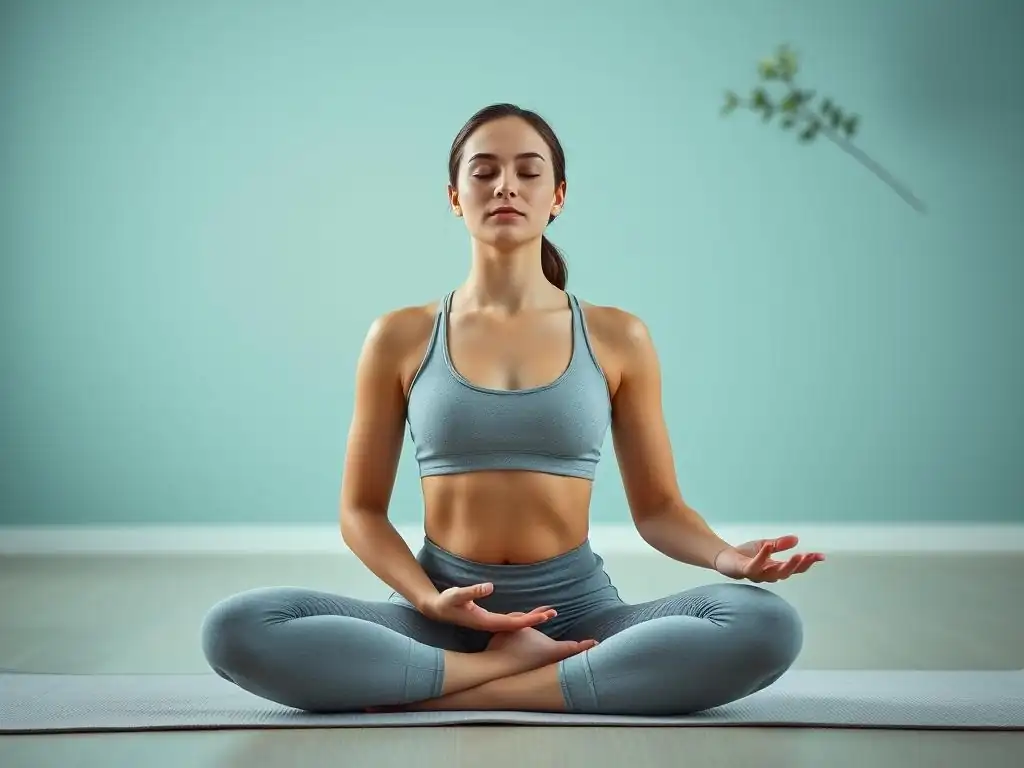
Diaphragmatic breathing, often called belly breathing, is a foundational technique that emphasizes using the diaphragm, the large muscle located below the lungs, for respiration rather than relying solely on shallow chest breaths. This method is crucial for athletes as it promotes efficient oxygen exchange, reduces the work of breathing, and engages the core, which is vital for stability in many sports. Physiologically, it is the most effective way to activate the parasympathetic nervous system, inducing a state of relaxation that counters the sympathetic "fight or flight" response.
Practicing diaphragmatic breathing regularly strengthens the diaphragm, improving respiratory capacity and potentially delaying fatigue during endurance activities. It also provides a direct tool for calming the nervous system before or during stressful situations, such as stepping up for a penalty kick or preparing for a final lift. Learning to breathe deeply into the belly allows athletes to anchor themselves in the present moment and reduce physiological arousal, proving that simple breathing techniques reduce athlete stress effectively by tapping into the body's natural relaxation mechanisms.
How to Practice Diaphragmatic Breathing: Posture, Inhalation, and Exhalation
To practice diaphragmatic breathing, find a comfortable position, either sitting upright with relaxed shoulders or lying on your back with knees bent. Place one hand on your upper chest and the other just below your rib cage, allowing you to feel the movement of your diaphragm. Inhale slowly and deeply through your nose, allowing your belly to rise as your diaphragm pulls air into the lower lungs. The hand on your chest should remain relatively still, while the hand on your belly rises noticeably.
Exhale slowly through pursed lips (as if blowing out a candle), gently contracting your abdominal muscles to push the air out. The hand on your belly should fall back towards your spine. The exhalation should ideally be longer than the inhalation, perhaps twice as long if comfortable, as this further activates the vagus nerve and promotes relaxation.
Repeat this process for several minutes, focusing solely on the sensation of your breath moving into and out of your belly. Consistent daily practice for 5-10 minutes can significantly improve your ability to use this technique under pressure, illustrating how dedicated breathing practice can reduce athlete stress and enhance recovery.
Benefits for Athletes: Improved Endurance and Reduced Muscle Tension
For athletes, the benefits of mastering diaphragmatic breathing are multifaceted. Improved respiratory efficiency means more oxygen is delivered to working muscles, which can enhance endurance during prolonged efforts like long-distance running or swimming. A stronger, more efficient diaphragm reduces the energy expenditure required for breathing, freeing up energy that can be used for performance. This can be particularly beneficial in sports where maintaining a high work rate is key.
Furthermore, diaphragmatic breathing helps reduce overall muscle tension. Stress and anxiety often lead to chronic tightening of muscles, particularly in the shoulders, neck, and back, which can impair movement, increase fatigue, and contribute to injury risk. By promoting relaxation and activating the parasympathetic nervous system, belly breathing helps release this physical tension. Athletes who incorporate this technique into their warm-ups, cool-downs, or recovery routines often report feeling more relaxed and less physically constricted. This physical relaxation, achieved through conscious breathing techniques, helps reduce athlete stress and improves bodily readiness for performance and recovery.
Box Breathing: Enhancing Focus and Mental Clarity
Box breathing, also known as four-square breathing, is a simple yet powerful technique used to calm the nervous system and improve focus. It involves breathing in, holding the breath, breathing out, and holding the breath again, each for the same count, typically four. This rhythmic pattern provides a mental anchor, helping to quiet a busy mind and bring attention back to the present moment. It's widely used in high-stress professions, including by Navy SEALs, for its effectiveness in managing physiological and psychological responses under pressure.
For athletes, box breathing is particularly useful before or during moments requiring intense concentration or composure, such as before a crucial free throw, a complex gymnastics routine, or stepping onto the starting block. The structured count provides a simple task for the mind to follow, interrupting cycles of anxious thoughts or distractions. Practicing this technique regularly outside of competitive situations builds the skill, making it readily available when needed most. Learning box breathing is a practical way athletes can employ breathing techniques reduce athlete stress and sharpen their mental edge.
Mastering Box Breathing: Timing and Visualization
To master box breathing, begin by exhaling completely to empty your lungs. Then, inhale slowly through your nose for a count of four. Hold your breath at the top of the inhalation for a count of four. Exhale slowly and completely through your mouth for a count of four. Finally, hold your breath at the bottom of the exhalation for a count of four. Repeat this cycle, visualizing the sides of a box as you move through each phase: inhale up one side, hold across the top, exhale down the other side, and hold across the bottom.
Consistency is key to mastering this technique. Practice for a few minutes each day, gradually increasing the duration as you become comfortable. You can adjust the count (e.g., to five or six) as your lung capacity and comfort level improve, but maintain the equal duration for each phase. The visualization element helps keep the mind focused on the process, preventing it from wandering. Regular practice makes it easier to access the calming and focusing benefits of box breathing when faced with performance anxiety, demonstrating how deliberate breathing techniques reduce athlete stress and enhance mental control.
Using Box Breathing During Competition: Between Plays, Sets, or Rounds
The structured nature of box breathing makes it highly adaptable for use during competition pauses. In sports with natural breaks, such as basketball (free throws, timeouts), tennis (between points or games), volleyball (between serves or plays), or combat sports (between rounds), athletes can quickly employ a cycle or two of box breathing. For instance, a basketball player waiting to shoot free throws can use the walk to the line and the moments before receiving the ball to perform one or two cycles: inhale (1-2-3-4), hold (1-2-3-4), exhale (1-2-3-4), hold (1-2-3-4).
Even in sports with continuous action but brief lulls, like soccer (during a break in play or before a corner kick) or baseball (between pitches), a shortened version focusing on equal inhale/exhale/holds can be beneficial. The key is to make it a practiced, almost automatic response during these moments. This quick mental reset helps regain composure, clear the mind of previous errors or future worries, and refocus on the immediate task. Utilizing these micro-pauses for intentional breathing techniques helps reduce athlete stress and maintain peak performance throughout the competition.
Alternate Nostril Breathing (Nadi Shodhana): Balancing Energy and Reducing Pre-Competition Anxiety
Alternate Nostril Breathing, or Nadi Shodhana in Sanskrit, is a yogic breathing technique known for its ability to calm the mind, reduce anxiety, and balance the body's energy channels (nadis). It involves breathing through one nostril at a time, alternating between them. This practice is particularly effective for reducing pre-competition jitters or general feelings of overwhelm, as it promotes physiological balance and mental clarity. Anecdotal evidence suggests it can help lower heart rate and blood pressure, creating a sense of centeredness.
While perhaps less suited for use during rapid-fire competitive moments, Alternate Nostril Breathing is an excellent tool for athletes to use in the hours leading up to competition, during travel, or as part of a daily routine. It helps transition the nervous system from a state of anticipation or anxiety towards a more grounded and calm state. Incorporating this specific breathing technique helps reduce athlete stress by regulating the flow of energy and promoting a sense of equilibrium, preparing the athlete mentally and physically for the challenge ahead.
Performing Alternate Nostril Breathing: Hand Position and Breathing Rhythm
To perform Alternate Nostril Breathing, sit comfortably with a straight spine. Use your right hand, resting your index and middle fingers gently on your forehead between your eyebrows (this is optional, some prefer to rest these fingers curled into the palm). Use your thumb to close your right nostril and your ring finger to close your left nostril. Begin by exhaling completely. Close your right nostril with your thumb and inhale slowly and deeply through your left nostril.
Close your left nostril with your ring finger (releasing the thumb from the right nostril) and exhale slowly and completely through your right nostril. Inhale slowly and deeply through your right nostril. Close your right nostril with your thumb (releasing the ring finger from the left nostril) and exhale slowly and completely through your left nostril. This completes one cycle. Continue alternating nostrils, always inhaling through the nostril you just exhaled from. Maintain a smooth, unforced rhythm. Practice for 5-10 minutes. This systematic approach to breathing techniques helps reduce athlete stress by creating a rhythmic, calming focus.
The Calming Effects: Reduced Heart Rate and Improved Mood
The primary benefits of consistent Alternate Nostril Breathing practice for athletes are its profound calming effects. By regulating the breath and focusing the mind on the alternating flow, the technique helps to settle the nervous system. Many practitioners report a noticeable reduction in heart rate and a feeling of peace and centeredness after just a few minutes. This makes it an ideal technique for managing the heightened physiological arousal that often accompanies pre-competition anxiety.
Beyond immediate calmness, Nadi Shodhana is also associated with improved mood and reduced feelings of stress and worry. By promoting balance within the autonomic nervous system, it helps regulate the body's stress response over time. Athletes who incorporate this into their routine may find themselves generally less reactive to stressors and more emotionally resilient. The subtle yet powerful impact of this breathing technique helps reduce athlete stress not just acutely, but also contributes to a more stable and positive mental state overall.
Tactical Breathing: Immediate Stress Reduction in High-Pressure Situations
Tactical breathing, often associated with military and law enforcement training, is a simplified version of box breathing designed for rapid stress reduction in critical moments. It focuses on equal counts for inhale, hold, and exhale, providing a quick method to regain composure and focus when faced with sudden, intense pressure. The standard pattern is a four-count inhale, four-count hold, four-count exhale, and a four-count hold, though variations exist. Its strength lies in its simplicity and effectiveness under duress.
For athletes, tactical breathing is invaluable in those peak moments of performance where anxiety can be debilitating. Think of a gymnast on the beam, a diver on the platform, or a penalty shootout in soccer. These moments demand absolute focus and control, and a sudden surge of nerves can be disastrous. A single cycle of tactical breathing can provide the necessary reset, helping the athlete block out distractions and execute the required action with precision. This readily deployable breathing technique helps reduce athlete stress precisely when the stakes are highest.
How to Practice Tactical Breathing: Four-Count Inhale, Hold, Exhale
Practicing Tactical Breathing involves a simple four-count rhythm. Begin by exhaling completely. Then, inhale slowly through your nose for a count of four (1-2-3-4). Hold the air in your lungs for a count of four (1-2-3-4). Exhale slowly and completely through your mouth for a count of four (1-2-3-4). Finally, hold your lungs empty for a count of four (1-2-3-4). Repeat this cycle as needed.
The key is to make the counts steady and controlled, not rushed. Focus your attention entirely on the counting and the sensation of the breath. Regular practice, even for just a few minutes daily, helps ingrain this rhythm so it can be accessed quickly and effectively when needed in a stressful situation. The simplicity and structure of this breathing pattern make it a reliable tool for athletes seeking immediate relief from performance anxiety; indeed, practicing these breathing techniques reduce athlete stress and improve their ability to perform under pressure.
Using Tactical Breathing: Before Free Throws, Putts, or Penalty Kicks
The moments just before executing a high-stakes skill are prime opportunities to use tactical breathing. A basketball player stepping up to the free-throw line can use the walk and setup time to perform one cycle. Inhale on the walk (1-2-3-4), hold as they receive the ball (1-2-3-4), exhale as they prepare to shoot (1-2-3-4), and hold briefly before the shot (1-2-3-4). Similarly, a golfer can use a cycle or two before a critical putt, incorporating the breathing into their pre-shot routine.
For a soccer player taking a penalty kick, the walk to the spot and the moments waiting for the referee's whistle offer a chance to use tactical breathing. Inhale while walking (1-2-3-4), hold while placing the ball (1-2-3-4), exhale while stepping back (1-2-3-4), and hold as they prepare to run up (1-2-3-4). Even one cycle can significantly reduce physiological arousal and sharpen focus. This ability to quickly deploy breathing techniques reduces athlete stress in clutch situations, allowing them to execute skills with greater precision and confidence.
Integrating Breathing into Training and Competition
Incorporating Breathing into Warm-up and Cool-down Routines: Preparation and Recovery
Integrating breathing techniques into the beginning and end of training sessions provides a structured way to practice and reap their benefits. During the warm-up, mindful breathing can help athletes transition from external distractions to focus on their body and the upcoming session. Deep, diaphragmatic breathing can help activate core muscles and prepare the respiratory system for exertion. Spending 5-10 minutes on focused breathing as part of the warm-up routine signals to the body and mind that it's time to focus and prepare for performance.
Conversely, incorporating breathing into the cool-down aids in recovery and helps the nervous system return to a relaxed state. Slow, deep breaths, perhaps combined with gentle stretching, help lower heart rate and blood pressure, facilitating muscle recovery and reducing overall physical tension accumulated during the session. This dedicated time for breathing reinforces the mind-body connection and helps athletes leave the training environment feeling calmer and more centered. Consistent use of breathing techniques reduces athlete stress accumulated during intense training and prepares them for the next session.
Using Breathing During Timeouts and Breaks: Re-Centering and Regaining Control
Timeouts, half-time, and other breaks during competition are critical opportunities for athletes to reset both physically and mentally. Instead of solely focusing on strategy discussions, athletes can use these pauses for conscious breathing. A minute or two of box breathing or tactical breathing can help athletes manage the adrenaline surge, clear their minds of past mistakes or anxieties about the score, and refocus on the game plan.
Coaches and support staff can encourage or even lead simple breathing exercises during these breaks. This not only helps individual athletes manage their stress but also promotes a sense of collective calm within the team. Regaining control over one's physiological state during a break allows athletes to return to the competition with renewed focus and composure, making better decisions and executing skills more effectively. Utilizing these moments for breathing techniques reduces athlete stress and enhances team cohesion and performance.
Developing a Personalized Breathing Practice: Consistency and Adaptation
The most effective breathing practice is one that is personalized to the individual athlete's needs and preferences. What works best might vary depending on the sport, the specific stressors faced, and the athlete's personality. Some might find Alternate Nostril Breathing ideal for pre-game anxiety, while others prefer the simplicity of Box Breathing during competition. Athletes should experiment with different techniques to find what resonates most with them and provides the greatest sense of calm and control.
Consistency is paramount. Practicing breathing techniques daily, even for just a few minutes, builds the skill and makes it more accessible during stressful situations. It's like training a muscle; the more you use it, the stronger and more reliable it becomes.
Athletes should aim to integrate breathing into their existing routines, perhaps pairing it with stretching, meditation, or even just before sleep. Adapting the techniques to specific sports or situations (e.g., shorter holds for rapid action sports) ensures their practicality and effectiveness. Developing a personalized routine ensures that breathing techniques reduce athlete stress in a way that is most impactful for them individually.
Sport-Specific Breathing Routine: Swimming
Swimming is an excellent example of a sport where breathing is fundamental and directly impacts performance. Swimmers must coordinate breath with stroke rhythm, often holding their breath for extended periods, which can increase anxiety. A sport-specific breathing routine for swimming could involve several components. Before entering the water, practicing Alternate Nostril Breathing for 5 minutes can help calm pre-race nerves and improve focus. During warm-up laps, focusing on deep, controlled diaphragmatic breathing during the brief moments the face is out of the water helps establish a calm rhythm and prepare the lungs.
During a race, while conscious deep breathing is limited by the stroke, the ability to perform efficient, relaxed breaths during turns or brief pauses is crucial. After the race or during cool-down, performing Box Breathing for 3-5 minutes helps lower heart rate, reduce muscle tension, and transition the athlete into recovery mode. Regular practice of these breathing techniques reduces athlete stress related to breath-holding and improves overall respiratory efficiency, directly enhancing performance and recovery in this demanding sport.
Beyond Breathing: Complementary Strategies for Managing Pressure
Mindfulness Meditation: Present Moment Awareness and Emotional Regulation
Mindfulness meditation is a practice that involves focusing one's awareness on the present moment, acknowledging thoughts, feelings, and bodily sensations without judgment. While breathing is often a central element of mindfulness practice, mindfulness extends beyond just breath awareness. For athletes, mindfulness cultivates the ability to stay present during competition, rather than getting caught up in past mistakes or future outcomes. This present-moment focus is critical for reacting effectively to dynamic situations in sports.
Regular mindfulness practice trains the brain to observe stressful thoughts or emotions without being overwhelmed by them. Instead of reacting automatically to anxiety, athletes can learn to notice the feeling, acknowledge it, and then choose a response, such as employing a breathing technique. Studies suggest that mindfulness can improve emotional regulation, reduce rumination, and enhance focus, all of which contribute to better performance under pressure. Combining mindfulness with breathing techniques reduces athlete stress by building both awareness and practical coping tools.
Progressive Muscle Relaxation: Reducing Physical Tension and Promoting Recovery
Progressive Muscle Relaxation (PMR) is a technique that involves tensing and then releasing different muscle groups in the body. This practice helps individuals become more aware of physical tension and learn how to release it consciously. Athletes often carry significant muscle tension due to intense training and stress, which can negatively impact flexibility, increase fatigue, and raise injury risk. PMR provides a systematic way to address this physical manifestation of stress.
By moving through major muscle groups – from feet to head – consciously tensing each group for a few seconds and then completely releasing the tension, athletes can learn to identify and alleviate areas of tightness. This practice is particularly useful before sleep to improve rest quality or after intense training sessions as part of a recovery routine. Combining PMR with deep breathing enhances its effectiveness, offering a powerful method for reducing both physical and mental stress. This physical release complements breathing techniques; reduces athlete stress by tackling its bodily symptoms.
Visualization Techniques: Performance Enhancement and Confidence Building
Visualization, or guided imagery, involves creating vivid mental images of performing successfully. Athletes can visualize themselves executing skills flawlessly, navigating challenging situations with composure, and achieving their goals. This practice helps build confidence, mentally rehearse performance scenarios, and prepare the mind and body for competition. When combined with breathing techniques, visualization becomes even more powerful.
For example, an athlete preparing for a race might sit quietly, practice diaphragmatic or box breathing to enter a calm state, and then visualize themselves running the race with perfect form, maintaining a steady pace, handling moments of fatigue, and crossing the finish line strongly. This mental rehearsal, anchored by controlled breathing, strengthens neural pathways associated with successful performance and reduces anxiety by focusing on positive outcomes rather than potential failures. Using visualization alongside breathing techniques reduces athlete stress related to uncertainty and boosts self-efficacy.
The Importance of Sleep and Nutrition: Foundational Elements of Mental Resilience
While breathing techniques and other psychological strategies are powerful tools, their effectiveness is significantly amplified when built upon a foundation of adequate sleep and proper nutrition. Sleep is critical for both physical and mental recovery. During sleep, the body repairs tissues, consolidates memories, and regulates hormones, including those related to stress. Chronic sleep deprivation impairs cognitive function, increases irritability, and heightens the body's stress response, making an athlete more susceptible to anxiety. Aiming for 7-9 hours of quality sleep per night is essential.
Nutrition provides the fuel for both physical performance and brain function. A balanced diet rich in whole foods, lean proteins, healthy fats, and complex carbohydrates supports stable energy levels and neurotransmitter production, which are vital for mood regulation and cognitive performance. Dehydration or diets high in processed foods and sugar can exacerbate feelings of stress and anxiety. Prioritizing sleep and nutrition provides the fundamental resilience that makes psychological strategies, including breathing techniques, more effective in helping to reduce athlete stress and optimize mental well-being.
Seeking Support: Recognizing the Need for Professional Guidance
Recognizing the Need for Professional Support: Persistent Symptoms and Impaired Functioning
While breathing techniques and other self-help strategies are incredibly valuable, it's important for athletes to recognize when their stress and anxiety levels require professional intervention. Signs that indicate a need for professional support include persistent symptoms of stress or anxiety that do not improve with self-care strategies, significant impairment in athletic performance that seems linked to mental distress, difficulty sleeping or eating for extended periods, withdrawal from teammates or social activities, or feelings of hopelessness or depression.
Ignoring these signs can lead to burnout, chronic mental health issues, and a premature end to an athletic career. Athletes are often encouraged to be physically tough and may feel pressure to "push through" mental challenges, but seeking help for mental health is a sign of strength, not weakness. Just as an athlete would see a physical therapist for a persistent injury, consulting a mental health professional for ongoing psychological distress is a necessary step towards recovery and sustained performance. While breathing techniques reduce athlete stress temporarily, professional help addresses underlying causes and provides long-term coping strategies.
Finding a Sports Psychologist or Counselor: Expertise and Confidentiality
When the need for professional support is identified, seeking out a qualified sports psychologist or counselor is a crucial step. Sports psychologists specialize in the unique mental challenges faced by athletes, understanding the dynamics of performance pressure, competition, injury, and retirement. They can provide targeted strategies and support that are directly relevant to the athletic context. Many universities and professional sports organizations have sports psychologists on staff or can provide referrals.
Confidentiality is a cornerstone of the therapeutic relationship. Athletes can feel secure discussing their challenges openly without fear of repercussions impacting their team status or public image. Finding a professional with whom the athlete feels comfortable and can build a trusting relationship is key to successful therapy. Resources like national psychological associations or sports psychology organizations can help locate qualified practitioners. Accessing expert guidance provides athletes with sophisticated tools beyond basic breathing techniques reduce athlete stress more comprehensively.
The Benefits of Therapy: Developing Coping Skills and Addressing Underlying Issues
Engaging in therapy offers numerous benefits for athletes struggling with stress and anxiety. Therapists can help athletes develop a wider range of coping skills tailored to their specific challenges, including advanced cognitive restructuring techniques to challenge negative thought patterns, exposure therapy for performance anxiety, and stress management plans. They provide a safe space to process difficult emotions related to performance, injury, or personal life that might be impacting their sport.
Crucially, therapy can help address any underlying issues contributing to stress and anxiety, such as perfectionism, fear of failure, past trauma, or identity issues tied solely to athletic performance. By addressing these root causes, therapy provides more sustainable relief than symptom management alone. Athletes can learn to build a healthier relationship with their sport, manage expectations more effectively, and develop resilience that extends beyond the playing field. This holistic approach ensures that while breathing techniques reduce athlete stress in the moment, therapy builds robust mental health for the long term.
Conclusion: Empowering Athletes Through Breath Awareness
The Long-Term Benefits of Consistent Breathing Practice: Resilience and Well-being
Consistent practice of breathing techniques offers athletes significant long-term benefits that extend far beyond immediate stress reduction. Over time, regular controlled breathing strengthens the parasympathetic nervous system, making athletes inherently more resilient to stress. Their baseline anxiety levels may decrease, and their ability to recover both physiologically and psychologically from stressful events improves. This builds a foundation of mental toughness and emotional regulation that serves them both in their athletic careers and in life.
Moreover, integrating breathing into daily routines fosters greater self-awareness and a stronger mind-body connection. Athletes become more attuned to their internal states, recognizing the early signs of stress or fatigue and being better equipped to respond proactively. This proactive approach to mental well-being contributes to overall health, reduces the risk of burnout, and supports sustained performance over a longer career span. The cumulative effect of consistent breathing techniques reduces athlete stress and cultivates a state of enduring well-being.
Fostering a Culture of Mental Health Awareness in Sports
Promoting the use of breathing techniques and other mental skills in sports contributes to fostering a culture that values mental health alongside physical conditioning. When coaches, teammates, and organizations openly discuss stress, anxiety, and coping strategies like breathing, it reduces the stigma often associated with mental health challenges in the athletic world. This encourages athletes to be more open about their struggles and more willing to seek help when needed.
Educating athletes from a young age about the importance of mental skills, including breathwork, empowers them with tools they can use throughout their careers and lives. Integrating these practices into standard training protocols, similar to physical warm-ups or strength training, normalizes their importance. A supportive environment where athletes feel safe to explore and utilize mental performance strategies ultimately leads to healthier, happier, and more resilient individuals. Championing the idea that breathing techniques reduce athlete stress is a key step in building this supportive culture.
Breathing techniques enhance performance, reduce stress, and promote athlete well-being.
The deliberate application of breathing techniques stands as a powerful, accessible tool for athletes navigating the inherent pressures of competitive sport. By consciously controlling their breath, athletes can directly influence their autonomic nervous system, shifting from a state of heightened stress and anxiety towards calm and focused presence. Techniques such as diaphragmatic breathing, box breathing, alternate nostril breathing, and tactical breathing offer specific methods for managing arousal, improving focus, and promoting physical relaxation.
Integrating these practices into training, competition, and daily life builds resilience, enhances cognitive function, and contributes to long-term physiological health. While breathing is a fundamental strategy, combining it with complementary approaches like mindfulness, progressive muscle relaxation, visualization, and prioritizing sleep and nutrition creates a comprehensive framework for mental well-being. Ultimately, embracing and practicing breathing techniques reduce athlete stress, enhance performance capabilities, and cultivate a deeper sense of well-being, empowering athletes to thrive both on and off the field.
Frequently Asked Questions
How can breathing techniques specifically help athletes manage stress?
Breathing techniques can help regulate the nervous system, reducing the fight-or-flight response that athletes often experience. This leads to a decrease in stress hormones and improved focus.
What are some simple breathing exercises athletes can use before a competition?
The 4-7-8 breathing technique and diaphragmatic breathing are two effective options. These techniques promote relaxation and can be performed discreetly before and during competitions.
How often should athletes practice breathing techniques to see noticeable stress reduction?
Consistent practice is key. Aim for daily practice, even for just a few minutes, to build a strong mind-body connection and readily access these techniques when needed.
Are there any risks associated with using breathing techniques for stress management?
Generally, breathing techniques are safe. However, individuals with pre-existing respiratory conditions should consult with a healthcare professional before starting. Overbreathing can sometimes cause lightheadedness.
Besides competition stress, what other mental health challenges can breathing techniques help athletes with?
Breathing techniques can also assist with anxiety, insomnia, and emotional regulation. They provide a valuable tool for managing overall mental well-being beyond just performance-related stress.
Final Reflection: The Breath as Athlete's Ally
The pervasive nature of stress and anxiety in elite athletics is undeniable, yet the simple act of breathing offers a powerful antidote. This article has explored various breathing techniques – from box breathing to diaphragmatic breathing – demonstrating their efficacy in managing the intense pressures faced by athletes. These aren't just fleeting trends; they represent a fundamental shift towards holistic athlete well-being, recognizing the mind-body connection as crucial to peak performance.
The impact of these techniques extends beyond immediate stress reduction; they cultivate a deeper awareness of the body and its responses, fostering resilience and mental fortitude. This mindful approach to breathing isn't merely a coping mechanism; it's a pathway to self-regulation and emotional intelligence, skills invaluable both on and off the field. As the renowned mindfulness teacher Jon Kabat-Zinn stated, You can’t stop the waves, but you can learn to surf.
Breathing techniques provide athletes with the "surfboard" to navigate the turbulent waters of competitive pressure.
Consider the power you now hold. You've learned practical tools to manage stress and anxiety – tools that require no special equipment, only your breath. Commit to incorporating these techniques into your daily routine. Experiment with different methods, find what resonates with you, and make breathing a conscious practice, not just a reaction to stress. Your performance, your well-being, and your overall quality of life will thank you for it.
Unleash Your Inner Calm: Breathe Your Way to Peak Performance
Thanks for taking the time to explore the power of breathwork for managing athletic stress and anxiety! You've now equipped yourself with valuable tools to improve your mental game. Ready to put these techniques into practice?
- Prioritize your breath: Dedicate just 5 minutes today to practicing one of the breathing techniques outlined in the article. Notice the difference it makes in your body and mind.
- Share your experience: Let us know in the comments which technique resonated most with you and how it impacted your training or competition. We love hearing from our community!
- Experiment with variations: Explore different breathing rhythms and find what best suits your needs. Try incorporating these techniques into your warm-up or cool-down routines.
What small step will you take today to cultivate more calm and focus in your athletic journey?