
The Brain's Emotional Thermostat: Neurochemistry and Mood Regulation

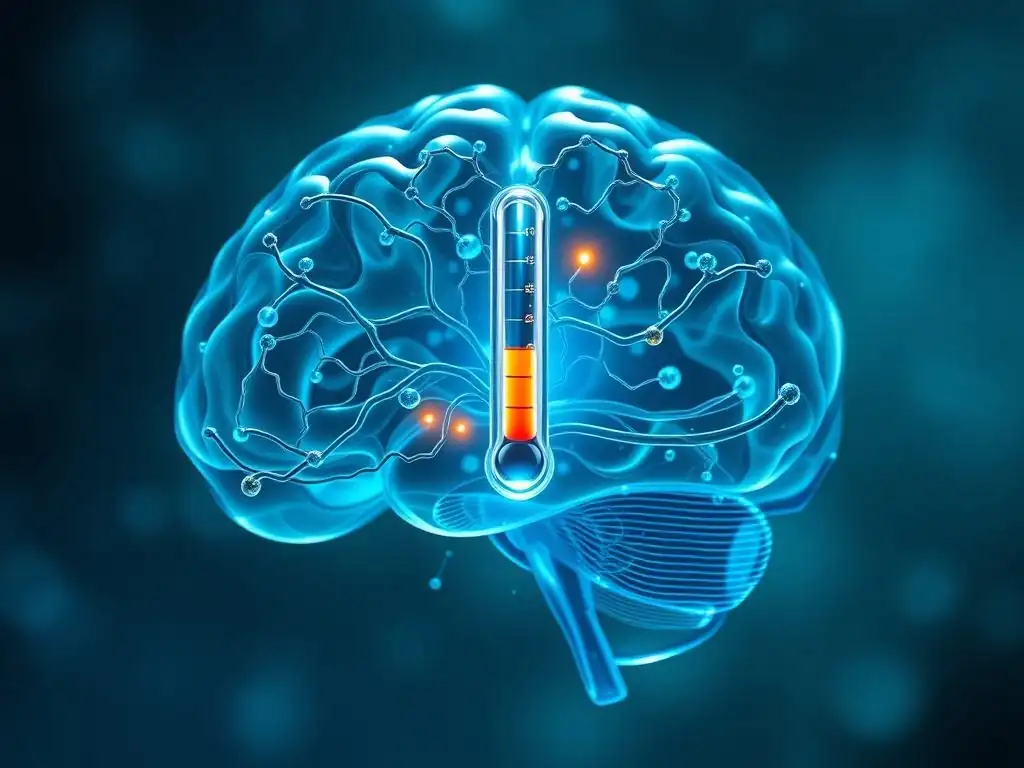
Welcome to Mind Care Guide, a sanctuary dedicated to your mental well-being.
Feeling like your emotions are on a rollercoaster? You're not alone. In this article, we delve into the fascinating world of understanding mood regulation chemistry, exploring how your brain's intricate system works to maintain emotional balance. Could the key to a brighter, more stable mood lie within the complex dance of neurotransmitters? Discover the answers and begin your journey towards a more regulated and fulfilling life. Read on to unlock the secrets of your brain's emotional thermostat!
The Brain's Emotional Thermostat: Neurochemistry and Mood Regulation
- Understanding Mood Regulation Chemistry
- The Key Players: Neurotransmitters and Mood
- The Brain's Reward System and Mood Regulation
- Hormones and Their Impact on Emotional Stability
- The Gut-Brain Connection and Mood Regulation
- Factors Affecting Mood Regulation Chemistry
- Strategies for Optimizing Mood Regulation Chemistry
- The Future of Mood Regulation Research
- Conclusion: Taking Control of Your Emotional Thermostat
-
Frequently Asked Questions
- What is the role of neurochemistry in mood regulation?
- How does the brain's "emotional thermostat" work in relation to mood?
- What are some common neurotransmitters involved in mood regulation, and what do they do?
- What happens when the neurochemistry of mood regulation is disrupted?
- What are some strategies to support healthy mood regulation chemistry?
- Final Reflection: Reclaiming Control: Your Brain's Emotional Thermostat
- Unlock Your Inner Calm: Take Control of Your Mood
Understanding Mood Regulation Chemistry
The Importance of Neurochemistry in Emotional Wellbeing
Our emotional landscape, from fleeting moments of joy to persistent feelings of sadness or anxiety, is intricately linked to the complex chemical symphony occurring within our brains. This symphony involves a delicate balance of neurotransmitters, hormones, and neural pathways that collectively act as the brain's emotional thermostat, constantly adjusting our internal state in response to internal and external stimuli.
Understanding mood regulation chemistry is fundamental because it provides insight into the biological underpinnings of emotional health and offers potential avenues for intervention when this system goes awry. When this intricate chemical balance is disrupted, it can significantly impact mood, energy levels, sleep patterns, and overall quality of life, contributing to the development of various mood disorders.
Research in neuropsychology continually highlights the critical role of specific brain chemicals in maintaining emotional stability. For instance, studies utilizing PET scans and fMRI have shown altered activity in brain regions like the prefrontal cortex and amygdala in individuals with depression or anxiety, often correlating with dysregulation in neurotransmitter systems. Approximations from clinical data suggest that millions worldwide experience mood challenges that are, at least in part, influenced by neurochemical factors.
Recognizing this connection helps destigmatize mood disorders by framing them as physiological conditions, much like diabetes or heart disease, which require understanding and appropriate treatment. This perspective is vital for fostering empathy and encouraging individuals to seek help without shame.
A Holistic View of Mood Disorders
Viewing mood disorders solely through a neurochemical lens would be incomplete. While brain chemistry is undeniably a major player in understanding mood regulation chemistry, a holistic perspective acknowledges the multifaceted nature of these conditions. Mood disorders, such as major depressive disorder, bipolar disorder, and persistent depressive disorder, arise from a complex interplay of genetic predispositions, environmental factors, psychological experiences, and social circumstances, in addition to neurobiological factors. For example, a person might have a genetic vulnerability impacting serotonin transporter function, but the onset of depression might be triggered by a significant life stressor, such as job loss or bereavement.
Therefore, truly understanding mood regulation chemistry requires considering how these biological mechanisms interact with psychosocial elements. Trauma, chronic stress, lifestyle choices (like diet and exercise), sleep deprivation, and even gut health can all influence brain chemistry and neural circuitry involved in mood. Clinical approaches that achieve the most significant and sustainable improvements often integrate multiple therapeutic modalities, including pharmacological treatments targeting neurochemical imbalances, psychotherapy addressing cognitive and behavioral patterns, and lifestyle adjustments promoting overall well-being. This integrated approach reflects the reality that mood disorders are not simply a "chemical imbalance" but complex conditions requiring comprehensive care.
The Key Players: Neurotransmitters and Mood
Serotonin: The Mood Stabilizer
How Serotonin Influences Emotional Balance
Serotonin, chemically known as 5-hydroxytryptamine (5-HT), is a crucial neurotransmitter widely associated with feelings of well-being and happiness. It plays a significant role in regulating mood, sleep, appetite, digestion, learning ability, and memory. Within the brain, serotonin acts in various regions, including the limbic system, which is heavily involved in emotional processing.
Its influence on emotional balance stems from its ability to modulate neural circuits related to anxiety, fear, and overall emotional reactivity. When serotonin levels are adequate and its signaling pathways function correctly, individuals tend to experience greater emotional stability, resilience to stress, and a general sense of contentment.
Beyond its direct impact on mood, serotonin also interacts with other neurotransmitter systems, further influencing emotional states. For instance, it can modulate the release of dopamine and norepinephrine, indirectly affecting motivation, energy levels, and alertness. Approximately 90% of the body's serotonin is actually found in the gut, where it regulates digestion, but the 10% in the brain is critical for its psychoactive effects. The complexity of serotonin's actions highlights why understanding mood regulation chemistry often starts with this key molecule. Its widespread influence means that disruptions in its system can have ripple effects across multiple physiological and psychological functions.
Serotonin Deficiency and Mood Disorders
Low levels of serotonin or impaired serotonin signaling are strongly implicated in several mood disorders, most notably major depressive disorder and certain anxiety disorders. While it's simplistic to say depression is just caused by low serotonin, research consistently shows that many individuals experiencing depression exhibit reduced serotonin activity in key brain areas. This deficiency can manifest as persistent sadness, loss of interest or pleasure (anhedonia), irritability, sleep disturbances (insomnia or hypersomnia), changes in appetite, and feelings of worthlessness or guilt.
Pharmaceutical interventions targeting the serotonin system, such as Selective Serotonin Reuptake Inhibitors (SSRIs), are among the most common treatments for depression and anxiety. SSRIs work by blocking the reabsorption of serotonin in the brain, increasing the amount of available serotonin in the synaptic cleft, thereby enhancing its signaling.
Clinical trials have shown that SSRIs can be effective in reducing symptoms in a significant percentage of patients, though response varies. For example, studies often report that around 40-60% of patients with moderate to severe depression show a positive response to initial antidepressant treatment, many of which target serotonin pathways, underscoring the link between this neurotransmitter and mood regulation chemistry.
Dopamine: Motivation, Reward, and Emotional Drive
Dopamine's Role in Pleasure and Motivation
Dopamine is often dubbed the "reward" or "pleasure" neurotransmitter, but its role in mood and behavior is far more complex. It is a central component of the brain's reward system, influencing motivation, goal-directed behavior, learning, and the experience of pleasure. When we engage in activities that are rewarding, whether it's eating a delicious meal, achieving a goal, or interacting socially, dopamine is released in specific brain regions, reinforcing those behaviors and motivating us to repeat them. This system is crucial for survival and learning, driving us to seek out resources and positive experiences.
Beyond reward, dopamine is also involved in motor control, attention, and executive functions. Its pathways, particularly those projecting from the ventral tegmental area (VTA) and substantia nigra, are vital for initiating and sustaining motivated action. A healthy dopamine system contributes to feelings of vitality, interest in life, and the drive to pursue goals. It provides the 'push' that complements the 'stability' offered by serotonin, illustrating another layer in understanding mood regulation chemistry. Disruptions in this system can profoundly impact not just mood but also energy and motivation levels.
Dopamine Imbalances and Their Impact on Mood
Dysregulation of the dopamine system is linked to a range of conditions, including addiction, Parkinson's disease, and also significantly impacts mood. Both excessively high and low dopamine levels, or issues with dopamine receptors, can contribute to mood challenges. Low dopamine activity is associated with symptoms of depression, particularly those related to anhedonia (inability to feel pleasure), lack of motivation, fatigue, and difficulty concentrating. This explains why some individuals with depression struggle with listlessness and a profound lack of interest in activities they once enjoyed.
Conversely, imbalances in dopamine signaling are also implicated in the manic episodes characteristic of bipolar disorder. During mania, individuals may experience excessive energy, impulsivity, elevated mood (sometimes to the point of irritability), and heightened reward-seeking behavior, which can be linked to dysregulated dopamine surges. Furthermore, conditions like ADHD, often associated with dopamine dysregulation in attention and executive function pathways, frequently co-occur with mood and anxiety disorders. Approximately 30-50% of adults with ADHD also experience a mood disorder, highlighting the interconnectedness of neurochemical systems in understanding mood regulation chemistry.
Norepinephrine: Alertness, Energy, and Emotional Response
Norepinephrine's Influence on Focus and Attention
Norepinephrine (also known as noradrenaline) is both a neurotransmitter and a hormone, playing a key role in the body's "fight or flight" response. Within the brain, it's primarily involved in regulating alertness, arousal, attention, and the stress response. Produced in the locus coeruleus, a small brain region, norepinephrine is released throughout the brain to prepare the body and mind for action. It helps sharpen focus, increase vigilance, and mobilize energy resources. This function is critical for responding to challenging situations, learning new information, and maintaining concentration on tasks.
A well-functioning norepinephrine system allows us to feel energized, focused, and ready to engage with the world. It contributes to sustained attention and the ability to filter out distractions. Its influence on arousal levels means it significantly impacts our energy and wakefulness. Understanding mood regulation chemistry must include norepinephrine, as its activity level directly affects our capacity to feel energetic and engaged, which are often compromised in mood disorders. For example, the inability to concentrate or feelings of low energy are common symptoms of depression linked to norepinephrine dysregulation.
Norepinephrine Dysregulation and Mood Swings
Imbalances in norepinephrine levels or signaling are strongly associated with mood disorders, particularly depression and bipolar disorder. Low levels of norepinephrine can contribute to symptoms of depression such as fatigue, lack of energy, difficulty concentrating, and psychomotor retardation (slowed movements and speech). Many antidepressant medications, known as Serotonin-Norepinephrine Reuptake Inhibitors (SNRIs), target both serotonin and norepinephrine pathways to alleviate these symptoms, suggesting the combined importance of these neurotransmitters.
On the other hand, excessive norepinephrine activity can lead to feelings of anxiety, restlessness, irritability, and even panic. In bipolar disorder, fluctuations in norepinephrine levels are thought to contribute to the shifts between depressive and manic or hypomanic states. High norepinephrine activity might be present during periods of heightened energy, reduced need for sleep, and rapid thoughts characteristic of mania. Clinical observations suggest that managing norepinephrine levels is a key strategy in stabilizing mood in individuals with significant mood swings, reinforcing the value of understanding mood regulation chemistry at this level.
GABA: The Brain's Natural Calming Agent
GABA's Role in Reducing Anxiety and Stress
Gamma-aminobutyric acid (GABA) is the primary inhibitory neurotransmitter in the central nervous system. Unlike excitatory neurotransmitters that stimulate brain activity, GABA works to reduce or dampen neuronal excitability. It acts like a brake pedal in the brain, counterbalancing the excitatory signals from neurotransmitters like glutamate. This inhibitory function is crucial for regulating nerve cell communication and preventing the brain from becoming overstimulated. GABA's calming effect is particularly important in managing stress and anxiety.
By reducing excessive neuronal firing, GABA helps promote relaxation, reduces feelings of fear and apprehension, and can improve sleep quality. It plays a key role in the neural circuits involved in fear and anxiety responses, such as those in the amygdala. Medications used to treat anxiety, such as benzodiazepines, work by enhancing the effects of GABA at its receptors, thereby increasing its inhibitory influence. This mechanism highlights GABA's critical role in maintaining a state of calm and preventing the brain from entering a hyper-aroused state, which is central to understanding mood regulation chemistry, especially concerning anxiety.
GABA Deficiency and Increased Risk of Mood Instability
Deficiencies in GABA or impaired GABA signaling are associated with increased neuronal excitability, which can manifest as heightened anxiety, restlessness, and irritability. Research using neuroimaging techniques like magnetic resonance spectroscopy (MRS) has sometimes shown reduced GABA concentrations in certain brain regions, such as the prefrontal cortex, in individuals with anxiety disorders or major depressive disorder. This suggests that an insufficient amount of this calming neurotransmitter can make individuals more susceptible to experiencing overwhelming stress and emotional instability.
Furthermore, low GABA activity is linked to sleep disturbances, which are common symptoms of both anxiety and depression. The inability to "switch off" the mind due to insufficient inhibition can lead to rumination and difficulty falling or staying asleep. Approximations from studies indicate that individuals with panic disorder, a severe form of anxiety, may show altered GABA receptor sensitivity or availability. While the relationship is complex and not fully understood, the evidence strongly suggests that maintaining healthy GABA function is vital for emotional regulation and reducing the risk of mood instability.
The Brain's Reward System and Mood Regulation
How the Reward System Works
The brain's reward system is a network of structures and pathways responsible for mediating pleasure, motivation, and learning through reinforcement. At its core are the mesolimbic and mesocortical dopamine pathways, originating in the ventral tegmental area (VTA) and projecting to areas like the nucleus accumbens, amygdala, hippocampus, and prefrontal cortex. When a rewarding stimulus is encountered (e.g., food, social interaction, achievement), dopamine is released in the nucleus accumbens, signaling pleasure and reinforcing the behavior that led to the reward. This reinforces the connection between the stimulus, the behavior, and the positive feeling.
This system is fundamental to survival, driving us to seek out necessary resources and engage in activities that promote well-being. However, it is also the system implicated in addiction, where drugs hijack these pathways, leading to compulsive seeking. In the context of mood, a well-functioning reward system contributes to motivation, the ability to experience pleasure (hedonia), and a general sense of purpose. Understanding mood regulation chemistry involves recognizing how the function or dysfunction of this system directly impacts feelings of hope, interest, and vitality, which are often diminished in depression.
The Role of the Amygdala and Hippocampus in Emotional Processing
Beyond the primary reward pathways, other brain structures are crucial for processing and regulating emotions. The amygdala, a pair of almond-shaped structures deep within the temporal lobes, is central to processing emotions, particularly fear and threat detection. It plays a rapid, automatic role in assessing the emotional significance of stimuli and triggering appropriate responses, often before conscious awareness. Overactivity or dysregulation of the amygdala is frequently observed in anxiety disorders and can contribute to heightened fear responses and emotional reactivity, impacting overall emotional stability.
The hippocampus, adjacent to the amygdala, is vital for memory formation, particularly memories linked to emotions. It helps contextualize emotional experiences, allowing us to learn from past events and regulate our responses in the future. Chronic stress and mood disorders like depression can lead to structural changes in the hippocampus, such as reduced volume, which may impair memory function and the ability to regulate stress responses effectively. The interplay between the amygdala (rapid emotional reaction) and the hippocampus (contextual memory) is a key component in understanding mood regulation chemistry and how past experiences shape our present emotional responses.
Neuroplasticity and Mood Regulation: How the Brain Adapts
Neuroplasticity refers to the brain's remarkable ability to reorganize itself by forming new neural connections throughout life. This dynamic process allows the brain to adapt, learn, and recover from injury. In the context of mood regulation, neuroplasticity is incredibly important. Positive experiences, learning new skills, therapy, and even lifestyle changes can lead to structural and functional changes in brain regions involved in mood, such as the prefrontal cortex, hippocampus, and amygdala. For example, engaging in regular exercise has been shown to promote neurogenesis (the growth of new neurons) in the hippocampus.
Conversely, chronic stress, trauma, and untreated mood disorders can negatively impact neuroplasticity, potentially leading to maladaptive changes in neural circuits that perpetuate negative emotional states. However, the inherent plasticity of the brain also offers hope for recovery. Therapeutic interventions, including medication and psychotherapy, are believed to exert their effects, in part, by promoting positive neuroplastic changes, helping to rewire brain circuits involved in mood regulation. This underscores that while understanding mood regulation chemistry involves looking at specific chemicals, it also requires appreciating the brain's dynamic capacity for change and adaptation.
Hormones and Their Impact on Emotional Stability
Cortisol: The Stress Hormone
The Impact of Chronic Stress on Mood
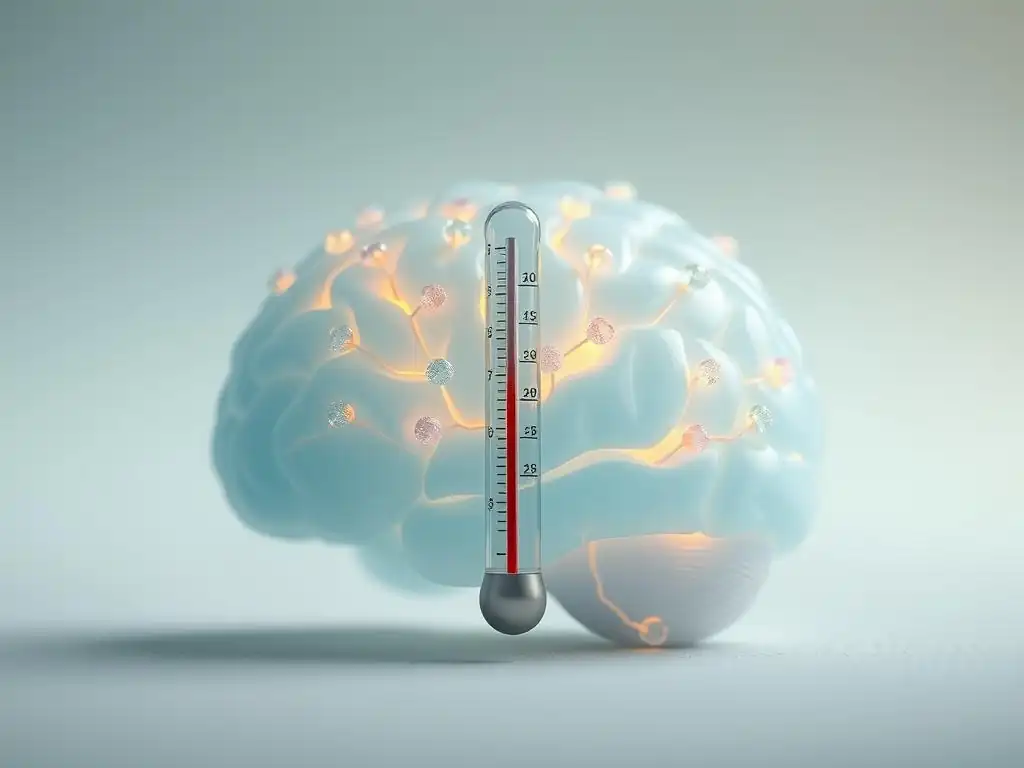
Cortisol is a glucocorticoid hormone produced by the adrenal glands in response to stress. It is a primary component of the hypothalamic-pituitary-adrenal (HPA) axis, the body's central stress response system. In acute stress situations, cortisol helps the body mobilize energy and resources to deal with the threat. However, when stress becomes chronic, the HPA axis can become dysregulated, leading to persistently elevated cortisol levels. This chronic exposure to high cortisol can have detrimental effects on the brain and body, significantly impacting mood.
High cortisol levels are consistently linked to an increased risk of depression and anxiety. Chronic stress and elevated cortisol can impair the function of the prefrontal cortex (involved in decision-making and emotional regulation) and reduce the size of the hippocampus (involved in memory and stress response).
This can lead to difficulties managing emotions, increased anxiety, impaired cognitive function, and contribute to depressive symptoms like fatigue and anhedonia. Studies have shown that individuals with depression often exhibit hyperactivation of the HPA axis and elevated cortisol levels, sometimes up to 50% higher than healthy controls, illustrating a clear link between hormonal balance and understanding mood regulation chemistry.
Managing Cortisol Levels for Better Emotional Health
Given the significant impact of cortisol on mood, strategies aimed at managing stress and regulating cortisol levels are crucial for emotional health. Techniques that activate the parasympathetic nervous system, the body's "rest and digest" system, can help counteract the effects of the stress response. These include mindfulness meditation, deep breathing exercises, yoga, and spending time in nature. Regular physical exercise is also highly effective at both reducing stress and helping to regulate the HPA axis over time.
Adequate sleep is another critical factor; chronic sleep deprivation is known to increase cortisol levels. Prioritizing consistent, quality sleep can help normalize the HPA axis function. Dietary choices also play a role; reducing intake of processed foods, sugar, and excessive caffeine while focusing on nutrient-dense whole foods can support overall stress resilience. By actively incorporating stress management techniques and healthy lifestyle habits, individuals can potentially lower chronically elevated cortisol levels, thereby supporting healthier brain chemistry and improving their emotional thermostat's function. This proactive approach is key in understanding mood regulation chemistry from a holistic perspective.
Thyroid Hormones and Mental Wellbeing
Hypothyroidism and Mood Disorders
The thyroid gland, located in the neck, produces hormones (primarily thyroxine or T4 and triiodothyronine or T3) that regulate metabolism throughout the body, including the brain. These hormones influence energy levels, body temperature, heart rate, and also play a significant role in brain development and function. When the thyroid gland is underactive, a condition known as hypothyroidism, it means insufficient thyroid hormones are being produced. This metabolic slowdown can have profound effects on mental wellbeing and is strongly associated with mood disorders.
Symptoms of hypothyroidism often overlap with those of depression, including fatigue, weight gain, difficulty concentrating, memory problems, and persistent low mood. In fact, depression is one of the most common psychiatric manifestations of hypothyroidism, affecting an estimated 40-60% of individuals with the condition. The link is so strong that thyroid function tests are often part of the diagnostic workup for suspected mood disorders. Correcting thyroid hormone levels through medication can significantly alleviate depressive symptoms in individuals whose mood issues are related to thyroid dysfunction, highlighting the importance of endocrine balance in understanding mood regulation chemistry.
The Importance of Thyroid Function for Emotional Stability
Optimal thyroid function is essential for maintaining stable mood and cognitive function. Thyroid hormones influence neurotransmitter systems, including serotonin and norepinephrine, which are critical for mood regulation. They also impact brain energy metabolism and neurogenesis. Even subclinical hypothyroidism (mildly elevated TSH with normal T4/T3) has been associated with an increased risk of depressive symptoms in some populations.
Ensuring proper thyroid function through regular medical check-ups and appropriate treatment if necessary is a vital step in managing overall health and emotional stability. For individuals experiencing persistent fatigue, low mood, or other depressive symptoms, especially alongside other physical signs like unexplained weight changes or sensitivity to cold, checking thyroid levels is a crucial diagnostic step. This connection underscores that understanding mood regulation chemistry extends beyond just neurotransmitters to encompass the broader hormonal environment of the body.
The Gut-Brain Connection and Mood Regulation
The Microbiome's Influence on Brain Chemistry
Emerging research has revealed a fascinating and complex bidirectional communication pathway between the gut and the brain, often referred to as the gut-brain axis. The gut is home to trillions of microorganisms, collectively known as the gut microbiome, which play a far more significant role in our health than previously understood. These microbes produce various metabolites, including short-chain fatty acids (SCFAs), and can influence the production of neurotransmitters and other neuroactive compounds, thereby impacting brain chemistry and mood.
The gut microbiome can influence brain function through several pathways: producing neurotransmitters (like serotonin and GABA), modulating the immune system (which can affect brain inflammation), producing SCFAs (which nourish gut cells and can cross the blood-brain barrier), and influencing the vagus nerve, a major communication highway between the gut and the brain. Studies in both animals and humans have shown that altering the composition of the gut microbiome can affect behavior, stress response, and mood.
For instance, research suggests that certain beneficial gut bacteria can increase levels of GABA, the calming neurotransmitter, contributing to reduced anxiety. This highlights the growing importance of the gut in understanding mood regulation chemistry.
How Gut Health Affects Neurotransmitter Production
Remarkably, the gut is a major site of neurotransmitter production. As mentioned, approximately 90% of the body's serotonin is produced in the gut's enterochromaffin cells. While this gut-derived serotonin primarily affects gut motility, it also plays a role in signaling along the gut-brain axis. Furthermore, gut microbes themselves can produce neurotransmitters or their precursors. For example, Lactobacillus and Bifidobacterium species, commonly found in probiotics, can produce GABA. Certain Bacillus and Sergei species can produce dopamine and norepinephrine precursors.
Dysbiosis, an imbalance in the composition or function of the gut microbiome, has been linked to various health issues, including inflammatory bowel disease, irritable bowel syndrome (IBS), and also mood disorders. Studies have found differences in the gut microbiome composition of individuals with depression compared to healthy controls, often showing reduced diversity and altered levels of specific bacterial species. This suggests that disruptions in gut health can directly or indirectly impair the body's ability to produce or regulate neurochemicals crucial for mood, adding a significant layer to understanding mood regulation chemistry.
Dietary Strategies for Supporting Gut-Brain Health and Mood
Given the strong link between gut health and mood, dietary interventions aimed at supporting a healthy microbiome are gaining traction as complementary strategies for mood management. A diet rich in fiber, particularly fermentable fibers found in fruits, vegetables, legumes, and whole grains, feeds beneficial gut bacteria, promoting the production of beneficial SCFAs like butyrate, which has anti-inflammatory effects and supports gut barrier integrity.
Incorporating fermented foods like yogurt (with live cultures), kefir, sauerkraut, and kimchi can introduce beneficial bacteria directly into the gut. Prebiotic foods (like garlic, onions, bananas, and asparagus) that selectively feed beneficial bacteria are also helpful. Reducing intake of processed foods, high sugar, and unhealthy fats can help prevent dysbiosis. While research is ongoing, focusing on a diverse, plant-rich diet that supports a healthy gut microbiome is a promising lifestyle approach for positively influencing brain chemistry and supporting emotional well-being, contributing to a holistic understanding mood regulation chemistry.
Factors Affecting Mood Regulation Chemistry
Genetic Predisposition and Mood
Genetics plays a significant role in influencing an individual's susceptibility to mood disorders and their underlying neurochemistry. We inherit genes that affect the production, transport, and receptor sensitivity of various neurotransmitters like serotonin, dopamine, and norepinephrine. For example, variations in the gene encoding the serotonin transporter (5-HTT) have been studied extensively for their potential link to anxiety and depression, although the relationship is complex and interacts with environmental factors. Similarly, genes involved in dopamine signaling or the HPA axis function can influence how an individual responds to stress and their baseline mood state.
While genetics can load the gun, environmental factors often pull the trigger. A genetic predisposition doesn't guarantee the development of a mood disorder, but it can increase vulnerability. Understanding this genetic component helps in recognizing individual differences in how people experience and respond to stress and treatment.
It also underscores why mood disorders can run in families. Approximations from twin and family studies suggest that genetic factors account for roughly 30-50% of the risk for developing major depressive disorder and a higher percentage for bipolar disorder, highlighting the substantial, though not exclusive, role of heredity in understanding mood regulation chemistry vulnerabilities.
Environmental Influences on Brain Chemistry
Environmental factors exert a powerful influence on brain chemistry and can significantly impact mood regulation throughout life. Chronic stress, adverse childhood experiences (ACEs), trauma, exposure to toxins, and even social isolation can alter the structure and function of the brain, affecting neurotransmitter systems and stress response pathways. For instance, early life stress can lead to long-lasting changes in the HPA axis, making individuals more reactive to stress later in life and increasing vulnerability to mood disorders.
The environment interacts with genetic predispositions in complex ways. This gene-environment interaction helps explain why some individuals exposed to significant stress develop mood disorders while others do not. Positive environmental factors, such as supportive relationships, engaging in enjoyable activities, and access to resources, can act as protective factors, promoting resilience and positively influencing brain chemistry. This dynamic interaction between our internal biological makeup and the external world is a critical piece in the puzzle of understanding mood regulation chemistry and developing effective prevention and intervention strategies.
Lifestyle Choices and Their Impact on Mood
Our daily habits and lifestyle choices have a profound and cumulative impact on our brain chemistry and emotional well-being. Factors such as sleep patterns, diet, physical activity levels, substance use, and social engagement all directly or indirectly influence neurotransmitter levels, hormonal balance, and neuroplasticity. Chronic sleep deprivation, for example, can disrupt the delicate balance of serotonin, dopamine, and norepinephrine, impairing mood regulation and increasing irritability and anxiety.
Poor diet, particularly one high in processed foods and sugar, can negatively impact gut health, inflammation, and blood sugar regulation, all of which can affect brain function and mood. Conversely, regular aerobic exercise has been shown to increase the production of endorphins (natural mood boosters), promote neurogenesis, and improve the regulation of stress hormones. Limiting alcohol and recreational drug use is also crucial, as these substances can significantly disrupt neurotransmitter systems and exacerbate mood instability. Making conscious, positive lifestyle choices is a powerful tool for optimizing brain chemistry and actively participating in understanding mood regulation chemistry.
**Key Lifestyle Factors for Mood:**

*   **Sleep:** Aim for 7-9 hours per night.
*   **Diet:** Focus on whole foods, fiber, and healthy fats.
*   **Exercise:** Engage in regular physical activity (e.g., 150 mins moderate per week).
*   **Social Connection:** Maintain meaningful relationships.
*   **Stress Management:** Practice relaxation techniques.
Strategies for Optimizing Mood Regulation Chemistry
Pharmaceutical Interventions for Mood Disorders
For many individuals struggling with moderate to severe mood disorders, pharmaceutical interventions are a critical component of treatment. Medications like antidepressants, mood stabilizers, and anti-anxiety drugs are designed to target specific neurochemical imbalances believed to contribute to symptoms. SSRIs (Selective Serotonin Reuptake Inhibitors) and SNRIs (Serotonin-Norepinephrine Reuptake Inhibitors) are common antidepressants that increase the availability of serotonin and/or norepinephrine in the brain. Other classes include tricyclic antidepressants (TCAs) and MAOIs (Monoamine Oxidase Inhibitors), which affect multiple neurotransmitters.
Mood stabilizers, such as lithium or certain anticonvulsants, are primarily used to manage the extreme mood swings in bipolar disorder, although their precise mechanisms are still being fully elucidated; they are thought to influence ion channels and signaling pathways that affect neuronal excitability. Antipsychotic medications are sometimes used adjunctively, particularly in severe depression or bipolar disorder with psychotic features, and affect dopamine and serotonin receptors.
While effective for many, it's important to note that these medications don't work for everyone, and finding the right medication and dosage can take time. They are often most beneficial when used in combination with other therapies.
Cognitive Behavioral Therapy (CBT) and Neurochemical Changes
Psychotherapy, particularly Cognitive Behavioral Therapy (CBT), is a highly effective treatment for many mood disorders and is increasingly understood to induce positive changes in brain function and chemistry. CBT helps individuals identify and challenge negative thought patterns and behaviors that contribute to distress. By learning new ways of thinking and coping, individuals can alter their emotional responses and behavior.
Research using neuroimaging has shown that successful CBT treatment for depression and anxiety is associated with measurable changes in brain activity and connectivity in regions involved in emotional regulation, such as the prefrontal cortex and amygdala. While CBT doesn't directly alter neurotransmitter levels in the same way as medication, it is believed to promote neuroplasticity and strengthen neural pathways associated with more adaptive emotional processing.
This demonstrates that understanding mood regulation chemistry isn't just about chemicals; it's also about the functional wiring of the brain, which can be influenced by psychological interventions. Studies have shown that CBT can lead to similar improvements in brain activity patterns as medication in some cases of depression.
Mindfulness and Meditation for Emotional Regulation
Mindfulness and meditation practices, which involve focusing attention on the present moment without judgment, have gained significant recognition for their positive impact on emotional well-being. Regular mindfulness practice is associated with changes in brain structure and function that support improved emotional regulation. These changes include increased gray matter density in areas like the prefrontal cortex and hippocampus, and decreased activity in the amygdala.
From a neurochemical perspective, mindfulness and meditation may influence the balance of neurotransmitters and stress hormones. Practicing these techniques can help calm the nervous system, potentially reducing the release of cortisol and norepinephrine in response to stress. Some studies suggest that mindfulness can enhance GABA activity, contributing to feelings of calm. Furthermore, by cultivating greater awareness of thoughts and feelings without being overwhelmed by them, individuals develop a greater capacity to regulate their emotional responses, effectively retraining their brain's emotional thermostat. This self-directed approach offers a powerful way of influencing understanding mood regulation chemistry through behavioral practice.
Exercise and Its Impact on Brain Chemistry
Physical exercise is one of the most potent lifestyle interventions for improving mood and mental health, with well-documented effects on brain chemistry. Engaging in regular aerobic exercise triggers the release of endorphins, which are natural opioids that produce feelings of pleasure and can reduce pain. Beyond the immediate endorphin rush, long-term exercise promotes significant neurochemical and structural changes.
Exercise increases the production of brain-derived neurotrophic factor (BDNF), a protein that supports the growth, survival, and function of neurons. BDNF is crucial for neuroplasticity and has been found to be lower in individuals with depression. Regular physical activity also helps regulate the HPA axis, reducing chronic stress and lowering cortisol levels.
Furthermore, exercise can improve sleep quality and increase levels of neurotransmitters like serotonin, dopamine, and norepinephrine, all of which are vital for mood regulation. Approximations from meta-analyses suggest that exercise can be as effective as antidepressants for mild to moderate depression, highlighting its significant role in understanding mood regulation chemistry and improving it naturally.
Diet and Nutrition for Mood Enhancement
Nutrition plays a foundational role in brain health and mood regulation chemistry. The brain requires a steady supply of specific nutrients to synthesize neurotransmitters, maintain cellular structure, and regulate energy metabolism. Deficiencies in certain vitamins and minerals, such as B vitamins, omega-3 fatty acids, vitamin D, magnesium, and zinc, have been linked to an increased risk of depression and anxiety. Omega-3 fatty acids, found abundantly in fatty fish, are crucial components of brain cell membranes and have anti-inflammatory properties that may benefit mood.
A diet rich in whole foods, including fruits, vegetables, lean proteins, and healthy fats, provides the necessary building blocks for optimal brain function. As discussed earlier, a fiber-rich diet supports a healthy gut microbiome, which in turn influences neurotransmitter production and reduces inflammation. Maintaining stable blood sugar levels through balanced meals can also prevent mood swings and irritability. While diet alone may not cure a mood disorder, optimizing nutrition provides essential support for the brain's chemical processes, contributing to a healthier emotional thermostat. Understanding mood regulation chemistry includes recognizing the profound impact of what we eat.
The Future of Mood Regulation Research
Emerging Therapies for Mood Disorders
Research into understanding mood regulation chemistry is constantly evolving, leading to the development of promising new therapies for mood disorders. Beyond traditional antidepressants, novel approaches are being explored. Ketamine, originally an anesthetic, has shown rapid antidepressant effects in individuals with treatment-resistant depression, working through mechanisms involving glutamate, the brain's primary excitatory neurotransmitter, and promoting synaptic plasticity. Psilocybin, the active compound in "magic mushrooms," and MDMA are also being investigated in controlled clinical settings for their potential to treat depression and PTSD, respectively, by affecting serotonin and other systems in ways that facilitate therapeutic breakthroughs.
Other emerging therapies include transcranial magnetic stimulation (TMS) and deep brain stimulation (DBS), non-invasive or invasive techniques that use magnetic fields or electrodes to modulate activity in specific brain regions involved in mood circuits. These approaches offer alternatives for individuals who do not respond to medication or therapy and represent efforts to directly influence the neural basis of mood regulation chemistry. Research continues to refine these techniques and identify which individuals are most likely to benefit.
Personalized Medicine and Brain Chemistry
The future of treating mood disorders is increasingly moving towards personalized medicine, recognizing that "one size fits all" approaches are often insufficient. Understanding the unique neurochemical profile and genetic predispositions of an individual could lead to more targeted and effective treatments. Pharmacogenomics, the study of how genes influence a person's response to drugs, is gaining traction. Genetic tests can provide insights into how an individual might metabolize certain antidepressants or how their neurotransmitter systems are genetically wired, potentially helping clinicians choose the most appropriate medication from the outset and optimize dosage.
Beyond genetics, future personalized approaches might incorporate detailed neuroimaging data, assessments of the gut microbiome composition, and even wearable technology to track physiological markers related to stress and mood. By integrating data from multiple sources – genetics, brain imaging, gut health, lifestyle, and environmental factors – clinicians could develop highly individualized treatment plans that address the specific underlying neurochemical and biological imbalances contributing to a person's mood disorder. This represents a significant leap forward in understanding mood regulation chemistry at an individual level.
The Potential of Neurofeedback for Mood Regulation
Neurofeedback is a type of biofeedback that provides real-time information about brain activity, typically using electroencephalography (EEG). The goal is to teach individuals how to voluntarily regulate their brainwave patterns. For mood regulation, neurofeedback training might involve learning to increase activity in brain regions associated with positive mood or decrease activity in areas linked to anxiety or rumination. For example, training might focus on increasing alpha or theta wave activity associated with relaxation or reducing beta wave activity associated with anxiety.
While still considered an emerging therapy for many mood disorders, preliminary research suggests that neurofeedback holds promise, particularly for conditions like anxiety and ADHD, which often co-occur with mood challenges. By providing direct feedback on brain activity, individuals can learn strategies to shift their neural patterns towards a state that supports better emotional regulation. This approach offers a non-pharmacological way to directly influence brain function, adding another dimension to the various strategies for understanding mood regulation chemistry and actively influencing it.
Conclusion: Taking Control of Your Emotional Thermostat
Understanding mood regulation chemistry reveals the intricate biological foundation of our emotional lives. It highlights the critical roles played by neurotransmitters like serotonin, dopamine, norepinephrine, and GABA, the influence of hormones like cortisol and thyroid hormones, and the surprising impact of the gut microbiome. While complex, this knowledge empowers us to see that mood is not simply a matter of willpower but is deeply rooted in brain function, influenced by a confluence of genetic, environmental, and lifestyle factors.
Recognizing the biological basis of mood disorders is crucial for reducing stigma and encouraging individuals to seek the help they need. It underscores that experiencing a mood disorder is not a personal failing but a health challenge influenced by intricate biological processes.
The Importance of Seeking Professional Help
If you are experiencing persistent symptoms of a mood disorder – such as prolonged sadness, loss of interest, significant changes in sleep or appetite, excessive worry, or extreme mood swings – seeking professional help is the most important step you can take. Mental health professionals, including psychiatrists, psychologists, therapists, and counselors, are equipped to provide accurate diagnosis and evidence-based treatments. They can assess your individual situation, consider the potential biological, psychological, and social factors contributing to your difficulties, and recommend a tailored treatment plan.
Treatment for mood disorders often involves a combination of approaches, which may include psychotherapy (like CBT or interpersonal therapy), medication targeting specific neurochemical imbalances, and lifestyle recommendations. A professional can help you navigate these options safely and effectively. Trying to manage significant mood challenges alone can be overwhelming and delay recovery. Remember, seeking help is a sign of strength and self-care.
Resources for Managing Mood Disorders
Managing a mood disorder is an ongoing process that often involves utilizing a range of resources. In addition to professional help, there are many strategies and resources that can support your journey towards better emotional health:
- Task List:
- Consult with a primary care physician to rule out underlying medical conditions (like thyroid issues).
- Seek a diagnosis from a mental health professional.
- Explore different types of therapy (CBT, DBT, ACT, etc.) to find what resonates.
- Discuss medication options with a psychiatrist if appropriate.
- Implement lifestyle changes: prioritize sleep, balanced nutrition, regular exercise.
- Practice stress-reduction techniques (mindfulness, meditation, yoga).
- Build a strong social support network.
- Educate yourself about your specific condition (understanding mood regulation chemistry related to your diagnosis).
- Consider support groups for shared experiences and encouragement.
Taking an active role in understanding mood regulation chemistry and utilizing available resources can make a significant difference in managing symptoms and improving your overall quality of life. Recovery is possible, and a combination of professional support, self-care strategies, and a deeper understanding of your brain's emotional thermostat can pave the way towards greater emotional stability and well-being.
Frequently Asked Questions
What is the role of neurochemistry in mood regulation?
Neurochemistry plays a critical role by utilizing neurotransmitters like serotonin and dopamine to transmit signals affecting mood. These chemicals act as the brain's messengers, influencing feelings of happiness, sadness, and anxiety.
How does the brain's "emotional thermostat" work in relation to mood?
The "emotional thermostat" refers to the brain's complex system of regulating emotions and maintaining a stable mood. It involves intricate feedback loops and the interaction of various brain regions, ensuring a balanced emotional state.
What are some common neurotransmitters involved in mood regulation, and what do they do?
Key neurotransmitters include serotonin (affecting mood, sleep, and appetite), dopamine (associated with pleasure and reward), and norepinephrine (involved in alertness and energy). Imbalances in these chemicals can contribute to mood disorders.
What happens when the neurochemistry of mood regulation is disrupted?
Disruptions in neurochemistry can lead to various mental health challenges, such as depression, anxiety disorders, and bipolar disorder. These imbalances can affect how individuals experience and process emotions.
What are some strategies to support healthy mood regulation chemistry?
Strategies include maintaining a balanced diet, engaging in regular exercise, practicing stress management techniques, and seeking professional help when needed. These approaches can positively impact neurotransmitter function.
Final Reflection: Reclaiming Control: Your Brain's Emotional Thermostat
Understanding the neurochemistry of mood regulation isn't just an academic pursuit; it's the key to unlocking a more fulfilling and emotionally resilient life. The intricate dance of neurotransmitters like serotonin, dopamine, and norepinephrine profoundly impacts our daily experiences, shaping our responses to stress, joy, and everything in between. This knowledge empowers us to take a proactive role in managing our emotional well-being, moving beyond passive acceptance of mood fluctuations.
The exploration of this complex interplay between brain chemistry and emotional state has profoundly impacted my understanding of mental health, shifting my perspective from a purely psychological framework to one that embraces the biological underpinnings of our emotions. The mind is not a vessel to be filled, but a fire to be kindled.
– Plutarch. This quote resonates deeply, highlighting the active, dynamic nature of our emotional landscape, a landscape we can learn to navigate with greater awareness and intention through understanding its chemical foundations. The ongoing research in this field continues to illuminate the pathways to improved mental health, offering hope and practical strategies for managing challenging emotions.
You now possess a deeper understanding of the intricate mechanisms governing your moods. This knowledge is not simply information; it's a tool. Consider how you can apply this newfound understanding to your daily life. What small changes can you make to support your brain's natural chemistry? Perhaps it's incorporating regular exercise, prioritizing sleep, or exploring mindfulness techniques. Remember, you are not at the mercy of your neurochemistry; you are its conductor. Take charge of your emotional thermostat and cultivate a life filled with greater emotional balance and well-being.
Here's a Call to Action (CTA) for an article titled "The Brain's Emotional Thermostat: Neurochemistry and Mood Regulation" on MindCareGuide.org:
Unlock Your Inner Calm: Take Control of Your Mood
Thanks for exploring the fascinating world of neurochemistry and its impact on your mood! You've now gained valuable insights into how your brain regulates emotions. Let's put this knowledge into action.
- Prioritize one small self-care practice: This could be anything from a 10-minute meditation to a mindful walk in nature. Even small changes can make a big difference in your emotional balance.
- Share this article with a friend: Spread the word about the power of understanding your brain's emotional processes – you might help them discover a path to greater well-being!
- Explore our resources on stress management: Delve deeper into techniques like breathwork and cognitive behavioral therapy to enhance your emotional regulation skills. (Note: This action would link to other relevant pages on the MindCareGuide.org website, which is not possible here.)
Ready to make a positive shift in your emotional landscape? What small step will you take today to nurture your inner calm?