
Fighting Depression: How Yoga Can Be Your Ally


Welcome to Mind Care Guide, where your journey to mental well-being takes center stage.
Feeling overwhelmed by the shadows of depression? You're not alone. Discover how simple, mindful movements can be a powerful ally in your fight. Dive into our guide on Yoga for depression relief and explore practical techniques to reclaim your inner peace and find a path towards lasting healing. Ready to begin?
Fighting Depression: How Yoga Can Be Your Ally
- Introduction: Yoga for Depression Relief - Finding Your Path to Healing
- Understanding the Connection: Depression and the Mind-Body Link
-
Yoga Styles for Depression Relief: Choosing the Right Practice
- Hatha Yoga: Gentle Movement for Emotional Balance
- Restorative Yoga: Calming the Nervous System and Reducing Stress
- Yin Yoga: Releasing Tension and Promoting Emotional Release
- Vinyasa Yoga: Energizing the Body and Lifting the Mood
- Considerations for Choosing a Yoga Style Based on Physical Limitations and Preferences
- Key Yoga Poses for Combating Depression Symptoms
- Breathing Techniques (Pranayama) for Mood Enhancement
- Creating a Yoga Practice for Depression Relief
- Benefits of Yoga for Mental Health: Beyond Depression
- Integrating Yoga with Other Depression Treatments
- Precautions and Considerations: Practicing Yoga Safely
- Conclusion: Embracing Yoga as a Tool for Depression Management - A Journey to Well-being
-
Frequently Asked Questions
- How does yoga specifically help with depression?
- What types of yoga are most effective for depression relief?
- How often should I practice yoga to see a difference in my depression symptoms?
- Can yoga completely replace other forms of depression treatment?
- Are there any precautions I should take before starting yoga for depression?
- Final Reflection: Finding Inner Peace Through the Power of Yoga
- Unleash Your Inner Strength: Take the First Step Towards Well-being
Introduction: Yoga for Depression Relief - Finding Your Path to Healing
Depression is a complex mental health condition that affects millions worldwide, impacting not just emotional states but also physical health, thoughts, and behaviors. While traditional treatments like therapy and medication are crucial, many individuals seek complementary practices to support their journey towards healing and well-being. Yoga, an ancient practice combining physical postures, breathing techniques, and meditation, has emerged as a powerful tool in this context, offering a holistic approach to managing symptoms and fostering resilience. Exploring yoga for depression relief can open new pathways to feeling more grounded, centered, and hopeful.
This article delves into how incorporating yoga into your routine can serve as a valuable ally in fighting depression. We will explore the intricate connection between the mind and body, understanding how depression manifests and how yoga specifically targets these areas.
From gentle, calming styles to more dynamic practices, we'll discuss different types of yoga suitable for varying needs and energy levels, highlighting key poses and breathing techniques known for their mood-enhancing benefits. Furthermore, we'll cover practical aspects of starting a practice, integrating it with other treatments, and important precautions to ensure a safe and effective experience on your path to finding significant yoga for depression relief.
Understanding the Connection: Depression and the Mind-Body Link
The Impact of Depression on Physical and Mental Well-being
Depression is far more than just feeling sad; it's a systemic condition that profoundly affects both psychological and physiological functions. Mentally, it can manifest as persistent low mood, loss of interest or pleasure, feelings of worthlessness or guilt, difficulty concentrating, and even thoughts of self-harm. These cognitive symptoms often create a cycle of negative thinking and emotional distress, making even simple daily tasks feel overwhelming. The mental fog associated with depression can impair decision-making and memory, further isolating individuals and exacerbating feelings of hopelessness.
Physically, depression can lead to a range of debilitating symptoms. Many individuals experience chronic fatigue, changes in appetite leading to weight loss or gain, and sleep disturbances such as insomnia or excessive sleeping. Muscle aches, headaches, and digestive problems are also commonly reported, often without a clear medical cause.
The chronic stress response triggered by depression can elevate cortisol levels, impacting the immune system and increasing vulnerability to other health issues. This intricate interplay between mental and physical distress highlights why a holistic approach, like yoga for depression relief, is often beneficial, addressing symptoms across the entire spectrum of well-being.
How Yoga Addresses the Root Causes of Depression
Yoga's effectiveness in addressing depression stems from its ability to regulate the nervous system and balance neurochemicals. Practices involving mindful movement, controlled breathing, and meditation have been shown to reduce the activity of the sympathetic nervous system (responsible for the "fight or flight" response) and increase the activity of the parasympathetic nervous system (responsible for "rest and digest").
This shift helps lower cortisol and adrenaline levels, counteracting the chronic stress often associated with depression. A study published in the Journal of Alternative and Complementary Medicine in 2017, for example, indicated that participants who engaged in regular yoga practice showed significant reductions in depression scores compared to control groups, partly attributed to this physiological regulation.
Beyond physiological changes, yoga fosters a deeper connection with the present moment and encourages self-compassion. Depression often involves rumination on the past or anxiety about the future. The focus on breath and bodily sensations in yoga helps anchor awareness in the present, disrupting negative thought patterns.
This practice of mindfulness, cultivated through asana (poses) and pranayama (breathing), can increase self-awareness without judgment, allowing individuals to observe their thoughts and feelings from a distance rather than being consumed by them. This shift in perspective is a crucial element in finding lasting yoga for depression relief, empowering individuals to navigate difficult emotions with greater ease and acceptance.
Yoga Styles for Depression Relief: Choosing the Right Practice
Different styles of yoga offer unique benefits that can be particularly helpful for individuals seeking yoga for depression relief. The best choice often depends on an individual's current energy levels, physical condition, and personal preferences. Starting with a style that feels accessible and supportive is key to building a sustainable practice.
Hatha Yoga: Gentle Movement for Emotional Balance
Hatha yoga is a foundational style that typically involves holding postures for several breaths, focusing on alignment and linking movement with breath. It's often slower-paced than more dynamic styles, making it accessible for beginners or those with lower energy levels due to depression. The emphasis on holding poses allows for a deeper exploration of physical sensations and can help release stored tension in the body, which is often held unconsciously during periods of stress and low mood.
This gentle approach provides a stable platform for building body awareness without feeling overwhelmed. The deliberate pace encourages patience and self-observation. By focusing on simple, yet effective, postures and coordinating them with breath, Hatha yoga helps quiet the mental chatter that often accompanies depression, promoting a sense of calm and emotional balance. For someone starting their journey towards yoga for depression relief, Hatha offers a nurturing and non-intimidating entry point.
Restorative Yoga: Calming the Nervous System and Reducing Stress
Restorative yoga is characterized by long holds in a few simple poses, heavily supported by props like bolsters, blankets, and blocks. The goal is to achieve deep relaxation and allow the body to fully release tension without effort. This style is particularly beneficial for combating the chronic stress and fatigue associated with depression, as it activates the parasympathetic nervous system, promoting rest and recovery.
By minimizing physical exertion and maximizing comfort, restorative yoga creates a safe space for the nervous system to downregulate. Holding supported poses for 5-20 minutes allows the muscles to relax completely, signaling to the brain that it is safe to rest. This deep relaxation can significantly reduce cortisol levels and improve sleep quality, two areas often severely impacted by depression. Incorporating restorative yoga into a routine can be a powerful component of finding yoga for depression relief, offering profound physical and mental restoration.
Yin Yoga: Releasing Tension and Promoting Emotional Release
Yin yoga targets the deep connective tissues of the body – the fascia, ligaments, and joints – by holding passive poses for longer durations, typically 3 to 5 minutes or more. While the poses are often less intense than in active styles, the extended holds can be physically and emotionally challenging, bringing awareness to areas of chronic tension and potentially surfacing stored emotions.
The slow, deep nature of Yin yoga encourages introspection and mindfulness. By staying with discomfort (both physical and emotional) in a supported way, practitioners can learn to observe sensations and feelings without immediate reaction. This practice can be particularly effective in releasing emotional blockages held within the body's connective tissues. While it requires patience and a willingness to sit with stillness, Yin yoga can be a powerful practice for profound emotional release and finding deeper yoga for depression relief.
Vinyasa Yoga: Energizing the Body and Lifting the Mood
Vinyasa yoga, often called "flow" yoga, links breath to movement, transitioning smoothly from one pose to the next in a dynamic sequence. This style can be more physically demanding and faster-paced than Hatha or Restorative yoga, making it suitable for individuals who experience lethargy and lack of motivation as primary symptoms of depression. The rhythmic movement and focused breath can be meditative and help break through feelings of inertia.
The physical exertion in Vinyasa can release endorphins, natural mood boosters that can help counteract feelings of sadness and apathy. The focus required to move with the breath in a fluid sequence helps distract the mind from negative thought loops and promotes present moment awareness. While it might be too stimulating for someone experiencing high anxiety or severe fatigue, for others, the energizing and uplifting nature of Vinyasa can be a vital part of their journey towards yoga for depression relief.
Considerations for Choosing a Yoga Style Based on Physical Limitations and Preferences
Selecting the right yoga style for depression relief requires honest self-assessment regarding physical abilities and current emotional state. If you are experiencing significant fatigue, chronic pain, or physical limitations, gentler styles like Hatha or Restorative yoga might be more appropriate initially. These styles minimize physical strain while still offering benefits for the nervous system and stress reduction. It's important to start slowly and choose practices that feel nurturing rather than demanding.
Conversely, if depression manifests more as lethargy, apathy, and lack of motivation, a more dynamic style like Vinyasa could be beneficial for its energizing effects, provided there are no physical contraindications. Personal preference also plays a significant role; some individuals find solace in stillness, while others prefer the rhythmic flow of movement. Trying a few different styles, perhaps through introductory classes or online resources designed for mental health, can help determine which practice resonates most deeply and offers the most effective yoga for depression relief for your unique needs.
Key Yoga Poses for Combating Depression Symptoms
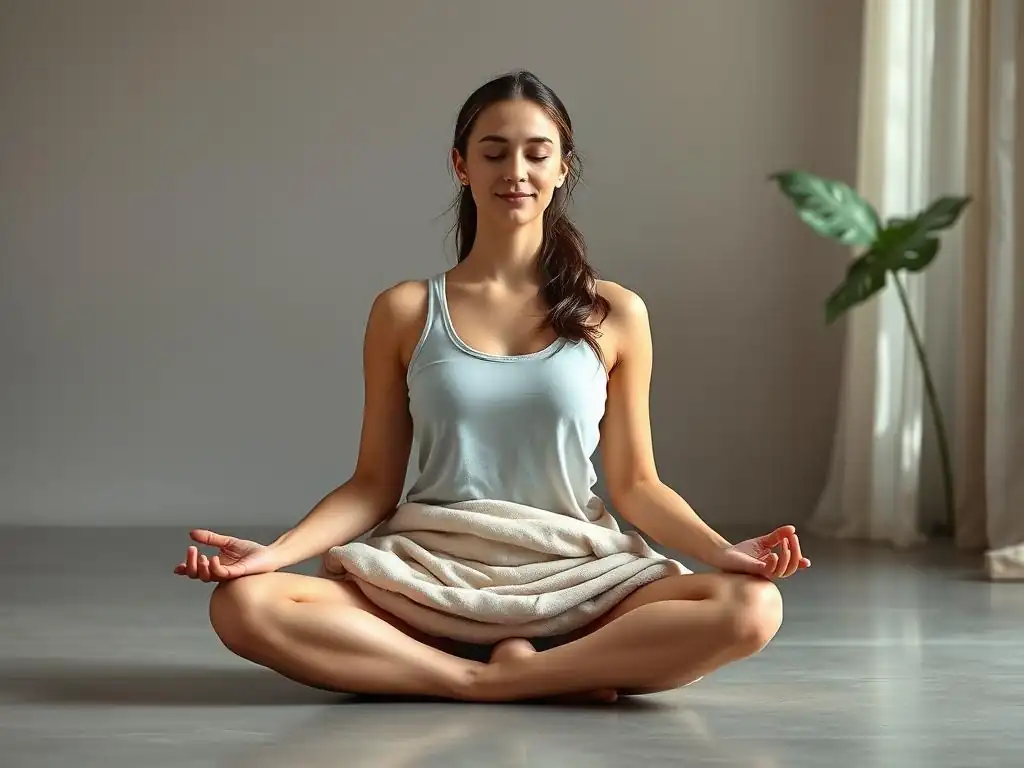
Certain yoga poses are particularly noted for their potential benefits in alleviating symptoms of depression. These postures can help calm the nervous system, release physical tension, boost energy, and promote feelings of grounding and stability. Incorporating a selection of these poses into a regular practice can be a powerful strategy for finding yoga for depression relief.
Child's Pose (Balasana): Finding Comfort and Grounding
Child's Pose is a gentle, forward-folding posture that symbolizes surrender and provides a sense of safety and introspection. Kneeling on the mat, with the torso resting between or on top of the thighs and the forehead resting on the floor or a prop, allows the body to feel supported and contained. This pose encourages deep relaxation in the back, hips, and shoulders, areas where tension is often held during periods of stress and emotional distress.
Holding Child's Pose for several minutes, focusing on the breath expanding the back ribs, can help quiet a restless mind and promote feelings of calm. It's a grounding posture that can be returned to anytime you feel overwhelmed or need a moment of comfort. The gentle pressure on the forehead can also be soothing. For someone navigating the turbulent emotions of depression, finding solace and stability in Balasana offers a simple yet profound form of yoga for depression relief.
Forward Fold (Uttanasana): Releasing Tension in the Head and Neck
Standing Forward Fold involves bending at the hips, allowing the torso to hang heavily towards the legs, with a slight bend in the knees if needed. This inversion, even a partial one, increases blood flow to the head, which can feel energizing and help clear mental fog. It also provides a significant stretch to the hamstrings, calves, and spine, releasing physical tension that can contribute to feelings of stiffness and discomfort often associated with depression.
The act of folding forward can be symbolic of letting go or surrendering. As you hang in the pose, allowing the head and neck to relax completely, you release physical tension often held in the upper body due to stress. Focusing on the exhale as you deepen the fold can aid in the release. For many, this pose offers a sense of relief and grounding, helping to alleviate headaches or neck tension that may accompany depression, contributing to overall yoga for depression relief.
Bridge Pose (Setu Bandhasana): Energizing and Uplifting
Bridge Pose is a gentle backbend performed lying on the back with knees bent and feet flat on the floor. Lifting the hips towards the ceiling opens the chest and shoulders, counteracting the slumped posture often adopted when feeling down. This pose is considered mildly invigorating and can help lift the mood by stimulating the central nervous system and promoting a sense of expansion and openness.
Physically, Bridge Pose strengthens the back muscles and stretches the front of the body. Emotionally, opening the chest can create a feeling of vulnerability and release, which can be therapeutic. The slight inversion also helps increase circulation. Practicing Bridge Pose can provide a subtle energy boost and counteract feelings of heaviness or constriction often experienced with depression, making it a valuable posture in the pursuit of yoga for depression relief.
Legs-Up-the-Wall Pose (Viparita Karani): Calming and Restorative
Legs-Up-the-Wall Pose is a simple, restorative inversion performed by lying on your back and extending your legs vertically up a wall, with your hips supported by a bolster or blanket if desired. This pose is deeply calming for the nervous system and can help reduce fatigue and anxiety. It gently reverses the effects of gravity on the legs, promoting circulation and reducing swelling.
Holding this pose for 5-15 minutes can induce a state of deep relaxation, lowering heart rate and blood pressure. It provides a sense of quiet containment, allowing the mind to settle. The passive nature of the pose makes it accessible even when energy levels are very low. For its profound ability to soothe the nervous system and promote rest, Viparita Karani is an excellent choice for anyone seeking gentle and effective yoga for depression relief.
Corpse Pose (Savasana): Deep Relaxation and Integration
Savasana, or Corpse Pose, involves lying flat on your back with arms and legs relaxed, typically practiced at the end of a yoga session. While seemingly simple, it is considered one of the most challenging poses as it requires complete physical and mental relaxation. Savasana allows the body and mind to integrate the benefits of the practice and enter a state of deep rest.
In the context of depression, Savasana provides a dedicated time for conscious relaxation and letting go. It can be difficult for individuals with depression to quiet their minds, but by consciously releasing tension in each part of the body, one can gradually find a state of stillness. Regularly practicing deep relaxation in Savasana can improve sleep quality and reduce overall stress levels, reinforcing the therapeutic effects of yoga for depression relief experienced during the active part of the practice.
Breathing Techniques (Pranayama) for Mood Enhancement
Pranayama, the practice of controlling the breath, is a fundamental component of yoga with profound effects on mental and emotional states. Specific breathing techniques can help regulate the nervous system, calm anxiety, boost energy, and enhance focus, all of which are beneficial for managing depression symptoms. Incorporating these practices alongside physical postures can significantly amplify the benefits of yoga for depression relief.
Diaphragmatic Breathing: Calming the Nervous System
Diaphragmatic breathing, or belly breathing, is a technique that emphasizes deep, full breaths that expand the abdomen rather than just the chest. Most people shallow-breathe, especially when stressed or anxious, which can perpetuate the stress response. Consciously engaging the diaphragm stimulates the vagus nerve, which plays a key role in regulating the parasympathetic nervous system, promoting relaxation.
Practicing diaphragmatic breathing for just a few minutes can significantly reduce feelings of stress and anxiety. It helps to slow the heart rate and lower blood pressure, creating a sense of calm. This simple yet powerful technique can be done anywhere, anytime, providing an immediate tool for grounding and self-soothing when feeling overwhelmed by depressive symptoms. Mastering diaphragmatic breathing is a foundational step in utilizing yoga for depression relief through breathwork.
Alternate Nostril Breathing (Nadi Shodhana): Balancing Energy and Reducing Anxiety
Alternate Nostril Breathing is a balancing pranayama practice that involves inhaling and exhaling through one nostril at a time, alternating between the two. This technique is believed to balance the flow of energy (prana) through the body's subtle channels (nadis), promoting mental clarity and emotional equilibrium. It is particularly effective for calming a restless mind and reducing anxiety.
The rhythmic, measured nature of Nadi Shodhana helps to quiet mental chatter and bring a sense of focus. By alternating between the left (often associated with calming, lunar energy) and right (often associated with energizing, solar energy) nostrils, the practice is thought to harmonize the two hemispheres of the brain and balance the nervous system. Regular practice can improve concentration and reduce the racing thoughts often present with anxiety and depression, making it a valuable tool for yoga for depression relief.
Ujjayi Breath: Focusing the Mind and Promoting Relaxation
Ujjayi breath, or Victorious Breath, is an oceanic-sounding breath created by slightly constricting the back of the throat during both inhalation and exhalation. This audible breath helps to create rhythm and focus during yoga postures, linking movement and breath seamlessly. It also has a warming and calming effect on the nervous system.
The sound and sensation of Ujjayi breath provide a powerful anchor for the mind, helping to draw awareness inward and reduce distractions. The gentle constriction in the throat can also stimulate baroreceptors, which signal the brain to calm down. Practicing Ujjayi breath throughout a yoga sequence can help maintain a steady state of mindfulness and relaxation, enhancing the overall therapeutic benefits of yoga for depression relief by keeping the mind present and centered.
Creating a Yoga Practice for Depression Relief
Establishing a regular yoga practice is key to experiencing its full benefits for mental health. Consistency, even in short sessions, is often more impactful than infrequent long practices. Tailoring the practice to your current needs and finding support can make the journey more sustainable and effective in providing yoga for depression relief.
Setting Realistic Goals and Expectations
When starting yoga for depression relief, it's important to set achievable goals and manage expectations. Don't aim for perfect poses or intense workouts right away. Begin with short sessions, perhaps 10-20 minutes, focusing on simple movements and breath awareness. A goal might be to practice for 15 minutes three times a week, or simply to do 5 minutes of deep breathing daily. Celebrating small victories, like showing up on your mat, is crucial, especially when motivation is low.
Understand that yoga is not a quick fix but a supportive practice that unfolds over time. Some days, just lying in Savasana might be the most beneficial practice. Be patient and compassionate with yourself. Recognize that progress may not be linear, and some days will be harder than others. The aim is consistency and finding moments of relief and connection, not achieving physical perfection. Approaching yoga with realistic expectations fosters a more positive and enduring experience on the path to yoga for depression relief.
Finding a Qualified Yoga Instructor
Practicing under the guidance of a qualified yoga instructor, especially one with experience or training in trauma-informed yoga or yoga for mental health, can be incredibly beneficial. An experienced teacher can help you learn proper alignment to avoid injury, offer modifications for physical limitations, and provide a supportive presence. Teachers trained in mental health aspects can also be more attuned to the emotional needs of students and create a safe, non-judgmental environment.
Look for instructors who emphasize mindfulness, breath, and self-compassion rather than just physical prowess. Many studios offer beginner classes, and online platforms provide access to a wide range of teachers and styles, some specifically catering to mental health needs. Finding the right teacher can make a significant difference in how comfortable and confident you feel in your practice, enhancing its effectiveness as a tool for yoga for depression relief.
Creating a Safe and Supportive Environment
Your yoga space should feel safe, comfortable, and conducive to relaxation and introspection. This doesn't require a dedicated room; a quiet corner in your home can suffice. Ensure the space is tidy, well-ventilated, and has enough room to move freely. You might add elements that promote calm, such as soft lighting, a comfortable mat, blankets, or cushions.
Minimizing distractions is key. Turn off your phone and let others in your household know you need undisturbed time. Creating this dedicated space signals to your mind and body that it's time to focus inward and prioritize self-care. A supportive environment, whether it's a physical space or a non-judgmental class setting, is vital for feeling secure enough to explore your inner landscape through yoga for depression relief.
Sample 20-Minute Yoga Sequence for Depression Relief
Here is a simple sequence focusing on grounding, gentle movement, and relaxation, suitable for beginners seeking yoga for depression relief:
1.  **Start:** 5 minutes of seated diaphragmatic breathing (Sukhasana or seated on a chair). Focus on lengthening the exhale.
2.  **Gentle Warm-up:** 2 minutes of Cat-Cow pose (Marjaryasana-Bitilasana) on hands and knees, linking breath to movement.
3.  **Grounding:** 3 minutes in Child's Pose (Balasana), forehead resting on the mat, arms extended or by sides. Focus on feeling supported.
4.  **Gentle Inversion/Release:** 2 minutes in Standing Forward Fold (Uttanasana), knees bent, head heavy. Gently sway side to side if it feels good.
5.  **Heart Opener/Energy:** 2 minutes in Bridge Pose (Setu Bandhasana), lifting hips gently. Focus on opening the chest.
6.  **Calming Inversion:** 3 minutes in Legs-Up-the-Wall Pose (Viparita Karani). Use a cushion under hips if comfortable. Focus on breath.
7.  **Deep Relaxation:** 3 minutes in Corpse Pose (Savasana). Allow the body to relax completely.
This sequence provides a balance of grounding, gentle movement, and restorative postures. It can be adapted based on how you feel each day. The key is to move mindfully and listen to your body, using breath as your guide throughout the practice.
Benefits of Yoga for Mental Health: Beyond Depression
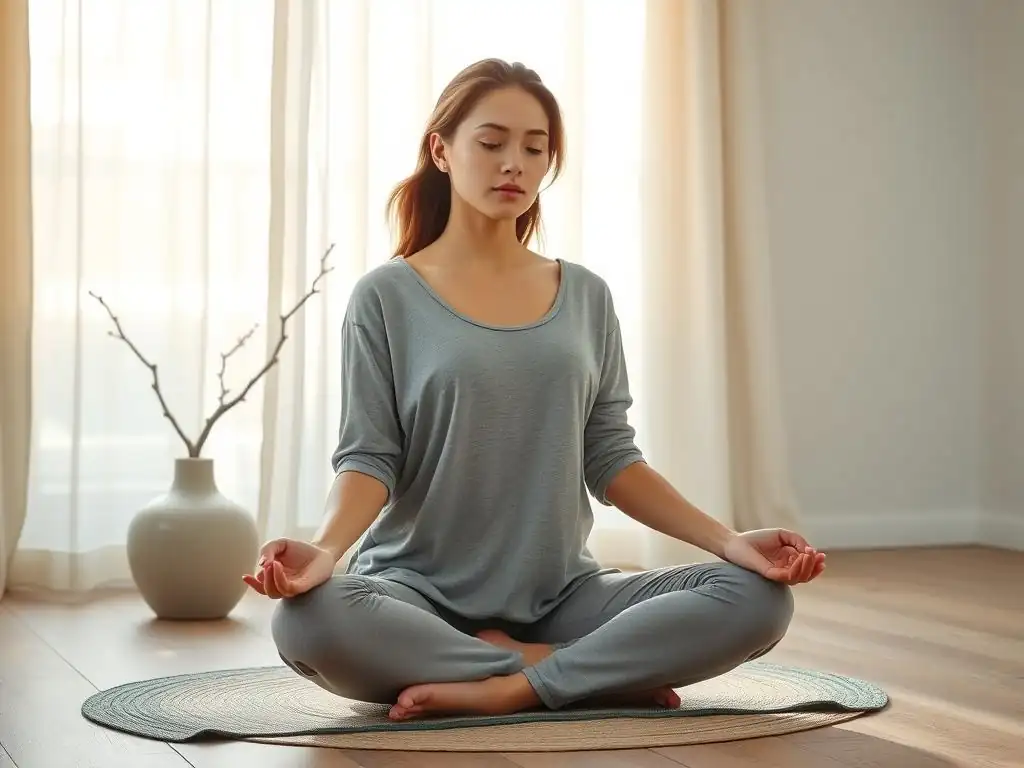
While yoga can be a powerful tool specifically for yoga for depression relief, its positive impact extends across various aspects of mental well-being. Regular practice cultivates a range of skills and states that are beneficial for overall psychological health, resilience, and emotional regulation.
Reducing Anxiety and Stress
Yoga is widely recognized for its ability to significantly reduce symptoms of anxiety and stress. The combination of physical movement, conscious breathing, and mindfulness practices helps to downregulate the body's stress response. Studies have shown that regular yoga can lower cortisol levels and decrease activity in the amygdala, the brain region associated with fear and stress.
The physical release of tension through postures, coupled with the calming effect of deep breathing, provides immediate relief from anxious feelings. Over time, the practice builds resilience, teaching the nervous system how to return to a state of calm more effectively. This chronic stress reduction is a major benefit of yoga that directly supports mental health beyond just addressing depressive symptoms.
Improving Sleep Quality
Sleep disturbances, such as insomnia or fragmented sleep, are common and often debilitating symptoms of depression and anxiety. Yoga can help improve sleep quality by reducing stress and promoting relaxation. Restorative poses, gentle stretching, and calming breathing techniques performed before bedtime can prepare the body and mind for restful sleep.
By calming the nervous system and reducing racing thoughts, yoga makes it easier to fall asleep and stay asleep. The physical activity, even gentle movement, can also help regulate the body's natural sleep-wake cycle. Consistent yoga practice contributes to better sleep hygiene, which is a critical component of managing both depression and anxiety, further enhancing the benefits of yoga for depression relief.
Increasing Self-Awareness and Mindfulness
Yoga cultivates mindfulness, the practice of paying attention to the present moment without judgment. By focusing on bodily sensations, breath, and thoughts as they arise during practice, individuals develop a greater awareness of their internal landscape. This increased self-awareness allows for better recognition of emotional states and thought patterns.
Mindfulness helps create space between an emotion or thought and the reaction to it. Instead of being consumed by negative feelings or ruminative thoughts, one learns to observe them with a degree of detachment. This ability to witness one's inner experience without judgment is a fundamental skill for managing difficult emotions and developing healthier coping mechanisms, providing profound support alongside yoga for depression relief.
Enhancing Emotional Regulation
Through increased self-awareness and nervous system regulation, yoga enhances the ability to manage and regulate emotions. By becoming more attuned to physical sensations and breath patterns associated with different emotions, individuals can learn to identify feelings as they arise and use breath and movement to navigate them more effectively.
Yoga provides tools, like conscious breathing or specific postures, that can be used off the mat to manage intense emotions in real-time. This practice builds emotional resilience, making individuals less reactive to stressors and more capable of responding to challenges in a thoughtful way. Improved emotional regulation is a significant long-term benefit derived from consistent yoga practice, extending its positive impact far beyond initial yoga for depression relief.
Promoting a Sense of Connection and Belonging
Participating in group yoga classes can combat feelings of isolation often experienced with depression. Sharing a practice space with others, even in silence, can foster a sense of community and belonging. Many studios cultivate a supportive and non-competitive atmosphere, where individuals feel accepted regardless of their skill level or emotional state.
Even practicing at home can connect you to a larger community through online classes or shared experiences. The shared intention of practicing yoga, whether in person or virtually, can reduce feelings of loneliness and foster social connection, which is a vital protective factor against depression. This sense of community is an often-underappreciated benefit of yoga, adding a social layer to the pursuit of yoga for depression relief.
Integrating Yoga with Other Depression Treatments
Yoga is a complementary practice and should not replace conventional medical and therapeutic treatments for depression unless advised by a healthcare professional. However, integrating yoga with other forms of care can create a comprehensive and holistic approach to managing symptoms and promoting long-term recovery.
Combining Yoga with Therapy
Yoga and psychotherapy, such as Cognitive Behavioral Therapy (CBT) or Dialectical Behavior Therapy (DBT), can be highly complementary. Therapy provides tools for processing thoughts and emotions, understanding root causes, and developing coping strategies. Yoga provides experiential tools for managing the physical and emotional manifestations of distress in the moment, such as anxiety, restlessness, or emotional numbness.
A therapist might help identify negative thought patterns, while a yoga practice can help an individual become aware of how those thoughts manifest physically (e.g., tension in the shoulders) and provide techniques (like breathwork) to release that tension and ground oneself. Combining the cognitive work of therapy with the embodied practice of yoga can lead to more integrated healing and sustainable yoga for depression relief.
Medication and Yoga: A Holistic Approach
For many individuals, antidepressant medication is a necessary and effective part of their treatment plan. Yoga can safely be practiced alongside medication and can enhance its effects by addressing aspects that medication alone may not fully resolve, such as chronic stress, physical tension, or feelings of disconnection from the body.
Medication helps regulate brain chemistry, which can alleviate severe symptoms and create a foundation for other therapeutic interventions. Yoga complements this by improving nervous system regulation, fostering mindfulness, and promoting overall well-being. It's crucial to discuss both medication and your intention to practice yoga with your prescribing doctor to ensure a coordinated approach to your health, maximizing the potential for comprehensive yoga for depression relief.
Lifestyle Changes to Support Mental Well-being
Integrating yoga into a broader healthy lifestyle further enhances its benefits for mental health. Other lifestyle factors that significantly impact depression include nutrition, sleep hygiene, regular physical activity, social connection, and time spent in nature. Yoga can serve as a gateway to adopting other healthy habits.
For example, a regular yoga practice might motivate someone to improve their sleep schedule to feel more rested for their morning practice, or encourage healthier eating habits to feel better in their body during poses. Combining yoga with balanced nutrition, sufficient sleep (aiming for 7-9 hours per night, according to general health guidelines), and other forms of exercise creates a powerful synergy for managing depression and promoting overall resilience, building a robust foundation for lasting yoga for depression relief.
Precautions and Considerations: Practicing Yoga Safely
While generally safe and beneficial, it's important to approach yoga practice, especially when dealing with depression, with awareness and caution. Listening to your body and seeking appropriate guidance are crucial to ensure a positive and safe experience.
Consulting with a Healthcare Professional
Before starting any new exercise program, including yoga, especially if you have a mental health condition like depression or any co-occurring physical health issues, it is essential to consult with your doctor or mental health professional. They can advise whether yoga is appropriate for your specific situation and how it might fit into your overall treatment plan.
Your healthcare provider can also help you identify any physical limitations or health concerns that might require modifications or specific considerations in your practice. Open communication with your treatment team ensures that yoga is a supportive and safe addition to your journey towards yoga for depression relief.
Modifying Poses for Physical Limitations
Yoga is adaptable to suit various physical abilities and conditions. If you have injuries, chronic pain, limited mobility, or low energy levels, it's crucial to learn how to modify poses. Props like blocks, blankets, straps, and bolsters can provide support, reduce strain, and make poses more accessible and comfortable.
A qualified instructor, particularly one trained in therapeutic or adaptive yoga, can guide you on how to modify poses safely. Don't feel pressured to perform poses exactly as shown; the goal is to find a variation that feels right and beneficial for your body on any given day. Prioritizing comfort and safety over depth in a pose is key to a sustainable and beneficial yoga practice for depression relief.
Listening to Your Body and Avoiding Overexertion
One of the most important principles of yoga is ahimsa, or non-harming, which includes non-harming towards oneself. This means listening intently to your body's signals and respecting its limits. On days when you feel particularly fatigued, overwhelmed, or physically uncomfortable, it's okay to choose a gentler practice, rest in Child's Pose or Savasana, or skip practice altogether.
Pushing yourself too hard, either physically or emotionally, can be counterproductive and potentially harmful. Yoga should be a practice of self-care and self-compassion, not another source of pressure or judgment. Cultivating the ability to listen to and honor your body's needs is a fundamental aspect of practicing yoga for depression relief safely and effectively.
Conclusion: Embracing Yoga as a Tool for Depression Management - A Journey to Well-being
Yoga offers a multifaceted approach to fighting depression, addressing the complex interplay between mind and body. Through physical postures, conscious breathing, and mindfulness, it provides tangible tools for regulating the nervous system, reducing stress and anxiety, improving sleep, and fostering emotional resilience. From the gentle support of Restorative yoga to the energizing flow of Vinyasa, there are styles and techniques suitable for varying needs and energy levels, making yoga for depression relief accessible to many.
Integrating yoga with traditional treatments like therapy and medication, alongside other healthy lifestyle choices, creates a powerful, holistic framework for recovery and long-term well-being. While the journey with depression can be challenging, incorporating a consistent, compassionate yoga practice offers a pathway to increased self-awareness, emotional balance, and a deeper connection with oneself. Embracing yoga is not a cure, but a valuable ally and a sustainable practice that supports healing and empowers individuals to navigate their mental health journey with greater strength, presence, and hope, finding meaningful yoga for depression relief along the way.
Frequently Asked Questions
How does yoga specifically help with depression?
Yoga combines physical postures, breathing techniques, and meditation, which can help regulate the nervous system and reduce stress hormones like cortisol. This holistic approach can alleviate symptoms of depression and improve mood.
What types of yoga are most effective for depression relief?
While any yoga practice can be beneficial, styles like Hatha, Restorative, and Yin yoga are often recommended. These styles are gentler and focus on mind-body connection, promoting relaxation and emotional release.
How often should I practice yoga to see a difference in my depression symptoms?
Consistency is key. Aim for at least 3 sessions per week, each lasting around 30-60 minutes. Over time, regular practice can lead to significant improvements in mood and overall well-being.
Can yoga completely replace other forms of depression treatment?
Yoga can be a powerful complementary therapy, but it's not always a replacement for professional treatment. It's crucial to consult with a mental health professional to determine the best course of action for your specific needs.
Are there any precautions I should take before starting yoga for depression?
If you have any physical limitations or underlying health conditions, consult with your doctor before starting yoga. Also, consider finding a qualified yoga instructor who is experienced in working with individuals with mental health concerns.
Final Reflection: Finding Inner Peace Through the Power of Yoga
The fight against depression is a deeply personal journey, and finding effective coping mechanisms is crucial for navigating its complexities. The prevalence of depression continues to rise, highlighting the urgent need for accessible and holistic approaches to mental well-being. Yoga, often overlooked in mainstream mental health discussions, offers a powerful pathway to healing and self-discovery, providing a tangible tool in the battle against this pervasive illness.
The transformative power of yoga in managing depression resonates deeply with me, having witnessed firsthand its ability to calm the mind and soothe the soul. It's not just about physical postures; it's about cultivating a mindful connection with your breath, body, and inner self. This practice fosters a sense of self-awareness and acceptance, crucial elements in overcoming the self-criticism and negativity often associated with depression. Yoga is not about touching your toes; it's about what you learn on the way down.
– Jigar Gor. This quote perfectly encapsulates the journey of self-discovery that yoga facilitates, a journey vital for healing from depression.
The path to mental wellness is rarely linear, but the tools and techniques discussed in this article—from mindful breathing exercises to restorative poses—can equip you with the resources to navigate your own unique challenges. I encourage you to explore the possibilities of yoga, to embrace its gentle guidance, and to discover the profound impact it can have on your mental and emotional well-being. Begin your journey today; your inner peace awaits.
Unleash Your Inner Strength: Take the First Step Towards Well-being
Thanks for taking the time to explore the powerful connection between yoga and managing depression. We hope you found valuable insights and inspiration within this article. Now it’s time to put that knowledge into action!
- Start your yoga journey today: Even 10 minutes of gentle stretching can make a difference. Find a beginner's video online or explore a local yoga studio. This is your primary step towards feeling better.
- Share your experience: Let others know how yoga is helping you. Inspire someone else to find their own path to wellness.
- Dive deeper: Research different yoga styles to find one that resonates with you – perhaps restorative yoga or yin yoga would be a good starting point.
Ready to embrace the transformative power of yoga? What small step will you take today to prioritize your mental and emotional well-being?