
The Soldier's Burden: Navigating Moral Injury in Veterans


Welcome to Mind Care Guide, a compassionate space dedicated to understanding and nurturing mental well-being.
Have you ever wondered about the invisible wounds soldiers carry home, wounds that go beyond physical scars? Our latest article, " The Soldier's Burden: Navigating Moral Injury in Veterans," delves into the profound challenges of moral injury veterans experience relief. It's a journey into the heart of trauma and a beacon of hope for those seeking understanding and healing. Discover how we can help alleviate this burden and start on the path to recovery.
- The Soldier's Burden: Navigating Moral Injury in Veterans - A Mental Health Guide
- The Psychological Impact of Moral Injury on Veterans
-
Seeking Relief: Treatment and Support Options for Veterans with Moral Injury
- Evidence-Based Therapies for Moral Injury: Effective Approaches
- Cognitive Processing Therapy (CPT) for Moral Injury: Addressing Trauma-Related Thoughts
- Written Exposure Therapy (WET) for Moral Injury: Processing Traumatic Memories
- Group Therapy and Peer Support for Veterans with Moral Injury: Connection and Understanding
- The Role of Mindfulness in Healing Moral Injury
- Self-Care Strategies for Veterans Coping with Moral Injury
- Supporting a Veteran Struggling with Moral Injury: A Guide for Loved Ones
- Resources for Veterans Seeking Moral Injury Treatment
- Moral Injury: A Path to Healing and Reconciliation for Veterans
-
Frequently Asked Questions
- What exactly is moral injury, and how does it differ from PTSD?
- How prevalent is moral injury among veterans, and what factors contribute to it?
- What are some common symptoms or signs that a veteran might be experiencing moral injury?
- What types of treatment or therapies are most effective in helping veterans find relief from moral injury?
- Where can veterans and their families find resources and support specifically tailored to address moral injury?
- Final Reflection: Finding Relief from the Unseen Wounds of War
- Unlock Your Healing Journey: Steps to Support Veterans
Defining Moral Injury: Trauma of Conscience
Moral injury refers to the psychological, social, and spiritual impact of events that transgress deeply held moral beliefs and expectations. Unlike traditional trauma which often focuses on fear and threat to life (as in PTSD), moral injury centers on the violation of one's conscience. This can occur in high-stakes situations, particularly in military contexts, where individuals may be required to act in ways that conflict with their personal ethics or witness such acts by others. The 'trauma' here is not just about physical danger, but about the damage to one's moral compass and identity.
Experiences leading to moral injury can include killing, witnessing atrocities, failing to prevent harm, or feeling betrayed by leadership or trusted peers. For veterans, these events can lead to profound feelings of guilt, shame, anger, and disgust directed at themselves or others. Research suggests that a significant portion of veterans, potentially upwards of 40-50% in some studies depending on combat exposure, report experiences that could constitute moral injury, highlighting its widespread impact within the veteran community. This internal conflict can persist long after the veteran leaves service, making finding relief a crucial part of their post-military life.
Distinguishing Moral Injury from PTSD: Key Differences
While Post-Traumatic Stress Disorder (PTSD) and moral injury often coexist and share some symptoms, they are distinct constructs. PTSD is primarily an anxiety disorder triggered by exposure to actual or threatened death, serious injury, or sexual violence, characterized by symptoms like flashbacks, avoidance, negative changes in mood/cognition, and hyperarousal. The core emotion in PTSD is often fear.
Moral injury, on the other hand, is characterized by a violation of moral values or beliefs. While it can stem from traumatic events, the distress arises from the moral implications of the event, not just the threat. Key emotions associated with moral injury include guilt, shame, self-condemnation, and anger or disgust towards others or institutions. A veteran might experience PTSD from a near-death combat experience, but moral injury from an action they took during that same event that violated their conscience. Understanding this distinction is vital for tailoring effective interventions and helping veterans experience relief from moral injury.
Common Experiences Leading to Moral Injury Among Veterans
Veterans are often exposed to environments where moral compromises or transgressions are more likely to occur due to the nature of warfare and military operations. One common experience involves taking a life in combat, even within the rules of engagement, which can still conflict with deeply ingrained moral prohibitions against killing. Witnessing acts of cruelty or indifference towards civilians or prisoners can also be profoundly morally injurious, especially if the veteran feels unable to intervene.
Another source of moral injury stems from perceived acts of commission or omission by oneself or others that result in harm. This could be failing to protect a comrade, making a decision with unintended negative consequences, or following orders that are perceived as unethical. Betrayal by leadership, either through incompetence, dishonesty, or prioritizing political goals over troop welfare, is another significant contributor to moral injury among veterans, eroding trust and causing a sense of profound disillusionment. These varied experiences underscore the complexity of finding moral injury veterans experience relief.
The Psychological Impact of Moral Injury on Veterans
Symptoms of Moral Injury: Recognizing the Signs
The symptoms of moral injury are diverse and can manifest in psychological, social, and spiritual ways. Psychologically, veterans may experience intense and persistent feelings of guilt, shame, and self-blame related to the morally injurious event. They might struggle with self-forgiveness and harbor a profound sense of worthlessness or badness. This can be accompanied by symptoms of depression, anxiety, and a feeling of being fundamentally changed or damaged.
Socially, moral injury can lead to withdrawal and isolation. Veterans may feel alienated from civilians who cannot understand their experiences or from fellow veterans who may have been involved in the same events. Difficulty trusting others, including loved ones, is common, as the core violation often involves a breach of trust (either self-trust or trust in others/institutions). Spiritually, veterans might question their core beliefs, lose faith, or feel disconnected from their previous sense of purpose or meaning in life. Recognizing these complex signs is the first step toward helping moral injury veterans experience relief.
Moral Injury and Mental Health: Associated Challenges
Moral injury rarely exists in isolation; it is frequently associated with a range of other mental health challenges. Studies consistently show a strong correlation between moral injury symptoms and increased rates of depression, anxiety disorders, and substance use disorders among veterans. The internal turmoil caused by guilt and shame can contribute significantly to the development or exacerbation of these conditions.
Furthermore, moral injury is often linked to difficulties in relationships and social functioning. The loss of trust and the feeling of being fundamentally flawed can make it challenging for veterans to connect with others and maintain healthy relationships. These interconnected challenges highlight the need for comprehensive mental health support that specifically addresses the moral and existential distress inherent in moral injury, paving the way for moral injury veterans experience relief.
Moral Injury and Suicide Risk in Veterans: A Critical Concern
Perhaps one of the most critical concerns associated with moral injury is its link to increased suicide risk among veterans. Research indicates that moral injury symptoms, particularly feelings of shame, guilt, and self-condemnation, are significant predictors of suicidal ideation and behavior, often independently of PTSD severity. The profound sense of being unforgivable or fundamentally bad can lead to despair and a belief that ending one's life is the only way to escape the internal pain.
Studies have shown that veterans reporting high levels of moral injury symptoms are at a significantly elevated risk compared to those with lower levels, even after accounting for other risk factors like depression or PTSD. For instance, one large-scale study involving veterans found that moral injury was a stronger predictor of suicidal ideation than combat exposure itself. This underscores the urgent need for effective interventions and support specifically targeted at moral injury veterans experience relief to mitigate this devastating risk.
Seeking Relief: Treatment and Support Options for Veterans with Moral Injury
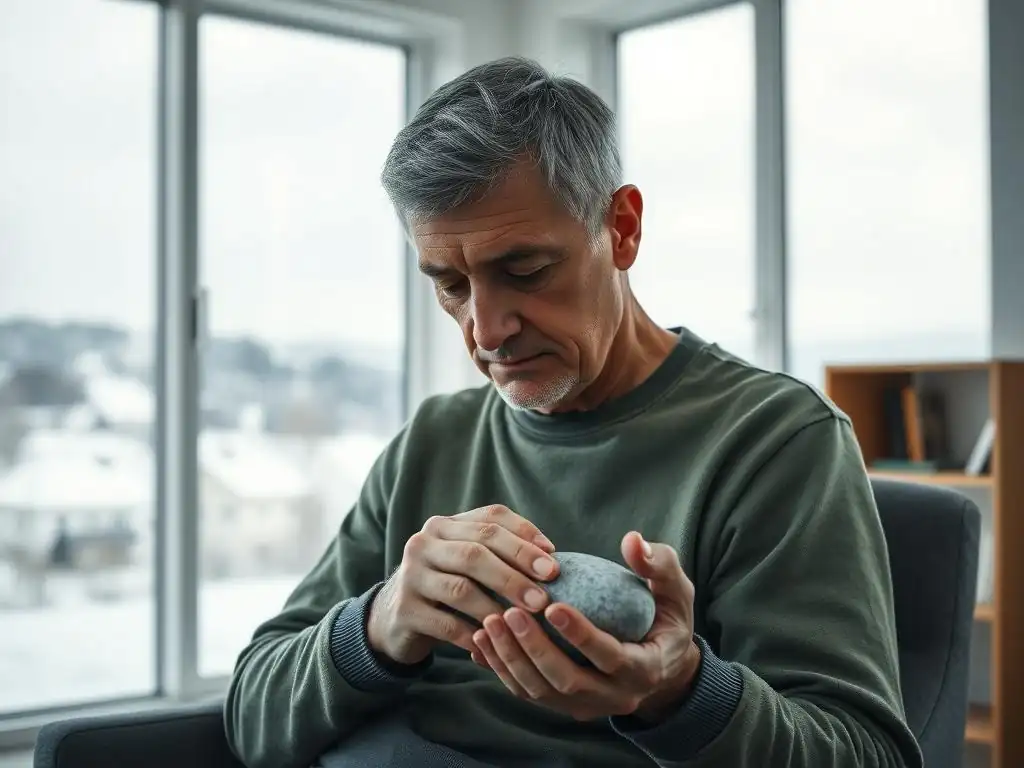
Evidence-Based Therapies for Moral Injury: Effective Approaches
Fortunately, there are therapeutic approaches showing promise in helping veterans process and find relief from moral injury. While research is ongoing, several evidence-based therapies developed for trauma and related conditions are being adapted and tested specifically for moral injury. These therapies often focus on helping individuals process the traumatic event, understand their reactions, address cognitive distortions related to guilt and shame, and work towards forgiveness (of self or others) and reconciliation.
Effective approaches often involve narrative processing, where the veteran tells their story in a safe environment, and cognitive restructuring, which helps challenge unhelpful thoughts and beliefs about the event and their role in it. The goal is not to erase the memory or the reality of what happened, but to integrate the experience into one's life narrative in a way that reduces distress and allows for healing. These therapies aim to empower veterans to find moral injury veterans experience relief by confronting and making meaning out of their difficult experiences.
Cognitive Processing Therapy (CPT) is an evidence-based treatment originally developed for PTSD that has shown efficacy in addressing aspects of moral injury. CPT focuses on identifying and challenging 'stuck points' – unhelpful thoughts and beliefs about the trauma and its meaning. For veterans with moral injury, these stuck points often revolve around themes of guilt, shame, responsibility, safety, trust, and control.
In CPT, a veteran might examine thoughts like "I am a terrible person for what I did" or "I should have been able to prevent that." The therapy helps them evaluate the evidence for and against these thoughts and develop more balanced and accurate perspectives. By addressing the cognitive distortions that fuel guilt and shame, CPT can significantly reduce the emotional burden of moral injury and help veterans make progress towards finding moral injury veterans experience relief. A typical course of CPT involves about 12 sessions.
Written Exposure Therapy (WET) for Moral Injury: Processing Traumatic Memories
Written Exposure Therapy (WET) is a brief, effective therapy for PTSD that involves repeatedly writing about the traumatic event. While primarily focused on fear-based trauma, the process of recounting and processing difficult memories can also be beneficial for aspects of moral injury, particularly in confronting the details of the event itself.
In WET, veterans write about the morally injurious event for a set period in session, processing the thoughts and emotions that arise. This structured exposure can help reduce the emotional intensity associated with the memory and facilitate integration. Although research specifically on WET for moral injury is still developing compared to CPT, the core mechanism of processing difficult experiences in a controlled environment holds potential for helping veterans alleviate distress and move towards moral injury veterans experience relief. WET is typically completed in just 5 sessions.
Group Therapy and Peer Support for Veterans with Moral Injury: Connection and Understanding
Group therapy and peer support are invaluable resources for veterans coping with moral injury. Sharing experiences with others who have faced similar challenges can break down feelings of isolation and shame. In a group setting, veterans can feel understood and validated, realizing they are not alone in their struggles with guilt, difficult memories, or loss of trust.
Peer support groups, often facilitated by other veterans, provide a safe space for open dialogue and mutual encouragement. These settings allow veterans to process their experiences, explore their feelings about the moral conflicts they faced, and receive empathy from those who truly understand the military context. This sense of community and shared understanding is a powerful component in the journey towards moral injury veterans experience relief.
The Role of Mindfulness in Healing Moral Injury
Mindfulness practices can play a supportive role in helping veterans manage the intense emotions associated with moral injury. Mindfulness involves paying attention to the present moment without judgment. For someone struggling with overwhelming guilt, shame, or intrusive thoughts about a past event, learning to observe these feelings without being consumed by them can be incredibly helpful.
Practicing mindfulness can help veterans develop greater emotional regulation skills, allowing them to tolerate difficult feelings rather than being overwhelmed or avoiding them. It can also foster self-compassion, which is crucial for counteracting the harsh self-judgment often present in moral injury. While not a standalone treatment, integrating mindfulness into a broader therapeutic approach can support veterans in finding moral injury veterans experience relief by increasing their capacity to live with and process their experiences.
Self-Care Strategies for Veterans Coping with Moral Injury
Building Resilience and Coping Mechanisms
Developing robust self-care strategies is essential for veterans navigating the challenges of moral injury. Building resilience involves actively cultivating positive coping mechanisms to manage stress and emotional distress. This can include establishing healthy routines around sleep, nutrition, and physical activity, which provide a foundation for emotional well-being.
Learning and practicing specific coping skills, such as deep breathing exercises, progressive muscle relaxation, or grounding techniques, can help manage acute moments of anxiety or emotional overwhelm. Identifying activities that bring a sense of calm or pleasure, like spending time in nature, engaging in hobbies, or listening to music, and intentionally incorporating them into daily life are also vital steps. These proactive strategies empower veterans in their personal journey towards finding moral injury veterans experience relief.
Finding Meaning and Purpose After Trauma
A significant aspect of healing from moral injury involves finding renewed meaning and purpose in life. Military service often provides a strong sense of purpose, and losing that can be disorienting. Reconnecting with personal values and identifying new goals or ways to contribute to society can counteract feelings of worthlessness and despair often associated with moral injury.
This might involve engaging in volunteer work, pursuing education or a new career path aligned with personal values, strengthening family connections, or participating in community activities. For many veterans, helping other veterans provides a profound sense of purpose and can be a powerful part of their healing process. Discovering new meaning helps integrate the past experience into a future-oriented perspective, contributing significantly to moral injury veterans experience relief.
Combating the isolation that often accompanies moral injury requires actively building and nurturing social support networks. Reconnecting with trusted family members, friends, or fellow veterans provides essential emotional support and a sense of belonging. Sharing experiences with understanding individuals can reduce feelings of shame and help veterans feel less alone in their struggles.
Joining veteran organizations, support groups (as mentioned earlier), or community clubs can provide opportunities for connection with like-minded individuals who share similar values or interests. Building a strong social safety net is not just about having people to talk to; it's about feeling connected, valued, and supported, which is fundamental for psychological healing and helps veterans find moral injury veterans experience relief.
Supporting a Veteran Struggling with Moral Injury: A Guide for Loved Ones

Understanding the Challenges and Offering Compassion
Supporting a veteran with moral injury requires patience, empathy, and a commitment to understanding the unique nature of their struggle. Loved ones should recognize that the veteran's distress is not about weakness or failure, but the result of challenging experiences that conflicted with their core values. Avoid minimizing their feelings or telling them to "just get over it." Instead, approach them with compassion and a willingness to listen without judgment.
Educating yourself about moral injury can help you better understand what the veteran is going through. Recognize that symptoms like withdrawal, irritability, or difficulty trusting may stem from the moral wounds they carry. Letting the veteran know you are there for them, offering practical help if needed, and simply being a consistent, non-judgmental presence can make a significant difference in their journey towards finding moral injury veterans experience relief.
Communicating Effectively and Avoiding Judgment
Effective communication is crucial when supporting a veteran with moral injury. Create a safe space where they feel comfortable sharing, but do not pressure them to talk before they are ready. When they do share, listen actively and empathetically. Avoid interrupting, offering quick fixes, or expressing shock or judgment, which can shut down communication and reinforce their feelings of shame.
Use validating phrases like "That sounds incredibly difficult" or "Thank you for sharing that with me." Focus on expressing your care and support for them as a person, separate from the actions or events they are struggling with. Your non-judgmental presence and willingness to listen are powerful tools in helping a veteran navigate their guilt and shame and encourage them to seek the help needed for moral injury veterans experience relief.
Encouraging Professional Help and Resources
While your support is invaluable, professional help is often necessary for veterans to effectively process and heal from moral injury. Loved ones can play a crucial role in encouraging the veteran to seek therapy or connect with veteran-specific resources. This encouragement should be gentle and persistent, framing it as a sign of strength and a necessary step towards healing and finding relief.
Offer to help research therapists specializing in trauma or moral injury, locate local veteran support groups, or navigate the process of accessing VA services. Accompanying them to initial appointments or support group meetings if they are comfortable can also reduce anxiety and make the process feel less daunting. Your active support in connecting them with professional help is a vital step in their path towards moral injury veterans experience relief.
Resources for Veterans Seeking Moral Injury Treatment
Veteran-Specific Mental Health Resources
Veterans have access to a range of mental health resources specifically designed to meet their unique needs, including those struggling with moral injury. The Department of Veterans Affairs (VA) offers comprehensive mental health services, including individual therapy, group therapy, and specialized programs for trauma and related conditions. VA Medical Centers and Vet Centers across the country provide accessible care.
Many non-profit organizations are also dedicated to supporting veteran mental health. These organizations often offer counseling services, peer support programs, and other therapeutic interventions tailored to the military experience. Exploring these veteran-specific resources is a key step for those seeking professional guidance and support to find moral injury veterans experience relief.
Organizations Providing Support for Moral Injury
Several organizations and initiatives focus specifically on addressing moral injury in veterans and other service members. These groups often provide educational resources, facilitate workshops, and offer support networks centered around themes of moral stress, guilt, shame, and reconciliation.
While services vary, many of these organizations integrate spiritual, philosophical, and psychological approaches to help individuals grapple with the complex questions and feelings arising from moral injury. Connecting with organizations that have a deep understanding of this specific issue can provide targeted support and validation for veterans on their healing journey towards moral injury veterans experience relief.
Government Programs for Veteran Mental Health
Beyond direct clinical care, various government programs support veteran mental health and well-being. These can include initiatives focused on suicide prevention, homelessness, and reintegration into civilian life, all of which can be impacted by unresolved moral injury. Programs like the VA's Solid Start program or specific outreach efforts aim to connect veterans with available resources early in their transition.
Understanding the range of government support, including educational benefits, vocational rehabilitation, and disability compensation for service-connected conditions, can alleviate practical stressors that might impede a veteran's ability to focus on their mental health. Utilizing these programs can provide a stable foundation as veterans work towards healing and finding moral injury veterans experience relief.
Moral Injury: A Path to Healing and Reconciliation for Veterans
Addressing Moral Injury for Long-Term Well-being
Addressing moral injury is not just about managing symptoms; it is a crucial step towards long-term well-being and a fulfilling life after military service. Unresolved moral injury can cast a long shadow, impacting relationships, career, physical health, and overall life satisfaction. By confronting the difficult experiences, processing the associated emotions of guilt and shame, and working towards reconciliation with oneself and one's past, veterans can significantly improve their quality of life.
Healing from moral injury is a process that requires courage, patience, and support. It involves integrating the military experience, including its morally challenging aspects, into one's personal identity in a way that allows for growth and acceptance. Prioritizing treatment and self-care strategies focused on moral injury helps veterans reclaim their lives and build a future defined by resilience and peace, ultimately allowing moral injury veterans experience relief that is lasting.
Fostering a Culture of Understanding and Support for Veterans
Creating a societal culture that understands and supports veterans struggling with moral injury is essential. This involves educating the public, healthcare providers, and community leaders about what moral injury is and how it impacts service members and veterans. Reducing stigma around seeking help for mental health challenges, particularly those stemming from moral and spiritual conflicts, is paramount.
Fostering empathy and compassion for the difficult decisions and circumstances veterans may face in service helps create an environment where they feel safe to share their burdens and seek assistance. A supportive culture acknowledges the complex realities of military service and honors the sacrifices made, including the potential moral costs. This collective understanding helps pave the way for moral injury veterans experience relief on a broader scale.
Future Directions in Moral Injury Research and Treatment
Research into moral injury is a relatively young but rapidly growing field. Ongoing studies are working to better understand its neurobiological underpinnings, refine assessment tools, and develop increasingly effective and accessible treatments. Researchers are exploring various therapeutic modalities, including adaptations of existing therapies like CPT and WET, as well as novel approaches that incorporate spiritual, philosophical, and community-based elements.
The goal of future research is to ensure that all veterans who have experienced moral injury have access to timely, evidence-based interventions that address their specific needs. Continued investment in understanding this critical issue promises to improve the lives of countless veterans, helping them navigate their burdens and find lasting moral injury veterans experience relief.
Frequently Asked Questions
What exactly is moral injury, and how does it differ from PTSD?
Moral injury is a psychological distress resulting from actions or inactions that violate a person's moral code. Unlike PTSD, which stems from fear-based trauma, moral injury involves feelings of guilt, shame, and betrayal.
How prevalent is moral injury among veterans, and what factors contribute to it?
Moral injury is increasingly recognized as a significant issue, affecting a substantial portion of veterans. Contributing factors include exposure to morally ambiguous situations, witnessing or participating in actions that conflict with their personal values, and perceived betrayal by leaders or institutions.
What are some common symptoms or signs that a veteran might be experiencing moral injury?
Symptoms can manifest as intense feelings of guilt or shame, difficulty forgiving oneself or others, loss of trust, social withdrawal, and a sense of meaninglessness or despair. These symptoms can significantly impact a veteran's daily life.
What types of treatment or therapies are most effective in helping veterans find relief from moral injury?
Effective treatments often involve therapies like Acceptance and Commitment Therapy (ACT), Narrative Therapy, and interventions focused on moral repair. These approaches help veterans process their experiences, reframe their narratives, and find ways to reconcile with their values.
Where can veterans and their families find resources and support specifically tailored to address moral injury?
Organizations like the Department of Veterans Affairs (VA), Give an Hour, and other mental health providers offer specialized programs and resources. Peer support groups and online communities can also provide valuable connections and understanding.
Final Reflection: Finding Relief from the Unseen Wounds of War
The pervasive struggle with moral injury among veterans is not a relic of past conflicts; it's a present-day crisis demanding immediate attention. The emotional and psychological toll of witnessing or perpetrating acts that violate one's moral compass continues to impact countless individuals, highlighting the urgent need for improved understanding, support, and accessible treatment options. This silent epidemic demands our collective empathy and proactive engagement.
The weight of moral injury extends far beyond the individual, rippling outwards to impact families, communities, and the very fabric of society. The long-term consequences, from strained relationships to increased rates of substance abuse and suicide, underscore the profound societal cost of neglecting this issue. The wounds of war are not always visible, but they are no less real.
This quote perfectly encapsulates the hidden suffering experienced by many veterans, a suffering that must be acknowledged and addressed with compassion and understanding.
Consider the implications of this article's findings. You now possess a deeper understanding of the complexities of moral injury and the pathways to relief available to those who have carried this burden. Take a moment to reflect on the stories shared and the resilience demonstrated by those who have bravely sought help. Reach out to a veteran in your life, listen without judgment, and learn how you can be a part of the solution. Let's work together to create a society that truly supports the well-being of those who have served and sacrificed for our freedom.
Unlock Your Healing Journey: Steps to Support Veterans
We appreciate you taking the time to learn about the complex issue of moral injury in veterans. Understanding this often-unseen burden is a powerful first step towards fostering healing and support. Now, let's take action:
- Reach out to a veteran you know. A simple conversation can make a world of difference. Let them know you're there to listen without judgment. This is the most impactful action you can take today.
- Share this article. Help spread awareness of moral injury and the resources available to veterans and their families. Consider sharing it on social media or forwarding it to someone who might find it helpful.
- Explore the resources available on MindCareGuide.org (this would be a link on the actual website, not included here per instructions). Learn more about how you can continue to support veterans' mental well-being.
What small act of support will you commit to today to help our veterans?