
Understanding 'Madness': 19th Century Theories of Mental Illness

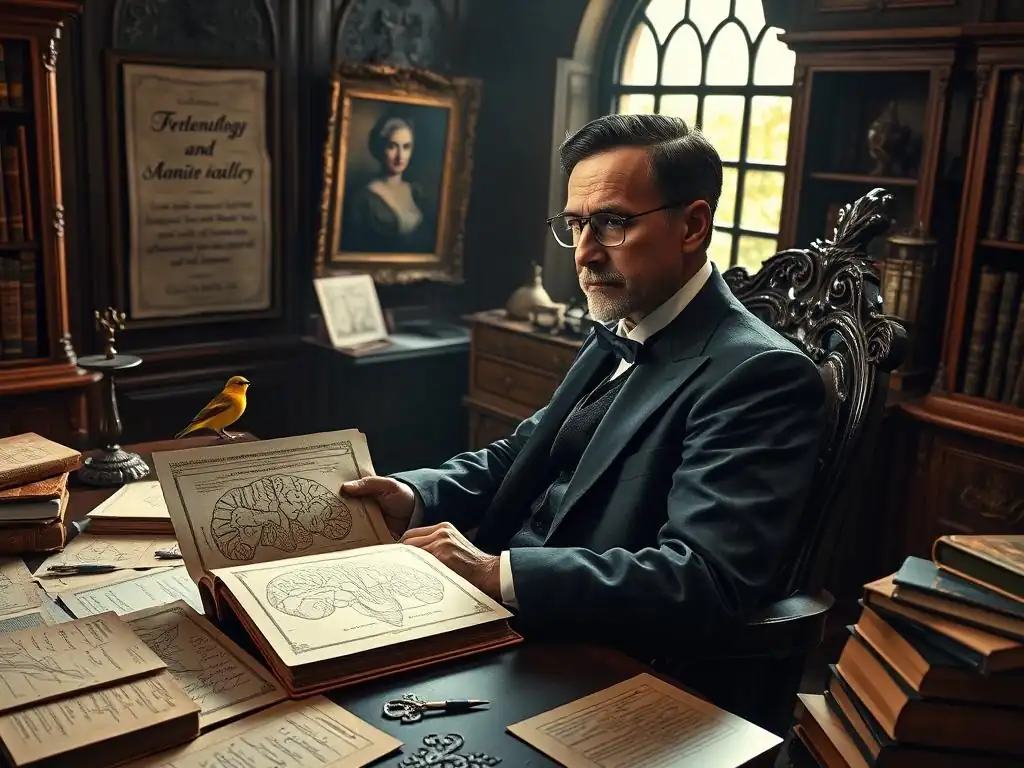
Welcome to Mind Care Guide, a space dedicated to understanding and nurturing your mental well-being. Have you ever wondered how our understanding of the mind has evolved? In this article, we delve into the fascinating—and sometimes unsettling—world of 19th century mental illness theories. Prepare to be surprised by the perspectives of the past, and how they continue to shape our present understanding. Explore with us, and perhaps gain a deeper appreciation for the progress we've made, and the journey still ahead.
Understanding 'Madness': 19th Century Theories of Mental Illness
- Introduction: The Landscape of Mental Illness in the 19th Century
- Dominant 19th Century Theories of Mental Illness
- Key Figures in 19th Century Mental Illness Theory
- The Role of Asylums in Shaping 19th Century Theories
- Critiques and Challenges to 19th Century Theories
- Legacy and Influence of 19th Century Mental Illness Theories
- Conclusion: Reflecting on 19th Century Understandings of 'Madness'
-
Frequently Asked Questions
- What were some of the dominant 19th century mental illness theories about the causes of "madness"?
- How did the understanding of 19th century mental illness theories impact the treatment of individuals diagnosed with mental disorders?
- In what ways did 19th century mental illness theories differ from modern perspectives on mental health?
- What role did social factors play in shaping 19th century mental illness theories and perceptions of mental illness?
- Where can I find more information about the 19th century mental illness theories and their impact?
- Final Reflection: The Enduring Shadow of 19th-Century Psychiatry
- Uncover Your Own Mental Health History: A Journey Through the Mind
Introduction: The Landscape of Mental Illness in the 19th Century
The 19th century marked a pivotal era in the understanding and treatment of mental illness. Shifting away from purely spiritual or moral explanations prevalent in earlier times, this period saw the emergence of more systematic, albeit often flawed, medical and psychological approaches. The concept of 'madness,' a broad and often pejorative term, began to be explored through new lenses, leading to groundbreaking, yet sometimes controversial, 19th century mental illness theories. This era laid the groundwork for modern psychiatry, grappling with questions about the causes, classification, and care of those experiencing mental distress.
This article delves into the diverse 19th century mental illness theories that shaped the period. We will examine the dominant paradigms, from the compassionate ideals of moral treatment to the burgeoning interest in biological and psychological explanations. By exploring the key figures, the role of institutions like asylums, and the societal context, we can gain a deeper appreciation for the complex evolution of thought regarding mental health during this transformative century. Understanding these historical perspectives is crucial for appreciating the journey of mental healthcare and the ongoing challenges in destigmatizing and effectively treating mental disorders today.
The 19th century was a period of immense social upheaval, characterized by rapid industrialization, urbanization, and significant demographic shifts. These societal changes brought new pressures and complexities, influencing how mental distress was perceived and experienced.
While superstition and fear still played a role, there was a growing movement, particularly in Western Europe and North America, towards viewing mental illness as a condition that could be understood and potentially treated, rather than simply a result of demonic possession or moral failing. This shift was intertwined with broader advancements in medicine and science, which encouraged a more empirical approach to human ailments.
Medically, the 19th century was a time of significant, though often primitive, progress. Anatomy and physiology were advancing, but understanding of the brain's complexities was still rudimentary. Treatments for physical diseases were often harsh and based on limited knowledge, and this lack of effective therapeutic options extended to mental health. Physicians and early psychiatrists relied heavily on observation, classification, and sometimes invasive or ineffective interventions. The prevailing medical paradigm often sought physical causes for all diseases, including those affecting the mind, setting the stage for biological 19th century mental illness theories.
Evolving Definitions of 'Madness' and Mental Disorder
In the early 19th century, terms like 'madness,' 'lunacy,' and 'insanity' were umbrella terms used to describe a wide range of behaviors and conditions that deviated significantly from societal norms. These labels lacked precise definition and often encompassed everything from severe psychotic states to intellectual disabilities, epilepsy, and even eccentric behavior. The boundary between physical illness, moral failing, and mental disorder was often blurred, reflecting the limited understanding of the mind-body connection.
As the century progressed, fueled by the systematic observation of patients, particularly within the burgeoning asylum system, there were concerted efforts to classify and define different forms of mental disorder. Figures like Jean-Étienne Esquirol, a student of Pinel, developed detailed descriptions of conditions he termed 'monomanias' – fixations or delusions centered on a single idea, such as kleptomania or pyromania. While these early classifications were rudimentary compared to modern diagnostic manuals, they represented a crucial step towards breaking down the undifferentiated concept of 'madness' into distinct, albeit still poorly understood, categories, contributing significantly to 19th century mental illness theories.
Dominant 19th Century Theories of Mental Illness
Moral Treatment: A Revolutionary Approach to Mental Care
Moral treatment emerged in the late 18th century but gained significant traction and influence throughout the early and mid-19th century. It represented a radical departure from previous approaches to 'madness,' which often involved confinement, restraints, and harsh physical methods. Pioneered by figures like Philippe Pinel in France and William Tuke in England, moral treatment posited that mental illness could be alleviated through humane care, a structured environment, and therapeutic activities. It emphasized kindness, respect for the individual, and the belief that restoring reason required addressing the person's overall well-being, not just suppressing symptoms.
Institutions practicing moral treatment, such as the York Retreat founded by the Tuke family in 1796, were designed to be calm, orderly environments. Patients were encouraged to engage in work, recreation, social interaction, and religious observance. Physical restraints were minimized, and staff were trained to treat patients with compassion and patience.
This approach saw considerable success in its early, smaller-scale applications, leading to reports of higher recovery rates compared to traditional methods. For instance, early reports from institutions like the Friends' Asylum in Philadelphia, founded in 1813 based on Tuke's principles, claimed recovery rates that seemed promising at the time, although rigorous statistical data was scarce and definitions of recovery varied.
Principles of Moral Treatment: Kindness, Respect, and Routine
The core principles of moral treatment centered on creating a therapeutic environment based on human dignity and routine. Key tenets included:
- Kindness and Compassion: Treating patients with empathy and avoiding cruelty or neglect.
- Respect for the Individual: Recognizing the inherent worth of the person despite their illness.
- Structured Environment: Providing a predictable daily routine with regular meals, sleep, and activities.
- Meaningful Activity: Engaging patients in work (such as gardening or crafts) and recreational pursuits.
- Social Interaction: Encouraging positive relationships between patients and staff, and among patients themselves.
- Minimal Restraint: Avoiding physical restraints whenever possible, relying instead on calming influence and structure.
These principles aimed to restore the patient's self-esteem and self-control, which were believed to be diminished by their illness. The focus was less on finding a specific cure and more on providing conditions under which recovery could occur naturally. This holistic view, considering the patient's social and psychological needs alongside their physical state, was a significant contribution to 19th century mental illness theories, shifting the focus from mere containment to active care.
Critiques and Limitations of Moral Treatment in Practice
Despite its noble ideals and initial successes, moral treatment faced significant challenges and ultimately declined in its pure form by the latter half of the 19th century. One major limitation was its scalability. It was most effective in smaller institutions with high staff-to-patient ratios and a commitment to individualized care.
As the number of people admitted to asylums grew dramatically throughout the century – for example, the population of state asylums in New York grew from a few hundred in the 1840s to over 10,000 by the 1880s – overcrowding became rampant. This made it increasingly difficult to maintain the personalized attention and structured therapeutic activities central to moral treatment.
Furthermore, moral treatment lacked a strong theoretical basis for the causes of mental illness beyond vague notions of moral or emotional disturbance. When patients did not recover, or relapsed, practitioners sometimes blamed the patient's inherent weakness or the severity of their condition, rather than questioning the limits of the treatment itself.
The rise of competing biological theories, which promised more scientific explanations and potential medical interventions, also drew attention away from the psychosocial approach of moral treatment. The economic pressures of managing large asylum populations often led to a regression towards custodial care, where patients were housed but received little individualized therapeutic attention, a stark contrast to the initial promise of these 19th century mental illness theories.
Biological Theories: The Rise of Organic Explanations for Mental Disorders
As the 19th century progressed, particularly from the mid-century onwards, there was a growing emphasis on biological explanations for mental illness. Driven by advancements in neurology, anatomy, and pathology, physicians increasingly sought the roots of 'madness' in the physical structure and function of the brain and nervous system. This shift was part of a broader trend in medicine to identify specific organic causes for diseases, moving away from humoral theories or purely environmental explanations. Biological 19th century mental illness theories proposed that mental disorders were essentially brain diseases.
This perspective fueled research into brain anatomy, post-mortem examinations of asylum patients, and early attempts to link specific brain lesions or abnormalities to particular forms of mental illness. While many of these early correlations were speculative or based on limited evidence, they represented a significant move towards a medical model of mental health. The search for biological markers became a dominant theme, influencing diagnosis, classification, and the direction of research, setting the stage for modern biological psychiatry and shaping 19th century mental illness theories for decades to come.
The Influence of Brain Anatomy and Physiology
The 19th century saw significant developments in neuroanatomy, including the mapping of major brain regions and the nascent understanding of nerve function. Scientists and physicians, armed with increasingly sophisticated microscopes and dissection techniques, began to explore the brain for visible signs of pathology in individuals who had suffered from mental illness. Post-mortem studies became a common practice in asylums, hoping to find lesions, structural abnormalities, or signs of inflammation that could explain psychiatric symptoms.
While specific findings linking anatomy to mental disorders were often inconclusive or misinterpreted due to the limited understanding of brain plasticity and function, this focus solidified the idea that the brain was the seat of mental life and, therefore, mental illness. For example, some researchers hypothesized that specific areas controlled different mental faculties, and damage to these areas caused specific symptoms – a concept related to phrenology but pursued with more anatomical rigor.
This search for organic pathology, even if it didn't yield definitive answers at the time, was a crucial development in medicalizing mental illness and contributed significantly to biological 19th century mental illness theories.
Degeneration Theory: Heredity and the Decline of Mental Health
One of the most influential, and ultimately harmful, biological 19th century mental illness theories was degeneration theory, prominently championed by figures like Bénédict Augustin Morel in France. Published in the mid-19th century, Morel's theory proposed that mental illness was a result of a hereditary process of deterioration or 'degeneration' across generations. According to this theory, individuals could inherit a predisposition to mental or physical weakness, which would worsen with each successive generation, manifesting as various forms of "neuropathic taint," including mental illness, intellectual disability, epilepsy, criminality, and moral deviance.
Morel believed that environmental factors like poor living conditions, substance abuse, and disease could accelerate this process, but the underlying cause was a fundamental biological weakening passed down through families. This theory provided a seemingly scientific explanation for the perceived increase in mental illness and social problems in industrialized societies.
It had profound implications, contributing to the stigmatization of families affected by mental illness and laying intellectual groundwork for the later eugenics movement, which sought to prevent "degenerate" individuals from reproducing. While lacking robust empirical support by modern standards, degeneration theory powerfully shaped clinical practice, social policy, and 19th century mental illness theories regarding heredity.
Psychological Theories: Exploring the Mind in 19th Century Psychiatry
While biological theories gained prominence, the 19th century also saw the nascent development of psychological perspectives on mental illness. These approaches, though less dominant than biological or even moral treatment paradigms for much of the century, explored the role of internal mental processes, emotions, and experiences in causing or maintaining psychological distress. This area of inquiry was diverse, ranging from pseudoscientific attempts to read character from physical traits to early explorations of the subconscious mind, foreshadowing modern depth psychology and adding another layer to 19th century mental illness theories.
Psychological approaches often focused on observable behaviors, emotional states, and the patient's narrative, albeit interpreted through the lens of the prevailing understanding. The study of conditions like hysteria, which presented with physical symptoms without apparent organic cause, particularly in the work of figures like Jean-Martin Charcot, highlighted the potential influence of psychological factors and suggested that the mind could significantly impact the body. This growing interest in the psychological realm, distinct from purely biological or moral explanations, marked an important, albeit often overlooked, thread in the fabric of 19th century mental illness theories.
Early Forms of Psychological Analysis: Phrenology and Physiognomy
In the early to mid-19th century, pseudoscientific practices like phrenology and physiognomy were popular attempts to link physical characteristics to psychological traits and potential mental disorders. Phrenology, developed by Franz Joseph Gall, proposed that specific mental faculties were located in distinct areas of the brain, and the development of these areas could be determined by examining the bumps and contours of the skull. Practitioners claimed they could assess intelligence, personality traits, and predispositions to conditions like 'insanity' by 'reading' the head.
Similarly, physiognomy sought to determine character and mental state from facial features and body shape. While these practices were not based on rigorous scientific method and are now considered pseudoscience, they reflected a desire to find external, observable signs of internal psychological states and mental health. They represented early, albeit misguided, attempts to systematically analyze human behavior and disposition, influencing popular understanding and some early clinical observations, even if they weren't core medical 19th century mental illness theories.
The Emergence of Psychoanalytic Thought: Precursors to Freud
The latter part of the 19th century witnessed developments that laid the groundwork for psychoanalytic thought, though Sigmund Freud's major contributions came just as the century turned. Key figures like Jean-Martin Charcot, a neurologist at the Salpêtrière hospital in Paris, extensively studied hysteria, a condition then believed to be primarily psychological in origin, often manifesting as paralysis, sensory loss, or seizures without apparent physical damage. Charcot's demonstrations of using hypnosis to induce and remove hysterical symptoms suggested the powerful influence of psychological factors and potentially subconscious processes.
Another important precursor was Pierre Janet, a student of Charcot, who developed theories of psychological dissociation and the subconscious mind. Janet studied patients suffering from trauma and dissociation, proposing that certain memories or ideas could become split off from conscious awareness but still influence behavior.
His work, alongside that of others exploring hypnosis and psychological suggestion, began to shift the focus towards the internal world of the patient, the impact of past experiences, and the existence of mental processes outside conscious control. These explorations were critical steps towards understanding the psychological origins of some mental disorders and provided important foundations for future psychological 19th century mental illness theories, culminating in psychoanalysis.
Key Figures in 19th Century Mental Illness Theory

The 19th century was shaped by the contributions of numerous physicians, reformers, and scientists who advanced, debated, and challenged existing understandings of mental illness. These individuals, working in asylums, universities, and private practice, developed influential theories and approaches that left a lasting mark on the field of psychiatry. Their work highlights the diverse perspectives that existed during this period, from advocating for humane care to seeking biological explanations.
Understanding the contributions of these key figures provides crucial insight into the development of 19th century mental illness theories. They were pioneers navigating a complex landscape of limited knowledge, societal prejudice, and burgeoning scientific inquiry. Their legacies, both positive and negative, continue to inform discussions about the history and future of mental healthcare, reminding us of the continuous evolution in how we perceive and respond to mental distress.
Philippe Pinel: Champion of Moral Treatment
Philippe Pinel (1745-1826), often hailed as a father of modern psychiatry, was a French physician who revolutionized the treatment of the mentally ill. Working at the Bicêtre and Salpêrière hospitals in Paris during the tumultuous period of the French Revolution, Pinel advocated forcefully for the humane treatment of patients. He famously ordered the removal of chains from patients at Bicêtre in the 1790s, a symbolic and practical act that marked a significant departure from the punitive and custodial approaches common at the time.
Pinel's approach was rooted in the principles of moral treatment. He believed that mental illness was often curable and that recovery depended on providing a supportive, structured environment. He emphasized careful observation, detailed case histories, and the classification of mental disorders based on clinical description.
His influential work, Treatise on Insanity (1801), detailed his methods and theories, advocating for empathy, therapeutic conversation, and activities. While his direct influence was strongest in the early 19th century, his principles of respect and humane care remained an ideal, even as the asylum system faced later challenges, profoundly influencing 19th century mental illness theories regarding care.
Jean-Étienne Esquirol: Development of Monomania Concept
Jean-Étienne Esquirol (1772-1840) was a student and successor of Philippe Pinel and a highly influential figure in consolidating and expanding psychiatric practice in France. He played a crucial role in developing the asylum system and refining the classification of mental disorders. Esquirol trained many future psychiatrists and oversaw the construction of several new asylums, believing that specialized institutions were essential for the proper treatment and study of mental illness.
Esquirol is particularly known for his detailed descriptions and classification of mental disorders, building upon Pinel's work. He introduced and popularized the concept of 'monomania,' a type of partial insanity characterized by a single, fixed delusion or obsession, while the rest of the mind remained relatively intact.
He described various forms, such as 'monomanie incendiaire' (pyromania) or 'monomanie homicide' (a compulsion to kill). While the concept of monomania is not used in modern diagnostics, Esquirol's meticulous clinical descriptions and his efforts to differentiate between various forms of 'insanity' were important steps in the development of psychiatric nosology and significantly shaped 19th century mental illness theories on classification.
Henry Maudsley: Insanity as a Physical Disease
Henry Maudsley (1835-1918) was a prominent English psychiatrist in the latter half of the 19th century who strongly championed biological 19th century mental illness theories. A physician and professor, Maudsley argued forcefully that 'insanity' was not a separate entity but rather a disease of the brain, subject to the same biological laws as other physical illnesses. His influential book, The Physiology and Pathology of Mind (1867), synthesized contemporary physiological knowledge with psychiatric observation, advocating for a scientific, medical approach to mental disorders.
Maudsley was a key proponent of the view that mental symptoms were outward manifestations of underlying brain pathology. He incorporated evolutionary ideas and degeneration theory into his work, suggesting that mental illness could be a sign of biological weakness or a failure to adapt. While he acknowledged the influence of environmental factors, his primary focus was on the physical basis of mental illness. His emphasis on scientific research, brain pathology, and a medical model significantly influenced British psychiatry and contributed to the growing dominance of biological perspectives in 19th century mental illness theories towards the end of the century.
The Role of Asylums in Shaping 19th Century Theories
The 19th century was the age of the asylum. These specialized institutions grew from relatively small, often privately run facilities into large, state-funded institutions designed to house and treat the mentally ill. Asylums became the primary locus for psychiatric practice, research, and the development of 19th century mental illness theories. They concentrated large numbers of individuals experiencing various forms of mental distress under one roof, providing an unprecedented opportunity for observation and comparison.
The asylum system evolved significantly over the century. Initially conceived, in the spirit of moral treatment, as therapeutic havens offering structured care and opportunities for recovery, they often devolved into overcrowded, underfunded custodial institutions by the late 19th century. This transformation had a profound impact not only on the lives of patients but also on the development and application of 19th century mental illness theories, highlighting the practical challenges of implementing idealistic approaches and the influence of institutional realities on scientific understanding.
Asylums as Observatories: Studying Mental Illness in Institutional Settings
Asylums served as crucial, albeit often ethically questionable, laboratories for the study of mental illness in the 19th century. Housing thousands of patients with diverse symptoms and backgrounds provided physicians and early psychiatrists with a unique opportunity for systematic observation. Within asylum walls, practitioners could document case histories, track the progression of symptoms over time, and compare different manifestations of what was then broadly termed 'insanity.'
This concentrated population allowed for the collection of vast amounts of clinical data, which was used to refine classifications of mental disorders and develop theories about their causes. For instance, the sheer number of patients with conditions like 'general paralysis of the insane' (later linked to syphilis) allowed clinicians to observe its characteristic progression and eventual outcome, leading to hypotheses about its organic cause.
While limited by diagnostic tools and theoretical biases of the time, the observational opportunities within asylums were central to the empirical basis of many 19th century mental illness theories, providing the raw data that theorists attempted to explain.
The Development of Psychiatric Classifications within Asylums
The need to manage and understand the diverse population within asylums spurred the development of more detailed psychiatric classifications. Early classifications, like those attempted by Pinel and Esquirol, were refined and expanded upon by asylum superintendents and visiting physicians throughout the century. These classifications were often based on observable symptoms, presumed causes (e.g., 'puerperal insanity' linked to childbirth), or the expected course of the illness.
Asylums published reports detailing the types and numbers of patients admitted, their diagnoses (according to the prevailing systems), and outcomes. For example, annual reports from institutions like the Utica State Hospital in New York or Bethlem Royal Hospital in London provided statistical data on admissions categorized by diagnosis, sex, age, and presumed cause. While these classifications were often inconsistent between institutions and lacked the scientific rigor of modern systems, they represented a crucial step towards standardizing the description of mental disorders and provided a framework for applying and debating different 19th century mental illness theories.
The Impact of Asylum Life on Patients and Their Treatment
While early asylums inspired by moral treatment aimed to be therapeutic, the reality for many patients in the latter half of the 19th century was far from ideal. Overcrowding became a major issue; by the 1880s, many state asylums housed thousands of patients, far exceeding their intended capacity. This led to a decline in individualized care, a reliance on custodial rather than therapeutic approaches, and sometimes neglect or abuse. The institutional environment itself, with its rigid routines, lack of personal freedom, and often poor conditions, could exacerbate patients' distress.
Despite the challenges, some attempts at therapeutic interventions continued within asylums, influenced by various 19th century mental illness theories. This included hydrotherapy (baths), work therapy (farming, laundry), early forms of occupational therapy, and sometimes controversial physical treatments.
However, the primary function of many large asylums shifted towards long-term containment rather than active treatment, reflecting the limitations of available therapies and the practical difficulties of managing large, chronically ill populations within the framework of prevailing theories. The asylum, intended as a place of healing, often became a place of prolonged confinement, shaping both the experience of mental illness and the development of 19th century mental illness theories in complex ways.
Critiques and Challenges to 19th Century Theories

The 19th century mental illness theories, despite their advancements, were not without their critics and significant limitations. The understanding of mental health was hampered by the scientific knowledge of the time, societal prejudices, and the practical realities of care. Challenges arose from within the medical community, as different theoretical camps debated causes and treatments, and from external observers who questioned the effectiveness and humanity of the asylum system.
Examining these critiques is essential for a balanced understanding of the era. They highlight the struggles to reconcile diverse perspectives, the impact of social factors on mental well-being, and the enduring difficulties in developing effective and ethical treatments for complex mental disorders. These challenges ultimately paved the way for the evolution of psychiatric thought in the 20th century, prompting a re-evaluation of the dominant 19th century mental illness theories.
The Stigma Surrounding Mental Illness in the 1800s
One of the most pervasive challenges faced by individuals with mental illness and those attempting to treat them in the 19th century was the deeply entrenched societal stigma. Despite some progress in viewing mental illness as a medical condition, it was often still associated with moral weakness, degeneracy, or even divine punishment. Families frequently hid mentally ill relatives, and admission to an asylum was often a source of shame.
This stigma was reinforced by some of the dominant 19th century mental illness theories themselves, particularly degeneration theory, which pathologized not just the individual but their entire family line. Public perception was often shaped by sensationalized accounts or fear, rather than accurate understanding. This societal prejudice made it difficult for individuals to seek help, hindered integration back into the community for those who did recover, and limited funding and support for humane and effective treatment approaches, creating a significant barrier to progress in mental healthcare.
While biological and moral theories dominated, some observers in the 19th century recognized the significant impact of social and environmental factors on mental health. Reformers like Dorothea Dix in the United States documented the appalling conditions in which many mentally ill individuals lived before the widespread development of asylums, often confined in poorhouses or jails. These observations highlighted how poverty, neglect, and harsh living conditions clearly contributed to or exacerbated mental distress.
However, these social determinants were often viewed as triggers that unmasked an underlying biological predisposition or moral weakness, rather than primary causes in themselves, within the framework of prevailing 19th century mental illness theories. While some asylum physicians noted correlations between factors like urbanization, immigration, and rates of admission, systematic research into the social roots of mental illness was limited. The focus remained largely on the individual's constitution or internal pathology, rather than the broader societal context that contributed to their suffering.
The Limits of Medical Knowledge and Treatment Options
Perhaps the most significant challenge to 19th century mental illness theories was the profound limitation of medical and scientific knowledge regarding the brain and mental processes. Without effective diagnostic tools (like brain imaging) or a sophisticated understanding of neurochemistry, theories about the biological causes of mental illness were largely speculative. Similarly, psychological theories were in their infancy, lacking the structured therapeutic frameworks that would develop later.
Consequently, effective treatments were scarce. Aside from the structured care of moral treatment (which declined), interventions were often palliative or based on outdated medical practices. Treatments included rest cures, baths (hydrotherapy), special diets, bloodletting, purgatives, and sometimes questionable surgical procedures like trephination or oophorectomy (removal of ovaries). The lack of reliably effective treatments meant that even the most insightful 19th century mental illness theories struggled to translate into widespread therapeutic success, leading to frustration among practitioners and a growing sense of pessimism about the curability of 'insanity' in large asylum populations.
Legacy and Influence of 19th Century Mental Illness Theories
The 19th century, despite its limitations and controversies, fundamentally changed the way mental illness was perceived and approached. The theories developed during this period, from moral treatment to biological and early psychological perspectives, laid essential groundwork for future developments in psychiatry and mental healthcare. The debates and discoveries of the 1800s shaped the trajectory of research, clinical practice, and public attitudes for decades to come.
The legacy of 19th century mental illness theories is complex. It includes the enduring ideal of humane care, the recognition of the brain's role in mental health, and the beginnings of systematic classification and psychological inquiry. It also includes the negative consequences of overcrowding in asylums, the harmful impact of degeneration theory, and the persistence of stigma. Understanding this legacy is crucial for appreciating the roots of modern mental healthcare and the ongoing challenges in providing effective, ethical, and compassionate support for those affected by mental disorders.
The Evolution of Psychiatric Thought in the 20th Century
The 19th century mental illness theories directly influenced the major schools of thought that emerged in the 20th century. The biological focus of the latter 19th century continued and evolved into modern biological psychiatry, driven by advancements in genetics, neurochemistry, and psychopharmacology. The search for organic causes and biological treatments became a dominant paradigm, leading to the development of effective medications for conditions like schizophrenia and depression, although this also sometimes led to an oversimplification of complex disorders.
Concurrently, the seeds of psychological inquiry planted in the late 19th century blossomed into major psychological schools. Sigmund Freud's psychoanalysis, emerging at the turn of the century, built upon the exploration of the unconscious and the impact of early experience, offering a new therapeutic framework. Later in the 20th century, behaviorism and cognitive psychology further developed psychological approaches to understanding and treating mental disorders, often contrasting with or complementing biological perspectives. The 20th century saw these different theoretical strands, rooted in 19th century mental illness theories, develop and often compete for dominance.
Lasting Impacts on Mental Health Care and Attitudes
Many aspects of 19th century mental illness theories and practices have had lasting impacts. The concept of the asylum, while ultimately leading to deinstitutionalization in the late 20th century due to its failures, established the idea that specialized care for mental illness was necessary. The classification efforts, though imperfect, were precursors to modern diagnostic systems like the DSM (Diagnostic and Statistical Manual of Mental Disorders).
The tension between biological, psychological, and social explanations for mental illness, evident in the debates of the 19th century, continues to shape contemporary discussions. While stigma remains a challenge, the shift towards viewing mental illness as a medical or psychological condition rather than a moral failing, initiated in the 19th century, has paved the way for greater acceptance and the integration of mental healthcare into general medicine, even if progress has been slow.
The legacy includes both cautionary tales about institutionalization and discrimination and the enduring ideal of treating individuals with mental illness with dignity, first championed by moral treatment.
The Biological Basis of Mental Illness: A Continuing Debate
The 19th-century emphasis on finding a biological basis for mental illness remains a central, and sometimes debated, theme in modern psychiatry. While significant progress has been made in understanding the genetic, neurochemical, and structural factors associated with many mental disorders, the precise biological mechanisms are still not fully understood for many conditions. The reductionist view that mental illness is solely a brain disease, a viewpoint foreshadowed by some 19th century mental illness theories, is increasingly challenged by research highlighting the complex interplay of biological, psychological, social, and environmental factors.
Today, the dominant model in mental health is often a biopsychosocial one, which recognizes that mental well-being and distress arise from the interaction of these multiple influences. This integrated perspective acknowledges the biological contributions emphasized in the 19th century, while also incorporating the psychological insights that emerged later and the social/environmental factors that were sometimes recognized but often sidelined in earlier theories. The debate initiated by 19th century mental illness theories about the relative importance of nature (biology) and nurture (environment, psychology) continues in more sophisticated forms today.
Conclusion: Reflecting on 19th Century Understandings of 'Madness'
The 19th century was a period of dramatic transformation in the understanding and treatment of mental illness. The shift from purely custodial care to the ideals of moral treatment, the burgeoning interest in biological explanations driven by advancements in anatomy and physiology, and the nascent exploration of psychological factors all contributed to a more complex, albeit often contradictory, picture of 'madness.' 19th century mental illness theories were a patchwork of scientific inquiry, humanitarian ideals, societal prejudices, and practical constraints.
While the era saw the rise of the asylum system, which ultimately faced significant criticism, it also produced foundational ideas that continue to resonate. The recognition that mental illness was a condition affecting the mind and brain, subject to study and potentially amenable to treatment, was a crucial step forward. The debates between different theoretical perspectives, the challenges of implementing humane care on a large scale, and the pervasive issue of stigma highlight the enduring complexities of addressing mental health needs.
A Historical Perspective on Mental Health Treatment
Looking back at 19th century mental illness theories provides a vital historical perspective on the evolution of mental health treatment. It reminds us that our current understanding is the result of a long and often difficult journey, marked by both progress and setbacks. The transition from viewing 'madness' with fear and superstition to attempting systematic medical and psychological approaches was a significant paradigm shift, even if the tools and knowledge of the time were limited.
The era demonstrates how prevailing scientific paradigms (like the focus on organic pathology) and social forces (like industrialization and changing demographics) influence the development of theories and the organization of care (like the rise of large asylums). It also underscores the cyclical nature of some debates, such as the relative importance of biological versus environmental factors, which continue to be explored with more advanced methods today. A historical perspective encourages humility about the limits of current knowledge and emphasizes the importance of ethical considerations in treatment, lessons drawn directly from the experiences of the 19th century.
Lessons Learned from Past Approaches to Mental Illness
The study of 19th century mental illness theories offers several important lessons for contemporary mental healthcare. Firstly, the initial success of moral treatment in smaller settings highlights the enduring importance of humane care, a supportive environment, and meaningful activity in promoting recovery, principles that are central to modern therapeutic communities and recovery-oriented practice. The failure of large asylums, however, serves as a cautionary tale about the dangers of overcrowding, underfunding, and prioritizing containment over individualized care.
Secondly, the diverse theoretical landscape of the 19th century underscores the complexity of mental illness, which rarely fits neatly into a single explanatory framework. Modern mental health care increasingly adopts an integrated approach, recognizing the interplay of biological vulnerabilities, psychological experiences, and social contexts.
Finally, the pervasive stigma of the 19th century reminds us of the ongoing need for advocacy, education, and destigmatization efforts to ensure that individuals with mental illness receive the compassion, respect, and effective care they deserve, building on the humanitarian ideals first championed centuries ago while learning from the missteps rooted in outdated 19th century mental illness theories.
Frequently Asked Questions
What were some of the dominant 19th century mental illness theories about the causes of "madness"?
Dominant theories often attributed mental illness to moral failings, heredity, or physical ailments like infections. These theories lacked a strong scientific basis compared to modern understanding.
How did the understanding of 19th century mental illness theories impact the treatment of individuals diagnosed with mental disorders?
Theories emphasizing moral failings led to punitive approaches and asylums focused on discipline, not recovery. Hereditary theories promoted eugenic practices, while physical theories sometimes led to ineffective medical interventions.
In what ways did 19th century mental illness theories differ from modern perspectives on mental health?
Modern views emphasize the bio-psycho-social model, integrating biological, psychological, and social factors. 19th century theories often presented simplistic, deterministic explanations lacking empirical support.
Social factors like poverty, gender roles, and cultural norms significantly influenced diagnoses and treatment. Mental illness was often stigmatized and used to control marginalized groups.
Where can I find more information about the 19th century mental illness theories and their impact?
Websites like Mind Care Guide, historical archives, and academic journals specializing in the history of medicine and psychiatry offer further resources. Look for discussions of figures like Philippe Pinel and Emil Kraepelin.
Final Reflection: The Enduring Shadow of 19th-Century Psychiatry
Our understanding of mental illness has evolved dramatically, yet the legacy of 19th-century theories continues to cast a long shadow. The diagnostic categories and treatment approaches of that era, while often brutal and misguided by today's standards, profoundly shaped our current systems and continue to influence societal perceptions of mental health. The lingering effects of these historical biases demand ongoing critical examination.
The pervasive stigma surrounding mental illness, the often-unjust institutionalization of individuals, and the enduring power dynamics between patients and practitioners are all deeply rooted in the frameworks established during the 19th century. These historical practices, while seemingly distant, resonate powerfully in contemporary discussions about mental healthcare access, the efficacy of different treatments, and the ethical considerations surrounding diagnosis and care. The history of madness is not merely a history of the mad; it is also a history of the methods used to define, confine, and control them.
This quote highlights the crucial interplay between societal attitudes and the evolution of psychiatric understanding.
Consider the implications of this history for your own life. How do you perceive mental illness? Are your perceptions influenced by outdated notions? I urge you to engage in critical self-reflection, to challenge ingrained biases, and to advocate for a more compassionate and informed approach to mental health. By understanding the past, we can build a more just and equitable future for those struggling with mental illness, fostering a world where empathy and evidence-based care prevail.
Uncover Your Own Mental Health History: A Journey Through the Mind
Thanks for exploring the fascinating—and sometimes unsettling—world of 19th-century mental illness theories! You've gained valuable insight into how our understanding of the mind has evolved. Now, let's take that knowledge further:
- Dive deeper: Research a specific 19th-century figure or theory that particularly resonated with you. Compare their ideas to modern approaches to mental health.
- Share your thoughts: What surprised you most about the historical perspectives on mental illness? Discuss your reflections in the comments below. Let's build a community of shared learning!
- Challenge your perceptions: Consider how societal views on mental illness have influenced treatment and understanding throughout history, and how that impacts us today.
What insights from the past can help us better navigate mental health challenges in the present?