
Healthy Fats: Fueling Your Brain for Optimal Performance

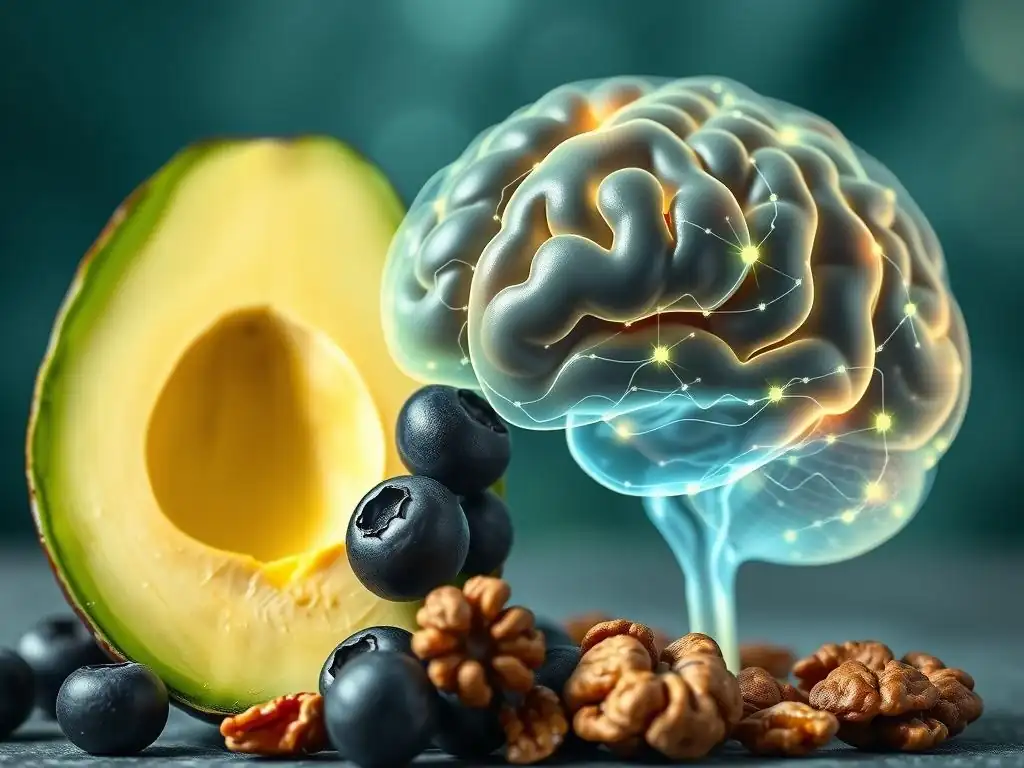
Welcome to Mind Care Guide, a sanctuary dedicated to nurturing your mental well-being.
Feeling foggy or struggling to focus? Discover the surprising link between what you eat and how you think. Are you aware that specific dietary choices can significantly impact your cognitive abilities and emotional resilience? Dive into our exploration of Brain health fat benefits and unlock the potential for a sharper, more vibrant you. Let's embark on this journey to optimal brain function, together.
Healthy Fats: Fueling Your Brain for Optimal Performance
- Introduction: The Vital Role of Fats in Brain Health
- Decoding Fats: Understanding the Different Types
- The Science Behind Brain Health Fat Benefits
-
Top Food Sources of Healthy Fats for Brain Power
- Fatty Fish: Salmon, Tuna, and Sardines for Omega-3 Boost
- Nuts and Seeds: Walnuts, Chia Seeds, and Flaxseeds for Brain Health
- Avocados: A Creamy Source of Monounsaturated Fats for Cognitive Function
- Olive Oil: The Brain-Boosting Benefits of Extra Virgin Olive Oil
- Dark Chocolate: Antioxidant and Healthy Fat Benefits
- Incorporating Healthy Fats into Your Diet for Mental Well-being
- Addressing Common Concerns About Dietary Fat
- Conclusion: Embrace Healthy Fats for a Sharper Mind and Better Mental Health
-
Frequently Asked Questions
- How do healthy fats contribute to brain health?
- What types of fats are considered "healthy" for the brain?
- Can a diet lacking in healthy fats negatively impact mental well-being?
- How much healthy fat should I aim to include in my daily diet?
- Are there any potential risks associated with consuming too much healthy fat?
- Final Reflection: Unlocking Your Brain's Potential Through Healthy Fats
- Unleash Your Brain's Potential: Fuel it Right!
Introduction: The Vital Role of Fats in Brain Health
Understanding the Connection Between Diet and Cognitive Function
The human brain is an incredibly complex organ, and its function is intrinsically linked to the fuel it receives from our diet. While glucose is often highlighted as the primary energy source, the structural integrity and communication pathways within the brain rely heavily on fats.
Accounting for roughly 60% of the brain's dry weight, lipids (fats) are not just stored energy; they are fundamental building blocks of cell membranes, insulation for nerve fibers, and crucial components in cell signaling. A diet lacking in essential fatty acids can compromise these structures, potentially leading to impaired cognitive function, including issues with memory, focus, and mood regulation.
Research consistently demonstrates a powerful link between dietary patterns and brain health. For instance, studies have shown that adherence to diets rich in unsaturated fats, such as the Mediterranean diet, is associated with a lower risk of cognitive decline and neurodegenerative diseases like Alzheimer's. This suggests that the type of fat consumed is critically important for maintaining sharp cognitive abilities throughout life. The brain's high lipid content underscores why understanding Brain health fat benefits is paramount for anyone seeking to optimize their mental well-being and performance.
Why Brain Health Fat Benefits are Essential for Mental Well-being
Beyond structural support, healthy fats play a direct role in various processes vital for mental health. They are integral to the synthesis and function of neurotransmitters, the chemical messengers that regulate mood, sleep, appetite, and learning. For example, serotonin, often linked to feelings of well-being, relies on healthy brain cell membranes for proper signaling. Furthermore, essential fatty acids, particularly omega-3s, have powerful anti-inflammatory properties. Chronic low-grade inflammation in the brain is increasingly implicated in mood disorders like depression and anxiety, highlighting how the anti-inflammatory effects of healthy fats contribute significantly to emotional stability and resilience.
The cumulative Brain health fat benefits extend to protecting the brain from oxidative stress and supporting neurogenesis (the creation of new brain cells) and synaptic plasticity (the brain's ability to reorganize itself by forming new neural connections). Ensuring an adequate intake of the right kinds of fats provides the necessary raw materials for these processes, fostering a brain environment conducive to optimal cognitive function, emotional balance, and overall mental well-being. Recognizing and leveraging these benefits is a key step in a holistic approach to mental health.
Decoding Fats: Understanding the Different Types
Saturated Fats: Benefits and Considerations for Brain Function
Saturated fats are typically solid at room temperature and are found in foods like butter, cheese, red meat, and coconut oil. While historically viewed negatively, the role of saturated fat in health, including brain health, is complex and subject to ongoing research. Some saturated fats, particularly medium-chain triglycerides (MCTs) found in coconut oil, are metabolized differently and can be converted into ketones, which can serve as an alternative fuel source for the brain, especially in conditions like Alzheimer's where glucose metabolism may be impaired. This potential benefit is an area of active study.
However, it's crucial to consider the broader context. High intake of saturated fats, especially from animal sources, is often associated with increased LDL cholesterol levels, which can negatively impact cardiovascular health. Since brain health is heavily reliant on healthy blood flow, anything that compromises the vascular system can indirectly harm cognitive function. Therefore, while certain saturated fats like MCTs might offer specific benefits and some level of saturated fat is part of a balanced diet, moderation is key, and they should not replace the emphasis on unsaturated fats for overall Brain health fat benefits.
Unsaturated Fats: The Powerhouses for Cognitive Enhancement
Unsaturated fats, generally liquid at room temperature, are widely recognized for their positive impact on health, including profound Brain health fat benefits. They differ from saturated fats in their chemical structure, containing one or more double bonds. This structural difference gives them different properties and roles in the body. These fats are crucial for building healthy cell membranes throughout the body, including the billions of neurons in the brain. They are also involved in reducing inflammation and improving cholesterol levels, which support cardiovascular health, a vital component for optimal brain function.
Unsaturated fats are broadly categorized into monounsaturated and polyunsaturated fats. Both types are essential for a healthy diet and contribute significantly to cognitive vitality. Incorporating a variety of sources of unsaturated fats is a cornerstone of nutritional strategies aimed at enhancing mental clarity, improving mood, and protecting against age-related cognitive decline. Their roles range from building brain tissue to facilitating communication between brain cells, making them indispensable nutrients for anyone prioritizing their mental well-being.
Monounsaturated Fats: Sources and Advantages for Brain Health
Monounsaturated fats (MUFAs) contain one double bond in their fatty acid chain. They are abundant in foods like olive oil, avocados, nuts (such as almonds, cashews, and pecans), and seeds (like pumpkin and sesame). MUFAs are known for their heart-healthy properties, helping to lower LDL (bad) cholesterol and increase HDL (good) cholesterol. This improved cardiovascular health directly supports the brain by ensuring a robust supply of oxygen and nutrients through healthy blood vessels.
Beyond cardiovascular benefits, MUFAs contribute directly to brain health. They are incorporated into cell membranes, helping to maintain fluidity and flexibility, which is essential for cell communication. Studies have linked diets high in MUFAs, particularly from olive oil, to better cognitive function and a reduced risk of cognitive impairment. For example, research on the Mediterranean diet, which is rich in olive oil, consistently shows positive associations with memory and learning outcomes, highlighting the significant Brain health fat benefits provided by these fats.
Polyunsaturated Fats: Omega-3 and Omega-6 Fatty Acids for Optimal Brain Function
Polyunsaturated fats (PUFAs) contain two or more double bonds. They are considered "essential" fatty acids because the human body cannot produce them and must obtain them through diet. The two main types of PUFAs are omega-3 and omega-6 fatty acids.
Both are critical for health, but their balance is key. Omega-3s are celebrated for their anti-inflammatory effects and direct roles in brain structure and function, while omega-6s are involved in inflammation and immune responses. A healthy balance, often cited as a ratio of omega-6 to omega-3 between 1:1 and 4:1, is considered optimal for reducing chronic inflammation and supporting overall health, including significant Brain health fat benefits.
Sources of PUFAs include fatty fish, flaxseeds, chia seeds, walnuts (omega-3s), and vegetable oils like soybean, corn, and sunflower oil (omega-6s). These fats are vital components of nerve cell membranes and are involved in numerous physiological processes, including blood clotting and muscle movement. Their impact on brain health is particularly pronounced due to the high concentration of PUFAs in brain tissue, making dietary intake of these essential fats non-negotiable for maintaining cognitive performance and mental well-being.
Omega-3 Fatty Acids: The Brain's Best Friend
Omega-3 fatty acids are perhaps the most celebrated fats when it comes to brain health. The three main types are Alpha-Linolenic Acid (ALA), Eicosapentaenoic Acid (EPA), and Docosahexaenoic Acid (DHA). ALA is found in plant sources like flaxseeds, chia seeds, and walnuts and can be converted to EPA and DHA in the body, though the conversion rate is relatively low.
EPA and DHA are primarily found in fatty fish and algae. DHA is a major structural component of the brain, making up about 25% of the brain's total fat content and nearly all of the omega-3s found in brain cell membranes. It is crucial for the development and function of brain cells, particularly in areas involved in memory, language, and complex cognitive tasks.
EPA, while less abundant structurally, possesses potent anti-inflammatory properties. Chronic inflammation is linked to various mental health conditions, including depression and anxiety, as well as neurodegenerative diseases. EPA's ability to modulate the inflammatory response contributes significantly to mood regulation and cognitive protection. Studies have shown that higher intakes of EPA and DHA are associated with a reduced risk of depression, improved symptoms of ADHD, and slower rates of cognitive decline in older adults. These powerful Brain health fat benefits make omega-3s indispensable for mental well-being.
Omega-6 Fatty Acids: Importance and Balance
Omega-6 fatty acids are also essential PUFAs, needed for normal growth and development. The primary omega-6 fatty acid is Linoleic Acid (LA), found in vegetable oils (like soybean, corn, and sunflower oil), nuts, and seeds. Omega-6s play vital roles in various bodily functions, including stimulating skin and hair growth, maintaining bone health, regulating metabolism, and supporting the reproductive system. They are also involved in the inflammatory response, acting as precursors to signaling molecules that can promote inflammation and blood clotting.
While essential, the typical Western diet often contains a much higher ratio of omega-6 to omega-3 fats than is considered healthy, sometimes as high as 15:1 or even 20:1. This imbalance can lead to a state of chronic low-grade inflammation throughout the body, including the brain. While omega-6s are necessary, their benefits for brain health are maximized when consumed in a balanced ratio with omega-3s. Focusing on increasing omega-3 intake and moderating excessive omega-6 intake from processed foods and certain vegetable oils is crucial for achieving optimal Brain health fat benefits and minimizing inflammatory risks.
Trans Fats: The Unhealthy Option to Avoid for Brain Health
Trans fats are unsaturated fats that have been chemically altered through a process called hydrogenation, which makes them more solid and stable, increasing shelf life. Primarily found in processed foods like baked goods, fried foods, and some margarines containing partially hydrogenated oils, artificial trans fats have been widely recognized as detrimental to health. They raise LDL (bad) cholesterol, lower HDL (good) cholesterol, and increase the risk of heart disease.
Beyond cardiovascular harm, trans fats are particularly damaging to brain health. They can interfere with the incorporation of healthy unsaturated fats into cell membranes, including those in the brain. This disruption can impair membrane fluidity and function, negatively impacting neuronal communication. Research has linked higher intakes of trans fats to poorer cognitive function, memory impairment, and an increased risk of dementia. Given the absence of any known health benefits and clear evidence of harm, avoiding artificial trans fats is one of the most critical dietary steps for protecting and enhancing Brain health fat benefits.
The Science Behind Brain Health Fat Benefits

How Healthy Fats Support Brain Cell Structure and Function
Healthy fats, particularly polyunsaturated fatty acids like DHA, are integral components of the phospholipid bilayers that form the cell membranes of neurons. These membranes are not just passive barriers; they are dynamic structures critical for cell signaling, transport of ions and molecules, and the function of embedded proteins, including receptors for neurotransmitters. The fluidity of these membranes, influenced by the types of fats incorporated, affects how easily proteins can move within the membrane and how effectively signals are transmitted. DHA's unique structure contributes to optimal membrane fluidity, which is essential for the rapid and efficient communication between brain cells.
Furthermore, fats form the myelin sheath, a fatty layer that insulates nerve fibers (axons). Myelin allows electrical signals to travel quickly and efficiently along neurons, a process vital for all aspects of brain function, from simple reflexes to complex thought. Damage to the myelin sheath, which can occur due to inflammation or nutritional deficiencies, disrupts this signaling. Healthy fats provide the necessary components to maintain and repair myelin, ensuring robust neural transmission and contributing directly to overall Brain health fat benefits.
The Role of Fats in Neurotransmitter Production and Regulation
Neurotransmitters are chemical messengers that transmit signals between neurons, influencing everything from mood and motivation to learning and memory. Healthy fats play several roles in supporting neurotransmitter systems. Firstly, as components of cell membranes, they are crucial for the proper function of neurotransmitter receptors located on the cell surface. The structure and fluidity of the membrane can affect how well these receptors bind to neurotransmitters and transmit signals into the cell.
Secondly, some fats and their derivatives act as signaling molecules themselves or are involved in the synthesis of neurotransmitters. For example, omega-3 fatty acids can influence the synthesis and release of neurotransmitters like serotonin and dopamine, which are key regulators of mood and reward pathways. By ensuring the integrity of cell membranes and participating in signaling cascades, healthy fats provide the necessary environment and components for efficient neurotransmitter production, release, and reception, significantly contributing to Brain health fat benefits related to mood and cognitive function.
Reducing Inflammation in the Brain with Healthy Fats
Chronic low-grade inflammation in the brain, known as neuroinflammation, is increasingly recognized as a contributing factor to various neurological and psychiatric conditions, including depression, anxiety, Alzheimer's disease, and Parkinson's disease. Unlike acute inflammation, which is a necessary protective response, chronic inflammation can damage neurons and disrupt neural circuits. Certain healthy fats, particularly omega-3 fatty acids (EPA and DHA) and monounsaturated fats, possess potent anti-inflammatory properties that can help mitigate this damage.
EPA and DHA can be converted into specialized pro-resolving mediators (SPMs), such as resolvins and protectins, which actively work to resolve inflammation. They counteract the effects of pro-inflammatory molecules derived from omega-6 fatty acids (like arachidonic acid) when the omega-6 to omega-3 ratio is imbalanced. By reducing neuroinflammation, these healthy fats protect neurons from damage, support synaptic function, and create a less hostile environment for brain cells, thereby enhancing cognitive resilience and overall Brain health fat benefits.
Enhancing Cognitive Function with Essential Fatty Acids
The combined effects of healthy fats on brain structure, neurotransmitter function, and inflammation suppression culminate in significant enhancements to cognitive function. Essential fatty acids, especially omega-3s (DHA and EPA), are critical for processes like learning, memory formation, and executive functions (planning, problem-solving, decision-making). DHA's role in maintaining the structural integrity and fluidity of neuronal membranes is fundamental for the rapid processing of information and the formation of new neural connections (synaptic plasticity), which underlies learning and memory.
Studies have consistently linked higher dietary intake of omega-3s, particularly from fatty fish, with better performance on cognitive tests across the lifespan. In children, adequate omega-3 intake is associated with improved attention and learning abilities. In adults, it's linked to better working memory and processing speed. In older adults, it may help slow age-related cognitive decline and reduce the risk of dementia. These myriad ways in which essential fatty acids support and enhance cognitive function underscore their profound Brain health fat benefits.
Top Food Sources of Healthy Fats for Brain Power
Fatty Fish: Salmon, Tuna, and Sardines for Omega-3 Boost
Fatty fish are perhaps the most well-known and potent dietary sources of the long-chain omega-3 fatty acids, EPA and DHA, which are directly usable by the brain. Just one 3-ounce serving of cooked salmon can contain over 1 gram of EPA and DHA combined, significantly contributing to daily needs. Other excellent options include mackerel, herring, tuna (particularly albacore), and sardines. These fish accumulate omega-3s by eating plankton and smaller fish that consume algae, the original source of these essential fats.
Regular consumption of fatty fish, ideally two to three servings per week, is strongly associated with numerous Brain health fat benefits. These include improved mood, reduced symptoms of depression and anxiety, enhanced memory, and a lower risk of cognitive decline and dementia. The high concentration and bioavailability of EPA and DHA in these sources make them a cornerstone of a brain-healthy diet.
Nuts and Seeds: Walnuts, Chia Seeds, and Flaxseeds for Brain Health
Nuts and seeds are fantastic plant-based sources of healthy fats, including both monounsaturated and polyunsaturated varieties. Walnuts are particularly noteworthy as they are one of the best plant sources of Alpha-Linolenic Acid (ALA), an omega-3 fatty acid. A quarter-cup serving of walnuts contains about 2.5 grams of ALA. While the body's conversion of ALA to the brain-essential DHA and EPA is inefficient (around 1-10%), ALA itself may have some independent benefits.
Chia seeds and flaxseeds are also excellent sources of ALA, providing about 5 grams and 2.3 grams respectively per tablespoon. Both are also good sources of fiber and other nutrients. Other nuts like almonds, cashews, and pecans, and seeds like pumpkin and sunflower seeds, are rich in monounsaturated fats and omega-6 fatty acids (LA), contributing to overall healthy fat intake. Incorporating a variety of nuts and seeds into your diet provides diverse Brain health fat benefits, offering essential fatty acids, antioxidants, and other micronutrients that support cognitive function.
Avocados: A Creamy Source of Monounsaturated Fats for Cognitive Function
Avocados are unique fruits prized for their high content of healthy monounsaturated fats, primarily oleic acid (the same type found in olive oil). A medium avocado contains approximately 15-20 grams of total fat, with about two-thirds of that being MUFAs. These fats contribute to healthy blood flow by supporting cardiovascular health, which is vital for delivering oxygen and nutrients to the brain.
In addition to MUFAs, avocados also provide fiber, potassium, folate, and vitamins K, C, E, and several B vitamins. Folate, for instance, is important for neurological function. The combination of healthy fats and other nutrients in avocados supports overall brain health and may contribute to improved cognitive function. Their creamy texture makes them versatile for adding Brain health fat benefits to salads, sandwiches, smoothies, or simply enjoyed on toast.
Olive Oil: The Brain-Boosting Benefits of Extra Virgin Olive Oil
Extra virgin olive oil (EVOO) is a staple of the Mediterranean diet and is celebrated for its abundant monounsaturated fats and powerful antioxidants, particularly polyphenols. Oleic acid constitutes the majority of the fat in olive oil, typically making up 55-83%. The high concentration of MUFAs helps improve cholesterol profiles and supports arterial health, ensuring good blood supply to the brain.
Beyond its fat composition, EVOO's rich antioxidant content provides significant neuroprotective effects. Polyphenols help combat oxidative stress and inflammation in the brain, processes implicated in cognitive decline. Studies on populations consuming diets high in EVOO show associations with better cognitive performance and a lower risk of dementia. Using high-quality extra virgin olive oil as a primary cooking oil and dressing is an effective way to leverage its substantial Brain health fat benefits.
Dark Chocolate: Antioxidant and Healthy Fat Benefits
Dark chocolate, particularly varieties with 70% or higher cocoa content, contains healthy fats, primarily saturated (stearic acid, which has a neutral effect on cholesterol) and monounsaturated fats. While not as concentrated a source of essential fatty acids as fish or nuts, it offers additional Brain health fat benefits through its rich antioxidant profile, specifically flavonoids.
Flavonoids in dark chocolate can improve blood flow to the brain, enhance neurogenesis, and protect brain cells from damage. Some studies suggest that moderate consumption of dark chocolate is associated with improvements in memory, focus, and mood. While it contains sugar and saturated fat, the beneficial compounds, including healthy fats and antioxidants, make high-cocoa dark chocolate a potentially brain-boosting treat when consumed in moderation as part of a balanced diet focused on overall Brain health fat benefits.
Incorporating Healthy Fats into Your Diet for Mental Well-being

Simple Swaps to Increase Healthy Fat Intake
Making small, consistent changes to your diet can significantly increase your intake of healthy fats. Consider swapping out less healthy options for nutrient-dense alternatives. For example, instead of using butter or margarine on toast, try mashed avocado or a thin layer of nut butter. Replace creamy dressings made with unhealthy oils with vinaigrettes based on extra virgin olive oil. When cooking, opt for olive oil or avocado oil instead of vegetable oils high in omega-6s.
Another simple swap is changing snack choices. Instead of chips or crackers, snack on a handful of walnuts or almonds. Add chia seeds or flaxseeds to your morning yogurt, oatmeal, or smoothie. Choose fatty fish like salmon or sardines for dinner instead of processed meats. These straightforward substitutions can dramatically improve your dietary fat profile and enhance your Brain health fat benefits over time without requiring drastic dietary overhauls.
Delicious and Brain-Boosting Recipes
Incorporating healthy fats can be both easy and delicious. Consider a recipe like Salmon with Roasted Asparagus and Quinoa: The salmon provides omega-3s, the asparagus offers vitamins, and quinoa adds complex carbs. Drizzle the asparagus with olive oil before roasting for added MUFAs. Another idea is a Walnut and Berry Spinach Salad: Combine spinach, mixed berries, and walnuts, then toss with a simple dressing made from olive oil, balsamic vinegar, and a touch of honey. This recipe combines omega-3s from walnuts, MUFAs from olive oil, and antioxidants from berries and spinach, creating a powerful brain-boosting meal.
For a snack or light meal, try Avocado Toast with Smoked Salmon and Everything Bagel Seasoning. This simple dish layers MUFAs from avocado with omega-3s from smoked salmon on whole-grain toast. Or, whip up a Chia Seed Pudding using almond milk, chia seeds, a touch of sweetener, and top with berries and nuts. These recipes demonstrate how easily healthy fats can be integrated into everyday meals, making it enjoyable to reap the full Brain health fat benefits.
Sample Meal Plan Featuring Healthy Fats
Here is a sample one-day meal plan emphasizing healthy fats for brain health:
- Breakfast: Oatmeal topped with 1 tablespoon of chia seeds, a handful of walnuts, and a quarter cup of berries.
- Lunch: Large salad with mixed greens, half an avocado (sliced), a quarter cup of almonds, and a dressing made with 2 tablespoons of extra virgin olive oil and lemon juice. Add grilled chicken or lentils for protein.
- Snack: Small container of Greek yogurt with 1 tablespoon of flaxseeds.
- Dinner: 4-ounce serving of baked salmon, served with a side of roasted broccoli drizzled with olive oil and a small portion of brown rice.
- Evening Snack (Optional): A few squares of dark chocolate (70%+ cocoa).
This plan includes diverse sources of omega-3s, MUFAs, and balanced PUFAs throughout the day, providing consistent nourishment for the brain. Following such a plan regularly helps ensure you are consistently leveraging the powerful Brain health fat benefits of these essential nutrients.
Addressing Common Concerns About Dietary Fat
Debunking Myths About Fat Consumption and Weight Gain
One of the most persistent myths is that eating fat automatically leads to weight gain. While it's true that fats are calorie-dense (9 calories per gram compared to 4 for carbs and protein), the type and total amount of fat, as well as overall dietary pattern and calorie intake, are what truly matter for weight management. Healthy unsaturated fats can actually aid weight management by promoting satiety, helping you feel fuller for longer after meals compared to diets high in refined carbohydrates and sugars.
Focusing on incorporating healthy fats in moderation as part of a balanced diet rich in whole foods is crucial. Severely restricting all fats can lead to deficiencies in essential fatty acids, negatively impacting brain health and other bodily functions. The key is not to fear fat but to choose healthy sources and consume them in appropriate portions, recognizing that they are vital for health, including providing significant Brain health fat benefits, rather than solely focusing on their caloric value.
How Much Fat is Right for Your Brain Health? [Recommended Daily Intake]
General dietary guidelines from health organizations often recommend that adults consume between 20% and 35% of their total daily calories from fat. For a person consuming 2000 calories per day, this translates to roughly 44 to 78 grams of fat. However, for optimal brain health, the emphasis should be on the quality of fats within this range. It is recommended that the majority of your fat intake should come from monounsaturated and polyunsaturated sources.
Specific recommendations for essential fatty acids vary, but many health bodies suggest aiming for at least 250-500 mg of combined EPA and DHA per day for general adult health, with higher amounts potentially beneficial for certain conditions or life stages. ALA recommendations are typically higher, around 1.1 grams per day for women and 1.6 grams for men. Focusing on meeting these essential fatty acid targets within the broader healthy fat percentage range is a practical approach to maximizing Brain health fat benefits.
Addressing Concerns about Cholesterol and Saturated Fat Intake
Concerns about dietary fat often center on its impact on cholesterol levels and heart disease risk. While it's true that high intakes of saturated and trans fats can raise LDL (bad) cholesterol, dietary cholesterol itself has a less significant impact on blood cholesterol levels for most people than previously thought. The focus has rightly shifted to limiting harmful fats (trans fats and excessive saturated fats) and prioritizing beneficial ones (unsaturated fats).
For brain health, the relationship is also nuanced. While moderate saturated fat intake might be permissible, excessive amounts can contribute to cardiovascular issues that indirectly harm the brain. The strongest evidence for Brain health fat benefits points overwhelmingly towards unsaturated fats, particularly omega-3s and MUFAs, which can help improve cholesterol profiles and support overall vascular health, thereby protecting the brain's blood supply. Consulting with a healthcare provider or registered dietitian can help personalize dietary fat recommendations based on individual health status and needs.
Conclusion: Embrace Healthy Fats for a Sharper Mind and Better Mental Health
The Long-Term Benefits of a Fat-Rich Diet for Cognitive Function
Adopting a diet rich in healthy fats is not just a short-term strategy; it offers profound long-term benefits for cognitive function and mental well-being. By providing the essential building blocks for brain cells, supporting neurotransmitter systems, reducing inflammation, and enhancing blood flow, healthy fats create an optimal environment for the brain to thrive across the lifespan. Consistent intake of omega-3s, monounsaturated fats, and other beneficial lipids is associated with better memory, improved learning capacity, enhanced mood stability, and a significantly reduced risk of age-related cognitive decline and neurodegenerative diseases.
Investing in a diet that prioritizes healthy fats is an investment in your future mental clarity and resilience. The cumulative effects of years of nourishing your brain with the right kinds of fats can lead to sustained cognitive vitality and a lower vulnerability to mental health challenges. Recognizing the critical Brain health fat benefits and making conscious dietary choices is a powerful step towards preserving and enhancing your most vital organ.
Taking Control of Your Brain Health Through Nutrition
Understanding the vital role of healthy fats empowers you to take proactive steps towards optimizing your brain health. While other factors like sleep, exercise, and stress management are crucial, nutrition provides the fundamental resources the brain needs to function effectively. By focusing on incorporating fatty fish, nuts, seeds, avocados, and olive oil into your daily meals, while minimizing trans fats and excessive saturated fats, you are actively nurturing your brain.
Embracing the principles of a brain-healthy diet, rich in beneficial fats, is an act of self-care that supports not only cognitive performance but also emotional well-being. The journey to better mental health is multifaceted, and making informed nutritional choices about the fats you consume is a highly impactful component. Start making those simple swaps today and experience the transformative Brain health fat benefits for yourself.
Frequently Asked Questions
How do healthy fats contribute to brain health?
Healthy fats, like omega-3s, are crucial for brain cell structure and function. They support neurotransmitter production, which is essential for communication between brain cells. This leads to improved cognitive function.
What types of fats are considered "healthy" for the brain?
The best fats for brain health include omega-3 fatty acids (found in fish, flaxseeds, and walnuts), monounsaturated fats (found in olive oil and avocados), and medium-chain triglycerides (MCTs) (found in coconut oil).
Can a diet lacking in healthy fats negatively impact mental well-being?
Yes, a deficiency in healthy fats can contribute to issues like cognitive decline, mood disorders, and difficulty concentrating. The brain needs these fats to function properly.
How much healthy fat should I aim to include in my daily diet?
The recommended amount varies, but aiming for around 20-35% of your daily calories from healthy fats is a good starting point. Focus on incorporating a variety of sources.
Are there any potential risks associated with consuming too much healthy fat?
While healthy fats are beneficial, excessive intake can lead to weight gain and digestive issues. Moderation is key, along with choosing high-quality sources.
Final Reflection: Unlocking Your Brain's Potential Through Healthy Fats
The crucial role of healthy fats in brain health is no longer a niche topic; it's a fundamental pillar of overall well-being. Understanding the profound impact of these essential nutrients on cognitive function, mood regulation, and even neurological protection is paramount in today's fast-paced, demanding world. Ignoring this knowledge is akin to neglecting the engine that powers our thoughts, emotions, and actions.
The ongoing exploration of the brain-fat connection continues to reveal astonishing insights, reshaping our understanding of dietary needs and their impact on mental acuity. The sheer complexity of the brain's interaction with various fatty acids is humbling, highlighting the intricate dance between nutrition and neurological function. As we delve deeper, the importance of incorporating these vital nutrients becomes increasingly clear. The brain is the most complex organ in the body, and its optimal function depends on a delicate balance of nutrients, including healthy fats.
This simple statement underscores the profound responsibility we have to fuel our minds correctly.
Now, consider your own diet. What steps can you take today to incorporate more brain-boosting fats into your daily meals? Are you prioritizing foods rich in omega-3s, monounsaturated fats, and other beneficial lipids? This isn't just about improving memory or focus; it's about investing in the long-term health and vitality of your most precious asset – your brain. Make the conscious choice to nourish your mind, and unlock your full potential.
Unleash Your Brain's Potential: Fuel it Right!
Thanks for taking the time to explore the power of healthy fats with us! We hope you now feel empowered to make smarter choices for your brain's peak performance. Ready to put this knowledge into action?
- Prioritize brain-boosting foods: Start incorporating foods rich in Omega-3s and other healthy fats – like avocados, nuts, and fatty fish – into your diet this week. Make a shopping list tonight!
- Share your favorite healthy fat recipes: Let's build a community of brain-boosting foodies! Share your tips and recipes in the comments below.
- Explore further: Dive deeper into the science of brain health by researching the specific benefits of different healthy fats.
What healthy fat will you add to your diet first?