
Using Online Couples Therapy to Address Infidelity and Rebuild Trust

Welcome to Mind Care Guide.
Feeling lost after infidelity has shaken the foundations of your relationship? You're not alone. We understand the pain and confusion you're experiencing. This is a safe space to explore how online couples therapy can be a powerful tool to address infidelity and begin the journey of rebuilding trust. Discover the possibilities of online couples therapy infidelity trust and find the support you need to navigate this challenging time. Ready to explore how?
Using Online Couples Therapy to Address Infidelity and Rebuild Trust
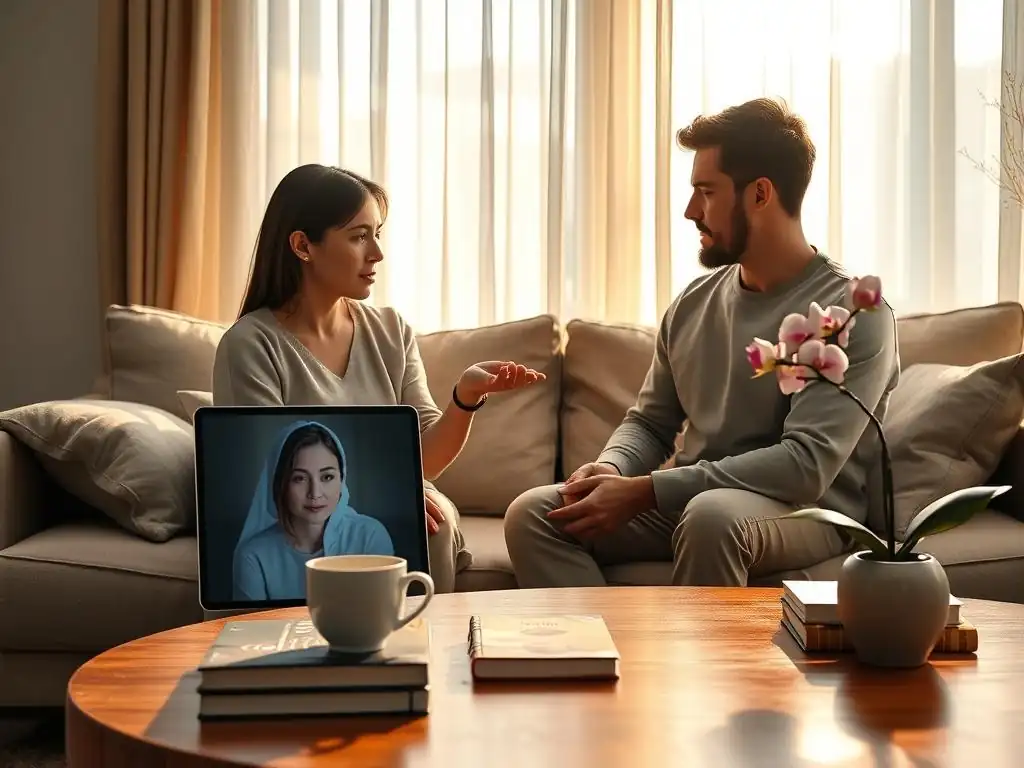
Infidelity can be one of the most painful and challenging experiences a couple faces. It shatters the foundation of trust and security, leaving partners grappling with a whirlwind of emotions. While the path to healing is arduous, seeking professional help, particularly through online couples therapy, offers a viable route to navigating this crisis and potentially rebuilding a stronger relationship. This guide explores how online therapy can support couples through the complex process of addressing infidelity and working towards renewed trust.
- Understanding the Impact of Infidelity on a Relationship
- The Role of Online Couples Therapy in Healing After Infidelity
- Choosing the Right Online Couples Therapy Platform for Infidelity Recovery
-
Rebuilding Trust After Infidelity: A Step-by-Step Guide Through Online Therapy
- Initial Assessment and Goal Setting with Your Online Therapist
- Addressing the Underlying Issues: Exploring the "Why" of Infidelity
- Developing Healthy Communication Skills: Active Listening and Empathy
- Re-establishing Emotional Intimacy and Connection
- Forgiveness and Moving Forward: Creating a New Chapter Together
- Specific Techniques Used in Online Couples Therapy for Infidelity
- Real-Life Success Stories: How Online Couples Therapy Helped Rebuild Relationships After Infidelity
- Potential Challenges and How to Overcome Them in Online Infidelity Therapy
- Cost Considerations for Online Couples Therapy Addressing Infidelity
- When Online Couples Therapy Might Not Be Enough for Infidelity Recovery
- Conclusion: Embracing Online Couples Therapy for Healing and Rebuilding Trust After Infidelity
-
Frequently Asked Questions
- How can online couples therapy help after infidelity?
- Is online couples therapy effective for dealing with infidelity?
- What are the key benefits of using online therapy after an affair?
- What should I expect in an online couples therapy session focusing on infidelity?
- How does online therapy help rebuild trust after infidelity?
- Final Reflection: Rebuilding Bridges in the Digital Age
- Rediscover Intimacy: Next Steps for Stronger Relationships
Understanding the Impact of Infidelity on a Relationship
Infidelity doesn't just impact the individuals involved; it fundamentally alters the dynamic of the relationship itself. The discovery of an affair often feels like a betrayal of the deepest kind, creating a crisis that challenges the very definition of the partnership. Understanding this profound impact is the first step towards healing.
The Devastating Effects of Infidelity: Loss of Trust and Security
The most immediate and devastating consequence of infidelity is the profound loss of trust. Trust is the bedrock upon which intimate relationships are built, encompassing reliability, honesty, and emotional safety. When infidelity occurs, this foundation crumbles, leaving the betrayed partner feeling insecure, vulnerable, and constantly questioning the reality of the relationship and their partner's actions. This breach is often referred to as an "attachment injury," a traumatic event that disrupts the sense of safety and connection within the bond.
Beyond trust, infidelity erodes the sense of security. The future of the relationship becomes uncertain, and the betrayed partner may struggle with intrusive thoughts and images related to the affair. The partner who was unfaithful often grapples with guilt, shame, and the fear of irreversible damage. This dual burden of emotional distress creates a volatile environment, making open and constructive communication incredibly difficult. The sense of a shared future, once taken for granted, now feels precarious and contingent on navigating immense pain.
Common Reactions to Infidelity: From Anger to Depression
Reactions to infidelity are complex and vary widely, but several emotions are commonly experienced by both partners. The betrayed partner often cycles through intense anger, hurt, confusion, and sadness. These emotions can manifest physically, leading to sleep disturbances, anxiety, and even symptoms akin to post-traumatic stress disorder (PTSD). It's not uncommon for individuals to experience deep despair, feeling betrayed not only by their partner but also by the life they thought they had.
The partner who was unfaithful also experiences a range of difficult emotions, including guilt, shame, regret, and fear. While their pain may manifest differently, they too can face significant psychological distress. Some may become defensive, while others withdraw. In some cases, the unfaithful partner may have been struggling with underlying issues like depression or anxiety, which contributed to their actions. Both individuals are navigating a crisis that can trigger or exacerbate mental health challenges, highlighting the need for compassionate support during this period.
Why Traditional Therapy Can Be Challenging After Infidelity
Seeking help through traditional in-person therapy after infidelity presents unique challenges for many couples. Logistical hurdles are significant; coordinating schedules for joint sessions, especially if partners live far apart or have demanding jobs, can be a major barrier. For instance, finding a therapist with availability that works for two busy professionals might take weeks or even months, delaying the start of crucial healing work during a crisis period. Travel time to and from appointments also adds to the burden.
Furthermore, the intense emotions surrounding infidelity can make face-to-face sessions feel overwhelming or intimidating for some individuals. The raw vulnerability required to discuss such a painful event in a shared physical space can be daunting. Some couples may also find the physical proximity awkward or tense in the initial stages of therapy when emotions are at their peak. The need for privacy and discretion is also paramount for many couples dealing with infidelity, and the potential for encountering someone known in a waiting room can deter them from seeking help altogether.
The Role of Online Couples Therapy in Healing After Infidelity
Online couples therapy has emerged as a powerful and accessible alternative for couples navigating the aftermath of infidelity. It offers a flexible and private environment where partners can begin the difficult but necessary work of addressing the betrayal and exploring the possibility of rebuilding trust.
How Online Therapy Addresses the Challenges of Post-Infidelity Recovery
Online therapy directly tackles many of the logistical and emotional barriers associated with traditional therapy after infidelity. Its inherent flexibility allows couples to schedule sessions at times that genuinely work for both partners, even if they are in different locations or have conflicting work hours. For example, a couple might schedule a session for late evening after children are asleep or during a lunch break, which is often impossible with a fixed-location therapist. This ease of access means therapy can begin sooner, providing timely intervention during a critical period of distress.
Moreover, the virtual nature of online sessions can provide a sense of emotional safety for couples dealing with the intense shame and pain of infidelity. Participating from the comfort and privacy of their own homes can reduce anxiety and make partners feel more comfortable opening up about sensitive issues. While still requiring vulnerability, the physical distance can sometimes make it feel less confrontational, allowing for more measured and thoughtful communication, especially in the early stages of processing the trauma. This can be particularly helpful for the partner who was unfaithful, who may be struggling intensely with shame.
Benefits of Online Couples Therapy for Infidelity: Convenience and Affordability
The convenience of online couples therapy is a significant advantage when dealing with a crisis like infidelity. Couples can attend sessions from anywhere with an internet connection, eliminating travel time and reducing the stress associated with getting to appointments. This flexibility is invaluable for busy couples or those in rural areas with limited access to specialized therapists. Imagine a couple living an hour's drive from the nearest qualified couples therapist; online therapy saves them two hours of travel per session, making consistent participation far more feasible.
In addition to convenience, online therapy platforms often offer more affordable pricing structures compared to traditional in-person therapy. While costs vary, many platforms offer subscription plans that can average between $60 and $90 per week, often including multiple communication options beyond live video sessions. This can represent a considerable saving compared to the $100-$250 or more per hour often charged by traditional therapists, making long-term therapy, which is frequently needed after infidelity, more financially sustainable for many couples. This affordability makes professional help more accessible to a wider range of couples.
Addressing Shame and Guilt Through Online Counseling
Infidelity is often accompanied by overwhelming feelings of shame and guilt, particularly for the partner who was unfaithful. Shame can be a powerful barrier to healing, causing individuals to withdraw, become defensive, or avoid taking responsibility for their actions. Online counseling provides a confidential and less intimidating space where individuals can begin to process these difficult emotions with the support of a trained therapist. The therapist can help the unfaithful partner understand the roots of their actions without judgment, fostering an environment where honesty and accountability can emerge.
For the betrayed partner, online therapy also offers a space to express their hurt and anger without fear of overwhelming their partner or escalating conflict in person. The therapist acts as a neutral third party, facilitating communication and ensuring that both partners have a voice.
By working through shame and guilt in a therapeutic setting, the unfaithful partner can start to understand the impact of their actions more fully and express genuine remorse, which is a critical component in the long process of rebuilding trust. The online format can feel like a safer container for these highly charged emotional exchanges.
Choosing the Right Online Couples Therapy Platform for Infidelity Recovery
Selecting the appropriate online couples therapy platform is crucial for a successful recovery journey after infidelity. Not all platforms are created equal, and finding one that aligns with your needs, offers specialized support, and ensures privacy is paramount.
Key Features to Look for in an Online Couples Therapy Platform
When searching for online couples therapy for infidelity recovery, several key features should be prioritized to ensure you receive effective and supportive care. The platform's technical capabilities, therapist qualifications, and communication methods all play a significant role in the therapeutic experience. Look for platforms that are specifically designed for couples or have robust couples therapy programs.
Consider the range of communication options offered. While live video sessions are often the core of online therapy, some platforms also provide unlimited text messaging, audio calls, or even asynchronous video messages throughout the week. This can be beneficial for couples navigating intense emotions between sessions, allowing for quick check-ins or processing difficult moments as they arise. The platform should also make it easy to switch therapists if the initial match doesn't feel right, as finding a good therapeutic fit is essential for progress.
Secure Communication and Confidentiality
Confidentiality is non-negotiable when discussing sensitive issues like infidelity. Any reputable online couples therapy platform must adhere to strict privacy regulations, such as HIPAA in the United States, to ensure that all communication between you, your partner, and your therapist is secure and protected. Look for platforms that explicitly state their commitment to data security and use encrypted connections for video calls and messaging.
Before committing to a platform, research their privacy policy thoroughly. Understand how your data is stored, who has access to it, and how it is protected from breaches. Secure platforms will typically use end-to-end encryption for video sessions, meaning the conversation is scrambled and can only be decrypted by the participants. Ensuring this level of technical security is vital for creating a safe space where both partners feel comfortable being completely open and vulnerable about the infidelity and its aftermath.
Specialized Therapists Experienced in Infidelity Recovery
Healing from infidelity requires specific therapeutic approaches and a deep understanding of the dynamics involved. It is highly beneficial to choose an online couples therapy platform that employs licensed therapists with specialized training and experience in working with couples affected by infidelity. These therapists are equipped to handle the intense emotions, navigate disclosure processes, and guide couples through the complex stages of rebuilding trust.
Look for therapist profiles that highlight experience with trauma, betrayal, attachment issues, and infidelity-specific models like Emotionally Focused Therapy (EFT) or the Gottman Method. Some platforms allow you to browse therapist profiles and even request a therapist with specific expertise. A therapist who understands the nuances of infidelity is better positioned to help you and your partner address the root causes, manage communication breakdowns, and develop strategies for moving forward constructively, rather than just managing the immediate crisis.
Flexible Scheduling and Communication Options
Life doesn't stop because of infidelity, and finding time for therapy can be challenging amidst work, family, and other commitments. A major advantage of online couples therapy is its flexibility. Choose a platform that offers a wide range of scheduling options, including evenings and weekends, to accommodate both partners' availability. Some platforms allow you to book sessions directly through an online calendar, while others coordinate scheduling via messaging with the therapist.
Beyond live sessions, consider platforms that offer asynchronous communication options like unlimited messaging. This can be incredibly useful for processing thoughts or feelings between scheduled sessions, allowing partners to share insights or difficulties with their therapist in real-time. For instance, if a difficult conversation arises at home, a partner could message the therapist for guidance or support. This continuous access, while not a replacement for scheduled sessions, can provide ongoing support and help maintain momentum in the healing process.
Comparing Top Online Couples Therapy Platforms for Infidelity
Several online platforms offer couples therapy services, each with its own features, pricing, and therapeutic focus. Comparing some of the leading options can help you determine which platform might be the best fit for your specific needs when addressing infidelity and working to rebuild trust.
When evaluating platforms, look beyond just the cost. Consider the quality and specialization of the therapists available, the ease of use of the platform's technology, and the types of communication offered. Reading reviews from other couples who have used the service for similar issues can also provide valuable insights into the effectiveness and user experience of online couples therapy for infidelity.
ReGain: Features, Pricing, and Specialization in Infidelity Recovery
ReGain is a popular online therapy platform specifically designed for couples. Its core offering typically includes weekly live video sessions with a licensed therapist, along with unlimited messaging throughout the week. Pricing structures are subscription-based, often ranging from approximately $240 to $360 per month (billed every 4 weeks), depending on your location and therapist availability, which averages out to about $60-$90 per week. This price includes sessions and messaging.
ReGain therapists are licensed professionals experienced in relationship counseling, and many have expertise in areas relevant to infidelity, such as communication issues, trust-building, and conflict resolution. While you are matched with a therapist initially, you can request a change if needed. The platform emphasizes convenient access and aims to make online couples therapy for infidelity recovery as accessible as possible through its flexible scheduling and communication options, allowing couples to engage with their therapist consistently.
Talkspace: Features, Pricing, and Specialization in Rebuilding Trust
Talkspace is another well-known online therapy provider that offers comprehensive couples therapy services. Their couples therapy plans typically include weekly live video sessions and unlimited messaging with a dedicated therapist. Talkspace's pricing for couples therapy varies, but it generally falls within a similar range to ReGain, often starting around $396 per month (billed monthly), which includes one weekly live session and messaging.
Talkspace boasts a large network of licensed therapists with diverse specializations. When signing up for couples therapy focused on infidelity, you can indicate your specific needs, and the platform will match you with therapists experienced in addressing betrayal, trust issues, and relationship repair. Their platform is user-friendly and accessible via web or mobile app, facilitating easy communication. Talkspace places a strong emphasis on providing continuous support through messaging, which can be particularly helpful when navigating the emotional roller coaster that follows infidelity and working on rebuilding trust.
Lasting: Features, Pricing, and Specialization in Communication Skills
Lasting, an app-based platform acquired by Talkspace, offers a different approach, focusing primarily on proactive relationship building through guided sessions and exercises based on research from leading couples therapists like the Gottman Institute. While not a direct replacement for live therapy with a therapist, Lasting can be a valuable supplementary tool or a starting point for couples dealing with the aftermath of infidelity, particularly for improving communication skills.
Lasting's premium subscription, which unlocks all content, is typically much more affordable than live therapy, often around $11.99 per month or $79.99 per year. It offers thousands of research-backed sessions covering topics like communication, conflict, trust, and intimacy. While it doesn't provide live therapy sessions with a therapist to directly process the trauma of infidelity, it can help couples develop the foundational skills necessary for effective communication and understanding, which are crucial for rebuilding trust after infidelity. Some couples might use Lasting in conjunction with live online couples therapy for a more comprehensive approach.
Rebuilding Trust After Infidelity: A Step-by-Step Guide Through Online Therapy

Rebuilding trust after infidelity is a marathon, not a sprint. It requires commitment, vulnerability, and consistent effort from both partners. Online couples therapy provides a structured framework and expert guidance to navigate this complex process step by step.
Initial Assessment and Goal Setting with Your Online Therapist
The first step in online couples therapy for infidelity is typically an initial assessment. Your therapist will meet with both partners, either together or individually at first, to understand the history of the relationship, the circumstances surrounding the infidelity, and the immediate impact on each partner. This phase is crucial for the therapist to gain a comprehensive understanding of the situation and for both partners to share their perspectives and pain in a safe environment.
Following the assessment, the therapist will work with you and your partner to establish clear, realistic goals for therapy. These goals might include processing the trauma of the infidelity, understanding the contributing factors, improving communication patterns, addressing underlying relationship issues, and deciding whether both partners are committed to rebuilding the relationship. Setting shared goals provides a roadmap for the therapeutic journey and helps both partners feel a sense of direction in the challenging process of online couples therapy for infidelity and rebuilding trust.
Addressing the Underlying Issues: Exploring the "Why" of Infidelity
Infidelity is rarely just about the act itself; it often signals deeper issues within the individual or the relationship. Online therapy provides a space to explore these underlying factors without judgment. The therapist helps the couple move beyond blame to understand the circumstances, unmet needs, or personal struggles that may have contributed to the infidelity. This could involve exploring individual histories, relationship dynamics, communication breakdowns, or unaddressed conflicts.
Understanding the "why" is not about excusing the behavior but about gaining insight that can prevent future betrayals and inform the path forward. For the unfaithful partner, this involves taking full responsibility and exploring their motivations and internal landscape. For the betrayed partner, understanding can help demystify the situation and begin to alleviate some of the intrusive questions and pain. This exploration, guided by an online couples therapist, is a critical step in laying bare the truths needed to even consider rebuilding trust after infidelity.
Developing Healthy Communication Skills: Active Listening and Empathy
Effective communication is essential for any healthy relationship, but it becomes paramount when attempting to heal from infidelity. Betrayal often leads to communication breakdowns, characterized by defensiveness, accusations, withdrawal, or explosive arguments. Online couples therapy provides a structured environment to learn and practice healthy communication techniques.
Therapists teach skills like active listening, where partners focus on truly hearing and understanding each other without interruption or judgment. They also emphasize empathy, encouraging partners to try and see the situation from the other's perspective, even when it's painful. Role-playing exercises, structured dialogue techniques, and assigned communication homework between sessions are common in online therapy. Mastering these skills helps couples navigate difficult conversations about the infidelity more constructively and forms a foundation for rebuilding connection and trust.
Re-establishing Emotional Intimacy and Connection
Infidelity often creates a vast emotional distance between partners. Fear, anger, and hurt can make vulnerability and emotional connection feel impossible. Online couples therapy helps couples cautiously begin to bridge this gap. The therapist guides partners in sharing their feelings and needs in a safe way, slowly re-establishing emotional intimacy.
This process might involve guided conversations about how the infidelity impacted each person emotionally, sharing hopes and fears for the future, and identifying ways to support each other's healing. Simple exercises like dedicating time for positive interaction, sharing appreciation, or engaging in shared activities that foster connection can be introduced. Rebuilding emotional intimacy is a gradual process that requires patience and consistent effort, facilitated by the therapist's expertise in navigating sensitive emotional territory within online couples therapy for infidelity.
Forgiveness and Moving Forward: Creating a New Chapter Together
Forgiveness is a deeply personal and often misunderstood part of healing from infidelity. It doesn't necessarily mean condoning the behavior or forgetting what happened, but rather releasing the intense pain and resentment that can keep a couple stuck in the past. Online couples therapy supports both partners through this complex process.
For the betrayed partner, forgiveness is a choice made over time, involving processing hurt and deciding when and how to move forward. For the unfaithful partner, it involves earning forgiveness through consistent, trustworthy behavior and genuine remorse. The therapist helps couples define what forgiveness means for them individually and as a unit. The final stage often involves creating a shared vision for the future, outlining what the "new" relationship will look like, built on new boundaries, understanding, and a renewed commitment to honesty and trust, facilitated by the work done in online couples therapy for infidelity and trust.
Specific Techniques Used in Online Couples Therapy for Infidelity
Online couples therapy utilizes many of the same evidence-based techniques employed in traditional in-person therapy, adapted for the virtual environment. These methods provide structured approaches to addressing the complex issues that arise after infidelity.
Emotionally Focused Therapy (EFT) and its application in Online Settings
Emotionally Focused Therapy (EFT) is a highly effective approach for couples, particularly those dealing with attachment injuries like infidelity. EFT helps couples identify and understand their negative interaction patterns, often driven by underlying fears of abandonment or rejection. The therapist guides partners in expressing deeper emotions and unmet needs in a way that fosters empathy and connection, rather than conflict.
In an online setting, EFT principles are applied through focused dialogue and emotional processing during video sessions. Therapists help partners articulate their emotional experiences related to the infidelity, guiding them to share vulnerability with each other. While the therapist cannot be physically present to manage intense emotions in the room, they use skillful questioning, reflective listening, and containment techniques via video to create a safe space for emotional expression and help couples restructure their emotional responses and interactions, crucial for healing attachment injuries and rebuilding trust.
Gottman Method Couples Therapy: Building a Sound Relationship House Online
The Gottman Method, based on extensive research into relationship stability and divorce prediction, provides practical tools and exercises for couples to improve communication, manage conflict, and increase intimacy. It focuses on building what researchers John and Julie Gottman call a "Sound Relationship House," with components like building love maps, sharing fondness and admiration, turning towards bids for connection, and managing conflict constructively.
Online couples therapists trained in the Gottman Method adapt these techniques for the virtual format. They may use shared screens to present exercises or worksheets on communication skills, conflict resolution strategies, or building rituals of connection. Homework assignments, such as practicing active listening or engaging in stress-reducing conversations, are given for couples to complete between sessions. The focus remains on equipping couples with concrete skills to navigate disagreements, deepen their friendship, and enhance intimacy, all vital for repairing a relationship damaged by infidelity and restoring trust.
Cognitive Behavioral Therapy (CBT) Techniques for Addressing Negative Thought Patterns
Infidelity can trigger intense negative thought patterns in both partners. The betrayed partner might struggle with intrusive thoughts about the affair or self-blame, while the unfaithful partner might be plagued by shame or denial. Cognitive Behavioral Therapy (CBT) techniques are often integrated into online couples therapy to help individuals identify and challenge these unhelpful thoughts.
A therapist using CBT might teach partners how to recognize distorted thinking patterns (e.g., catastrophizing, black-and-white thinking) related to the infidelity. They help individuals evaluate the evidence for their thoughts and develop more balanced and realistic perspectives. Techniques like thought stopping, cognitive restructuring, and mindfulness exercises can be practiced during online sessions and assigned as homework. By addressing negative thought patterns, partners can reduce emotional distress, gain clarity, and approach the process of healing and rebuilding trust with a more constructive mindset.
Real-Life Success Stories: How Online Couples Therapy Helped Rebuild Relationships After Infidelity
While the journey is unique for every couple, many have found hope and healing through online couples therapy after infidelity. These illustrative case studies, representing composite experiences, demonstrate how dedicated work in a virtual setting can lead to significant positive change and the rebuilding of trust.
Case Study 1: Sarah and John's journey with ReGain
Sarah and John had been married for 15 years when Sarah discovered John had been having a year-long emotional affair. Sarah felt devastated and completely lost trust, while John was wracked with guilt but struggled to fully understand the depth of Sarah's pain. Living in a rural area, accessing a local couples therapist with expertise in infidelity was difficult. They turned to online couples therapy with ReGain.
Their therapist, specializing in infidelity recovery, helped them establish ground rules for disclosure and communication. Initially, sessions were tense, with Sarah expressing anger and hurt, and John struggling with defensiveness. The therapist used techniques to help John listen without interrupting and validate Sarah's feelings. Over several months of weekly video sessions and frequent messaging with the therapist, John was able to fully acknowledge the impact of his actions and express genuine remorse.
Sarah, in turn, began to process her trauma and slowly, tentatively, consider the possibility of forgiveness. They worked on identifying the unmet needs that contributed to John's choices and establishing new boundaries. After about eight months, while acknowledging that full trust would take time, they reported feeling a renewed sense of hope and a stronger, more honest connection than they had before the affair, having actively engaged in online couples therapy for infidelity and trust repair.
Case Study 2: Emily and David's experience with Talkspace Focusing on Trust
Emily and David were a young couple who hit a crisis point when David had a brief physical affair during a period of significant stress in their lives. Emily felt betrayed and insecure, struggling to believe anything David said. David felt immense guilt and shame, making it hard for him to communicate openly. They decided to try online couples therapy via Talkspace due to their busy work schedules.
They were matched with a therapist who specialized in rebuilding trust after infidelity. The therapist focused heavily on communication skills, using the Talkspace platform's messaging feature for daily check-ins and assigning exercises on active listening and transparency. During video sessions, they worked through Emily's questions and fears, with the therapist guiding David on how to respond honestly and empathetically.
They also explored the stressors and underlying issues that contributed to David's decision. The therapist emphasized the importance of consistent, trustworthy behavior from David to rebuild the foundation of trust.
After approximately six months of dedicated online therapy, Emily reported feeling significantly less anxious and more secure, while David felt he had genuinely earned back some of her trust through his consistent effort and honesty. They continued therapy to solidify their new communication patterns and strengthen their bond, finding online couples therapy for infidelity and trust issues to be a crucial lifeline.
Potential Challenges and How to Overcome Them in Online Infidelity Therapy

While online couples therapy offers numerous benefits for addressing infidelity, it's not without its challenges. Being aware of these potential hurdles and developing strategies to overcome them is important for a successful therapeutic experience.
Communication Barriers and Technical Difficulties
One potential challenge in online couples therapy is dealing with communication barriers inherent in a virtual setting. Non-verbal cues, such as body language and subtle facial expressions, can sometimes be harder to read accurately through a screen, potentially leading to misunderstandings. Technical difficulties, such as poor internet connection, audio lag, or video freezing, can disrupt the flow of a session and cause frustration, particularly when discussing sensitive and emotionally charged topics like infidelity.
To mitigate these issues, ensure you have a stable and reasonably fast internet connection. Use a device with a good camera and microphone, and test them before each session. Find a quiet, private space free from distractions. If technical problems arise during a session, communicate them immediately to your therapist; they are usually experienced in troubleshooting or rescheduling if necessary. Being patient and prepared can help minimize these disruptions and allow you to focus on the therapeutic work of online couples therapy for infidelity and trust.
Commitment and Active Participation from Both Partners
For online couples therapy to be effective after infidelity, both partners must be fully committed to the process and actively participate. Healing from betrayal requires significant effort, vulnerability, and a willingness to engage in difficult conversations and introspection. If one partner is resistant, defensive, or disengaged, progress will be slow or nonexistent. This is especially true when trying to rebuild trust after it has been severely damaged.
Encouraging consistent attendance, completing homework assignments, and practicing newly learned skills between sessions are vital. If one partner is struggling with commitment, the therapist can help explore the reasons behind their reluctance in a safe space. Openly discussing expectations and dedication to the process early on, perhaps even before starting online couples therapy for infidelity, can help ensure both partners are on the same page and ready to do the necessary work. The therapist can also guide conversations about commitment challenges during sessions.
Finding the Right Therapist and Building Rapport Online
Just as with traditional therapy, finding an online therapist with whom you and your partner feel comfortable and connected is crucial for building rapport and fostering a trusting therapeutic relationship. Not every therapist is the right fit for every couple, and this can be especially challenging when dealing with the sensitive nature of infidelity. Building rapport online can sometimes feel different than in person.
Most online platforms allow you to read therapist profiles, watch introductory videos, and sometimes even have a brief consultation call before committing. Take advantage of these options. Pay attention to the therapist's experience with infidelity, their therapeutic approach, and whether their style resonates with both you and your partner. If, after a few sessions, the connection doesn't feel right, don't hesitate to request a change of therapist on the platform. Finding a therapist who can effectively guide your online couples therapy for infidelity and trust recovery is a key factor in the outcome.
Cost Considerations for Online Couples Therapy Addressing Infidelity
Understanding the financial aspects of online couples therapy is important for planning your healing journey after infidelity. Costs can vary significantly between platforms and based on the type of service provided.
Comparing Pricing Structures of Different Platforms
Online couples therapy platforms typically operate on a subscription model, where you pay a recurring fee (weekly or monthly) for a set package of services. As mentioned earlier, platforms like ReGain and Talkspace generally offer weekly live video sessions and unlimited messaging, with costs ranging roughly from $60 to $100+ per week, billed monthly or every four weeks. These prices can be influenced by your location and the specific therapist matched.
Other platforms might offer different structures. Some may charge per live session, similar to traditional therapy but often at a slightly reduced rate. App-based resources like Lasting are significantly cheaper, usually under $15 per month, but they don't provide live therapy sessions with a licensed professional to directly address infidelity. When comparing costs, consider what is included in the subscription (session length, frequency, messaging options) and weigh it against your budget and the level of support you believe you'll need for online couples therapy infidelity trust repair.
Insurance Coverage and Payment Options for Online Therapy
Insurance coverage for online couples therapy can be complex and varies depending on your specific health insurance plan and location. While individual therapy is often covered, couples therapy coverage may be less straightforward. Some insurance plans may cover online therapy if the therapist is licensed in your state and is in-network with your plan, but coverage for couples sessions specifically can differ.
Many online therapy platforms do not directly bill insurance, but some may provide documentation (like superbills) that you can submit to your insurance company for potential reimbursement. It's crucial to contact your insurance provider directly before starting online couples therapy to understand your benefits, including coverage for telehealth and couples counseling. Most platforms accept major credit cards, and some may offer flexible payment plans. Understanding your payment options upfront helps manage expectations regarding the cost of online couples therapy for infidelity.
Is Online Couples Therapy a Cost-Effective Solution for Infidelity?
When considering the cost of online couples therapy for infidelity, it's helpful to view it as an investment in the future of your relationship or in the health of both individuals, regardless of the relationship's outcome. Compared to the potential financial and emotional costs of separation or divorce, the expense of therapy is often significantly lower.
While costs vary, online platforms are generally more affordable than traditional in-person therapy, which can range from $100 to $250+ per session, often requiring weekly or bi-weekly appointments. The convenience of online therapy also saves money on travel time, gas, or public transport. When balancing the financial outlay with the potential for healing, rebuilding trust, and creating a healthier relationship dynamic, online couples therapy can indeed be a cost-effective and valuable solution for couples navigating the crisis of infidelity.
When Online Couples Therapy Might Not Be Enough for Infidelity Recovery
While online couples therapy is a powerful tool for healing from infidelity, there are situations where it may not be sufficient or appropriate. Recognizing these circumstances is important for ensuring you seek the right level and type of support.
Severe Mental Health Issues Requiring Individual Therapy
If one or both partners are grappling with severe mental health issues, such as clinical depression, severe anxiety, substance abuse disorders, or personality disorders, these conditions may need to be addressed through individual therapy concurrently with or prior to couples therapy. While an online couples therapist can provide support and guidance, they may not be equipped to provide the intensive, specialized treatment required for complex individual mental health challenges.
Untreated or severe individual issues can significantly hinder the progress of couples therapy, as they can impact communication, emotional regulation, and the capacity for vulnerability and commitment needed to work through infidelity. In such cases, the online couples therapist may recommend that one or both partners seek individual online or in-person therapy as well, or refer them to a higher level of care, ensuring that the foundational individual well-being is addressed alongside the relationship repair work.
Ongoing Abuse or Violence Within the Relationship
Online couples therapy, or any form of couples therapy, is generally not recommended if there is ongoing physical, emotional, or psychological abuse or violence within the relationship. Therapy requires a basic level of safety and respect between partners to be effective. In situations of abuse, the power imbalance and risk of harm make it unsafe for both partners to engage in couples counseling.
If abuse is present, the priority shifts to ensuring the safety of the partner experiencing abuse. Resources for domestic violence support should be sought immediately. An online therapist may be able to provide individual support to the partner experiencing abuse or help the abusive partner find resources for addressing their behavior, but joint couples sessions are contraindicated until the abuse has stopped and safety is established. Online couples therapy for infidelity cannot proceed safely in the presence of ongoing abuse.
Unwillingness of One Partner to Participate in Therapy
Online couples therapy for infidelity requires the active and willing participation of both partners. The process involves vulnerability, honesty, and a commitment to change from both sides. If one partner is unwilling to attend sessions, engage openly, take responsibility for their part (where applicable), or commit to the work of rebuilding trust, couples therapy, whether online or in-person, is unlikely to be effective.
While a therapist can sometimes help explore a hesitant partner's resistance in an initial individual session, forced or unwilling participation rarely leads to positive outcomes. If one partner consistently refuses to engage or actively sabotages the process, the focus may need to shift. In such cases, the partner who is willing to work on themselves can continue with individual therapy, either online or in person, to process the trauma, explore their options, and focus on their own healing and well-being, recognizing that online couples therapy for infidelity requires joint effort.
Conclusion: Embracing Online Couples Therapy for Healing and Rebuilding Trust After Infidelity
Navigating the aftermath of infidelity is undoubtedly one of the most challenging experiences a couple can face. The pain, betrayal, and loss of trust can feel insurmountable. However, with commitment from both partners and the right professional support, healing and even rebuilding a stronger, more honest relationship is possible. Online couples therapy has emerged as a flexible, accessible, and often more affordable option for couples seeking to address the deep wounds caused by infidelity and embark on the difficult but rewarding journey of rebuilding trust.
By providing a safe, confidential, and convenient space, online therapy allows couples to confront the betrayal, understand the underlying issues, develop crucial communication skills, and gradually re-establish emotional connection. While challenges exist, they can often be overcome with preparation and dedication. Choosing a platform with experienced therapists specializing in infidelity recovery and committing to the process together are key steps. Embracing online couples therapy for infidelity and trust can be the crucial decision that helps couples move from crisis to a place of healing and a new chapter together.
Taking the First Step Towards a Healthier Relationship
Recognizing the need for help and deciding to pursue online couples therapy is a courageous first step towards healing after infidelity. It signifies a willingness from both partners, even amidst pain and uncertainty, to invest in the possibility of a better future. This initial commitment is vital, setting the stage for the hard work ahead.
The process begins with researching platforms, understanding costs, and finding a therapist who feels like the right fit. It requires scheduling that first session, showing up (virtually), and being willing to open up about deeply personal and painful experiences. Taking this step acknowledges the severity of the injury caused by infidelity and demonstrates a shared, or at least individual, desire to navigate the crisis constructively, leveraging the resources available through online couples therapy for infidelity and trust.
Resources for Finding the Right Online Couples Therapist for Infidelity.
Finding a qualified and experienced online couples therapist specializing in infidelity is crucial for effective treatment. Start by exploring reputable online therapy platforms known for their couples counseling services, such as those discussed previously. Look for platforms that allow you to filter therapists by specialization in areas like infidelity, trauma, or relationship repair.
Many platforms provide detailed therapist profiles outlining their credentials, experience, therapeutic approaches (like EFT or Gottman Method), and areas of expertise. Don't hesitate to read multiple profiles or even schedule brief introductory calls if available to gauge compatibility. You can also consult professional organizations for licensed therapists who offer online services and specialize in couples therapy or infidelity. While no specific links are provided here, searching for "online couples therapy infidelity trust" or "telehealth couples counseling for infidelity" on reputable search engines can yield platforms and directories to begin your search for the right support.
Frequently Asked Questions
How can online couples therapy help after infidelity?
Online couples therapy provides a safe and accessible space to explore the underlying issues contributing to the infidelity and begin the process of rebuilding trust. It offers tools and strategies for open communication and conflict resolution.
Is online couples therapy effective for dealing with infidelity?
Yes, studies show online therapy can be highly effective, provided both partners are committed to the process. It offers convenience and flexibility, allowing couples to address issues in a comfortable environment.
What are the key benefits of using online therapy after an affair?
Key benefits include increased accessibility, reduced stigma, and the ability to work with therapists specializing in infidelity from anywhere. This can make the healing process more manageable.
What should I expect in an online couples therapy session focusing on infidelity?
Expect honest communication, guided discussions about the affair's impact, and exercises aimed at understanding each other's perspectives. The therapist will help you develop strategies for rebuilding trust and intimacy.
How does online therapy help rebuild trust after infidelity?
Online therapy facilitates structured conversations that promote empathy and understanding. It helps couples develop new communication patterns and establish clear boundaries to prevent future occurrences and foster trust.
Final Reflection: Rebuilding Bridges in the Digital Age
The erosion of trust in relationships, exacerbated by the complexities of modern life, is a pervasive challenge, and online couples therapy offers a vital lifeline for couples navigating the treacherous waters of infidelity. The accessibility and anonymity provided by online platforms are proving increasingly crucial in helping couples confront difficult issues and rebuild their connection, offering a path towards healing that was previously unavailable to many.
The impact of infidelity extends far beyond the immediate betrayal; it shakes the very foundations of a relationship, leaving lasting scars on both individuals and the dynamic of their partnership. The stigma surrounding infidelity often prevents couples from seeking help, leading to further isolation and damage. The most important thing is to forgive yourself and to forgive your partner. Healing takes time, but it is possible.
This quote, while simple, encapsulates the core message of hope and resilience that underlies the journey of rebuilding trust after infidelity. My own research into this area has underscored the profound need for accessible and supportive resources, especially those that can meet couples where they are, in the comfort and privacy of their own homes.
The path to reconciliation is rarely easy, but it is undeniably possible. This article has explored the benefits and considerations of using online couples therapy as a tool for navigating infidelity and rebuilding trust. Now, I invite you to reflect on your own relationships and consider the role of communication, forgiveness, and professional guidance in fostering stronger, more resilient bonds. Are you ready to take the first step towards healing and rebuilding your relationship? The resources are available; the journey starts with you.
Rediscover Intimacy: Next Steps for Stronger Relationships
Thanks for taking the time to explore the complexities of rebuilding trust after infidelity. We hope this article provided valuable insights and empowered you to take the first steps towards healing. Now, let's move forward together.
- Prioritize open communication: Schedule a dedicated time this week to discuss your feelings and needs honestly with your partner. This isn't about assigning blame, but about building understanding.
- Consider professional guidance: Exploring online couples therapy offers a safe and convenient space to address deeper issues and learn effective communication strategies. It's a powerful tool often overlooked.
- Share this article: If you know someone navigating a similar challenge, share this article to show them they aren't alone and that healing is possible.
What small step will you take today to strengthen your relationship?