
The Lived Experience: What It Was Like to Be Mentally Ill During the Medieval Period


Welcome to Mind Care Guide, a sanctuary dedicated to understanding and nurturing mental well-being. Ever wondered what it was really like to grapple with mental health challenges centuries ago? Prepare to be enlightened. Our latest exploration delves into the often-misunderstood world of Medieval mental illness experiences, revealing the human stories behind the historical accounts. Discover the surprising realities and challenging perspectives that shaped care and understanding during this fascinating period. Intrigued? Journey with us as we uncover the lived experience...
The Lived Experience: What It Was Like to Be Mentally Ill During the Medieval Period
- Introduction: Understanding Medieval Mental Illness Experiences
- Medieval Perceptions of Mental Illness: Beliefs and Misconceptions
- Daily Life with Mental Illness in the Medieval Era
- Types of Mental Illnesses Recognized (and Misunderstood)
- Treatment Approaches for Medieval Mental Illness
- Case Studies: Glimpses into Individual Experiences
- The Role of Family and Community in Caring for the Mentally Ill
- The Legacy of Medieval Mental Health Practices
- Conclusion: Reflecting on Medieval Mental Illness Experiences
-
Frequently Asked Questions
- What were the primary societal beliefs about the cause of mental illness during the Medieval period?
- How were individuals with mental illness typically treated in Medieval Europe?
- What kind of support systems, if any, existed for people experiencing mental health challenges in the Medieval period?
- What role did 'trepanation' play in the treatment of mental illness during Medieval times?
- How does understanding Medieval mental illness experiences help us better understand mental health today?
- Final Reflection: Echoes of the Past, Lessons for the Present
- Unlock the Mysteries of Medieval Mental Health
Introduction: Understanding Medieval Mental Illness Experiences
Setting the Stage: Mental Health in the Medieval World
The Medieval period, roughly spanning from the 5th to the 15th century, was a time vastly different from our own, particularly in its understanding and treatment of health, including mental well-being. Concepts we now take for granted, like neuroscience or psychology, were non-existent. Instead, explanations for illness, both physical and mental, were deeply intertwined with religious beliefs, superstition, and rudimentary medical theories.
Understanding the context of this era is crucial to grasping the unique challenges and Medieval mental illness experiences faced by individuals. Life was often difficult, marked by disease, famine, conflict, and a pervasive belief in divine intervention and supernatural forces, all of which shaped how mental distress was perceived and responded to.
During this time, the line between physical ailment, spiritual affliction, and what we might today call mental illness was often blurred. A person exhibiting unusual behavior could be seen as suffering from an imbalance of humors, possessed by a demon, punished by God, or experiencing a physical malady affecting the brain or senses.
This lack of clear distinction meant that the response to mental health issues varied wildly, from attempts at medical treatment based on the limited knowledge available, to religious rites aimed at exorcism or atonement, to outright fear and rejection. The lived experience of someone with a mental health condition was thus heavily dependent on the prevailing beliefs in their specific community and the interpretation placed upon their symptoms.
Purpose: Exploring the Lived Reality of Mental Illness in the Middle Ages
This article aims to delve into the personal and societal reality of living with mental illness during the Middle Ages. Beyond the academic theories and historical records, we seek to understand what it might have felt like to experience psychological distress in a world that lacked modern diagnostic tools, treatments, and even the language to describe many conditions.
We will explore the different ways Medieval mental illness experiences were interpreted and managed, from the perspectives of both those affected and the society around them. This exploration is not just an academic exercise; it is an empathetic journey into the past to illuminate the human struggle with mental health across centuries.
By examining historical accounts, medical texts (as they existed), religious doctrines, and even literary works from the period, we can piece together a picture, albeit incomplete, of the daily lives of individuals grappling with mental health challenges. We will look at the limited options for care, the social consequences of being labeled "mad" or "possessed," and the resilience shown by some individuals who navigated these profound difficulties.
Understanding these historical realities can offer valuable perspective on the ongoing journey to destigmatize mental health issues and improve care in our own time, highlighting how far we've come and the persistent challenges we still face.
Medieval Perceptions of Mental Illness: Beliefs and Misconceptions
Prevailing Theories: Humoral Imbalance and Supernatural Influence
One of the dominant medical theories throughout the Middle Ages, inherited from ancient Greek and Roman physicians like Hippocrates and Galen, was the humoral theory. This posited that the human body was governed by four basic fluids, or humors: blood, yellow bile, black bile, and phlegm. Each humor was associated with specific qualities (hot, cold, wet, dry) and temperaments (sanguine, choleric, melancholic, phlegmatic).
Illness, including mental disturbance, was often attributed to an imbalance or corruption of these humors. For example, an excess of black bile was thought to cause melancholia (depression), characterized by sadness, fear, and lethargy. Treatments based on this theory involved attempts to restore balance through diet, exercise, purges, bloodletting, and herbal remedies aimed at warming, cooling, drying, or moistening the body.
Alongside humoral theory, belief in supernatural influence was pervasive. Many people, including learned individuals, believed that mental afflictions could be caused by demons, evil spirits, or curses. Symptoms such as erratic behavior, speaking in unknown tongues, or experiencing hallucinations were often interpreted as signs of demonic possession.
This belief was deeply rooted in Christian doctrine, which acknowledged the existence of evil forces actively seeking to corrupt souls. Therefore, the Medieval mental illness experience could feel like a spiritual battle, with the individual's soul at stake. This led to interventions focused on the spiritual realm rather than the physical body or mind.
Religious Interpretations: Sin, Possession, and Divine Punishment
The Church held significant influence in medieval society, and its doctrines heavily shaped the understanding of illness, including mental illness. Mental distress was frequently viewed through a moral and spiritual lens. It could be interpreted as a consequence of sin, a form of divine punishment for transgressions, or a test of faith. Individuals experiencing mental health crises might undergo confession, penance, or pilgrimages in an attempt to seek divine forgiveness or intervention. The idea was that spiritual cleansing could alleviate mental suffering caused by moral failings.
Furthermore, as mentioned, demonic possession was a common religious explanation for severe mental disturbances. Exorcism rituals, performed by priests, were considered a primary method for driving out evil spirits believed to be causing the affliction. These rituals could be physically and emotionally demanding for the individual involved.
In some cases, individuals with unusual behavior or beliefs might even be accused of witchcraft or heresy, particularly during later periods of the Middle Ages, leading to severe persecution. This aspect of Medieval mental illness experiences highlights the significant danger faced by those whose symptoms were misinterpreted through a lens of religious fear and intolerance.
Social attitudes towards individuals with mental illness in the Middle Ages were complex and varied, ranging from fear and cruelty to compassion and care, often depending on the perceived cause and severity of the condition. Those whose behavior was disruptive or frightening were often met with fear and avoidance, sometimes leading to ostracism or confinement.
The unpredictable nature of some symptoms could be perceived as dangerous or unsettling by the community. There was often a deep-seated stigma associated with mental illness, partly due to the association with sin or demonic forces, which could lead to shame for the individual and their family.
However, historical records also show instances of compassion and attempts at care. Some individuals with less disruptive symptoms might be tolerated within their communities, perhaps seen as simple-minded or eccentric rather than dangerous. Monasteries sometimes offered refuge and care for the poor and sick, including those with mental afflictions, driven by Christian charity. While systemic, understanding care institutions were rare, the lived experience of stigma was real, shaping social interactions, limiting opportunities, and often isolating individuals from their families and communities, adding a layer of suffering beyond the symptoms themselves.
Daily Life with Mental Illness in the Medieval Era
Challenges of Diagnosis and Treatment in Medieval Times
The concept of "diagnosis" as we understand it today, based on specific criteria and medical understanding, was largely absent in the Middle Ages. Instead, individuals exhibiting symptoms of mental distress were described based on observed behaviors: "madness," "frenzy," "melancholy," "idiocy," or "possession." These terms were broad and could encompass a wide range of conditions. A person might be labeled "mad" for anything from severe psychosis to eccentric behavior or even political dissent. Without a clear understanding of underlying causes, treatment approaches were often based on trial and error, superstition, or religious doctrine rather than evidence-based medicine.
Access to any form of structured care was extremely limited. There were no widespread hospitals or clinics dedicated to mental health. Physicians, where available, were often expensive and their treatments based on humoral theory or astrology were not always effective for mental conditions. For most people, particularly the poor, seeking help meant relying on folk healers, local wise women, or the Church. This made navigating Medieval mental illness experiences incredibly difficult, as finding appropriate help was a matter of chance, wealth, and geographical location, with little guarantee of effective treatment or even humane care.
Limited Access to Care: Monasteries, Asylums, and Folk Remedies
Formal institutions for the care of the mentally ill were rare and rudimentary. Monasteries sometimes provided shelter and basic care as part of their charitable work, offering a degree of refuge, though not specialized treatment. The earliest forms of what might be considered asylums began to emerge later in the period, such as St. Mary Bethlehem in London (later known as "Bedlam"), founded in 1247, initially as a hospital but later housing individuals deemed "lunatic."
These early institutions were often more places of confinement than therapeutic centers, providing basic sustenance and shelter but little in the way of medical or psychological treatment. Conditions could vary widely, but accounts often describe overcrowding and poor sanitation.
For the vast majority, care relied on family, community, or folk traditions. Herbal remedies, poultices, baths, and special diets were common folk treatments, passed down through generations. Some of these remedies might have had mild sedative or calming properties, while others were based purely on superstition. Religious interventions, including prayer, holy relics, pilgrimages, and exorcism, were also widely sought. The lived experience of mental illness often involved a combination of these approaches, pursued desperately by families hoping for relief for their loved one, highlighting the fragmented and often ineffective nature of care options available during this era.
Living with a mental illness in the Middle Ages frequently resulted in significant social isolation and marginalization. Because of the fear, misunderstanding, and stigma surrounding these conditions, individuals might be shunned by their neighbors, lose their jobs, or even be driven out of their communities. Families might hide a mentally ill relative out of shame or fear of social repercussions. The unpredictable nature of some conditions also made it difficult for individuals to maintain social relationships or participate fully in community life.
For those confined in early asylums, the isolation was physical as well as social. Cut off from their families and communities, they were often treated inhumanely, sometimes even put on display for public amusement, as was reportedly the case at Bedlam. This profound lack of social support and integration compounded the suffering caused by the illness itself. The Medieval mental illness experience was often one of profound loneliness and exclusion, underscoring the vital role that social connection and acceptance play in mental well-being, a lesson as relevant today as it was a thousand years ago.
Types of Mental Illnesses Recognized (and Misunderstood)
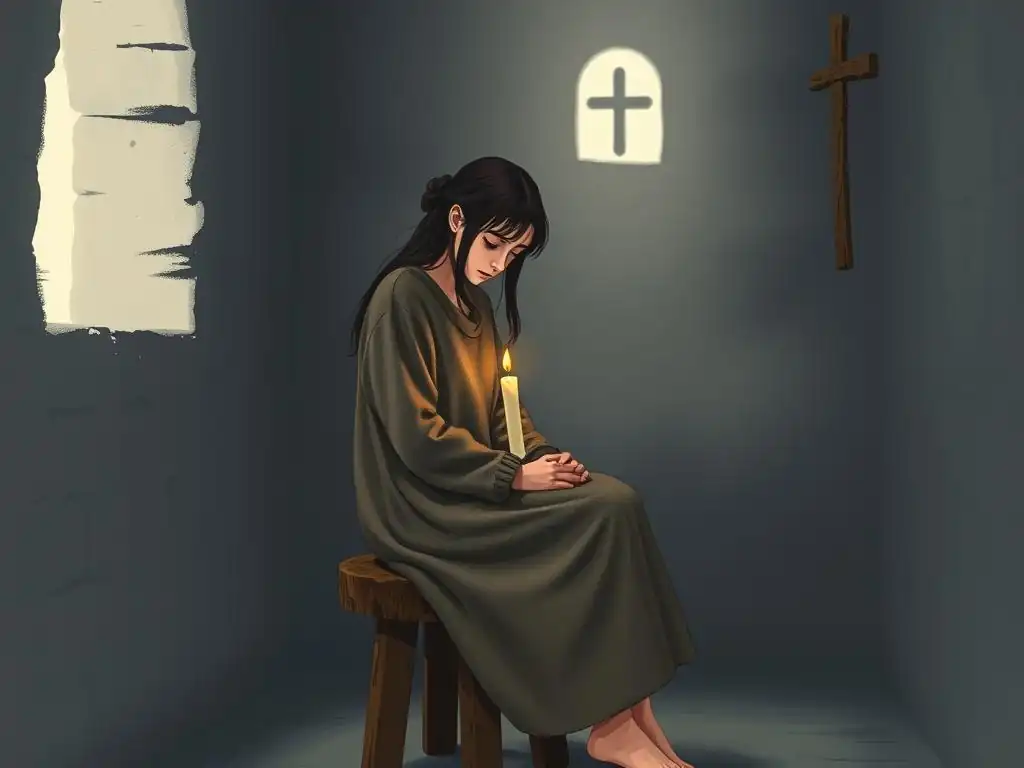
Melancholia: The Medieval Understanding of Depression
Melancholia was perhaps the most widely discussed mental condition in medieval medical and philosophical texts, largely based on the humoral theory. It was attributed to an excess of black bile, believed to be cold and dry, leading to symptoms of profound sadness, fear, anxiety, lack of energy, loss of appetite, and sometimes strange thoughts or hallucinations.
While the humoral explanation is scientifically incorrect, the description of symptoms aligns remarkably with modern descriptions of major depressive disorder. Medieval scholars like Robert Burton, though writing later, compiled extensive works like "The Anatomy of Melancholy," detailing its many forms and supposed causes, reflecting centuries of thought on the subject.
Treatments for melancholia focused on restoring humoral balance. This might involve dietary changes to warm and moisten the body, herbal remedies like borage or hellebore (some of which could be toxic), bloodletting, or purgatives to expel excess black bile. Religious practices were also common, including prayer, confession, and seeking solace in religious contemplation. The lived experience of melancholia in the Middle Ages was thus a complex interplay of physical symptoms, interpreted through a humoral lens, and spiritual anguish, addressed through religious means, with little understanding of the psychological components we recognize today.
Mania and "Frenzy": Symptoms and Societal Reactions
Conditions characterized by agitation, excitement, irrational behavior, and sometimes aggression were often broadly labeled as "mania" or "frenzy." Unlike melancholia's association with black bile, these states were sometimes linked to an excess of yellow bile (choleric humor) or simply described as a heating or drying of the brain. Symptoms could include sleeplessness, rapid speech, grandiose ideas, restlessness, and violent outbursts. This category likely encompassed conditions that might today be diagnosed as bipolar disorder (manic episodes), acute psychosis, or delirium caused by illness or fever.
Societal reactions to "mania" or "frenzy" were often more severe than to melancholia, primarily due to the unpredictable and potentially disruptive nature of the behavior. Individuals experiencing these states were more likely to be feared, restrained, or confined for the safety of themselves and others.
While some treatments based on humoral theory were attempted (e.g., cooling remedies), the primary response was often control. The Medieval mental illness experience for someone in a manic or frenzied state was likely one of profound loss of control, potentially met with harsh restraint and social rejection rather than therapeutic intervention, underscoring the fear and lack of understanding surrounding these conditions.
Demonic Possession: Distinguishing Mental Illness from the Supernatural
As previously discussed, demonic possession was a powerful explanatory model for mental and physical ailments that defied simple explanation. Symptoms attributed to possession included speaking in foreign languages or voices not one's own, having unnatural strength, exhibiting violent reactions to sacred objects, or having knowledge of hidden things. These symptoms could overlap significantly with those of severe mental illnesses, making differentiation extremely difficult in the absence of medical understanding.
The process of determining if someone was possessed often involved examination by religious authorities, looking for specific signs. If deemed possessed, the primary intervention was exorcism. If symptoms persisted after exorcism or did not fit the criteria for possession, other explanations, including natural illness or even feigned illness, might be considered.
However, the belief in possession meant that many individuals suffering from genuine mental health conditions were subjected to traumatic religious rituals instead of receiving any form of care. The lived experience of being suspected or accused of possession added an immense burden of fear, spiritual terror, and potential danger, a stark example of how prevailing beliefs could shape and exacerbate mental suffering.
Treatment Approaches for Medieval Mental Illness
Herbal Remedies and Traditional Medicine
Medieval medicine, drawing upon ancient texts and local traditions, employed a wide range of herbal remedies to treat various ailments, including those affecting the mind. Plants were categorized based on their perceived humoral qualities (e.g., warming, cooling, drying, moistening) and their supposed effects on the body and mind. For melancholia, herbs like borage, lemon balm, and rose were sometimes recommended for their perceived ability to lighten the spirits. For states of agitation or sleeplessness, calming herbs like poppy (containing opium) or mandrake were occasionally used, though these could be dangerous.
Beyond herbs, traditional medical practices included dietary recommendations – certain foods were thought to influence the humors – and physical interventions like bathing, massage, and exercise. Bloodletting and purgatives were also common, aimed at removing excess or corrupted humors believed to be causing the imbalance. While some remedies might have offered symptomatic relief, the underlying humoral theory was incorrect, meaning treatments were often ineffective or even harmful by modern standards. Nevertheless, these were the primary medical approaches available, shaping the Medieval mental illness experiences for those who could access and afford them.
Religious Interventions: Exorcism and Prayer
Given the strong link between mental illness and religious or supernatural causes, religious interventions were central to many treatment approaches. Prayer was a universal practice, with individuals and their families praying for healing and divine intervention. Pilgrimages to holy sites or shrines associated with healing saints were also common, undertaken in the hope of miraculous recovery. The laying on of hands by religious figures was another practice believed to transfer divine healing power.
As discussed earlier, exorcism was the specific ritual employed when mental distress was attributed to demonic possession. Performed by ordained priests, these rituals involved prayers, scripture readings, and commands aimed at expelling the evil spirit from the afflicted person. While intended to cure, these rituals could be terrifying and traumatic for the individual, especially if they were physically restrained. The Medieval mental illness experience was profoundly shaped by these religious beliefs and practices, offering spiritual solace and a framework for understanding, but also potentially leading to fear, trauma, and the neglect of any underlying physical or psychological needs.
Confinement and Restraint: The Role of Early Asylums
For individuals whose behavior was deemed dangerous, disruptive, or uncontrollable, confinement and physical restraint were common responses. This could occur within the family home, in local jails, or, increasingly towards the later Middle Ages, in rudimentary institutions. Early asylums like St. Mary Bethlehem were established, but their primary function was custodial rather than therapeutic. Individuals were housed, fed, and kept away from the public, often in crowded and unsanitary conditions.
Restraint methods included chains, manacles, and straitjackets (though the latter became more common later). The focus was on managing behavior rather than treating the underlying condition. While intended to provide safety and control, these practices were often cruel and dehumanizing. The lived experience of being confined in one of these early institutions was likely one of isolation, loss of dignity, and lack of effective help, representing a grim reality for those whose mental health challenges led them down this path.
Case Studies: Glimpses into Individual Experiences
Hildegard of Bingen: Visions and Possible Migraine Aura
Hildegard of Bingen (1098–1179) was a German Benedictine abbess, mystic, composer, and polymath. Throughout her life, she reported experiencing vivid visions, which she described in detail and interpreted as divine revelations. These visions often involved complex patterns of light and color, sometimes accompanied by sounds or other sensory phenomena. She was a highly respected figure in her time, and her visions were widely accepted as divinely inspired.
Modern medical historians and neurologists have speculated that Hildegard's visions might have been related to migraine aura, a neurological phenomenon that can precede or accompany migraines and cause visual disturbances, including flashing lights, geometric patterns, or blind spots. If this were the case, her Medieval mental illness experience (or rather, a neurological condition interpreted through a spiritual lens) highlights how physiological events could be understood and integrated within the dominant religious framework of the time, leading to profound spiritual and intellectual output rather than social stigma or confinement.
Charles VI of France: Episodes of "Madness" and Political Instability
King Charles VI of France (1368–1422), known as Charles the Beloved and later Charles the Mad, suffered from recurrent episodes of severe mental illness throughout his reign, starting in 1392. His symptoms were varied and dramatic, including periods of violent frenzy, memory loss (sometimes not knowing who he was or that he was king), delusions (believing his body was made of glass), and periods of stupor or catatonia. These episodes incapacitated him and plunged France into political crisis, contributing to the Hundred Years' War.
Contemporary accounts describe various attempts to treat him, including herbal remedies, baths, and even interventions by sorcerers, reflecting the mix of medical and superstitious beliefs. Despite his illness, he remained king, though power shifted to regency councils. Charles VI's Medieval mental illness experience is a stark example of how severe mental illness could impact even the highest levels of society, revealing the limited understanding and ineffective treatments available, and the profound political and social consequences that could ensue.
Joan of Arc: Voices, Visions, and Accusations of Heresy
Joan of Arc (c. 1412–1431), the French military leader and saint, claimed to hear the voices of saints and angels and experience visions that guided her actions, particularly her mission to support Charles VII and expel the English from France. Her conviction in these divine communications inspired the French forces and played a significant role in the Hundred Years' War.
While her "voices" were accepted by many as divine guidance, they were also used against her by her enemies. At her trial, she was accused of heresy and witchcraft, with her visions and voices presented as evidence of demonic influence.
Modern interpretations are varied and speculative, ranging from genuine religious experience to possible neurological or psychological conditions. Joan's Medieval mental illness experience (or again, a potentially complex set of experiences interpreted through spiritual and political lenses) demonstrates the precarious position of individuals whose unusual sensory or psychological experiences could be interpreted either as divine inspiration or dangerous heresy, with life-or-death consequences.
The Role of Family and Community in Caring for the Mentally Ill
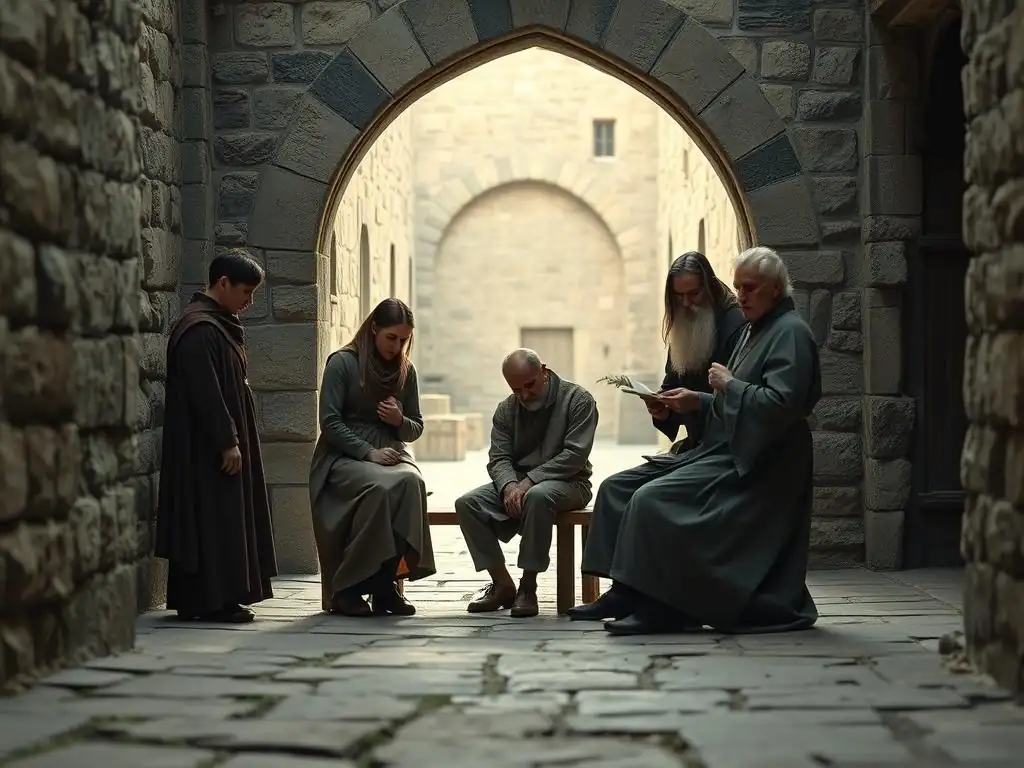
Family Support Systems: Responsibilities and Burdens
In the absence of formal care systems, the primary responsibility for caring for a mentally ill individual typically fell upon their family. Families provided food, shelter, and basic care, often at great personal cost. Caring for someone with unpredictable or challenging behavior was a significant burden, requiring constant vigilance and emotional resilience. The resources available to the family – their wealth, social standing, and access to help – heavily influenced the quality of care they could provide.
Families also had to navigate the social stigma associated with mental illness. They might face shame, social exclusion, and difficulty arranging marriages for other family members. Decisions about seeking help were often made by the family, balancing limited resources, available options (folk healer, priest, physician), and the fear of drawing unwanted attention. The lived experience of mental illness extended to the entire family unit, which bore the weight of caregiving responsibilities, emotional strain, and societal judgment.
Community Attitudes: Fear, Compassion, and Rejection
Community attitudes towards the mentally ill varied widely. Fear was a common reaction, particularly towards individuals exhibiting aggressive or bizarre behavior, rooted in beliefs about possession or inherent danger. This fear could lead to avoidance, exclusion, or demands for confinement. However, there were also instances of compassion and tolerance, especially for individuals whose symptoms were less disruptive or who were known and integrated into the community before the onset of illness.
Some communities might provide basic support through charity or neighborly help, particularly for the poor. However, systemic community support was non-existent. The Medieval mental illness experience within the community could range from being a tolerated eccentric, to a feared outcast, to an object of pity, depending on the individual's behavior, the community's beliefs, and their overall capacity for charity and understanding.
The Impact on Caregivers: Emotional and Practical Challenges
Caring for a mentally ill family member in the Middle Ages presented immense emotional and practical challenges. Caregivers faced constant stress, anxiety, and exhaustion. They often lacked knowledge about the condition and effective ways to manage challenging behaviors. The emotional toll of seeing a loved one suffer, coupled with the social stigma and lack of support, could be devastating.
Practically, caregiving could be financially ruinous, especially for poorer families who lost a working member or incurred costs seeking remedies. There was no respite care or formal support network for caregivers. Their lived experience was one of relentless responsibility, often performed in isolation, with little recognition or assistance from society. This underscores the timeless need for support and resources for those who care for individuals with mental health challenges.
The Legacy of Medieval Mental Health Practices
Lasting Impact on Modern Understanding of Mental Illness
While medieval explanations for mental illness like humoral theory and possession have been superseded by scientific understanding, the Medieval mental illness experiences and the societal responses to them left a lasting legacy. The association of mental illness with stigma, shame, and fear persisted for centuries, contributing to the historical mistreatment and marginalization of affected individuals. The early custodial approach of institutions like Bedlam influenced the development of asylums for hundreds of years, many of which became notorious for poor conditions and lack of therapeutic care.
However, the period also highlights the enduring human need to understand and respond to mental distress, even with limited knowledge. It shows the resilience of individuals and families in the face of profound challenges and the occasional glimpses of compassion within a difficult societal context. Studying this history helps us recognize the deep roots of current challenges in mental healthcare, including stigma and access to care.
Lessons Learned: Stigma, Care, and Humanization
The history of Medieval mental illness experiences offers crucial lessons. Firstly, it starkly illustrates the devastating impact of stigma and misunderstanding. When mental illness is viewed through lenses of fear, sin, or moral failing, it leads to isolation, mistreatment, and suffering. Secondly, it highlights the critical need for effective and accessible care. The limited, often ineffective, and sometimes cruel methods of the Middle Ages underscore the importance of developing evidence-based treatments and providing humane, supportive environments.
Finally, it teaches us about the importance of humanization. Despite the prevailing theories and practices, individual stories from the Middle Ages remind us that behind the labels and theories were real people experiencing profound internal struggles. Recognizing their humanity is the first step towards compassionate care. The shift from viewing mental illness solely as a spiritual or humoral problem to understanding it as a complex condition requiring medical, psychological, and social support is a long journey, parts of which are illuminated by examining this historical period.
Moving Forward: Promoting Empathy and Understanding Today
Understanding the historical context of Medieval mental illness experiences can foster greater empathy for those affected by mental health challenges today. It reminds us that the struggle is not new, and that societal attitudes have a profound impact on the lived experience of individuals. By reflecting on the misconceptions and mistreatment of the past, we can be more vigilant against perpetuating stigma and discrimination in the present.
Promoting empathy and understanding requires continued education, open dialogue, and challenging outdated beliefs. It involves recognizing the diversity of mental health experiences and advocating for accessible, compassionate, and effective care for everyone. The journey from medieval beliefs to modern understanding is ongoing, and the lessons from the past serve as a powerful reminder of the importance of treating mental illness with the same seriousness, compassion, and scientific rigor as physical illness.
Conclusion: Reflecting on Medieval Mental Illness Experiences
The Human Cost: Suffering and Resilience
The lived experience of mental illness during the Medieval Period was undoubtedly marked by immense suffering. Individuals faced profound internal distress, coupled with the challenges of a society that largely lacked understanding, effective treatments, and supportive structures. The fear of possession, the shame of stigma, the isolation of confinement, and the burden on families all contributed to a difficult reality.
Yet, amidst the suffering, there are also glimpses of resilience. Individuals continued to live their lives as best they could, families provided care within their limited means, and some individuals, like Hildegard of Bingen or Joan of Arc (regardless of the modern interpretation of their experiences), found ways to function and even achieve remarkable things despite or perhaps intertwined with their unique mental states. Their stories, however interpreted, speak to the enduring human capacity to navigate profound psychological challenges.
A Call for Continued Research and Awareness
Our understanding of Medieval mental illness experiences is limited by the scarcity and nature of historical records. Much of what we know comes from medical texts based on outdated theories, religious accounts focused on the spiritual, or legal documents primarily concerned with public order. Personal accounts from the perspective of the mentally ill themselves are extremely rare.
Therefore, there is a continued need for historical research to uncover more about this period and challenge assumptions. Furthermore, raising awareness about the history of mental health can help contextualize current issues, highlighting the long struggle against stigma and the evolution of care. By remembering the challenges faced by those in the past, we can strengthen our resolve to build a more understanding, supportive, and effective system of mental healthcare for everyone today.
Frequently Asked Questions
What were the primary societal beliefs about the cause of mental illness during the Medieval period?
Medieval society largely attributed mental illness to supernatural causes, such as demonic possession or divine punishment. Treatments often focused on spiritual interventions rather than medical understanding.
How were individuals with mental illness typically treated in Medieval Europe?
Treatment varied greatly, ranging from religious care in monasteries to outright persecution. Some received compassionate support, while others faced incarceration, isolation, or even execution.
What kind of support systems, if any, existed for people experiencing mental health challenges in the Medieval period?
While formal mental health institutions were absent, monasteries and religious orders sometimes provided refuge and care. Families also played a crucial role, though their ability to help was limited by lack of understanding.
What role did 'trepanation' play in the treatment of mental illness during Medieval times?
Trepanation, the drilling of holes in the skull, was sometimes used, believed to release evil spirits causing the illness. Its effectiveness is highly dubious, and it likely caused more harm than good.
How does understanding Medieval mental illness experiences help us better understand mental health today?
Studying Medieval approaches highlights the evolution of our understanding of mental illness. It also emphasizes the importance of compassion, evidence-based treatments, and challenging societal stigma.
Final Reflection: Echoes of the Past, Lessons for the Present
The struggles faced by individuals experiencing mental illness during the Medieval period resonate deeply with the challenges we confront today. While the diagnostic tools and treatments differed drastically, the fundamental human experience of suffering, isolation, and the search for understanding remains tragically consistent. The enduring legacy of misunderstanding and stigma highlights the urgent need for continued progress in mental health care.
The pervasive fear and misunderstanding surrounding mental illness in the Medieval era, often leading to brutal treatment and social ostracism, serves as a stark reminder of how far we have come, yet how far we still need to go. The lack of empathy and the reliance on superstitious explanations, rather than compassionate care, is a chilling echo in our own time. The madman is not only outside society, but he is also outside himself.
This quote, while not directly from the Medieval period, encapsulates the alienation and self-estrangement experienced by those suffering from mental illness across centuries, highlighting the timeless nature of this struggle.
Consider the stories shared within this article. Reflect on the resilience of those who endured unimaginable hardship, and let their experiences fuel your own commitment to fostering a more compassionate and understanding world. You have the power to challenge stigma, to advocate for better mental health resources, and to offer support to those who need it most. Let the echoes of the past inspire you to build a future where mental illness is met not with fear and judgment, but with empathy, understanding, and effective care.
Unlock the Mysteries of Medieval Mental Health
Thanks for exploring the fascinating – and often challenging – world of mental health in the medieval period! We hope you gained a new appreciation for the resilience and complexities of human experience across time. Now it's your turn to delve deeper.
- Share your thoughts: What surprised you most about the lives of those experiencing mental illness during this era? Did anything resonate personally with your understanding of mental health today? Leave a comment below and share your insights!
- Explore further: Research a specific medieval medical text or historical figure related to mental illness. This could lead to an exciting personal project or even a new area of study!
- Connect with others: Talk to a friend or family member about what you learned. Starting a conversation is a powerful way to break down stigmas and foster understanding.
What other historical periods would you like to explore through the lens of mental health?