
Balinese Healing Traditions for Emotional Release

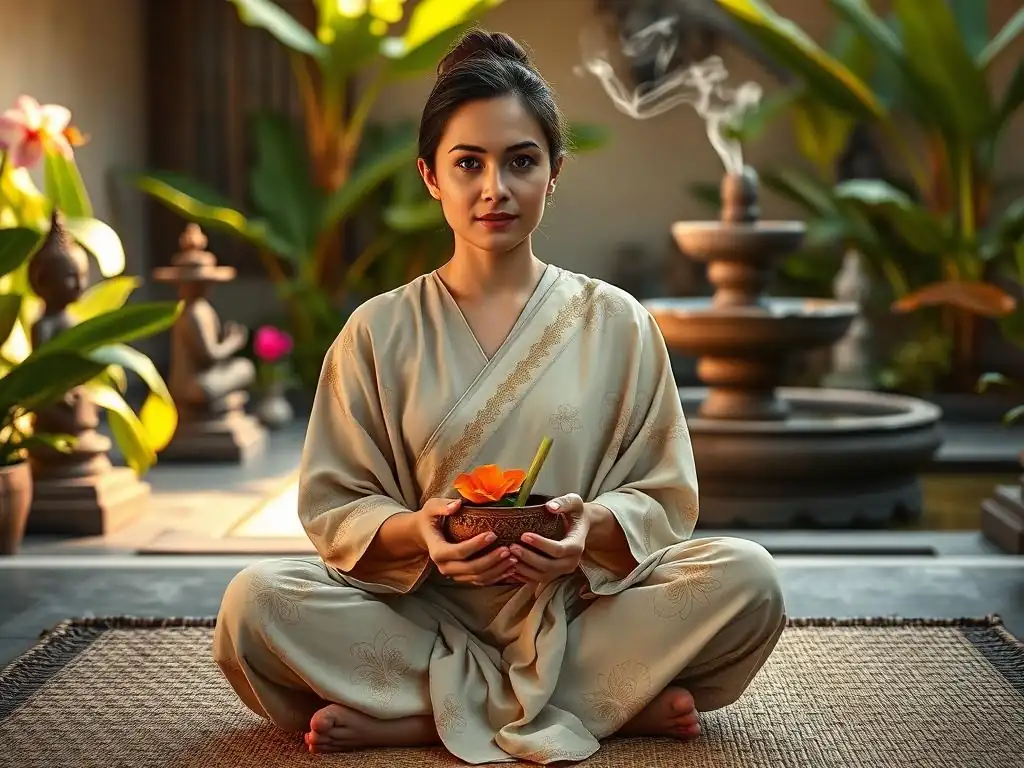
Welcome to Mind Care Guide, a space dedicated to nurturing your mental well-being. Feeling overwhelmed or stuck? We understand. Dive into our exploration of "Balinese healing emotional release techniques", a fascinating journey into cultural perspectives on mental health. Could ancient traditions hold the key to unlocking inner peace? Let's explore together...
- Traditional Chinese Medicine for Emotional Well-being: A Mind-Body Guide
- Understanding Emotional Imbalance According to TCM
- Core Principles of TCM Emotional Healing Practices
- TCM Techniques for Emotional Release: A Deep Dive
- Integrating TCM into Modern Mental Health Practices
- Finding a Qualified TCM Practitioner
- Benefits and Potential Risks of TCM Emotional Release Techniques
- Conclusion: Embracing TCM Wisdom for Emotional Well-being
-
Frequently Asked Questions
- What are Balinese healing emotional release techniques and how do they differ from Western approaches?
- How can I find a qualified practitioner of Balinese healing emotional release techniques?
- Are Balinese healing emotional release techniques suitable for everyone, or are there any contraindications?
- What kind of emotional release can I expect from these Balinese healing techniques?
- How do Balinese healing emotional release techniques integrate with modern mental health care?
- Final Reflection: Unburdening the Soul: The Enduring Power of Balinese Healing
- Unleash Your Inner Peace: Start Your Healing Journey Today
Traditional Chinese Medicine for Emotional Well-being: A Mind-Body Guide
Introduction to TCM and Mental Health
Traditional Chinese Medicine (TCM) offers a profound perspective on health, viewing the individual as an integrated system where mind, body, and spirit are inseparable. Unlike Western medicine which often compartmentalizes physical and mental health, TCM understands emotional states as integral aspects of physiological function. Emotional well-being is not merely the absence of mental illness but a dynamic state of balance and harmony within the body's vital energies.
In TCM, emotions are seen as natural responses, but when they become excessive, prolonged, or suppressed, they can disrupt the flow of Qi (vital energy) and Blood, leading to disharmony within the organ systems. This disharmony can manifest physically, emotionally, and mentally. For instance, chronic worry might weaken the Spleen, affecting digestion, while unresolved anger can stagnate Liver Qi, leading to irritability or even physical pain. TCM approaches mental and emotional health by identifying these underlying patterns of imbalance and restoring harmony through various therapeutic methods.
Understanding Emotional Imbalance According to TCM
The Five Elements and Their Corresponding Emotions
A cornerstone of TCM theory is the Five Elements (Wood, Fire, Earth, Metal, Water), which represent different phases of Qi and correspond to specific organ systems, seasons, colors, sounds, and emotions. Each element is associated with a particular emotion: Wood with Anger, Fire with Joy (or mania), Earth with Worry/Pensiveness, Metal with Grief/Sadness, and Water with Fear. These emotions are natural expressions of their corresponding elements and organs.
When an emotion is experienced in moderation, it is considered healthy. However, an excess or deficiency of any of these emotions, or chronic exposure to a particular emotion, can disrupt the balance of its associated element and organ system. For example, excessive or suppressed anger can harm the Liver (Wood element), leading to symptoms like headaches, irritability, or digestive issues. Similarly, chronic fear can weaken the Kidneys (Water element), potentially resulting in fatigue, lower back pain, or anxiety. Understanding these connections is crucial for diagnosing and treating emotional imbalances in TCM.
Qi Stagnation as a Source of Emotional Distress
Qi, or vital energy, flows throughout the body along specific pathways known as meridians, nourishing tissues and organs and facilitating all bodily functions. In TCM, smooth and harmonious Qi flow is essential for both physical and emotional health. When Qi becomes blocked or stagnant, often due to stress, emotional suppression, or poor lifestyle choices, it can lead to a variety of symptoms, including emotional distress.
Qi stagnation is a common pattern in TCM associated with feelings like frustration, irritability, mood swings, and depression. This stagnation can manifest physically as tightness in the chest, digestive discomfort, or pain that moves around the body. For example, Liver Qi stagnation, frequently linked to stress and anger, can cause premenstrual syndrome (PMS) symptoms, headaches, and a feeling of being "stuck" emotionally. Resolving Qi stagnation is a primary focus of many TCM therapies aimed at emotional release.
Core Principles of TCM Emotional Healing Practices
The Importance of Balancing Yin and Yang
Yin and Yang are fundamental, complementary forces in TCM, representing opposing yet interdependent aspects of everything in the universe, including the body and mind. Yin is associated with coolness, stillness, darkness, and substance, while Yang relates to warmth, activity, light, and function. Emotional well-being, like physical health, relies on the dynamic balance between Yin and Yang within the body's organ systems and overall energy.
An imbalance between Yin and Yang can significantly impact emotional states. For instance, an excess of Yang energy, often seen in patterns like Liver Fire or Heart Fire, can lead to symptoms of agitation, anxiety, insomnia, and irritability. Conversely, a deficiency of Yin, perhaps Kidney Yin deficiency, might manifest as restlessness, night sweats, and a feeling of being drained, contributing to anxiety or a sense of unease. Restoring the balance between these two forces is a key principle in TCM treatments for emotional disharmony.
The Connection Between Emotions and Organ Systems
TCM posits a deep and reciprocal relationship between specific emotions and the major organ systems. Each of the five principal Yin organs (Liver, Heart, Spleen, Lungs, Kidneys) is associated with a particular emotion, and the health of the organ directly influences the experience and expression of that emotion. For example, the Liver is associated with Anger; a healthy Liver allows for the smooth flow of emotions, while a Liver imbalance can lead to excessive anger, frustration, or resentment.
Conversely, chronic or intense emotional states can directly impact the health and function of their associated organs. Prolonged sadness or grief can weaken the Lungs, potentially contributing to respiratory issues or fatigue. Excessive worry or pensiveness can impair the Spleen's function, leading to digestive problems and fatigue. Fear can weaken the Kidneys, affecting energy levels and resilience. Addressing emotional imbalances in TCM often involves treating the underlying organ disharmony, recognizing that healing the body supports emotional health.
TCM Techniques for Emotional Release: A Deep Dive
Acupuncture and Acupressure: Releasing Emotional Blockages
Acupuncture and acupressure are core TCM modalities that involve stimulating specific points along the body's meridian pathways. These points are believed to be areas where Qi can be accessed and influenced. The goal is to regulate the flow of Qi and Blood, remove blockages, and restore balance, which in turn can facilitate the release of stagnant emotional energy and alleviate emotional distress.
By targeting points known to influence the nervous system and specific organ systems related to emotions, acupuncture and acupressure can help calm the mind, reduce tension, and promote a sense of peace. Studies have shown that acupuncture can influence neurotransmitters like serotonin and dopamine, which play roles in mood regulation. For example, stimulating points on the ear (auricular acupuncture) is commonly used for stress and anxiety relief in many clinical settings.
Identifying Key Acupoints for Emotional Regulation
TCM practitioners select acupoints based on a diagnosis of the individual's specific pattern of imbalance. However, certain points are frequently used for emotional regulation. For instance, Liver 3 (Taichong) on the foot is a crucial point for soothing Liver Qi stagnation, often used for irritability and stress.
Pericardium 6 (Neiguan) on the wrist is well-known for calming the spirit (Shen) and is used for nausea, anxiety, and insomnia. Heart 7 (Shenmen) on the wrist crease is specifically indicated for calming the Heart and treating anxiety, palpitations, and sleep disturbances. Governing Vessel 20 (Baihui) on the top of the head is used to lift the spirit and clear the mind, beneficial for depression and anxiety.
These points are chosen because they lie on meridians connected to organs associated with emotional processing (like the Liver, Heart, and Pericardium) or because they have a general calming or regulatory effect on Qi and Shen (spirit). Stimulating these points helps to break up stagnant Qi, regulate the flow of energy, and restore a sense of emotional equilibrium. The selection is always tailored to the individual's unique diagnostic pattern.
The Role of Needles and Pressure in Releasing Stagnation
The insertion of fine needles in acupuncture, or the application of firm pressure in acupressure, stimulates the acupoints, sending signals that influence the body's physiological responses. This stimulation is believed to communicate with the body's energy system, prompting the release of blocked Qi and promoting its smooth circulation. When Qi flows freely, the physical and emotional tension associated with stagnation can dissipate.
The action of the needles or pressure helps to "open" the channels, allowing stagnant energy to disperse and fresh Qi and Blood to flow into areas that were previously constricted. This process can directly impact the nervous system, potentially reducing stress hormones like cortisol and increasing endorphins, the body's natural mood boosters. The physical act of releasing tension at specific points facilitates the release of the trapped emotional energy associated with that tension.
Expected Sensations and Emotional Responses During Treatment
During an acupuncture or acupressure session focused on emotional release, individuals may experience a variety of sensations at the point of stimulation, often described as a dull ache, heaviness, tingling, or warmth – collectively known as "De Qi." These sensations are considered indicators that the treatment is effectively engaging the body's energy.
Beyond physical sensations, it is common for individuals to experience emotional responses during or after a session. This might include feeling a wave of emotion surface, such as sadness or anger, which is then followed by a sense of release or relief. Some people feel deeply relaxed, even falling asleep, while others may feel a surge of energy or clarity. These emotional releases are viewed as a positive sign that stagnant energy is moving and balance is being restored, facilitating deep emotional processing and healing.
Herbal Medicine: Nourishing the Body and Calming the Mind
TCM herbal medicine utilizes complex formulas containing various plant, mineral, and sometimes animal substances to address specific patterns of imbalance. Unlike Western herbalism which often uses single herbs for specific symptoms, TCM formulas are crafted to treat the root cause and the manifestation of a condition simultaneously, working synergistically to restore harmony to the body and mind.
For emotional well-being, herbal formulas are prescribed based on a detailed TCM diagnosis, considering the individual's specific emotional symptoms, physical signs, and underlying pattern differentiation (e.g., Liver Qi stagnation, Heart Blood deficiency, Spleen Qi deficiency). These formulas aim to nourish deficient substances (like Blood or Yin), clear excess conditions (like Heat or Stagnation), and regulate the function of the organ systems involved, thereby supporting emotional stability and resilience.
Formulas for Anxiety, Depression, and Anger
Specific herbal formulas are traditionally used in TCM to address common emotional challenges based on the underlying pattern. For anxiety often linked to Heart Blood or Yin deficiency, formulas that nourish the Heart and calm the Shen (Spirit) like Tian Wang Bu Xin Dan (Heavenly Emperor Tonify the Heart Elixir) might be used. For depression and irritability often stemming from Liver Qi stagnation, formulas that soothe the Liver and regulate Qi, such as Xiao Yao San (Free and Easy Wanderer), are frequently prescribed. For anger associated with Liver Fire, cooling and clearing formulas may be employed.
It is crucial to understand that these formulas are not one-size-fits-all treatments but are modified and tailored by a qualified practitioner based on the individual's unique presentation. For instance, Xiao Yao San might be modified with additional herbs if the patient also presents with significant digestive issues or signs of Heat. This individualized approach ensures the treatment addresses the specific root causes contributing to the emotional imbalance.
Individualized Herbal Prescriptions Based on Pattern Differentiation
The strength of TCM herbal medicine lies in its individualized approach, known as pattern differentiation (Bian Zheng). A TCM practitioner doesn't just treat the symptom (e.g., anxiety) but diagnoses the underlying pattern of disharmony within the body's systems. This involves observing the patient's tongue and pulse, asking detailed questions about their symptoms, medical history, and lifestyle.
Based on this comprehensive diagnosis, a unique herbal formula is created or a classical formula is modified to specifically address the identified pattern, whether it's Qi stagnation, Blood deficiency, Dampness accumulation, Heat excess, or a combination. For example, two people with anxiety might receive completely different herbal formulas if one has anxiety due to Heart Yin deficiency while the other has anxiety due to Phlegm misting the Heart. This personalized approach is key to the effectiveness of TCM herbal therapy for complex emotional conditions.
Considerations for Safe and Effective Herbal Use
While TCM herbal medicine can be highly effective, it is essential to use it safely under the guidance of a qualified practitioner. Herbs can have potent effects and potential interactions with Western medications. A trained herbalist understands the properties of each herb, how they work together in a formula, appropriate dosages, and potential contraindications.
It is important to inform your TCM practitioner about all medications and supplements you are currently taking. Follow the dosage instructions carefully and report any unusual symptoms. High-quality herbs sourced from reputable suppliers are also crucial for safety and efficacy. Self-treating with TCM herbs without a proper diagnosis and guidance is not recommended and can be ineffective or even harmful.
Qigong and Tai Chi: Movement Practices for Emotional Harmony
Qigong ("cultivating energy") and Tai Chi (a moving form of Qigong) are mind-body exercises that combine gentle movement, deep breathing, and focused intention. These practices are designed to cultivate and regulate Qi, promote its smooth flow, and harmonize the connection between the body and mind. They are powerful tools for emotional release and fostering inner peace.
Regular practice helps to release physical tension held in the body, which is often linked to emotional stress and stagnation. The slow, deliberate movements and focus on breath help to calm the nervous system, reduce the production of stress hormones, and promote a state of relaxation. By bringing awareness to the body and breath, Qigong and Tai Chi also cultivate mindfulness, enabling individuals to observe their emotions without judgment and develop greater emotional resilience.
Specific Qigong Exercises for Releasing Emotional Tension
Many Qigong forms include movements specifically aimed at releasing tension and promoting emotional balance. For instance, movements involving gentle stretching and rotation of the torso can help to soothe the Liver and alleviate Qi stagnation, which is often associated with frustration and anger. Exercises focusing on expanding the chest and deep abdominal breathing can benefit the Lungs and Heart, helping to process grief and reduce anxiety.
Simple practices like "Shaking the Tree" (a gentle shaking of the entire body) are believed to release stagnant energy and tension. Movements that involve sweeping or pushing motions can help to clear stagnant Qi. The rhythmic nature of Qigong, combined with focused breathing, helps to interrupt stress patterns and promote a calm, centered state, facilitating the release of pent-up emotional energy.
Cultivating Mindfulness and Emotional Awareness Through Movement
A key aspect of Qigong and Tai Chi is the cultivation of mindfulness – paying non-judgmental attention to the present moment, including bodily sensations, thoughts, and emotions. As practitioners move slowly and deliberately, they become more attuned to where they hold tension in their bodies and how different emotions manifest physically.
This increased body awareness can help individuals recognize emotional patterns as they arise, rather than being overwhelmed by them. The meditative aspect of the movement allows for a gentle processing of emotions, providing a healthy outlet for release and fostering a sense of acceptance. By moving mindfully, practitioners learn to navigate their internal landscape with greater ease and develop the capacity to respond to emotional challenges with greater calm and presence.
Dietary Therapy: Nourishing the Body to Support Emotional Health
TCM dietary therapy views food as medicine, emphasizing the energetic properties of different foods and their impact on the body's Qi, Blood, and organ systems. Eating according to TCM principles can play a significant role in supporting emotional well-being by nourishing deficiencies, clearing excesses, and promoting harmonious function of the organs associated with emotional regulation.
The approach is highly individualized, considering the person's constitution, their current pattern of imbalance, the season, and even the local climate. General recommendations exist, but a TCM practitioner will tailor dietary advice to support the specific therapeutic strategy aimed at addressing the root cause of the emotional imbalance.
Foods to Promote Emotional Balance
According to TCM, certain foods can help nourish the organ systems associated with emotional health. For example, foods that nourish Heart Blood and Yin can help calm the Shen (Spirit) and alleviate anxiety and insomnia; these might include dark leafy greens, berries, and certain grains. Foods that support Liver Qi flow, beneficial for stress and irritability, include pungent foods like onions and garlic in moderation, and leafy greens.
Foods that strengthen the Spleen and resolve Dampness can help clear 'phlegm misting the Heart,' a TCM pattern associated with confusion and some forms of anxiety or depression; these include warming, easily digestible foods like cooked vegetables, grains, and lean protein. Eating regular, balanced meals also supports the Spleen's function, which is crucial for overall energy and mental clarity.
Foods to Avoid When Experiencing Emotional Imbalance
Certain foods and dietary habits can exacerbate emotional imbalances according to TCM. Excessive consumption of cold or raw foods can weaken the Spleen, leading to dampness and fatigue, potentially worsening worry or lethargy. Greasy, heavy foods can also create dampness and block Qi flow.
Stimulants like excessive caffeine or alcohol can disrupt the Heart and Liver, potentially worsening anxiety, insomnia, and irritability. Refined sugars and processed foods are often seen as creating dampness and heat, contributing to inflammation and disharmony that can impact mood. Avoiding these foods, or consuming them in strict moderation, is often recommended to support the body's ability to regain emotional balance.
Integrating TCM into Modern Mental Health Practices
Complementary Therapies: Combining Eastern and Western Approaches
TCM therapies like acupuncture, herbal medicine, and Qigong can serve as valuable complementary approaches when integrated with modern Western mental health practices such as psychotherapy, counseling, and medication. This integrative approach recognizes the strengths of both systems: Western medicine excels in crisis intervention, diagnosis of specific mental health conditions, and pharmacological management, while TCM offers a holistic perspective on restoring balance and addressing the root causes of disharmony contributing to emotional distress.
Many individuals find that combining therapies, such as receiving acupuncture while also attending talk therapy sessions, provides a more comprehensive and effective path to healing. For example, acupuncture might help reduce anxiety and improve sleep, making it easier for someone to engage in therapy and process emotions. Herbal medicine could support energy levels and mood stability, complementing the effects of conventional treatments. This collaborative model requires open communication between the patient and all their healthcare providers.
The Role of Lifestyle Modifications in Emotional Well-being
TCM places significant emphasis on lifestyle as a cornerstone of health and emotional well-being. Recommendations often include regulating sleep patterns, engaging in regular and appropriate physical activity (like Qigong or Tai Chi), managing stress through practices like meditation or mindfulness, and maintaining a balanced diet according to TCM principles.
These lifestyle modifications are not considered secondary but are integral to preventing and treating emotional imbalances. For example, going to bed by 11 PM is often advised in TCM to support Liver health, which is crucial for processing emotions and ensuring smooth Qi flow. Regular, gentle exercise helps move Qi and Blood, preventing stagnation. Integrating these TCM-informed lifestyle practices empowers individuals to take an active role in managing their emotional health and building long-term resilience.
Finding a Qualified TCM Practitioner
Important Considerations When Choosing an Acupuncturist or Herbalist
Finding a qualified TCM practitioner is crucial for receiving safe and effective care for emotional well-being. Look for a practitioner who is licensed or certified in your region. Consider their experience, particularly in treating mental-emotional conditions. Many practitioners have areas of focus or specialization, so inquire about their approach to emotional health.
Schedule an initial consultation to see if you feel comfortable with the practitioner and if their communication style suits you. A good practitioner will take a thorough history, explain their diagnosis in TCM terms, and outline a treatment plan. Don't hesitate to ask questions about their training, approach, and what to expect from treatment. Trust and rapport with your practitioner are essential for a successful therapeutic relationship.
Verifying Credentials and Licensing
Verification of credentials is a critical step in choosing a TCM practitioner. In many countries and regions, the practice of acupuncture and herbal medicine is regulated. In the United States, for example, practitioners are often certified by the National Certification Commission for Acupuncture and Oriental Medicine (NCCAOM) and licensed by state boards.
Check with your state's licensing board or relevant national professional organizations to confirm the practitioner's license is current and in good standing. NCCAOM certification, indicated by designations like L.Ac. (Licensed Acupuncturist) or Dipl. Ac./Dipl. OM./Dipl. CH. (Diplomate of Acupuncture/Oriental Medicine/Chinese Herbology), signifies that the practitioner has met rigorous national standards for education and examination. Taking the time to verify these credentials helps ensure you are receiving care from a competent and qualified professional.
Benefits and Potential Risks of TCM Emotional Release Techniques
Understanding the Potential Benefits
TCM emotional release techniques offer a range of potential benefits for individuals seeking support for their mental and emotional health. Many people experience a significant reduction in stress, anxiety, and symptoms of depression. Acupuncture and herbal medicine can improve sleep quality, increase energy levels, and alleviate physical symptoms associated with emotional distress, such as headaches, digestive issues, and muscle tension.
Beyond symptom relief, TCM aims to address the underlying imbalances, promoting a deeper sense of well-being and emotional resilience. Practices like Qigong and Tai Chi empower individuals with self-care tools to manage stress and maintain emotional balance long-term. Many report feeling more grounded, centered, and better equipped to navigate life's challenges after incorporating TCM into their healthcare routine.
Addressing Potential Risks and Contraindications
While generally considered safe when performed by a qualified practitioner, TCM techniques are not without potential risks or contraindications. Acupuncture involves the use of needles, and while rare, risks include minor bleeding, bruising, or infection at the needle site if sterile techniques are not followed. Fainting can occur in some individuals, particularly during their first treatment.
Certain conditions or medications may be contraindications for specific TCM treatments. For instance, certain herbal formulas may interact with pharmaceutical drugs, and some points in acupuncture are contraindicated during pregnancy. It is essential to disclose your full medical history and all medications to your practitioner. Open communication about any discomfort or unusual sensations during treatment is also important. A qualified practitioner will discuss potential risks and ensure the treatment plan is safe and appropriate for your individual health status.
Conclusion: Embracing TCM Wisdom for Emotional Well-being
Traditional Chinese Medicine offers a rich and time-tested framework for understanding and supporting emotional well-being. By viewing the mind and body as interconnected and recognizing the impact of emotions on physical health, TCM provides a holistic approach to healing. Techniques such as acupuncture, herbal medicine, Qigong, Tai Chi, and dietary therapy work synergistically to restore balance, release stagnation, and cultivate harmony within the individual.
Integrating TCM wisdom into one's life, ideally under the guidance of a qualified practitioner, can provide profound benefits for emotional release, stress reduction, and the cultivation of lasting resilience. Embracing these ancient practices offers a powerful path toward a more balanced and vibrant emotional life.
Frequently Asked Questions
What are Balinese healing emotional release techniques and how do they differ from Western approaches?
Balinese healing focuses on the interconnection of mind, body, and spirit, often incorporating rituals and community support. This differs from Western approaches, which often prioritize individual therapy and medical interventions. Balinese techniques aim to restore balance through spiritual and physical practices.
How can I find a qualified practitioner of Balinese healing emotional release techniques?
Finding a qualified practitioner involves researching reputable healers within the Balinese community, seeking recommendations, and verifying their experience. Look for practitioners with strong community ties and a deep understanding of Balinese traditions. Ensure they prioritize client safety and well-being.
Are Balinese healing emotional release techniques suitable for everyone, or are there any contraindications?
While generally safe, Balinese healing may not be suitable for everyone. Individuals with severe mental health conditions should consult with a medical professional first. It's important to disclose any pre-existing health conditions to the practitioner beforehand. Balinese healing should be seen as complementary to conventional medical treatment.
What kind of emotional release can I expect from these Balinese healing techniques?
Balinese healing aims to release stuck or suppressed emotions through various methods like massage, meditation, and rituals. Participants may experience a sense of catharsis, emotional clarity, and increased well-being. The goal is to promote emotional balance and reduce stress.
How do Balinese healing emotional release techniques integrate with modern mental health care?
Balinese healing can be integrated as a complementary therapy alongside modern mental health care. It can offer a holistic approach by addressing the spiritual and emotional aspects of well-being. It's crucial to communicate with both your mental health professional and the Balinese healer to ensure coordinated and safe care.
Final Reflection: Unburdening the Soul: The Enduring Power of Balinese Healing
The ancient wisdom of Balinese healing traditions offers a powerful antidote to the pervasive emotional burdens of modern life. In a world increasingly characterized by stress, anxiety, and trauma, the holistic approaches detailed in this article provide a vital pathway towards emotional release and lasting well-being. These techniques, far from being relics of the past, offer a timely and relevant solution to contemporary challenges.
The exploration of Balinese healing practices has profoundly impacted my understanding of the interconnectedness between mind, body, and spirit. The emphasis on restoring balance, not just treating symptoms, resonated deeply. It's a perspective that challenges the often fragmented approach of Western medicine, reminding us of the inherent capacity for self-healing that resides within each of us. The body knows how to heal itself. We just need to give it the right conditions.
This simple yet profound statement encapsulates the essence of Balinese healing philosophy, and its enduring relevance in our quest for emotional equilibrium.
Consider, for a moment, the weight you carry. The anxieties, the unresolved traumas, the emotional baggage that subtly yet significantly impacts your daily life. This article has offered a glimpse into a powerful alternative, a path towards releasing those burdens and reclaiming your inner peace. I encourage you to explore these techniques further, to find the practices that resonate most deeply with you, and to embark on your own journey towards emotional liberation. The path to healing is within reach; embrace the wisdom of Bali and begin your journey today.
Unleash Your Inner Peace: Start Your Healing Journey Today
Thanks for taking the time to explore the powerful world of Balinese healing traditions! We hope you gained valuable insights into how these practices can support emotional release and well-being. Now it's time to put your newfound knowledge into action.
- Begin your personal healing practice: Start with one simple technique from the article – even 5 minutes of deep breathing can make a difference. Focus on cultivating self-awareness and mindful presence. This is the most important step.
- Share this knowledge: Pass along the wisdom of Balinese healing to a friend or family member who might benefit. A simple conversation can be incredibly powerful.
- Explore further: Delve deeper into specific techniques mentioned, like meditation or aromatherapy, through online research or local resources. Try incorporating one new practice into your daily routine this week.
What small step will you take today to nurture your emotional well-being?