
The Invisible Wounds: Understanding Mental Health Challenges in Refugee Populations

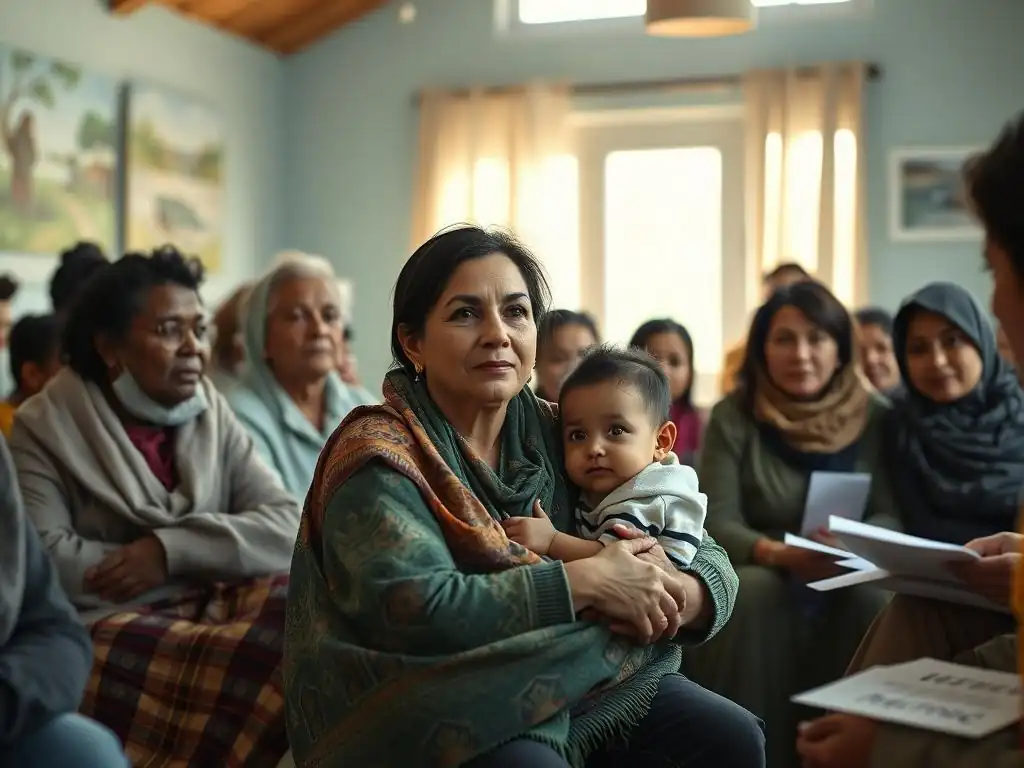
Welcome to Mind Care Guide, a compassionate space dedicated to understanding and nurturing your mental well-being. Feeling overwhelmed by the invisible wounds of trauma and displacement? This guide delves into the critical topic of Refugee Mental Health Support Resources, offering insights and practical pathways to healing. Discover how to navigate the unique challenges faced by refugee populations and find the support you or someone you know needs to rebuild and thrive. Let's begin this journey together.
Navigating New Beginnings: Addressing Mental Health in Afghan Refugee Populations
- Introduction: Mental Health and the Afghan Refugee Experience
- Understanding the Unique Mental Health Challenges Faced by Afghan Refugees
-
Common Mental Health Conditions Among Afghan Refugee Populations
- Post-Traumatic Stress Disorder (PTSD) in Afghan Refugees: Symptoms and Cultural Presentation
- Depression and Anxiety: The Impact of Displacement and Loss on Mood in Afghan Communities
- Grief and Loss: Coping with Bereavement, Separation, and Cultural Loss
- Cultural Considerations in Mental Health Presentation Among Afghan Refugees
- Accessing Mental Health Support Resources for Afghan Refugees
- Culturally Sensitive Approaches to Mental Health Care for Afghan Refugees
- Mental Health Support Resources for Afghan Refugees: A Comprehensive Guide
- Specific Mental Health Support Programs for Afghan Refugee Children and Adolescents
- The Role of Mental Health Professionals in Supporting Afghan Refugee Populations
- Building Resilience and Promoting Mental Well-being in Afghan Refugee Communities
- Case Studies: Examples of Effective Mental Health Interventions for Afghan Refugees
- Conclusion: The Path Forward for Afghan Refugee Mental Health
-
Frequently Asked Questions
- How does the refugee experience specifically impact mental health?
- What are some key barriers that prevent refugees from accessing mental health support?
- What kind of mental health support resources are specifically tailored for refugees?
- Why is cultural sensitivity so important in providing mental health support to refugees?
- How can communities contribute to improving refugee mental health?
- Final Reflection: The Unseen Scars, The Urgent Need
- Unveil Your Empathy: Take Action for Refugee Mental Health
Introduction: Mental Health and the Afghan Refugee Experience
The Critical Need for Mental Health Support in Afghan Refugee Communities
The displacement of Afghan populations, particularly following recent political changes and prolonged conflict, has created a profound and urgent need for mental health support. Years of war, instability, and human rights concerns have exposed millions to significant trauma, including violence, loss of loved ones, and the destruction of their homes and communities.
This pre-migration trauma is compounded by the stressors of displacement itself – perilous journeys, uncertainty about the future, and the challenges of seeking asylum. Upon arrival in new host countries, Afghan refugees often face further difficulties related to acculturation, discrimination, economic hardship, and navigating complex social and healthcare systems.
These cumulative stressors have a significant impact on psychological well-being. Research and clinical observations consistently show high rates of mental health conditions such as Post-Traumatic Stress Disorder (PTSD), depression, and anxiety among refugee populations, including those from Afghanistan. For example, studies examining Afghan refugees in various host countries have indicated that a substantial percentage, often ranging from 20% to 40% or even higher in some cohorts, may meet criteria for PTSD or major depression.
Without adequate and culturally appropriate refugee mental health support resources, these conditions can become chronic, impacting not only the individual but also their families and the broader community integration process. Addressing this critical need requires targeted interventions and readily accessible support systems.
Overview: Trauma, Displacement, and Psychological Well-being Among Afghan Refugees
The journey of an Afghan refugee is often marked by multiple layers of trauma and stress, beginning long before displacement. Decades of conflict have normalized exposure to violence, loss, and instability, creating a baseline of psychological strain for many. Forced displacement itself introduces acute trauma, involving dangerous travel, separation from family, and the abrupt severing of community ties and cultural roots. This displacement is not merely a physical relocation but a fundamental disruption of identity, safety, and belonging.
Upon reaching a new country, the immediate relief of safety is often quickly overshadowed by the chronic stressors of resettlement. These can include navigating asylum processes, learning a new language, finding housing and employment, and facing potential discrimination or cultural misunderstandings. The psychological well-being of Afghan refugees is thus a complex interplay of past trauma, the stresses of transition, and the challenges of building a new life. Effective refugee mental health support resources must recognize this multi-faceted experience, offering care that is not only trauma-informed but also culturally sensitive and responsive to the ongoing challenges of acculturation and integration.
Understanding the Unique Mental Health Challenges Faced by Afghan Refugees
Pre-Migration Trauma: The Impact of Conflict and Political Instability in Afghanistan
Life in Afghanistan for the past several decades has been characterized by pervasive conflict and significant political instability. This environment has subjected many individuals to chronic exposure to traumatic events, including active warfare, bombings, displacement within the country, witnessing violence against family or community members, and experiencing human rights abuses. Children growing up in this context have often known little else, leading to developmental trauma and a normalization of fear and uncertainty. Women, in particular, have faced unique vulnerabilities and traumas related to gender-based violence and restrictions on their rights and freedoms, intensifying their psychological burden.
The cumulative effect of these pre-migration experiences is a heightened risk for developing complex trauma disorders and other mental health conditions. Individuals may carry the psychological scars of these events with them, manifesting as hypervigilance, difficulty trusting others, emotional numbing, or persistent feelings of fear and helplessness. These deep-seated impacts mean that any subsequent stressors during displacement or resettlement can trigger or exacerbate existing trauma responses. Providing effective refugee mental health support resources requires providers to understand this history and approach care with a trauma-informed lens from the outset.
Challenges During Migration: Perils and Uncertainty of Displacement
The process of fleeing Afghanistan and seeking refuge in another country is fraught with its own set of significant psychological stressors and potential traumas. The journey itself is often perilous, involving dangerous travel routes, exploitation by smugglers, lack of access to basic necessities like food and water, and constant fear of apprehension or refoulement. Families may be separated during the journey, adding immense anxiety and grief. Individuals might spend extended periods in transit countries or temporary camps, living in precarious conditions with uncertain legal status and limited access to support.
This phase of displacement is marked by extreme unpredictability and a profound loss of control. Refugees are often reliant on external forces, facing bureaucratic hurdles and the constant threat of deportation. The psychological toll includes acute stress responses, feelings of powerlessness, and the exacerbation of pre-existing trauma symptoms. The uncertainty surrounding their future, combined with the immediate dangers of the journey, creates a state of prolonged psychological distress. Accessing timely refugee mental health support resources during this phase is incredibly difficult but critically important to mitigate the long-term impact of these experiences.
Post-Migration Stressors: Acculturation, Discrimination, and Integration Challenges in New Host Countries
Arriving in a new host country, while offering safety, introduces a new wave of stressors related to resettlement and integration. Acculturation, the process of adapting to a new culture, can be challenging as individuals navigate unfamiliar social norms, values, and expectations. Language barriers are a major obstacle, impacting everything from daily communication to accessing essential services like healthcare and education. The loss of social status, professional identity, and community networks from their home country can lead to feelings of isolation and diminished self-worth.
Furthermore, Afghan refugees, like other refugee groups, may face discrimination, prejudice, and xenophobia in their new communities. This can manifest in various forms, from subtle exclusion to overt harassment, impacting their sense of safety and belonging. Navigating complex bureaucratic systems for housing, welfare, and legal status adds significant stress. These post-migration stressors, though different from pre-migration trauma, can act as chronic burdens that undermine psychological well-being and hinder the healing process. Effective refugee mental health support resources must address these ongoing challenges, offering practical support alongside therapeutic interventions to facilitate successful integration and recovery.
Common Mental Health Conditions Among Afghan Refugee Populations
Post-Traumatic Stress Disorder (PTSD) in Afghan Refugees: Symptoms and Cultural Presentation
Post-Traumatic Stress Disorder (PTSD) is highly prevalent among Afghan refugees due to widespread exposure to conflict, violence, and displacement-related trauma. Symptoms commonly include re-experiencing the trauma through flashbacks, nightmares, and intrusive thoughts; avoidance of reminders of the trauma; negative changes in thoughts and mood, such as difficulty experiencing positive emotions or feeling detached from others; and alterations in arousal and reactivity, such as hypervigilance, irritability, or difficulty concentrating. These symptoms can significantly impair daily functioning and quality of life.
The presentation of PTSD symptoms can be influenced by cultural factors. For Afghan refugees, psychological distress may be expressed through somatic complaints (physical symptoms without a medical cause), rather than direct verbalization of emotional pain. Symptoms might also be described in terms related to religious or spiritual beliefs, such as feelings of spiritual emptiness or being cursed.
Family dynamics and collective coping mechanisms also play a role in how symptoms are expressed and managed within the community. Understanding these cultural nuances is vital for accurate diagnosis and providing effective refugee mental health support resources that resonate with the individual's experiences and beliefs.
Depression and Anxiety: The Impact of Displacement and Loss on Mood in Afghan Communities
Depression and anxiety are also widespread mental health conditions among Afghan refugees, often co-occurring with PTSD. The pervasive sense of loss associated with displacement – loss of home, country, culture, social networks, and often loved ones – contributes significantly to feelings of sadness, hopelessness, and grief. The chronic stress of navigating resettlement, facing uncertainty, and struggling with integration challenges can lead to persistent worry, nervousness, and physical symptoms of anxiety like fatigue, muscle tension, or difficulty sleeping.
The cultural context again influences how these conditions manifest. Depression may be expressed as a lack of energy, difficulty concentrating, or social withdrawal, sometimes without explicit verbal reports of sadness. Anxiety might present as excessive worry about family members still in Afghanistan or concerns about providing for one's family in the new country.
Stigma surrounding mental illness within Afghan communities can also lead individuals to hide their symptoms or seek help only when distress becomes unbearable. Culturally sensitive refugee mental health support resources need to acknowledge these factors and provide safe spaces for individuals to express their distress, whether emotionally or through somatic complaints.
Grief and Loss: Coping with Bereavement, Separation, and Cultural Loss
Grief and loss are central themes in the lives of Afghan refugees, extending beyond the death of loved ones to encompass the loss of their homeland, cultural identity, social status, and familiar way of life. Many have experienced the death of family members or friends due to conflict or during the perilous journey of displacement. Separation from extended family and community members who remain in Afghanistan or are dispersed across different countries creates ongoing pain and a sense of incompleteness.
Furthermore, the loss of cultural touchstones – language dominance, traditional practices, community rituals, and a sense of belonging within one's own culture – can be deeply distressing. Refugees may struggle to maintain their cultural heritage while attempting to adapt to a new society, leading to feelings of being caught between two worlds. Unresolved or complicated grief can contribute to depression, anxiety, and difficulty integrating into the new environment. Refugee mental health support resources should include culturally appropriate grief counseling and support groups that acknowledge the multifaceted nature of loss experienced by Afghan refugees.
Cultural Considerations in Mental Health Presentation Among Afghan Refugees
Understanding cultural factors is paramount when addressing the mental health of Afghan refugees. Conceptions of mental illness and well-being can differ significantly from Western biomedical models. Psychological distress may be attributed to spiritual factors, fate, or physical ailments rather than psychological conditions. There is often a strong emphasis on resilience, patience (sabr), and enduring hardship, which can lead individuals to suppress emotional pain or view it as a personal weakness.
Stigma surrounding mental health is prevalent in many Afghan communities, making individuals reluctant to seek professional help for fear of shame or social judgment. Family and community support networks are traditionally the primary source of coping, and seeking external help may be viewed as a failure of these networks. Mental health professionals providing refugee mental health support resources must be aware of these cultural beliefs and practices, approaching individuals with respect, humility, and a willingness to integrate traditional coping mechanisms and spiritual beliefs into the therapeutic process where appropriate.
Accessing Mental Health Support Resources for Afghan Refugees

Identifying Barriers to Mental Health Care for Afghan Refugees
Afghan refugees face numerous significant barriers when attempting to access mental health care in host countries. These obstacles can prevent individuals from receiving needed support, even when services are theoretically available. Primary barriers include linguistic challenges, cultural differences in understanding mental health, lack of awareness about available services, and practical difficulties such as transportation or childcare. The complex nature of these barriers means that simply offering services is insufficient; they must be specifically designed to overcome these hurdles.
Beyond practical issues, systemic barriers within healthcare systems often impede access. These include long waiting lists for services, lack of providers trained in trauma-informed and culturally sensitive care, and restrictive eligibility criteria based on immigration status. The fear of disclosing sensitive information due to past experiences with authorities or concerns about how it might impact their asylum case can also be a significant deterrent. Addressing these multifaceted barriers is essential for improving access to refugee mental health support resources.
Language Barriers and Cultural Differences in Healthcare Access
Language is one of the most immediate and significant barriers to accessing mental health care for Afghan refugees. Many speak Dari or Pashto, languages for which qualified interpreters are often scarce in host countries. Without effective interpretation, communication between client and provider is compromised, leading to misunderstandings, misdiagnosis, and a lack of trust. Relying on family members, especially children, to interpret is inappropriate and potentially harmful, compromising confidentiality and placing undue burden on individuals.
Cultural differences in how mental health is understood and discussed also pose a challenge. Concepts like therapy, counseling, or specific diagnoses like PTSD may be unfamiliar or carry negative connotations. Expectations about the roles of healers, the nature of healing, and appropriate ways to express distress can differ from those embedded in Western mental healthcare models. Effective refugee mental health support resources must bridge these gaps through culturally competent staff, readily available professional interpreters, and educational materials that explain services in a culturally relevant manner.
Healthcare systems in host countries can be complex and confusing for newcomers, particularly for refugees who have experienced significant disruption and may have low literacy levels or limited formal education. Understanding how to register with a doctor, get referrals to specialists, schedule appointments, and navigate insurance or billing procedures can be overwhelming. This complexity is magnified when seeking mental health services, which may involve different pathways or require specific referrals.
The process of seeking help can feel bureaucratic and impersonal, contrasting with traditional community-based support systems. Refugees may not understand their rights within the healthcare system or feel empowered to advocate for their needs. Providing clear, accessible information about how to access services, ideally in their native language, and offering navigation support through case managers or cultural brokers are crucial components of effective refugee mental health support resources.
Financial Constraints and Lack of Insurance Coverage
Economic hardship is common among Afghan refugees, who may face challenges finding employment, have limited financial resources, and struggle to cover basic living expenses. The cost of healthcare, including mental health services, can be prohibitive, even with some level of government assistance. Many refugees may arrive without established insurance coverage or face gaps in coverage depending on their legal status and the host country's policies.
Even when services are technically free, indirect costs such as transportation to appointments, childcare, or time off work can be significant barriers. Fear of incurring debt or using limited funds for healthcare when other needs are pressing can prevent individuals from seeking help until a crisis point is reached. Ensuring that refugee mental health support resources are truly accessible means addressing these financial constraints through free or subsidized services, assistance with related costs, and clear communication about the affordability of care.
Culturally Sensitive Approaches to Mental Health Care for Afghan Refugees
The Importance of Trauma-Informed Care for Afghan Refugees
Given the high prevalence of trauma exposure among Afghan refugees, adopting a trauma-informed approach to mental health care is not merely beneficial but essential. Trauma-informed care recognizes the widespread impact of trauma and understands potential paths for recovery. It emphasizes physical and psychological safety, trustworthiness, peer support, collaboration, empowerment, and cultural, historical, and gender issues. This approach shifts the focus from "What's wrong with you?" to "What happened to you?"
For Afghan refugees, this means creating a safe and predictable environment where they feel respected and in control of their healing process. Providers must be mindful of how their interactions might inadvertently trigger trauma responses. This includes using gentle communication, avoiding overwhelming questioning, and ensuring that clients have choices and feel empowered in treatment decisions. Integrating trauma-informed principles into all aspects of refugee mental health support resources, from intake procedures to therapy sessions, is foundational for effective care.
Building Trust and Rapport with Afghan Clients: Cultural Sensitivity and Respect
Building trust is paramount when working with Afghan refugees, who may have experienced betrayal or harm from authority figures in the past. This requires providers to demonstrate genuine cultural sensitivity and respect for the client's background, beliefs, and experiences. Taking the time to understand their story, acknowledging the hardships they have faced, and validating their feelings are crucial steps. Providers should be humble and willing to learn about Afghan culture, avoiding assumptions or stereotypes.
Respecting cultural norms, such as appropriate greetings, communication styles (e.g., indirect communication may be preferred), and the role of family, is vital. Privacy and confidentiality are particularly important, given potential fears related to authorities or community stigma. Building rapport is an ongoing process that requires patience, empathy, and a consistent demonstration of trustworthiness and respect for the individual's dignity and resilience. These elements are core to providing effective refugee mental health support resources.
Adapting Therapeutic Interventions to Afghan Cultural Contexts
Standard therapeutic interventions may need adaptation to be effective and culturally relevant for Afghan refugees. Direct, highly individualistic approaches common in Western therapy might not align with cultural values that emphasize family interdependence and collective well-being. Therapeutic goals and methods should be discussed collaboratively, taking into account the client's cultural framework and preferences. For instance, interventions that incorporate storytelling, religious or spiritual concepts, or focus on family dynamics may be more acceptable and effective.
Psychoeducation about trauma and mental health should be delivered in a way that is understandable and culturally resonant, potentially using analogies or concepts familiar within Afghan culture. Group therapy models may need adaptation to ensure comfort among mixed-gender groups or to accommodate varying levels of comfort with self-disclosure. Successful refugee mental health support resources often involve therapists who are flexible, creative, and willing to modify techniques to fit the client's cultural background and personal needs.
Utilizing Interpreters and Cultural Brokers Effectively in Therapy
Professional, qualified interpreters are indispensable when there is a language barrier. However, using interpreters effectively in a therapeutic context requires specific skills and training for both the interpreter and the therapist. The interpreter is not just a language conduit but plays a crucial role in conveying tone, emotion, and cultural context. Therapists must learn to communicate clearly through an interpreter, maintain rapport with the client while speaking through a third party, and ensure the interpreter is translating accurately and completely.
Cultural brokers, who may or may not also be interpreters, can provide invaluable insights into cultural norms, values, and potential misunderstandings. They can help bridge the gap between the client's cultural perspective and the healthcare system's approach. Training for interpreters working in mental health settings is critical, covering topics like confidentiality, trauma-informed communication, and managing emotional content. Effective collaboration with interpreters and cultural brokers is a cornerstone of providing accessible and appropriate refugee mental health support resources.
Mental Health Support Resources for Afghan Refugees: A Comprehensive Guide
Government-Funded Mental Health Programs Supporting Afghan Refugees
Many host countries have government-funded programs aimed at supporting refugees, which may include provisions for mental health care. These can range from initial health screenings upon arrival that identify potential mental health needs to ongoing access to public healthcare services that include psychiatric and psychological support. For example, in some countries, refugees are eligible for public health insurance plans that cover mental health visits, although navigating these systems and finding providers with capacity and cultural competence can still be challenging.
Specific government initiatives might also include funding for specialized refugee resettlement agencies that offer mental health services or referrals. These programs vary significantly depending on the country's policies and resources. Information about eligibility, covered services, and how to access these programs is often available through resettlement agencies, government immigration offices, or public health departments. Awareness and accessibility of these government-funded refugee mental health support resources are key to ensuring refugees receive care.
Non-Profit Organizations Providing Mental Health Services to Afghan Communities
Non-profit organizations (NGOs) play a vital role in providing mental health support to refugee populations, often filling gaps left by government services. Many international NGOs have programs specifically designed for refugees and asylum seekers, offering a range of services from counseling and therapy to psychoeducational workshops and support groups. Examples might include organizations focused on trauma recovery, those providing services to specific populations like women or children, or general resettlement agencies with integrated mental health components.
Local community-based organizations, including those founded or led by members of the Afghan diaspora, are particularly valuable. These organizations often have deep cultural understanding and trust within the community, making them more accessible and culturally appropriate. They may offer services in native languages, incorporate cultural practices into healing approaches, and provide a safe space for individuals to connect with others who share similar experiences. Seeking out these non-profit refugee mental health support resources can provide culturally resonant and accessible care.
Community-Based Mental Health Initiatives for Afghan Refugees
Community-based mental health initiatives are crucial for reaching Afghan refugees who may be hesitant to access formal clinical settings. These initiatives often leverage existing community structures, such as mosques, community centers, or informal social networks, to provide support. Services might include peer support groups facilitated by trained community members, psychoeducational sessions on coping with stress and trauma delivered in culturally appropriate settings, or workshops promoting resilience and well-being through shared cultural activities.
These initiatives can help reduce stigma by normalizing discussions about mental health within a familiar and trusted environment. They empower community members to support one another and build collective resilience. Examples include women's groups focused on mutual support, men's groups discussing challenges of adaptation, or intergenerational programs connecting elders and youth. Promoting and supporting these community-based refugee mental health support resources is essential for holistic well-being.
Online Mental Health Resources for Afghan Refugees and Providers
In an increasingly digital world, online mental health resources can offer valuable support, particularly for those facing geographical barriers or preferring anonymity. This includes websites with information about mental health conditions and coping strategies available in Dari or Pashto, mobile apps designed for stress management or mindfulness, and online platforms offering remote counseling or therapy services. Some organizations also provide online training and resources for providers working with refugee populations.
However, access to and comfort with technology can vary among Afghan refugees. Digital literacy and internet access might be barriers for some individuals. Furthermore, online resources may not fully capture the nuances of cultural context or provide the same level of personal connection as in-person support. While promising, online refugee mental health support resources should be considered supplementary to, rather than replacements for, accessible in-person care, and efforts must be made to ensure they are culturally and linguistically appropriate.
Specific Mental Health Support Programs for Afghan Refugee Children and Adolescents
Addressing Trauma in Young Afghan Refugees: Play Therapy and Culturally Relevant Interventions
Afghan children and adolescents have often been exposed to significant trauma, witnessing or experiencing violence, loss, and displacement. Addressing trauma in this population requires age-appropriate and culturally sensitive approaches. Play therapy is a particularly effective modality for young children, allowing them to process traumatic experiences and emotions through play, which is their natural language. Therapists trained in working with refugee children use play to help them express feelings they may not be able to verbalize.
For older children and adolescents, interventions need to consider their developmental stage and the unique challenges of navigating adolescence while also coping with trauma and acculturation. Culturally relevant interventions might incorporate storytelling, art, or traditional games into therapy. Group interventions with peers who share similar experiences can also be beneficial, providing a sense of belonging and mutual support. Effective refugee mental health support resources for youth prioritize creating safe spaces where they can process their experiences and build resilience.
Supporting Afghan Refugee Families: Parenting Programs and Family Therapy Adapted to Cultural Norms
The mental health of Afghan children is closely linked to the well-being of their families. Displacement and trauma can strain family dynamics, impact parenting capacity, and create intergenerational tensions as children acculturate more rapidly than parents. Supporting the family unit is therefore critical. Parenting programs adapted to the cultural norms and challenges faced by Afghan families can help parents understand and respond to their children's trauma responses and behavioral changes.
Family therapy can provide a space for families to communicate about their shared experiences, process grief and loss together, and strengthen their bonds. Culturally adapted family therapy acknowledges traditional family structures and roles while helping families navigate the changes brought about by migration. These programs, often part of comprehensive refugee mental health support resources, aim to enhance family cohesion, improve communication, and equip parents with tools to support their children's mental health and their own.
School-Based Mental Health Interventions for Afghan Refugee Students
Schools play a crucial role in the lives of refugee children and adolescents, serving as a primary site for social interaction, learning, and potential support. School-based mental health interventions can reach young refugees who might not otherwise access services. These can include providing on-site counseling by culturally sensitive school psychologists or counselors, implementing trauma-informed practices throughout the school environment, and offering psychoeducational programs for students and staff.
Creating a welcoming and supportive school climate is essential. This includes training teachers and school staff on the impact of trauma and displacement on learning and behavior, providing language support, and fostering positive peer relationships. Group interventions within the school setting can help students process their experiences and build coping skills alongside their peers. Integrating mental health support within schools is a vital component of comprehensive refugee mental health support resources for youth.
The Role of Mental Health Professionals in Supporting Afghan Refugee Populations

Training and Education for Mental Health Providers Working with Afghan Refugees
Effective mental health support for Afghan refugees requires providers with specialized training and knowledge. This training should go beyond general cultural competence to include specific information about Afghan history, culture, common trauma exposures, and traditional coping mechanisms. Providers need to understand the potential impact of political instability and human rights issues on psychological well-being and be aware of the specific challenges faced by different groups within the Afghan population (e.g., women, ethnic minorities, former government employees).
Training should also cover trauma-informed care principles, the use of interpreters effectively in therapy, and adapting standard therapeutic modalities to a refugee context. Continuous education and supervision are crucial for providers working with this population, given the complexity of their needs and the potential for vicarious trauma for the therapist. Investing in this specialized training is fundamental to building the capacity to deliver effective refugee mental health support resources.
Advocacy and Policy Change to Improve Access to Care for Afghan Refugees
Mental health professionals have a critical role to play in advocating for policy changes that improve access to and the quality of care for Afghan refugees. This includes advocating for increased funding for refugee mental health services, policies that ensure timely access to healthcare regardless of immigration status, and initiatives to expand the availability of culturally and linguistically appropriate services. Professionals can share their expertise and clinical observations to inform policymakers about the urgent needs of this population.
Advocacy can also involve working to reduce systemic barriers within healthcare systems, such as complex eligibility requirements or lack of interpreter services. By highlighting the human cost of inadequate support, mental health professionals can contribute to creating a more equitable and responsive system. Engaging in advocacy is a powerful way for providers to extend their impact beyond individual therapy sessions and improve overall access to refugee mental health support resources.
Promoting Mental Health Awareness and Reducing Stigma within Afghan Communities
Mental health professionals can collaborate with community leaders and organizations to promote mental health awareness and reduce the pervasive stigma within Afghan communities. This can involve developing and delivering psychoeducational materials about common mental health conditions, stress, and trauma in a culturally sensitive manner and in relevant languages (Dari, Pashto). These efforts should emphasize that seeking help is a sign of strength, not weakness, and frame mental health care as a path towards healing and resilience, aligning with cultural values like patience and perseverance.
Working with trusted community members, such as elders or religious leaders, to endorse mental health support can significantly increase acceptance and reduce reluctance to seek help. Community-based workshops, Q&A sessions, and informational materials distributed through mosques or community centers can reach individuals who would not typically access formal services. Promoting mental health literacy and destigmatization is a vital component of facilitating access to refugee mental health support resources.
Building Resilience and Promoting Mental Well-being in Afghan Refugee Communities
Strong social support networks are a powerful buffer against stress and trauma and are essential for promoting mental well-being among Afghan refugees. Displacement often disrupts these networks, leaving individuals feeling isolated. Initiatives aimed at fostering community connections, such as establishing community centers, organizing social gatherings, language exchange programs, and cultural events, can help refugees rebuild their social fabric. Connecting with other Afghan refugees who share similar experiences can provide invaluable peer support, validation, and a sense of belonging.
Encouraging participation in diaspora community activities helps maintain cultural identity and provides a sense of continuity amidst change. For example, local Afghan community associations often organize events that celebrate cultural heritage, which can be restorative and grounding. Facilitating connections with welcoming host community members can also reduce isolation and aid the integration process. Strengthening these social bonds is a fundamental aspect of building resilience and enhancing access to informal refugee mental health support resources.
Promoting Cultural Identity and Connection to Afghan Heritage
Maintaining a connection to one's cultural identity and heritage is crucial for psychological well-being, especially in the face of displacement and acculturation challenges. For Afghan refugees, this can involve preserving their language, traditions, customs, and values. Opportunities to engage in cultural practices, celebrate holidays, share traditional food, and pass on cultural knowledge to the next generation can provide a sense of stability, continuity, and pride.
Community initiatives that promote cultural arts, music, storytelling, or traditional crafts can serve as therapeutic outlets and ways to strengthen cultural identity. Encouraging youth to learn about their heritage helps bridge generational gaps and fosters a positive self-image. Supporting cultural preservation efforts is not just about maintaining traditions; it's about nurturing a vital source of resilience and contributing to the holistic mental well-being supported by comprehensive refugee mental health support resources.
Encouraging Self-Care and Stress Management Techniques within a Cultural Framework
Promoting self-care and stress management techniques is important, but these need to be framed within a cultural context that resonates with Afghan refugees. Traditional coping mechanisms, such as prayer, mindfulness practices derived from Islamic traditions, spending time in nature, engaging in physical activity, or seeking support from family and community, should be acknowledged and encouraged. Psychoeducation on stress can incorporate culturally familiar concepts and language.
Introducing new techniques like deep breathing exercises or progressive muscle relaxation should be done respectfully and explained in a way that makes sense within their worldview. The emphasis should be on empowering individuals to identify and utilize strategies that help them manage stress and promote their own well-being, drawing upon both traditional resources and potentially new approaches. Integrating self-care into daily life, supported by accessible refugee mental health support resources, is key to long-term psychological health.
Case Studies: Examples of Effective Mental Health Interventions for Afghan Refugees
Community-Based Trauma Healing Program Incorporating Afghan Cultural Practices
Consider a hypothetical community-based program implemented in a city with a significant Afghan refugee population. This program is run by a local NGO in partnership with Afghan community leaders. It offers group sessions facilitated by trained bilingual staff and community members. The sessions incorporate elements of traditional Afghan storytelling and poetry as ways to express difficult emotions and experiences indirectly. They also include mindfulness practices rooted in Islamic tradition and discussions about resilience drawing on cultural narratives of perseverance.
Participants meet weekly in a familiar community center setting, reducing barriers related to transportation and unfamiliar clinical environments. The program also includes separate groups for men and women to ensure cultural comfort and safety. While not a substitute for individual clinical care, this initiative provides valuable peer support, psychoeducation about trauma and coping, and a culturally affirming space for healing. This type of community-led initiative exemplifies effective refugee mental health support resources that are tailored to the specific needs and cultural context of the population.
Culturally Adapted PTSD Treatment Model for Afghan Refugees: A Case Study
Imagine a mental health clinic that has adapted its standard trauma-focused treatment protocols for Afghan refugees. Recognizing the cultural preference for indirect communication and potential discomfort with highly structured Western therapy models, they integrate elements like narrative exposure therapy with components that allow for more flexible pacing and incorporate family members where culturally appropriate and clinically beneficial. Psychoeducation materials are developed in Dari and Pashto, using culturally relevant metaphors to explain trauma responses.
Therapists receive ongoing training on Afghan culture, history, and the specific impacts of their displacement experience. Professional interpreters are used consistently, and therapists are trained in effective triadic communication. The clinic collaborates closely with Afghan community leaders to build trust and encourage referrals. While still providing evidence-based treatment for PTSD, this approach demonstrates how refugee mental health support resources can be made more accessible and effective by undergoing thoughtful cultural adaptation.
Conclusion: The Path Forward for Afghan Refugee Mental Health
The Need for Increased Investment in Mental Health Services for Afghan Refugees
The mental health needs of Afghan refugees are significant and complex, stemming from prolonged conflict, traumatic displacement, and challenging resettlement experiences. Despite the clear need, access to appropriate mental health care remains a major challenge due to systemic barriers, cultural differences, and resource limitations. Addressing this requires a substantial increase in investment in dedicated mental health services tailored for this population. This includes funding for specialized programs, training for providers, and resources for community-based initiatives.
Increased investment is needed not only in clinical services but also in preventative and early intervention programs. Focusing solely on crisis intervention is insufficient; resources should be allocated to support programs that build resilience, promote well-being, and address stressors early in the resettlement process. Prioritizing funding for culturally and linguistically appropriate refugee mental health support resources is an ethical imperative and a necessary step towards enabling Afghan refugees to heal and thrive in their new homes.
Promoting Collaboration and Partnerships to Improve Outcomes
Improving mental health outcomes for Afghan refugees requires a collaborative effort involving multiple stakeholders. This includes mental health professionals, healthcare systems, government agencies responsible for refugee resettlement, non-profit organizations, educational institutions, and crucially, Afghan community leaders and members themselves. Partnerships between these groups can lead to more comprehensive and integrated support systems.
Collaboration can facilitate the development of culturally sensitive programs, improve referral pathways, enhance outreach efforts within the community, and ensure that services are responsive to the evolving needs of the population. Sharing knowledge and resources across sectors can maximize impact and avoid duplication of efforts. Fostering strong partnerships is key to building a robust ecosystem of refugee mental health support resources that can effectively serve Afghan communities.
Empowering Afghan Refugee Communities to Advocate for Their Mental Health Needs
Ultimately, empowering Afghan refugee communities to advocate for their own mental health needs is essential for long-term change. This involves providing communities with information about mental health, their rights to access care, and the tools to voice their needs to service providers and policymakers. Supporting community leaders and organizations in developing and leading their own mental health initiatives can build capacity and promote self-determination.
Creating platforms for Afghan refugees to share their experiences and perspectives can help shape services to be more relevant and accessible. Advocacy training, leadership development programs, and support for community-led research initiatives can empower refugees to become active participants in designing and improving the refugee mental health support resources available to them. This approach recognizes the agency and resilience within Afghan communities and ensures that support is truly driven by their needs and priorities.
Frequently Asked Questions
How does the refugee experience specifically impact mental health?
The refugee experience is inherently traumatic, often involving violence, displacement, and loss. This exposure significantly increases the risk of developing mental health conditions like PTSD, anxiety, and depression.
What are some key barriers that prevent refugees from accessing mental health support?
Refugees face numerous barriers, including language difficulties, cultural stigma surrounding mental health, and a lack of awareness of available services. Logistical issues like transportation and financial constraints also play a role.
What kind of mental health support resources are specifically tailored for refugees?
Specific resources often include culturally sensitive therapy, trauma-informed care, and bilingual support services. Some organizations also provide legal aid and assistance with resettlement to address broader stressors.
Why is cultural sensitivity so important in providing mental health support to refugees?
Cultural sensitivity is crucial because mental health presentations and coping mechanisms vary across cultures. Providers must understand and respect these differences to build trust and provide effective care.
How can communities contribute to improving refugee mental health?
Communities can help by promoting awareness, reducing stigma, and offering practical support like housing assistance, language classes, and employment opportunities. Volunteering time and resources to refugee organizations is also vital.
Final Reflection: The Unseen Scars, The Urgent Need
The mental health crisis among refugee populations is not merely a statistic; it's a humanitarian emergency unfolding silently. The challenges detailed in this article – from the trauma of displacement and loss to the systemic barriers to accessing adequate care – paint a stark picture of a vulnerable population struggling in silence. This is not a problem of the past; it is a pervasive issue demanding immediate and sustained attention.
The enduring impact of displacement on mental well-being is profound and far-reaching. It shapes not only the individual lives of refugees but also the fabric of their new communities. The resilience shown by many is remarkable, yet it shouldn't overshadow the urgent need for comprehensive support. As Elie Wiesel poignantly stated, The opposite of love is not hate, it's indifference.
We cannot afford to be indifferent to the invisible wounds carried by those who have fled violence and persecution. We must actively combat the stigma surrounding mental health and advocate for equitable access to culturally sensitive care.
You, the reader, now hold a deeper understanding of the complexities surrounding refugee mental health. Consider how you can contribute to a more compassionate and supportive world. This isn't just about providing resources; it's about fostering empathy, challenging prejudice, and building bridges of understanding. Seek out local organizations dedicated to refugee support, educate yourself on the specific challenges faced by this population, and advocate for policies that prioritize their mental well-being. Let's work together to ensure that no one suffers in silence.
Unveil Your Empathy: Take Action for Refugee Mental Health
Thanks for taking the time to learn about the crucial mental health challenges faced by refugees. You've gained valuable insight into their experiences and the importance of understanding their unique needs. Now, let's turn that knowledge into action.
- Become a Supporter: Donate to a reputable organization directly supporting mental health services for refugees. Even a small contribution makes a significant difference.
- Share This Story: Spread awareness by sharing this article with your network on social media. Let's amplify the voices of those who often go unheard.
- Learn More: Explore resources listed in the article to delve deeper into this critical issue and discover further ways to contribute.
What small step will you take today to support the mental wellbeing of refugees?