
Drawing Your Feelings: Simple Art Therapy for Trauma at Home

Welcome to Mind Care Guide, a space dedicated to nurturing your mental well-being.
Feeling overwhelmed by the weight of trauma? This is a safe space to explore healing. In this article, we'll delve into art therapy trauma relief, showing you simple, accessible techniques you can use at home. Discover how expressing yourself creatively can unlock pathways to processing emotions and finding moments of peace. Let's begin your journey towards healing together.
Art Therapy for Trauma: A Self-Guided Approach to Healing
Trauma can leave lasting imprints, affecting our thoughts, feelings, and physical sensations. While professional support is crucial, integrating self-guided techniques can complement the healing journey. Art therapy, a powerful and non-verbal approach, offers a unique pathway to explore difficult emotions and experiences at your own pace, right in the comfort of your home. This guide explores how simple art therapy exercises can contribute to trauma relief, providing tools and techniques to begin this creative healing process.
- Understanding Art Therapy for Trauma
- Creating a Therapeutic Art Space at Home
- Art Therapy Techniques for Trauma Processing
- Art Therapy Exercises for Specific Trauma Symptoms
- Self-Reflection and Art Therapy
- Maintaining a Consistent Art Therapy Practice
- Resources for Continued Learning and Support
- Conclusion: Art as a Tool for Healing and Self-Discovery
-
Frequently Asked Questions
- What is Art Therapy and how can it help with trauma?
- Can I really use Art Therapy techniques at home for trauma relief?
- What kind of art supplies do I need to start using Art Therapy for trauma?
- How often should I practice Art Therapy for trauma relief to see results?
- When should I seek professional Art Therapy assistance for trauma?
- Final Reflection: The Healing Power of the Brushstroke
- Unleash Your Inner Artist: Start Healing Today
Understanding Art Therapy for Trauma
Art therapy provides a medium for expression when words feel insufficient. It's not about creating masterpieces, but about the process of using art materials to communicate, explore, and process internal experiences, which is particularly valuable for art therapy trauma relief.
What is Art Therapy?
Art therapy is a form of psychotherapy that uses creative expression as a therapeutic tool. It combines the creative process and psychological theory within a psychotherapeutic relationship. Unlike simply doing art, art therapy is guided by principles that facilitate self-exploration, understanding, and healing. It's often used to help individuals process complex emotions, reduce anxiety, resolve conflicts, and improve self-awareness. While traditionally conducted with a trained therapist, many foundational principles and techniques can be adapted for personal use, offering a starting point for art therapy trauma relief.
The core idea is that the creative process itself is healing. By engaging with materials like paint, clay, or paper, individuals can externalize inner turmoil, giving shape and form to feelings that may be difficult to articulate verbally. This externalization can make overwhelming emotions feel more manageable and less abstract, facilitating a sense of control and distance needed for processing traumatic experiences. Studies, such as those published in the Journal of Post-Traumatic Stress, indicate that creative interventions can significantly reduce symptoms of PTSD in various populations, highlighting the potential for art therapy trauma relief.
Benefits of Art Therapy in Trauma Recovery
Art therapy offers numerous benefits specifically relevant to trauma recovery. Trauma can disrupt the brain's ability to process memories and emotions logically, often leaving individuals feeling stuck in the past or overwhelmed by intense feelings. Art bypasses the need for linear narrative, allowing for a different kind of processing. It can help integrate fragmented memories, reduce hyperarousal, and improve emotional regulation.
One significant benefit is its non-verbal nature. For many survivors, talking about trauma can be re-traumatizing or simply impossible initially. Art provides a safe distance, allowing emotions and experiences to be explored symbolically rather than explicitly recounted.
This can lower resistance and facilitate gradual exposure to difficult feelings in a contained way. Furthermore, engaging in the creative process activates different parts of the brain than verbal processing, potentially helping to create new neural pathways and shift perspectives. For instance, research suggests that art therapy can decrease activity in the amygdala (the brain's fear center) while increasing connectivity in areas related to emotional regulation, contributing directly to art therapy trauma relief.
Art Therapy and Talk Therapy
While both are valuable, art therapy complements talk therapy by offering an alternative or parallel path to healing from trauma. Talk therapy, such as Trauma-Focused Cognitive Behavioral Therapy (TF-CBT) or Eye Movement Desensitization and Reprocessing (EMDR), often relies on verbal processing of traumatic events and associated thoughts and feelings. This can be highly effective, but challenging for those who struggle to find words or feel overwhelmed by verbal recounting.
Art therapy can serve as a preparatory step for talk therapy, helping individuals access and become aware of feelings or memories they weren't consciously able to articulate. It can also be used alongside talk therapy sessions, providing a different lens through which to explore themes discussed verbally.
For example, a therapist might discuss a difficult memory, and the individual could then use art at home or in a subsequent session to explore the feeling associated with that memory, rather than recounting the narrative details. This combined approach can enhance overall art therapy trauma relief by engaging multiple modes of processing – both cognitive and emotional, verbal and non-verbal – leading to a more integrated recovery experience.
Creating a Therapeutic Art Space at Home
Establishing a dedicated space for your art therapy practice is key to making it a consistent and healing part of your routine for art therapy trauma relief. This space doesn't need to be large or elaborate, but it should feel safe and conducive to creative exploration.
Establishing a Safe and Comfortable Environment
Your art space should be a sanctuary where you feel secure and undisturbed. Choose a location in your home where you can have privacy and minimize interruptions. This might be a corner of a room, a desk, or even a specific table. The key is that it feels like your space for healing. Ensure it is free from clutter that might distract you and has adequate lighting.
Consider elements that enhance comfort and safety. This could involve having a comfortable chair, perhaps some calming music playing softly in the background (if that helps you focus), or even a specific scent through an essential oil diffuser (if scents are not triggering). The goal is to create an atmosphere that encourages relaxation and allows you to feel grounded as you engage in potentially challenging emotional work.
Making the space consistently available reinforces the idea that this is a dedicated time and place for self-care and art therapy trauma relief. For example, simply setting aside a small table and ensuring it's always ready with a few basic supplies can make starting an exercise much easier than having to gather materials each time.
Essential Art Supplies for Emotional Expression
You don't need expensive or specialized art supplies to begin. The most important thing is to have materials that you feel comfortable using and that allow for a range of expression. Basic supplies are often sufficient for powerful art therapy trauma relief.
Here is a list of versatile and accessible materials:
- Paper: Various types, including drawing paper, construction paper, and maybe some watercolor paper. Having different sizes can also be helpful.
- Drawing Tools: Pencils, colored pencils, crayons, pastels (oil or chalk), markers. A variety of colors is especially useful for exploring emotions.
- Painting Supplies: Basic watercolor set or acrylic paints, brushes, a palette (an old plate works), and a cup for water.
- Modeling Clay: Simple air-dry clay or modeling clay that doesn't require firing.
- Collage Materials: Old magazines, newspapers, fabric scraps, glue stick, scissors.
Having a diverse set of materials allows you to experiment and find what feels right for different moods or exercises. Sometimes, the tactile feel of clay is needed; other times, the fluidity of paint allows for greater release. Start with a few items and gradually add more as you discover what materials resonate most with your process of art therapy trauma relief. The estimated cost to gather a basic set of these supplies is often less than $50, making it an accessible starting point.
Setting Achievable Goals
Approaching art therapy at home with realistic expectations is crucial for maintaining motivation and avoiding frustration. Your goal isn't to become an artist, but to use art as a tool for self-exploration and healing.
Start with small, manageable goals. Instead of aiming to create a finished piece every time, focus on dedicating a specific amount of time (e.g., 15-30 minutes) to simply engaging with the materials and the process. Your goal might be as simple as:
- [ ] Spend 20 minutes drawing whatever comes to mind.
- [ ] Use colors to represent how I feel right now.
- [ ] Tear paper to express frustration.
- [ ] Create a small clay object without a specific plan.
These process-oriented goals remove the pressure of performance and allow you to focus on the therapeutic benefits. Celebrating these small achievements, like simply showing up to your space and engaging with the materials, reinforces the positive habit and contributes to sustained art therapy trauma relief efforts. Recognize that some sessions might feel productive, while others might feel challenging or yield unexpected results – all are valid parts of the process.
Art Therapy Techniques for Trauma Processing
These techniques are designed to be simple yet powerful, offering different ways to engage with your inner world through art for art therapy trauma relief. Remember, there's no right or wrong way to do these; the focus is on your personal experience and expression.
Emotion Wheel Drawings: Visualizing and Identifying Feelings
Trauma can sometimes make it difficult to identify and name specific emotions. The Emotion Wheel, which organizes feelings into categories and nuances, can be a helpful guide. Using it in an art exercise can make abstract feelings more concrete.
- Draw a large circle on a piece of paper.
- Look at an Emotion Wheel (easily found online).
- Choose colors, shapes, or lines to represent the emotions you are currently feeling or have felt recently.
- Place these colors/shapes/lines within the circle, perhaps dedicating different sections to different feelings or letting them overlap.
This exercise helps externalize your emotional landscape. For example, someone feeling overwhelmed by anxiety might use jagged lines and dark blues or greys concentrated in one area of the circle, while also adding small bursts of yellow or green to represent moments of hope or calm. Visually mapping these feelings can provide clarity, reduce the feeling of being consumed by them, and help you recognize the complexity of your emotional state. It's a simple yet effective tool for increasing emotional literacy, a key component of art therapy trauma relief.
Color Association: Using Color to Explore Emotional States
Color holds significant symbolic meaning and can evoke strong emotional responses. This technique uses color as a primary language to explore feelings without the need for specific imagery.
- Choose a feeling you want to explore (e.g., fear, sadness, anger, peace, hope).
- Select colors that you associate with that feeling. Don't overthink it; just choose what feels right.
- Use these colors to create an abstract piece. You can paint, draw, or even use colored paper to collage. Fill the page or create patterns – whatever feels natural.
Someone exploring anger might intuitively reach for reds, blacks, or jagged application techniques like scribbling or forceful brushstrokes. Conversely, someone exploring peace might use soft blues, greens, and flowing lines or gentle blending. There are no universal right answers; your personal associations are what matter. This exercise allows for the release of emotional energy through the physical act of applying color and provides a visual representation of an internal state. It can be particularly helpful when the emotion feels too overwhelming or shapeless to describe in words, offering a direct path to art therapy trauma relief through non-verbal expression.
Abstract Expression: Releasing Tension Through Spontaneous Art
Trauma often leaves residual physical and emotional tension. Abstract expression provides a channel for releasing this energy and processing intense feelings through spontaneous, non-representational art.
- Choose materials that allow for free movement, such as paints, pastels, or even just large markers.
- Put on some music if it helps you feel expressive.
- Without planning or trying to create anything specific, simply move the materials on the paper or surface in response to how you feel. This could involve scribbling forcefully, making large sweeping gestures, dabbing colors randomly, or tearing and layering paper.
The focus here is on the process and the physical act of creation. You might find yourself making chaotic marks to express confusion, using strong, repetitive strokes to release anger, or creating swirling patterns to represent overwhelming thoughts. This technique is less about interpretation and more about catharsis and allowing whatever needs to emerge to do so without judgment. It provides a safe outlet for intense energy, contributing significantly to physical and emotional art therapy trauma relief by allowing the body to participate in the release. Many find this process surprisingly freeing and insightful.
Nature Mandalas: Finding Grounding and Peace
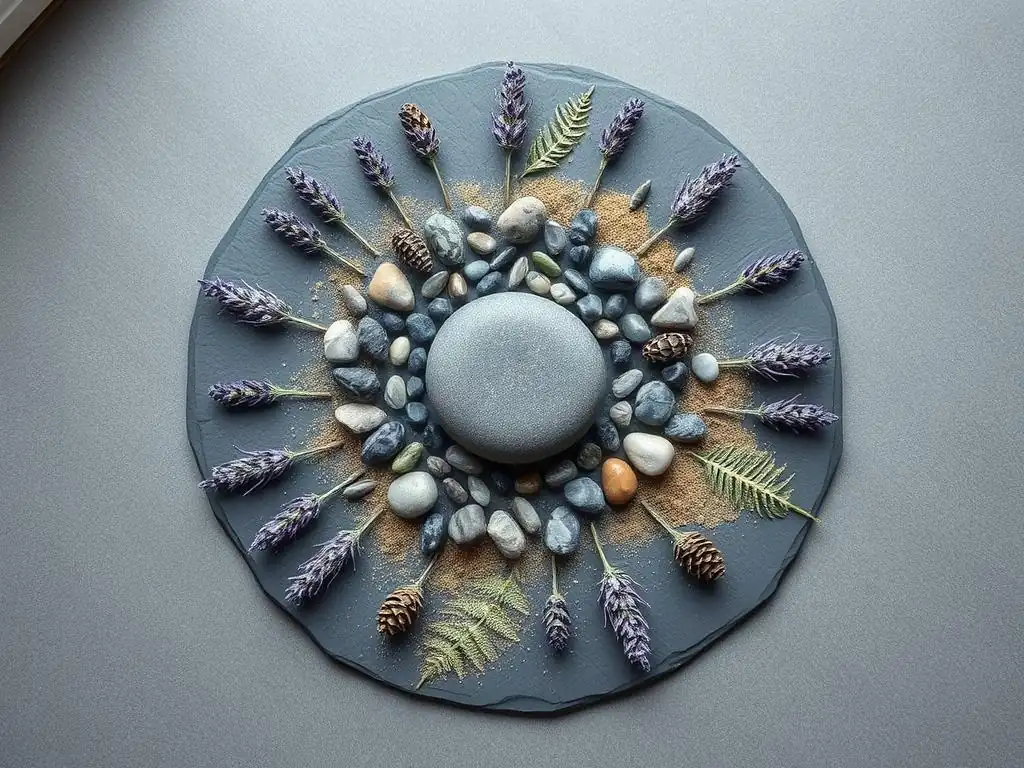
Connecting with nature can be incredibly grounding, and creating art using natural materials can combine this grounding effect with creative expression, aiding in art therapy trauma relief. Mandalas, with their circular, centering structure, are also inherently calming.
- Collect natural objects from outdoors: leaves, twigs, stones, flowers, seeds, sand, etc.
- Find a quiet space, either indoors or outdoors, where you can arrange these objects.
- Begin arranging the objects in a circular pattern, starting from the center and working outwards. There's no prescribed design; simply arrange them in a way that feels aesthetically pleasing or calming to you.
This process is meditative and sensory. The act of gathering materials connects you to the present moment and the physical world. The repetitive and focused nature of arranging the objects within a circular form can be very centering and help quiet a busy or anxious mind.
Unlike drawing or painting, there's no permanence; the mandala is temporary, reflecting the transient nature of feelings and experiences. This can be a gentle way to engage with creativity and find a sense of peace and order, even when inner feelings feel chaotic. A study involving nature-based activities showed participants reported a 40% reduction in perceived stress levels after engaging in similar grounding practices.
Body Image Mapping: Exploring Self-Perception
Trauma can significantly impact body image and the sense of safety within one's own body. Body mapping is an exercise that allows for a visual exploration of physical sensations, feelings, and self-perception related to the body.
- Get a large piece of paper (butcher paper or taped-together sheets work well) big enough to lie down on.
- Lie on the paper and have someone trace the outline of your body, or you can draw a simple outline freehand if you are alone.
- Using various art materials, fill in the outline of the body. You can depict physical sensations (e.g., tension in the shoulders with tight lines, warmth in the chest with soft colors), emotional feelings located in the body (e.g., anxiety in the stomach with swirling patterns), areas of pain or numbness, areas of strength or comfort, or even draw symbols representing how you feel about different parts of your body.
This exercise externalizes internal physical and emotional experiences related to the body. It can help identify where trauma is held physically and emotionally, making these sensations feel less abstract and more manageable. For someone who feels disconnected from their body, this can be a step toward reintegration and reclaiming a sense of ownership. It provides a visual narrative of your embodied experience, aiding in self-compassion and understanding, which are vital components of art therapy trauma relief. Participants in body mapping workshops often report increased body awareness and a greater sense of acceptance of their physical selves.
Art Therapy Exercises for Specific Trauma Symptoms
Different trauma symptoms may respond well to specific types of creative expression. These exercises are tailored to address common challenges faced by trauma survivors, offering targeted art therapy trauma relief.
Anxiety Relief: Creating a Safe Place Drawing
Intense anxiety is a common symptom of trauma. Creating a visual representation of a safe place can be a powerful grounding technique.
- Close your eyes for a few moments and imagine a place where you feel completely safe, calm, and secure. This can be a real place you've been, a place from your imagination, or a combination. Engage all your senses in this visualization. What do you see, hear, smell, feel, and perhaps even taste?
- Open your eyes and use any art materials you choose to create this safe place on paper. Focus on incorporating the sensory details you imagined. What colors are there? What shapes? What textures?
The act of creating this image reinforces the feeling of safety and provides a tangible representation you can return to visually whenever you feel anxious. Focusing on the details of a calming environment shifts attention away from anxious thoughts and activates the imagination in a positive way. Having this image accessible can serve as a visual anchor during moments of distress, offering immediate art therapy trauma relief by providing a mental escape route to a sense of security. Many individuals find that revisiting and adding to their safe place drawing over time deepens its grounding effect.
Anger Management: Tearing and Reassembling Paper
Anger is a natural response to feeling threatened, violated, or helpless, all common experiences in trauma. Finding healthy ways to express and release anger is crucial. This exercise provides a physical outlet.
- Gather some paper – newspaper, scrap paper, or even old magazines work well.
- Focus on the feeling of anger you want to express.
- Begin tearing the paper. You can tear it into small pieces, large strips, or whatever feels like an expression of your anger. You can tear forcefully or slowly, depending on the intensity.
- Once you have torn the paper, shift your focus to reassembling the pieces. You can glue them back together on another sheet of paper, arrange them into a new shape or pattern, or even create something entirely new from the fragments.
The tearing phase provides a physical release for pent-up energy and frustration. It's a contained way to engage with destructive impulses without causing harm. The reassembling phase is about processing and integration. It symbolizes taking something broken or fragmented (like the feeling of anger or the impact of trauma) and creating something new or whole from it. This two-part process allows for both expression and transformation, offering a structured way to move through anger and contribute to art therapy trauma relief by fostering a sense of repair and resilience.
Grief Processing: Memory Box Creation
Trauma can involve loss – loss of safety, trust, innocence, or even loved ones. Processing grief is an important part of healing. Creating a memory box can be a tangible way to honor what has been lost and hold onto meaningful memories.
- Find a simple box – a shoebox, a wooden box, or any container you like.
- Decorate the outside and inside of the box using paints, collage materials, fabric, or anything that feels right. You might decorate it to reflect the memories or feelings you want to place inside.
- Gather items that represent the loss or the memories you want to hold onto. These could be small objects, written memories on slips of paper, drawings, or symbols.
- Place these items inside the box. You can add to the box over time.
The box becomes a container for grief and memory. The act of decorating the box is a way of creating a sacred or special space for these feelings and memories. Placing items inside is a symbolic act of holding onto what is precious while acknowledging the loss.
This exercise provides a physical space for feelings that might otherwise feel overwhelming or nowhere to go. It offers a sense of control over difficult emotions by containing them within a physical object. Many find that revisiting the box or adding to it helps in the ongoing process of grieving and finding a path towards healing, offering a tangible form of art therapy trauma relief through remembrance and honor.
Self-Esteem Building: Positive Affirmation Collage
Trauma can severely damage self-worth and self-esteem. Creating a collage focused on positive affirmations and strengths can help counteract negative self-talk and rebuild a more positive self-image.
- Gather magazines, newspapers, or print out words and images that represent positive qualities, strengths, hopes, dreams, or affirmations that resonate with you (e.g., "I am strong," "I am resilient," "Hope," "Peace," images of nature, things you love).
- Use glue and paper to arrange these words and images into a collage. There's no specific structure; create an arrangement that feels uplifting and affirming to you.
The process of searching for positive words and images actively engages you in identifying and focusing on strengths and positive possibilities, shifting attention away from trauma-related negative self-perceptions. The resulting collage becomes a visual reminder of your resilience, positive qualities, and aspirations. Placing it somewhere visible can provide a regular boost to self-esteem and counteract the internal critic often amplified by trauma.
This exercise is an active step in rebuilding a positive internal narrative, crucial for long-term art therapy trauma relief and recovery. Individuals who regularly engage in positive affirmation practices report up to a 15% increase in feelings of self-efficacy over several weeks.
Self-Reflection and Art Therapy
Creating art is only one part of the process; reflecting on your artwork is equally important for gaining insight and facilitating healing. This reflective process is where much of the art therapy trauma relief can deepen.
Journaling Prompts for Art Reflection
Writing about your art can help you articulate feelings or insights that emerged during the creative process. It bridges the gap between the non-verbal expression of art and verbal understanding.
After completing an art piece, consider journaling about it using prompts like these:
- What was it like creating this piece? What feelings came up while you were working?
- What colors, shapes, or textures did you use? What do they represent for you?
- Is there anything in the artwork that surprises you?
- Does this artwork remind you of anything? A memory, a feeling, a situation?
- What does this artwork tell you about how you are feeling right now?
- If this artwork could speak, what would it say?
- What title would you give this piece?
These prompts encourage you to look deeper at your creation and connect it to your internal experience. Writing freely without judgment can uncover hidden meanings or emotional connections that weren't apparent during the art-making itself. This process of externalizing thoughts and feelings through writing, in conjunction with visual expression, enhances self-awareness and supports the integration of difficult experiences, contributing significantly to art therapy trauma relief.
Recognizing Emotional Responses
As you engage in art therapy for trauma relief, pay attention to the emotional and physical responses that arise during and after the art-making process. It's common for difficult feelings, memories, or physical sensations to surface.
- Notice how your body feels while you are creating. Are you tense? Relaxed? Do you feel energy or fatigue?
- What emotions are present as you work? Do they shift or change?
- How do you feel immediately after finishing a piece? Relieved? Tired? Anxious? Calm?
- Observe if certain materials or colors evoke particular feelings.
Becoming aware of these responses without judgment is a crucial part of the process. It's like observing signals from your inner world. If a particular exercise brings up intense distress, it's okay to stop and practice self-soothing techniques. Recognizing these responses helps you understand what your art is communicating about your internal state and guides you on what you might need to explore further or what might be overwhelming at the moment. This mindful observation is integral to safe and effective art therapy trauma relief practiced independently.
When to Seek Professional Help
While self-guided art therapy can be a valuable tool, it is not a substitute for professional mental health support, especially when dealing with trauma. Knowing when to seek help is essential for your safety and healing.
Consider reaching out to a therapist or counselor if:
- Art exercises trigger intense distress, panic attacks, or flashbacks that you struggle to manage.
- You feel overwhelmed or destabilized by the emotions or memories that surface during the process.
- You experience worsening symptoms of depression, anxiety, or PTSD.
- You have thoughts of harming yourself or others.
- You feel stuck in your processing and are not experiencing any sense of relief or progress.
A trained trauma-informed therapist, particularly a registered art therapist, can provide guidance, support, and containment for difficult emotions that may arise. They can help you process experiences safely and integrate insights gained from your art. While self-guided art therapy offers valuable art therapy trauma relief techniques, professional support ensures that you have the necessary resources to navigate the complexities of trauma recovery safely and effectively. Mental health helplines and crisis lines are available 24/7 in many regions, providing immediate support during difficult moments.
Maintaining a Consistent Art Therapy Practice
Consistency is key to experiencing the cumulative benefits of art therapy for trauma relief. Integrating it into your routine, even in small ways, can foster ongoing healing.
Scheduling Art Time
Just like any other form of self-care, making time for art therapy needs intentional scheduling. It can be challenging to find the time and energy, especially with trauma symptoms, but consistency builds momentum.
- Start small: Aim for 15-30 minutes a few times a week rather than trying for long, infrequent sessions.
- Choose a time when you are least likely to be interrupted and feel you have some capacity to engage. This might be first thing in the morning, during a lunch break, or in the evening.
- Put it in your calendar or set a reminder. Treat it like an important appointment.
- Be flexible: If you miss a session, don't judge yourself. Simply try again at the next scheduled time.
Making art a regular part of your week signals to yourself that your healing is a priority. Even short, consistent sessions can be more beneficial than sporadic long ones, helping to build a sense of routine and predictability, which can be very grounding for trauma survivors. For example, setting aside 20 minutes every Tuesday and Thursday evening can create a predictable rhythm for self-expression and contribute to steady art therapy trauma relief progress.
Overcoming Creative Blocks
It's normal to face moments where you feel uninspired, stuck, or resistant to making art. These blocks can be part of the healing process, sometimes indicating that you're approaching a difficult emotional layer.
- Acknowledge the feeling: Don't force yourself to create if you feel strong resistance. Simply notice the block without judgment.
- Lower expectations: Remind yourself the goal isn't perfect art. Simply interacting with materials for a few minutes can be enough. Try scribbling, making random marks, or playing with colors without any goal.
- Try a different material or technique: If drawing feels hard, try clay. If painting feels overwhelming, try collage.
- Use a simple prompt: Sometimes having a starting point helps. Try "Draw how you feel right now," or "Use three colors to represent your day."
- Take a break: Step away and do something calming or distracting, then return if you feel ready.
Creative blocks in the context of art therapy for trauma relief might also be a sign that you need additional support to process what's coming up. If blocks feel persistent or are accompanied by increased distress, it might be a good time to consult with a therapist. On average, individuals engaging in creative practices report feeling stuck about 20% of the time, indicating it's a common hurdle, not a sign of failure.
Celebrating Progress
Healing from trauma is a journey, and it's vital to acknowledge and celebrate the progress you make, no matter how small it seems. Your art can serve as a visual journal of this progress.
- Keep your artwork: Store your pieces in a folder or box. Over time, looking back at earlier pieces can reveal how far you've come. You might notice shifts in themes, colors, or overall feeling.
- Acknowledge the effort: Simply showing up to create art, especially when it's difficult, is an act of resilience. Recognize yourself for making the effort.
- Reflect on insights: Note down in your journal any moments of clarity, emotional release, or new understanding that came through your art.
- Share if it feels right: If you have a trusted friend, family member, or therapist, you might choose to share some of your art or reflections with them.
Celebrating progress isn't about achieving perfection; it's about recognizing your strength and commitment to your healing journey. Noticing changes in your art, even subtle ones like using brighter colors or softer lines, can be powerful indicators of internal shifts and milestones in your art therapy trauma relief process. Research consistently shows that acknowledging progress significantly boosts motivation and reinforces positive behaviors in recovery processes.
Resources for Continued Learning and Support
Deepening your understanding of art therapy and connecting with others can enrich your self-guided practice and provide additional avenues for art therapy trauma relief.
Books and Articles on Art Therapy
Numerous resources can offer further guidance, techniques, and theoretical background on art therapy, particularly its application for trauma.
- Look for introductory books on art therapy or specific guides on using art for healing emotional pain. Many authors share simple exercises and explanations of the therapeutic process.
- Search for articles from reputable sources or academic journals (though some may require subscriptions) that discuss the use of art therapy in trauma recovery. Keywords like "art therapy PTSD," "creative arts trauma," or "expressive therapy healing" can be helpful.
- Consider resources that offer specific techniques for different populations or types of trauma if relevant to your experience.
Reading can provide new ideas for exercises, validate your experiences, and help you understand the principles behind why art therapy is effective for art therapy trauma relief. It empowers you with knowledge to continue your self-guided journey with greater insight.
Online Communities
Connecting with others who are using creative approaches for healing can provide a sense of community, shared experience, and mutual support.
- Look for online forums, social media groups, or communities focused on art for healing, expressive arts, or trauma recovery.
- Participate in discussions, share (only if you feel comfortable and safe) aspects of your process, and learn from others' experiences.
- Some online platforms may also offer workshops or guided sessions, though vetting their credentials is important.
Sharing your journey, even anonymously, or simply reading about others' experiences can reduce feelings of isolation and provide encouragement. Hearing how others have used art for art therapy trauma relief can offer new perspectives and motivation.
Finding a Registered Art Therapist
If you feel ready for professional support or encounter challenges in your self-guided practice, connecting with a registered art therapist is a valuable step.
- Search directories provided by professional art therapy associations in your country or region (e.g., the American Art Therapy Association, British Association of Art Therapists).
- Look for therapists who specialize in trauma or PTSD.
- Consider initial consultations to see if a therapist is a good fit for you and your needs.
A registered art therapist has specific training in both art and therapy, understanding how to use the creative process safely and effectively within a therapeutic relationship. They can provide personalized guidance, support you through difficult moments that may arise from trauma processing, and help you integrate your art into a broader healing plan, maximizing the benefits of art therapy trauma relief. Professional guidance can make the difference in navigating complex trauma responses.
Conclusion: Art as a Tool for Healing and Self-Discovery
Embarking on a self-guided art therapy journey for trauma relief is an act of courage and self-compassion. Art offers a unique language for exploring the landscape of trauma, providing a non-verbal pathway to express the inexpressible, process difficult emotions, and foster resilience. By creating a safe space, gathering simple supplies, and engaging with techniques like emotion wheels, color association, abstract expression, nature mandalas, and body mapping, you can begin to unlock the healing potential of creativity.
Remember that self-reflection through journaling and mindful observation of your responses are integral to gaining insight from your art. While self-guided practice offers valuable art therapy trauma relief, it's important to be aware of your limits and seek professional support when needed. By maintaining a consistent practice, overcoming creative blocks with patience, and celebrating your progress, you honor your journey. Art is not just about making images; it is a powerful tool for self-discovery, integration, and finding your way back to a sense of wholeness after trauma. Continue to explore, create, and heal at your own pace.
Frequently Asked Questions
What is Art Therapy and how can it help with trauma?
Art therapy is a form of psychotherapy that uses creative methods like drawing, painting, and sculpting to help people explore their emotions and experiences. For trauma, it can provide a non-verbal way to process difficult memories and feelings that are hard to put into words. It creates a safe space for expression.
Can I really use Art Therapy techniques at home for trauma relief?
Yes, you can! While professional guidance is beneficial, simple art therapy exercises can be practiced at home for self-soothing and emotional regulation. Start with gentle activities and focus on the process, not the outcome.
What kind of art supplies do I need to start using Art Therapy for trauma?
You don't need anything fancy! Basic supplies like paper, pencils, crayons, or paint are sufficient. The most important thing is to choose materials you feel comfortable with and that allow you to express yourself freely. Accessibility is key.
How often should I practice Art Therapy for trauma relief to see results?
Consistency is helpful, but there's no magic number. Even short, regular sessions (15-30 minutes) can be beneficial. Listen to your body and only engage when you feel ready. Self-compassion is paramount.
When should I seek professional Art Therapy assistance for trauma?
If your trauma is severe, you're experiencing overwhelming distress, or you find that self-guided art therapy is triggering or unhelpful, it's crucial to seek support from a qualified art therapist or mental health professional. They can provide personalized guidance and support.
Final Reflection: The Healing Power of the Brushstroke
The accessibility of art therapy is revolutionizing trauma relief, offering a powerful pathway to healing that's available to everyone, regardless of their artistic skill. This isn't about creating masterpieces; it's about using the creative process to unlock emotions and foster self-understanding, a journey that can be profoundly transformative. The simple act of putting pencil to paper, or paint to canvas, can be a revolutionary step towards reclaiming agency and finding peace.
The impact of trauma extends far beyond the initial event, rippling through our lives and shaping our perceptions. Art therapy provides a safe space to explore these complex emotions, offering a non-verbal language to communicate what words often fail to express. Art enables us to find ourselves and lose ourselves at the same time.
– Thomas Merton. This quote perfectly encapsulates the dual nature of the process: confronting difficult feelings while simultaneously finding solace and self-discovery within the creative act. The ongoing influence of this approach is evident in the growing recognition of its effectiveness, both in professional settings and within the comfort of our own homes.
Consider the power you hold within your own hands. You don't need expensive materials or years of training to begin this journey. Pick up a crayon, a pencil, some paints – anything that sparks your curiosity – and allow yourself to explore. Let the process guide you, without judgment or expectation. This is your space, your time, your healing. Embrace the journey, and discover the transformative power of drawing your feelings.
Unleash Your Inner Artist: Start Healing Today
Thanks for taking the time to explore the power of art therapy! We hope you gained valuable insights into how simple drawing can help process trauma and promote healing. Ready to put these techniques into practice?
- Begin your healing journey today: Grab a pen and paper (or your favorite art supplies! ), and try drawing out some of your feelings. Even a few minutes can make a difference. Focus on the process, not perfection.
- Share your experience: Connect with our community on social media and share your creative journey using #MindCareArtTherapy – let's inspire each other!
- Explore further: Search for “guided art therapy prompts for trauma” online to find additional resources and support.
What small step will you take today to nurture your emotional wellbeing through art?