
Is Spirituality Just for the Religious? Finding Meaning Without Dogma

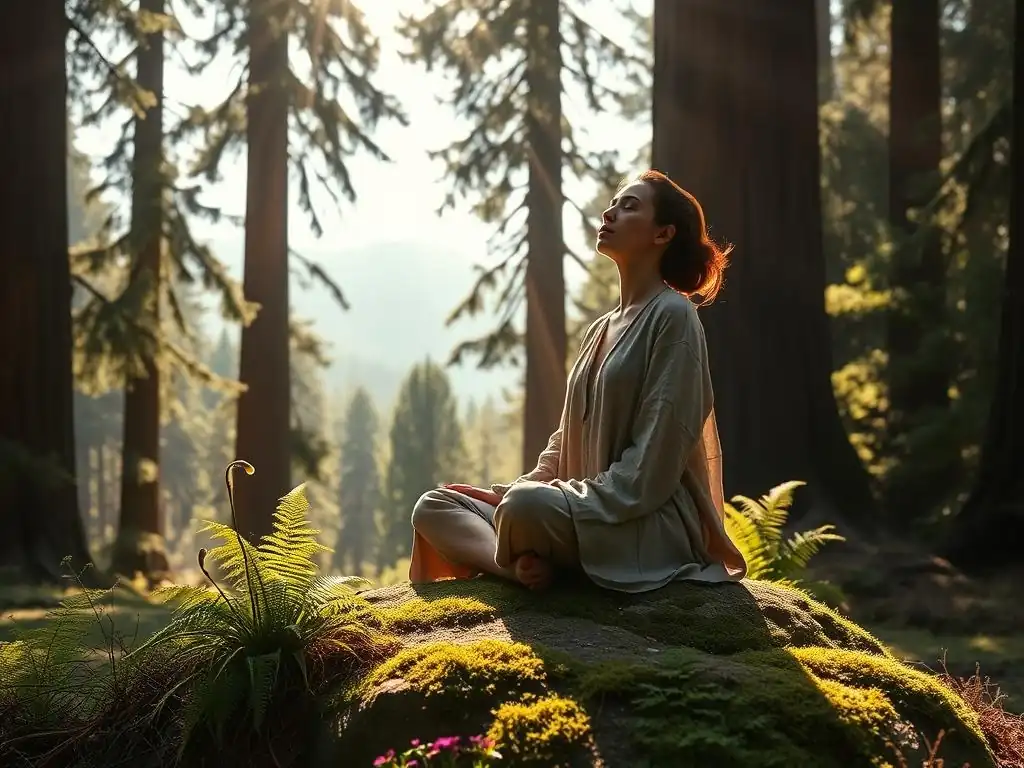
Welcome to Mind Care Guide, a sanctuary for your mental well-being.
Are you searching for deeper meaning and connection, but feel disconnected from traditional religion? You're not alone. This article, "Is Spirituality Just for the Religious? Finding Meaning Without Dogma," delves into the profound possibilities of spiritual wellbeing without religion, offering a path to inner peace and fulfillment that's uniquely yours. Discover how to cultivate a rich spiritual life on your own terms and unlock the transformative power within. Ready to explore?
Is Spirituality Just for the Religious? Finding Meaning Without Dogma
- Introduction: Exploring Spiritual Wellbeing Without Religion
- Understanding the Core of Spirituality
- The Benefits of Spiritual Wellbeing Without Religious Affiliation
- Common Misconceptions About Secular Spirituality
-
Practices for Cultivating Spiritual Wellbeing Without Religion
- Mindfulness Meditation for Present Moment Awareness
- Nature Connection: Finding Solace and Inspiration in the Natural World
- Practicing Gratitude: Appreciating the Good in Life
- Cultivating Compassion: Extending Kindness to Self and Others
- Journaling for Self-Reflection and Clarity
- Creative Expression: Exploring Spirituality Through Art, Music, and Writing
- Finding Your Own Path to Meaning and Purpose
- Resources for Secular Spiritual Seekers
- Addressing Challenges in Secular Spiritual Practice
- The Future of Spirituality: Inclusivity and Personalization
- Conclusion: Embracing Your Unique Spiritual Journey for Enhanced Wellbeing
-
Frequently Asked Questions
- Is it possible to experience spiritual wellbeing without adhering to a specific religion?
- What are some practical ways to cultivate spiritual wellbeing if I'm not religious?
- How does focusing on "spiritual wellbeing without religion" differ from simply pursuing personal happiness or self-care?
- What are some common misconceptions about spirituality outside of religion?
- Can focusing on spiritual wellbeing without religion actually improve my mental health?
- Final Reflection: Unveiling the Secular Soul: Meaning Beyond Belief
- Unlock Your Inner Wisdom: Embrace a Meaningful Life
Introduction: Exploring Spiritual Wellbeing Without Religion
Defining Spirituality Beyond Religious Boundaries
Spirituality, at its core, is the search for meaning and purpose in life. It often involves a sense of connection to something larger than oneself, whether that's nature, humanity, the universe, or a personal set of values. While historically intertwined with organized religion for many cultures across the globe, spirituality itself is a broader, more personal concept.
Think of it as the innate human drive to understand our place in the cosmos and to live a life aligned with what we perceive as significant. This exploration doesn't necessarily require adherence to specific doctrines, rituals, or beliefs in supernatural entities, making spiritual wellbeing accessible to everyone, regardless of their religious background or lack thereof.
This understanding allows for a rich and diverse landscape of spiritual practices that exist entirely independent of religious institutions. For instance, someone might find deep spiritual connection through environmental activism, feeling part of a global effort to protect the planet. Another might experience profound meaning through artistic creation, expressing inner truths and connecting with others on an emotional level. Approaching spirituality in this way emphasizes personal experience and individual journey, recognizing that the paths to finding meaning and connection are as varied as people themselves. It shifts the focus from prescribed beliefs to lived experience and personal discovery.
The Growing Appeal of Secular Spirituality
In recent decades, there has been a noticeable shift in how people identify spiritually. Surveys indicate a significant rise in individuals who describe themselves as "spiritual but not religious" (SBNR). For example, in the United States, estimates often place the SBNR population at around 20-30% of adults, a figure that has grown considerably over the past few decades. This trend reflects a desire for personal exploration of meaning and connection without the constraints or baggage sometimes associated with traditional religious structures. People are seeking authentic ways to nurture their inner lives and find spiritual wellbeing without religion.
This growing appeal is fueled by various factors, including increasing exposure to diverse global philosophies and practices, a questioning of traditional authority, and a focus on individual autonomy in personal growth. Many find that secular approaches, such as mindfulness, meditation, and ethical humanism, offer tangible benefits for mental and emotional health while satisfying their need for a deeper dimension to life. These practices provide tools for introspection and cultivating qualities like compassion and gratitude, contributing directly to spiritual wellbeing without relying on dogma or specific religious beliefs.
Understanding the Core of Spirituality
Identifying Universal Human Needs: Connection, Purpose, and Meaning
At the heart of human experience lies a fundamental drive for connection, purpose, and meaning. These aren't needs exclusive to religious individuals; they are universal aspects of the human condition that spirituality, in its broadest sense, seeks to address. We yearn to feel connected to others, to a community, or even to the vastness of existence. We seek a sense that our lives matter, that we have a purpose, and that there is meaning to our experiences, both joyful and challenging. Addressing these needs is crucial for overall psychological and spiritual wellbeing.
This innate quest manifests in countless ways. It drives us to form relationships, pursue goals, create art, explore nature, and ponder life's big questions. When these needs are unmet, individuals may experience feelings of isolation, emptiness, or existential dread. Spiritual wellbeing, even without a religious framework, provides avenues to explore and fulfill these needs. It encourages introspection, helps individuals identify what is truly important to them, and fosters a sense of belonging and interconnectedness, contributing significantly to mental health and resilience.
The Role of Values and Ethics in Spiritual Exploration
Values and ethics play a foundational role in secular spiritual exploration. Without a prescribed religious moral code, individuals engaging in spiritual wellbeing without religion often turn inward to identify their core values – principles like compassion, integrity, justice, creativity, or courage – that guide their actions and decisions. Living in alignment with these values provides a strong sense of authenticity and purpose, which is a key component of spiritual health. This process involves thoughtful self-examination and a commitment to living a life congruent with one's deepest beliefs about what is right and good.
Furthermore, exploring ethics from a non-religious perspective involves considering our responsibilities to ourselves, to others, and to the wider world. Ethical frameworks like humanism, virtue ethics, or consequentialism offer ways to think about moral behavior based on reason, empathy, and the wellbeing of sentient beings, rather than divine command. Engaging with these ethical questions and striving to act ethically cultivates a sense of contributing positively to the world, fostering a profound sense of meaning and connection that is integral to spiritual wellbeing outside of a religious context.
The Benefits of Spiritual Wellbeing Without Religious Affiliation
Enhanced Self-Awareness and Introspection
Engaging in practices that foster spiritual wellbeing without religion naturally leads to enhanced self-awareness. Techniques like mindfulness meditation, journaling, and reflective walks in nature encourage individuals to pay closer attention to their thoughts, emotions, and bodily sensations without judgment. This increased introspection allows for a deeper understanding of one's inner landscape, identifying patterns of thinking and feeling, and gaining clarity on personal values and motivations. Studies on mindfulness, for example, consistently show improvements in metacognition – the ability to be aware of one's own thought processes – leading to greater insight into oneself.
This deeper self-awareness is not merely an intellectual exercise; it has tangible benefits for mental health. By understanding their emotional triggers and thought habits, individuals can navigate challenges with greater wisdom and less reactivity. This introspection is a cornerstone of spiritual growth, enabling individuals to live more intentionally and authentically. It empowers them to make choices aligned with their inner truth, contributing significantly to their overall spiritual wellbeing.
Improved Emotional Regulation and Resilience
Cultivating spiritual wellbeing without religion often involves practices that directly improve emotional regulation and resilience. Mindfulness, for instance, teaches individuals to observe difficult emotions without being overwhelmed by them, fostering a sense of space and choice in how to respond. Regular engagement in reflective practices helps to build emotional intelligence, enabling individuals to understand and manage their feelings more effectively. Research consistently links mindfulness and related practices to reduced symptoms of anxiety and depression, highlighting their impact on emotional stability.
Resilience, the ability to bounce back from adversity, is also significantly bolstered. By finding meaning in challenges, connecting with inner strength derived from their values, and fostering a sense of perspective, individuals can face difficulties with greater fortitude. Practices like gratitude and self-compassion build positive emotional resources that serve as buffers against stress. This increased capacity for emotional regulation and resilience is a vital outcome of nurturing spiritual wellbeing outside of traditional religious frameworks.
Fostering a Sense of Connection to Something Greater (Without God)
A common misconception is that a sense of connection to something greater requires belief in a deity. However, spiritual wellbeing without religion can foster this connection through myriad non-theistic avenues. This might involve feeling deeply connected to the natural world, experiencing awe at the complexity of ecosystems or the vastness of the cosmos. It could be a profound sense of belonging to the human family, recognizing shared struggles and aspirations across cultures and time. For others, it's a connection to universal principles like love, truth, or beauty.
This sense of connection provides perspective, reducing feelings of isolation and existential loneliness. It reminds individuals that they are part of a larger tapestry, whether that's the intricate web of life on Earth, the ongoing story of human progress, or the fundamental forces of the universe. This feeling of being part of something vast and enduring contributes significantly to psychological comfort and a sense of purpose, demonstrating that profound spiritual connection is entirely possible and beneficial without religious affiliation.
Common Misconceptions About Secular Spirituality

Myth: Spirituality Requires Belief in a Higher Power
One of the most prevalent myths is that spirituality is synonymous with belief in a higher power or deity. This misconception often leads individuals who do not hold such beliefs to dismiss spirituality entirely. However, as explored earlier, spirituality is primarily about meaning, purpose, connection, and transcendence – experiences and quests that are not inherently tied to theistic belief. Many philosophical traditions, from Stoicism to Humanism, and practices like meditation and yoga, offer pathways to spiritual exploration and growth without invoking a divine being.
Consider the perspective of awe experienced when witnessing a breathtaking natural landscape or listening to powerful music. These moments can evoke a sense of wonder and connection to something vast and beautiful, feelings often described as spiritual, yet they do not necessitate a belief in God. Similarly, engaging in acts of compassion or fighting for social justice can provide a deep sense of purpose and connection to humanity, fulfilling spiritual needs without any reference to a higher power. Spiritual wellbeing without religion thrives on these non-theistic sources of meaning and connection.
Myth: Meditation and Mindfulness are Inherently Religious
Another common misunderstanding is that practices like meditation and mindfulness are exclusively tied to specific religions, particularly Buddhism. While these techniques have roots in various contemplative traditions, including Buddhist and Hindu practices, they have been widely adapted and secularized for use in therapeutic, health, and personal development contexts around the world. Modern mindfulness, as taught in programs like Mindfulness-Based Stress Reduction (MBSR), developed by Jon Kabat-Zinn, is presented as a universal human capacity for paying attention in a particular way, on purpose, in the present moment, non-judgmentally.
These practices focus on training attention and awareness, cultivating present moment awareness, and fostering a non-reactive relationship with one's thoughts and feelings. Their benefits – such as reduced stress, improved focus, and enhanced emotional regulation – are supported by extensive scientific research and are accessible to anyone, regardless of their beliefs. Using mindfulness or meditation to cultivate inner peace or self-awareness is a practice of spiritual wellbeing that is entirely compatible with a non-religious or secular worldview.
Myth: Secular Spirituality Lacks Structure and Guidance
Some people believe that without the established doctrines, rituals, and community structures of organized religion, secular spirituality is formless, arbitrary, and lacks guidance. While it's true that secular spiritual paths are often more individualized and less prescriptive than religious ones, this does not mean they are without structure or guidance. Guidance can come from philosophical texts, ethical frameworks, psychological insights, wisdom traditions (approached secularly), mentors, or structured practices like mindfulness training programs.
Structure can be found in establishing personal routines for reflection, engaging in consistent practices like journaling or nature walks, participating in non-religious communities focused on shared values or activities (like secular humanist groups, philosophical discussion circles, or volunteer organizations), and setting personal intentions for growth. While the structure is often self-created or chosen from a variety of options rather than inherited, this allows for a highly personalized and authentic journey towards spiritual wellbeing without religion, tailored to the individual's unique needs and interests.
Practices for Cultivating Spiritual Wellbeing Without Religion
Mindfulness Meditation for Present Moment Awareness
Mindfulness meditation is a foundational practice for many seeking spiritual wellbeing without religion. It involves intentionally bringing one's attention to the present moment, observing thoughts, feelings, bodily sensations, and the surrounding environment without judgment. Regular practice, even just 10-15 minutes daily, can significantly reduce stress, improve focus, and enhance self-awareness, which are all crucial components of spiritual growth. It helps quiet the mental chatter and allows for a deeper connection with one's inner experience and the world around them.
This practice isn't about emptying the mind, but rather about training it to be present. By simply noticing thoughts and letting them pass without getting caught up in them, individuals develop a greater capacity to respond skillfully to life's challenges rather than reacting impulsively. This non-reactive awareness cultivates a sense of inner peace and clarity, providing a stable foundation for exploring deeper questions of meaning and purpose, contributing directly to one's secular spiritual wellbeing.
Nature Connection: Finding Solace and Inspiration in the Natural World
Connecting with nature is a powerful and accessible way to foster spiritual wellbeing without religion. Spending time outdoors, whether hiking in a forest, walking by the ocean, gardening, or simply observing the sky, can evoke feelings of awe, wonder, and interconnectedness. The intricate patterns of ecosystems, the resilience of plant life, and the sheer scale of geological formations can provide perspective on one's place in the world and a sense of belonging to the larger web of life.
Numerous studies point to the mental health benefits of nature exposure, including reduced stress, improved mood, and increased feelings of vitality. Beyond these psychological benefits, nature offers a profound source of spiritual inspiration. It presents cycles of growth and decay, constant change, and immense beauty, serving as a powerful teacher about life's processes and our own mortality. Engaging with nature mindfully can be a deeply spiritual practice, offering solace, grounding, and a non-theistic connection to something vast and enduring.
Practicing Gratitude: Appreciating the Good in Life
Cultivating gratitude is a simple yet transformative practice for enhancing spiritual wellbeing without religion. It involves consciously acknowledging and appreciating the positive aspects of one's life, no matter how small. This can be done through journaling, simply taking a moment each day to list things you're grateful for, or expressing thanks to others. Focusing on gratitude shifts attention away from scarcity and negativity towards abundance and appreciation, fostering a more positive outlook.
Research consistently shows that practicing gratitude can increase happiness, improve relationships, and even boost physical health. Spiritually, gratitude fosters a sense of reverence for life and an acknowledgment of the gifts one has received, whether from others, from nature, or simply from existence itself. It deepens one's connection to the present moment and to the sources of goodness in life, contributing significantly to a sense of fulfillment and spiritual wellbeing outside of religious frameworks.
Cultivating Compassion: Extending Kindness to Self and Others
Compassion, the sensitivity to the suffering of oneself and others coupled with a desire to alleviate it, is a cornerstone of many spiritual traditions and a vital practice for secular spiritual wellbeing. Cultivating compassion involves developing empathy and extending kindness, understanding, and forgiveness. This can be practiced through formal meditations, such as loving-kindness meditation, or informally through conscious efforts to act with kindness in daily interactions and to treat oneself with the same care one would offer a friend.
Practicing compassion has profound benefits for both the giver and receiver, improving relationships, reducing feelings of isolation, and fostering a sense of shared humanity. For oneself, self-compassion is crucial for navigating challenges and setbacks with resilience. Spiritually, cultivating compassion aligns one's actions with universal values of kindness and interconnectedness, providing a deep sense of purpose and contributing to a world that is more supportive and empathetic. This ethical dimension is central to a fulfilling spiritual wellbeing without religion.
Journaling for Self-Reflection and Clarity
Journaling is a powerful tool for self-reflection and gaining clarity, essential aspects of spiritual wellbeing without religion. Setting aside time to write down thoughts, feelings, experiences, and reflections allows for processing emotions, identifying patterns, and gaining perspective on life events. It can be used to explore personal values, articulate aspirations, process difficult experiences, or simply document the daily journey of growth.
Through journaling, individuals can uncover deeper insights into themselves and their place in the world. It provides a private space for honest self-inquiry and can help in identifying what truly brings meaning and purpose. This practice aids in tracking one's spiritual journey, noting progress, challenges, and evolving perspectives, making it a flexible yet structured way to cultivate inner awareness and understanding outside of any religious dogma.
Creative Expression: Exploring Spirituality Through Art, Music, and Writing
Creative expression in forms like art, music, writing, dance, or crafts offers a unique pathway to explore and express spiritual wellbeing without religion. Engaging in creative activities can be a meditative process, allowing for flow states where one feels deeply connected to the act of creation. It provides a non-verbal or symbolic language for exploring complex emotions, ideas, and experiences that are difficult to articulate otherwise.
Creating art can be a way to process life's mysteries, celebrate beauty, or connect with a sense of transcendence. Writing poetry might explore themes of impermanence or connection. Playing music can evoke powerful emotions and a sense of harmony. These activities allow individuals to tap into their intuition and express their unique perspective on life, fostering a sense of vitality, authenticity, and connection to a deeper source of inspiration that contributes significantly to their spiritual wellbeing.
Finding Your Own Path to Meaning and Purpose
Identifying Your Personal Values and Beliefs
Finding your own path to spiritual wellbeing without religion begins with a process of identifying your personal values and beliefs. Unlike religious paths where values are often prescribed, secular spirituality invites you to discover what principles truly resonate with you. This involves honest self-inquiry: What matters most to you? What kind of person do you aspire to be? What principles guide your decisions when faced with difficult choices? Are they integrity, compassion, creativity, justice, freedom, or something else?
Taking time to reflect on these questions through journaling, meditation, or discussion with trusted friends can illuminate your core values. These values then become your inner compass, guiding your actions and helping you find activities and pursuits that feel genuinely meaningful. This self-discovery is a continuous process, allowing your understanding of yourself and your values to evolve over time, forming the authentic foundation for your spiritual wellbeing.
Setting Intentions for Spiritual Growth
Once you have a clearer sense of your values, setting intentions for spiritual growth provides direction for your journey towards spiritual wellbeing without religion. An intention is a conscious aim or goal that you set for yourself, guiding your focus and actions. Instead of vague aspirations, intentions are specific commitments you make to yourself about how you want to show up in the world or what you want to cultivate within yourself.
For example, if compassion is a core value, an intention might be, "Today, I will practice responding to myself and others with greater kindness," or "I intend to perform one act of compassion each day this week." Setting intentions transforms abstract values into concrete practices. Regularly revisiting and refining your intentions helps maintain focus and momentum on your chosen path, ensuring that your pursuit of spiritual wellbeing is active and aligned with your deepest aspirations.
Creating a Spiritual Routine That Fits Your Lifestyle
Cultivating spiritual wellbeing without religion is most effective when it's integrated into daily life through a consistent routine. This routine doesn't need to be rigid or time-consuming; it should be flexible enough to fit your lifestyle while providing regular moments for reflection and practice. Start small and build gradually. What practices resonate with you? Is it a few minutes of mindfulness in the morning, a walk in nature during lunch, journaling before bed, or volunteering once a week?
Consider creating a "spiritual toolkit" of practices you enjoy and can realistically commit to. Perhaps it's a daily gratitude practice, weekly creative time, or regular philosophical reading. The key is consistency. Even brief, regular engagement is more impactful than sporadic long sessions. Designing a routine that feels nurturing and sustainable ensures that your spiritual journey is a continuous process of growth and integration into the fabric of your everyday life, supporting your overall wellbeing.
Resources for Secular Spiritual Seekers

Books and Articles on Secular Spirituality
For those exploring spiritual wellbeing without religion, a wealth of resources exists in the form of books and articles that delve into secular approaches to meaning, ethics, and connection. Authors from backgrounds in philosophy, psychology, science, and contemplative practices offer perspectives that resonate with a non-religious worldview. Topics range from the science of happiness and compassion to philosophical explorations of purpose and the benefits of mindfulness.
Examples include works by authors like Sam Harris, who writes on meditation and ethics from a scientific perspective; Alain de Botton, who explores philosophy's role in everyday life; and Pema Chödrön, whose teachings on working with difficult emotions can be applied universally. Exploring these resources can provide intellectual grounding, practical guidance, and inspiration for developing a personal framework for spiritual wellbeing outside of traditional religious doctrines.
Mindfulness and Meditation Apps
In the digital age, technology provides accessible tools for cultivating spiritual wellbeing without religion. Numerous mindfulness and meditation apps offer guided meditations, talks, and courses that are entirely secular. These apps can be particularly helpful for beginners looking to establish a regular practice or for experienced practitioners seeking variety. They offer sessions of varying lengths, making it easy to fit practice into a busy schedule.
Popular apps like Calm, Headspace, and Insight Timer provide resources for meditation, sleep, focus, and emotional regulation. Many offer guided meditations specifically designed to cultivate qualities like compassion, gratitude, or patience, all of which contribute to spiritual growth. Using these apps can provide structure, guidance, and encouragement for consistently engaging in practices that support secular spiritual wellbeing.
Online Communities and Support Groups
Finding community is a vital aspect of any spiritual journey, and for those seeking spiritual wellbeing without religion, online communities and support groups offer valuable connection. These groups provide spaces for individuals to share experiences, discuss ideas, ask questions, and find support from like-minded people who are also exploring meaning outside of traditional religious contexts.
Online platforms host forums, social media groups, and virtual meetups dedicated to topics like secular humanism, Stoicism, mindfulness, ethical living, and non-religious spirituality. Connecting with others on a similar path can combat feelings of isolation, provide different perspectives, and offer encouragement. While not a replacement for in-person connection, these digital spaces are important resources for fostering a sense of belonging and shared exploration on a secular spiritual path.
Addressing Challenges in Secular Spiritual Practice
Dealing with Skepticism and Criticism
Individuals pursuing spiritual wellbeing without religion may encounter skepticism or criticism from others, particularly those from traditional religious backgrounds who may not understand or validate their path. This can manifest as questioning the legitimacy of non-religious spirituality, suggesting that it lacks depth, or implying that meaning can only be found within established religious frameworks. Navigating these interactions requires patience and confidence in one's own journey.
It's helpful to be able to articulate why your chosen path is meaningful to you, focusing on the values, practices, and experiences that contribute to your wellbeing. Setting boundaries around conversations that feel invalidating can also be necessary. Remember that your spiritual journey is deeply personal, and its validity is determined by the positive impact it has on your life and your ability to live according to your values, not by external approval. Finding support within secular spiritual communities, as mentioned earlier, can provide validation and understanding.
Maintaining Motivation and Consistency
One challenge in any personal growth journey, including cultivating spiritual wellbeing without religion, is maintaining motivation and consistency over time. Without the external structure of a religious institution or the social pressure of a congregation, the responsibility for practice and engagement falls squarely on the individual. Life's inevitable busyness, setbacks, and periods of doubt can make it difficult to stick to practices like meditation, journaling, or philosophical reflection.
Strategies for maintaining consistency include setting realistic goals, tracking your progress (e.g., using a habit tracker for meditation), finding an accountability partner (even if it's just a friend you check in with), and reminding yourself why this path is important to your overall wellbeing. It's also crucial to be compassionate with yourself when you falter; recognize that lapses are normal and simply return to your practice when you can. Connecting with the intrinsic benefits you experience can be a powerful motivator.
Finding a Sense of Community and Belonging
While secular spirituality offers freedom from dogma, one significant challenge can be finding a sense of community and belonging that many people find in religious congregations. Humans are social beings, and shared rituals, values, and support systems are important for wellbeing. Secular spiritual seekers may feel isolated in their journey if they don't actively seek out or create community.
Fortunately, as discussed, non-religious communities and groups focused on shared values, activities, or philosophical interests are increasingly available. This might involve joining a local humanist chapter, a meditation group that is explicitly secular, a volunteer organization aligned with your values, or an online forum. Actively seeking out and participating in such groups is essential for building connections, sharing experiences, and fostering the sense of belonging that significantly enhances spiritual wellbeing outside of traditional religious structures.
The Future of Spirituality: Inclusivity and Personalization
The Rise of "Spiritual But Not Religious" Individuals
As noted earlier, the demographic trend of individuals identifying as "Spiritual But Not Religious" (SBNR) is a significant indicator of the evolving landscape of spirituality. This group, often younger and less tied to traditional institutions, is actively seeking meaning, connection, and personal growth on their own terms. Their rise highlights a growing desire for authenticity and autonomy in spiritual exploration, valuing personal experience and ethical living over inherited doctrine.
This trend suggests a future where spiritual paths are increasingly diverse and individualized, less defined by institutional affiliation and more by personal values and practices. It underscores the importance of resources and communities that support this personalized approach to spiritual wellbeing without religion, catering to a population that values inclusivity, intellectual honesty, and the freedom to construct their own framework for meaning.
The Integration of Spirituality and Mental Health
There is a growing recognition of the profound connection between spirituality and mental health, irrespective of religious belief. Mental health professionals and researchers are increasingly acknowledging that addressing questions of meaning, purpose, and connection is vital for holistic wellbeing. Practices traditionally associated with spirituality, like mindfulness, compassion, and gratitude, are now widely used in clinical settings to treat conditions like depression, anxiety, and trauma.
This integration reflects a broader understanding that human flourishing involves not just the absence of illness, but the presence of meaning, resilience, and connection – core components of spiritual wellbeing. As secular spirituality gains visibility and acceptance, the tools and insights derived from exploring meaning without dogma are becoming more integrated into mainstream approaches to mental and emotional health, offering a more comprehensive path to wellbeing for everyone.
Conclusion: Embracing Your Unique Spiritual Journey for Enhanced Wellbeing
Reaffirming the Value of Spiritual Wellbeing Without Religion
This exploration has highlighted that spiritual wellbeing is a universal human pursuit, entirely achievable and profoundly valuable outside the confines of organized religion. It is a journey focused on finding meaning, purpose, and connection through personal values, ethical living, introspection, and engagement with the world. Far from being a lesser or incomplete form of spirituality, secular spiritual wellbeing offers an authentic and deeply personal path for those who seek meaning without dogma or belief in a higher power.
Embracing this path can lead to significant enhancements in mental and emotional health, including increased self-awareness, improved emotional regulation, greater resilience, and a stronger sense of connection. It empowers individuals to define their own terms for a meaningful life, guided by their inner compass and a commitment to living in alignment with their values.
Encouraging Exploration and Self-Discovery
Ultimately, the path to spiritual wellbeing without religion is one of ongoing exploration and self-discovery. There is no single right way, no prescribed set of beliefs, and no final destination. It is a continuous process of learning, reflecting, practicing, and adapting. The journey is unique to each individual, shaped by their experiences, values, and the questions they seek to answer.
We encourage you to embark on or continue your own exploration. Experiment with different practices like mindfulness, nature connection, journaling, or creative expression. Reflect on what brings you a sense of purpose and connection. Seek out resources and communities that resonate with your approach. Embrace the freedom and responsibility that come with crafting your own spiritual path, knowing that nurturing your spiritual wellbeing is a powerful investment in your overall mental and emotional health. Your unique journey towards meaning and purpose is valid and valuable.
Frequently Asked Questions
Is it possible to experience spiritual wellbeing without adhering to a specific religion?
Yes, it is absolutely possible. Spiritual wellbeing without religion focuses on finding meaning and connection through personal values, nature, and relationships, rather than organized religious doctrines.
What are some practical ways to cultivate spiritual wellbeing if I'm not religious?
You can cultivate spiritual wellbeing through practices like mindfulness meditation, spending time in nature, engaging in creative activities, and focusing on building meaningful relationships. These help connect you to something larger than yourself.
How does focusing on "spiritual wellbeing without religion" differ from simply pursuing personal happiness or self-care?
While personal happiness and self-care are important, spiritual wellbeing delves deeper into purpose and connection. It's about finding meaning and contributing to something beyond individual gratification, fostering a sense of interconnectedness.
What are some common misconceptions about spirituality outside of religion?
A common misconception is that spirituality requires religion. Another is that it's simply about feeling good. In reality, spiritual wellbeing without religion is about cultivating inner peace, purpose, and connection through personal exploration and values.
Can focusing on spiritual wellbeing without religion actually improve my mental health?
Yes, it can significantly improve mental health. Practices that nurture spirituality, like gratitude and mindfulness, can reduce stress, increase resilience, and foster a greater sense of purpose, ultimately boosting overall wellbeing.
Final Reflection: Unveiling the Secular Soul: Meaning Beyond Belief
The pursuit of spiritual wellbeing is no longer confined to the walls of religious institutions; it's a fundamental human need, a universal yearning for connection and purpose that transcends dogma. This exploration into finding meaning without religion reveals a vibrant landscape of practices and philosophies available to everyone, regardless of their belief system. The growing interest in mindfulness, self-compassion, and connection with nature underscores a societal shift towards prioritizing inner peace and personal growth, even without adhering to traditional religious structures.
The journey towards spiritual wellbeing, I've found, is deeply personal and profoundly transformative. It's a continuous process of self-discovery, a peeling back of layers to uncover the core of who we are and what truly matters. This exploration has challenged my own preconceived notions about spirituality, reminding me that the path to meaning is not a one-size-fits-all approach. The purpose of life, after all, is to live it, to taste experience to the utmost, to reach out eagerly and without fear for newer and richer experience.
- Eleanor Roosevelt. This quote perfectly encapsulates the spirit of this exploration – a courageous embrace of life's complexities and a relentless pursuit of deeper understanding.
Consider this your invitation to embark on your own journey of self-discovery. Don't let the perceived limitations of religious structures deter you from cultivating a rich and meaningful inner life. Explore the practices discussed in this article – mindfulness, meditation, nature connection, acts of service – and find what resonates with you. Embrace the freedom to define your own spiritual path, one that aligns with your values and nurtures your soul. The path to spiritual wellbeing is yours to create, and the rewards are immeasurable.
Unlock Your Inner Wisdom: Embrace a Meaningful Life
Thanks for exploring the world of meaning and purpose with us! We hope you found new perspectives on finding your path without religious dogma. Ready to take the next step?
- Start your personal meaning-making journey: Reflect on the ideas presented and identify one area where you'd like to cultivate more meaning in your life. Even a small, daily practice can make a significant difference.
- Share your thoughts and inspire others: Leave a comment below—what resonates most with you, and what challenges are you facing in your own search for meaning?
- Uncover hidden strengths: Take some time this week to identify three personal qualities that contribute to your sense of purpose and well-being. Journaling can be a helpful tool.
What unique path will you choose to create a more meaningful life?