
Postures for Peace: Your Guide to Calming Yoga Asanas

Welcome to Mind Care Guide, a sanctuary for your mental well-being.
Feeling overwhelmed by anxiety? You're not alone. Discover the power of movement and breath as we delve into Yoga Asanas for Anxiety. This isn't just about physical postures; it's about finding inner peace and reclaiming control. Curious to learn how simple poses can unlock a calmer, more centered you? Let's begin your journey toward tranquility...
Postures for Peace: Your Guide to Calming Yoga Asanas
- Introduction to Yoga for Anxiety Relief: Finding Inner Peace
- Preparing for Your Calming Yoga Practice
-
Key Yoga Asanas for Anxiety Relief: Step-by-Step Guide
- Child's Pose (Balasana): Grounding and Releasing Tension
- Legs-Up-the-Wall Pose (Viparita Karani): Soothing the Mind
- Corpse Pose (Savasana): Deep Relaxation and Integration
- Cat-Cow Pose (Marjaryasana to Bitilasana): Gentle Movement for Stress Release
- Standing Forward Bend (Uttanasana): Calming the Nervous System
- Creating Your Own Calming Yoga Sequence for Anxiety
- Beyond the Mat: Integrating Yoga Principles into Daily Life for Sustained Anxiety Relief
- Conclusion: Embrace the Calming Power of Yoga for Anxiety
-
Frequently Asked Questions
- What are yoga asanas and how can they help with anxiety?
- Which yoga asanas are specifically recommended for reducing anxiety?
- How often should I practice yoga asanas to experience anxiety relief?
- Are there any precautions I should take before starting yoga asanas for anxiety?
- Can yoga asanas completely cure anxiety?
- Final Reflection: Finding Peace Within Through Posture
- Unwind and Find Your Center: Embrace Inner Peace Today
Introduction to Yoga for Anxiety Relief: Finding Inner Peace
Anxiety is a common experience, touching millions of lives globally. It can manifest in various ways, from persistent worry and restlessness to physical symptoms like a racing heart and difficulty breathing. Finding effective strategies to manage anxiety is crucial for overall well-being. While therapy and medication are vital tools for many, complementary practices like yoga offer a holistic path towards calming the nervous system and fostering inner peace. Engaging in specific yoga asanas for anxiety can provide a powerful way to connect with your body, quiet the mind, and cultivate a sense of stability.
This guide explores the profound connection between the mind and body and how targeted yoga postures can become a valuable part of your anxiety management toolkit. We will delve into specific asanas known for their calming effects, provide step-by-step instructions, and discuss how to integrate these practices into your daily life. By exploring yoga asanas for anxiety, you embark on a journey of self-discovery and empowerment, learning to navigate challenging emotions with greater ease and resilience.
Understanding the Mind-Body Connection in Anxiety Management
The mind and body are intricately linked, forming a dynamic system where thoughts and emotions directly influence physical sensations, and vice versa. When anxiety arises, it triggers the body's stress response, often referred to as the "fight or flight" mechanism. This response involves the release of stress hormones like cortisol and adrenaline, leading to physical symptoms such as increased heart rate, rapid breathing, muscle tension, and digestive issues.
For example, someone experiencing performance anxiety might notice their palms sweating and stomach churning before a presentation. Conversely, chronic physical tension can contribute to feelings of psychological distress and perpetuate the anxiety cycle.
Recognizing this connection is fundamental to managing anxiety effectively. Practices that address both the mental and physical aspects simultaneously tend to be most beneficial. Techniques like mindful movement, deep breathing, and specific physical postures, such as those found in yoga, work to interrupt the stress response loop. By consciously engaging the body in calming activities, you send signals to the brain that it is safe to relax, thereby reducing the physiological symptoms of anxiety and creating space for a calmer mental state. This integrated approach is why practices involving yoga asanas for anxiety are often recommended.
Why Yoga Asanas Can Be Effective for Reducing Anxiety
Yoga asanas, or physical postures, are not merely exercises; they are designed to bring balance to the body and mind. The practice of holding and moving through poses requires focus and present-moment awareness, drawing attention away from anxious thoughts about the past or future. The deliberate, mindful nature of practicing yoga asanas for anxiety helps to anchor you in the present. For instance, balancing poses demand concentration, leaving less mental energy available for worrying. Furthermore, many asanas are specifically chosen for their ability to release physical tension stored in common anxiety hotspots like the shoulders, neck, and hips.
Beyond the physical aspect, yoga stimulates the parasympathetic nervous system, the body's "rest and digest" system, which counteracts the sympathetic nervous system's "fight or flight" response. Holding poses, particularly restorative ones, combined with conscious breathing, lowers heart rate, reduces blood pressure, and decreases levels of stress hormones.
A study published in the Journal of Alternative and Complementary Medicine in 2010 found that participants who practiced yoga regularly showed significant reductions in anxiety symptoms compared to a control group. This physiological shift, facilitated by consistent practice of yoga asanas for anxiety, creates a profound sense of calm and well-being, making yoga a powerful tool for managing anxiety.
Preparing for Your Calming Yoga Practice
Before diving into the specific postures, taking a few moments to prepare your space and your mind can significantly enhance the calming benefits of your yoga practice. This preparation sets the stage for a more focused and effective session, allowing you to fully surrender to the present moment and the soothing effects of the yoga asanas for anxiety you choose to explore. Think of it as creating a sanctuary, even if it's just for a short time.
Preparation involves more than just rolling out your mat; it's about consciously transitioning from the busyness of daily life into a state of readiness for relaxation and introspection. By mindfully preparing, you signal to your nervous system that it's time to slow down and shift gears. This deliberate transition is a crucial first step in leveraging the full potential of yoga asanas for anxiety relief, helping to quiet the mental chatter and ground you in the present.
Creating a Peaceful Environment for Anxiety Relief
Choosing a quiet, dedicated space for your yoga practice is essential for minimizing distractions and fostering a sense of calm. Find a spot where you won't be interrupted, whether it's a corner of your living room, a quiet bedroom, or even a peaceful outdoor area. Ensure the temperature is comfortable – not too hot or too cold. Soft lighting can also contribute to a relaxing atmosphere; consider dimming the lights or using natural light. Some people find that incorporating calming scents, like lavender or chamomile essential oils diffused in the air, further enhances the sense of tranquility.
The physical environment plays a significant role in influencing our mental state. Clutter and noise can be jarring and exacerbate feelings of anxiety. By creating an orderly and serene space, you are actively reducing external stressors, making it easier to turn your focus inward and connect with the soothing effects of the yoga asanas for anxiety. Even a small, tidy space can become a powerful haven for self-care and stress reduction when approached with intention.
Essential Yoga Props for Comfort and Support
While you don't need a lot of equipment to practice yoga, a few basic props can greatly enhance your comfort and support, making poses more accessible and allowing for deeper relaxation, especially when practicing yoga asanas for anxiety. A non-slip yoga mat is fundamental for providing cushioning and stability. Blocks are incredibly versatile and can be used to support your hands in forward folds, elevate your hips in seated poses, or provide support under your knees or head in restorative poses.
Blankets are also invaluable for providing padding under knees or hips, covering yourself during Savasana for warmth, or rolling up to support your neck or back. A bolster, a firm cushion, is particularly useful for restorative yoga asanas for anxiety, supporting the body in gentle backbends, forward folds, or under the knees in Savasana.
Using props allows you to modify poses to suit your body's current needs, reducing strain and allowing you to hold positions longer, which can be particularly beneficial for releasing tension and promoting calm. Don't feel pressured to perform poses perfectly; use props to find comfort and ease.
Breathwork (Pranayama) for Calming the Nervous System
Conscious breathwork, or pranayama, is an integral part of yoga and a powerful tool for managing anxiety. Before or during your asana practice, taking a few minutes to focus on your breath can immediately begin to calm your nervous system. Simple techniques like deep abdominal breathing (inhaling deeply into the belly, allowing it to expand, and exhaling slowly) signal to your body that it's safe to relax. Another effective technique is Nadi Shodhana (Alternate Nostril Breathing), which is known to balance the left and right hemispheres of the brain, promoting a sense of equilibrium and reducing stress.
Holding your breath or shallow breathing are common anxiety responses. By consciously elongating your inhalations and especially your exhalations, you activate the parasympathetic nervous system. For instance, aiming for an exhale that is longer than your inhale can be profoundly calming. A simple practice is to inhale for a count of four and exhale for a count of six or eight. Incorporating breath awareness throughout your practice of yoga asanas for anxiety deepens their effectiveness, linking movement with breath to create a moving meditation that soothes both body and mind.
Key Yoga Asanas for Anxiety Relief: Step-by-Step Guide
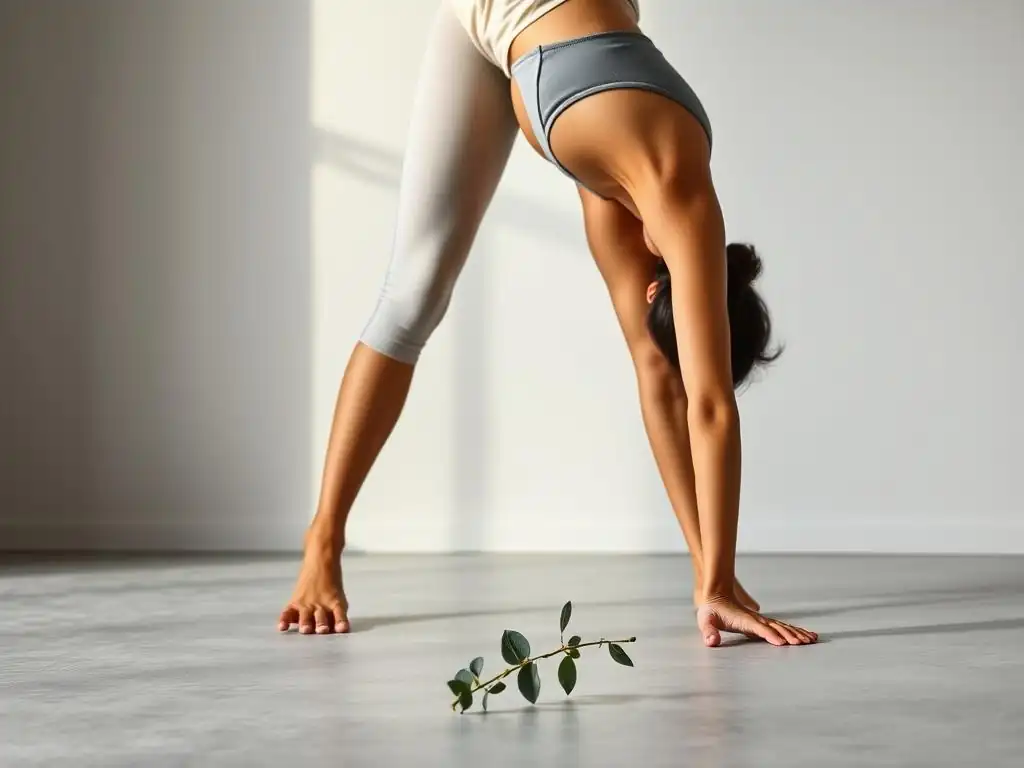
Certain yoga asanas are particularly renowned for their ability to calm the nervous system, release tension, and promote a sense of peace. These postures often involve gentle stretching, grounding, or restorative elements that signal safety and relaxation to the body and mind. Incorporating these specific yoga asanas for anxiety into your routine can provide tangible relief from symptoms of stress and worry.
Below is a guide to some of the most effective yoga asanas for anxiety, with instructions on how to perform them and an explanation of their specific benefits. Remember to move slowly, listen to your body, and prioritize comfort over depth in the pose. The goal is to cultivate a sense of ease and presence.
Child's Pose (Balasana): Grounding and Releasing Tension
Child's Pose is a deeply grounding and comforting posture that encourages surrender and relaxation. It is often used as a resting pose within a yoga sequence, but it is also a powerful stand-alone asana for anxiety relief. The gentle compression of the abdomen and the forward fold signal the nervous system to calm down.
How to Perform Child's Pose Correctly for Maximum Relaxation
Start on your hands and knees on your mat. Bring your big toes to touch and widen your knees about hip-width apart, or even wider if that feels more comfortable. As you exhale, lower your torso down between your thighs. Extend your arms forward, resting your palms on the mat, or bring your arms back alongside your body with your palms facing up. Rest your forehead on the mat.
If your forehead doesn't comfortably reach the mat, place a block or folded blanket underneath it. Allow your hips to sink back towards your heels (they don't have to touch). Breathe deeply here, allowing your body to feel heavy and supported by the earth. Hold for several breaths or several minutes, consciously releasing tension with each exhale.
To deepen the relaxation, focus on the gentle pressure of your forehead on the mat, which is believed to stimulate the "third eye" area, associated with calming the mind. Ensure your shoulders are relaxed and not hunched up towards your ears. You can also place a bolster or folded blankets under your torso for additional support, making the pose even more restorative. This supported variation of Balasana is particularly effective among yoga asanas for anxiety as it requires less physical effort and allows for deeper mental release.
Benefits of Child's Pose for Anxiety and Stress Reduction
Child's Pose offers numerous benefits for managing anxiety. Physically, it gently stretches the hips, thighs, and ankles, while also elongating the spine. The forward fold calms the nervous system by reducing stimulation and turning the senses inward. This pose creates a sense of being contained and safe, which can be incredibly soothing during moments of heightened anxiety or panic. It encourages introspection and provides an opportunity to pause and reconnect with your breath and body.
Emotionally and mentally, Balasana promotes feelings of peace and surrender. It is a pose of humility and letting go, allowing you to release physical tension and mental worry. Practicing this pose can help to alleviate mild back pain and neck tension often associated with stress. Regularly incorporating Child's Pose into your sequence of yoga asanas for anxiety can help cultivate a habit of pausing and finding refuge when you feel overwhelmed, offering an immediate sense of grounding and calm.
Legs-Up-the-Wall Pose (Viparita Karani): Soothing the Mind
Legs-Up-the-Wall Pose is a gentle inversion that is profoundly relaxing and restorative. It is known for its ability to calm the nervous system, reduce fatigue, and alleviate mild anxiety and stress. This pose is a staple in restorative yoga and is highly recommended among yoga asanas for anxiety.
Step-by-Step Instructions for Viparita Karani
Find an empty wall space. Sit sideways next to the wall, with one hip touching it. Lie back onto your mat or the floor, and simultaneously swing your legs up the wall as you lower your torso down. Scoot your hips as close to the wall as comfortable. Your legs should be extended up the wall (a slight bend in the knees is fine if your hamstrings are tight), and your torso resting on the floor.
You can place a folded blanket or bolster under your hips for support, which can deepen the relaxation and gentle inversion effect. Allow your arms to rest comfortably by your sides, palms facing up, or place one hand on your heart and the other on your belly. Close your eyes and breathe deeply, allowing your legs to feel heavy and supported by the wall. Stay here for 5 to 20 minutes.
To make the pose even more comfortable and effective for anxiety, ensure your neck is relaxed and long. Avoid any strain in your legs; if they feel like they are falling asleep, you can gently bend your knees. Placing an eye pillow over your eyes can further reduce external stimulation and encourage deeper relaxation. The key is to find a position where you can completely surrender and allow gravity to do its work. This ease makes it a particularly effective posture among yoga asanas for anxiety.
Why Legs-Up-the-Wall Pose is Beneficial for Mental Wellbeing
Viparita Karani calms the nervous system by promoting relaxation and reducing the activity of the sympathetic nervous system. The gentle inversion encourages venous blood flow back towards the heart and head, which can help to reduce swelling in the legs and feet and promote a sense of lightness. This pose also helps to quiet the mind by reducing sensory input and allowing the focus to turn inward. It can alleviate headaches and insomnia, common symptoms associated with anxiety.
Beyond the physiological effects, Legs-Up-the-Wall Pose provides a sense of perspective and stillness. Lying with your legs elevated can feel like a complete pause from the demands of gravity and daily life. It offers a unique vantage point that encourages reflection and letting go of worries. Regularly practicing this pose as part of your collection of yoga asanas for anxiety can help cultivate a state of calm and mental clarity, making it easier to navigate stressful situations.
Corpse Pose (Savasana): Deep Relaxation and Integration
Savasana, or Corpse Pose, might seem simple, but it is arguably one of the most challenging and important postures in yoga, especially for anxiety relief. It is a pose of complete surrender, allowing the body and mind to fully relax and integrate the benefits of the preceding practice. For those with anxiety, simply lying still can be difficult, making the practice of Savasana a powerful exercise in learning to be present with stillness.
Achieving Deep Relaxation in Savasana
Lie flat on your back on your mat. Allow your legs to extend straight, letting your feet fall open naturally to the sides. Extend your arms alongside your body, palms facing up, slightly away from your torso. Ensure your head is centered and your neck is long. Close your eyes gently.
Take a few deep breaths, and then allow your breath to return to its natural rhythm. Scan your body from head to toe, consciously releasing any tension you notice. Relax your jaw, soften the muscles around your eyes, let your shoulders melt into the mat, and release any gripping in your hips or legs. The goal is to become completely still, both physically and mentally, though it is natural for thoughts to arise. Simply notice them without judgment and gently guide your awareness back to your breath or body.
To deepen the relaxation in Savasana, ensure you are warm enough by covering yourself with a blanket, as body temperature can drop during deep relaxation. Place a rolled blanket or bolster under your knees to alleviate any lower back strain. An eye pillow can help block out light and soothe the eyes. The key is to create conditions that allow you to fully let go. While it might feel unproductive compared to more active yoga asanas for anxiety, the deep rest offered by Savasana is crucial for nervous system regulation.
Maximizing the Benefits of Savasana for Anxiety
Savasana is where the true magic of yoga happens – the integration of mind, body, and spirit. For individuals with anxiety, this pose offers a profound opportunity to practice stillness and non-reactivity. By allowing yourself to simply be without the need to do, you train your nervous system to tolerate quiet and presence. This practice can help to reduce the baseline level of anxiety and improve your ability to relax outside of your yoga practice.
The deep relaxation achieved in Savasana lowers heart rate, blood pressure, and stress hormone levels, promoting a state of calm and well-being. It helps to alleviate physical fatigue and mental exhaustion often associated with chronic anxiety. By regularly dedicating time to Savasana within your sequence of yoga asanas for anxiety, you reinforce the body's capacity to enter a state of rest and repair, fostering resilience against stress and cultivating a deeper sense of inner peace. Aim to stay in Savasana for at least 5-10 minutes after your asana practice.
Cat-Cow Pose (Marjaryasana to Bitilasana): Gentle Movement for Stress Release
Cat-Cow Pose is a gentle, flowing movement that connects breath with spinal articulation. It is excellent for warming up the spine, improving flexibility, and releasing tension held in the back, shoulders, and neck – areas commonly affected by stress and anxiety. The rhythmic nature of this pose can be incredibly soothing and help to calm a busy mind.
Performing Cat-Cow Pose with Breath Awareness
Start on your hands and knees in a tabletop position. Ensure your wrists are directly under your shoulders and your knees are directly under your hips. Your fingers should be spread wide. As you inhale, drop your belly towards the mat, lift your chest and tailbone towards the ceiling, and look slightly forward (Cow Pose - Bitilasana).
As you exhale, round your spine towards the ceiling, tuck your chin towards your chest, and draw your navel towards your spine (Cat Pose - Marjaryasana). Move slowly and fluidly, coordinating each movement with your breath. Continue this gentle flow for 5-10 rounds or more, allowing the movement to release tension along your spine and torso.
Focusing on the breath is key in Cat-Cow. The inhale expands the chest and front body, creating space, while the exhale contracts the abdomen and rounds the back, releasing stagnant energy. You can explore gentle variations, such as circling the hips or shoulders while in the pose, to target specific areas of tension. Maintaining a soft gaze and keeping your movements mindful and unhurried enhances the calming effect, making this an accessible and effective posture among yoga asanas for anxiety.
How Cat-Cow Pose Relieves Stress and Promotes Emotional Balance
The rhythmic movement of Cat-Cow massages the abdominal organs, which can aid digestion – an area often affected by stress. More significantly, the gentle flexing and extending of the spine releases physical tension stored along the back and neck. Many people hold emotional stress in these areas, and the movement helps to release this somatic tension. The coordinated breathwork calms the nervous system and brings you into the present moment, interrupting anxious thought patterns.
This pose promotes emotional balance by creating a sense of flow and ease in the body. The gentle, repetitive motion can be meditative, helping to soothe agitation and restlessness. By increasing flexibility and mobility in the spine, it can also improve posture, which in turn can influence mood and confidence levels. Regularly practicing Cat-Cow as part of your sequence of yoga asanas for anxiety provides a simple yet powerful way to release physical and emotional tension and cultivate a sense of grounded calm.
Standing Forward Bend (Uttanasana): Calming the Nervous System
Standing Forward Bend is a classic yoga pose that can be surprisingly calming despite its intensity for some. The inversion effect of bringing the head below the heart helps to slow the heart rate and quiet the mind. It also provides a deep stretch for the hamstrings and calves, releasing tension in the back of the legs and lower back, areas often tight from sitting or stress.
Modifications for Safe and Effective Standing Forward Bend
Stand with your feet hip-width apart. As you exhale, hinge forward from your hips, keeping your spine long initially. Allow your head to hang heavy towards the floor. To make this pose more accessible and calming, especially if you have tight hamstrings or lower back issues, soften or deeply bend your knees.
You can rest your hands on your shins, thighs, or the floor. If reaching the floor is difficult, use yoga blocks under your hands for support. Allow your upper body to relax completely, letting gravity draw your head closer to the floor. Avoid forcing the stretch; the goal is release, not depth.
Another helpful modification for managing anxiety in this pose is to focus on releasing tension in the neck and shoulders. Gently shake your head "yes" and "no" to ensure your neck is relaxed. You can also hold opposite elbows, creating a ragdoll shape, and gently sway from side to side.
This slight movement can help release further tension in the back and shoulders. Keeping the knees bent significantly reduces strain and allows the focus to shift from the hamstring stretch to the calming effect of the inversion and the release in the back and neck, making it a more accessible posture among yoga asanas for anxiety.
Benefits of Uttanasana for Calming Anxiety Symptoms
Uttanasana calms the nervous system by lowering blood pressure and heart rate due to the inversion. The act of folding forward can be very grounding, turning the senses inward and providing a sense of introspection. The deep stretch in the hamstrings and back helps to release physical tension that can contribute to feelings of anxiety and restlessness. Many people hold stress in their hips and the back of their legs, and this pose helps to gently open these areas.
Mentally, Uttanasana encourages surrender and letting go. Allowing the head to hang below the heart can shift perspective and alleviate mental clutter. The pose can also help to relieve headaches and fatigue associated with stress. By incorporating Standing Forward Bend into your practice of yoga asanas for anxiety, you leverage its ability to physically release tension and psychologically quiet the mind, fostering a greater sense of ease and calm.
Creating Your Own Calming Yoga Sequence for Anxiety
While practicing individual yoga asanas for anxiety is beneficial, creating a short, consistent sequence can amplify their effects. A structured routine provides predictability and a dedicated time to focus on self-care and stress reduction. The key is to select poses that resonate with you and build a flow that feels grounding and soothing.
Designing your own sequence allows you to tailor the practice to your specific needs and the time you have available. Even 15-20 minutes of mindful movement and breathwork can make a significant difference in managing anxiety symptoms throughout the day. The consistency of the practice is often more important than the length or complexity.
Sample Yoga Sequence for Anxiety Reduction (15-Minute Routine)
Here is a simple 15-minute sequence focusing on calming yoga asanas for anxiety:
- Start in a comfortable seated position (5 minutes): Close your eyes, rest your hands on your knees. Focus on your breath. Practice deep abdominal breathing or Nadi Shodhana. Bring awareness to your body and how you are feeling without judgment.
- Cat-Cow Pose (Marjaryasana to Bitilasana) (3 minutes): Move through 8-10 rounds, coordinating breath with movement. Release tension in the spine, shoulders, and neck.
- Child's Pose (Balasana) (3 minutes): Rest deeply, allowing your forehead to connect with the mat. Focus on grounding and releasing tension with each exhale.
- Standing Forward Bend (Uttanasana) with bent knees (2 minutes): Fold forward gently, letting your head hang heavy. Hold onto opposite elbows if desired. Breathe into the back of your legs and back.
- Legs-Up-the-Wall Pose (Viparita Karani) (Optional, add 5-10 minutes if time allows): Settle into this restorative pose, allowing your legs to be supported by the wall. Focus on deep relaxation.
- Corpse Pose (Savasana) (5 minutes): Lie flat on your back, allowing your body to relax completely. Integrate the benefits of the practice.
This sequence provides a balance of gentle movement, forward folds, and restorative poses known to calm the nervous system. It is a starting point; feel free to adjust the timing or include other yoga asanas for anxiety that you find particularly soothing.
Adapting Yoga Poses to Your Individual Needs and Limitations
It is crucial to listen to your body and adapt poses to suit your current physical condition, flexibility, and any limitations you may have. Yoga is not about forcing your body into a specific shape, but about finding comfort and ease within the pose. If a pose causes pain or discomfort, modify it or skip it entirely. For example, if kneeling is difficult, perform Cat-Cow from a seated position. If Legs-Up-the-Wall is uncomfortable, simply lie on your back with your knees bent and feet on the floor (Constructive Rest Pose), which is also very calming.
Using props like blankets, blocks, and bolsters is a sign of intelligence and self-care, not weakness. Props help you access the benefits of the pose without strain, allowing for deeper relaxation – which is the primary goal when practicing yoga asanas for anxiety. Be patient with yourself; your body's needs may change daily. Approaching your practice with self-compassion and flexibility is key to making it a sustainable and beneficial tool for managing anxiety.
Listening to Your Body and Practicing Mindful Movement
Mindful movement is central to the therapeutic benefits of yoga, particularly when using yoga asanas for anxiety. This means paying attention to the sensations in your body as you move and hold poses, without judgment. Instead of rushing through a sequence or striving for perfect alignment, focus on how each pose feels and how your breath supports the movement. Notice areas where you hold tension and consciously try to soften and release them.
Listening to your body involves respecting its signals. If a pose feels too intense, back off. If you feel tired, rest in Child's Pose or Savasana. This practice of attuning to your body's needs builds interoceptive awareness – the ability to sense the internal state of your body – which can be impaired in individuals with anxiety. By practicing mindful movement and listening to your body during your yoga asanas for anxiety, you cultivate a deeper connection with yourself and build trust in your body's wisdom.
Beyond the Mat: Integrating Yoga Principles into Daily Life for Sustained Anxiety Relief
The benefits of yoga extend far beyond the physical postures practiced on the mat. The principles of mindfulness, self-awareness, and non-reactivity cultivated through practicing yoga asanas for anxiety can be woven into the fabric of your daily life, providing sustained support for managing anxiety. Integrating these principles helps to create a more consistent state of calm and resilience, rather than limiting the practice to a single session.
Living yoga means bringing the awareness, compassion, and presence you cultivate during your practice into your interactions, your work, and your moments of rest. It's about approaching challenges with greater equanimity and responding to stress with more skillful means. This holistic approach amplifies the positive impact of practicing yoga asanas for anxiety on your overall mental well-being.
Mindfulness and Meditation Techniques for Anxiety Management
Mindfulness, the practice of paying attention to the present moment without judgment, is a core component of yoga and a powerful technique for managing anxiety. While yoga asanas can be a form of moving meditation, dedicated mindfulness or meditation practices can further enhance your ability to observe anxious thoughts and feelings without getting carried away by them. Even a few minutes of seated meditation focusing on your breath or body sensations can make a significant difference.
Techniques like body scan meditation, where you systematically bring awareness to different parts of your body, can help release physical tension and ground you in the present. Walking meditation allows you to bring mindful awareness to a simple daily activity. Regularly practicing mindfulness alongside your yoga asanas for anxiety helps to train your brain to be less reactive to anxious triggers, increasing your capacity for calm and presence in challenging situations. Studies, such as research published in JAMA Internal Medicine in 2014, indicate that mindfulness meditation programs can significantly reduce symptoms of anxiety and depression.
The Importance of Self-Compassion and Acceptance
Yoga teaches us to approach ourselves with kindness and non-judgment (Ahimsa and Santosha). This is particularly important when dealing with anxiety. Instead of criticizing yourself for feeling anxious, self-compassion involves acknowledging your suffering with kindness and understanding, just as you would a friend. Acceptance doesn't mean liking or agreeing with your anxiety, but rather acknowledging its presence without resistance. Resisting anxiety often intensifies it.
Practicing self-compassion and acceptance alongside your yoga asanas for anxiety means allowing yourself to modify poses when needed, resting when tired, and not judging yourself for having anxious thoughts during practice. It's about recognizing that anxiety is a common human experience and treating yourself with patience and care. This shift in internal dialogue can significantly reduce the distress associated with anxiety and foster a more positive relationship with yourself.
Other Complementary Therapies for Anxiety Relief: Cognitive Behavioral Therapy, Balanced Diet
While yoga and mindfulness are powerful tools, they are often most effective when used as part of a comprehensive approach to anxiety management. Complementary therapies can provide additional layers of support. Cognitive Behavioral Therapy (CBT), for example, is a highly effective form of talk therapy that helps individuals identify and challenge negative thought patterns that contribute to anxiety. Combining the physical and mental calming techniques of yoga asanas for anxiety with the cognitive restructuring techniques of CBT can be particularly beneficial.
Maintaining a balanced diet and ensuring adequate nutrition also plays a significant role in mental well-being. Consuming nutrient-dense foods, staying hydrated, and limiting caffeine and sugar can help stabilize mood and energy levels, reducing physiological triggers for anxiety. For example, research suggests that gut health is linked to mental health, highlighting the importance of a diet rich in fiber and probiotics. Furthermore, ensuring sufficient sleep is crucial, as sleep deprivation can exacerbate anxiety symptoms. Integrating these lifestyle factors enhances the benefits derived from practicing yoga asanas for anxiety and creates a more robust foundation for mental health.
Conclusion: Embrace the Calming Power of Yoga for Anxiety
Yoga offers a gentle yet powerful path towards managing anxiety by addressing both its physical and mental manifestations. Through mindful movement, conscious breathing, and the practice of specific yoga asanas for anxiety, you can learn to calm your nervous system, release stored tension, and cultivate a greater sense of presence and peace. Poses like Child's Pose, Legs-Up-the-Wall, Savasana, Cat-Cow, and Standing Forward Bend are particularly effective tools in this journey, each offering unique benefits for soothing an anxious mind and body.
Embracing yoga as part of your anxiety management strategy is an act of self-care and empowerment. It provides a dedicated time and space to connect with yourself, listen to your body's needs, and build resilience against stress. Remember that consistency is key, and finding joy and comfort in your practice is more important than achieving perfect poses.
Continuing Your Yoga Journey for Long-Term Mental Wellbeing
Making yoga a regular part of your routine is essential for experiencing its long-term benefits for mental well-being. Even short, consistent practices of yoga asanas for anxiety can gradually re-pattern your nervous system, reducing reactivity and increasing your capacity for calm. Consider integrating yoga into your daily or weekly schedule, perhaps starting with just 15-20 minutes. Explore different styles of yoga – gentle Hatha, restorative yoga, or Yin yoga can be particularly beneficial for anxiety – to find what resonates most with you.
Beyond the physical practice, continue to cultivate mindfulness, self-compassion, and acceptance in your daily life. These principles, learned on the mat, are invaluable tools for navigating the inevitable challenges and stresses of life with greater ease and resilience. View your yoga journey as an ongoing process of learning and growth, a consistent resource for finding peace amidst the fluctuations of life.
Resources for Further Learning and Support in Yoga and Anxiety Management
If you are new to yoga or looking to deepen your practice of yoga asanas for anxiety, consider seeking guidance from a qualified yoga instructor, particularly one experienced in trauma-informed yoga or yoga for mental health. Many studios and online platforms offer classes specifically designed for stress and anxiety reduction. Books and reputable online resources can also provide further information on specific poses, breathwork techniques, and the philosophy of yoga.
Remember that anxiety is a complex condition, and yoga is a complementary practice. If you are experiencing significant anxiety, it is important to seek support from mental health professionals, such as therapists or counselors. They can provide personalized strategies and support, potentially including therapies like CBT or medication if appropriate. Combining professional help with the calming power of yoga asanas for anxiety offers a comprehensive path towards healing and sustained mental well-being.
Frequently Asked Questions
What are yoga asanas and how can they help with anxiety?
Yoga asanas are physical postures within the practice of yoga. They can help with anxiety by promoting relaxation, reducing stress hormones, and improving mind-body connection.
Which yoga asanas are specifically recommended for reducing anxiety?
Several asanas are beneficial, including Child's Pose, Forward Fold, Corpse Pose, Legs-up-the-Wall Pose, and Cat-Cow Pose. These postures help to calm the nervous system and encourage deep breathing.
How often should I practice yoga asanas to experience anxiety relief?
Consistency is key. Aim for at least 3-4 times a week, with sessions lasting 20-30 minutes. Regular practice will yield the most significant benefits for anxiety management.
Are there any precautions I should take before starting yoga asanas for anxiety?
Yes. If you have pre-existing health conditions, consult with a healthcare professional or a qualified yoga instructor before starting. Pay attention to your body and avoid pushing yourself too hard.
Can yoga asanas completely cure anxiety?
Yoga asanas can be a valuable tool for managing anxiety, but they are not a cure. They are best used as part of a comprehensive approach that may include therapy, medication, and lifestyle changes.
Final Reflection: Finding Peace Within Through Posture
The ancient practice of yoga, and specifically the careful selection of asanas, offers a powerful antidote to the pervasive anxiety of modern life. In a world saturated with demands and stressors, the ability to cultivate inner calm is not a luxury, but a necessity. This guide has explored a range of accessible yoga postures designed to soothe the nervous system and promote a sense of groundedness, proving that peace isn't just a distant ideal, but a tangible practice achievable through mindful movement.
The impact of these asanas extends far beyond the mat; they offer a pathway to self-regulation and emotional resilience. The consistent practice of these postures can foster a profound shift in one's relationship with stress, transforming anxiety from a debilitating force into a manageable challenge. As the renowned yoga teacher B.K.S. Iyengar wisely stated, Yoga is a light, which once lit, will never dim. The better your practice, the brighter your flame.
This sentiment resonates deeply, highlighting the transformative power of consistent, mindful yoga practice in cultivating inner peace and reducing anxiety's grip.
Now, consider your own journey towards inner peace. Which of these asanas resonated most deeply with you? Which postures do you feel called to integrate into your daily or weekly routine? Don't just read about the benefits—experience them. Commit to even a few minutes of mindful practice each day, and observe the subtle yet profound shifts in your body, mind, and spirit. Embrace the journey, and allow the postures for peace to guide you towards a calmer, more centered you.
Unwind and Find Your Center: Embrace Inner Peace Today
Thanks for taking the time to explore the power of yoga for inner peace! We hope you discovered some new ways to calm your mind and body. Now it's time to put your knowledge into practice.
- Begin your personal yoga journey: Start with one of the poses we highlighted today, even just for 5 minutes. Notice the difference it makes in your mood and energy levels.
- Share your experience: Let us know which pose resonated most with you in the comments below – we love hearing from our community!
- Explore further: Search for guided meditations or online yoga classes focusing on relaxation and stress reduction.
Ready to feel the transformative effects of mindful movement? What small step will you take today to cultivate more peace within yourself?