
Navigating Friendships: Helping Anxious Kids Connect Socially

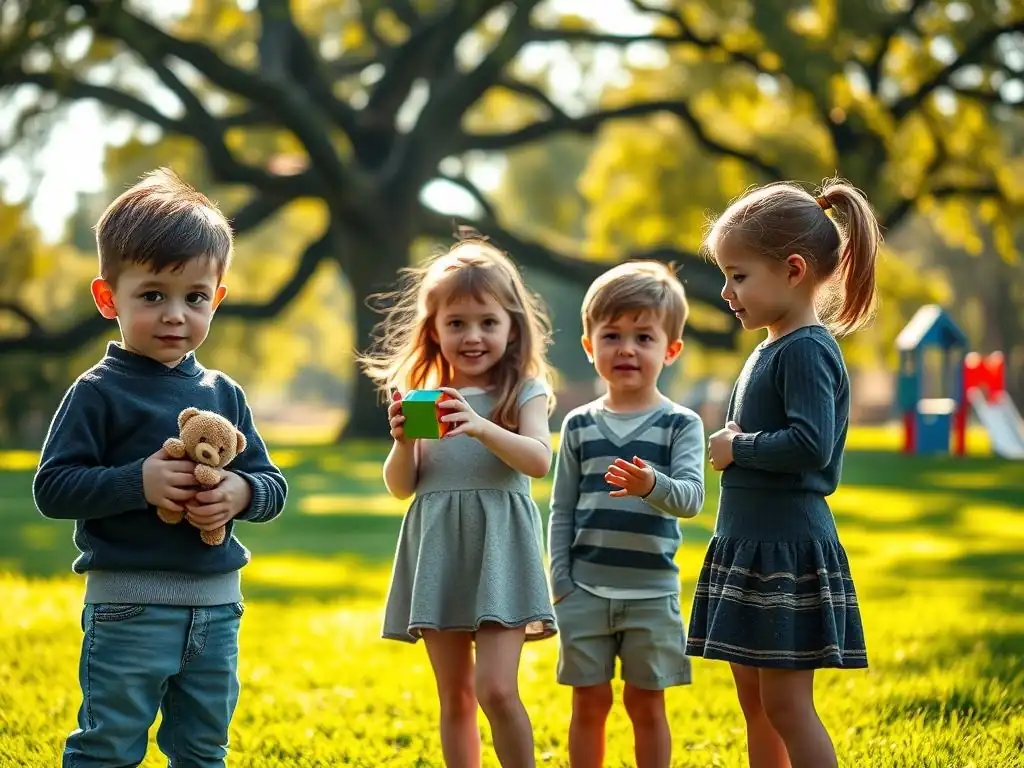
Welcome to Mind Care Guide, your supportive companion on the journey to mental well-being.
Is your child's anxiety making it hard for them to connect with others? You're not alone. Many parents face this challenge. This guide, "Navigating Friendships: Helping Anxious Kids Connect Socially," offers practical strategies and empathetic advice to empower your child to build meaningful friendships. Discover how understanding their anxieties can unlock their social potential, and learn how you can play a vital role in their social growth. Explore the article below to find the support and resources you need to help your anxious child thrive.
- Navigating Social Connections: Supporting Children with Anxiety
- Understanding Anxiety and Social Interaction in Children
- Strategies to Help Anxious Children Develop Friendships
- Building Essential Social Skills in Anxious Children
- Addressing Common Difficulties in Anxious Children's Social Lives
- Promoting Independence and Confidence in Social Settings
- Parental Support for Anxious Children's Social Connections
- Resources for Parents and Children Facing Social Anxiety
- Long-Term Advantages of Social Connection for Children with Anxiety
-
Frequently Asked Questions
- How can I tell if my child's anxiety is affecting their ability to make friends?
- What are some practical strategies for helping my anxious child initiate conversations with other kids?
- How can I help my child manage their anxiety in social situations so they can feel more comfortable making friends?
- What role does parental support play in helping anxious kids build friendships?
- Where can I find additional resources and support for helping my anxious child build friendships?
- Final Reflection: The Enduring Power of Connection
- Unleash Your Child's Social Butterfly!
Navigating the complex world of social interactions can be challenging for any child, but for anxious kids, building friendships often presents a unique set of hurdles. Anxiety can manifest in various ways, from shyness and withdrawal to intense fear surrounding social situations, making it difficult for these children to connect with peers. Understanding the specific challenges faced by anxious youth is the first step in providing effective support.
At Mind Care Guide, we recognize the importance of social connection for a child's overall well-being and development. Friendships provide vital emotional support, opportunities to learn social skills, and a sense of belonging that is crucial during formative years. This guide aims to equip parents, educators, and caregivers with the knowledge and strategies needed to help anxious kids build friendships and navigate their social world with greater confidence.
Social anxiety in children can stem from a variety of interconnected factors. Genetic predisposition plays a role, as children with a family history of anxiety disorders are statistically more likely to develop similar challenges; estimates suggest a significant heritability factor, potentially accounting for around 30-40% of the variance in social anxiety. Environmental influences, such as negative social experiences like bullying or rejection, overprotective parenting styles that limit exposure to social situations, or even observing anxious behavior in parents or peers, also contribute significantly.
Furthermore, cognitive biases can fuel social anxiety. Anxious children often interpret ambiguous social cues negatively, assuming others are judging them or expecting them to fail in interactions. They might overestimate the likelihood of negative outcomes, such as saying something embarrassing, and underestimate their ability to cope with such situations. These internal thought patterns reinforce avoidance behaviors, making it harder for anxious kids to build friendships.
How Anxiety Affects a Child's Ability to Connect with Peers
Anxiety profoundly impacts a child's capacity for social connection by triggering the body's fight-or-flight response in social settings. This can lead to physical symptoms like a racing heart, sweating, or stomachaches, which are uncomfortable and distracting. Behaviorally, anxiety often results in avoidance. A child might avoid eye contact, speak very softly, withdraw from group activities, or even refuse to attend school or social events altogether to escape the feared situation.
This avoidance prevents children from practicing social skills and experiencing positive interactions, creating a vicious cycle. Peers may misinterpret the child's anxious behaviors – like quietness or withdrawal – as disinterest, aloofness, or even rudeness, leading to fewer invitations to play or hang out. Consequently, the child misses out on opportunities to develop rapport, share common interests, and build the shared experiences that form the foundation of lasting friendships, making it harder for anxious kids to build friendships successfully.
Identifying social withdrawal in anxious children requires careful observation, as it can manifest subtly. Beyond obvious avoidance of social events, look for signs like consistently choosing solitary activities during free time at school or home, expressing reluctance or making excuses to avoid interacting with peers ("I don't feel well," "I have too much homework"), or appearing isolated even within a group setting, perhaps standing on the periphery or not participating in conversations or games. A child might also show excessive shyness, difficulty speaking up, or physical symptoms of distress when anticipating or engaging in social interactions.
Another indicator is a significant shift in behavior after social interactions. Anxious children might become irritable, tearful, or excessively self-critical after spending time with peers, dwelling on perceived mistakes or negative interactions. For instance, after a birthday party, instead of talking about the fun, they might repeatedly mention a small awkward moment or worry about what someone else thought of them. Recognizing these patterns is crucial for understanding the depth of their social anxiety and the challenges they face when anxious kids build friendships.
Strategies to Help Anxious Children Develop Friendships
Providing a safe and encouraging environment at home and school is paramount when helping anxious kids build friendships. This involves validating their feelings ("I understand social situations feel scary right now") without enabling avoidance. Encourage small steps rather than demanding immediate, large social leaps. For example, instead of insisting they join a large, boisterous playgroup, suggest they sit near others during lunch or participate briefly in a low-pressure activity like drawing alongside peers.
Consistency in positive reinforcement is also key. Praise effort and bravery, no matter how small the step. "I saw you sat with the group for five minutes today, that was brave!" is far more effective than criticizing their lack of extensive interaction. Collaborating with teachers to ensure the child feels safe and supported in the classroom and playground, perhaps identifying a "safe person" they can check in with, creates a consistent, supportive network.
Practical Tips for Children to Initiate and Maintain Friendships
Equipping anxious children with practical social tools can significantly boost their confidence. Break down the process of initiating contact into manageable steps. This could include practicing simple greetings ("Hi," "What are you playing? "), asking open-ended questions about shared interests ("Do you like this game? "), or suggesting a specific activity ("Want to trade cards?"). Role-playing these scenarios beforehand can reduce anxiety.
Maintaining friendships involves different skills. Teach children about active listening – paying attention, asking follow-up questions, and showing genuine interest in what others say. Discuss the importance of reciprocity – sharing toys, taking turns, and offering help. Help them understand how to read social cues, such as body language or tone of voice, to better navigate interactions. Providing these concrete skills gives anxious kids tangible ways to approach the goal of building friendships.
Structured practice is invaluable for anxious children. Role-playing potential social situations in a low-stakes environment, like home, allows them to rehearse responses and build confidence. You can act out scenarios such as joining a game already in progress, handling teasing, asking someone to play, or managing a disagreement. Start with simpler scenarios and gradually increase complexity.
Using puppets or action figures can make this practice less intimidating and more fun for younger children. For older kids, discussing hypothetical situations and brainstorming different ways to respond can be effective. After practicing, discuss what felt comfortable and what was challenging. This preparation reduces the fear of the unknown and provides a script or plan to fall back on when facing real social interactions, making the idea of anxious kids building friendships feel less daunting.
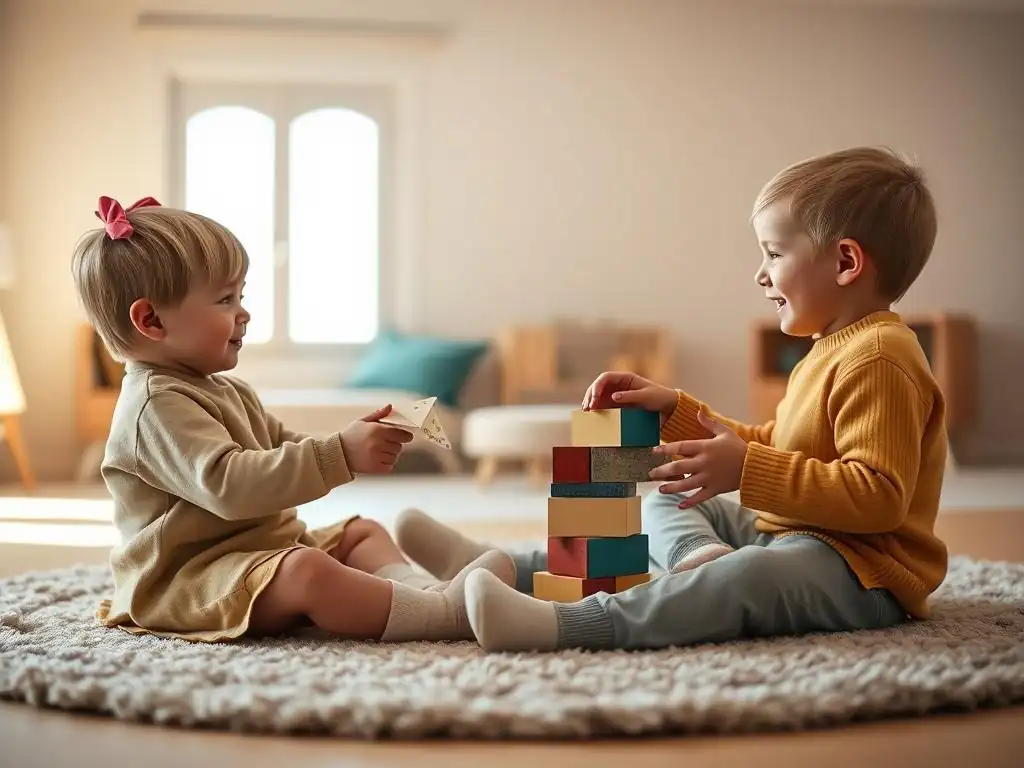
Teaching Effective Communication and Active Listening Skills
Effective communication is the bedrock of any friendship, and anxious children often need explicit instruction in this area. Teach them the components of clear communication: speaking audibly, making appropriate eye contact (even if just briefly), and using open and friendly body language. Practice starting conversations with simple topics relevant to their age group or shared interests.
Equally important is teaching active listening. This involves more than just hearing words; it's about showing you are engaged. Skills include nodding, making encouraging sounds ("Uh-huh," "Yeah"), asking clarifying questions ("What happened next? "), and summarizing what the other person said ("So, you're saying...?"). Practicing these skills helps anxious children feel more connected in conversations and shows peers they are interested in them, which is vital for anxious kids building friendships.
Managing anxiety in the moment is a critical skill. Teach children simple coping mechanisms they can use when they feel overwhelmed in social settings. Deep breathing exercises are often effective; teach them to inhale slowly, hold for a few seconds, and exhale slowly. Grounding techniques, like focusing on the sensations in their feet or noticing five things they can see, four they can touch, three they can hear, two they can smell, and one they can taste, can help pull them out of anxious thoughts.
Cognitive strategies can also be helpful. Teach them to challenge anxious thoughts ("What's the evidence that everyone is looking at me?" or "What's the worst that could realistically happen? Can I handle that?"). Encourage positive self-talk ("I can do this," "It's okay if I feel a little nervous"). Having a toolkit of coping strategies empowers anxious kids to stay present in social situations rather than withdrawing, supporting their efforts as anxious kids build friendships.
Encouraging Involvement in Group Activities and Clubs
Structured group activities provide excellent low-pressure opportunities for anxious children to interact with peers who share similar interests. Unlike unstructured playtime, these settings often have clear rules, a defined purpose, and adult supervision, which can feel safer. Look for activities based on the child's passions, whether it's a coding club, an art class, a drama group, a specific sport team (though competitive sports might be too high-pressure initially), or a book club.
Starting with smaller groups or activities that require less one-on-one interaction (like a robotics club versus a debate club) might be a good initial step. The shared focus on the activity itself takes some of the pressure off purely social interaction, allowing connections to form more naturally over time. Regular participation in such groups increases exposure to positive peer interactions, building confidence and providing a context for anxious kids to build friendships based on common ground.
Handling Peer Rejection and Exclusion
Peer rejection or exclusion, whether real or perceived, can be particularly devastating for anxious children and significantly hinder their efforts when anxious kids build friendships. It's essential to validate their feelings of hurt and disappointment ("It sounds like that felt really unfair and lonely"). Help them understand that rejection is often not a reflection of their worth but might be due to group dynamics, misunderstandings, or simply different interests.
Teach coping strategies for dealing with these painful experiences. This includes focusing on the friendships they do have, identifying activities they enjoy doing independently or with family, and learning positive self-talk to counter negative internal messages. Role-playing how to respond assertively but calmly if someone is being mean or exclusionary can also be helpful. Emphasize resilience and the understanding that not every interaction will be positive, but positive ones are still possible and worth pursuing.
Disagreements are a normal part of friendships, but anxious children may struggle to navigate conflict assertively or fear conflict altogether, leading to either avoidance or difficulty standing up for themselves. Teach them basic conflict resolution skills. This includes identifying the problem calmly, expressing their feelings using "I" statements ("I felt left out when..."), listening to the other person's perspective, and brainstorming potential solutions together.
Practice these skills through role-playing common disagreement scenarios. Help them understand that resolving conflict can actually strengthen a friendship by building trust and understanding. Teach them that it's okay to disagree respectfully and that not every disagreement needs a perfect solution, sometimes agreeing to disagree is sufficient. Learning to navigate these situations is a crucial step for anxious kids building friendships that are healthy and resilient.
Teaching Skills for Setting Healthy Boundaries
Anxious children, eager for acceptance, may struggle with setting boundaries, potentially leading to being taken advantage of or feeling overwhelmed by others' demands. Teach them what healthy boundaries look like – saying "no" when they are uncomfortable or busy, expressing their needs respectfully, and recognizing when someone is asking too much of them.
Practice assertive communication techniques. This isn't about being aggressive, but about stating their needs and feelings clearly and respectfully. For example, instead of just giving in or making an excuse, teach them to say, "I can't do that right now, but maybe we could..." or "I'm not comfortable with that." Understanding and setting boundaries helps protect their emotional well-being and fosters more balanced, respectful relationships, which are essential for anxious kids building friendships that last.
Empowering Children to Start and Nurture Friendships
Ultimately, the goal is to empower anxious children to take ownership of their social lives. Shift from always arranging interactions for them to guiding them on how they can initiate contact themselves. This could involve helping them identify potential friends based on shared interests, brainstorming conversation starters, or planning a simple activity to suggest.
Gradually reduce parental involvement in playdates or social outings as the child becomes more comfortable. Encourage them to handle minor social challenges independently before stepping in. Celebrate their efforts in reaching out or resolving a small disagreement on their own. This process builds self-efficacy and the confidence that they can successfully navigate social situations and nurture the friendships anxious kids build.
Low self-esteem often goes hand-in-hand with social anxiety. Helping children build a strong sense of self-worth is crucial for alleviating their fears about social judgment. Focus on their strengths and positive qualities, whether they are kind, creative, funny, or persistent. Ensure they have opportunities to engage in activities where they feel competent and successful, reinforcing their capabilities.
Help them develop a more realistic and positive self-image. Challenge negative self-talk and encourage self-compassion. Remind them that everyone makes mistakes and feels awkward sometimes, and that's okay. A child who feels good about themselves internally is less reliant on external validation and better equipped to handle social ups and downs, making the journey for anxious kids building friendships much smoother.
Positive reinforcement is a powerful tool. Make sure to notice and acknowledge your child's social efforts and successes, no matter how small they seem. Did they say "hi" to someone they know? Did they join a game for a few minutes? Did they handle a tricky social situation calmly? Point out these achievements specifically.
Focus praise on the effort and the process, not just the outcome. Instead of "I'm so glad you made a new friend," try "I'm really proud of you for asking that kid to play, even though you were nervous. That was very brave." This reinforces the value of trying and perseverance, teaching them that building social skills is a process. Celebrating these steps encourages anxious kids to keep trying to build friendships.
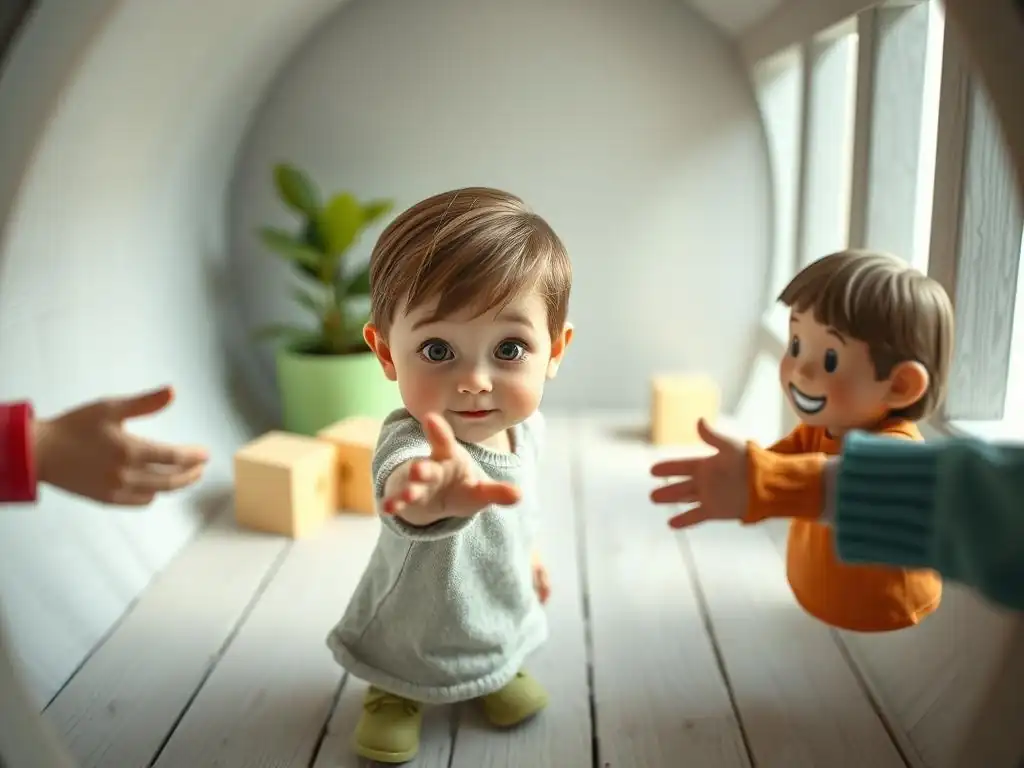
Collaborating with Educators and School Counselors
Schools are primary social environments, making collaboration with school staff essential. Share information about your child's anxiety and how it affects their social interactions with their teacher and school counselor. They can often provide invaluable support within the school setting.
Educators can help by facilitating peer interactions, pairing your child with a supportive classmate, or providing opportunities for participation in low-pressure group activities during class time. School counselors can work with your child individually or in small groups on social skills and anxiety management, providing a consistent message and support system that complements efforts at home to help anxious kids build friendships.
Parents play a crucial role in creating structured social opportunities that feel safe and manageable for anxious children. Start with one-on-one playdates in a familiar environment, like your home, where the child feels most comfortable. Allow them to choose the activity beforehand to increase their sense of control.
As they become more comfortable, gradually introduce slightly larger groups or different locations. Keep playdates relatively short initially and have a plan for how your child can take a break if they feel overwhelmed. Discuss the playdate beforehand, addressing any anxieties, and debrief afterward, focusing on positive moments. These planned opportunities provide controlled practice grounds for anxious kids building friendships.
If a child's social anxiety is significant, persistent, and interfering with their daily life and ability to form friendships, seeking professional help is advisable. Child psychologists, therapists, or counselors specializing in anxiety disorders can provide tailored support.
Cognitive Behavioral Therapy (CBT) is a particularly effective approach for social anxiety in children. It helps children identify and challenge anxious thoughts and gradually expose themselves to feared social situations in a controlled and supportive manner. Family therapy can also be beneficial, helping parents learn the best ways to support their child. Professional guidance can provide the specialized tools and support needed when anxious kids build friendships face significant barriers.
A wealth of resources exists to support both children and parents dealing with social anxiety. Numerous age-appropriate books are available that use stories and characters to explain anxiety, teach coping strategies, and illustrate social skills. Look for titles specifically designed for children or adolescents with social anxiety.
Websites from reputable mental health organizations often provide free articles, tips, and printable worksheets on managing anxiety and developing social skills. These resources can offer practical exercises and information that reinforce the strategies being used at home and school, providing continuous learning opportunities for families helping anxious kids build friendships.
Support Groups for Children with Anxiety and Their Families
Connecting with others who share similar experiences can be incredibly validating and empowering. Support groups for children with anxiety offer a safe space for kids to practice social skills with peers who understand their challenges and provide mutual encouragement.
Simultaneously, support groups for parents of anxious children allow caregivers to share strategies, challenges, and successes. Hearing from others navigating similar paths can reduce feelings of isolation and provide practical advice and emotional support. These groups foster a sense of community around the shared goal of helping anxious kids build friendships and manage their anxiety.
Online Forums for Parents Supporting Anxious Children
For parents who may not have access to in-person support groups or prefer the flexibility of online interaction, dedicated online forums and communities offer a valuable resource. These platforms allow parents to connect with others globally, ask questions, share experiences, and find advice at any time.
Engaging in these forums can provide a sense of solidarity and access to a wide range of perspectives on managing childhood anxiety and fostering social connections. While online interactions don't replace professional advice, they can be a helpful supplementary source of information and support for parents dedicated to helping anxious kids build friendships and thrive socially.
Reducing Isolation and Enhancing Mental Well-being
Successfully helping anxious kids build friendships has profound long-term benefits, primarily by combating isolation. Chronic loneliness and social isolation are significant risk factors for developing or exacerbating mental health issues like depression and anxiety disorders later in life. Having even a few close friends provides a buffer against stress and adversity.
Friendships offer emotional support, a sense of belonging, and opportunities for shared joy and experiences, all of which contribute significantly to a child's overall happiness and mental resilience. As anxious kids build friendships and experience positive social interactions, it reinforces their sense of self-worth and reduces the negative impact of anxious thoughts about social situations.
Developing Adaptability and Coping Strategies
Navigating the dynamics of friendships inherently teaches children adaptability and refines their coping strategies. Friendships involve negotiation, compromise, handling minor conflicts, and adjusting to different personalities and situations. For an anxious child, successfully managing these aspects builds confidence in their ability to handle social challenges outside the context of anxiety.
Each positive social interaction, each successfully resolved disagreement, and each moment of stepping outside their comfort zone to connect reinforces their coping skills. These experiences teach them that they can tolerate discomfort and that positive outcomes are possible, equipping them with resilience that extends beyond social situations and supports their overall development.
Promoting a Sense of Community and Acceptance
Friendships are the building blocks of a child's sense of community and acceptance beyond their family. Feeling accepted by peers is a fundamental human need that significantly impacts self-esteem and identity formation during childhood and adolescence. For anxious kids, who may feel different or flawed due to their anxiety, finding acceptance within a peer group is incredibly powerful.
Successfully helping anxious kids build friendships provides them with a vital sense of belonging. It shows them they are valued for who they are, quirks and all. This feeling of acceptance reduces the internal pressure to hide their anxiety and fosters a more authentic self. Over time, this sense of community contributes to a more secure and fulfilling life.
Frequently Asked Questions
How can I tell if my child's anxiety is affecting their ability to make friends?
Anxiety can manifest in various ways. Look for signs like excessive worry about social situations, avoidance of group activities, or difficulty initiating conversations. These behaviors can indicate anxiety is impacting their social development.
What are some practical strategies for helping my anxious child initiate conversations with other kids?
Start with role-playing different scenarios, such as introducing themselves or asking a simple question. Encourage them to focus on shared interests and practice active listening skills. This builds their confidence.
Teach them relaxation techniques, like deep breathing or mindfulness, to use when feeling anxious. Help them identify their triggers and develop coping strategies to manage those situations. Preparation is key.
What role does parental support play in helping anxious kids build friendships?
Parents can provide a safe and supportive environment where kids feel comfortable expressing their anxieties. Offer encouragement, celebrate small successes, and model healthy social interactions. Lead by example.
Where can I find additional resources and support for helping my anxious child build friendships?
Look to your child's school counselor, therapist, or pediatrician for referrals. Websites like Mind Care Guide offer valuable information and resources on mental well-being and strategies for supporting anxious children.
Final Reflection: The Enduring Power of Connection
The ability to build and maintain healthy friendships is not a luxury for anxious kids; it's a fundamental need for their emotional well-being and future success. Ignoring the social anxieties of children only serves to amplify their struggles, hindering their development and potentially leading to long-term isolation. We must actively equip them with the tools to navigate the complexities of social interaction.
The journey of fostering friendships for anxious children is a testament to the resilience of the human spirit and the profound impact of supportive relationships. It's a journey I've witnessed firsthand, both personally and professionally, and one that underscores the importance of empathy, understanding, and patience. The best and most beautiful things in the world cannot be seen or even touched - they must be felt with the heart.
– Helen Keller. This quote perfectly encapsulates the invisible yet powerful bonds that friendships forge, bonds that are especially crucial for children grappling with anxiety.
Now, I invite you to reflect on your own experiences with friendship, both as a child and as an adult. Consider how you can contribute to creating a more supportive and understanding environment for anxious children in your life. Perhaps it's offering a listening ear, suggesting helpful resources, or simply extending a hand of friendship. Remember, every act of kindness, every effort to connect, can make a world of difference in a child's journey toward building meaningful relationships. Let's work together to empower anxious kids to find their place in the world, one friendship at a time.
Thanks for taking the time to learn about helping your anxious child navigate friendships. We hope you found practical strategies to build their confidence and connection skills. Now, let's turn those insights into action!
- Prioritize one small social step: This week, focus on one achievable social goal – maybe it's initiating a conversation, joining a group activity, or simply smiling and making eye contact. Celebrate even the smallest victories!
- Share this article with other parents: Knowing you're not alone makes a world of difference. Spread the word and let's build a supportive community for anxious kids and their families.
- Explore fun, low-pressure social activities: Think library story time, a park playdate, or a casual hobby group – places where connection feels less pressured and more natural.
What small step will you take today to help your child blossom socially?