
Light Therapy Side Effects: What to Expect and How to Manage Them


Welcome to Mind Care Guide, your safe space for navigating the journey to mental well-being. Feeling unsure about light therapy? Many find it a helpful tool, but understanding potential challenges is key. This article delves into light therapy side effects management, offering practical advice and support to help you shine brightly, even on cloudy days. Intrigued? Let's explore how to minimize discomfort and maximize the benefits of light therapy together.
Light Therapy Side Effects: What to Expect and How to Manage Them - A Guide
- Introduction to Light Therapy and Potential Side Effects
- Common Light Therapy Side Effects: Identification and Understanding
- Rare but Important Light Therapy Side Effects
-
Light Therapy Side Effects Management: Practical Strategies and Tips
- Optimizing Light Therapy Device Settings for Comfort
- Adjusting Treatment Time and Intensity: Finding the Right Balance
- Maintaining Proper Distance and Angle: Minimizing Strain
- Hydration and Nutrition: Supporting Your Body During Light Therapy
- Combining Light Therapy with Other SAD Treatments: Cognitive Behavioral Therapy (CBT) and/or Medication
- When to Seek Professional Help for Light Therapy Side Effects
- Light Therapy Side Effects Prevention: Proactive Measures for a Better Experience
- Debunking Light Therapy Side Effects Myths: Separating Fact from Fiction
- Conclusion: Managing Light Therapy Side Effects for Improved Mental Well-being
-
Frequently Asked Questions
- What are the most common side effects of light therapy?
- How can I manage eye strain during light therapy sessions?
- Are there any serious side effects associated with light therapy?
- Can light therapy interact with other medications I'm taking?
- What resources are available if I'm struggling to manage light therapy side effects?
- Final Reflection: Navigating the Light, Managing the Side Effects
- Unveil Your Brighter Self: Take Control of Light Therapy
Introduction to Light Therapy and Potential Side Effects
Understanding Light Therapy for Seasonal Affective Disorder (SAD): Benefits and Considerations
Light therapy, also known as phototherapy, is a widely recognized and effective treatment for Seasonal Affective Disorder (SAD), a type of depression linked to changes in seasons, typically occurring in the fall and winter. It involves daily exposure to a special light box that mimics natural sunlight, much brighter than regular indoor lighting, usually emitting 10,000 lux.
The theory is that this bright light affects brain chemicals linked to mood and sleep, helping to reset the body's internal clock (circadian rhythm) disrupted by shorter daylight hours. Studies indicate that light therapy can significantly improve SAD symptoms for many individuals, with some research suggesting response rates ranging from 40% to 60% or even higher, often within just a week or two of consistent use.
While light therapy offers a non-pharmacological approach with notable benefits for SAD, it's crucial to approach it with an understanding of how it works and what to consider. Factors like the intensity of the light (lux), the duration of exposure (typically 20-30 minutes per day), the timing of the session (usually early morning), and the distance from the light box all play a role in its effectiveness.
Furthermore, individual sensitivity varies, meaning what works well for one person might cause discomfort or be less effective for another. This variability underscores the importance of proper usage techniques and being aware of potential reactions.
Why Knowing About Side Effects is Crucial for Light Therapy Success
Embarking on light therapy for SAD can be a positive step towards managing symptoms, but like any treatment, it can have potential side effects. Knowing what these are before you start is not about causing alarm; rather, it's a vital part of effective light therapy side effects management. Being informed allows you to anticipate potential issues, understand why they might be occurring, and implement strategies to mitigate them promptly. This proactive approach can significantly improve your experience and adherence to the treatment plan.
Understanding the common and even rare side effects empowers you to distinguish between temporary discomfort and something that might require adjustment or medical attention. For instance, a mild headache might be easily managed by increasing your distance from the light, whereas persistent or severe symptoms warrant consultation with a healthcare provider. Effective light therapy side effects management is key to staying consistent with your daily sessions, maximizing the therapeutic benefits, and ultimately finding relief from SAD symptoms without unnecessary distress. It ensures you can continue the therapy safely and comfortably.
Common Light Therapy Side Effects: Identification and Understanding
Headaches and Eyestrain: Causes and Management Strategies
Headaches and eyestrain are among the most frequently reported side effects when starting light therapy. The sudden exposure to bright, intense light, far exceeding typical indoor levels, can be a shock to the visual system and surrounding muscles. This can lead to a feeling of tension around the eyes or a mild headache, particularly during the first few sessions. Approximately 10-15% of new users might experience some degree of these symptoms initially. The intensity of the light, the distance from the source, and individual sensitivity all contribute to this.
Managing headaches and eyestrain involves simple yet effective adjustments. Ensure you are using the light box at the recommended distance for its specific lux output (often around 16-24 inches for a 10,000 lux box). Avoid staring directly into the light; position it so the light enters your peripheral vision while you engage in another activity like reading or eating.
Taking short breaks during the session or reducing the duration initially (e.g., starting with 15 minutes instead of 30) can also help your eyes adjust gradually. Staying well-hydrated throughout the day can also play a supportive role in alleviating minor headaches.
Nausea and Irritability: Addressing These Common Reactions
While less common than headaches, some individuals might experience feelings of mild nausea or increased irritability during or shortly after a light therapy session. These reactions are often transient and may be linked to the body's adjustment to the bright light stimulation, similar to how some people feel slightly off when exposed to very bright sunlight after being indoors for a long time. It might affect a smaller subset of users, perhaps around 5-10%. Starting with too long a session or too high an intensity right away could potentially exacerbate these feelings.
To address nausea and irritability, consider using the light box while you are engaged in a pleasant or distracting activity, such as having breakfast, listening to music, or working on a computer (with the light positioned correctly). Ensuring you are not using the light on an empty stomach might also help. If these symptoms persist, reducing the session duration or increasing your distance from the light box can be beneficial. Introducing light therapy gradually, starting with shorter times, is a key strategy in light therapy side effects management to minimize such reactions.
Insomnia and Sleep Disturbances: Adjusting Light Therapy Timing
Light therapy significantly impacts the body's circadian rhythm, the internal clock that regulates sleep-wake cycles. This is precisely how it helps reset the disrupted rhythm in SAD. However, using the light box at the wrong time of day can inadvertently cause insomnia or other sleep disturbances. Specifically, using bright light in the late afternoon or evening can signal to your brain that it's daytime, making it difficult to fall asleep at your usual time. This timing issue is a frequent cause of sleep problems reported by light therapy users.
For most people with SAD, the ideal time for light therapy is early in the morning, preferably within an hour of waking up. This helps reset the circadian clock to an earlier schedule, promoting wakefulness during the day and sleepiness at night. If you are experiencing difficulty falling asleep or staying asleep after starting light therapy, review your session timing. Shifting your session to earlier in the morning is the primary strategy for light therapy side effects management related to sleep. Consistency with timing each day is also important for establishing a stable sleep-wake cycle.
Agitation and Anxiety: Recognizing and Mitigating These Effects
In some individuals, the stimulating effect of bright light therapy can manifest as feelings of agitation or increased anxiety. This is not a very common side effect but can occur, particularly in those who may be predisposed to anxiety or who are highly sensitive to stimulants. The bright light can increase alertness and energy levels, which, while beneficial for combating SAD-related fatigue, can sometimes feel overwhelming or restless.
If you notice increased agitation or anxiety during or after your light therapy sessions, consider reducing the duration of your sessions. For example, if you are using a 10,000 lux box for 30 minutes, try reducing it to 20 or even 15 minutes. Ensure the environment is calm and relaxing during your session, avoiding stressful activities.
Using the light therapy at a consistent time each morning can also help your body adjust more smoothly. Discussing these feelings with your doctor or therapist is important, as they can help determine if adjustments to your light therapy or other aspects of your treatment plan are needed for effective light therapy side effects management.
Rare but Important Light Therapy Side Effects
Hypomania or Mania: Understanding the Risk and Taking Precautions
A more serious, though rare, side effect of light therapy is the induction of hypomania or mania, particularly in individuals with bipolar disorder or those with a family history of the condition. Bipolar disorder involves significant mood swings, including periods of elevated mood (mania or hypomania) and periods of depression. Light therapy, like antidepressant medications, can potentially trigger a switch from a depressive state to a manic or hypomanic state in susceptible individuals. This risk is generally considered low but significant enough to warrant caution.
It is absolutely crucial for anyone considering light therapy to inform their doctor or mental health professional about their personal or family history of bipolar disorder. Screening for bipolar disorder is recommended before initiating light therapy for SAD.
If you have bipolar disorder, light therapy may still be an option, but it should only be used under the close supervision of a healthcare provider who can monitor for signs of mood elevation. Recognizing the early warning signs of hypomania or mania (e.g., decreased need for sleep, increased energy, racing thoughts, impulsivity) is a critical part of responsible light therapy side effects management for individuals at risk.
Skin Reactions and Sensitivity: Protecting Your Skin During Light Therapy
While light boxes designed for SAD primarily emit light for ocular exposure and reputable devices filter out most or all ultraviolet (UV) radiation, there is still a theoretical risk of skin reactions or increased sensitivity for some individuals. This is particularly true for people with photosensitive skin conditions like lupus or those taking medications that make the skin more sensitive to light (e.g., certain antibiotics, antipsychotics, or psoriasis treatments). Direct exposure of the skin to the light box is generally not intended or necessary for SAD treatment.
To minimize any potential risk of skin sensitivity, ensure you are using a light box specifically designed for SAD that is certified to filter out harmful UV rays. Check the product specifications carefully. Position the light box correctly so that the light is directed towards your eyes but not directly onto your skin for extended periods.
If you have a known photosensitive condition or are taking photosensitizing medication, discuss the use of light therapy with your dermatologist or prescribing doctor beforehand. They can advise on precautions or whether light therapy is appropriate for you, which is a key aspect of managing potential light therapy side effects.
Visual Disturbances: When to Seek Professional Help
While mild eyestrain is common, more significant or persistent visual disturbances are rare but important potential side effects of light therapy. These could include blurred vision, changes in color perception, increased floaters (small spots or lines that drift across your field of vision), or other unusual visual phenomena. Although infrequent, any new or worsening visual symptoms should not be ignored.
If you experience significant or persistent changes in your vision while using light therapy, stop using the device immediately and consult an ophthalmologist or your primary care physician. It's essential to rule out any underlying eye conditions or determine if the light therapy is contributing to the issue. While rare, addressing such concerns promptly is a crucial part of light therapy side effects management to protect your eye health. Do not assume that significant visual changes are just typical side effects that will resolve on their own.
Light Therapy Side Effects Management: Practical Strategies and Tips

Optimizing Light Therapy Device Settings for Comfort
Properly setting up and using your light therapy device is fundamental to minimizing potential side effects. Most light boxes recommended for SAD provide 10,000 lux of illumination. However, the actual lux level reaching your eyes depends significantly on your distance from the light source.
For instance, a device rated at 10,000 lux at 20 inches will provide much less intensity if you sit 30 inches away. Starting at the maximum recommended distance for your device's lux output and gradually moving closer over time can help your eyes and body adjust to the brightness, reducing the likelihood of initial side effects like headaches or eyestrain.
Additionally, some light boxes offer adjustable brightness settings. If yours does, starting with a lower intensity and gradually increasing it over several days can be a gentle way to introduce the therapy. The angle of the light also matters; position the light box so the light enters your peripheral vision without requiring you to stare directly into it. Finding the optimal distance, angle, and potentially brightness setting for your individual comfort is a core component of effective light therapy side effects management. Experimentation within the device's guidelines is often necessary.
Adjusting Treatment Time and Intensity: Finding the Right Balance
The standard recommendation for light therapy is typically 30 minutes per day at 10,000 lux. However, this is a guideline, not a strict rule for everyone. If you are experiencing side effects, adjusting either the duration or the effective intensity (by changing distance) can often make a significant difference. For example, if 30 minutes at 10,000 lux is causing headaches, try reducing your session to 15 or 20 minutes initially.
Alternatively, if your device provides 10,000 lux at 20 inches, increasing your distance to 24 inches will reduce the intensity reaching your eyes, effectively lowering the "dose" of light. You might need to increase the session duration slightly to compensate, but starting with a lower intensity exposure can be less jarring. Finding the minimum effective dose that provides symptom relief with minimal side effects is the goal. This iterative process of adjusting time and intensity based on your body's reaction is central to personalized light therapy side effects management.
Maintaining Proper Distance and Angle: Minimizing Strain
As mentioned, distance is key to light intensity. A light box rated at 10,000 lux will only deliver that intensity at a specific, relatively close distance, usually specified in the user manual (commonly between 16 to 24 inches). Sitting too far away reduces effectiveness, while sitting too close might increase the risk of eyestrain or headaches due to excessive brightness. Always refer to your specific device's instructions for the recommended distance for 10,000 lux.
Beyond distance, the angle of the light box matters. Position it so the light is to your side or slightly in front of you, entering your peripheral vision. You should be able to comfortably engage in activities like reading or working without having to stare directly into the light. This indirect exposure is sufficient for the light to reach the photoreceptors in your eyes that affect circadian rhythms and mood, while minimizing direct glare and potential strain on the eyes. Correct positioning is a fundamental aspect of preventing discomfort and ensuring effective light therapy side effects management.
Hydration and Nutrition: Supporting Your Body During Light Therapy
While not directly linked to the mechanism of light therapy itself, maintaining overall physical well-being can indirectly help manage minor side effects like headaches or mild nausea. Dehydration is a common cause of headaches, so ensuring you are adequately hydrated, especially during and after your light therapy session, can be beneficial. Keep a glass of water nearby during your session.
Similarly, using light therapy on an empty stomach might contribute to feelings of nausea in some individuals. Scheduling your session during breakfast or while having a light snack can help alleviate this. Ensuring you are eating balanced meals throughout the day supports overall bodily functions and can help your system adjust more smoothly to the therapy. While these are general health tips, they contribute to a comfortable light therapy experience and support comprehensive light therapy side effects management.
Combining Light Therapy with Other SAD Treatments: Cognitive Behavioral Therapy (CBT) and/or Medication
Light therapy is often most effective as part of a comprehensive treatment plan for SAD, which may include other modalities like Cognitive Behavioral Therapy (CBT) for SAD or antidepressant medication. When combining treatments, managing potential side effects requires a holistic approach. For example, if you are taking medication that causes photosensitivity, this needs to be considered when using light therapy.
Combining light therapy with CBT-SAD, a therapy specifically adapted for seasonal depression, has shown promising results in some studies, sometimes leading to more sustained improvement than light therapy alone. If medication is part of your treatment, discuss any side effects from either the medication or the light therapy with your prescribing doctor. They can help determine if symptom overlap is occurring or if adjustments to either treatment are necessary. Coordinating care across different treatments is essential for effective light therapy side effects management and overall symptom relief.
When to Seek Professional Help for Light Therapy Side Effects
Recognizing Warning Signs and Symptoms
While most light therapy side effects are mild and transient, certain symptoms warrant immediate professional medical attention. These include:
- Severe or persistent headaches that do not improve with adjustments to therapy or over-the-counter pain relievers.
- Significant or sudden changes in vision, such as blurred vision, loss of vision, increased floaters, or changes in color perception.
- Symptoms suggestive of hypomania or mania, including a decreased need for sleep (e.g., needing only a few hours of sleep to feel rested), increased energy levels, racing thoughts, impulsive behavior, grandiosity, or irritability.
- Severe skin reactions in the area exposed to light.
- Any other symptom that is severe, persistent, significantly disruptive, or causes you concern.
Consulting Your Doctor or Mental Health Professional
Your doctor or mental health professional is your primary resource for managing light therapy side effects. Do not hesitate to contact them if you experience any side effects, even if they seem minor but are bothersome or persistent. They can help you determine if the side effect is likely related to the light therapy, suggest adjustments to your treatment plan (like changing duration, intensity, or timing), or rule out other potential causes for your symptoms.
Open communication with your healthcare provider about your experience with light therapy is crucial for its success and safety. They can provide personalized advice based on your medical history, other medications you are taking, and your specific response to the therapy. This professional guidance is an indispensable part of effective light therapy side effects management.
Alternative Treatments for SAD if Light Therapy is Not Tolerated
If, despite making adjustments, light therapy side effects are severe, persistent, or significantly impact your quality of life, it may not be the right treatment for you. In such cases, your doctor or mental health professional can discuss alternative or complementary treatments for SAD.
These alternatives may include psychotherapy, such as Cognitive Behavioral Therapy (CBT) specifically adapted for SAD, which helps you identify and change negative thought patterns and behaviors associated with the seasonal changes. Antidepressant medications, particularly selective serotonin reuptake inhibitors (SSRIs), are also a common and effective treatment option for SAD.
Lifestyle changes, such as increasing outdoor activity during daylight hours, regular exercise, and maintaining a healthy diet, can also play a supportive role in managing SAD symptoms. Your provider can help you explore these options to find the most suitable approach for your needs if light therapy side effects prove unmanageable.
Light Therapy Side Effects Prevention: Proactive Measures for a Better Experience
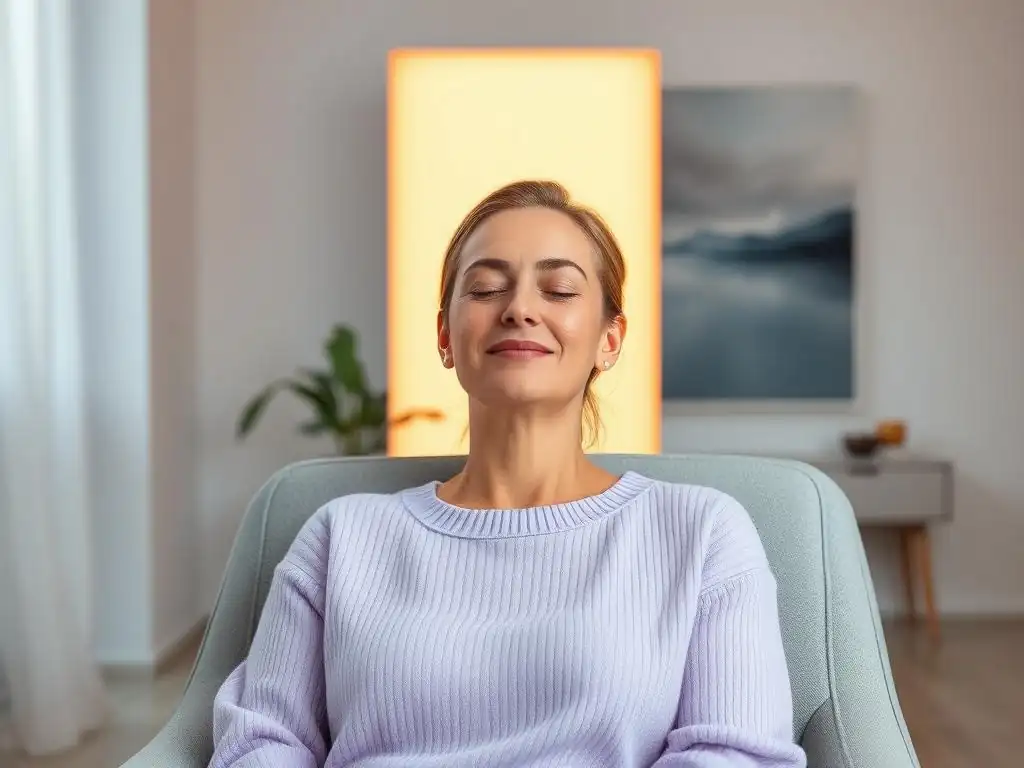
Gradual Introduction to Light Therapy: A Step-by-Step Approach
One of the most effective strategies for preventing initial light therapy side effects is to introduce the treatment gradually. Instead of starting with the full recommended duration (e.g., 30 minutes at 10,000 lux) on day one, begin with shorter sessions. For example, start with just 10 to 15 minutes per day for the first few days. This allows your body and eyes to adjust to the bright light exposure more gently.
If you tolerate the shorter sessions well, gradually increase the duration by 5 minutes every few days until you reach the target time recommended for your device and condition, usually 20-30 minutes. This step-by-step approach minimizes the initial shock to your system and significantly reduces the likelihood of experiencing headaches, eyestrain, or other discomforts. This proactive gradual introduction is a cornerstone of effective light therapy side effects management.
Choosing the Right Light Therapy Device: Features and Certifications
Not all light therapy devices are created equal. To maximize effectiveness and minimize the risk of side effects, it's essential to choose a high-quality device specifically designed for treating SAD. Look for devices that provide a tested intensity of 10,000 lux at the recommended treatment distance. This intensity level is supported by research for SAD treatment.
Crucially, ensure the device is certified to filter out harmful ultraviolet (UV) radiation. While the therapeutic effects come from the visible light spectrum, UV rays can be damaging to the eyes and skin. Reputable light boxes for SAD will explicitly state that they filter out UV. Choosing a device with appropriate certifications (e.g., meeting medical device standards in your region) provides assurance of its quality, safety features, and effectiveness, which is a fundamental step in preventing issues and ensuring good light therapy side effects management.
Creating a Comfortable and Relaxing Environment
Your surroundings during your light therapy session can influence your experience. Using the light box in a comfortable, quiet, and relaxing environment can make the daily treatment more pleasant and potentially reduce feelings of agitation or irritability. Set up your light box in a space where you can sit comfortably and engage in a calm activity like reading, listening to a podcast, knitting, or enjoying a quiet breakfast.
Avoid using the light box in a rushed or stressful setting. Ensure the room is adequately ventilated. Making the light therapy session a regular, enjoyable part of your morning routine can improve adherence and overall well-being. A calm setting contributes to a positive experience and supports your efforts in light therapy side effects management.
Debunking Light Therapy Side Effects Myths: Separating Fact from Fiction
Myth: Light Therapy Always Causes Side Effects
Fact: This is a common misconception. While light therapy can cause side effects, many users experience few or none at all. When side effects do occur, they are most often mild and temporary, such as a slight headache or eyestrain during the first few sessions. Significant or severe side effects are rare. The majority of individuals tolerate light therapy well, especially when starting gradually and using a high-quality device correctly. Effective light therapy side effects management strategies further reduce the likelihood and severity of reactions.
Myth: Side Effects are a Sign of Light Therapy Not Working
Fact: Experiencing mild, temporary side effects like initial headaches or slight nausea does not mean the light therapy is ineffective. Often, these symptoms are simply a sign that your body is adjusting to the new stimulus of bright light exposure. They typically resolve within a few days or with minor adjustments to the treatment parameters (distance, duration, timing).
The presence of these initial reactions is not an indicator of whether or not the therapy will ultimately be successful in lifting your mood and regulating your sleep patterns. Patience and proper light therapy side effects management are key during the adjustment period.
Myth: All Light Therapy Devices are the Same
Fact: This is absolutely false and a potentially harmful myth. There is a significant difference between light therapy devices designed for SAD and regular lamps or even some decorative "happy lights." Effective SAD light boxes provide a specific intensity of 10,000 lux at a recommended distance and, critically, filter out harmful UV rays.
Devices not designed for SAD may not provide sufficient intensity, may emit harmful UV radiation, or may not have been tested for safety and effectiveness. Using a substandard device can not only be ineffective but also increase the risk of eye or skin damage and lead to unnecessary side effects. Choosing a certified 10,000 lux, UV-filtered light box is essential for safe and effective treatment and is a foundational step in light therapy side effects management.
Conclusion: Managing Light Therapy Side Effects for Improved Mental Well-being
Key Takeaways on Light Therapy Side Effects and Their Management
Light therapy is a powerful tool for combating Seasonal Affective Disorder, offering a non-pharmacological way to improve mood and regulate sleep. While generally safe and well-tolerated, being aware of potential side effects is key to a positive experience. Common side effects like headaches, eyestrain, mild nausea, irritability, and sleep disturbances are often temporary and manageable through simple adjustments to how you use the light box, including optimizing distance, duration, and timing. Rare but important side effects such as hypomania or visual disturbances require careful consideration and professional guidance, particularly for individuals with specific health histories.
Effective light therapy side effects management involves proactive measures like choosing a high-quality, certified device, introducing the therapy gradually, and creating a comfortable treatment environment. It also means knowing when to seek professional help for persistent or concerning symptoms. Maintaining open communication with your doctor or mental health professional ensures that light therapy is integrated safely and effectively into your overall SAD treatment plan, which may also include therapy or medication.
Empowering You to Use Light Therapy Safely and Effectively for SAD Relief
Understanding the potential side effects of light therapy and, more importantly, knowing how to manage them empowers you to take control of your SAD treatment journey. By being informed, you can minimize discomfort, increase adherence to your daily sessions, and maximize the therapeutic benefits of light therapy. Remember that light therapy is a proven treatment for SAD, and for most people, the benefits significantly outweigh the potential risks, especially when used correctly and under appropriate guidance.
Armed with knowledge about light therapy side effects management, you can approach this treatment with confidence, knowing that you are prepared to handle potential issues and work towards finding relief from seasonal depression. If light therapy proves challenging despite adjustments, remember that other effective treatments for SAD are available, and your healthcare provider can help you explore the best path forward for your mental well-being. Your journey towards managing SAD is unique, and informed choices about your treatment are a powerful step.
Frequently Asked Questions
What are the most common side effects of light therapy?
The most common side effects include eye strain, headaches, and nausea. These are usually mild and temporary, resolving on their own.
How can I manage eye strain during light therapy sessions?
You can manage eye strain by taking frequent breaks during your sessions. Also, ensure you're not looking directly at the light and maintain a comfortable distance.
Are there any serious side effects associated with light therapy?
Serious side effects are rare, but can include mania in individuals with bipolar disorder or skin irritation. If you experience any concerning symptoms, stop treatment and consult your doctor.
Can light therapy interact with other medications I'm taking?
Yes, certain medications can increase your sensitivity to light, potentially worsening side effects. It's crucial to discuss all medications with your doctor before starting light therapy to avoid adverse interactions.
What resources are available if I'm struggling to manage light therapy side effects?
Mind Care Guide offers resources such as articles, support forums, and links to mental health professionals to help you manage side effects and optimize your light therapy experience.
The increasing popularity of light therapy for seasonal affective disorder and other conditions necessitates a thorough understanding of its potential side effects. Ignoring these potential drawbacks can lead to ineffective treatment or even exacerbate existing issues, highlighting the critical need for informed patient participation in managing therapy.
Light therapy's impact extends beyond the immediate relief it offers; it underscores the complex interplay between our internal biological rhythms and external environmental factors. The very act of harnessing the power of light to influence our mood and well-being is a testament to our growing understanding of the human body. The body is a temple. Keep it pure and clean for the soul to reside in.
This quote, while not directly about light therapy, speaks to the holistic approach necessary when considering any form of treatment, including the careful management of potential side effects. We must treat our bodies with respect and attention, acknowledging both the benefits and challenges of therapeutic interventions.
You, the reader, are now equipped with a deeper understanding of light therapy's potential side effects and strategies for mitigating them. Consider this information not as a deterrent, but as a tool to empower you to engage with light therapy safely and effectively. Take control of your treatment plan by actively communicating with your healthcare provider, meticulously tracking your progress, and prioritizing your well-being. By doing so, you can harness the transformative power of light therapy while minimizing any discomfort or negative consequences.
Unveil Your Brighter Self: Take Control of Light Therapy
Thanks for taking the time to learn about light therapy and its potential side effects! We hope this guide has empowered you with the knowledge to approach this treatment confidently. Now it's time to put that knowledge into action.
- Prioritize your well-being: Carefully monitor yourself for any side effects and adjust your light therapy sessions as needed, consulting your doctor if any concerns arise. This is the most important step to ensure a safe and effective experience.
- Share your journey: Connect with others online or in your support network. Discuss your experiences and learn from others' journeys with light therapy. It can be surprisingly helpful to share your progress and challenges!
- Explore complementary practices: Consider incorporating relaxation techniques, like mindfulness or gentle exercise, into your routine to further enhance the benefits of light therapy and manage potential side effects.
Ready to embark on a brighter, healthier you? What small step will you take today to prioritize your well-being and manage any potential light therapy side effects?