
The Amygdala's Role in Mood: How Brain Regions Affect Emotion

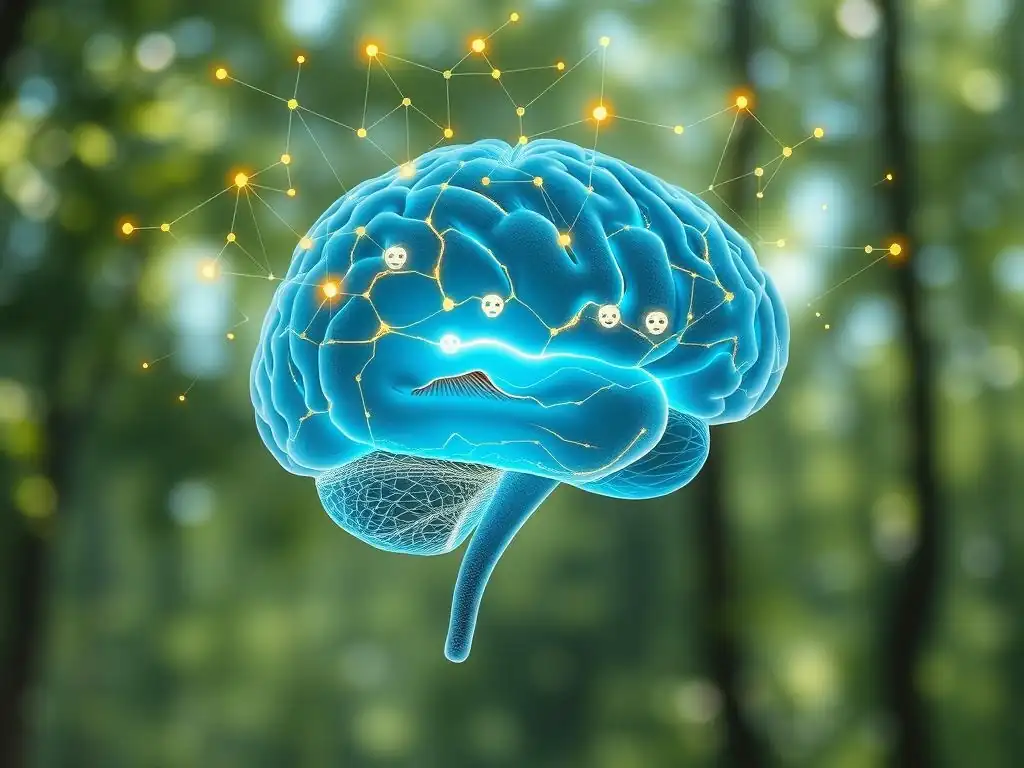
Welcome to Mind Care Guide, your sanctuary for cultivating inner peace and understanding your mental landscape.
Feeling overwhelmed by your emotions? You're not alone. This journey begins with understanding amygdala mood regulation techniques. Delve into how this crucial brain region influences your emotional responses and discover actionable strategies to regain control and foster a more balanced emotional state. Are you ready to unlock the secrets to a calmer, more resilient you?
The Amygdala's Role in Mood: How Brain Regions Affect Emotion
- Introduction to the Amygdala and Mood Regulation
- The Amygdala: An Emotional Control Center in the Brain
- Amygdala's Role in Processing Different Emotions
- The Amygdala and Mood Disorders: A Closer Look
- Therapeutic Approaches for Amygdala Modulation
- Pharmaceutical Interventions and the Amygdala
- Lifestyle Factors Influencing Amygdala Function and Mood
- Practical Techniques for Amygdala Regulation
- Future Directions in Amygdala Research and Mood Disorder Treatment
- Conclusion: Empowering Emotional Wellbeing Through Understanding the Amygdala
-
Frequently Asked Questions
- What is the amygdala, and what is its primary function in relation to mood?
- How does the amygdala influence mood regulation?
- What are some amygdala mood regulation techniques described in the "Mind Care Guide"?
- Can damage to the amygdala affect a person's ability to regulate their mood?
- How can understanding the amygdala's role in mood help improve mental well-being?
- Final Reflection: Unlocking the Amygdala's Power: Towards Emotional Mastery
- Unleash Your Emotional Intelligence: Take Control of Your Mood
Introduction to the Amygdala and Mood Regulation
Overview of the Amygdala's Function in Emotional Processing
The amygdala, a small, almond-shaped cluster of nuclei located deep within the temporal lobes of the brain, plays a pivotal role in processing emotions, particularly fear and threat detection. It acts as our brain's alarm system, constantly scanning the environment for potential dangers and triggering rapid responses. This processing is often unconscious and incredibly fast, allowing us to react to threats before we are even fully aware of them. The amygdala receives sensory information directly from the thalamus, enabling this quick, 'low road' processing pathway, as well as more detailed information from the cortex via the 'high road'.
Beyond its well-known role in fear, the amygdala is also involved in processing other emotions, including anger, pleasure, and even positive emotions associated with reward. It contributes to emotional learning, helping us form associations between stimuli and emotional responses. For instance, if a certain place or situation is repeatedly linked with a stressful event, the amygdala can become conditioned to trigger a fear response whenever that place or situation is encountered, even years later. This complex processing and learning capacity underscores its central importance in our emotional lives and overall mental state.
Importance of Understanding Amygdala Regulation for Mental Wellbeing
Understanding how the amygdala functions and how its activity can be regulated is crucial for improving mental wellbeing, especially for individuals grappling with mood and anxiety disorders. Dysregulation of the amygdala is strongly implicated in conditions like generalized anxiety disorder, panic disorder, post-traumatic stress disorder (PTSD), and depression. In many of these cases, the amygdala may be hyperactive, leading to an exaggerated or persistent fear response to non-threatening stimuli, or it may show altered connectivity with other brain regions critical for emotional control.
Developing effective techniques for regulating amygdala activity can significantly reduce the intensity and frequency of negative emotional experiences. By learning strategies to soothe an overactive amygdala or strengthen its connections with areas like the prefrontal cortex responsible for rational thought and emotional modulation, individuals can gain greater control over their emotional responses. This process, often referred to as understanding amygdala mood regulation techniques, offers a pathway towards reducing distress, building resilience, and fostering a more stable and positive emotional life.
The Amygdala: An Emotional Control Center in the Brain
Location and Basic Anatomy of the Amygdala
The amygdala is situated deep within the medial temporal lobe, nestled near the hippocampus. In humans, there are two amygdalae, one in each hemisphere of the brain. Each amygdala is not a single, uniform structure but is composed of several distinct sub-nuclei, often grouped into three main divisions: the basolateral complex, the centromedial complex, and the cortical nucleus. These sub-nuclei have different functions and connectivity patterns, contributing to the multifaceted role of the amygdala in emotional processing.
The basolateral complex, for example, is a primary recipient of sensory information and is heavily involved in associating stimuli with emotional outcomes, particularly fear conditioning. The centromedial complex, on the other hand, serves as the main output region for triggering fear responses, connecting to areas like the hypothalamus and brainstem to initiate physiological reactions such as increased heart rate, freezing behavior, or the release of stress hormones. The intricate organization of these nuclei allows the amygdala to process complex emotional information and orchestrate appropriate behavioral and physiological responses.
Key Connections: The Amygdala's Network with Other Brain Regions
The amygdala does not operate in isolation; its influence on mood and behavior stems from its extensive network of connections with numerous other brain regions. These connections facilitate the rapid processing of emotional stimuli and the generation of integrated responses. Understanding this network is key to understanding amygdala mood regulation.
Interaction with the Prefrontal Cortex
One of the most critical connections for emotional regulation is between the amygdala and the prefrontal cortex (PFC), particularly the medial and ventromedial PFC. The PFC is involved in higher-level cognitive functions such as decision-making, planning, and inhibiting inappropriate behaviors. The PFC can exert top-down control over amygdala activity, helping to modulate or dampen emotional responses, especially fear and anxiety.
For instance, when you rationally assess a situation and determine it's not truly dangerous, your PFC is likely sending inhibitory signals to your amygdala. Conversely, reduced connectivity or function in these PFC regions is often observed in individuals with anxiety disorders or depression, potentially contributing to an overactive amygdala and impaired emotional control.
Relationship with the Hippocampus
The hippocampus, located adjacent to the amygdala in the temporal lobe, is primarily known for its role in forming and retrieving explicit memories, particularly those related to events and places (episodic and spatial memory). The amygdala and hippocampus share strong reciprocal connections. This partnership is vital for creating emotional memories – remembering where and when an emotional event occurred, and associating specific contexts with emotional feelings.
For example, the memory of a traumatic event stored in the hippocampus can be emotionally charged by the amygdala, leading to fear or anxiety responses when cues related to that memory are encountered. Dysfunction in this hippocampal-amygdala circuit is central to conditions like PTSD, where traumatic memories trigger intense fear responses.
Amygdala's Role in Processing Different Emotions
Fear and Anxiety: The Amygdala's Primary Role
The amygdala's most well-documented function is its central role in the processing and experience of fear and anxiety. It acts as a rapid threat detection system, instantly evaluating sensory information for potential danger. Upon detecting a perceived threat, the amygdala triggers the "fight or flight" response by activating the sympathetic nervous system and the hypothalamic-pituitary-adrenal (HPA) axis, leading to physiological changes like increased heart rate, adrenaline release, and heightened vigilance. This response is adaptive in genuinely dangerous situations, preparing the body to confront or escape the threat.
However, in anxiety disorders, this system can become hypersensitive or dysregulated. The amygdala may react strongly to non-threatening stimuli, or the fear response may persist long after a threat has passed. Research using fMRI has consistently shown increased amygdala activity in individuals with phobias, panic disorder, and generalized anxiety disorder when exposed to fear-inducing cues or even ambiguous stimuli.
For example, studies have shown that viewing fearful faces elicits significantly stronger amygdala responses in individuals with social anxiety compared to healthy controls. This heightened reactivity contributes directly to the pervasive worry, panic attacks, and avoidance behaviors characteristic of these conditions.
Amygdala Involvement in Processing Positive Emotions and Reward
While often highlighted for its role in fear, the amygdala is also involved in processing positive emotions, reward, and pleasure. It is connected to brain regions associated with the brain's reward pathway, such as the ventral striatum and the prefrontal cortex. The amygdala plays a part in learning which stimuli are associated with positive outcomes and motivating behavior to seek those rewards. For instance, it contributes to the emotional significance we attach to positive experiences and helps reinforce behaviors that lead to pleasure or satisfaction.
Studies have shown that the amygdala responds to positive stimuli, such as images of happy faces or cues predicting a monetary reward. While the response pattern might differ from that elicited by fear, its involvement indicates a broader role in emotional valence processing. Dysfunction in this aspect of amygdala function might contribute to disorders characterized by a reduced ability to experience pleasure (anhedonia), a common symptom in depression. Understanding amygdala mood regulation techniques involves recognizing its role in both negative and positive emotional processing.
Modulation of Aggression by the Amygdala
The amygdala also plays a complex role in aggressive behavior. Stimulation of certain areas within the amygdala can induce aggressive responses in animals, while lesions can reduce aggression. In humans, the amygdala is involved in processing social threats and evaluating potential provocations, which can contribute to aggressive impulses. However, aggression is not solely controlled by the amygdala; it is modulated by interactions with other brain areas, particularly the prefrontal cortex, which can inhibit aggressive urges.
Dysfunction in the amygdala or its connections to the PFC can be associated with increased impulsivity and aggression. For instance, some studies have observed structural or functional differences in the amygdala in individuals with conduct disorder or those who exhibit impulsive violence. The relationship is intricate, as social context, learned behaviors, and the influence of other brain systems significantly impact whether amygdala activation related to perceived threat translates into overt aggression.
The Amygdala and Mood Disorders: A Closer Look
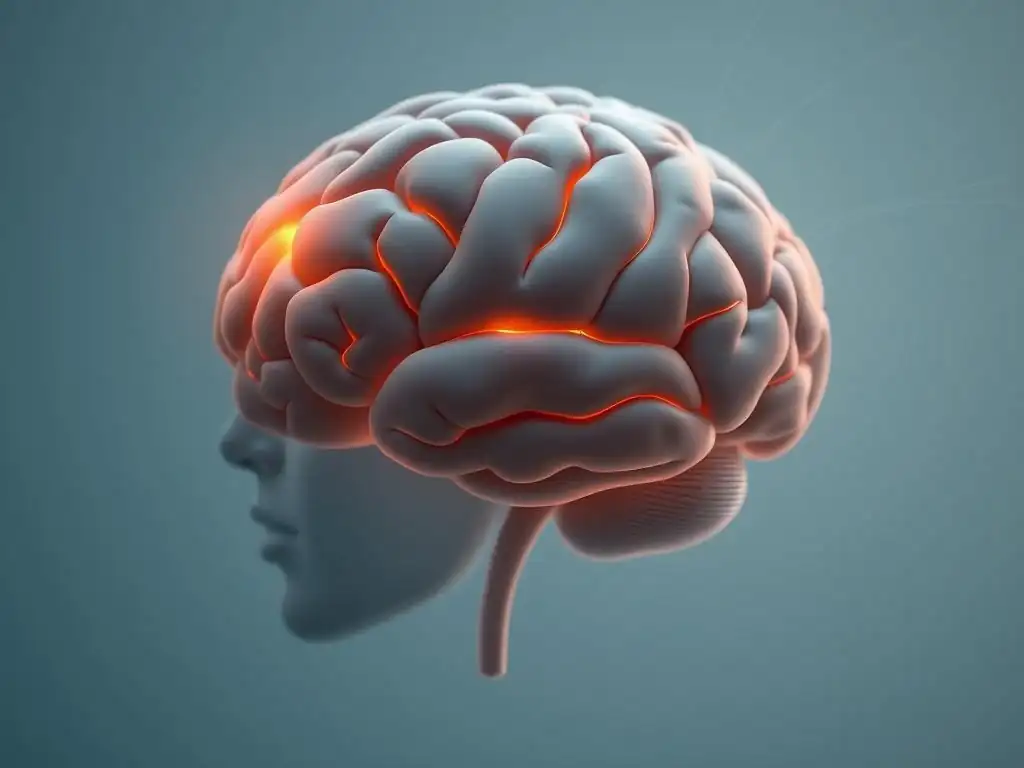
Amygdala Dysfunction in Depression: Hyperactivity and Hypoactivity
The relationship between the amygdala and depression is complex, often involving altered activity and connectivity. While some studies report hyperactivity in the amygdala of individuals with depression, particularly when processing negative emotional stimuli, suggesting an increased sensitivity to negative experiences, others find hypoactivity in certain contexts or sub-regions. For example, during periods of acute depression, the amygdala might show exaggerated responses to sad or fearful faces. This persistent over-responsiveness could contribute to the pervasive negative mood, rumination, and heightened sensitivity to stress characteristic of depression.
Conversely, some research suggests that in certain forms of depression or in response to positive stimuli, the amygdala might show reduced activity, potentially contributing to anhedonia—the inability to experience pleasure. Furthermore, connectivity between the amygdala and regulatory regions like the ventromedial prefrontal cortex is often reduced in depression, impairing the brain's ability to dampen negative emotional signals. Effective understanding amygdala mood regulation techniques for depression often involves strategies aimed at normalizing this altered activity and connectivity.
The amygdala is arguably most strongly implicated in the pathophysiology of anxiety disorders. In panic disorder, heightened amygdala sensitivity may contribute to the sudden, intense fear responses that characterize panic attacks, potentially triggered by internal bodily sensations perceived as threatening. Individuals with PTSD often exhibit persistent amygdala hyperactivity and impaired regulation by the PFC when recalling traumatic memories or encountering trauma-related cues, leading to intrusive thoughts, flashbacks, and hypervigilance. For instance, studies have shown that veterans with PTSD display significantly greater amygdala activation when listening to combat sounds compared to those without PTSD.
In social anxiety disorder, the amygdala shows exaggerated responses to social evaluative situations, such as public speaking or interacting with strangers. Research indicates that individuals with social anxiety exhibit increased amygdala activation when viewing non-threatening faces, particularly those perceived as critical or even neutral, suggesting a lower threshold for perceiving social threat. These examples highlight how amygdala dysfunction, often involving excessive or persistent activation, underpins the core symptoms across various anxiety disorders.
The Amygdala and Bipolar Disorder: Shifts in Emotional Processing
Bipolar disorder is characterized by significant mood swings, from periods of elevated mood or mania/hypomania to periods of depression. Research suggests that the amygdala plays a role in these dramatic shifts in emotional processing. During manic episodes, the amygdala may show increased activity, contributing to heightened emotional reactivity, impulsivity, and risk-taking behavior. Studies have found that individuals in a manic state exhibit greater amygdala responses to emotional stimuli compared to when they are euthymic (stable mood).
Conversely, during depressive episodes in bipolar disorder, amygdala activity patterns may resemble those seen in major depressive disorder, with altered responses to negative and positive stimuli. Furthermore, studies point towards altered connectivity between the amygdala and other mood-regulating regions, such as the prefrontal cortex and striatum, that may contribute to the instability of mood states in bipolar disorder. Understanding amygdala mood regulation in this context involves addressing these dynamic changes in neural activity across different mood phases.
Therapeutic Approaches for Amygdala Modulation
Cognitive Behavioral Therapy (CBT) and Amygdala Modulation
Cognitive Behavioral Therapy (CBT) is a widely used psychotherapy that has demonstrated effectiveness in treating mood and anxiety disorders. One of the ways CBT is thought to work is by influencing brain activity, including modulating the amygdala. CBT helps individuals identify and challenge negative thought patterns and develop more adaptive coping behaviors. By teaching skills like cognitive restructuring (re-evaluating threatening thoughts) and exposure (gradually confronting feared situations), CBT helps to reduce the perceived threat level associated with certain stimuli.
Neuroimaging studies have provided evidence for the neural mechanisms underlying CBT's success, showing changes in amygdala activity and connectivity following treatment. For example, studies in individuals with anxiety disorders have found that successful CBT is associated with decreased amygdala responses to feared stimuli and increased activity or connectivity in prefrontal regions involved in emotional regulation. This suggests that CBT helps strengthen the top-down control of the prefrontal cortex over the amygdala, effectively retraining the brain's emotional alarm system.
Mindfulness and Meditation Practices for Calming the Amygdala
Mindfulness and meditation practices are gaining increasing recognition as effective strategies for enhancing emotional regulation and reducing stress. These practices typically involve focusing attention on the present moment without judgment, cultivating awareness of thoughts, feelings, and bodily sensations. Regular mindfulness practice is believed to impact brain structures and functions involved in emotional processing, including the amygdala.
Research indicates that consistent meditation practice can lead to structural changes, such as decreased gray matter density in the amygdala, and functional changes, such as reduced amygdala reactivity to emotional stimuli. For example, studies have shown that experienced meditators exhibit less amygdala activation when viewing disturbing images compared to non-meditators. By fostering non-reactive awareness and promoting a shift in attention away from threat cues, mindfulness helps to dampen the automatic fear response initiated by the amygdala, offering practical understanding amygdala mood regulation techniques.
Neurofeedback: Training the Brain for Emotional Control
Neurofeedback is a type of biofeedback that trains individuals to alter their brainwave activity or activity in specific brain regions in real-time. Using techniques like fMRI neurofeedback, individuals can be shown the activity level of their own amygdala and receive feedback (e.g., a visual display that changes color or size) that allows them to learn to increase or decrease its activity. The goal is to gain conscious control over neural processes that are typically unconscious.
Studies exploring fMRI neurofeedback targeting the amygdala have shown promising results in individuals with depression and anxiety. Participants learn to voluntarily downregulate their amygdala activity, which has been associated with improvements in mood symptoms and reduced emotional reactivity. While still a relatively new therapeutic approach compared to CBT or medication, neurofeedback offers a direct way to train the brain for better emotional control by targeting specific brain regions involved in understanding amygdala mood regulation.
Pharmaceutical Interventions and the Amygdala
Selective Serotonin Reuptake Inhibitors (SSRIs) and Amygdala Activity
Selective Serotonin Reuptake Inhibitors (SSRIs) are a class of antidepressants widely prescribed for both depression and anxiety disorders. While their primary mechanism involves increasing serotonin levels in the brain, their therapeutic effects are thought to involve changes in activity across various brain regions, including the amygdala. Studies have shown that chronic treatment with SSRIs can reduce the reactivity of the amygdala to fearful or negative emotional stimuli.
This blunting of the amygdala's response may contribute to the reduction in anxiety, worry, and heightened stress sensitivity experienced by individuals taking SSRIs. For instance, fMRI studies show decreased amygdala activation in response to fearful faces after several weeks of SSRI treatment. While the precise interaction is complex and involves other neurotransmitter systems and brain areas, the modulation of amygdala activity is considered a key component of how SSRIs exert their therapeutic effects on mood and anxiety.
Benzodiazepines and their Effect on Amygdala Function
Benzodiazepines, such as alprazolam (Xanax) or lorazepam (Ativan), are a class of medications often prescribed for acute anxiety or panic attacks. They exert their effects by enhancing the activity of gamma-aminobutyric acid (GABA), the brain's primary inhibitory neurotransmitter. The amygdala has a high concentration of GABA receptors, and increasing GABAergic transmission effectively dampens neuronal activity in this region.
This inhibitory effect on the amygdala leads to a rapid reduction in fear and anxiety responses. Benzodiazepines can quickly suppress an overactive amygdala, providing relief from intense anxiety or panic symptoms. However, due to the risk of dependence and withdrawal, they are typically prescribed for short-term use or for managing acute episodes, rather than as a long-term solution for amygdala mood regulation.
Beta-Blockers for Anxiety and Amygdala Response
Beta-blockers, medications primarily used to treat cardiovascular conditions like high blood pressure, are sometimes prescribed off-label to manage the physical symptoms of anxiety, such as rapid heart rate, trembling, and sweating. While they primarily block the effects of adrenaline on the body, some beta-blockers can also cross the blood-brain barrier and potentially influence brain activity, including the amygdala.
Although their direct impact on the amygdala is less pronounced than benzodiazepines, by blocking the peripheral physiological responses to fear and anxiety, beta-blockers can indirectly reduce the feedback loop that reinforces amygdala activation. For example, reducing the sensation of a racing heart can decrease the perceived threat level, thereby reducing the amygdala's output. They are often used for performance anxiety, where physical symptoms are particularly distressing, offering a different angle on understanding amygdala mood regulation by managing its downstream effects.
Lifestyle Factors Influencing Amygdala Function and Mood
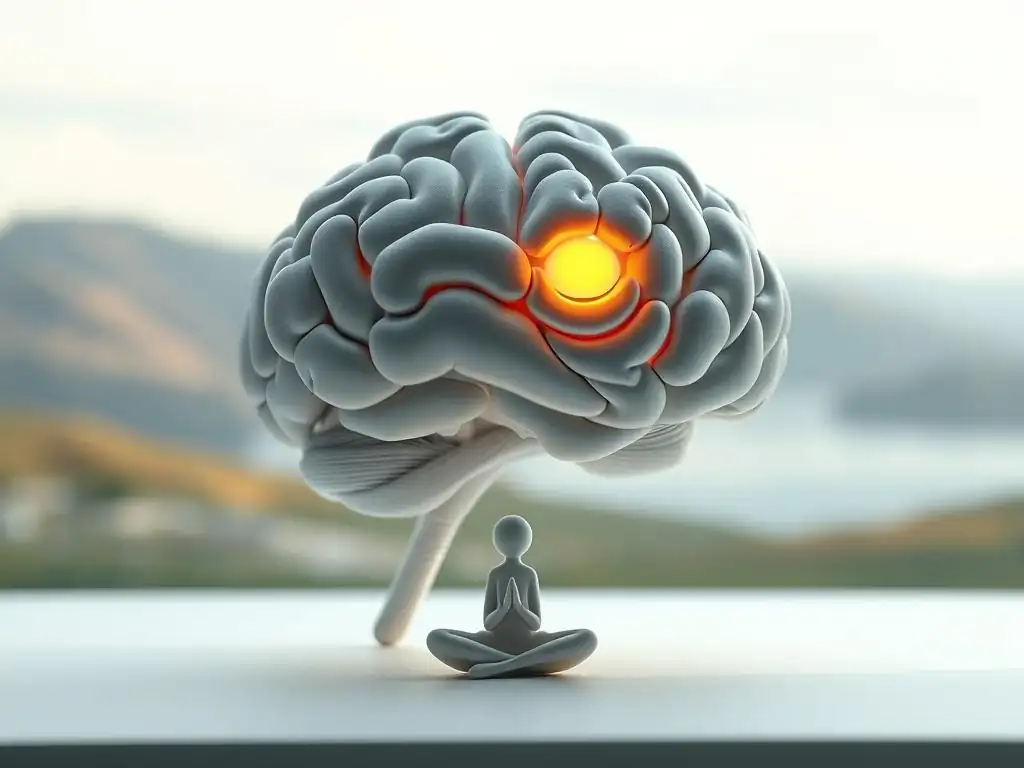
The Importance of Sleep for Amygdala Regulation
Sleep is profoundly important for brain function, including emotional regulation and amygdala activity. Chronic sleep deprivation or poor sleep quality can significantly impair the prefrontal cortex's ability to regulate the amygdala, leading to heightened emotional reactivity and difficulty managing stress. Studies have shown that after a night of insufficient sleep, the amygdala exhibits exaggerated responses to negative emotional stimuli, while connectivity with the prefrontal cortex is diminished.
Conversely, getting adequate, restorative sleep helps restore the balance between the prefrontal cortex and the amygdala, promoting better emotional control. Aiming for 7-9 hours of quality sleep per night is a fundamental aspect of supporting healthy brain function and improving understanding amygdala mood regulation through daily habits. Prioritizing sleep can build resilience against stress and reduce vulnerability to mood and anxiety symptoms.
Diet and Nutrition's Role in Emotional Stability
Emerging research highlights the significant link between diet, gut health, and mental wellbeing, potentially influencing brain regions like the amygdala. A diet rich in whole foods, such as fruits, vegetables, whole grains, lean proteins, and healthy fats (like omega-3 fatty acids), provides the nutrients necessary for optimal brain health and neurotransmitter function. Inflammation in the body, often linked to poor diet, has been associated with changes in brain structure and function, including altered amygdala activity.
For example, omega-3 fatty acids, found in fatty fish, are crucial for brain cell membranes and have anti-inflammatory properties; studies suggest they may play a role in modulating amygdala function and reducing symptoms of depression and anxiety. Maintaining a balanced diet supports overall brain health and contributes to a stable internal environment less likely to trigger stress responses mediated by the amygdala, thus playing a role in understanding amygdala mood regulation from a nutritional perspective.
Exercise and its Impact on Brain Health and Mood
Regular physical exercise is a powerful tool for improving mood and reducing anxiety, with numerous positive effects on brain health. Exercise increases blood flow to the brain, promotes the release of endorphins (natural mood boosters), and stimulates the production of neurotrophic factors like BDNF (Brain-Derived Neurotrophic Factor), which supports the growth and survival of brain cells.
Studies suggest that exercise can influence the structure and function of the amygdala and its connections. Regular aerobic exercise has been associated with reduced amygdala reactivity to stress and improved connectivity with regulatory brain regions. For instance, incorporating brisk walking or jogging for 30 minutes most days of the week can help buffer the brain against the effects of stress hormones and promote a calmer, less reactive amygdala response. Exercise is a widely accessible and effective method for supporting understanding amygdala mood regulation.
Practical Techniques for Amygdala Regulation
Grounding Techniques to Reduce Amygdala Activation
Grounding techniques are simple yet effective strategies used to interrupt overwhelming emotional responses, often linked to an overactive amygdala, by bringing attention back to the present moment and sensory experience. These techniques can help pull someone out of a cycle of anxious thoughts or intense fear by redirecting focus away from internal distress towards external reality.
Examples include the "5-4-3-2-1" method: naming 5 things you can see, 4 things you can touch, 3 things you can hear, 2 things you can smell, and 1 thing you can taste. Other techniques involve focusing on the sensation of your feet on the ground, holding a comforting object, or describing your immediate surroundings in detail. By engaging the senses and the rational mind, grounding can help signal to the amygdala that the immediate environment is safe, thus helping in understanding amygdala mood regulation through sensory awareness.
Cognitive Restructuring for Challenging Negative Thoughts
Cognitive restructuring, a core component of CBT, directly addresses the link between thoughts and emotions. It involves identifying distorted or unhelpful thinking patterns (such as catastrophic thinking, overgeneralization, or mind-reading) that often trigger or amplify amygdala responses. Once identified, these thoughts are critically examined and challenged for their accuracy and helpfulness.
For instance, if the thought "I'm going to fail this presentation and everyone will laugh" triggers intense anxiety, cognitive restructuring involves asking: "What is the actual evidence for this? ", "What's a more balanced perspective? ", or "What's the worst that could realistically happen, and how would I cope?". By learning to replace distorted thoughts with more realistic and balanced ones, individuals can change their emotional response. This process strengthens the prefrontal cortex's ability to evaluate situations rationally, thereby reducing the likelihood of the amygdala triggering an unwarranted fear response, a key strategy in understanding amygdala mood regulation.
Diaphragmatic Breathing for Amygdala Regulation
Diaphragmatic breathing, also known as deep belly breathing, is a powerful physiological technique that can directly influence the autonomic nervous system and help calm the amygdala. When we feel stressed or anxious, our breathing tends to become shallow and rapid, which signals the brain (including the amygdala) that there might be danger, further escalating the stress response.
Deep, slow breathing, however, activates the parasympathetic nervous system, specifically the vagus nerve, which sends signals to the brain, including the amygdala, indicating that the body is safe and relaxed. Practicing diaphragmatic breathing involves inhaling slowly and deeply through the nose, allowing the belly to rise, and exhaling slowly through the mouth, allowing the belly to fall. Even just a few minutes of this type of breathing can reduce heart rate, lower blood pressure, and decrease amygdala activity, providing an immediate method for understanding amygdala mood regulation through breath control.
Future Directions in Amygdala Research and Mood Disorder Treatment
Novel Therapies Targeting the Amygdala
Research into the amygdala's role in mood disorders is continuously evolving, leading to the exploration of novel therapeutic approaches. These include more targeted pharmacological agents that specifically modulate amygdala activity or its connections, potentially with fewer side effects than current broad-acting medications. Additionally, non-invasive brain stimulation techniques, such as Transcranial Magnetic Stimulation (TMS) or Transcranial Direct Current Stimulation (tDCS), are being investigated for their potential to modulate amygdala activity or strengthen its regulatory pathways with the prefrontal cortex.
Furthermore, the development of highly personalized interventions based on an individual's specific pattern of amygdala dysfunction, perhaps identified through neuroimaging, represents a significant future direction. These emerging therapies aim to provide more precise and effective ways of understanding amygdala mood regulation and correcting the neural imbalances underlying mood and anxiety disorders.
The Role of Neuroimaging in Understanding Amygdala Function
Advanced neuroimaging techniques, such as fMRI, PET scans, and structural MRI, have been instrumental in advancing our understanding of the amygdala's role in both healthy emotional processing and mood disorders. These technologies allow researchers to visualize brain structure and activity in living individuals, providing insights into how the amygdala responds to different stimuli, how its size or connectivity might differ in various conditions, and how these patterns change with treatment.
Future neuroimaging research is expected to provide even more detailed insights into the sub-nuclei of the amygdala and their specific roles, as well as the dynamic interplay between the amygdala and the vast network of brain regions involved in mood. This deeper understanding of amygdala function through imaging will be crucial for refining diagnostic approaches and developing more targeted and effective interventions for mood and anxiety disorders, enhancing our overall understanding amygdala mood regulation.
Personalized Approaches to Amygdala-Based Treatments
The recognition that mood disorders are highly heterogeneous and that amygdala dysfunction can manifest differently in individuals is driving the movement towards personalized medicine. Future treatment approaches for mood disorders are likely to involve tailoring interventions based on an individual's unique neural profile, including the specific characteristics of their amygdala activity and connectivity.
This could mean using neuroimaging to identify whether an individual's anxiety is primarily driven by amygdala hyperactivity to threat cues versus impaired prefrontal regulation, and then selecting the most appropriate therapy – perhaps a specific type of neurofeedback, a targeted medication, or a particular form of psychotherapy known to address that specific pattern. Developing these personalized approaches based on a sophisticated understanding of amygdala mood regulation holds the promise of significantly improving treatment outcomes for individuals struggling with complex mood challenges.
Conclusion: Empowering Emotional Wellbeing Through Understanding the Amygdala
Understanding the amygdala's central role in processing emotions, particularly fear and threat, provides invaluable insight into the mechanisms underlying mood and anxiety disorders. While an overactive or dysregulated amygdala can contribute significantly to distress and difficult emotional states, the good news is that the brain, including the amygdala, is capable of change. Through neuroplasticity, its structure and function can be modified.
By exploring the connections between the amygdala and other brain regions, examining its role in various emotional experiences, and recognizing how it contributes to mood disorders, we empower ourselves with knowledge. This understanding then paves the way for implementing effective understanding amygdala mood regulation techniques – from therapeutic interventions like CBT and mindfulness to lifestyle adjustments like improving sleep and diet, and practical strategies like grounding and breathing exercises. Learning to work with our amygdala, rather than being controlled by its automatic responses, is a powerful step towards achieving greater emotional balance, resilience, and overall mental wellbeing.
Frequently Asked Questions
What is the amygdala, and what is its primary function in relation to mood?
The amygdala is a brain structure primarily responsible for processing emotions, especially fear and aggression. It plays a significant role in the formation of emotional memories.
How does the amygdala influence mood regulation?
The amygdala influences mood regulation by triggering the fight-or-flight response and influencing the release of hormones. Dysregulation can lead to heightened emotional reactivity and mood disorders.
What are some amygdala mood regulation techniques described in the "Mind Care Guide"?
The "Mind Care Guide" likely covers techniques such as mindfulness meditation to increase awareness of emotional responses. It also might discuss cognitive reappraisal to change the way you think about triggering situations.
Can damage to the amygdala affect a person's ability to regulate their mood?
Yes, damage to the amygdala can significantly impair a person's ability to process and regulate emotions. This can lead to difficulty recognizing fear or managing emotional responses.
How can understanding the amygdala's role in mood help improve mental well-being?
Understanding the amygdala's role allows for targeted interventions, such as cognitive behavioral therapy (CBT), to manage emotional responses. This can contribute to improved emotional resilience and overall mental well-being.
Final Reflection: Unlocking the Amygdala's Power: Towards Emotional Mastery
Understanding the amygdala's role in mood regulation is not just a neurological puzzle; it's the key to unlocking emotional well-being in our increasingly stressful world. The information presented in this article highlights the intricate relationship between this small brain region and our emotional experiences, demonstrating how its influence extends far beyond simple fear responses. This understanding empowers us to take a proactive role in managing our emotional landscape.
The amygdala's impact on our daily lives is profound and far-reaching. Its influence shapes our relationships, our decision-making, and even our physical health. It's a constant, often unseen, player in the drama of our emotions. As we learn more about its mechanisms, we gain the ability to cultivate healthier emotional responses. The mind is everything. What you think you become.
– Buddha. This ancient wisdom resonates deeply with the modern understanding of the amygdala's plasticity and its capacity to be shaped by our thoughts and experiences. By consciously engaging in techniques like mindfulness and cognitive behavioral therapy, we can actively rewire the neural pathways associated with negative emotional responses.
Now, consider your own emotional landscape. What triggers your amygdala? What coping mechanisms do you currently employ? This article has provided a framework for understanding the biological underpinnings of your emotions. Take this knowledge and use it to cultivate self-awareness, to practice self-compassion, and to develop strategies for managing challenging emotions. The journey towards emotional mastery begins with understanding the intricate workings of your own mind – and the amygdala is a crucial starting point. Embrace this knowledge, and embark on a path towards a more balanced and fulfilling emotional life.
Here's a CTA tailored to the article "The Amygdala's Role in Mood: How Brain Regions Affect Emotion" for MindCareGuide.org:
Unleash Your Emotional Intelligence: Take Control of Your Mood
Thank you for exploring the fascinating world of the amygdala and its influence on your mood! We hope you gained valuable insights into how brain regions shape your emotional experiences. Now, it's time to put this knowledge into practice.
Here's how you can deepen your understanding and cultivate emotional well-being:
- Start journaling your emotional responses: Pay close attention to triggers and patterns. This is the key to understanding your own emotional landscape.
- Explore mindfulness techniques: Mindfulness meditation can help you observe your emotions without judgment, fostering self-awareness and emotional regulation.
- Share this article with someone who might benefit: Help spread the word about the power of understanding your brain's emotional centers!
Ready to embark on a journey of greater emotional self-awareness? What small step will you take today to better understand and manage your moods?