
Does EMDR Really Work? The Mechanism of Action


Welcome to Mind Care Guide, a safe space dedicated to your mental well-being. Feeling overwhelmed by trauma? You're not alone. Many are finding hope and healing through EMDR therapy. In this article, we'll delve into the science behind this powerful technique and explore the question: Does EMDR really work to help trauma? Discover the mechanism of action and whether it might be the key to unlocking your path to recovery. Intrigued? Let's begin.
Does EMDR Really Work? Unveiling the Mechanism of Action for Trauma Recovery
- Introduction: Understanding EMDR Therapy for Trauma
- How EMDR Therapy Helps Trauma: A Closer Look at the Process
- The Mechanism of Action: What Happens in the Brain During EMDR?
- EMDR Therapy Effectiveness: Examining the Research Evidence
- Who Can Benefit from EMDR Therapy? Identifying Suitable Candidates
- Potential Side Effects and Risks of EMDR Treatment
- Finding a Qualified EMDR Therapist: Resources and Considerations
- Conclusion: EMDR Therapy and the Future of Trauma Treatment
-
Frequently Asked Questions
- Does EMDR therapy really work for trauma?
- What is the underlying mechanism of action in EMDR therapy?
- How does EMDR therapy differ from traditional talk therapy?
- How many EMDR therapy sessions are typically needed to see results?
- What types of mental health challenges can EMDR therapy address besides trauma?
- Final Reflection: Unpacking the Power of EMDR Therapy
- Unlock Your Healing Potential: Take the Next Step
Introduction: Understanding EMDR Therapy for Trauma
Eye Movement Desensitization and Reprocessing (EMDR) therapy is a structured therapeutic approach designed to help individuals process distressing memories, particularly those linked to trauma. Developed in the late 1980s by Francine Shapiro, EMDR has gained significant recognition as a powerful intervention for post-traumatic stress disorder (PTSD) and other conditions stemming from adverse life experiences. Its acceptance is underscored by its inclusion in treatment guidelines from major health organizations worldwide, such as the American Psychiatric Association and the World Health Organization.
The core idea is that trauma can overwhelm the brain's natural processing ability, leaving distressing memories "stuck" and causing ongoing symptoms. EMDR aims to unlock this process.
This therapy is not merely about talking through a traumatic event; it involves a specific, phased approach that guides the individual through reprocessing the memory. Unlike some therapies that focus on changing thoughts or behaviors directly, EMDR targets the memory itself, aiming to reduce its emotional intensity and change how it is stored in the brain. Research over decades has provided substantial evidence suggesting that EMDR therapy helps trauma survivors by facilitating this internal processing, leading to a decrease in symptoms like flashbacks, nightmares, avoidance behaviors, and hyperarousal.
Why Question EMDR's Effectiveness? Addressing Common Misconceptions
Despite its widespread acceptance and inclusion in clinical guidelines, questions about how EMDR therapy helps trauma sometimes arise, often stemming from a lack of understanding of its underlying mechanisms or misconceptions about the role of eye movements. Some observers unfamiliar with the therapy might view the bilateral stimulation component (like eye movements) with skepticism, wondering how such simple actions could lead to profound psychological change. This skepticism can sometimes lead to doubts about the therapy's overall effectiveness or whether it's merely a placebo effect.
It's important to address these questions by delving into the theoretical models and neurological findings associated with EMDR. While the exact mechanism is still an area of active research, the therapy is grounded in established psychological principles and emerging neurobiological understanding. Misconceptions often fail to consider the entire eight-phase protocol, reducing EMDR to just the bilateral stimulation component, when in fact, the preparation, assessment, desensitization, and reprocessing phases are all critical to its success. Understanding the full therapeutic process and the research supporting it helps clarify why EMDR therapy helps trauma survivors in a significant and lasting way.
How EMDR Therapy Helps Trauma: A Closer Look at the Process
The Eight Phases of EMDR Therapy Explained
EMDR therapy is a structured approach delivered over several sessions, typically ranging from 6 to 12 or more, depending on the complexity of the trauma and the individual's response. It is divided into eight distinct phases. Phase 1, History-Taking, involves assessing the client's readiness, identifying target memories, and developing a treatment plan. Phase 2, Preparation, focuses on building a strong therapeutic alliance and teaching coping skills to manage emotional distress that might arise during reprocessing. This phase is crucial to ensure the client feels safe and equipped to handle the intensity of the work ahead.
The core reprocessing work begins in Phase 3, Assessment, where the target memory is identified, along with the associated negative belief, emotions, and physical sensations. Phase 4, Desensitization, is where bilateral stimulation is used while the client focuses on the distressing memory. The goal is to reduce the emotional intensity. Phase 5, Installation, strengthens a positive belief about the self in relation to the target memory.
Phase 6, Body Scan, checks for any residual physical tension or sensation related to the memory. Phase 7, Closure, ensures the client is grounded and stable at the end of the session. Finally, Phase 8, Reevaluation, involves reviewing the progress made on target memories at the beginning of subsequent sessions. This systematic process is fundamental to how EMDR therapy helps trauma survivors gradually heal.
Bilateral Stimulation: The Core of EMDR's Mechanism
Bilateral stimulation is a defining feature of EMDR therapy, involving rhythmic left-right stimulation of the brain. This stimulation can take several forms, most commonly eye movements (following a therapist's finger or a light bar), but also includes auditory tones (delivered via headphones) or tactile stimulation (such as tapping on the hands or knees). The therapist guides the client to focus on the distressing memory while simultaneously engaging in this bilateral stimulation. The pace and type of stimulation are adjusted based on the client's comfort and response.
While seemingly simple, this bilateral stimulation is believed to be the engine driving the reprocessing of traumatic memories. One hypothesis is that it mimics the eye movements that occur naturally during REM sleep, a state associated with memory consolidation and processing.
By activating both hemispheres of the brain alternately, it's thought to facilitate communication between brain regions involved in memory and emotion. This process helps to unlock the "stuck" memory, allowing it to be reprocessed in a way that reduces its emotional charge and integrates it into a more adaptive network of memories, which is how EMDR therapy helps trauma memories become less disturbing.
Types of Bilateral Stimulation Used in EMDR
The most recognized form of bilateral stimulation in EMDR is saccadic eye movements. The therapist moves their fingers back and forth in front of the client's face, and the client follows the movement with their eyes. This back-and-forth tracking is done in sets or passes, typically lasting for 20-30 seconds at a time. The therapist observes the client's responses and adjusts the speed and range of motion as needed.
Beyond eye movements, auditory and tactile methods offer alternatives that can be equally effective and may be preferred by some clients. Auditory stimulation involves listening to alternating tones or clicks through headphones. Tactile stimulation, or "tapping," involves the therapist or the client themselves tapping alternately on their hands or knees.
Some therapists use devices that vibrate alternately in the client's hands. The choice of stimulation type often depends on client preference, comfort level, and sometimes, the specific nature of the trauma or memory being processed. Regardless of the modality, the principle of engaging both sides of the body and brain alternately remains consistent, underpinning how EMDR therapy helps trauma survivors reprocess difficult experiences.
How Bilateral Stimulation Affects the Brain
Research into the neurobiological effects of bilateral stimulation during EMDR is ongoing, but several theories propose how it impacts brain function. One prominent theory suggests that the alternating stimulation helps to reduce the physiological arousal associated with traumatic memories. Studies using fMRI or EEG have shown changes in brain activity patterns during EMDR sessions, with some research indicating a decrease in activity in areas like the amygdala, which is heavily involved in processing fear and emotional responses, while activity in areas associated with cognitive processing may increase.
Another hypothesis posits that bilateral stimulation facilitates the communication between the left and right hemispheres of the brain, particularly between the prefrontal cortex (involved in executive functions and rational thought) and the limbic system (where emotions and memories are processed). This enhanced communication is thought to aid in integrating the traumatic memory into a more coherent narrative and reducing its emotional intensity.
While the precise neural pathways are still being mapped, the observed changes in brain activity provide compelling evidence that bilateral stimulation is not merely a distraction but plays a crucial role in the mechanism by which EMDR therapy helps trauma memories to be reprocessed effectively.
The Mechanism of Action: What Happens in the Brain During EMDR?
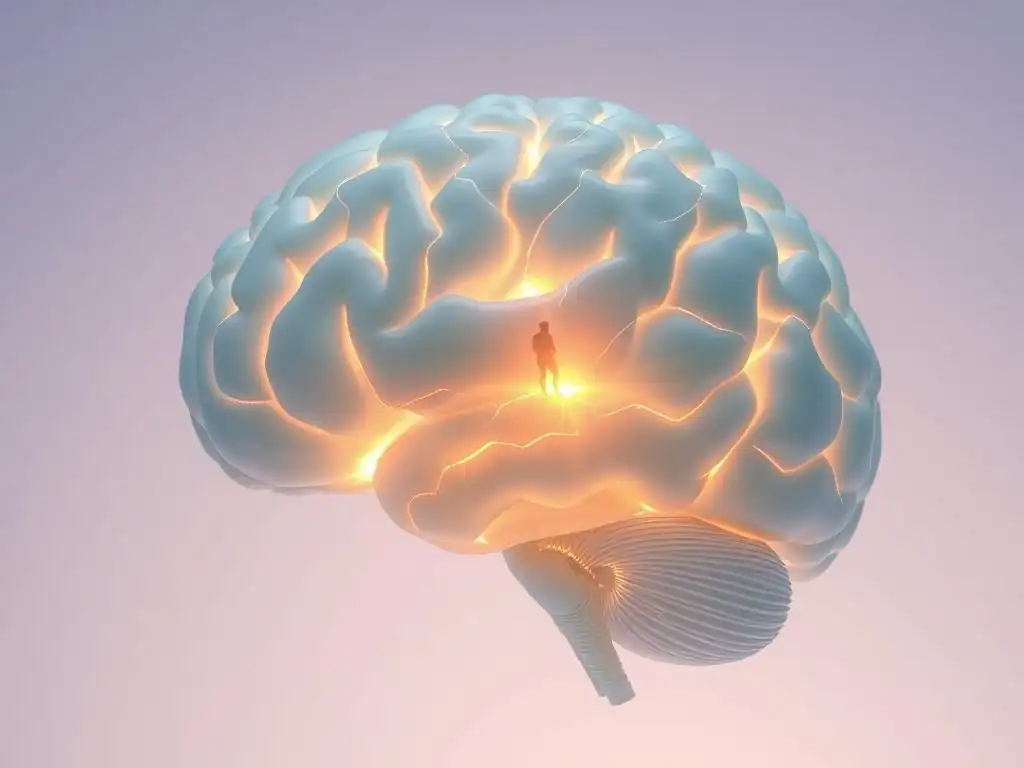
Adaptive Information Processing (AIP) Model: The Theoretical Foundation
The theoretical framework underpinning EMDR therapy is the Adaptive Information Processing (AIP) model. This model proposes that the brain has an inherent information processing system designed to integrate new experiences into existing memory networks in a healthy and adaptive way. When a traumatic event occurs, this system can become overwhelmed, preventing the memory from being processed completely. The memory gets "stuck" in an isolated state, retaining the original emotions, sensations, and beliefs associated with the trauma, leading to symptoms like flashbacks and hyperarousal.
The AIP model suggests that EMDR therapy works by activating this blocked processing system. By focusing on the distressing memory while engaging in bilateral stimulation, the therapy helps to connect the isolated traumatic memory network with more adaptive information networks already stored in the brain. This allows the memory to be reprocessed, meaning it is no longer experienced with the same intensity and is integrated into a broader context.
The distressing emotions and physical sensations dissipate, and negative beliefs about the self (like "I am helpless") are replaced with more positive, realistic ones (like "I survived"). This fundamental concept explains how EMDR therapy helps trauma survivors move past the debilitating effects of their experiences.
EMDR and Memory Reconsolidation: Reprocessing Traumatic Memories
A key concept related to the AIP model and how EMDR therapy helps trauma is memory reconsolidation. Recent research in neuroscience suggests that when a memory is recalled, it becomes temporarily unstable and can be modified before being stored again (reconsolidated). This period of instability provides a window during which the emotional components of the memory can be altered.
EMDR therapy is thought to leverage this memory reconsolidation process. By activating the traumatic memory (Phase 3) and then introducing bilateral stimulation during the reprocessing (Phase 4), the therapy may disrupt the established fear response linked to the memory. As the memory is recalled and simultaneously processed with bilateral stimulation, it is re-stored in a way that is less emotionally charged and better integrated with other, more adaptive memories. This effectively changes the memory's emotional impact without erasing the memory itself, allowing the individual to recall the event without experiencing the intense distress previously associated with it.
Neurobiological Changes Associated with EMDR Therapy
Emerging research using neuroimaging techniques provides insights into the potential neurobiological changes that occur in the brain during and after successful EMDR therapy. Studies have shown changes in brain activity and structure in individuals who have undergone EMDR for trauma. For example, some studies suggest a decrease in activity in the limbic system, particularly the amygdala, which is the brain's "fear center" and is often hyperactive in individuals with PTSD.
Simultaneously, there may be increased activity or connectivity in areas associated with cognitive control and emotional regulation, such as the prefrontal cortex. These changes suggest that EMDR therapy helps trauma survivors by shifting the brain's response from a fear-driven, reactive state to a more regulated, integrated state, where the traumatic memory is processed more rationally and less emotionally.
Impact on the Amygdala, Hippocampus, and Prefrontal Cortex
The amygdala, hippocampus, and prefrontal cortex are key brain regions involved in trauma and memory. The amygdala is responsible for detecting threats and triggering the fear response. In PTSD, the amygdala is often hyper-responsive. The hippocampus is crucial for forming and retrieving contextual memories, helping to differentiate between past and present.
In PTSD, the hippocampus may be smaller or less active, leading to difficulties in contextualizing the trauma (e.g., feeling like the past event is happening now). The prefrontal cortex is involved in higher-level cognitive functions, including regulating emotions and inhibiting inappropriate responses. In PTSD, the prefrontal cortex's ability to regulate the amygdala may be impaired.
Studies examining brain activity during EMDR or comparing brain structure before and after successful treatment suggest that EMDR therapy helps trauma by influencing these regions. Research indicates a reduction in amygdala activity when recalling traumatic memories after EMDR. There may also be changes in hippocampal function, improving the ability to place the trauma in the past. Furthermore, increased connectivity or activity in the prefrontal cortex may enhance the brain's ability to regulate emotional responses. These observed neurobiological shifts provide further support for the efficacy of EMDR in helping individuals process and recover from trauma.
EMDR Therapy Effectiveness: Examining the Research Evidence
Meta-Analyses and Clinical Trials Supporting EMDR's Efficacy
The effectiveness of EMDR therapy for trauma, particularly PTSD, is supported by a substantial body of research, including numerous randomized controlled trials (RCTs) and meta-analyses. Meta-analyses, which combine data from multiple studies, consistently show that EMDR is an effective treatment for PTSD. For instance, several large meta-analyses have concluded that EMDR leads to a significant reduction in PTSD symptoms, often comparable to or exceeding the effects of other evidence-based trauma therapies.
Clinical trials have demonstrated high rates of remission from PTSD following EMDR treatment. While specific figures vary across studies depending on the population and trauma type, research has shown that a significant percentage of individuals treated with EMDR no longer meet the diagnostic criteria for PTSD after a standard course of therapy (typically 6-12 sessions).
For example, one study involving combat veterans reported a significant reduction in PTSD symptoms, with a notable percentage no longer meeting criteria after a relatively short course of EMDR. This robust evidence base is a primary reason why EMDR therapy helps trauma survivors achieve lasting relief and is recommended by major health organizations.
EMDR vs. Other Trauma Therapies: A Comparative Analysis
When considering how EMDR therapy helps trauma compared to other established treatments, research provides valuable insights. Two of the most common comparisons are made with Cognitive Behavioral Therapy (CBT) and Trauma-Focused Cognitive Behavioral Therapy (TF-CBT). While all are considered evidence-based, studies have explored differences in efficacy, speed of results, and client preference.
Comparative studies have generally found EMDR to be at least as effective as CBT and TF-CBT in reducing PTSD symptoms. Some research suggests that EMDR may lead to symptom reduction more quickly for certain individuals, potentially requiring fewer sessions than some forms of CBT. However, the overall long-term outcomes are often found to be similar.
The choice between therapies can depend on individual factors, therapist availability, and client preference. For many, the focus on memory processing through bilateral stimulation, rather than extensive verbal processing or homework assignments common in CBT, is a preferred path, highlighting another way EMDR therapy helps trauma recovery align with individual needs.
EMDR vs. Cognitive Behavioral Therapy (CBT) for Trauma
Cognitive Behavioral Therapy (CBT) for trauma often involves identifying and challenging distorted thoughts (cognitions) related to the trauma and gradually exposing the individual to trauma-related reminders in a safe environment (exposure therapy). The focus is heavily on changing thinking patterns and behaviors that maintain symptoms. While highly effective, some individuals find the direct exposure component of traditional CBT to be intensely distressing or difficult to tolerate.
In contrast, EMDR therapy helps trauma by focusing on the memory itself through the guided reprocessing with bilateral stimulation. While there is exposure to the memory, it's typically done with less direct, prolonged confrontation than in traditional exposure therapy. Comparative studies have often shown comparable efficacy between EMDR and CBT for PTSD.
A meta-analysis published in the Journal of Consulting and Clinical Psychology, for instance, found similar effect sizes for both treatments in reducing PTSD symptoms. However, some studies indicate that EMDR may be completed in fewer sessions than standard CBT protocols for trauma, suggesting potential efficiency benefits for some clients.
EMDR vs. Trauma-Focused Cognitive Behavioral Therapy (TF-CBT)
Trauma-Focused Cognitive Behavioral Therapy (TF-CBT) is a specific adaptation of CBT designed for children and adolescents who have experienced trauma. It is highly structured and typically involves components like psychoeducation, parenting skills, relaxation techniques, affective modulation skills, cognitive processing, trauma narrative development and processing, in vivo exposure, and conjoint parent-child sessions. It is a well-established, evidence-based treatment for youth.
While TF-CBT is the gold standard for child trauma, research comparing EMDR and TF-CBT in youth populations is growing. Some studies suggest that EMDR may be as effective as TF-CBT for children and adolescents with PTSD. For example, a study published in the Journal of the American Academy of Child & Adolescent Psychiatry found both treatments to be effective in reducing PTSD symptoms in children.
The choice between EMDR and TF-CBT for youth may depend on factors such as the child's age, developmental level, specific symptoms, the nature of the trauma, and therapist expertise. Both therapies demonstrate how structured psychological interventions can significantly help trauma survivors, including young people.
Who Can Benefit from EMDR Therapy? Identifying Suitable Candidates
EMDR for PTSD: A First-Line Treatment Option
EMDR therapy is most widely known and researched for its effectiveness in treating Post-Traumatic Stress Disorder (PTSD). It is recommended as a first-line treatment for PTSD by numerous international guidelines, including those from the World Health Organization (WHO), the American Psychiatric Association (APA), and the Department of Veterans Affairs/Department of Defense (VA/DoD). This strong endorsement is based on extensive research demonstrating that EMDR therapy helps trauma survivors significantly reduce or eliminate PTSD symptoms.
Individuals who have experienced single-incident traumas (like a car accident, natural disaster, or assault) often respond well to EMDR, sometimes experiencing significant relief in just a few sessions. However, it is also effective for complex trauma resulting from chronic or repeated adverse experiences (such as childhood abuse or neglect), although this typically requires a longer course of therapy due to the complexity of the memories and associated issues. The structured nature of EMDR provides a clear path for processing these difficult experiences.
While primarily used for PTSD, the principles of EMDR therapy can also be applied to other psychological conditions that may stem from or be exacerbated by unresolved distressing experiences or trauma. Research and clinical practice suggest that EMDR therapy helps trauma-related symptoms that manifest as anxiety disorders, depression, and phobias. For example, a phobia that developed after a specific frightening event might be treated by targeting the memory of that event using EMDR.
Similarly, depression or anxiety that has roots in past adverse experiences, even if they don't meet the full criteria for PTSD, can often be effectively addressed with EMDR. The therapy helps to reprocess the underlying distressing memories and negative beliefs associated with these conditions, reducing their emotional impact and allowing the individual to develop more adaptive coping mechanisms. While the evidence base is strongest for PTSD, the application of EMDR to other trauma-informed presentations is a growing area of practice and research.
Contraindications and Considerations for EMDR Therapy
While EMDR therapy is safe and effective for many individuals, it is not suitable for everyone, and certain considerations must be taken into account. It is crucial that clients have sufficient emotional stability and coping skills before beginning the reprocessing phases (Phase 4 onwards). Individuals with active psychosis, severe dissociative disorders (without prior stabilization), or those who are actively suicidal or engaging in self-harm may require stabilization before EMDR can be safely initiated.
Furthermore, medical conditions affecting eye movement or brain function should be discussed with the therapist. The presence of substance dependence also needs careful consideration, as active use can interfere with the processing. A thorough history-taking and assessment (Phase 1) are essential to determine if EMDR is appropriate or if preparatory work is needed. A qualified EMDR therapist will conduct this assessment carefully, ensuring the client is adequately prepared and supported throughout the process, minimizing risks and maximizing the potential for EMDR therapy to help trauma recovery.
Potential Side Effects and Risks of EMDR Treatment

Understanding and Managing Potential Emotional Distress
During the reprocessing phases of EMDR therapy, clients may experience a temporary increase in emotional distress as they access and process traumatic memories. This can include experiencing intense emotions, physical sensations, or vivid images related to the trauma. While uncomfortable, this is often a sign that the processing is occurring and is typically temporary. Therapists are trained to help clients manage this distress and use grounding techniques to ensure they feel safe and stable by the end of each session (Phase 7).
Clients might also experience some emotional or physical disturbance between sessions, such as vivid dreams or a continuation of processing. This is sometimes referred to as "unzipping." While usually manageable, it underscores the importance of the preparation phase (Phase 2), where clients learn coping strategies. An experienced EMDR therapist will anticipate these possibilities, educate the client about them beforehand, and provide support and guidance on how to manage any distress that arises outside of the therapy session. This careful management is integral to how EMDR therapy helps trauma processing proceed safely.
The Importance of a Qualified and Experienced EMDR Therapist
Given the potential for emotional intensity during reprocessing and the structured nature of the therapy, it is absolutely crucial to receive EMDR treatment from a qualified and experienced therapist. An inadequately trained therapist may not recognize when a client is becoming overwhelmed, may not have the skills to help the client regulate their emotions, or may not properly navigate the specific phases of the protocol.
Working with a therapist who has completed a recognized EMDR training program and ideally has experience treating trauma ensures that the therapy is administered correctly and safely. A qualified therapist can properly assess readiness, build necessary coping skills, guide the reprocessing effectively, and manage any adverse reactions that may occur. Their expertise is paramount in ensuring that EMDR therapy helps trauma survivors in a beneficial and ethical manner, minimizing risks and maximizing therapeutic outcomes.
Finding a Qualified EMDR Therapist: Resources and Considerations
What to Look for in an EMDR Therapist's Credentials
When seeking an EMDR therapist, it is essential to look for specific credentials and training. The primary indicator of proper training is completion of an EMDR International Association (EMDRIA) Approved Training Program in the United States, or equivalent training recognized by other national EMDR associations in other countries (e.g., EMDR Europe). These programs involve extensive coursework, consultation, and supervised practice.
Beyond basic training, consider therapists who are EMDRIA Certified Therapists or Approved Consultants. Certification indicates that the therapist has completed additional training, accumulated significant experience using EMDR, and received consultation from an Approved Consultant. An Approved Consultant has met even higher standards of experience and training and is qualified to provide consultation to other EMDR therapists. While certification isn't always necessary for effective treatment, it demonstrates a higher level of commitment and expertise in the modality, increasing the likelihood that EMDR therapy helps trauma processing effectively.
Questions to Ask Potential EMDR Therapists
Before committing to therapy, it is highly recommended to have an initial consultation or ask specific questions to potential EMDR therapists. Inquire about their specific EMDR training and certification status (e.g., "Are you EMDRIA trained? Are you certified?"). Ask about their experience treating trauma, particularly the type of trauma you have experienced (e.g., "Do you have experience working with complex trauma?" or "Have you treated individuals with PTSD from accidents? ").
It's also helpful to ask about their approach to EMDR and how they integrate it with other therapeutic techniques they may use. Discuss what the assessment and preparation phases typically involve and how they manage potential distress during reprocessing. Understanding their process and feeling comfortable with their style are important factors in choosing a therapist. Taking the time to find the right fit ensures you are in capable hands as you undertake the journey of healing, increasing the potential for EMDR therapy to help trauma recovery.
Conclusion: EMDR Therapy and the Future of Trauma Treatment
EMDR's Role in Promoting Mental Well-being After Trauma
EMDR therapy has established itself as a leading evidence-based treatment for PTSD and a valuable tool for addressing other conditions rooted in adverse life experiences. Its unique approach, utilizing bilateral stimulation within a structured eight-phase protocol, appears to facilitate the brain's natural capacity to process and integrate traumatic memories. By helping individuals to reprocess these "stuck" memories, EMDR reduces their emotional intensity and allows for the development of more adaptive beliefs and perspectives.
The significant research supporting its efficacy, coupled with its recognition by major health organizations worldwide, solidifies EMDR's critical role in promoting mental well-being for trauma survivors. For many, EMDR therapy helps trauma lose its power, freeing them from debilitating symptoms like flashbacks, nightmares, and avoidance, enabling them to live more fully in the present and build a healthier future.
The Ongoing Evolution of EMDR Techniques and Research
While EMDR therapy is already a powerful intervention, the field is not static. Research continues to explore the precise neurobiological mechanisms underlying its effectiveness, potentially leading to further refinements in the technique. Studies are also investigating its application to a wider range of conditions and populations, such as chronic pain, addiction, and performance enhancement, where unprocessed distressing experiences may play a role.
Furthermore, therapists and researchers are developing and refining specific protocols for different types of trauma (e.g., early childhood trauma, combat trauma) and different client populations (e.g., children, groups). The ongoing evolution of EMDR techniques and the deepening understanding of how EMDR therapy helps trauma promise to further enhance its effectiveness and accessibility, offering hope and healing to an increasing number of individuals impacted by trauma.
Frequently Asked Questions
Does EMDR therapy really work for trauma?
Yes, EMDR therapy has been shown to be highly effective in reducing symptoms of post-traumatic stress disorder (PTSD) and other trauma-related conditions. Clinical trials have consistently demonstrated its positive impact.
What is the underlying mechanism of action in EMDR therapy?
The exact mechanism is still being researched, but it's believed that EMDR's bilateral stimulation helps process traumatic memories by activating the brain's natural healing processes, allowing for adaptive resolution.
How does EMDR therapy differ from traditional talk therapy?
Unlike talk therapy, EMDR doesn't require detailed descriptions of the traumatic event. Instead, it focuses on processing the associated emotions, sensations, and beliefs while engaging in bilateral stimulation.
How many EMDR therapy sessions are typically needed to see results?
The number of sessions varies, but many individuals experience significant improvement within 6-12 sessions. The complexity of the trauma and individual factors influence the duration of treatment.
What types of mental health challenges can EMDR therapy address besides trauma?
While primarily known for trauma, EMDR can also be used to treat anxiety disorders, phobias, and depression where past experiences contribute to current symptoms.
Final Reflection: Unpacking the Power of EMDR Therapy
The effectiveness of EMDR therapy in addressing trauma is no longer a matter of debate; it's a question of understanding how it works. Research continues to illuminate the intricate mechanisms behind this powerful therapeutic approach, revealing its potential to significantly alleviate the suffering caused by traumatic experiences. This understanding is crucial not only for clinicians but also for individuals seeking relief from the debilitating effects of trauma.
The impact of EMDR extends far beyond the individual; it ripples outwards, influencing our collective understanding of trauma and its treatment. It challenges the long-held belief that trauma must be passively endured, offering a pathway towards healing and recovery. This active approach to healing resonates deeply with me, and I believe it reflects a growing societal shift towards acknowledging and addressing the pervasive impact of trauma on individuals and communities. The trauma is not in the event, but in the way we remember it.
This quote highlights the core of EMDR's efficacy: by reprocessing traumatic memories, we can alter their emotional impact and reclaim our sense of self.
Now, consider your own experiences. Have you witnessed the power of healing, either personally or through the stories of others? I urge you to explore the possibility of EMDR therapy if you or someone you know is struggling with the lasting effects of trauma. Don't let the weight of the past define your future. Take the first step towards understanding the mechanisms of healing and embracing a path towards a more peaceful and empowered life. The journey towards healing may not always be easy, but the potential for transformation is profound.
Unlock Your Healing Potential: Take the Next Step
Thanks for taking the time to explore the fascinating world of EMDR therapy with us! We hope you gained a clearer understanding of its powerful mechanism of action. Now, it's time to move forward and discover how EMDR can benefit you.
Here's what you can do next:
- Schedule a consultation with a qualified EMDR therapist. This is the most important step to begin your personalized healing journey. Don't hesitate to reach out – many therapists offer free initial consultations.
- Explore EMDR resources online. Deepen your understanding by researching reputable organizations and reading personal testimonials. This can help you feel more confident and prepared for your first session.
- Share your newfound knowledge! Tell a friend or family member about EMDR and how it might help them overcome their own challenges. Starting a conversation is often the first step towards healing for others.
So, what small step will you take today to unlock your healing potential?