
Building Inner Strength: Fostering Resilience in Anxious Children


Welcome to Mind Care Guide, a safe space dedicated to nurturing mental well-being.
Feeling overwhelmed by your child's anxiety? You're not alone. We understand the deep concern that comes with seeing your little one struggle. This week, we're diving into actionable strategies to help you build resilient kids anxiety strategies. Discover practical techniques to empower your child and foster inner strength, starting right now. Curious to learn how? Let's explore together.
Fostering Resilience in Anxious Children: A Guide for Parents
- Understanding Anxiety and Resilience
- Practical Strategies for Building Resilience in Anxious Children
-
Building Resilience: A Step-by-Step Approach
- Acknowledge and Validate: Recognizing and Accepting Feelings
- Problem-Solving: Breaking Down Challenges into Manageable Steps
- Encouraging Independence: Age-Appropriate Responsibilities
- Supportive Environment: Creating a Safe and Understanding Space
- Seeking Professional Support: When to Consult a Therapist or Counselor
- Developing Emotional Regulation Skills
- The Role of Parents and Caregivers
- Creating a Resilient Home Environment
- Long-Term Benefits of Resilience Training
- Cognitive Behavioral Therapy (CBT) for Anxiety
-
Frequently Asked Questions
- How can I help my anxious child build resilience?
- What are some practical anxiety strategies I can teach my child?
- Why is resilience important for children struggling with anxiety?
- What role does parental support play in fostering resilient kids?
- Are there resources available to help me learn more about resilient kids anxiety strategies?
- Final Reflection: Cultivating Resilience: A Legacy of Strength
- Unleash Your Child's Inner Resilience!
Understanding Anxiety and Resilience
The Interplay of Anxiety and Resilience in Child Development
Anxiety is a common experience in childhood, manifesting as worry, fear, and physical symptoms like a racing heart or upset stomach. While a certain level of anxiety is normal and even adaptive, persistent or excessive anxiety can significantly impact a child's development, affecting their learning, social interactions, and overall well-being. Resilience, conversely, is the ability to bounce back from adversity, adapt to challenges, and maintain well-being in the face of stress.
These two concepts are deeply intertwined; fostering resilience provides children with the internal resources to navigate their anxious feelings and develop effective coping mechanisms. A child with higher resilience is better equipped to face situations that trigger anxiety, such as starting a new school year or speaking in front of peers, without becoming overwhelmed.
Building resilience doesn't eliminate anxiety, but it equips children with the tools to manage it. For example, a study published in the Journal of Clinical Child & Adolescent Psychology found that resilient coping strategies, like seeking social support or using problem-solving skills, were associated with lower levels of anxiety symptoms in children. Conversely, children who lacked these skills were more vulnerable to the negative effects of anxiety.
Teaching resilient kids anxiety strategies is crucial because it shifts the focus from merely reducing anxiety symptoms to empowering the child with lifelong skills for emotional management and adaptability. This proactive approach helps children not just survive challenging situations but thrive despite them.
Children's anxiety can be triggered by a wide range of situations, with school, social interactions, and changes in routine or environment being particularly prevalent. School-related anxiety might stem from academic pressure, tests, public speaking, or even the social dynamics of the classroom or playground. Approximately 5-10% of children experience significant school-related anxiety at some point. Social anxiety, often emerging in later childhood or adolescence, involves fear of judgment, embarrassment, or rejection in social settings, making simple interactions like joining a game or talking to new people incredibly difficult.
Changes, whether expected or unexpected, are significant triggers for many children. This could include moving to a new house or school, the arrival of a new sibling, parental separation, or even transitions like starting summer camp or going on vacation. These changes disrupt predictability and can make an anxious child feel out of control. Recognizing these common triggers is the first step in helping children develop resilient kids anxiety strategies. Understanding what makes a child anxious allows parents and caregivers to prepare the child, teach specific coping skills for those situations, and build their confidence in navigating them successfully.
Defining Resilience: Adaptability and Overcoming Adversity
Resilience is more than just toughness; it's the dynamic process of positive adaptation in the face of significant adversity. It's about a child's capacity to recover quickly from difficulties, to adjust to new conditions, and to persevere when things are tough. This doesn't mean the child won't experience pain or struggle, but rather that they possess the internal and external resources to cope effectively and continue to function and develop. Think of resilience like a psychological immune system that helps children withstand stress and trauma.
Key components of resilience include a positive self-concept, problem-solving skills, emotional regulation abilities, and the presence of supportive relationships. A resilient child might face a setback, like failing a test, but instead of being devastated, they might think, "Okay, that was hard, but I can study differently next time." This demonstrates adaptability and a belief in their ability to overcome. Fostering these qualities through specific resilient kids anxiety strategies helps children build a strong foundation to navigate not only current anxieties but also future life challenges. It's about equipping them with a toolkit for life.
Practical Strategies for Building Resilience in Anxious Children
Teaching Coping Skills for Managing Anxiety
Teaching children specific, tangible coping skills is fundamental to building their resilience in the face of anxiety. These skills provide children with tools they can use in the moment to manage overwhelming feelings, giving them a sense of agency and control over their reactions. Simple techniques, practiced regularly, can significantly reduce the intensity and duration of anxious episodes. It's important to introduce these skills when the child is calm, so they can recall and utilize them when feeling anxious.
Effective coping skills often involve regulating the nervous system, shifting focus, or releasing physical tension. Techniques like deep breathing, mindfulness, and progressive muscle relaxation are excellent examples that are easy for children to learn with practice. Integrating these into a child's daily routine, not just during anxious moments, helps normalize them and makes them more accessible when needed. These are essential resilient kids anxiety strategies that empower children to take an active role in managing their emotions.
Diaphragmatic Breathing for Anxiety Reduction
Diaphragmatic or "belly" breathing is a powerful tool for calming the nervous system. When we are anxious, our breathing becomes shallow and rapid. Deep breathing, using the diaphragm, signals to the brain that we are safe, slowing the heart rate and reducing the stress response.
- Explain the concept simply: "Imagine your belly is a balloon."
- Have the child place one hand on their chest and the other on their belly.
- Instruct them to breathe in slowly through their nose, making their belly "fill up like a balloon." The hand on the belly should rise, while the hand on the chest stays still.
- Have them exhale slowly through their mouth, like letting air out of the balloon, feeling their belly flatten.
- Practice together for a few minutes daily, gradually increasing the duration. Aim for a count of 3-4 on the inhale and 4-5 on the exhale.
Mindful Awareness: Focusing on the Present Moment
Mindfulness is about paying attention to the present moment without judgment. For an anxious child whose mind is often racing with worries about the past or future, bringing their attention to the here and now can be incredibly grounding.
- Start with simple sensory activities: "Let's listen to the sounds around us right now." "What five things can you see?" "What three things can you feel?"
- Practice mindful eating: Pay attention to the taste, texture, and smell of food.
- Mindful walking: Notice the feeling of feet on the ground, the movement of legs, the sights and sounds around.
- Explain it as "using your five senses like a detective." Even 5-10 minutes a day can help children develop this skill.
Progressive Muscle Relaxation for Tension Release
Anxiety often causes physical tension in the body. Progressive muscle relaxation involves tensing and then releasing different muscle groups in the body, helping children become aware of where they hold tension and how to let it go.
- Guide the child through tensing and releasing muscles, starting from the toes and moving up to the head.
- For example: "Squeeze your toes tightly, hold for 5 seconds, and then relax them completely. Notice how that feels."
- Move to legs, stomach, arms, hands, shoulders, neck, and face.
- Encourage them to notice the difference between tension and relaxation. This can be a calming bedtime routine.
Cultivating Self-Esteem and Confidence
A strong sense of self-esteem and confidence is a cornerstone of resilience. When children believe in themselves and their abilities, they are better equipped to face challenges and setbacks without becoming overwhelmed by anxiety. Low self-esteem can exacerbate anxiety, creating a vicious cycle where fear of failure prevents them from trying new things, further eroding their confidence. Actively working to build a child's self-worth is a critical component of fostering resilient kids anxiety strategies.
This involves more than just telling a child they are great; it requires specific actions that help them recognize their strengths, feel capable, and understand that their worth is not solely tied to their performance or lack of mistakes. Focusing on effort, celebrating small wins, and helping them develop skills they enjoy all contribute to a robust sense of self.
Positive Affirmations: "I am Capable" and "I am Brave"
Positive affirmations are simple, powerful statements that can help reframe negative self-talk and build a child's belief in their own capabilities. Repeating positive phrases can help counteract anxious thoughts and foster a more confident mindset.
- Work with the child to identify affirmations that resonate with them, such as "I am brave," "I can handle this," "I am smart," or "I am loved."
- Write them down and place them where the child can see them regularly (e.g., on their mirror, backpack, or bedroom wall).
- Encourage them to repeat the affirmations daily, especially before challenging situations.
- Make it a shared activity; parents can use affirmations too, modeling the behavior.
Recognizing and Praising Effort and Progress
Focusing praise on effort, persistence, and progress rather than just outcomes or inherent traits (like being "smart") teaches children that their abilities can grow and that trying is valuable, regardless of the result. This fosters a growth mindset, which is essential for resilience.
- Instead of "You're so smart because you got an A," try "I'm proud of how hard you studied for that test. Your effort really paid off!"
- When a child struggles, acknowledge their persistence: "I saw you kept trying even when it was difficult. That shows great determination."
- Celebrate small steps forward: "You practiced your breathing for 5 minutes today! That's fantastic progress."
- This type of praise helps children understand that challenges are opportunities for growth and that their effort is what matters most in building skills, including resilient kids anxiety strategies.
Identifying and Nurturing Individual Talents and Skills
Helping children discover and develop their unique talents and interests is a powerful way to build their confidence and provide a source of positive identity outside of their anxieties or academic performance. Mastering a skill, whether it's playing an instrument, coding, drawing, or a sport, provides a tangible sense of accomplishment and competence.
- Observe what the child enjoys and shows natural curiosity about.
- Provide opportunities for them to explore these interests through classes, clubs, or activities.
- Focus on the process of learning and improvement, not just achievement.
- Celebrate their progress and passion: "It's wonderful how much you enjoy playing the piano. You're getting really good!"
Building Resilience: A Step-by-Step Approach
Acknowledge and Validate: Recognizing and Accepting Feelings
The first crucial step in helping an anxious child build resilience is to create an environment where their feelings are acknowledged, validated, and accepted without judgment. Anxiety can be isolating, and children need to know that their emotions are real and understandable. Dismissing or minimizing a child's anxiety ("Don't be silly, there's nothing to be scared of") can teach them to suppress their feelings or believe there is something wrong with them, hindering their ability to develop healthy coping mechanisms.
Validation doesn't mean agreeing with the child's anxious thoughts ("Yes, the monster under the bed is real"), but rather showing empathy for their emotional experience ("I understand you feel scared right now. It's okay to feel scared"). Using phrases like "I can see that you're feeling really worried about..." or "It sounds like that was scary for you" helps the child feel heard and understood. This foundational step is essential for any resilient kids anxiety strategies to be effective, as it builds trust and encourages the child to open up about their struggles.
Problem-Solving: Breaking Down Challenges into Manageable Steps
Anxiety can make challenges feel insurmountable. Teaching children how to break down overwhelming problems into smaller, more manageable steps empowers them and reduces feelings of helplessness. This skill is a core component of resilience, enabling children to approach difficulties proactively rather than avoiding them. This process helps shift their focus from the problem's enormity to actionable solutions.
Work with the child to identify the specific problem causing anxiety. For example, if the child is anxious about a book report, the big problem is "writing the report." Help them break it down: Step 1: Choose a book. Step 2: Read the book. Step 3: Take notes on characters/plot.
Step 4: Write an outline. Step 5: Write the first paragraph, and so on. Celebrate the completion of each small step. This teaches children a structured way to approach challenges and builds their confidence as they see themselves progressing through the steps, demonstrating effective resilient kids anxiety strategies in action.
Encouraging Independence: Age-Appropriate Responsibilities
Allowing children to take on age-appropriate responsibilities and make choices fosters a sense of competence and independence, key elements of resilience. Overprotecting children, while well-intentioned, can prevent them from developing problem-solving skills and learning that they can handle challenges on their own. Giving children tasks they can successfully complete builds their belief in their own capabilities.
This might involve simple chores like making their bed, packing their lunch, or helping with dinner prep for younger children. For older children, it could be managing their homework schedule, choosing their own outfit, or navigating public transport. Start small and gradually increase the level of responsibility as the child demonstrates readiness.
Allowing them to experience minor setbacks and figure out solutions (with support, not rescue) is crucial. For instance, if they forget their homework after packing their own bag, the consequence (e.g., talking to the teacher) becomes a learning opportunity. These experiences contribute to developing resilient kids anxiety strategies by building self-efficacy.
Supportive Environment: Creating a Safe and Understanding Space
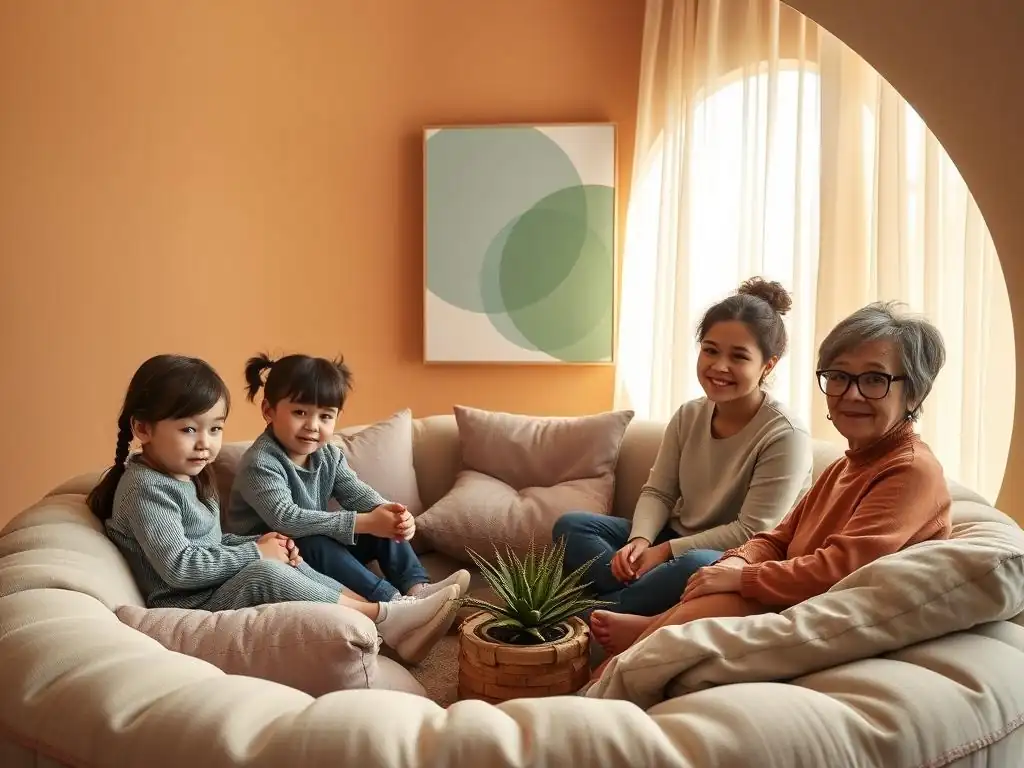
A safe, predictable, and understanding home environment is the bedrock upon which resilience is built. Children need to feel secure, loved, and accepted unconditionally. Knowing they have a reliable support system they can turn to when they are struggling makes them more willing to take risks, face fears, and learn from mistakes. A chaotic or critical environment, conversely, can exacerbate anxiety and undermine resilience.
Creating a supportive space involves consistent routines, clear expectations, empathetic communication, and emotional availability. This means being present for your child, listening actively without interruption, and responding to their emotional needs with warmth and understanding. It also involves ensuring the child feels physically safe and has a predictable structure to their day. A supportive environment doesn't eliminate anxiety, but it provides the secure base from which a child can explore, learn, and practice their resilient kids anxiety strategies.
Seeking Professional Support: When to Consult a Therapist or Counselor
While parents can do much to foster resilience, there are times when professional support is necessary and beneficial. If a child's anxiety is severe, persistent, significantly interfering with their daily life (school attendance, social activities, sleep), or if they are experiencing panic attacks or expressing suicidal thoughts, it is crucial to seek help from a qualified mental health professional. Therapists specializing in child anxiety can provide targeted interventions and support.
Signs that professional help might be needed include: consistent avoidance of activities, significant changes in behavior or mood, frequent physical complaints (stomach aches, headaches) with no medical cause, excessive worry that is difficult to control, or academic decline related to anxiety. Consulting a pediatrician is a good first step, as they can rule out medical causes and provide referrals to specialists. A therapist can teach specific, evidence-based resilient kids anxiety strategies like Cognitive Behavioral Therapy (CBT) or exposure therapy in a structured setting, providing the child and family with expert guidance tailored to their specific needs.
Developing Emotional Regulation Skills
Understanding Emotional Regulation: Identifying and Managing Emotions
Emotional regulation is the ability to understand, experience, and express emotions in healthy ways. It involves recognizing one's own feelings, understanding their intensity, and choosing appropriate responses rather than being overwhelmed by them. For anxious children, strong emotions like fear, worry, or frustration can feel uncontrollable. Developing emotional regulation skills is vital for building resilience because it provides children with the internal capacity to manage their emotional landscape, particularly when confronted with anxiety triggers.
This skill isn't innate; it's learned through observation, guidance, and practice. Helping a child identify their feelings ("It looks like you're feeling angry right now") and understand why they might be feeling that way ("You feel angry because your tower fell down") is the first step. Then comes learning how to respond constructively. This involves teaching coping mechanisms that help them navigate intense emotions without resorting to unhelpful behaviors like tantrums, withdrawal, or avoidance. Mastering emotional regulation is a key aspect of developing effective resilient kids anxiety strategies.
Techniques for Teaching Emotional Regulation: Games and Activities
Teaching emotional regulation can be made engaging for children through games, activities, and creative outlets. These methods make learning fun and provide concrete ways for children to practice identifying and managing their feelings in low-stakes environments before applying them during moments of distress. Incorporating play into learning about emotions can significantly increase a child's receptiveness and understanding.
Using visual aids, role-playing different emotional scenarios, and engaging in activities like journaling or art therapy can help children express and process their feelings. Teaching specific self-soothing techniques provides them with tools they can use independently when feeling overwhelmed. These playful yet structured approaches are excellent methods for embedding resilient kids anxiety strategies into a child's daily life.
Emotion Identification: Using Visual Aids and Role-Playing
Children often struggle to name their feelings. Using visual aids like emotion charts (faces showing happy, sad, angry, scared, worried, etc.) can help them connect a feeling word to an expression or physical sensation.
- Use emotion flashcards or charts to help the child point to how they are feeling.
- Read books or watch shows and ask, "How do you think that character is feeling right now? Why?"
- Role-play different scenarios: "Imagine you didn't get picked for the team. How might you feel? What could you do?"
- Play "Emotion Charades," where family members act out feelings for others to guess.
Healthy Coping Strategies: Journaling, Art, and Exercise
Once children can identify their feelings, they need healthy ways to express and process them. Creative outlets and physical activity are excellent tools.
- Journaling: Provide a notebook and encourage older children to write or draw about their day or how they are feeling. It doesn't have to be structured; just getting thoughts out can be helpful.
- Art: Drawing, painting, or sculpting can be a non-verbal way for children to express complex emotions. Provide materials and a space to create.
- Exercise: Physical activity is a natural stress reliever. Encourage running, jumping, dancing, or playing sports. Even a short walk can help shift a child's mood and release tension.
Self-Soothing Techniques: Sensory Activities and Comfort Objects
Self-soothing involves activities that help a child calm themselves down when feeling anxious or overwhelmed. These often engage the senses in a comforting way.
- Sensory bottle: A bottle filled with glitter glue and water that the child can shake and watch the glitter settle.
- Comfort objects: A soft blanket, a favorite stuffed animal, or a smooth stone to hold.
- Listening to calming music or nature sounds.
- Taking a warm bath or shower.
- Gentle physical touch like a hug or back rub (if the child is receptive). These provide immediate, accessible resilient kids anxiety strategies.
The Role of Parents and Caregivers
Modeling Resilience: Demonstrating Coping Mechanisms
Parents and caregivers are the primary models for children. How adults handle their own stress, anxiety, and setbacks significantly influences how children learn to cope. Demonstrating healthy coping mechanisms, problem-solving skills, and a positive attitude towards challenges teaches children by example how to navigate difficulties and build resilience. Children are constantly observing and absorbing the behaviors of the adults around them.
This means being mindful of how you express your own anxieties or frustrations. Instead of hiding stress entirely, model managing it. For instance, if you're feeling stressed about a deadline, you might say, "I'm feeling a bit stressed about this work project, so I'm going to take a few deep breaths and then make a plan to tackle it." Sharing your feelings appropriately and showing your child how you use your own resilient kids anxiety strategies provides a powerful, real-world lesson.
Effective Communication: Active Listening and Empathetic Responses
Open, honest, and empathetic communication is fundamental to supporting an anxious child and fostering their resilience. Active listening involves truly hearing what your child is saying, paying attention to their verbal and non-verbal cues, and reflecting back your understanding. Empathetic responses show you are trying to connect with their feelings, even if you don't fully understand them or agree with their perspective.
When a child expresses anxiety, avoid interrupting or jumping in with solutions immediately. Listen patiently, validate their feelings ("It sounds like you're feeling really nervous about the test"), and ask open-ended questions ("What worries you most about it?"). This creates a safe space for them to share and helps them feel understood. Effective communication builds trust and strengthens the parent-child bond, which is a vital protective factor in building resilient kids anxiety strategies.
Realistic Expectations: Setting Achievable Goals
Setting realistic expectations for children is crucial for building their confidence and preventing them from being constantly overwhelmed by perceived failure. Unrealistic demands can fuel anxiety and make children feel inadequate, undermining their resilience. Goals should be challenging enough to encourage growth but achievable enough to allow for success and a sense of accomplishment.
Work with your child to set small, specific, and measurable goals. For a child anxious about reading aloud, a goal might be to read one sentence aloud to a parent each day, rather than reading a full page in front of the class immediately. Celebrate the achievement of these smaller goals. This teaches children that progress happens incrementally and that effort leads to success, reinforcing the idea that they are capable of tackling challenges step by step. Setting realistic expectations is a practical application of resilient kids anxiety strategies.
Prioritizing Parental Well-being: Self-Care Strategies
Caring for an anxious child can be emotionally demanding. Parents and caregivers need to prioritize their own well-being and practice self-care. When adults are stressed or burned out, it is harder to provide the consistent, patient, and empathetic support that an anxious child needs. Taking care of yourself is not selfish; it's essential for being able to care for your child effectively.
Identify your own stress triggers and develop healthy coping mechanisms. This might include exercise, spending time in nature, pursuing hobbies, connecting with friends, practicing mindfulness, or seeking support from a partner, friends, or a therapist. Model self-care for your child; let them see you taking time to recharge. This teaches them the importance of prioritizing their own well-being as they grow and develop their own resilient kids anxiety strategies.
Creating a Resilient Home Environment
Predictable Routines: Providing Structure and Stability
Children, especially those prone to anxiety, thrive on predictability and structure. Consistent daily and weekly routines provide a sense of security and stability, reducing the uncertainty that often fuels anxiety. Knowing what to expect helps children feel more in control and less overwhelmed by the transitions and demands of their day.
Establish consistent times for waking up, meals, homework, playtime, chores, and bedtime. Use visual schedules for younger children or written schedules for older ones. While flexibility is sometimes necessary, maintaining the core structure helps create a calm and predictable environment. This predictability reduces anticipatory anxiety and provides a secure base from which children can practice their resilient kids anxiety strategies. For instance, a consistent bedtime routine can significantly reduce bedtime anxiety.
Minimizing Stress: Reducing Exposure to Overwhelming Situations
While we can't shield children from all stress, we can be mindful of minimizing unnecessary exposure to overwhelming situations, particularly when they are already feeling anxious. This might involve limiting exposure to frightening news or media, avoiding overly stimulating environments when they are tired or stressed, or managing family conflict away from the children.
It also involves being aware of the child's individual sensitivities and pacing activities accordingly. For example, if a child is easily overwhelmed in large crowds, start with shorter visits to less crowded places before attempting a major event. Gradually increase exposure as they build confidence and coping skills. This thoughtful approach helps prevent unnecessary anxiety spikes and creates space for the child to build their resilient kids anxiety strategies at their own pace.
Physical Activity and Nutrition: Promoting Physical and Mental Health
The connection between physical health and mental well-being is undeniable. Regular physical activity and a balanced diet are fundamental to building resilience in children. Exercise is a powerful stress reducer, releasing endorphins that improve mood and helping to regulate sleep patterns, which are often disrupted by anxiety. Good nutrition provides the body and brain with the fuel needed to function optimally and manage stress.
Encourage daily physical activity, whether it's structured sports, active play outdoors, or family walks. Aim for at least 60 minutes of moderate to vigorous activity most days. Ensure the child eats regular, balanced meals and snacks, limiting processed foods, excessive sugar, and caffeine, all of which can exacerbate anxiety symptoms. These lifestyle factors provide a strong biological foundation for developing resilient kids anxiety strategies.
Open Communication: Encouraging Dialogue and Emotional Expression
Creating a home environment where open communication is encouraged allows children to feel safe expressing their thoughts, feelings, and worries without fear of judgment. This involves regular check-ins, creating opportunities for conversation, and modeling open communication as parents. When children feel comfortable talking about their emotions, they are less likely to internalize them, which can fuel anxiety.
Set aside dedicated time for family conversations, such as during dinner or a regular "check-in" time. Ask open-ended questions that encourage more than a "yes" or "no" answer. Share aspects of your own day and feelings (appropriately) to model openness. Listen attentively when your child talks and respond with empathy and understanding. Encourage them to use "feeling words" and validate their experiences. This fosters emotional literacy and strengthens the foundation for resilient kids anxiety strategies.
Long-Term Benefits of Resilience Training
Improved Mental Health: Reduced Anxiety and Depression
Perhaps the most significant long-term benefit of fostering resilience in anxious children is the positive impact on their mental health. Children who develop strong coping skills, self-esteem, and the ability to navigate challenges are less likely to experience chronic anxiety or develop depression later in life. Resilience acts as a protective factor against mental health issues by equipping individuals with the tools to manage stress and emotional difficulties effectively.
Research consistently shows that early interventions focused on building resilience can lead to a reduction in anxiety symptoms and a decreased risk of developing anxiety disorders. For example, a longitudinal study tracking children over several years found that those who demonstrated higher levels of resilience in childhood were less likely to be diagnosed with anxiety or depression in adolescence and early adulthood. Teaching resilient kids anxiety strategies provides enduring benefits for their emotional well-being.
Enhanced Academic Performance: Increased Focus and Concentration
Anxiety can significantly impair a child's ability to focus, concentrate, and learn in school. Worries can consume mental energy, making it difficult to pay attention in class, complete assignments, or perform well on tests. By helping children manage their anxiety and build resilience, we can improve their cognitive function and enhance their academic performance.
Resilient children are better able to manage stress related to schoolwork and testing. They are more likely to persevere when faced with challenging academic tasks and less likely to be derailed by setbacks like a poor grade. Developing coping skills like mindfulness can improve focus and attention span. These resilient kids anxiety strategies not only benefit their emotional state but also create a more conducive environment for learning and academic success.
Anxiety, particularly social anxiety, can make it difficult for children to form and maintain friendships. Fear of judgment or rejection can lead to avoidance of social situations, isolation, and feelings of loneliness. Building resilience helps children develop the social skills and confidence needed to navigate peer interactions more effectively.
Resilient children are often more empathetic, better communicators, and more adaptable in social settings. They are better equipped to handle conflicts, bounce back from social setbacks (like disagreements with friends), and assert themselves appropriately. Learning to manage their own emotions also helps them understand and respond to the emotions of others. Fostering resilient kids anxiety strategies therefore has a positive ripple effect on a child's social development and their ability to build strong, supportive relationships.
Life is full of challenges, from everyday frustrations to significant life transitions and unexpected crises. The resilient kids anxiety strategies and coping skills developed in childhood provide a foundation for navigating future difficulties throughout life. A child who learns how to manage anxiety related to a school presentation is better prepared to handle the stress of a job interview as an adult.
Resilience is not a trait a child either has or doesn't have; it's a capacity that can be built and strengthened over time and through experience. By providing children with the tools and support to face their anxieties and learn from challenges, we equip them with the fundamental skills needed to adapt, persevere, and thrive when faced with adversity at any age. This long-term enhancement of coping abilities is perhaps the most valuable outcome of focusing on resilience.
Cognitive Behavioral Therapy (CBT) for Anxiety
CBT Principles: Identifying and Changing Negative Thought Patterns
Cognitive Behavioral Therapy (CBT) is one of the most effective, evidence-based treatments for anxiety in children and adolescents. The core principle of CBT is that our thoughts, feelings, and behaviors are interconnected. Specifically, it posits that negative or irrational thought patterns contribute significantly to anxious feelings and unhelpful behaviors (like avoidance). CBT helps individuals identify these negative thought patterns, challenge their validity, and replace them with more realistic and helpful thoughts.
For example, an anxious child might have the thought, "If I make a mistake in class, everyone will laugh at me, and it will be terrible." CBT helps the child identify this thought, examine the evidence for and against it (Has everyone laughed before? What's the likelihood? What's the actual consequence if someone giggles?
), and develop a more balanced thought ("Making a mistake is okay. Most people probably won't notice, and if someone does, it's not the end of the world. I can handle it."). This process of cognitive restructuring is a key component of resilient kids anxiety strategies taught in therapy.
CBT and Resilience: Developing Coping Skills and Problem-Solving Abilities
CBT is highly effective at building resilience because it directly teaches children practical coping skills and problem-solving abilities. Beyond changing thought patterns, CBT includes behavioral techniques like exposure therapy, where children are gradually and safely exposed to feared situations (e.g., public speaking, social interactions) in a controlled environment, helping them learn that they can tolerate the anxiety and that their feared outcomes are often less likely or less catastrophic than they imagine.
Through CBT, children learn relaxation techniques, problem-solving steps, and communication skills. They are encouraged to face their fears rather than avoid them, building confidence and mastery. The therapist acts as a coach, guiding the child in applying these resilient kids anxiety strategies in real-life situations. This active, skill-based approach empowers children, giving them a sense of control over their anxiety and significantly strengthening their capacity to bounce back from challenges.
Finding a Qualified CBT Therapist: Resources and Considerations
If you are considering CBT for your child's anxiety, finding a qualified therapist is essential. Look for licensed mental health professionals (psychologists, social workers, counselors) who specialize in working with children and adolescents and have specific training and experience in delivering CBT for anxiety disorders. Pediatricians or school counselors can often provide referrals.
Resources like professional organizations (e.g., the Anxiety & Depression Association of America - ADAA, the Association for Behavioral and Cognitive Therapies - ABCT) often have searchable directories of qualified therapists. Consider the therapist's approach, their experience with your child's specific age group and type of anxiety, and whether you and your child feel comfortable talking to them. Discuss the therapist's treatment plan and goals with them. Investing in professional support like CBT can provide invaluable resilient kids anxiety strategies that have a lasting positive impact on a child's well-being.
Frequently Asked Questions
How can I help my anxious child build resilience?
You can help by teaching them coping mechanisms for anxiety, fostering a growth mindset, and providing a safe and supportive environment.
What are some practical anxiety strategies I can teach my child?
Teach them techniques like deep breathing, mindfulness exercises, and positive self-talk. These help manage anxious feelings and build self-regulation skills.
Why is resilience important for children struggling with anxiety?
Resilience helps children bounce back from setbacks, manage stress more effectively, and develop a stronger sense of self-efficacy in the face of anxiety.
What role does parental support play in fostering resilient kids?
Parents provide a secure base from which children can explore, offering consistent support and encouragement during challenging times, crucial for building resilience against anxiety.
Are there resources available to help me learn more about resilient kids anxiety strategies?
Yes, Mind Care Guide offers articles, guides, and resources dedicated to helping parents understand and implement effective strategies for fostering resilience in anxious children.
Final Reflection: Cultivating Resilience: A Legacy of Strength
The ability to bounce back from adversity is no longer a luxury, but a necessity for children navigating today's complex world. Anxiety in children is reaching epidemic proportions, impacting their academic performance, social interactions, and overall well-being. This article has explored practical strategies to foster resilience, equipping young minds with the tools they need to not only survive, but thrive in the face of challenges.
The journey towards building inner strength is a continuous process, one that ripples outwards to influence not only the individual child but also their families and communities. The impact of anxiety is far-reaching, affecting everything from academic achievement to social relationships. As we empower children with resilience, we are simultaneously strengthening the fabric of society. The best way to predict the future is to create it,
– Abraham Lincoln. This quote speaks volumes about the proactive nature of fostering resilience; by actively nurturing these skills in children, we are shaping a future where they are better equipped to handle whatever life throws their way.
You, the reader, now hold the key to unlocking a world of possibility for the anxious children in your life. Consider the strategies discussed – mindfulness techniques, positive self-talk, and the importance of strong social connections – and actively integrate them into your interactions. Don't underestimate the power of your influence. By nurturing resilience in children, you are not only helping them overcome anxiety, but you are also empowering them to become confident, capable, and compassionate adults. Let's work together to build a future where every child has the inner strength to face their fears and embrace their potential.
Unleash Your Child's Inner Resilience!
Thanks for taking the time to explore ways to build resilience in your anxious child. We hope you found the insights helpful and empowering. Now, let's put that knowledge into action!
- Prioritize one small, manageable step from the article today. Even a 5-minute mindful breathing exercise can make a difference.
- Share this article with a friend or family member who might benefit from these strategies. Building a supportive network is key!
- Consider journaling about your child's progress – it’s a great way to track their growth and your own successes.
What small step will you take today to nurture your child's inner strength?