
Simple Steps to Calm: Effective Relaxation Techniques for Kids

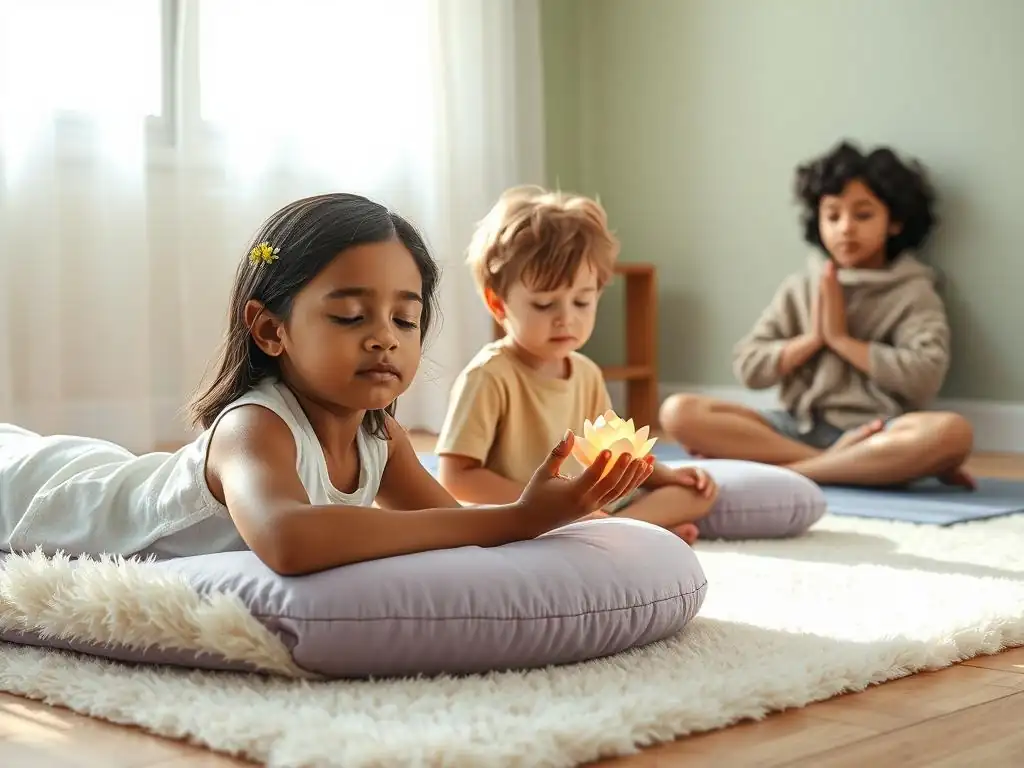
Welcome to Mind Care Guide, a sanctuary for nurturing mental well-being.
Feeling overwhelmed and searching for ways to help your child find calm? You're not alone. Discover simple yet powerful solutions with our guide to "Kids relaxation techniques breathing exercises." Learn how these easy-to-implement strategies can help soothe anxieties and cultivate a sense of peace within your little one. Ready to breathe easier? Let's begin.
Simple Steps to Calm: Effective Relaxation Techniques for Kids
- Understanding Anxiety in Children: A Mind Care Guide Introduction
- Kids Relaxation Techniques: Breathing Exercises for Anxiety Relief
- Other Effective Relaxation Techniques for Kids Beyond Breathing
- Creating a Relaxing Environment for Children: Setting the Stage for Calm
- Age-Appropriate Relaxation Techniques: Tailoring Calm to Kids
- Making Relaxation a Habit: Integrating Techniques into Daily Life
- Resources for Parents and Caregivers: Supporting Your Child's Relaxation Journey
- Conclusion: Empowering Kids with Relaxation Techniques for a Calmer Life
-
Frequently Asked Questions
- What are some simple breathing exercises I can teach my kids for relaxation?
- Why are relaxation techniques, especially breathing exercises, important for children's mental well-being?
- At what age can I start teaching my child relaxation techniques like breathing exercises?
- How often should my child practice these relaxation techniques?
- Where can I find more resources and support for teaching my kids relaxation techniques and managing their mental health?
- Final Reflection: Breathing Our Way to a Calmer Childhood
- Unlock Your Child's Inner Calm: Start Practicing Today!
Understanding Anxiety in Children: A Mind Care Guide Introduction
The Growing Need for Relaxation Strategies for Children
Anxiety is a common experience for children today, influenced by various factors ranging from academic pressures and social dynamics to exposure to world events. Data suggests that a significant percentage of children and adolescents experience an anxiety disorder at some point. For instance, estimates from organizations like the CDC indicate that approximately 7.1% of children aged 3-17 years have diagnosed anxiety.
This highlights a substantial need for accessible and effective tools that kids can use to manage their feelings of overwhelm and stress. Teaching kids relaxation techniques, including simple breathing exercises, provides them with vital self-regulation skills that can serve them throughout their lives.
Without appropriate coping mechanisms, childhood anxiety can impact development, academic performance, sleep patterns, and social interactions. Early intervention and skill-building are crucial. Introducing structured methods like kids relaxation techniques breathing exercises empowers children, giving them a sense of control over their internal state rather than being consumed by anxious feelings. These strategies are not just for children with diagnosed anxiety disorders but are beneficial for any child navigating the typical stresses and challenges of growing up. Providing these tools is an investment in their emotional resilience and overall mental well-being.
Identifying Anxiety Triggers in Kids: A First Step to Calm
Recognizing what causes a child's anxiety is fundamental to helping them manage it. Triggers can be diverse and highly personal. Common examples include school-related stressors like tests, homework, or social situations; transitions such as starting a new school or moving; family changes; specific fears like darkness or loud noises; or even exposure to upsetting news. Observing a child's behavior is key: do they become withdrawn, irritable, or clingy before or after certain events? Do they complain of physical symptoms like stomachaches or headaches in specific situations?
Parents and caregivers can play a detective role, patiently observing and gently asking questions. Keeping a simple journal for a week or two might reveal patterns. For example, a child might consistently seem agitated on Sunday evenings, signaling anxiety about the upcoming school week. Another might show distress before group activities but relax during solitary play. Identifying these triggers allows adults to anticipate challenging situations and proactively employ kids relaxation techniques breathing exercises or other calming strategies before anxiety escalates. This proactive approach is far more effective than trying to calm a child already in the throes of panic.
Kids Relaxation Techniques: Breathing Exercises for Anxiety Relief
Deep Breathing for Kids: The Foundation of Relaxation
Deep breathing is perhaps the most accessible and effective of all kids relaxation techniques breathing exercises. It works by activating the body's parasympathetic nervous system, which counteracts the 'fight or flight' response associated with anxiety. When a child is anxious, their breathing tends to be shallow and rapid. Teaching them to take slow, deep breaths signals to their brain that they are safe, helping to lower heart rate and calm the nervous system. This fundamental skill is the cornerstone for many other relaxation practices.
Introducing deep breathing doesn't have to be complicated. Simple analogies can make it engaging for children. Imagine breathing in the smell of a favorite flower (slow inhale) and blowing out a candle (slow exhale). Or pretend their belly is a balloon they are slowly inflating and deflating. Practicing this for just a few minutes each day, even when the child isn't anxious, builds muscle memory and makes it easier to use the technique when they do feel stressed. Consistency is key to making deep breathing a natural response.
Belly Breathing Exercises: A Simple Guide for Children
Belly breathing, also known as diaphragmatic breathing, is a specific type of deep breathing that is particularly effective for relaxation and is a core component of kids relaxation techniques breathing exercises. It focuses on using the diaphragm, the large muscle beneath the lungs, to draw air deep into the abdomen rather than just into the chest. This maximizes oxygen intake and promotes a deeper state of calm. Teaching kids to feel their belly rise and fall helps them understand and execute this technique correctly.
A simple way to teach belly breathing is to have the child lie down or sit comfortably. Place a small, soft object like a stuffed animal on their belly. Instruct them to breathe in slowly through their nose, imagining filling their belly with air like a balloon, watching the stuffed animal rise.
Then, tell them to breathe out slowly through their mouth, letting the stuffed animal sink as the air leaves their belly. Encourage them to make the exhale slightly longer than the inhale, perhaps counting to four on the inhale and five or six on the exhale. Practicing this daily for 3-5 minutes can significantly improve a child's ability to calm themselves.
Box Breathing Technique for Kids: Visualizing Calm
Box breathing, or square breathing, is a structured breathing technique that is excellent for helping children focus and regulate their breath. It involves breathing in for a count of four, holding the breath for a count of four, breathing out for a count of four, and holding the breath again for a count of four. Visualizing tracing a box or a square while breathing can make this process more engaging and easier for kids to follow, integrating a visual element into kids relaxation techniques breathing exercises.
To teach box breathing, explain the four steps using a visual aid, like drawing a square in the air or on paper. "Breathe in as you draw the first side (count 1-2-3-4), hold your breath as you draw the second side (count 1-2-3-4), breathe out as you draw the third side (count 1-2-3-4), and hold your breath as you draw the fourth side (count 1-2-3-4)." Repeat this cycle several times.
This structured approach provides a clear rhythm, which can be very grounding for an anxious child. It helps them concentrate on the counts and the visual, distracting them from anxious thoughts while regulating their breath.
Other Effective Relaxation Techniques for Kids Beyond Breathing
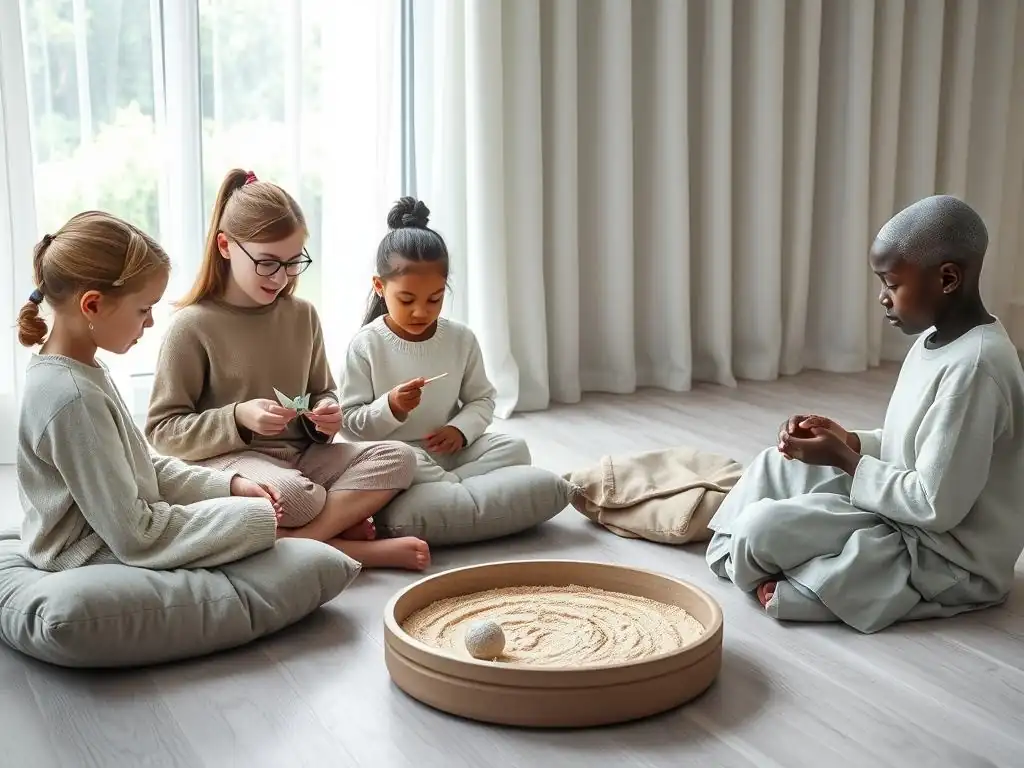
Progressive Muscle Relaxation (PMR) for Children: Release Tension
Progressive Muscle Relaxation (PMR) is a technique that involves tensing specific muscle groups and then consciously releasing the tension. This helps children become more aware of the physical sensations of tension and relaxation in their bodies. Anxiety often manifests as physical tension – clenched fists, tight shoulders, jaw clenching. PMR is a powerful tool to help kids recognize and release this physical manifestation of stress.
To adapt PMR for children, use playful language. Instruct them to squeeze their hands tight like they are squeezing a lemon for a count of five, then release and notice how their hands feel floppy and relaxed.
Move through different body parts: scrunch up their face like a prune, stiffen their legs like a robot, tighten their shoulders up to their ears like a turtle hiding in its shell. Spending a few minutes tensing and releasing different muscle groups can help children physically let go of pent-up stress and tension, complementing the calming effects of kids relaxation techniques breathing exercises.
Guided Imagery for Kids: Creating a Peaceful Mental Space
Guided imagery involves leading a child through a visualization of a peaceful and safe place or experience. This technique leverages the power of the mind to promote relaxation and reduce anxiety. By focusing on pleasant mental images, sounds, smells, and feelings, children can shift their attention away from worries and enter a calmer state.
A guided imagery script for a child might involve imagining they are lying on a soft, warm beach, feeling the gentle sun, hearing the waves, and smelling the salty air. Or perhaps they are exploring a magical forest, feeling the cool breeze and seeing colorful birds. Use descriptive language to engage their senses.
"Imagine you are floating on a soft cloud... it feels so fluffy and warm... you can see the ground far below, but you are safe and peaceful..." Many resources offer scripts, or parents can create their own based on places or activities their child loves. This mental retreat provides a powerful escape from anxious feelings.
Mindfulness Exercises for Kids: Focusing on the Present
Mindfulness is about paying attention to the present moment without judgment. For children, this can involve simple exercises that bring their awareness to their senses and immediate surroundings. Teaching mindfulness helps kids notice their thoughts and feelings without getting swept away by them, fostering a sense of groundedness.
Simple mindfulness activities for kids include:
- Mindful Eating: Slowly eating a piece of fruit, paying attention to its color, smell, texture, and taste.
- Mindful Listening: Closing eyes and listening for all the sounds they can hear, near and far.
- Body Scan: Gently noticing sensations in different parts of their body, from toes to head.
- Mindful Walking: Paying attention to the feeling of their feet touching the ground with each step.
These exercises, often done for just a few minutes, help children develop focus and self-awareness, skills that support their ability to utilize kids relaxation techniques breathing exercises effectively and manage stress in general.
Creating a Relaxing Environment for Children: Setting the Stage for Calm
The Importance of a Calm and Quiet Space
The physical environment plays a significant role in a child's ability to relax. A calm and quiet space free from excessive clutter and noise can serve as a sanctuary where they can practice relaxation techniques or simply decompress. Designating a specific area in the home, even a corner of a room, as a 'calm corner' can be very helpful. This space should be comfortable and inviting, perhaps with soft cushions, blankets, and minimal distractions.
Ensuring the space is quiet is also crucial. Background noise from television, electronics, or even loud conversations can make it difficult for a child to focus on internal states or follow guided relaxation instructions. Creating a routine where quiet time is scheduled allows children to anticipate and benefit from this peaceful period. This dedicated environment supports the practice of all kids relaxation techniques, making them more effective.
Incorporating Soothing Sounds and Scents
Sensory elements can significantly enhance a relaxing environment. Soothing sounds, such as gentle instrumental music, nature sounds (like rain or ocean waves), or white noise, can mask distracting noises and create a peaceful atmosphere. Many children's relaxation resources, including apps focused on kids relaxation techniques breathing exercises, incorporate these types of sounds.
Certain scents can also have a calming effect. Lavender, chamomile, or vanilla are often associated with relaxation. Using a diffuser with child-safe essential oils (properly diluted and used under supervision) or simply having a sachet of dried lavender in the relaxation space can contribute to a sense of calm. Be mindful of sensitivities and allergies when introducing scents. Combining calming sounds and scents with physical comfort helps create a multi-sensory experience that promotes deep relaxation.
Limiting Screen Time Before Relaxation Activities
Excessive screen time, particularly exposure to fast-paced content or social media, can be stimulating and even contribute to anxiety in children. The blue light emitted by screens can also interfere with the body's natural sleep-wake cycle, impacting overall well-being and the ability to relax. Therefore, limiting screen time, especially in the hour or two before attempting relaxation activities or bedtime, is highly recommended.
Instead of screens, encourage quieter activities before relaxation time, such as reading a book, drawing, or quiet play. This transition helps the child's brain downshift from a state of high stimulation to one more conducive to calm. Establishing a consistent routine that includes winding down without screens sets the stage for more effective practice of kids relaxation techniques breathing exercises and other calming strategies.
Age-Appropriate Relaxation Techniques: Tailoring Calm to Kids
Relaxation for Preschoolers: Simple and Fun Activities
Preschoolers have short attention spans and learn best through play and simple, concrete activities. Relaxation techniques for this age group should be brief, engaging, and tied to sensory experiences or imagination. Simple belly breathing can be taught using the 'teddy bear on the belly' method. Guided imagery can be a short story about a favorite animal relaxing.
Other effective techniques include 'spaghetti body' (tensing and releasing muscles like cooking spaghetti), 'rag doll' (shaking out limbs loosely), and simple stretches. Mindfulness can be introduced by focusing on one sense at a time – what do they hear right now? What color is the sky? Activities should last only a few minutes and be presented as fun games rather than chores. Consistency in brief, playful practice is more effective than long, structured sessions.
Relaxation for Elementary School Kids: Building Self-Regulation Skills
Elementary school-aged children (roughly 6-10) can understand more complex instructions and benefit from techniques that help them build self-awareness and self-regulation skills. They can learn the structured steps of box breathing and the concept behind progressive muscle relaxation more readily than preschoolers. They can also engage in longer guided imagery sessions.
Introducing concepts like identifying emotions and choosing a relaxation tool is appropriate. For example, creating a 'calm down kit' with items like a stress ball, coloring pages, and instructions for kids relaxation techniques breathing exercises empowers them to select a strategy when feeling overwhelmed. Group activities, like a class or family breathing exercise, can also be effective and normalize the practice of relaxation.
Relaxation for Teens: Managing Stress and Anxiety
Teenagers face increasing academic and social pressures, making relaxation techniques vital tools for managing stress and anxiety. While some might resist overtly childish activities, many relaxation principles can be adapted to be more appealing. Deep breathing, including techniques like 4-7-8 breathing, and structured methods like box breathing are highly relevant. PMR can be taught more formally, explaining the physiological benefits.
Mindfulness can resonate with teens, especially when framed as a way to improve focus, manage stress, or gain control over racing thoughts. Guided meditations (available via apps or online) can be a good entry point. Journaling, listening to calming music, gentle yoga or stretching, and spending time in nature are also effective relaxation methods for this age group. Empowering teens to choose the techniques that work best for them is crucial for adoption.
Making Relaxation a Habit: Integrating Techniques into Daily Life
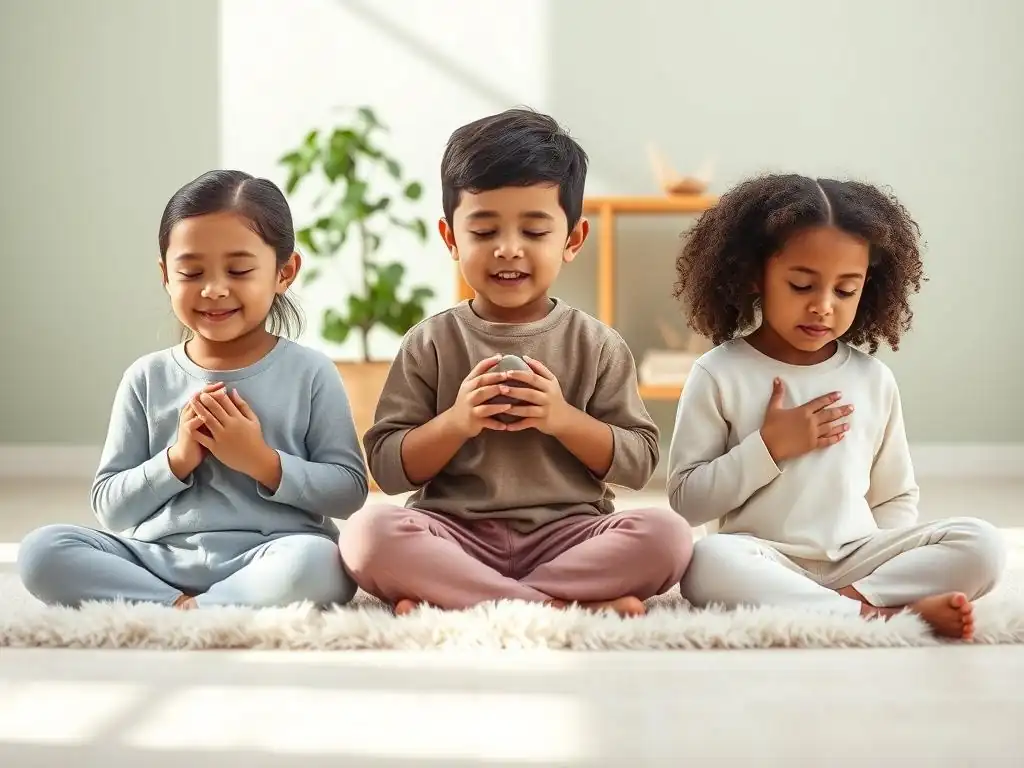
Scheduling Regular Relaxation Time
For relaxation techniques to be effective, they need to be practiced consistently, not just in moments of crisis. Scheduling regular relaxation time, even if just for 5-10 minutes daily, helps children build familiarity and confidence with the techniques. This could be part of a morning routine, after school, or before bedtime.
Think of it like brushing teeth – a non-negotiable part of the day. This scheduled practice allows kids to experience the calming benefits in a relaxed state, making it easier to access those benefits when they are feeling anxious. Consistency builds the neural pathways that support relaxation and makes kids relaxation techniques breathing exercises a default coping mechanism rather than a last resort.
Using Relaxation as a Coping Mechanism for Stressful Situations
Once children have practiced relaxation techniques regularly, they can begin to use them actively as coping mechanisms in stressful situations. This requires recognizing the early signs of anxiety or stress. Encourage children to notice physical sensations (like a racing heart or tense shoulders) or thoughts (like "I can't do this") that signal rising anxiety.
When these signs appear, prompt them to use a chosen technique. For instance, before a test, a child might do a few rounds of box breathing. If feeling overwhelmed by homework, they might try progressive muscle relaxation. Frame these techniques as tools in their 'calm kit' – strategies they can choose to help themselves feel better. Practice using the techniques during mildly stressful situations first to build confidence before tackling more significant challenges.
Encouraging Open Communication About Feelings
Creating an environment where children feel safe to talk about their feelings is paramount. Open communication helps identify triggers, allows children to express their anxiety, and makes them more receptive to using relaxation techniques. Let them know that it's okay to feel worried, scared, or stressed, and that everyone experiences these feelings sometimes.
Ask open-ended questions like, "How did that make you feel?" or "What was going on in your body when that happened?" Listen without judgment and validate their emotions. Explain that relaxation techniques, including kids relaxation techniques breathing exercises, are tools to help manage those feelings, not to make them disappear entirely. Regular check-ins about their emotional state reinforce that their feelings matter and that you are there to support them in finding ways to cope.
Resources for Parents and Caregivers: Supporting Your Child's Relaxation Journey
Books and Apps for Kids' Relaxation
Numerous resources are available to help parents introduce and practice relaxation techniques with their children. Books can offer simple explanations and engaging illustrations of concepts like breathing exercises or mindfulness. Titles such as "Sitting Still Like a Frog" by Eline Snel or "Mindful Kids" by Whitney Stewart and Mina Braun provide age-appropriate activities.
Relaxation and meditation apps designed for children are also popular tools. Apps like Calm Kids, Headspace for Kids, or Moshi offer guided meditations, stories, and breathing exercises specifically tailored for young audiences. These digital resources can make practice fun and accessible, providing guided sessions that parents might find helpful to follow along with. While specific app names are mentioned as examples, parents should research and choose resources that fit their child's age and interests.
Child Mind Institute and Anxiety & Depression Association of America
Organizations dedicated to children's mental health offer valuable information and resources for parents and caregivers. The Child Mind Institute provides extensive guides, articles, and videos on childhood anxiety, its signs, and strategies for support, including various kids relaxation techniques. Their website is a robust source of expert-vetted information.
Similarly, the Anxiety & Depression Association of America (ADAA) offers resources specifically focused on anxiety in children and adolescents. They provide information on symptoms, treatment options, and practical tips for parents, including guidance on behavioral strategies like relaxation techniques. Exploring the websites of these reputable organizations can provide parents with a deeper understanding of childhood anxiety and effective ways to help their children.
National Institute of Mental Health and MentalHealth.gov
For broader information on mental health and access to support services, government resources are invaluable. The National Institute of Mental Health (NIMH) is a leading federal agency conducting research on mental disorders. Their website provides authoritative information on various mental health topics, including anxiety disorders in children, outlining symptoms, diagnosis, and evidence-based treatments.
MentalHealth.gov is another comprehensive resource from the U.S. Department of Health & Human Services. It serves as a portal to information on mental health, including guidance on finding help and understanding different conditions. These sites offer general information and are good starting points for parents seeking to understand childhood anxiety within the larger context of mental health and available support systems. They can provide context for why tools like kids relaxation techniques breathing exercises are recommended as part of a comprehensive approach.
Conclusion: Empowering Kids with Relaxation Techniques for a Calmer Life
The Long-Term Benefits of Relaxation Skills
Teaching children relaxation techniques is an investment in their long-term emotional health and resilience. These skills are not just temporary fixes for anxiety but fundamental tools for managing stress, improving focus, and enhancing overall well-being throughout life. Children who learn to calm themselves are better equipped to navigate academic pressures, social challenges, and the uncertainties of adulthood.
Consistent practice of techniques like kids relaxation techniques breathing exercises helps wire the brain for calm, making it easier to access a relaxed state under pressure. These skills can reduce the likelihood of developing anxiety disorders or mitigate their severity. They also contribute to better sleep, improved concentration, and enhanced emotional regulation, paving the way for a healthier, happier life.
Continuing the Journey Towards Mental Well-being
Supporting a child's mental well-being is an ongoing journey, not a destination. Introducing relaxation techniques is a powerful step, but it's part of a larger picture that includes fostering open communication, ensuring adequate sleep and nutrition, encouraging physical activity, and seeking professional help when needed.
Parents and caregivers should continue to practice relaxation alongside their children, modeling healthy coping behaviors. Revisit and adapt techniques as the child grows and their needs change. Celebrate small successes in managing anxiety. By empowering children with effective tools and providing consistent support, we help them build a foundation for a calmer, more resilient future. The simple steps to calm learned today can lead to a lifetime of well-being.
Frequently Asked Questions
What are some simple breathing exercises I can teach my kids for relaxation?
There are several! A good start is belly breathing, where they focus on expanding their abdomen while inhaling. Another is box breathing, inhaling for 4, holding for 4, exhaling for 4, and holding for 4.
Why are relaxation techniques, especially breathing exercises, important for children's mental well-being?
They help regulate the nervous system, reducing feelings of anxiety and stress. These techniques also promote mindfulness and improve focus, leading to better overall well-being.
At what age can I start teaching my child relaxation techniques like breathing exercises?
You can begin introducing simple techniques as early as preschool age, around 3-4 years old. Keep the instructions short and playful to maintain their engagement.
How often should my child practice these relaxation techniques?
Aim for short, regular sessions, perhaps 5-10 minutes daily. You can also use them as needed during moments of stress or anxiety.
Where can I find more resources and support for teaching my kids relaxation techniques and managing their mental health?
Mind Care Guide offers a wealth of information, support, and resources on various mental health challenges, including techniques specifically tailored for children. Explore our website for more details.
Final Reflection: Breathing Our Way to a Calmer Childhood
The need for effective relaxation techniques for children is more urgent than ever. In today's fast-paced world, kids face unprecedented pressures, leading to increased anxiety and stress. Learning simple, accessible methods to manage these feelings is not just beneficial—it's crucial for their healthy development and overall well-being.
The impact of incorporating mindfulness and breathing exercises into a child's life is profound and far-reaching. It's not just about calming down in moments of stress; it's about building resilience, fostering self-awareness, and cultivating a positive relationship with their emotions. As the Dalai Lama wisely said, The time to relax is when you don't have time for it.
This rings especially true for children, who often lack the agency to prioritize self-care. Teaching them these techniques empowers them to take control of their emotional landscape, equipping them with tools they can use throughout their lives.
Now, it's your turn. Consider the simple breathing exercises and relaxation techniques discussed in this article. Choose one that resonates with you, and try it today. Whether it's with your own child, a niece or nephew, or even yourself, the act of sharing these practices is an act of kindness and empowerment. Let's build a generation of children who are not only resilient but also equipped with the tools to navigate the complexities of life with calm and confidence.
Unlock Your Child's Inner Calm: Start Practicing Today!
Thanks for taking the time to learn about simple relaxation techniques for your children. We hope you've gained valuable tools to help them manage stress and anxiety. Now, let's put this knowledge into action!
- Prioritize one calming technique: Choose one exercise from the article—deep breathing, guided imagery, or progressive muscle relaxation—and practice it with your child daily for a week. Even five minutes can make a big difference!
- Share your experience: Tell us (or other parents!) about your experience trying a new relaxation technique in the comments below. What worked well? What challenges did you face?
- Explore creative calming activities: Consider incorporating calming elements into your child's routine – a relaxing bath, listening to calming music, or engaging in creative activities like coloring or drawing.
Ready to create a more peaceful atmosphere for your child? What small step will you take this week to prioritize their well-being?