
The Power of Routine: Why Consistent Sleep Helps Anxiety


Welcome to Mind Care Guide, a safe space dedicated to nurturing your mental well-being.
Feeling overwhelmed by anxiety? You're not alone. Discover how a seemingly simple change can make a profound difference. Dive into our latest article, "The Power of Routine: Why Consistent Sleep Helps Anxiety," and unlock practical strategies to reclaim restful nights and reduce anxiety symptoms. Are you ready to explore the transformative power of consistent sleep? Let's begin.
- The Power of Routine: Why Consistent Sleep Helps Anxiety
- Understanding the Link Between Sleep and Anxiety
- Consistent Sleep Reduces Anxiety Symptoms: The Science Behind It
- Creating a Consistent Sleep Routine for Anxiety Relief
- Practical Tips for Maintaining a Consistent Sleep Schedule
-
Addressing Underlying Sleep Disorders That Contribute to Anxiety
- Identifying Potential Sleep Disorders: Insomnia (difficulty falling or staying asleep), Sleep Apnea (interrupted breathing during sleep), Restless Legs Syndrome (uncomfortable sensations in legs)
- Seeking Professional Help for Persistent Sleep Problems
- The Role of Therapy in Addressing Anxiety-Related Insomnia
- The Long-Term Benefits of Consistent Sleep for Anxiety Management
- Beyond Sleep: Holistic Approaches to Anxiety Reduction
- Conclusion: Prioritizing Consistent Sleep for a Calmer, Healthier You
-
Frequently Asked Questions
- How does consistent sleep specifically help reduce anxiety symptoms?
- What is considered a "consistent" sleep schedule in the context of anxiety management?
- Besides reducing anxiety, what other mental health benefits does consistent sleep offer?
- What are some practical tips for establishing a consistent sleep routine if I struggle with anxiety-related insomnia?
- How quickly can someone expect to see a reduction in anxiety symptoms after establishing a consistent sleep routine?
- Final Reflection: Cultivating Calm Through Consistent Sleep
- Unlock Your Calm: Start Building a Better Sleep Routine Today!
The Power of Routine: Why Consistent Sleep Helps Anxiety
Mind Care Guide: Your Path to Peaceful Sleep and Reduced Anxiety
Welcome to Mind Care Guide, where we explore pathways to mental well-being. Understanding the intricate connection between sleep and anxiety is a crucial step towards finding peace and stability. Anxiety can often feel like a relentless cycle, impacting every aspect of life, and sleep is frequently one of the first casualties. Yet, establishing consistent sleep reduces anxiety symptoms, offering a powerful, natural tool in your mental health toolkit.
Our aim is to provide you with actionable insights and empathetic support as you navigate the challenges of anxiety. We believe that empowering you with knowledge about practices like consistent sleep can make a profound difference. By prioritizing sleep quality and consistency, you're not just resting your body; you're actively nurturing your mind and building resilience against the grip of anxiety.
Understanding the Link Between Sleep and Anxiety
How Anxiety Disrupts Sleep Patterns
Anxiety is characterized by excessive worry, fear, and nervousness, and these states are inherently disruptive to the body's natural wind-down process. When the mind is racing with anxious thoughts, it triggers the sympathetic nervous system, activating the 'fight or flight' response. This physiological state, marked by increased heart rate, heightened alertness, and muscle tension, is the antithesis of the calm needed to fall asleep and stay asleep. The brain remains on high alert, making it difficult to switch off and transition into restorative sleep stages.
Furthermore, anticipatory anxiety about sleep itself can create a self-fulfilling prophecy. Worrying about not being able to sleep, or about the consequences of poor sleep, generates more anxiety, further hindering the ability to relax. This can manifest as difficulty falling asleep (sleep onset insomnia), frequent awakenings during the night, or waking up too early in the morning and being unable to return to sleep.
Studies consistently show a high comorbidity rate, with a significant percentage of individuals diagnosed with anxiety disorders reporting sleep disturbances. For instance, research suggests that between 60% and 90% of adults with generalized anxiety disorder (GAD) experience sleep problems.
The Vicious Cycle: Anxiety, Insomnia, and Increased Stress
The relationship between anxiety and sleep is bidirectional and often forms a detrimental feedback loop. Anxiety leads to poor sleep (insomnia), and poor sleep exacerbates anxiety and stress levels. When you don't get enough quality sleep, your ability to manage stress and regulate emotions is significantly impaired. The amygdala, the brain region associated with fear and emotional processing, becomes more reactive after insufficient sleep. This heightened reactivity means you are more likely to perceive situations as threatening or stressful, triggering further anxious responses.
Chronic sleep deprivation also disrupts the body's stress hormone system, particularly affecting cortisol levels. Normally, cortisol levels are high in the morning and gradually decrease throughout the day. However, disrupted sleep can lead to elevated cortisol levels, especially at night, contributing to feelings of being wired and unable to relax before bed. This persistent state of physiological stress amplifies the symptoms of anxiety, making it harder to cope with daily challenges and increasing overall vulnerability to anxiety triggers. This insidious cycle underscores why breaking the pattern through consistent sleep reduces anxiety symptoms effectively.
The Importance of Sleep for Mental Health: A Foundation for Anxiety Management
Sleep is not merely a period of rest; it is an active and vital process essential for cognitive function, emotional regulation, and overall mental health. During sleep, the brain processes emotions and memories, consolidating learning and helping to regulate mood. Adequate sleep allows the prefrontal cortex, responsible for executive functions like decision-making and emotional control, to function optimally. When sleep is compromised, the emotional centers of the brain can become dysregulated, leading to increased irritability, mood swings, and difficulty managing anxious feelings.
Prioritizing sleep provides a stable foundation upon which effective anxiety management strategies can be built. Think of sleep as the baseline from which your body and mind can better handle stress. Research indicates that individuals who consistently achieve recommended sleep durations (typically 7-9 hours for adults) report lower levels of anxiety and depression compared to those with irregular or insufficient sleep. Establishing regular, consistent sleep reduces anxiety symptoms by improving emotional resilience, enhancing cognitive clarity, and supporting the body's natural stress-response systems.
Consistent Sleep Reduces Anxiety Symptoms: The Science Behind It
Stabilizing Your Circadian Rhythm: The Key to Reduced Anxiety
The circadian rhythm is your internal biological clock, regulating the sleep-wake cycle and influencing various physiological processes, including hormone release, body temperature, and metabolism. A stable circadian rhythm promotes consistent, quality sleep. When this rhythm is disrupted, often by irregular sleep schedules, exposure to light at the wrong times, or inconsistent daily routines, it can negatively impact mood and increase vulnerability to anxiety. The suprachiasmatic nucleus (SCN) in the brain, the master regulator of the circadian clock, is highly sensitive to light cues, particularly from the sun.
Maintaining a consistent sleep schedule helps to entrain or synchronize your internal clock with the 24-hour day-night cycle. This synchronization ensures that your body is naturally prepared for sleep at a regular time and for wakefulness at another. A well-regulated circadian rhythm supports balanced neurotransmitter function, including serotonin and melatonin, which play crucial roles in mood regulation and sleep induction, respectively.
Studies have shown that individuals with stable sleep-wake patterns exhibit greater emotional stability and reduced symptoms of anxiety and depression compared to those with erratic schedules. For example, shift workers, whose circadian rhythms are frequently disrupted, often report higher rates of anxiety disorders.
The Impact of Regular Sleep Schedules on Cortisol Levels
Cortisol, often referred to as the "stress hormone," follows a natural circadian pattern, peaking in the morning to help you wake up and gradually declining throughout the day and evening. This decline is essential for preparing the body for sleep. However, chronic stress and irregular sleep patterns can disrupt this natural rhythm, leading to elevated cortisol levels, especially during the evening and night. High evening cortisol can make it difficult to relax, fall asleep, and stay asleep, perpetuating the cycle of anxiety and insomnia.
Adopting a regular sleep schedule helps to re-establish the healthy circadian pattern of cortisol release. When you go to bed and wake up around the same time daily, your body's hormonal systems, including the hypothalamic-pituitary-adrenal (HPA) axis which regulates cortisol, become more predictable and balanced.
Research has demonstrated that consistent sleep patterns are associated with lower overall cortisol exposure and a healthier cortisol awakening response (CAR), which is the sharp increase in cortisol shortly after waking, indicative of HPA axis function. By stabilizing cortisol levels, consistent sleep reduces anxiety symptoms and enhances your body's ability to manage stress more effectively during the day.
Deeper Sleep, Less Anxiety: The Benefits of Consistent Sleep Duration
Consistent sleep is not just about sticking to a schedule; it's also about ensuring you get adequate duration and quality of sleep, particularly sufficient time in the deeper, more restorative stages. Non-Rapid Eye Movement (NREM) sleep, especially slow-wave sleep (SWS), is crucial for physical restoration, memory consolidation, and processing emotional experiences. REM sleep is vital for emotional regulation and processing traumatic or stressful events. Inadequate sleep duration or disrupted sleep architecture (spending too little time in SWS or REM) impairs these vital processes.
When sleep is consistent and sufficient, the brain has the opportunity to cycle through these stages effectively. This allows for better processing of daily stressors and emotional experiences, reducing their impact on your waking state. Studies using fMRI have shown that after a full night's sleep, the connection between the prefrontal cortex and the amygdala is stronger, indicating better top-down control over emotional responses.
Conversely, sleep deprivation weakens this connection, leading to exaggerated emotional reactions. Ensuring consistent sleep reduces anxiety symptoms by providing the necessary time for the brain to perform these crucial restorative and emotional processing functions, leading to greater emotional resilience and calmness.
Creating a Consistent Sleep Routine for Anxiety Relief
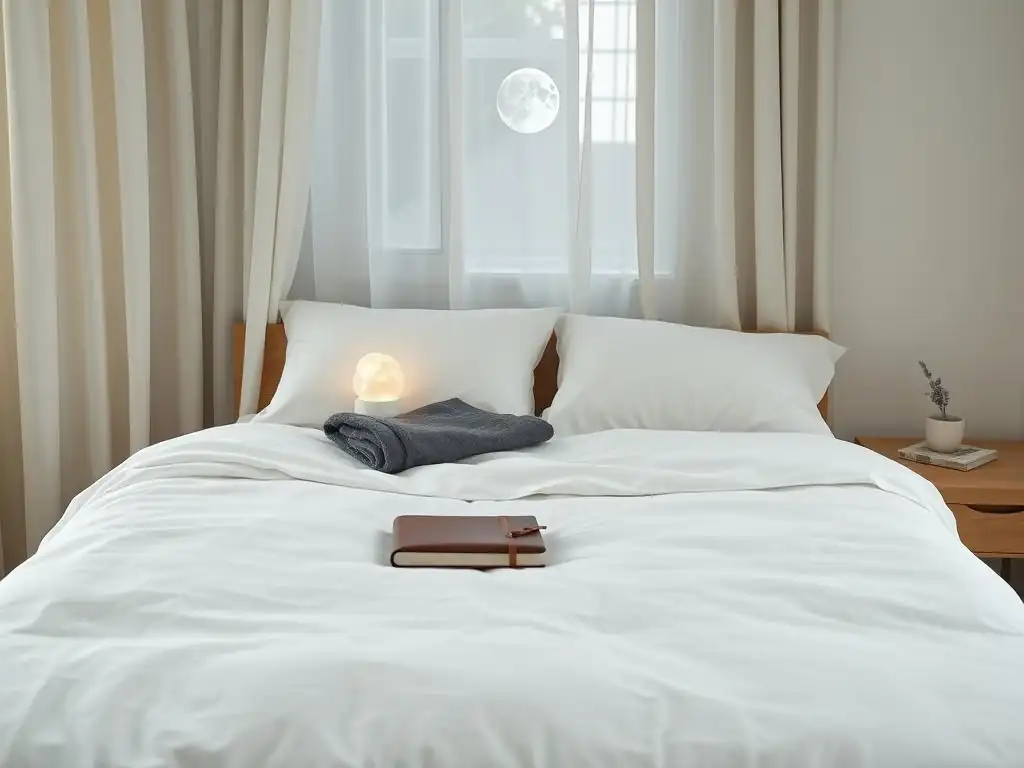
Establish a Fixed Sleep-Wake Schedule: Even on Weekends
One of the most impactful steps you can take is to set a consistent bedtime and wake-up time and adhere to it as closely as possible, ideally within an hour difference even on weekends. This practice reinforces your body's natural circadian rhythm, making it easier to fall asleep when it's time and wake up feeling more refreshed.
Think of your body's clock as needing regular calibration; inconsistent sleep times are like constantly changing its battery. While it might be tempting to sleep in on Saturdays after a busy week, large variations (more than a couple of hours) can disrupt your rhythm, leading to "social jet lag" and making Monday mornings even harder.
Start by identifying a realistic bedtime that allows you to get 7-9 hours of sleep based on your desired wake-up time. For example, if you need to be up at 7:00 AM, aim for a bedtime between 10:00 PM and midnight. Consistency is key.
Your body thrives on predictability. By consistently going to bed and waking up at roughly the same times, you train your internal clock to anticipate sleep and wakefulness, which in turn helps regulate the hormones and brain activity necessary for falling asleep quickly and sleeping soundly throughout the night. This foundational step alone can significantly contribute to how consistent sleep reduces anxiety symptoms over time.
Optimize Your Sleep Environment for Quality Rest
Creating a Dark, Quiet, and Cool Sleep Sanctuary
Your bedroom environment plays a critical role in the quality of your sleep. To promote restful sleep and reduce anxiety, transform your bedroom into a sanctuary dedicated primarily to sleep and intimacy. Darkness is paramount; even small amounts of light can interfere with melatonin production. Use blackout curtains or blinds to block external light. Eliminate or cover electronic devices with glowing lights.
Quiet is also essential. Use earplugs or a white noise machine if external noise is an issue. The ideal sleep temperature is generally cooler, typically between 60-67°F (15-19°C). A cooler room signals to your body that it's time to rest, as body temperature naturally dips during sleep.
Ensure your bedroom is clutter-free and calming. Avoid using it as a workspace or for activities that induce stress or alertness. The goal is to create a clear association between your bedroom and sleep. By optimizing these environmental factors – darkness, quiet, and temperature – you create conditions that are conducive to falling asleep faster, staying asleep longer, and experiencing deeper, more restorative sleep cycles. This optimized environment supports your efforts to establish consistent sleep reduces anxiety symptoms by minimizing external disruptions.
The Role of Comfortable Bedding in Promoting Sleep
Your bedding – mattress, pillows, sheets, and blankets – directly impacts your physical comfort and ability to relax. An uncomfortable mattress or pillow can lead to tossing and turning, aches, and disrupted sleep. While the "best" type of bedding is subjective and depends on individual preferences and needs (like sleeping position or allergies), investing in comfortable, supportive bedding is a worthwhile consideration for improving sleep quality.
Choose sheets and blankets made from breathable materials that help regulate your body temperature throughout the night. Ensure your pillow provides adequate support for your head and neck to maintain proper spinal alignment. If you frequently wake up feeling stiff or uncomfortable, your mattress or pillow might be part of the problem.
While changing bedding might seem like a minor detail, physical comfort is fundamental to relaxation and sleep onset. A comfortable sleep surface minimizes physical distractions and discomfort, allowing your body to fully relax and enter sleep more easily, thereby supporting the goal that consistent sleep reduces anxiety symptoms.
Developing a Relaxing Bedtime Routine to Reduce Anxiety
Unwinding Before Bed: Deep Breathing Exercises, Progressive Muscle Relaxation, and Gentle Stretching
A consistent bedtime routine signals to your body and mind that it's time to transition from the day's activities to sleep. This routine should be a period of winding down, free from stimulating activities. Incorporating relaxation techniques can be particularly helpful for individuals with anxiety. Deep breathing exercises, such as box breathing or diaphragmatic breathing, activate the parasympathetic nervous system, counteracting the anxiety-driven 'fight or flight' response. Progressive muscle relaxation involves tensing and then slowly releasing different muscle groups in the body, helping to release physical tension often held due to anxiety.
Gentle stretching or yoga poses can also help release physical tension and calm the mind. Dedicate 15-30 minutes each evening to these calming activities. The consistency of the routine itself becomes a powerful cue for sleep. By creating a predictable sequence of relaxing actions, you reduce the mental and physical arousal that often accompanies anxiety at bedtime. This deliberate unwinding process significantly contributes to your ability to fall asleep more easily and achieve the consistent sleep reduces anxiety symptoms benefit.
Limiting Screen Time Before Sleep: The Impact of Blue Light
Electronic devices like phones, tablets, and computers emit blue light, which is particularly effective at suppressing melatonin production. Melatonin is the hormone that signals to your brain that it's nighttime and time to sleep. Exposure to blue light in the hours leading up to bedtime can disrupt your circadian rhythm, making it harder to fall asleep. The stimulating content often consumed on these devices (emails, social media, news) also keeps the mind active and alert, which is counterproductive to sleep preparation.
Aim to power down electronic devices at least one hour, and ideally two hours, before your target bedtime. Instead of scrolling, engage in more relaxing activities. If you must use screens, consider using blue light filters or wearing blue light blocking glasses. Reducing blue light exposure and mental stimulation from screens is a critical component of a relaxing bedtime routine. This simple change can have a significant positive impact on your body's natural sleep-wake signals, making it easier to fall asleep and contribute to consistent sleep reduces anxiety symptoms.
The Benefits of Reading Before Bed for Anxiety
Reading a physical book (not on a backlit e-reader or tablet) as part of your bedtime routine can be a highly effective way to unwind and prepare for sleep. Unlike screens, physical books do not emit blue light. The act of reading can be absorbing enough to distract from anxious thoughts without being overly stimulating. Choosing calming or lighthearted material is best; avoid intense or stressful topics before bed.
Reading allows your mind to shift focus away from worries and enter a state of relaxed awareness. It can lower heart rate and reduce muscle tension. Make reading a consistent part of your nightly ritual. Even just 15-20 minutes of quiet reading can help create a clear transition into a sleep-ready state. This peaceful activity is a simple yet powerful addition to your routine, supporting your efforts to achieve consistent sleep reduces anxiety symptoms by fostering a calm mental state before drifting off.
Practical Tips for Maintaining a Consistent Sleep Schedule
Managing Shift Work and Irregular Schedules: Strategies for Consistency
Maintaining a consistent sleep schedule is particularly challenging for individuals with shift work or frequently changing schedules. However, even in these circumstances, strategies exist to minimize disruption and support your circadian rhythm. If possible, try to keep your sleep and wake times consistent on your days off, or at least minimize the shift compared to your workdays. When transitioning between shifts, gradually adjust your sleep schedule over a few days if time allows, rather than making an abrupt change.
Controlling your exposure to light is crucial. If you work nights, expose yourself to bright light during your "day" (your waking hours) and create a completely dark environment for sleep during your "night." Use blackout curtains, eye masks, and avoid bright light exposure on your commute home. Conversely, if you work days, ensure you get plenty of natural light exposure during the day. While complete consistency may be difficult, implementing these strategies can help anchor your circadian rhythm as much as possible, lessening the negative impact of irregular hours and helping consistent sleep reduces anxiety symptoms where possible.
Dealing with Travel and Jet Lag: Minimizing Sleep Disruption
Travel across time zones can significantly disrupt your circadian rhythm, leading to jet lag, which often exacerbates anxiety symptoms. To minimize disruption, adjust your sleep schedule gradually in the days leading up to your trip if possible. Upon arrival, immediately adopt the local time for meals and sleep. Expose yourself to natural light during the local daytime to help reset your internal clock. Avoid napping for extended periods, especially during the late afternoon.
Hydration is also important; dehydration can worsen jet lag symptoms. Limit caffeine and alcohol, particularly close to bedtime. While some sleep disruption is almost inevitable with significant time zone changes, actively working to align your schedule with the new time zone helps your body adapt faster. By proactively managing jet lag, you reduce the period of circadian misalignment, which in turn helps to re-establish consistent sleep reduces anxiety symptoms benefits upon returning or adjusting to the new location.
Avoiding Naps That Interfere With Nighttime Sleep
While a short power nap (20-30 minutes) in the early afternoon can sometimes be beneficial for boosting alertness, longer or later naps can interfere with your ability to fall asleep at night. Napping too long or too close to your target bedtime can reduce "sleep drive," the natural physiological urge to sleep that builds up throughout the day. If your sleep drive is low at bedtime, you may struggle to fall asleep, leading to frustration and increased anxiety about not sleeping.
If you find yourself needing a nap, keep it brief (under 30 minutes) and take it earlier in the day, ideally before 3 PM. For individuals with significant nighttime sleep difficulties or anxiety-related insomnia, it may be best to avoid napping altogether to maximize sleep drive by bedtime. By managing naps strategically or avoiding them entirely, you help consolidate your sleep into one continuous block at night, reinforcing your consistent sleep schedule and supporting the way consistent sleep reduces anxiety symptoms.
Addressing Underlying Sleep Disorders That Contribute to Anxiety
Identifying Potential Sleep Disorders: Insomnia (difficulty falling or staying asleep), Sleep Apnea (interrupted breathing during sleep), Restless Legs Syndrome (uncomfortable sensations in legs)
While anxiety can cause sleep problems, sometimes an underlying sleep disorder is the primary issue that is also contributing to or exacerbating anxiety. It's important to be aware of common sleep disorders. Insomnia, characterized by persistent difficulty falling or staying asleep, is the most common and often directly linked to anxiety.
Sleep apnea involves repeated pauses in breathing during sleep, leading to disrupted sleep cycles and reduced oxygen levels, which can cause fragmented sleep and significant daytime fatigue and stress. Restless Legs Syndrome (RLS) causes uncomfortable sensations in the legs, often described as crawling or itching, which create an irresistible urge to move the legs, particularly in the evening or at night, making it difficult to relax and fall asleep.
Other potential sleep disorders include Narcolepsy (excessive daytime sleepiness) and Periodic Limb Movement Disorder (PLMD - involuntary leg movements during sleep). If you consistently struggle with sleep despite implementing good sleep hygiene practices, or if you experience symptoms like loud snoring, gasping for air during sleep (reported by a partner), or an irresistible urge to move your legs at night, a sleep disorder might be present. These conditions significantly impair sleep quality, making it much harder to achieve the consistent sleep reduces anxiety symptoms benefit without direct treatment.
Seeking Professional Help for Persistent Sleep Problems
If you suspect you have a sleep disorder or if your sleep problems are chronic and significantly impacting your daily life and anxiety levels, it is crucial to seek professional help. A healthcare provider, such as your primary physician or a sleep specialist, can evaluate your symptoms, medical history, and potentially recommend a sleep study (polysomnography) to diagnose a sleep disorder accurately. Sleep studies monitor various physiological parameters during sleep, including brain waves, eye movements, muscle activity, heart rhythm, and breathing.
Receiving a proper diagnosis is the first step toward effective treatment. Treating an underlying sleep disorder, such as using a CPAP machine for sleep apnea or medication for RLS, can dramatically improve sleep quality and duration. Addressing the root cause of the sleep disturbance is often necessary to fully experience how consistent sleep reduces anxiety symptoms. Don't hesitate to discuss your sleep difficulties with a doctor; they can provide tailored advice and treatment options beyond standard sleep hygiene.
For insomnia that is closely intertwined with anxiety, therapeutic interventions are often highly effective. Cognitive Behavioral Therapy for Insomnia (CBT-I) is considered the gold standard treatment. CBT-I is a structured program that helps identify and replace thoughts and behaviors that cause or worsen sleep problems. It typically involves techniques such as sleep restriction (temporarily limiting time in bed to increase sleep drive), stimulus control (associating the bed/bedroom only with sleep), cognitive restructuring (challenging anxious thoughts about sleep), and relaxation training.
Therapy can also address the underlying anxiety itself, using techniques like Cognitive Behavioral Therapy (CBT) or Exposure Therapy. By learning healthier coping mechanisms for anxiety and changing thought patterns related to worry and sleep, individuals can significantly improve their ability to fall asleep and stay asleep. Therapy provides tools to break the cycle of anxiety-induced insomnia, making it easier to establish and maintain the consistent sleep reduces anxiety symptoms effect. Combining professional evaluation for sleep disorders with targeted therapy for anxiety and insomnia offers a comprehensive approach to improving both conditions.
The Long-Term Benefits of Consistent Sleep for Anxiety Management

Improved Mood and Emotional Regulation Through Better Sleep
Consistently getting adequate, quality sleep has a profound positive impact on mood and emotional regulation. When you are well-rested, your brain is better equipped to handle stress, process emotions, and maintain a more stable mood. Studies show that even minor sleep deprivation can significantly increase negative mood states like irritability, frustration, and sadness. Conversely, improving sleep quality and consistency often leads to a noticeable reduction in these negative feelings.
Regular sleep supports the healthy functioning of brain regions involved in emotional processing, such as the amygdala and prefrontal cortex. This allows for a more balanced response to emotional stimuli and a greater capacity to bounce back from stressful events. Over time, the cumulative effect of consistent sleep reduces anxiety symptoms not just by calming the nervous system, but by fostering a more positive and resilient emotional state overall. You may find yourself feeling less overwhelmed, more patient, and better able to enjoy daily life.
Increased Resilience to Stress and Anxiety Triggers
Chronic anxiety can make you feel constantly on edge, reacting strongly to perceived threats or stressors. Consistent sleep helps build resilience, enabling you to face challenges without becoming easily overwhelmed. Sleep plays a crucial role in the body's stress response system. When sleep is adequate, the HPA axis functions more optimally, leading to a healthier cortisol response to stress. This means your body is less likely to overreact to stressors and can return to a calm state more quickly.
Furthermore, good sleep enhances cognitive function, including problem-solving and decision-making skills. When you are well-rested, you are better able to think clearly, evaluate situations realistically, and develop effective strategies for coping with challenges rather than defaulting to anxious reactions. By strengthening your mental and physiological capacity to handle pressure, consistent sleep reduces anxiety symptoms and helps you feel more capable and less vulnerable in the face of potential triggers.
Enhancing Overall Quality of Life with a Regular Sleep Schedule
Beyond directly impacting anxiety symptoms, consistent sleep dramatically improves overall quality of life. Sleep affects physical health, cognitive performance, productivity, relationships, and general well-being. Getting enough rest boosts energy levels, improves concentration and focus, enhances memory, and supports immune function. These benefits collectively contribute to a greater sense of vitality and ability to engage fully in life.
When you're not constantly battling fatigue and the cognitive fog that comes with poor sleep, you have more energy and mental capacity to pursue activities you enjoy, maintain social connections, and meet your responsibilities effectively. This increased capacity reduces the stress and frustration that can often fuel anxiety. By making consistent sleep a priority, you are investing in your physical, mental, and emotional health, creating a foundation for a more fulfilling, productive, and significantly calmer life. Consistent sleep reduces anxiety symptoms, paving the way for improved well-being across the board.
Beyond Sleep: Holistic Approaches to Anxiety Reduction
While consistent sleep is a powerful tool, it is often most effective when integrated into a broader approach to anxiety management. Addressing lifestyle factors and incorporating complementary practices can enhance your ability to cope with and reduce anxiety.
Topics include:
- The Importance of Diet and Exercise for Managing Anxiety and Improving Sleep
- Mindfulness and Meditation: Complementary Practices for Calm and Rest
A balanced diet rich in whole foods can stabilize blood sugar levels and provide essential nutrients for brain health, positively impacting mood and energy. Regular physical activity is a potent stress reliever and has been shown to improve sleep quality. Mindfulness and meditation practices cultivate present-moment awareness and can help train your mind to observe anxious thoughts without getting swept away by them, fostering a sense of calm that supports both wakefulness and sleep.
Conclusion: Prioritizing Consistent Sleep for a Calmer, Healthier You
Anxiety and sleep problems are deeply interconnected, often creating a challenging cycle that impacts mental and physical well-being. However, understanding this link empowers you to take control. Prioritizing consistent sleep reduces anxiety symptoms significantly by stabilizing your circadian rhythm, regulating stress hormones like cortisol, and allowing your brain the necessary time for emotional processing and restoration.
Establishing a fixed sleep-wake schedule, optimizing your sleep environment, and developing a relaxing bedtime routine are foundational steps. While challenges like irregular work or travel exist, proactive strategies can help maintain consistency. Addressing potential underlying sleep disorders with professional help and utilizing therapies like CBT-I are crucial for persistent problems. Ultimately, consistent sleep is more than just a habit; it's a vital component of a holistic approach to managing anxiety and enhancing your overall quality of life. By making sleep a priority, you invest in a calmer, more resilient, and healthier future.
Frequently Asked Questions
How does consistent sleep specifically help reduce anxiety symptoms?
Consistent sleep regulates your circadian rhythm, which directly impacts mood and stress hormones. When your sleep is erratic, it can lead to increased cortisol levels, exacerbating anxiety. Maintaining a regular sleep schedule promotes hormonal balance.
What is considered a "consistent" sleep schedule in the context of anxiety management?
A consistent sleep schedule means going to bed and waking up at roughly the same time every day, even on weekends. Aim for a difference of no more than one to two hours between weekday and weekend sleep times. This helps maintain a stable biological clock.
Besides reducing anxiety, what other mental health benefits does consistent sleep offer?
Beyond anxiety, consistent sleep improves cognitive function, including memory and concentration. It also supports emotional regulation, making it easier to manage stress and other negative emotions. Better sleep contributes to overall mental well-being.
Start by creating a relaxing bedtime routine, such as reading or taking a warm bath. Avoid caffeine and alcohol before bed, and ensure your bedroom is dark, quiet, and cool. Seek professional help if insomnia persists despite these efforts; CBT-I can be beneficial.
How quickly can someone expect to see a reduction in anxiety symptoms after establishing a consistent sleep routine?
While individual results vary, many people experience a noticeable reduction in anxiety symptoms within a few weeks of consistently prioritizing sleep. The key is persistence and consistency. Combine good sleep habits with other anxiety management techniques for optimal results.
Final Reflection: Cultivating Calm Through Consistent Sleep
The pervasive nature of anxiety in modern life demands effective coping strategies, and consistent sleep emerges as a powerful, often overlooked, tool in this fight. Prioritizing sleep isn't just about feeling rested; it's about proactively managing mental well-being and building resilience against the anxieties that plague our daily lives. The research presented clearly demonstrates the undeniable link between consistent sleep and reduced anxiety symptoms.
The impact of sleep on our mental landscape is profound and far-reaching. It's not merely a passive state of rest; it's a crucial period of restoration and repair, allowing our brains to process emotions and consolidate memories. Sleep is the golden chain that ties health and our bodies together.
– Thomas Dekker. This quote highlights the fundamental role sleep plays in our overall health, a role that extends far beyond physical well-being to encompass our emotional and mental equilibrium. The societal pressure to constantly be "on" often leads to sleep deprivation, exacerbating anxiety and creating a vicious cycle.
You now possess the knowledge to take control of your sleep hygiene and, in turn, your anxiety levels. Consider the practical steps outlined in this article – establishing a consistent sleep schedule, creating a relaxing bedtime routine, and optimizing your sleep environment – and begin implementing them today. Don't underestimate the transformative power of consistent, quality sleep. It's an investment in your mental health, a path towards a calmer, more resilient you. Start small, be patient with yourself, and witness the positive changes unfold.
Unlock Your Calm: Start Building a Better Sleep Routine Today!
Thanks for taking the time to explore the power of consistent sleep in managing anxiety. We hope you gained valuable insights into improving your well-being! Now, it's time to put that knowledge into action.
Here are a few ways to start building a healthier sleep routine:
- Prioritize your sleep schedule: Commit to a consistent bedtime and wake-up time, even on weekends, to regulate your body's natural sleep-wake cycle. This is the single most impactful step you can take.
- Create a relaxing bedtime ritual: Try incorporating a warm bath, reading a book, or gentle stretching into your evening routine to signal to your body that it's time to wind down.
- Share your sleep journey: Tell a friend or family member about your commitment to better sleep. Their support can make a huge difference!
What small change can you make today to prioritize better sleep and reduce anxiety?