
Building Resilience: Using Gratitude to Navigate Life's Challenges


Welcome to Mind Care Guide, a place dedicated to nurturing your mental well-being.
Are you searching for ways to weather life's inevitable storms? You're not alone. Discover how cultivating gratitude boosts mental resilience in our in-depth guide below. Explore practical strategies and empowering insights that can help you build inner strength and navigate challenges with grace. Intrigued? Let's begin your journey towards a more resilient you.
Building Resilience: Using Gratitude to Navigate Life's Challenges
- Understanding the Link Between Gratitude and Mental Resilience
- Practical Strategies: Cultivating Gratitude for Enhanced Resilience
- Navigating Challenges in Practicing Gratitude
- Long-Term Benefits: Gratitude's Impact on Mental Well-being
- Integrating Gratitude into Daily Life: Building a Positive Mindset
- Real-Life Applications: Gratitude in Action
- Resources for Exploring Gratitude and Resilience
-
Frequently Asked Questions
- How does practicing gratitude specifically boost mental resilience?
- What are some simple ways to incorporate gratitude into my daily routine to improve my mental well-being?
- Can gratitude help with specific mental health challenges, such as anxiety or depression?
- How can I maintain a gratitude practice even during difficult times when it's hard to find things to be thankful for?
- Where can I find additional information and resources on using gratitude to enhance my mental well-being, as mentioned on Mind Care Guide?
- Final Reflection: Cultivating Resilience Through Gratitude's Embrace
- Unlock Your Inner Strength: Cultivate Gratitude Today!
Understanding the Link Between Gratitude and Mental Resilience
Defining Gratitude and its Importance for Well-being
Gratitude, at its core, is the quality of being thankful; readiness to show appreciation for and to return kindness. It's more than just a fleeting feeling; it's a positive emotional state in which one recognizes and appreciates benefits received. This can range from acknowledging grand gestures to noticing simple moments of beauty or kindness in daily life. Cultivating this appreciation is not merely a pleasant exercise; it is increasingly recognized as a fundamental component of overall well-being, impacting emotional, psychological, and even physical health.
Research consistently highlights the profound importance of gratitude for fostering a healthier mental state. Studies published in psychological journals, for example, often show a correlation between higher levels of gratitude and increased life satisfaction, reduced symptoms of depression, and lower levels of stress. Embracing a grateful perspective helps shift focus from what is lacking to what is present, fostering a more positive outlook that is vital for navigating the inherent difficulties of life. This intentional recognition of the good, however small, lays a crucial foundation for building inner strength.
Defining Mental Resilience: Adapting and Thriving Under Stress
Mental resilience can be defined as the ability to bounce back from adversity, stress, trauma, or tragedy. It's not about avoiding challenges or pain, but rather about developing the capacity to adapt effectively in the face of significant sources of stress. Resilient individuals are better equipped to cope with pressure, recover from setbacks, and maintain their emotional equilibrium even when faced with demanding circumstances. This capacity isn't something you're simply born with; it's a dynamic process that can be learned and strengthened over time through various practices and perspectives.
Developing mental resilience is a key factor in maintaining long-term psychological health. It allows individuals to confront difficulties head-on, learn from challenging experiences, and emerge stronger. For example, someone facing a significant career setback might, if resilient, view it as an opportunity for growth and skill development rather than an insurmountable failure. The ability to adapt and thrive under pressure is essential in today's complex world, and practices that foster positive emotional states and perspectives play a significant role in enhancing this vital capacity.
The Neuroscience of Gratitude: Neural Pathways and Emotional Regulation
The practice of gratitude has observable effects on the brain, influencing neural pathways associated with reward, social cognition, and emotional regulation. When we feel or express gratitude, areas like the medial prefrontal cortex, a region linked to understanding others' intentions and expressing compassion, show increased activity. This suggests that gratitude is not just a feeling but is tied to our capacity for empathy and connection, which are crucial components of mental fortitude. The brain's reward system, involving areas like the ventral striatum, also responds to gratitude, reinforcing the behavior and making it more likely to be repeated.
Furthermore, research indicates that gratitude can influence the balance of neurochemicals in the brain. Regular gratitude practice is thought to be associated with increased levels of dopamine and serotonin, neurotransmitters known to play key roles in mood regulation, motivation, and feelings of well-being. By positively impacting these systems, cultivating gratitude helps modulate our emotional responses, making it easier to manage stress and anxiety. This neurological basis underscores how intentionally practicing gratitude boosts mental resilience by rewiring the brain for greater positivity and emotional stability.
Practical Strategies: Cultivating Gratitude for Enhanced Resilience
Gratitude Journaling: Structuring Your Reflections for Maximum Impact
Gratitude journaling is a powerful technique for intentionally focusing on the positive aspects of life. It involves regularly writing down things you are grateful for, which can range from major life events to simple daily occurrences. The act of physically or digitally recording these points of appreciation helps solidify them in your mind and promotes a conscious shift towards a more positive perspective. Consistency is key; even just a few minutes each day or a few times a week can yield significant benefits in building mental resilience.
To maximize the impact of gratitude journaling, consider structuring your entries. Instead of just listing items, try to describe why you are grateful for each one and how it made you feel. For example, instead of writing "My friend helped me," write "I'm grateful for my friend [Name] helping me move today. Their support made a difficult task feel manageable and reminded me I'm not alone." This deeper reflection enhances the emotional experience of gratitude. Aim for quality over quantity; focusing deeply on three to five things can be more impactful than listing twenty superficially.
Effective Methods for Starting a Gratitude Journal
Starting a gratitude journal is simple and requires minimal resources. You can use a dedicated notebook, a simple digital document, or a specific journaling app. Choose a time that works best for you – some prefer the morning to set a positive tone for the day, while others find the evening helpful for reflecting on the day's experiences.
Here are a few effective methods to get started:
- The "Three Good Things" Method: At the end of each day, write down three things that went well and explain why they happened. This method, rooted in positive psychology research, helps retrain your brain to notice the positive.
- Themed Gratitude: Dedicate specific days or weeks to different themes, such as gratitude for people, experiences, possessions, or personal qualities. This can help you explore various aspects of your life.
- Sentence Stems: Use prompts to guide your writing, such as "Today, I was grateful for...", "Something beautiful I noticed was...", or "A challenge that taught me something was, and I'm grateful for the lesson...".
Consistency is more important than perfection. Don't worry about perfect grammar or profound insights when you begin. The goal is simply to establish a regular practice of acknowledging the good in your life.
Thought-Provoking Journal Prompts to Deepen Gratitude
Using prompts can help you move beyond surface-level gratitude and explore deeper sources of appreciation, further cementing how gratitude boosts mental resilience by encouraging introspection. Prompts challenge you to think differently and notice things you might otherwise overlook.
Consider these prompts to deepen your gratitude practice:
- What specific small moment brought you joy today?
- Think of someone who helped you recently. What did they do, and how did it make you feel?
- What is a skill or talent you possess that you are grateful for? How do you use it?
- Recall a past challenge you overcame. What did you learn, and what resources (internal or external) are you grateful for having had?
- What aspect of nature are you grateful for today?
- What is one everyday convenience you often take for granted?
- What is a personal quality you admire in yourself?
Using prompts like these encourages detailed reflection and helps uncover hidden pockets of gratitude, making the practice richer and more effective in cultivating a positive mindset and enhancing resilience.
Gratitude Meditations: Mindfulness Techniques for Present Moment Awareness
Gratitude meditation combines the practice of mindfulness with the focus on appreciation. It involves intentionally bringing your attention to feelings of thankfulness while anchoring yourself in the present moment. Unlike journaling, which is reflective, meditation is experiential, allowing you to fully feel the sensation of gratitude in your body and mind. This can be a powerful way to interrupt negative thought patterns and cultivate a state of calm appreciation, directly supporting your ability to navigate stress.
Engaging in gratitude meditation can enhance present moment awareness by directing your focus away from worries about the past or future and towards the positive aspects of your current reality. This mindful approach helps you savor positive experiences and cultivate a deeper connection to the good in your life. Regular practice can increase your baseline level of contentment and make you more attuned to opportunities for gratitude throughout your day, reinforcing how gratitude boosts mental resilience by fostering a positive cognitive bias.
Guided Meditation Resources for Cultivating Gratitude
For those new to meditation or looking for structure, guided gratitude meditations can be incredibly helpful. These resources provide verbal instructions that lead you through the process, often suggesting things to focus on or ways to cultivate the feeling of gratitude.
Many resources are available, often for free:
- Meditation Apps: Popular mindfulness and meditation apps frequently include specific guided meditations focused on gratitude, ranging from short 5-minute sessions to longer practices.
- Online Platforms: Websites dedicated to mindfulness and well-being often host audio or video guided meditations.
- Audio Streaming Services: Many music and podcast platforms feature guided meditations created by mindfulness instructors.
When choosing a resource, try a few different guides to find a voice and style that resonates with you. The key is to find something that makes the practice accessible and enjoyable, encouraging consistent engagement.
Integrating Gratitude Meditation into Your Daily Routine
Integrating gratitude meditation into your daily life doesn't require setting aside long periods. Even a few minutes can be beneficial. The most important aspect is finding a time and place where you can focus without significant distractions.
Here are some ideas for integrating gratitude meditation:
- Morning Practice: Start your day with a short gratitude meditation to set a positive tone. Focus on being grateful for the new day, your health, or simple comforts like a warm drink.
- Mindful Moments: Throughout the day, take a few moments to pause and feel grateful for something specific in that moment – the warmth of the sun, a friendly interaction, or the ability to take a deep breath.
- Before Bed: End your day with a gratitude meditation, reflecting on the positive moments or blessings from the past day. This can help calm the mind and improve sleep quality.
Consistency, even in short bursts, is more effective than infrequent, long sessions. Find what works with your schedule and commit to making it a regular part of your routine to experience its full benefits in building mental strength.
Expressing Gratitude to Others: Fostering Connection and Support
Expressing gratitude to others is a powerful social practice that strengthens bonds and creates a positive feedback loop. When you genuinely thank someone, you not only acknowledge their positive impact on your life but also make them feel valued and appreciated. This act of outward expression elevates gratitude from an internal feeling to an interpersonal exchange, significantly impacting both the giver and the receiver. This social dimension of gratitude is a crucial, often overlooked, element in building a robust support network, which is essential for mental resilience.
Sharing your appreciation openly fosters deeper connections and encourages reciprocal positive interactions. For example, research suggests that expressing gratitude in romantic relationships is a strong predictor of relationship satisfaction and stability. Similarly, in the workplace, acknowledging colleagues' contributions can improve team morale and collaboration. These strengthened social ties provide a buffer against stress and adversity, demonstrating clearly how gratitude boosts mental resilience by enhancing our support systems.
The Benefits of Appreciation in Relationships
Appreciation acts as a vital nutrient for healthy relationships, whether with family, friends, partners, or colleagues. When people feel seen and valued, it fosters trust, strengthens intimacy, and increases overall relationship satisfaction. Expressing gratitude helps to highlight the positive aspects of the relationship, shifting focus away from potential conflicts or annoyances.
Specific benefits of showing appreciation include:
- Increased Trust and Intimacy: Knowing someone appreciates you builds a sense of safety and closeness.
- Improved Communication: Gratitude opens channels for positive communication and makes difficult conversations easier.
- Conflict Resolution: A foundation of appreciation can help couples or friends navigate disagreements more constructively.
- Greater Commitment: Feeling appreciated encourages individuals to invest more effort and care into the relationship.
- Reduced Resentment: Regularly acknowledging positive contributions helps prevent small issues from festering into larger resentments.
These relationship benefits directly contribute to mental well-being by providing a strong social support system, a key component of resilience.
Practical Ways to Show Gratitude to Family, Friends, and Colleagues
Expressing gratitude doesn't always require grand gestures. Often, the most meaningful expressions are simple, sincere, and specific. The key is to be authentic and timely in your appreciation.
Consider these practical ways to show gratitude:
- Verbal Thanks: Simply saying "thank you" sincerely and specifically ("Thank you for taking the time to listen, I really needed that") is powerful.
- Handwritten Notes: A short, personal note expressing your appreciation can be incredibly impactful in an age of digital communication.
- Small Acts of Kindness: Reciprocate support – offer to help them in return, bring them coffee, or do a small favor.
- Public Recognition (Appropriately): Acknowledging a colleague's contribution in a team meeting or praising a friend to others (when they can hear or will find out) can be very validating.
- Quality Time: Sometimes, the best way to show gratitude for someone's presence is simply by giving them your undivided attention and spending quality time together.
Making gratitude an active, expressed part of your interactions strengthens your relationships and reinforces your own positive feelings, contributing to a more resilient state of mind.
Finding Gratitude Amidst Negative Emotions: Reframing Perspectives
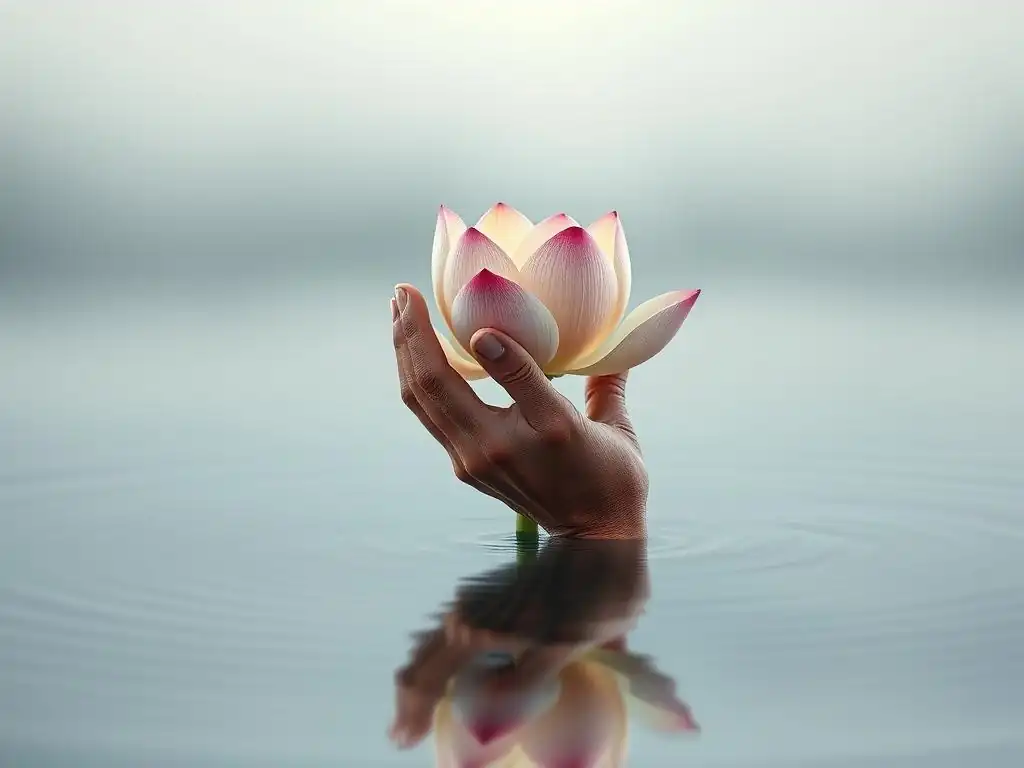
Practicing gratitude can feel challenging, even counterintuitive, when you are experiencing negative emotions like sadness, anger, or fear. It's important to acknowledge these feelings without judgment rather than trying to suppress them. The goal isn't to pretend everything is perfect, but to gently shift your focus, even momentarily, towards something positive that coexists with the difficulty. This requires reframing your perspective, recognizing that negative experiences don't erase all sources of gratitude.
For instance, someone grieving might find it impossible to feel grateful for their loss, but they might still find gratitude for the support of friends, cherished memories, or their own strength in enduring the pain. This isn't about minimizing the negative emotion but about finding small pockets of light within the darkness. It's about expanding your view to include the full spectrum of your experience, recognizing that even in hardship, elements worthy of appreciation can exist. This ability to hold space for both pain and gratitude is a sign of profound mental resilience.
Sustaining a Gratitude Practice During Times of Stress and Uncertainty
Maintaining a consistent gratitude practice becomes particularly difficult, yet arguably most important, during periods of high stress or uncertainty. When faced with overwhelming challenges, our focus naturally narrows to the problems at hand, making it hard to see beyond the difficulties. Sustaining gratitude during these times requires conscious effort and flexibility. It might mean adjusting your practice – perhaps writing down just one thing you're grateful for instead of five, or simply taking a moment to breathe and acknowledge a basic comfort, like shelter or a glass of water.
During stressful periods, like navigating a health crisis or job loss, focusing on simple, fundamental things can be more accessible. Being grateful for your breath, a moment of peace, or the smallest act of kindness received can provide a crucial anchor. It's okay if the practice feels forced initially; the act of trying can itself be beneficial. Recognizing that it's a practice, not a perfect state, allows for dips and plateaus. The commitment to returning to it, even imperfectly, is what helps gratitude boost mental resilience when you need it most.
Avoiding Common Pitfalls: Authenticity and Mindfulness in Gratitude
Two common pitfalls in practicing gratitude are inauthenticity and a lack of mindfulness. Inauthenticity arises when gratitude feels like a forced obligation or a superficial performance, lacking genuine feeling. This can happen if you feel you "should" be grateful but don't truly connect with the emotion. Mindfulness is crucial here; it involves paying attention to your experience without judgment. A mindful approach to gratitude means noticing the feeling, or lack thereof, and exploring why you might be struggling to feel it, rather than just going through the motions.
Another pitfall is using gratitude to bypass or suppress difficult emotions, sometimes referred to as "toxic positivity." True gratitude coexists with the full range of human experience. It's not about ignoring pain or hardship but about finding appreciation alongside it. Being authentic in your practice means allowing yourself to feel sad or angry while still acknowledging sources of gratitude that exist independently of those feelings. Approaching gratitude with mindfulness ensures that the practice is a genuine exploration of positive aspects of life, integrating them into your overall emotional landscape, which is key for authentic resilience.
Long-Term Benefits: Gratitude's Impact on Mental Well-being
Stress Reduction and Anxiety Management Through Gratitude
Regularly practicing gratitude has a significant long-term impact on reducing stress and managing anxiety. By intentionally focusing on the positive, gratitude helps to counterbalance the brain's natural negativity bias – our tendency to dwell on threats and problems. This shift in focus can lower the production of stress hormones like cortisol. For example, studies have indicated that individuals who engage in regular gratitude practices often report lower levels of perceived stress and greater ability to cope with stressful situations.
Furthermore, gratitude helps to interrupt the cycle of worry and rumination that often fuels anxiety. When you are focused on what you appreciate, there is less mental space available for anxious thoughts. Over time, this practice can retrain your brain to default to a more positive and calm state, making you less reactive to stressors. This consistent effort in cultivating appreciation directly demonstrates how gratitude boosts mental resilience by building a stronger internal defense against the debilitating effects of chronic stress and anxiety.
Cultivating Optimism and Hope: A Grateful Perspective
A grateful perspective naturally cultivates optimism and hope, essential components of mental well-being and resilience. By regularly acknowledging the good in your life, you train your mind to look for positive outcomes and possibilities, even when faced with difficulties. This doesn't mean ignoring reality, but rather maintaining a belief that good things are possible and that you have the capacity to navigate challenges. Optimism fostered by gratitude provides the motivation to persevere through tough times.
For instance, someone who lost their job but focuses on being grateful for their skills, past experiences, and supportive network is more likely to approach the job search with hope and a proactive attitude than someone solely focused on the loss. Gratitude helps build a reservoir of positive experiences and reflections that can be drawn upon during challenging moments, sustaining a sense of hope for the future. This hopeful outlook is a powerful tool for building mental resilience and fostering a belief in one's ability to overcome adversity.
As discussed earlier, expressing gratitude strengthens relationships, and this has significant long-term benefits for mental well-being. Strong social connections are a primary buffer against stress and are a key indicator of resilience. Feeling connected to others provides a sense of belonging, support, and shared experience, all of which are vital when navigating life's inevitable challenges.
By regularly expressing and receiving gratitude, individuals build a network of positive, supportive relationships. This network provides emotional support during difficult times, offers practical help when needed, and contributes to a sense of purpose and belonging. Research consistently shows that strong social ties are linked to lower rates of depression and anxiety and increased longevity. The practice of gratitude, therefore, not only benefits the individual but also strengthens the social fabric around them, creating a virtuous cycle where gratitude boosts mental resilience through robust social connection.
Integrating Gratitude into Daily Life: Building a Positive Mindset
Setting Daily Intentions for Gratitude: A Proactive Approach
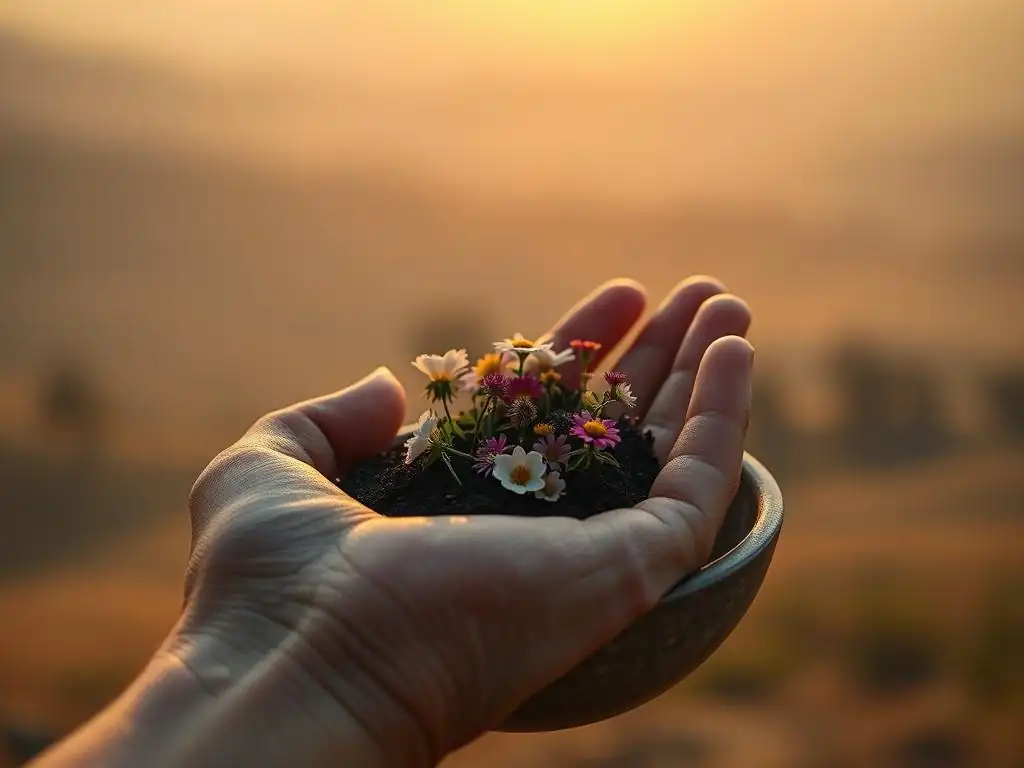
Integrating gratitude into daily life begins with intentionality. Instead of waiting for moments of gratitude to spontaneously appear, you can proactively set an intention to notice and appreciate the good throughout your day. This involves consciously deciding at the start of the day that you will look for things to be grateful for, no matter how small. This simple act of setting an intention primes your brain to be more receptive to positive experiences and less focused on potential negatives.
Setting a daily intention can be as simple as a mental note while getting ready in the morning: "Today, I will notice three things I am grateful for." Or you could write it down as part of a morning routine. This proactive approach shifts gratitude from a reactive response to a deliberate practice, making it a more ingrained part of your mindset. Over time, this consistent intention-setting helps to rewire your brain, making it easier to find gratitude even when faced with challenges, thereby reinforcing how gratitude boosts mental resilience.
Creating Gratitude Reminders: Visual Cues and Prompts
In the busyness of daily life, it's easy to forget to pause and practice gratitude. Creating visual reminders can serve as helpful cues to bring your attention back to appreciation throughout the day. These reminders act as gentle nudges to take a moment, breathe, and reflect on something you are grateful for in that specific moment or from your day so far.
Examples of gratitude reminders include:
- Placing sticky notes with prompts like "What am I grateful for right now?" on your computer monitor or bathroom mirror.
- Setting a recurring alarm on your phone with a gratitude reminder message.
- Keeping a gratitude stone or small object in your pocket that you touch periodically as a reminder.
- Using your phone's wallpaper as a visual cue related to gratitude.
These simple reminders help to weave gratitude into the fabric of your day, making it a more consistent and accessible practice. They provide opportunities for micro-moments of appreciation that accumulate over time, contributing to a more positive overall mindset and strengthening your ability to cope.
Gratitude as a Lifestyle: Embracing Positivity and Appreciation
Ultimately, the goal of integrating gratitude into daily life is to cultivate it as a lifestyle – a fundamental way of viewing the world. This means moving beyond scheduled practices like journaling or meditation to a state where appreciation is a natural, ongoing lens through which you experience life. It's about embracing a mindset where you are habitually aware of the blessings, opportunities, and positive aspects around you, even amidst difficulties.
Embracing gratitude as a lifestyle involves consciously choosing to focus on the good, practicing acceptance of what is, and actively seeking opportunities to express appreciation. It influences how you react to challenges, how you interact with others, and your overall sense of well-being. While formal practices remain valuable, the true power of gratitude lies in its integration into your everyday perspective. This pervasive sense of appreciation is the ultimate demonstration of how gratitude boosts mental resilience, making you more adaptable, optimistic, and connected.
Real-Life Applications: Gratitude in Action
Gratitude in Healthcare: Supporting Patients and Caregivers
Gratitude plays a vital role in the healthcare setting, benefiting both patients and caregivers by fostering a more positive and supportive environment. For patients, cultivating gratitude can help improve their emotional state, reduce feelings of helplessness, and even positively influence their perception of pain. A patient grateful for the care they receive, the support of family, or simply a good day can experience a significant boost in morale, which is crucial for recovery and coping with illness. Approaching their situation with some level of gratitude boosts mental resilience, helping them face medical challenges with greater strength.
Caregivers, whether professionals or family members, also benefit immensely from gratitude. The work of caring for others can be emotionally and physically demanding, leading to burnout. Practicing gratitude – for the opportunity to help, for small victories, or for the support they receive – can help caregivers maintain their own well-being and find meaning in their demanding roles. Expressing gratitude towards caregivers also validates their efforts and reduces feelings of being taken for granted, creating a more positive and sustainable care environment for everyone involved.
Gratitude in Education: Fostering Positive School Environments
In educational settings, promoting gratitude can foster a more positive and supportive environment for students and staff alike. Teaching students the practice of gratitude can help them develop greater self-awareness, empathy, and positive social skills. Encouraging students to appreciate their teachers, peers, and learning opportunities can lead to improved behavior, reduced bullying, and increased academic engagement. For example, some schools have incorporated gratitude exercises into morning meetings or class discussions, encouraging students to share something they are grateful for.
For educators and school staff, cultivating gratitude can help combat stress and prevent burnout. Recognizing the positive impact they have on students' lives and appreciating the support of colleagues can enhance job satisfaction and create a more cohesive and positive work environment. A school culture where gratitude is openly expressed and valued benefits the entire community, creating a foundation of positivity that supports learning and personal growth, illustrating how fostering gratitude boosts mental resilience within the educational system.
Resources for Exploring Gratitude and Resilience
Recommended Reading: Books on Gratitude, Mindfulness, and Resilience
For those interested in delving deeper into the practices of gratitude, mindfulness, and resilience, a wealth of literature is available. Books offer comprehensive insights, scientific background, and practical exercises.
Some highly recommended topics and authors in this area include:
- Works on the science of gratitude and its psychological effects.
- Guides to mindfulness meditation and its application in daily life.
- Books exploring the development of psychological resilience and coping strategies.
- Texts that specifically link the practices of gratitude and mindfulness to enhanced resilience and well-being.
Exploring these resources can provide a deeper understanding of the concepts and equip you with a wider range of techniques to incorporate into your personal journey towards greater mental strength.
Online Resources: Websites, Apps, and Communities for Gratitude Practice
The digital world offers numerous tools and platforms to support your gratitude practice. These resources can provide structure, guidance, and connection.
Useful online resources often include:
- Websites dedicated to positive psychology, mindfulness, and mental health, offering articles, exercises, and information.
- Mobile applications designed for gratitude journaling, guided meditations, and mood tracking, often with reminders and progress tracking features.
- Online communities or forums where individuals share their experiences with gratitude and support each other's practice.
These resources can make it easier to integrate gratitude into your daily routine and provide ongoing support and inspiration as you work on how gratitude boosts mental resilience.
Professional Support: Therapists and Counselors Utilizing Gratitude Techniques
For individuals facing significant mental health challenges or finding it difficult to implement gratitude practices on their own, professional support can be invaluable. Many therapists and counselors incorporate elements of gratitude, mindfulness, and positive psychology into their therapeutic approaches.
Professional support can help you:
- Explore underlying barriers to feeling or expressing gratitude.
- Develop personalized strategies for integrating gratitude into your life.
- Process difficult emotions that may impede your ability to feel grateful.
- Understand the psychological principles behind how gratitude boosts mental resilience in the context of your specific experiences.
Seeking support from a mental health professional can provide structured guidance and therapeutic insight, making the journey towards enhanced resilience through gratitude more effective and sustainable.
Frequently Asked Questions
How does practicing gratitude specifically boost mental resilience?
Gratitude shifts your focus away from negative thoughts and feelings, fostering a more optimistic outlook. This positive perspective helps you cope with stress and bounce back from adversity.
What are some simple ways to incorporate gratitude into my daily routine to improve my mental well-being?
You can start a gratitude journal, write thank-you notes, or simply take a few moments each day to appreciate the good things in your life. Focusing on the positive can significantly improve your mood.
Can gratitude help with specific mental health challenges, such as anxiety or depression?
While not a cure, gratitude can be a valuable tool. It helps manage symptoms by reducing negative thinking and promoting a sense of hope and well-being. It is best used in conjunction with other treatments.
How can I maintain a gratitude practice even during difficult times when it's hard to find things to be thankful for?
Focus on small things: a warm cup of tea, a sunny day, or a kind word. Even in hardship, acknowledging these small blessings can help shift your perspective and build mental fortitude.
Where can I find additional information and resources on using gratitude to enhance my mental well-being, as mentioned on Mind Care Guide?
Mind Care Guide offers articles, tips, and resources on various aspects of mental health, including gratitude. Explore the website for practical strategies and further support for building resilience.
Final Reflection: Cultivating Resilience Through Gratitude's Embrace
The power of gratitude to bolster mental resilience isn't just a feel-good notion; it's a scientifically-backed strategy for navigating life's inevitable storms. In a world increasingly characterized by uncertainty and stress, actively practicing gratitude offers a potent antidote, shifting our focus from what we lack to the abundance already present in our lives. This simple yet profound act can significantly impact our overall well-being and ability to cope with adversity.
The ongoing influence of gratitude on our cultural landscape is undeniable, subtly shaping our interactions and perspectives. We see it in the rise of mindfulness practices, the popularity of journaling prompts focused on appreciation, and the increasing emphasis on positive psychology. Gratitude isn't just a personal practice; it's a social lubricant, fostering connection and empathy. Gratitude unlocks the fullness of life. It turns what we have into enough, and more. It turns denial into acceptance, chaos to order, confusion to clarity.
This quote perfectly encapsulates the transformative power of a grateful heart, impacting not only our individual well-being but also the collective consciousness.
Now, consider your own life. What small moments of joy, connection, or accomplishment have you overlooked? I invite you to consciously cultivate gratitude today. Start a gratitude journal, express your appreciation to someone you care about, or simply take a moment to reflect on the blessings in your life, no matter how small they may seem. By embracing gratitude as a daily practice, you'll not only build resilience against life's challenges but also unlock a deeper appreciation for the beauty and richness of your existence. Let gratitude be your compass, guiding you towards a more fulfilling and resilient life.
Unlock Your Inner Strength: Cultivate Gratitude Today!
Thanks for taking the time to explore the power of gratitude in building resilience. We hope you found practical strategies to navigate life's challenges with a more positive outlook. Now, let's put these insights into action!
- Start a daily gratitude journal: Write down three things you're grateful for each day. This simple practice can significantly shift your perspective and boost your overall well-being.
- Share your gratitude: Tell someone you appreciate them – a family member, friend, or colleague. A simple "thank you" can make a big difference to both of you.
- Try a gratitude meditation: Even 5 minutes of mindful reflection on what you appreciate can bring calm and clarity. This is a surprisingly effective way to strengthen your resilience.
What small act of gratitude will you practice today to enhance your resilience?