
Teaching Kids Gratitude: Nurturing Thankfulness from a Young Age


Welcome to Mind Care Guide, a space dedicated to nurturing your well-being.
Ever wonder how to cultivate lasting happiness in your children? This journey begins with gratitude. Discover practical kids gratitude journaling techniques tips to help your little ones appreciate the good things in their lives, fostering resilience and a brighter outlook. Let's explore how simple practices can transform their perspective and build a foundation for lasting mental health. Ready to unlock the power of thankfulness?
Teaching Kids Gratitude: Nurturing Thankfulness from a Young Age
- Introduction: Why Cultivating Gratitude in Children Matters
- Understanding Gratitude and Its Benefits for Children
- Kids Gratitude Journaling Techniques Tips: A Comprehensive Guide
- Practical Tips for Fostering Gratitude in Children's Daily Lives
- Creative Activities to Teach Kids Gratitude
- Addressing Challenges in Teaching Gratitude to Children
- The Role of Parents and Educators in Nurturing Gratitude
- Measuring the Impact of Gratitude Practices on Children
- Conclusion: A Lifetime of Gratitude for Happier, Healthier Kids
-
Frequently Asked Questions
- How can I introduce gratitude journaling to my child in a way that's engaging?
- At what age is it appropriate to start teaching kids gratitude journaling?
- What are some effective gratitude journaling prompts for kids?
- How often should my child engage in gratitude journaling?
- What if my child struggles to find things to be grateful for?
- Final Reflection: Cultivating a Heart of Gratitude in the Next Generation
- Unlock Your Child's Inner Gratitude: Start Today!
Introduction: Why Cultivating Gratitude in Children Matters
The Importance of Gratitude for Kids' Mental Well-being
Cultivating gratitude in children is more than just teaching manners; it's a fundamental practice for fostering robust mental well-being from an early age. Research consistently shows that grateful individuals, including children, tend to experience higher levels of positive emotions and lower levels of negative ones like envy and resentment.
For instance, a study published in the Journal of School Psychology indicated that students who regularly practiced gratitude reported feeling happier and more satisfied with their lives compared to their peers. This practice helps children shift their focus from what they lack to what they have, building resilience against stress and adversity.
Furthermore, a grateful outlook equips children with better coping mechanisms when facing challenges. Instead of dwelling on disappointments, they are more likely to find lessons and appreciate the support systems around them. This perspective is crucial during formative years when children navigate complex social environments and academic pressures. Teaching kids gratitude journaling techniques tips, for example, provides them with a tangible tool to process their experiences positively, reinforcing the habit of recognizing and appreciating the good things in their lives, no matter how small. This proactive approach to emotional regulation lays a strong foundation for lifelong mental health.
How Gratitude Enhances Emotional Intelligence in Children
Gratitude is deeply intertwined with emotional intelligence, the ability to understand and manage one's own emotions and recognize and influence the emotions of others. When children practice gratitude, they become more attuned to their feelings of appreciation and the impact of others' actions on their lives. This self-awareness is a cornerstone of emotional intelligence. By acknowledging the kindness of others, children also develop empathy, understanding that others' efforts contribute to their well-being.
Moreover, expressing gratitude requires children to communicate their feelings effectively and consider the perspective of the person they are thanking. This interpersonal aspect strengthens their social skills. For example, a child writing a thank-you note learns to articulate their feelings of appreciation in a way that is meaningful to the recipient. This process enhances their ability to build and maintain positive relationships, a key component of emotional intelligence. Integrating kids gratitude journaling techniques tips into their routine further refines these skills by providing a structured way to reflect on emotional experiences and the contributions of others.
Understanding Gratitude and Its Benefits for Children
Defining Gratitude: More Than Just Saying "Thank You"
Gratitude, in its deepest sense, is a positive emotional response to receiving a benefit. It involves two stages: first, acknowledging that one has received something valuable from another person (or even from life itself), and second, recognizing that this benefit came from outside oneself, often due to the intentions or efforts of others. While saying "thank you" is a common expression of gratitude, the feeling itself is a more profound internal state. It's about recognizing and appreciating the interconnectedness of life and the contributions that others make to our happiness and well-being.
For children, understanding gratitude goes beyond rote politeness. It involves cultivating an awareness of the good things in their lives – from a warm meal prepared by a parent to a sunny day perfect for playing outside. It's about fostering an internal feeling of thankfulness for these aspects. Implementing kids gratitude journaling techniques tips helps children move beyond simply saying "thank you" to actively reflecting on why they are thankful, deepening their understanding of the concept. This practice encourages them to look for the positive aspects of their experiences, fostering a mindset of abundance rather than scarcity.
The Psychological Benefits of Thankfulness for Kids
The psychological benefits of thankfulness for children are extensive and well-documented. Studies have shown that children who practice gratitude tend to be more optimistic and have a more positive outlook on life. They report fewer physical symptoms like headaches and stomachaches, likely due to reduced stress levels. A study conducted at a middle school found that students who kept a gratitude journal for just a few weeks reported feeling more satisfied with their school experience and were more likely to help others.
Grateful children also tend to have better relationships with peers and family members. Their ability to recognize and appreciate the efforts of others makes them more likeable and fosters stronger social connections. This, in turn, contributes to a greater sense of belonging and reduces feelings of loneliness or isolation. By using kids gratitude journaling techniques tips, children can regularly identify individuals and experiences they are thankful for, reinforcing these positive connections and enhancing their overall psychological resilience.
Long-Term Advantages of a Grateful Mindset in Childhood
Developing a grateful mindset in childhood offers significant long-term advantages that extend into adolescence and adulthood. Grateful individuals are often more resilient in the face of adversity, bouncing back more effectively from setbacks because they can still find things to appreciate even during difficult times. This resilience is a critical skill for navigating the challenges of life. Research suggests that adolescents who consistently practice gratitude are less likely to engage in risky behaviors like substance abuse and are more likely to achieve academic success.
Furthermore, a foundation of gratitude contributes to greater life satisfaction and overall happiness in adulthood. Individuals who cultivated thankfulness early on often report higher levels of well-being, stronger relationships, and a greater sense of purpose. The habit of recognizing and appreciating the good things in life, instilled through practices like kids gratitude journaling techniques tips, becomes an ingrained part of their personality, serving as an enduring source of strength and positivity throughout their lives.
Kids Gratitude Journaling Techniques Tips: A Comprehensive Guide
Starting a Gratitude Journal with Your Child: A Step-by-Step Approach
Starting a gratitude journal with your child is a wonderful way to introduce them to the practice of thankfulness in a structured and personal way. The first step is to choose a journal together – it can be a simple notebook, a fancy diary, or even loose-leaf paper in a binder. Allowing the child to choose makes the process feel more like their own. Next, decide on a regular time to write, such as before bed, during quiet time, or even during a family gratitude session. Consistency is key to forming a habit.
Then, explain the concept in simple terms: "We're going to write down things we're thankful for." Start small, maybe just one or two things each day. For younger children, this might involve drawing pictures or dictating their thoughts for you to write. Provide guidance and prompts, especially in the beginning. For example, "What made you smile today?" or "What is something someone did for you that you appreciate?" Over time, as they become more comfortable, they can write more independently. These kids gratitude journaling techniques tips can be adapted as the child grows.
Age-Appropriate Gratitude Journaling Prompts for Kids
Providing age-appropriate prompts is essential to make gratitude journaling accessible and meaningful for children of different developmental stages. What resonates with a preschooler will be different from what engages a teenager. Tailoring the prompts helps children connect with the concept of gratitude in a way they can understand and express.
Gratitude Prompts for Preschoolers and Young Children
For preschoolers (ages 3-5) and young children (ages 6-8), journaling might involve drawing pictures or using simple words dictated to an adult. Prompts should be concrete and focus on immediate experiences. Examples include:
- Draw something that made you happy today.
- What toy are you thankful for?
- Who helped you today?
- What food did you like today?
- What did you see outside that was beautiful?
Gratitude Prompts for Elementary School Kids
Elementary school kids (ages 9-11) can typically write more independently. Prompts can become slightly more abstract and encourage reflection on relationships and experiences. These kids gratitude journaling techniques tips for this age group often involve more detail. Examples include:
- Write about a time someone was kind to you.
- What is something you learned today that you are thankful for?
- Name three things you are thankful for in your home.
- What is your favorite part of the school day and why?
- Write about a friend you are thankful for and why.
Gratitude Prompts for Teenagers
Teenagers (ages 12+) can handle more complex and reflective prompts. Journaling can be a private space for processing deeper thoughts and feelings. These kids gratitude journaling techniques tips can encourage introspection and appreciation for broader concepts. Examples include:
- Write about a challenge you overcame and what you learned from it.
- What is a skill or talent you are thankful to have?
- Who is someone in your life who has significantly impacted you positively?
- What is something happening in the world you are thankful for (e.g., scientific discovery, social progress)?
- Write about a mistake you made and what you are thankful to have learned from it.
Making Gratitude Journaling Fun and Engaging for Children
To ensure gratitude journaling doesn't feel like a chore, it's important to make it fun and engaging. For younger children, this might mean using colorful pens, stickers, or drawing materials. Allow them to decorate their journal. For older children, incorporating different formats can help, such as themed pages, prompts related to their interests (like sports, video games, or hobbies), or even allowing them to use different mediums like voice recordings or digital journals.
Varying the activity keeps it fresh. Instead of always writing lists, sometimes encourage them to write a short story about something they are thankful for, draw a comic strip, or even create a "gratitude collage" in their journal using pictures or clippings. Doing it together as a family occasionally can also make it a shared, positive experience. Experimenting with different kids gratitude journaling techniques tips helps discover what works best for each child's personality and interests.
Practical Tips for Fostering Gratitude in Children's Daily Lives
Modeling Gratitude: Showing Appreciation as Parents
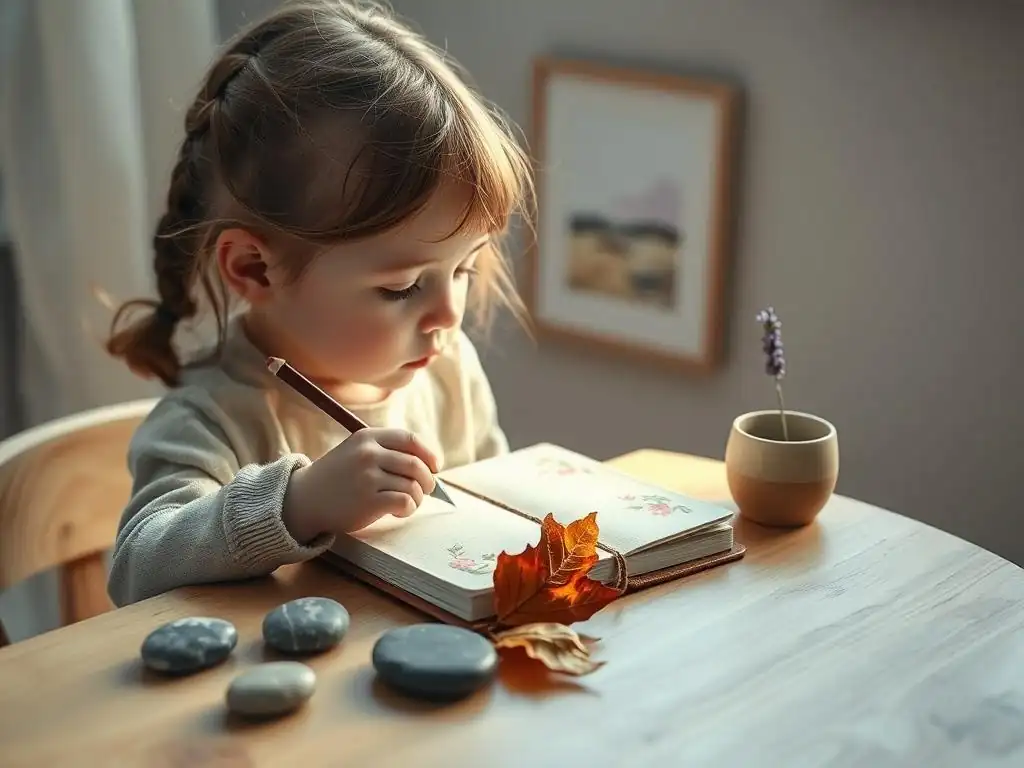
Children learn best by observing the adults around them. As parents and caregivers, consistently modeling gratitude in your own daily life is one of the most effective ways to teach it. This means openly expressing your own thankfulness for things both big and small. For example, saying "I'm so thankful for this delicious dinner you helped make," or "I really appreciate you helping me with that task" shows children what gratitude looks and sounds like in practice.
Make it a point to express gratitude to your spouse, other family members, friends, and even service providers you encounter throughout the day. Let your children see and hear you saying "thank you" sincerely and explaining why you are thankful. Discussing what you are grateful for during family meals or car rides also normalizes the practice and encourages children to think about their own reasons for thankfulness. Your actions speak louder than words when it comes to instilling values like gratitude.
Encouraging Kids to Express Gratitude Verbally
Beyond just saying "thank you," encourage children to articulate why they are thankful. This helps them move from a rote response to a genuine expression of appreciation. When they receive a gift, prompt them to say not just "thank you," but perhaps "Thank you for the building blocks, I really like that they are red and blue!" This encourages them to notice specific details and connect them to their feelings of gratitude.
Similarly, encourage them to thank people for actions, not just gifts. For example, "Thank you for reading me that extra story tonight, Dad, I really enjoyed it." Practicing kids gratitude journaling techniques tips can complement this by helping them identify specific instances of kindness or good fortune that they can then express verbally to the relevant people. Role-playing scenarios where they need to express thanks can also build confidence.
Integrating Gratitude Exercises into Family Routines
Incorporating gratitude exercises into established family routines helps make thankfulness a regular part of life rather than an occasional activity. This could be as simple as going around the dinner table each night and having everyone share one thing they are thankful for from that day. This ritual provides a consistent opportunity for reflection and sharing.
Another routine could be a "Gratitude Moment" before bedtime, where each family member quietly thinks about or mentions something they appreciate. For families who use kids gratitude journaling techniques tips, the routine might be dedicating 10-15 minutes each evening or morning to writing in their journals together or individually. Consistency is key to forming lasting habits, and integrating these practices into existing routines increases the likelihood they will stick.
Using Visual Reminders to Promote Thankfulness
Visual reminders can serve as gentle nudges throughout the day to think about and express gratitude. This could involve creating a "Gratitude Wall" where family members write down things they are thankful for on sticky notes and post them. Seeing these notes regularly can reinforce the idea of looking for the good.
Other visual aids might include a gratitude jar (discussed later), or simply placing reminders in prominent places, such as a note on the refrigerator that says "What are you thankful for today?" For children who enjoy drawing, they could draw pictures of things they are thankful for and display them. These visual cues keep the concept of thankfulness present in the daily environment. While kids gratitude journaling techniques tips focus on internal reflection, visual reminders make gratitude a visible, shared practice.
Creative Activities to Teach Kids Gratitude
Gratitude Jar: A Family Activity for Cultivating Thankfulness
The gratitude jar is a popular and effective family activity. Get a jar or container and some slips of paper. Encourage family members, including the children, to write down things they are thankful for on the slips of paper throughout the week. These can be specific events, people, or even abstract concepts like "sunshine."
Set aside a regular time, perhaps weekly or monthly, to gather together and read the slips from the jar. This creates a shared experience of acknowledging and appreciating the good things in everyone's lives. It's often surprising and heartwarming to hear what different family members are thankful for. This activity complements kids gratitude journaling techniques tips by adding a communal element to the practice of expressing gratitude.
Gratitude Letters: Expressing Appreciation to Others
Writing gratitude letters is a powerful way to teach children the impact of expressing thankfulness directly to the people who have made a difference in their lives. This activity is particularly suitable for elementary school children and teenagers. Help them identify someone they want to thank – a teacher, a friend, a grandparent, or even a fictional character who inspires them.
Guide them in writing a sincere letter explaining what they are thankful for and how that person's actions affected them. For younger children, this might involve drawing a picture and dictating a simple message. Delivering or sending the letter (or reading it aloud if the person is present) completes the act of expressing gratitude and allows the child to see the positive reaction of the recipient, reinforcing the value of their thanks.
Creating a Gratitude Tree: A Visual Representation of Blessings
A gratitude tree is a beautiful and ongoing visual project that can involve the whole family. Draw or create a simple tree shape on a large piece of paper or poster board. Cut out leaf shapes from colored paper. Throughout a specific period (e.g., a month, a season, or leading up to a holiday like Thanksgiving), have family members write or draw things they are thankful for on the leaves and attach them to the tree.
As the tree fills up with leaves, it becomes a vibrant visual representation of the many blessings in your family's life. This activity encourages children to actively look for things to appreciate and provides a constant reminder of the abundance surrounding them. It's a fun, artistic way to practice gratitude and can be a great alternative or addition to kids gratitude journaling techniques tips.
Volunteering and Helping Others: Experiencing the Joy of Giving
Experiencing the joy of giving and helping others is a profound way to foster gratitude. When children volunteer or help those less fortunate, they gain perspective and often develop a deeper appreciation for what they have. Simple acts like helping a neighbor, participating in a community cleanup, or donating old toys can teach valuable lessons about empathy and thankfulness.
Discussing the experience afterward helps children connect the act of giving with feelings of appreciation for their own circumstances and the ability to help others. For example, volunteering at a food bank might prompt a child to express gratitude for having plenty of food at home. This hands-on experience reinforces the lessons learned through practices like kids gratitude journaling techniques tips by putting gratitude into action.
Addressing Challenges in Teaching Gratitude to Children
Overcoming Resistance to Gratitude Practices
Sometimes children, especially older ones or those who are naturally cynical, may resist structured gratitude practices like journaling or sharing aloud. It's important not to force it, as this can create negative associations. Instead, try to understand the source of the resistance. Is it shyness, feeling awkward, not understanding the purpose, or simply feeling pressured?
Approach resistance with empathy and flexibility. Offer choices – maybe they prefer drawing to writing, or talking about gratitude privately with you instead of sharing in a group. Frame it as an experiment or a tool for feeling happier, rather than a mandatory chore. Point out examples of gratitude in their favorite books, movies, or from people they admire. Persistence, patience, and adapting kids gratitude journaling techniques tips to suit their personality are key.
Dealing with Entitlement and Materialism in Kids
In a consumer-driven society, dealing with entitlement and materialism can be a significant challenge when trying to teach gratitude. Children are constantly exposed to messages about wanting more and comparing themselves to others. Combatting this requires consistent effort and open conversations. Help children differentiate between wants and needs.
Focus on appreciating experiences and relationships rather than solely material possessions. Discuss the effort and resources that go into providing things they have. Engaging in activities like volunteering, as mentioned earlier, can provide valuable perspective. Regularly practicing kids gratitude journaling techniques tips that focus on non-material things (like kindness received, fun experiences, personal qualities) can help shift their focus away from material possessions as the primary source of happiness.
Adapting Gratitude Techniques for Different Personality Types
Not all children will respond to the same gratitude techniques in the same way. Some children are naturally more introspective and might thrive with private kids gratitude journaling techniques tips. Others are more outgoing and might prefer expressing gratitude verbally or through creative projects like the gratitude tree or letters.
Observe your child's personality and preferences. If they are artistic, encourage drawing in their journal or creating visual gratitude projects. If they are verbal, encourage discussions or writing stories about gratitude. If they are active, connect gratitude to physical activities or helping others. Be willing to experiment and find what resonates most authentically with their individual nature. The goal is to make gratitude feel meaningful and accessible to them.
The Role of Parents and Educators in Nurturing Gratitude
Creating a Supportive Environment for Expressing Gratitude
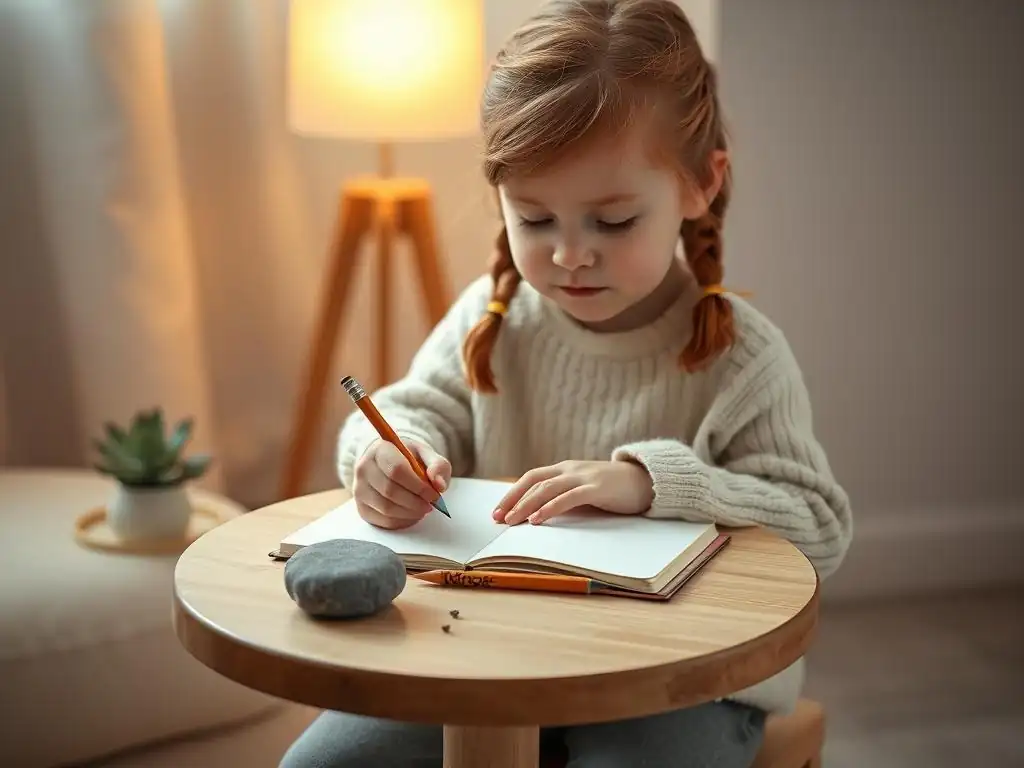
Creating a supportive environment at home and school is crucial for nurturing gratitude in children. This means making it safe and comfortable for children to express their feelings of thankfulness, both verbally and in writing. Avoid criticizing or minimizing their expressions of gratitude, no matter how small or seemingly insignificant the reason might be.
Encourage an atmosphere where appreciation is openly shared among family members and within the classroom. Acknowledging and celebrating acts of kindness and gratitude reinforces their importance. For instance, a teacher might have a "Gratitude Spotlight" where students can share something they are thankful for or acknowledge a classmate's kindness. This supportive environment encourages children to practice kids gratitude journaling techniques tips and other forms of expressing thanks without fear of judgment.
Integrating Gratitude into School Curriculum
Schools play a vital role in reinforcing values like gratitude. Integrating gratitude practices into the curriculum can have a widespread positive impact on students' well-being and the overall school climate. This doesn't necessarily require a dedicated "gratitude class" but can be woven into existing subjects.
For example, during language arts, students could write gratitude letters or poems. In social studies, they could learn about historical figures known for their resilience and ability to find good in challenging circumstances. Teachers can also incorporate short gratitude reflections at the beginning or end of the school day. Some schools have implemented programs where students are encouraged to keep gratitude journals, using kids gratitude journaling techniques tips as part of their emotional learning curriculum.
Leading by Example: Showing Gratitude in Everyday Interactions
As mentioned earlier, modeling gratitude is paramount. This applies equally to parents and educators. Children are constantly observing how the adults in their lives interact with others and react to circumstances. When they see parents and teachers consistently express sincere appreciation for the efforts of others, handle challenges with a positive outlook, and acknowledge the good things in their own lives, it sends a powerful message.
Make it a habit to thank colleagues, school staff, and the children themselves for their contributions. Discuss challenges openly but also highlight what you are thankful for despite the difficulty. Your authentic demonstration of gratitude in everyday interactions serves as a living lesson for the children in your care, reinforcing the value of the kids gratitude journaling techniques tips and other practices you encourage.
Measuring the Impact of Gratitude Practices on Children
Observing Changes in Behavior and Attitudes
Measuring the impact of gratitude practices in children isn't about quantifiable metrics like test scores, but rather observing changes in their behavior and attitudes over time. Look for signs of increased optimism – do they complain less and express more positive thoughts? Do they show greater empathy towards others? Are they more willing to help out without being asked?
Pay attention to their reactions when things don't go their way. Are they more resilient, able to find a silver lining or appreciate the support they receive? Observe their interactions with family and friends – are they more appreciative and less demanding? These subtle shifts in behavior and attitude are strong indicators that the practice of gratitude is taking root.
Tracking Gratitude Journal Entries for Positive Patterns
For children who are keeping gratitude journals, reviewing their entries can provide valuable insight into the impact of the practice. While respecting their privacy (especially for older children), occasional review (with their permission) can reveal patterns. Are they consistently identifying things to be thankful for? Are their entries becoming more specific and reflective?
Look for themes in their entries. Are they primarily thankful for material things, or are they increasingly appreciating experiences, relationships, and personal growth? Tracking how often they engage with their kids gratitude journaling techniques tips and the content of their entries can offer a window into their developing sense of gratitude and overall emotional state. Note any positive shifts in the focus or frequency of their expressions of thankfulness.
Seeking Feedback from Children and Teachers
Directly asking children how they feel about practicing gratitude can be insightful. While their responses may be simple, their feedback is valuable. Ask them if writing in their journal makes them feel happier or helps them notice good things. For older children, you might ask if they feel more positive or resilient since starting the practice.
For children in school, seeking feedback from their teachers can also provide perspective. Teachers often observe children in different social and academic contexts. They might notice changes in a child's interactions with peers, their attitude towards schoolwork, or their ability to cope with challenges, which could be linked to their gratitude practices. Combining observations, journal review, and feedback offers a more comprehensive picture of the impact of kids gratitude journaling techniques tips and other gratitude activities.
Conclusion: A Lifetime of Gratitude for Happier, Healthier Kids
Reinforcing the Importance of Consistent Gratitude Practices
Teaching kids gratitude is not a one-time lesson but an ongoing journey. Reinforcing the importance of consistent gratitude practices is key to making it a deeply ingrained habit. Just like brushing their teeth, practicing gratitude should become a regular part of their routine. Encourage them to continue with their kids gratitude journaling techniques tips, family gratitude rituals, and expressions of thanks even when it feels less novel.
Remind them periodically why gratitude is valuable – how it helps them feel happier, build stronger relationships, and appreciate the good things in their lives. Celebrate milestones in their gratitude journey, like filling up a gratitude jar or completing a journal. Consistency, coupled with positive reinforcement, helps ensure that gratitude becomes a lifelong practice.
Encouraging Continued Growth in Thankfulness Throughout Life
The capacity for gratitude grows with age and experience. Encourage children to continue exploring and deepening their sense of thankfulness as they mature. As teenagers and young adults, their reasons for gratitude may evolve, shifting from simple pleasures to deeper appreciation for opportunities, challenges overcome, and the complex tapestry of relationships.
Support them in finding new ways to express gratitude, whether through continued kids gratitude journaling techniques tips, volunteering, mentoring others, or simply being a source of positivity in their communities. A foundation of gratitude built in childhood provides them with invaluable emotional resources that will contribute to their happiness, resilience, and overall well-being throughout their entire lives.
Frequently Asked Questions
How can I introduce gratitude journaling to my child in a way that's engaging?
Start with simple prompts and make it fun! Use colorful pens, stickers, or even create a gratitude jar where they can write down things they're thankful for on slips of paper. The key is to make it a positive and enjoyable experience.
At what age is it appropriate to start teaching kids gratitude journaling?
While there's no hard and fast rule, children as young as 5 or 6 can begin expressing gratitude in simple ways. Younger children might benefit from drawing pictures of things they're thankful for instead of writing. Focus on age-appropriate techniques.
What are some effective gratitude journaling prompts for kids?
Instead of complex questions, try prompts like "I'm grateful for my pet because..." or "Today I'm thankful for..." Keep the prompts simple and specific to encourage meaningful reflection. Relate them to their daily lives.
How often should my child engage in gratitude journaling?
Even a few times a week can make a difference. Consistency is more important than length. Encourage them to find a time that works best for them, perhaps before bed or after dinner, and make it a regular habit.
What if my child struggles to find things to be grateful for?
Help them brainstorm! Gently guide them by asking questions like "What made you smile today?" or "What's something you enjoyed doing?". Focus on the small joys and help them see the positive aspects of their lives.
Final Reflection: Cultivating a Heart of Gratitude in the Next Generation
The ability to express gratitude is not merely a pleasant social grace; it's a fundamental life skill that profoundly impacts mental well-being and fosters stronger relationships. In a world increasingly focused on acquisition and achievement, teaching children the art of thankfulness is more crucial than ever. This article explored practical techniques, from gratitude journaling to mindful moments, to help parents and educators nurture this vital quality in young hearts.
The impact of gratitude extends far beyond simple politeness; it shapes a child's perspective, influencing their resilience, empathy, and overall happiness. As I researched and wrote this piece, I was struck by the power of simple acts of appreciation. It's not just about saying "thank you," but about cultivating a deep understanding of the blessings in one's life, big and small. Gratitude unlocks the fullness of life. It turns what we have into enough, and more. It turns denial into acceptance, chaos to order, confusion to clarity.
– Melody Beattie. This quote perfectly encapsulates the transformative power of gratitude, a power we can actively cultivate in our children.
Now, I invite you to consider how you can integrate these techniques into your own life and the lives of the young people you influence. Start small: Begin a family gratitude journal, make a conscious effort to notice and appreciate the everyday wonders, and encourage open conversations about thankfulness. By nurturing gratitude in the next generation, we are not just teaching a skill; we are planting seeds of happiness, resilience, and connection that will blossom throughout their lives. Let us collectively work towards creating a world where gratitude flourishes, enriching the lives of both children and adults alike.
Unlock Your Child's Inner Gratitude: Start Today!
Thanks for taking the time to explore the wonderful world of cultivating gratitude in your children! We hope you gained valuable insights into nurturing thankfulness from a young age. Now it's time to put those insights into action.
Here's how to make gratitude a part of your family's daily life:
- Start a Family Gratitude Journal: This is your primary action! Dedicate a few minutes each evening to write down (or even draw!) things you're grateful for as a family. It’s a powerful way to bond and reflect on the positive aspects of your day.
- Share this Article: Spread the joy! Share this article with friends and family who might also benefit from these simple yet effective techniques.
- Challenge Your Perspective: Try identifying one small thing each day you might usually take for granted and express gratitude for it.
What small act of thankfulness will you and your family embrace today?