
Finding Your Voice in Therapy: Cultural Considerations for Empowerment


Welcome to Mind Care Guide, a sanctuary dedicated to your mental well-being.
Feeling unheard in your journey towards healing? This is a common experience, and we're here to shed light on how to amplify your voice. Dive into our exploration of cultural therapy voice empowerment, where we unpack the vital role of cultural understanding in creating truly effective therapeutic experiences. Are you ready to discover how your unique background can be a source of strength and empowerment? Let's begin.
Finding Your Voice in Therapy: Cultural Considerations for Empowerment
Engaging in therapy is a deeply personal journey towards healing and growth. For many, finding their authentic voice within this safe space is a critical step. However, cultural background significantly shapes how individuals perceive mental health, express emotions, and interact with authority figures, including therapists. Understanding these nuances is vital for effective cultural therapy voice empowerment. This article explores how culture influences the therapeutic process and offers strategies for individuals to confidently express themselves and be heard.
- Understanding the Importance of Cultural Sensitivity in Therapy
- Defining "Voice" in the Context of Cultural Therapy
- Cultural Barriers to Voice Empowerment in Therapy
- Strategies for Empowering Your Voice in Culturally Sensitive Therapy
- Exploring Different Cultural Approaches to Therapy
- The Role of Identity and Intersectionality in Voice Empowerment
- Practical Tips for Speaking Up and Being Heard in Therapy
- Overcoming Challenges and Embracing Your Authentic Voice
- The Long-Term Benefits of Cultural Therapy Voice Empowerment
- Resources for Finding Culturally Sensitive Therapists and Support
-
Frequently Asked Questions
- How does cultural therapy specifically address voice empowerment?
- Why is cultural sensitivity important in traditional therapy settings?
- What are some barriers to cultural therapy voice empowerment for marginalized communities?
- How can I find a therapist who specializes in cultural therapy and voice empowerment?
- What are the benefits of voice empowerment through a cultural therapy approach?
- Final Reflection: Amplifying Marginalized Voices in the Therapeutic Space
- Unleash Your Authentic Self: Next Steps to Empowerment
Understanding the Importance of Cultural Sensitivity in Therapy
Cultural sensitivity in therapy isn't just a matter of politeness; it's a fundamental requirement for effective treatment. A therapist who understands and respects your cultural background can create a more trusting and productive environment, fostering genuine cultural therapy voice empowerment. Without this sensitivity, there's a risk of misunderstandings, misdiagnoses, and ineffective interventions that don't align with your values or worldview.
Why Cultural Awareness Matters in Mental Health Treatment
Cultural awareness is crucial because mental health is not experienced in a vacuum. Beliefs about illness, coping mechanisms, family roles, and help-seeking behaviors are deeply embedded in cultural contexts. For example, some cultures may view mental health struggles as a personal failing or a spiritual issue rather than a medical one, influencing willingness to seek professional help. A culturally aware therapist can navigate these beliefs with respect, helping the individual integrate therapeutic concepts within their existing framework rather than imposing an alien one. This tailored approach is essential for fostering a strong cultural therapy voice empowerment journey.
Moreover, historical trauma and systemic oppression experienced by specific cultural groups can profoundly impact mental well-being. Recognizing this history – such as the legacy of slavery, colonization, or discrimination – is not just academic; it informs the individual's current experiences of trust, safety, and identity. A therapist who understands these broader societal factors can better interpret a client's distress and resistance, avoiding pathologizing culturally normative behaviors or trauma responses. This deeper understanding lays the groundwork for truly empowering the client's voice within the therapeutic process.
Recognizing Cultural Influences on Self-Expression and Voice
Culture dictates acceptable ways of expressing emotions, asserting needs, and communicating personal experiences. In some cultures, direct confrontation or overt expression of negative feelings might be discouraged, while in others, it's expected. These norms directly impact how comfortable an individual feels speaking openly in therapy. Someone from a culture that values indirect communication might struggle to articulate their feelings directly to a therapist, potentially leading to them feeling unheard or misunderstood. Recognizing these patterns is key to unlocking cultural therapy voice empowerment.
Furthermore, the concept of "self" and its relationship to the community varies across cultures. Individualistic cultures often emphasize personal autonomy and self-disclosure, while collectivistic cultures prioritize group harmony and may discourage revealing personal problems that could burden the family. This difference influences how individuals perceive the therapeutic space – is it a place for individual exploration, or does it involve considering family implications? A culturally sensitive therapist will help the client navigate these internal conflicts, supporting them in finding a voice that honors both their individual needs and cultural values.
Defining "Voice" in the Context of Cultural Therapy
In the context of therapy, "voice" goes beyond simply speaking words. It encompasses the ability to articulate your thoughts, feelings, needs, and experiences authentically, especially those shaped by your cultural background. Finding your voice in therapy means feeling safe enough to share your unique perspective, including aspects that might feel vulnerable or culturally specific. This process is central to achieving cultural therapy voice empowerment.
What Does it Mean to Find Your Voice? A Cultural Perspective
Finding your voice from a cultural perspective means integrating your cultural identity and experiences into the therapeutic narrative. It involves feeling empowered to discuss how your cultural background has influenced your challenges, strengths, and worldview. For someone navigating intergenerational trauma within their community, for instance, finding their voice means being able to articulate the impact of that trauma without shame or the need to explain their culture to the therapist. It's about feeling seen and understood in your full cultural context. This is the essence of cultural therapy voice empowerment.
It also means asserting your right to a therapeutic process that respects your cultural values. This could involve discussing preferences for certain therapeutic techniques, incorporating cultural or spiritual practices into treatment goals, or even expressing discomfort with aspects of the therapy that feel culturally incongruent. It's an active process of collaboration where the client is a partner in shaping their healing journey, drawing strength from their heritage.
Exploring the Nuances of Expressing Yourself Authentically
Authentic self-expression in therapy, particularly within a cultural lens, involves navigating complex layers of identity. It might mean exploring how societal stereotypes about your cultural group have impacted your self-esteem or how internalised beliefs from your upbringing influence your relationships. It's not always easy to articulate these nuances, especially if you've never had a space where your cultural identity felt fully welcomed. The therapeutic space should provide a sanctuary for this exploration.
The process of finding your voice authentically also involves challenging internal or external barriers that prevent you from speaking your truth. This could include overcoming the fear of judgment, addressing feelings of shame related to mental health issues within your community, or navigating language and communication differences. A skilled therapist helps you gently unpack these layers, validating your experiences and supporting you as you find the words to express your unique cultural self. This is a vital component of achieving cultural therapy voice empowerment.
Cultural Barriers to Voice Empowerment in Therapy
Despite the best intentions, various cultural factors can act as significant barriers to finding your voice and achieving cultural therapy voice empowerment in therapy. These barriers are often deeply rooted in societal structures, cultural norms, and personal experiences. Recognizing and addressing them is crucial for both clients and therapists.
Societal Expectations and Cultural Norms Impacting Self-Expression
Societal expectations and cultural norms heavily influence what is considered appropriate to share, especially with someone outside the family or community. For example, in cultures that emphasize stoicism or emotional restraint, individuals may be taught from a young age to keep personal struggles private. Sharing intimate details with a therapist, a relative stranger, can feel like a betrayal of these norms. This can manifest as difficulty opening up, minimizing problems, or focusing only on surface-level issues, hindering the process of cultural therapy voice empowerment.
Furthermore, expectations around gender roles within a culture can impact how men and women feel permitted to express vulnerability or assertiveness. A woman from a patriarchal culture might struggle to voice her needs or challenge traditional roles within therapy, fearing judgment or conflict. Similarly, a man from a culture that equates masculinity with emotional toughness might find it incredibly difficult to admit to feelings of depression or anxiety. These ingrained norms require careful and empathetic navigation within the therapeutic space.
Addressing Stigma and Shame Associated with Mental Health in Diverse Cultures
Stigma surrounding mental illness is a global issue, but its form and intensity vary significantly across cultures. In many non-Western cultures, mental health problems are highly stigmatized and can bring shame not only to the individual but also to their entire family. This fear of shame can prevent individuals from seeking help at all or, if they do, from openly discussing the full extent of their struggles in therapy. The idea of "losing face" is a powerful deterrent to transparency.
This pervasive stigma makes it incredibly challenging to achieve cultural therapy voice empowerment. Clients may censor themselves, fearing that discussing their mental health will lead to them being seen as weak, crazy, or bringing dishonor to their family. Therapists must create an exceptionally safe and non-judgmental space, actively working to counter the client's internalized shame and validate their courage in seeking help despite cultural pressures. Education within communities about mental health can also play a role in reducing this barrier over time.
Language Barriers and Communication Challenges in Therapy
Literal language barriers are a significant obstacle when a client and therapist do not share a common language. While interpreters can help, they add a layer of complexity and can sometimes disrupt the flow or nuance of emotional expression. Beyond literal language, there are also cultural communication differences, such as varying levels of directness, the use of metaphors, or non-verbal cues. A therapist unfamiliar with these nuances might misinterpret silence, indirect answers, or emotional expressions that differ from their own cultural background.
These communication challenges can make it difficult for clients to feel truly understood, hindering their ability to find and use their voice. The client might feel frustrated, unheard, or like they constantly have to translate their experiences, both literally and culturally. This can lead to disengagement from therapy. Effective cultural therapy voice empowerment requires the therapist to be attuned to these layers of communication, perhaps using culturally relevant metaphors or acknowledging the difficulty of expressing certain concepts across cultural divides.
Strategies for Empowering Your Voice in Culturally Sensitive Therapy
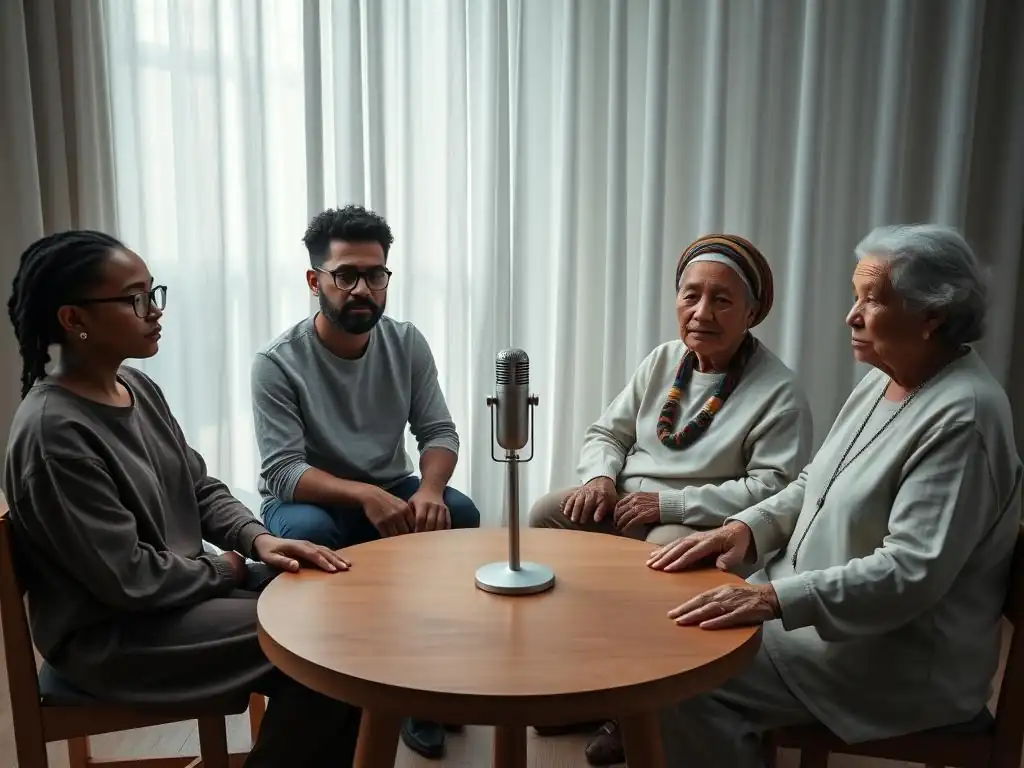
Finding your voice in therapy, especially when navigating cultural complexities, requires intentional effort from both the client and the therapist. There are practical strategies you can employ to ensure your cultural identity is honored and that you feel empowered to speak authentically. These strategies focus on finding the right support and actively participating in the therapeutic process.
Finding a Culturally Competent Therapist: Key Considerations
One of the most impactful steps towards cultural therapy voice empowerment is finding a therapist who is genuinely culturally competent. This goes beyond simply being aware that different cultures exist; it means having specific knowledge, skills, and humility to work effectively with clients from diverse backgrounds. When searching, consider asking potential therapists about their experience working with people from your specific cultural background or community. Inquire about their training in cultural competency or anti-racism.
It's also valuable to consider whether you'd feel more comfortable with a therapist who shares aspects of your cultural identity (same race, ethnicity, religion, etc.). While a shared background doesn't guarantee cultural competence, it can sometimes provide an immediate level of understanding and trust. If finding a therapist from your exact background is difficult, look for therapists who demonstrate a genuine willingness to learn about your culture and how it impacts you. Online directories specializing in culturally competent therapists or reaching out to cultural community organizations can be helpful resources.
Building Trust and Rapport: Establishing a Safe Therapeutic Space
Trust is the bedrock of any successful therapeutic relationship, and it's particularly crucial for cultural therapy voice empowerment. As a client, pay attention to how you feel in the therapist's presence. Do you feel respected, heard, and validated? Does the therapist demonstrate genuine curiosity about your cultural background without making assumptions? A safe space is one where you feel comfortable sharing vulnerable aspects of yourself, including those tied to your cultural identity, without fear of judgment or misunderstanding.
Building rapport is a two-way street. While the therapist is responsible for creating a safe environment, you can contribute by communicating your needs and comfort levels. If something the therapist says or does feels dismissive or shows a lack of understanding about your culture, it's okay to address it (when you feel safe doing so). Constructive feedback can be an opportunity for mutual learning and strengthening the therapeutic alliance, which is essential for you to feel empowered to use your voice.
Utilizing Culturally Relevant Techniques and Interventions
Effective cultural therapy voice empowerment often involves therapy techniques that resonate with your cultural background. A culturally competent therapist will be open to adapting traditional therapeutic approaches or incorporating elements that are meaningful to you. For example, for clients from cultures that value storytelling, narrative therapy might be particularly effective, allowing them to reframe their experiences within a familiar structure.
Other culturally relevant approaches might include integrating spiritual or religious beliefs into therapy discussions, involving family members (if culturally appropriate and desired), or using metaphors and proverbs from your culture to explain concepts. Task lists could involve cultural practices that support well-being, such as participating in community ceremonies, connecting with elders, or engaging in traditional art forms. Discussing these possibilities with your therapist ensures that the treatment plan is not only clinically sound but also culturally affirming.
Exploring Different Cultural Approaches to Therapy
Recognizing that Western-centric therapeutic models may not resonate with everyone, the field of mental health has increasingly explored and validated cultural approaches to healing. These approaches often draw upon the inherent strengths, wisdom, and community structures within specific cultural groups, providing alternative pathways for cultural therapy voice empowerment.
Narrative Therapy in Indigenous Communities
Narrative therapy is particularly powerful in many Indigenous communities because it aligns with traditional ways of understanding life through stories. This approach helps individuals separate themselves from their problems, viewing the problem as an external entity rather than an intrinsic part of themselves. For Indigenous clients who may carry the weight of historical trauma and negative societal narratives, narrative therapy provides a framework to deconstruct these dominant, often harmful, stories and co-create new, empowering narratives that honor their resilience, culture, and identity.
For example, a young Indigenous person struggling with addiction might work with a therapist to externalize the addiction, seeing it not as a personal failure but as a response to systemic issues and historical pain. Through sharing stories of their ancestors' strength and survival, they can weave these narratives into their own life story, reclaiming their power and finding a voice that speaks of healing and cultural continuity. This process is a profound form of cultural therapy voice empowerment.
Family Systems Therapy in Asian Cultures
In many Asian cultures, the family unit is central, and individual identity is often deeply intertwined with family roles and obligations. Traditional Western therapy often focuses solely on the individual. Family systems therapy, which views the family as an emotional unit and examines the interactions and dynamics within it, is often more aligned with this cultural emphasis. Problems are seen not just as individual issues but as symptoms of dysfunction within the family system.
Working within a family systems framework allows clients from Asian backgrounds to explore how family expectations, intergenerational patterns, and concepts like filial piety impact their mental health. Therapy might involve addressing communication patterns within the family or navigating conflicts between individual desires and family duty. This approach respects the cultural importance of the family while helping the individual find their voice within these complex dynamics, promoting cultural therapy voice empowerment within a collectivistic context.
Spiritually Integrated Therapy in African American Communities
Spirituality and religion often play a vital role in the lives of many African Americans, serving as sources of strength, community, and coping. Spiritually integrated therapy acknowledges and incorporates a client's spiritual beliefs and practices into the therapeutic process. This can involve discussing faith as a coping mechanism, exploring spiritual questions related to suffering, or utilizing prayer or meditation as part of treatment.
For clients from African American communities, integrating spirituality can make therapy feel more relevant and trustworthy, as it connects with a deeply ingrained cultural resource. It allows individuals to bring their whole selves into the therapeutic space, including their faith identity, fostering a sense of coherence and validation. By acknowledging and utilizing these spiritual strengths, therapy supports the client in finding a voice that is rooted in their cultural and faith traditions, contributing significantly to cultural therapy voice empowerment.
The Role of Identity and Intersectionality in Voice Empowerment
Understanding who you are is fundamental to finding your voice. For individuals from diverse backgrounds, identity is often complex, shaped by multiple intersecting factors. Recognizing the interplay of these identities is crucial for achieving genuine cultural therapy voice empowerment.
Acknowledging the Interplay of Race, Ethnicity, Gender, and Other Identities
Identity is not monolithic. An individual might identify as a Latina woman, a gay Black man, an Asian immigrant with a disability, or a Native American transgender person. Each of these identities carries its own set of cultural norms, historical experiences, and potential challenges related to discrimination or marginalization. These different facets of identity intersect and influence one another, shaping a person's unique experiences and perspectives. For example, a Black woman's experience of therapy might be shaped by both racial dynamics and gender expectations, potentially leading to unique barriers to expressing herself fully.
A therapist needs to be aware of this intersectionality to truly understand the client's world. Ignoring or minimizing any part of a client's identity means failing to see the full picture of their struggles and strengths. A client who feels their intersecting identities are acknowledged and respected is more likely to feel safe enough to explore how these different aspects influence their mental health and to find a voice that encompasses their whole self. This is a deeper layer of cultural therapy voice empowerment.
Understanding How Intersectionality Shapes Experiences and Perspectives
Intersectionality highlights how overlapping identities can create unique experiences of discrimination and privilege. For instance, a person might face racism based on their ethnicity and homophobia based on their sexual orientation. These experiences are not simply additive; they create a distinct form of marginalization that someone with only one of those identities might not face. These experiences of navigating multiple forms of oppression significantly impact mental health and how individuals feel about speaking up.
In therapy, understanding intersectionality means recognizing that a client's difficulties may stem from the complex interplay of various systemic issues, not just one. It helps the therapist avoid making simplistic assumptions based on a single cultural identifier. By exploring how race, gender, class, sexual orientation, disability, and other factors intersect in the client's life, the therapist can help the client articulate the unique challenges they face and validate their experiences, fostering a more robust process of cultural therapy voice empowerment.
Practical Tips for Speaking Up and Being Heard in Therapy

Finding your voice in therapy is an active process. While your therapist plays a significant role, there are practical steps you can take to prepare for sessions, communicate effectively, and advocate for your needs, thereby strengthening your cultural therapy voice empowerment.
Preparing for Sessions: Reflecting on Your Thoughts and Feelings
Before each therapy session, take some time to reflect on what's been happening in your life and how you've been feeling. Consider keeping a journal where you can jot down thoughts, emotions, or specific incidents you want to discuss. Think about how your cultural background might be influencing your experiences or reactions. For example, if you felt hurt by a family member's comment, reflect on whether that comment relates to cultural expectations or values.
- Keep a therapy journal.
- Note down specific feelings or incidents.
- Consider cultural context of experiences.
- Identify topics you want to discuss.
This preparation helps you clarify your thoughts and feelings, making it easier to articulate them during the session. It also ensures that you don't forget important points you wanted to raise. Walking into therapy with a clearer sense of what you want to talk about empowers you to direct the conversation and make the most of your time, contributing to your cultural therapy voice empowerment.
Communicating Your Needs and Preferences to Your Therapist
Your therapist is there to support you, but they aren't a mind reader. It's important to communicate your needs and preferences openly. This includes telling them what feels helpful or unhelpful in the therapy, what approaches resonate with you, and how you prefer to communicate. If you feel misunderstood regarding a cultural issue, try to explain your perspective patiently.
- Tell your therapist what feels helpful.
- Express discomfort or confusion.
- Share your communication style preferences.
- Explain cultural nuances when needed.
For instance, you might say, "In my culture, talking about family problems outside the home is very difficult. I want to share, but please be patient with me." Or, "I feel more comfortable using stories to explain things rather than just listing feelings." Providing this feedback helps your therapist adapt their approach to better support your cultural therapy voice empowerment. Remember, it's okay to ask for what you need.
Advocating for Yourself and Your Cultural Identity
Advocating for yourself in therapy means asserting your right to be treated with respect and cultural humility. If you feel your therapist is making assumptions about your culture, using stereotypes, or not understanding the significance of certain cultural factors in your life, it's important to speak up. This can feel intimidating, but it's essential for creating a truly safe and effective therapeutic relationship.
- Speak up if you feel misunderstood culturally.
- Correct cultural assumptions gently.
- Share the importance of your cultural values.
- Discuss how culture impacts your goals.
You might say, "I appreciate you trying to understand, but in my community, [specific cultural practice] means [this], which is why [this situation] is so difficult for me." Or, "My cultural background is really important to me, and I'd like to explore how it connects to what we're talking about." Advocating for your cultural identity ensures that therapy is relevant and empowering for you, reinforcing your cultural therapy voice empowerment.
Overcoming Challenges and Embracing Your Authentic Voice
The journey towards finding and using your voice in therapy, particularly with cultural considerations, is not always smooth. You may encounter challenges, but overcoming them is key to embracing your authentic self and achieving lasting cultural therapy voice empowerment.
Dealing with Resistance or Misunderstanding from Your Therapist
It's possible that even with a well-intentioned therapist, you might encounter resistance or misunderstanding, especially around complex cultural issues. This can be frustrating and discouraging. If this happens, try to address it directly, if you feel safe. You can express how the interaction made you feel and try to re-explain your perspective. A good therapist will be open to feedback and willing to learn.
If repeated attempts to communicate your cultural needs or correct misunderstandings are met with defensiveness or a persistent lack of understanding, it might be a sign that this therapist is not the right fit for you. It's okay to consider seeking a different therapist who can better meet your needs for cultural therapy voice empowerment. Your well-being is the priority.
Building Self-Confidence and Assertiveness
Finding your voice in therapy is closely tied to building self-confidence and assertiveness, especially if your cultural background has taught you to be reserved or deferential. Therapy provides a safe space to practice expressing yourself more directly and confidently. As you share your thoughts and feelings and see that you are accepted and validated, your confidence in your own voice will grow.
Your therapist can help you develop assertiveness skills, such as setting boundaries or expressing needs clearly. This practice within the therapeutic relationship can then be transferred to other areas of your life, empowering you to speak up in relationships, at work, or within your community. Each time you use your voice in therapy and feel heard, you build momentum towards greater cultural therapy voice empowerment.
Celebrating Your Cultural Heritage and Strength
Embracing your authentic voice in therapy involves celebrating your cultural heritage as a source of strength, not just focusing on challenges. Discussing the positive aspects of your culture – its values, traditions, resilience, and sources of support – is a vital part of holistic healing. Your cultural background has equipped you with unique coping mechanisms and perspectives.
Share stories of resilience from your family or community history. Talk about cultural practices that bring you comfort or joy. Explore how your cultural values can guide you in overcoming current difficulties. By integrating and celebrating your heritage in therapy, you affirm your identity and draw on a powerful source of strength, reinforcing your cultural therapy voice empowerment journey.
The Long-Term Benefits of Cultural Therapy Voice Empowerment
Achieving cultural therapy voice empowerment has ripple effects that extend far beyond the therapy room. Feeling truly seen, heard, and validated in your cultural identity within a therapeutic context can lead to profound and lasting positive changes in your life.
Improved Mental Well-being and Self-Esteem
When you can openly discuss the unique challenges and strengths related to your cultural background in therapy, it leads to a deeper level of self-understanding and acceptance. Addressing issues like cultural shame, discrimination, or intergenerational trauma in a supportive environment can significantly reduce anxiety, depression, and stress. Feeling empowered to express your authentic self, including your cultural self, directly boosts self-esteem and self-worth.
Clients who experience cultural therapy voice empowerment often report feeling more integrated and less conflicted about their identity. They no longer feel the need to hide parts of themselves or code-switch excessively. This congruence between their internal experience and external expression contributes to a stronger sense of self and improved overall mental well-being.
Finding your voice in therapy helps you communicate more effectively and authentically in all your relationships. As you become more comfortable expressing your needs, setting boundaries, and sharing your true feelings – including how cultural factors influence you – your relationships with family, friends, and partners can deepen. You may feel more connected to others who share your cultural background and better able to navigate differences with those who don't.
Furthermore, addressing cultural barriers to communication within therapy can equip you with skills to navigate similar challenges in your social life. This leads to more fulfilling and genuine connections, reducing feelings of isolation that can sometimes arise from cultural differences or experiences of marginalization. The ability to express yourself confidently fosters healthier and more supportive relationships.
Increased Sense of Agency and Control Over Your Life
A key outcome of cultural therapy voice empowerment is an increased sense of agency – the feeling that you have control over your life and the ability to make choices that align with your values and needs. When you can articulate your experiences, advocate for yourself, and participate actively in your healing process, you move from a place of feeling powerless to feeling capable and in control.
This empowerment extends to navigating the world outside of therapy. You may feel more confident in challenging discrimination, asserting your cultural identity in different spaces, and pursuing goals that are meaningful to you, regardless of external pressures or stereotypes. Finding your voice in therapy is not just about talking; it's about reclaiming your power and shaping a life that truly reflects who you are, in all your cultural richness.
Resources for Finding Culturally Sensitive Therapists and Support
Finding a therapist who understands and respects your cultural background is a critical step towards cultural therapy voice empowerment. While navigating the mental healthcare system can be challenging, several resources are dedicated to connecting individuals with culturally competent providers and support networks.
Many national mental health organizations maintain directories that allow you to search for therapists based on cultural background, language spoken, or areas of cultural expertise. Organizations specific to particular racial, ethnic, or religious groups often have their own lists of recommended practitioners or can offer referrals to culturally affirming services. University counseling centers may also have staff with specific cultural specializations.
Additionally, seeking support within your own cultural community can be invaluable. Community centers, faith-based organizations, or cultural associations may offer peer support groups, counseling services, or connect you with individuals who have navigated similar challenges. While not a substitute for professional therapy, community support can provide a sense of belonging and shared understanding that complements the therapeutic process and reinforces your journey towards cultural therapy voice empowerment.
Frequently Asked Questions
How does cultural therapy specifically address voice empowerment?
Cultural therapy acknowledges the impact of cultural background on mental well-being and uses this understanding to empower individuals. It helps them find their voice by validating their experiences and perspectives within their cultural context.
Why is cultural sensitivity important in traditional therapy settings?
Without cultural sensitivity, traditional therapy can be ineffective or even harmful. Therapists need to understand how a client's culture impacts their expression of emotions and coping mechanisms to provide appropriate support.
What are some barriers to cultural therapy voice empowerment for marginalized communities?
Barriers include a lack of access to culturally competent therapists, stigma surrounding mental health within certain cultures, and distrust of the healthcare system due to historical injustices.
How can I find a therapist who specializes in cultural therapy and voice empowerment?
Look for therapists listed in directories that specify their cultural competence, ask for recommendations from community organizations, or search for therapists who explicitly mention expertise in cultural issues and empowerment on their websites.
What are the benefits of voice empowerment through a cultural therapy approach?
It fosters a stronger sense of self-identity, improves communication skills within and outside the cultural group, and promotes healing from past trauma related to cultural oppression or discrimination.
Final Reflection: Amplifying Marginalized Voices in the Therapeutic Space
The intersection of culture and therapy is not merely a niche topic; it's a critical pathway to genuine healing and empowerment. Ignoring cultural nuances in therapeutic settings silences marginalized voices and perpetuates systemic inequalities within mental healthcare. This article has explored the vital role of cultural competency in fostering a safe and effective therapeutic environment, ultimately leading to a stronger sense of self and agency for individuals from diverse backgrounds.
The journey towards finding one's voice, especially within a therapeutic context, is profoundly shaped by cultural experiences. These experiences, often deeply personal and sometimes traumatic, can significantly impact how individuals communicate their needs and vulnerabilities. It's crucial to acknowledge the power dynamics inherent in the therapeutic relationship and actively work to create a space where individuals feel truly seen and heard. The most basic of all human needs is the need to understand and be understood.
– Ralph Nichols. This quote underscores the fundamental importance of cultural sensitivity in building trust and fostering genuine connection within the therapeutic process.
Now, consider your own experiences and relationships. How can you cultivate a more culturally sensitive approach in your interactions with others? Challenge yourself to actively listen, to learn, and to create spaces where every voice, regardless of background, can be heard and valued. By embracing cultural humility and actively seeking to understand diverse perspectives, we can collectively build a more equitable and empowering future for all within the realm of mental health.
Unleash Your Authentic Self: Next Steps to Empowerment
Thanks for taking the time to explore the vital connection between culture and finding your voice in therapy. We hope this article provided valuable insights and empowered you to consider your unique cultural perspective. Now, let's put this knowledge into action!
- Schedule a consultation: Take the first step towards a more culturally sensitive and empowering therapeutic journey. Research therapists in your area who specialize in culturally informed practices. This is your chance to find a therapist who truly understands your needs.
- Share this article: Help others discover the importance of cultural considerations in therapy by sharing this article with friends, family, or on social media. Let's start a conversation!
- Reflect on your own experiences:Journal about your thoughts and feelings after reading this article. How can you better integrate your cultural identity into your self-expression and therapeutic goals?
What unique cultural aspect of your identity are you most excited to explore within your therapeutic journey?