
Mind Over Muscle: Mental Strategies for Anxious Athletes


Welcome!
Feeling the pressure? At Mind Care Guide, we understand the unique mental challenges faced by athletes. It’s time to bridge the gap between peak performance and inner peace. This isn't just about physical prowess; it's about mastering your mind. Are you ready to discover effective anxious athletes mental strategies to help you thrive, both on and off the field? Let's dive in and unlock your full potential.
Mind Over Muscle: Mental Strategies for Anxious Athletes
- Understanding Anxiety in Athletes
- Building a Resilient Mindset
- Practical Coping Mechanisms
- Long-Term Strategies for Managing Anxiety
- Case Studies: Overcoming Performance Anxiety
- Conclusion: Empowering Athletes Through Mental Strength
- Frequently Asked Questions
- Final Reflection: Forging Mental Fortitude in the Face of Anxiety
- Unlock Your Peak Performance: Take Control of Your Game
Understanding Anxiety in Athletes
Anxiety is a common challenge that can significantly impact athletic performance. While a certain level of arousal is normal and can even enhance focus, excessive anxiety can be detrimental, leading to impaired concentration, physical symptoms, and reduced enjoyment of the sport. For anxious athletes, understanding the root causes and manifestations of their anxiety is the first step toward developing effective coping mechanisms. This section delves into what anxiety in sports entails, the unique pressures athletes face, and how to recognize its symptoms.
Defining Anxiety in Athletic Performance
Anxiety in athletic performance, often referred to as performance anxiety or competitive anxiety, is a state of worry, nervousness, or apprehension experienced before, during, or after competition or training. It differs from general anxiety in that it is specifically tied to the context of sports and performance outcomes. This form of anxiety can manifest cognitively, through worries about failure, judgment, or underperforming, and somatically, through physical symptoms like increased heart rate, sweating, or muscle tension. For anxious athletes, developing robust mental strategies is crucial for managing these responses and performing at their best.
Research suggests that performance anxiety affects a significant portion of athletes across various sports and levels. While precise figures vary, some studies indicate that up to 30-60% of athletes report experiencing significant pre-competition anxiety. This highlights the widespread need for effective mental strategies for anxious athletes. The impact isn't uniform; some athletes might experience a slight dip in performance, while for others, it can be debilitating, leading to avoidance of competition or even dropping out of the sport altogether. Identifying and addressing this specific form of anxiety is key to supporting athletes' well-being and performance.
Pressures Faced by Athletes: Contributing Factors
Athletes operate under immense pressure from multiple sources, which can contribute significantly to anxiety. Internal pressures often stem from high personal expectations, the desire for perfection, and fear of failure. Externally, athletes face pressure from coaches, teammates, parents, media, and fans. The constant scrutiny and the high stakes associated with competitions, such as scholarships, professional contracts, or national rankings, amplify these pressures. This environment makes it particularly challenging for anxious athletes to maintain composure and focus, underscoring the necessity of tailored mental strategies.
The competitive landscape itself is a major stressor. Athletes are constantly being evaluated based on tangible outcomes – wins, losses, times, scores. This focus on results, rather than the process, can intensify anxiety.
For example, a swimmer aiming for a personal best might become overly fixated on the clock, leading to muscle tension that actually slows them down. Furthermore, social comparison plays a role, as athletes measure themselves against peers. The fear of not measuring up can be a powerful trigger for anxiety, making effective mental strategies for anxious athletes not just beneficial, but often essential for navigating the demands of their sport.
Recognizing Symptoms of Anxiety
Recognizing the symptoms of anxiety is vital for athletes and those supporting them. Symptoms can be physical, cognitive, or behavioral. Physical signs include increased heart rate, rapid breathing, sweating, trembling, muscle tension, butterflies in the stomach, nausea, or even dizziness. These somatic symptoms can directly interfere with physical performance, affecting coordination, endurance, and strength. Learning to identify these physical cues is the first step in applying mental strategies for anxious athletes.
Cognitive symptoms involve thought patterns, such as excessive worry, negative self-talk, difficulty concentrating, racing thoughts, fear of failure, or feeling overwhelmed. Behavioral symptoms might include restlessness, irritability, changes in sleep or appetite, avoiding situations that trigger anxiety (like practice or competition), or changes in performance (e.g., making uncharacteristic mistakes). An athlete who suddenly struggles with simple drills in practice or avoids eye contact before a big game might be exhibiting behavioral signs of anxiety. Early recognition allows for timely intervention and the implementation of targeted mental strategies for anxious athletes.
Building a Resilient Mindset
Developing mental resilience is paramount for athletes looking to manage anxiety and perform consistently under pressure. A resilient mindset allows athletes to bounce back from setbacks, maintain focus amidst distractions, and approach challenges with confidence rather than fear. This involves actively working on thought patterns and mental imagery. Effective mental strategies for anxious athletes often center on strengthening their internal mental game, making them less susceptible to external pressures and internal doubts.
Resilience isn't an innate trait; it's a skill that can be learned and honed through practice. It involves cultivating self-awareness, emotional regulation, and a growth-oriented perspective. An athlete with a resilient mindset views mistakes not as failures, but as learning opportunities. They understand that anxiety is a normal human emotion but learn techniques to prevent it from derailing their performance. Building this mental toughness is a continuous process, requiring dedication to mental training just as physical training is prioritized.
Cognitive Restructuring: Challenging Negative Thoughts
Cognitive restructuring is a powerful mental strategy for anxious athletes that involves identifying and changing negative or irrational thought patterns that contribute to anxiety. Athletes often fall into traps of distorted thinking, such as catastrophizing (imagining the worst possible outcome), black-and-white thinking (seeing things only as success or failure), or mind-reading (assuming what others are thinking). These thought distortions fuel anxiety and undermine confidence. Learning to challenge and reframe these thoughts is a core component of effective mental strategies for anxious athletes.
The process begins with becoming aware of one's internal dialogue. An athlete might pause and ask, "What am I telling myself right now?" Once negative thoughts are identified, the next step is to evaluate their validity and helpfulness. Is the thought based on fact or fear? Is this thought helping me or hindering me? By questioning the evidence for a negative thought and considering alternative, more realistic perspectives, athletes can begin to dismantle the power these thoughts hold.
Identifying and Reframing Anxious Thoughts
Identifying anxious thoughts requires self-awareness and practice. Athletes can start by keeping a thought journal, noting down what they are thinking and feeling before, during, and after stressful situations like practice or competition. Common anxious thoughts might include "I'm not good enough," "Everyone is watching me," "What if I fail?" or "I'm going to mess this up." Recognizing these recurring patterns is the first critical step.
Once identified, these thoughts can be reframed. For example, the thought "What if I fail?" can be reframed to "What can I learn from this experience, regardless of the outcome?" or "I am prepared, and I will do my best." The thought "Everyone is watching me" can be reframed to "This is an opportunity to showcase my skills" or "I am focusing on my performance, not external opinions." This conscious effort to shift perspective is a fundamental technique within mental strategies for anxious athletes.
Developing Positive Self-Talk
Developing positive self-talk is an active process of replacing negative internal dialogue with encouraging, realistic, and performance-enhancing statements. Positive self-talk isn't about ignoring challenges; it's about focusing on strengths, preparation, and the process rather than solely on outcomes or potential failures. For anxious athletes, mastering positive self-talk can significantly reduce the impact of performance anxiety.
Examples of positive self-talk include affirmations like "I am strong and capable," instructional cues like "Keep your eyes on the ball," or motivational phrases like "You've trained for this, give it your all." These phrases should be personal, believable, and delivered with conviction. Regular practice, such as repeating affirmations daily or using cue words during training, helps to automate this positive internal dialogue, making it readily available when anxiety surfaces during competition.
Visualization Techniques: Enhancing Confidence
Visualization, also known as mental imagery, is a powerful mental strategy for anxious athletes that involves creating vivid mental pictures of successful performance. By mentally rehearsing skills, strategies, and desired outcomes, athletes can build confidence, reduce anxiety, and prepare themselves for the demands of competition. This technique engages the same neural pathways as physical practice, making the brain more familiar and comfortable with performing the actions in reality.
Effective visualization is multi-sensory, involving not just sight but also sound, feeling, smell, and taste where applicable. An athlete might not only see themselves successfully executing a play but also feel the movement, hear the crowd or the coach's instructions, and even smell the grass or the pool chlorine. The more detailed and realistic the imagery, the more impactful it is as a mental strategy for anxious athletes.
Using Mental Imagery for Competition Preparation
Mental imagery can be used extensively in preparation for competition. Athletes can visualize the entire event from start to finish, including their warm-up, navigating the venue, interacting with teammates, and performing their specific actions successfully. They can mentally rehearse overcoming potential challenges, such as making a mistake and recovering quickly, or dealing with adverse weather conditions. This mental preparation reduces uncertainty and builds a sense of readiness, which directly combats pre-competition anxiety.
For example, a gymnast might visualize their entire routine flawlessly, feeling the grip on the bar and the sensation of landing. A basketball player might visualize successfully making free throws under pressure, seeing the ball go through the net and hearing the swish. Regularly practicing these mental walkthroughs makes the actual event feel more familiar and less daunting, significantly enhancing confidence for anxious athletes.
Relaxation through Visualization
Visualization can also be a potent tool for relaxation, particularly for anxious athletes experiencing physical symptoms like muscle tension or increased heart rate. By visualizing calm and peaceful scenes, athletes can trigger the body's relaxation response. This can be done before bed to improve sleep quality or in the moments leading up to competition to manage acute anxiety.
An athlete might visualize lying on a peaceful beach, feeling the warmth of the sun and hearing the gentle sound of waves, allowing their muscles to relax with each breath. Alternatively, they could visualize their anxiety as a cloud slowly drifting away or tension flowing out of their body. Combining relaxing imagery with deep breathing techniques (discussed later) can be a very effective way for anxious athletes to reduce physical symptoms and achieve a state of calm focus.
Practical Coping Mechanisms
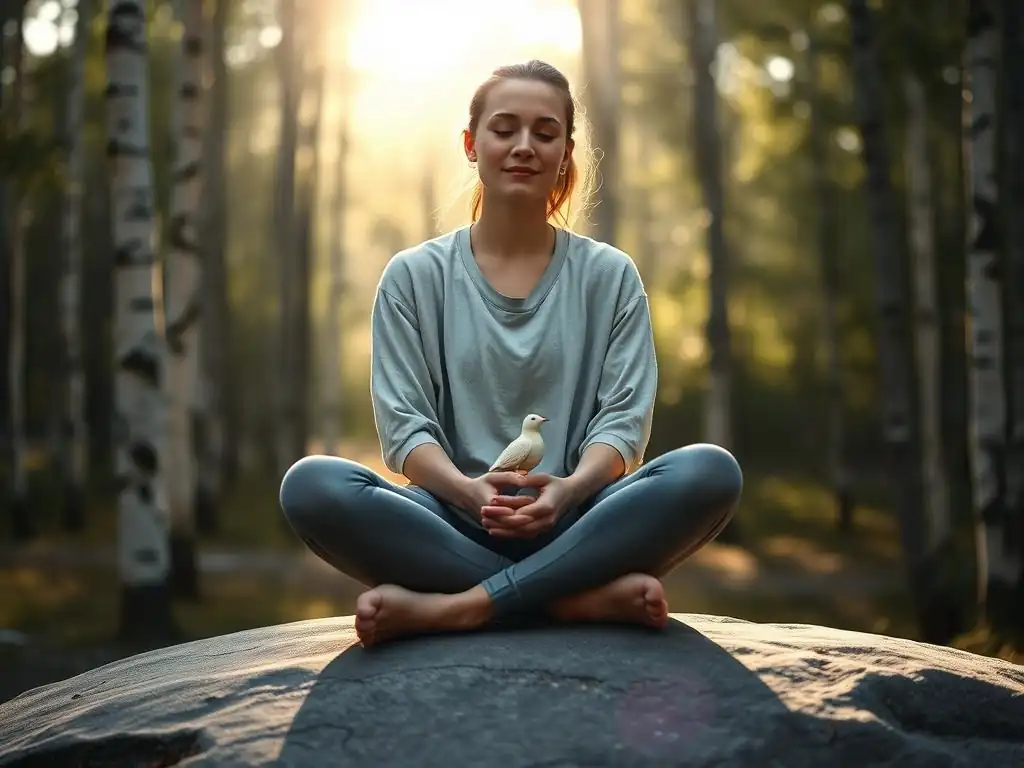
Beyond building a resilient mindset, athletes can employ practical, in-the-moment coping mechanisms to manage anxiety as it arises. These techniques provide immediate relief and help athletes regain control when feeling overwhelmed. Incorporating these strategies into daily routines and having them ready for use during stressful situations is key for anxious athletes.
These mechanisms are tools that athletes can deploy actively. They require practice to become effective, just like any physical skill. Learning when and how to apply them is part of developing a comprehensive approach to managing sports-related anxiety.
Mindfulness and Meditation: Staying Present
Mindfulness is the practice of paying attention to the present moment without judgment. For athletes, this means focusing on the immediate sensations, thoughts, and feelings experienced during training or competition, rather than getting lost in worries about the past or future. Meditation is a formal practice often used to cultivate mindfulness. Both are valuable mental strategies for anxious athletes who tend to be consumed by 'what-ifs' and negative self-evaluation.
By focusing on the present, athletes can reduce rumination about past mistakes or apprehension about future outcomes. Mindfulness helps athletes stay grounded in the task at hand – executing a play, maintaining pace, reacting to the opponent – rather than being distracted by internal noise. This enhanced focus can improve decision-making and execution under pressure.
Incorporating Mindfulness into Training
Mindfulness can be integrated into regular training sessions. Instead of just going through the motions, athletes can practice paying deliberate attention to the physical sensations of movement, the feel of the equipment, the sounds of the environment, and their breath. For example, a runner might focus on the rhythm of their steps and breathing, or a weightlifter might concentrate on the feeling of the bar and the engagement of their muscles.
Mindful eating and walking are also ways to practice presence off the field. Even short periods of mindful awareness during practice – perhaps 60 seconds before starting a drill or between sets – can help athletes build this skill. Regularly practicing mindfulness during low-stress training makes it easier to access this state of presence when anxiety is high during competition.
Guided Meditation Exercises
Guided meditation involves listening to an instructor who leads the practitioner through a meditation session, often focusing on breath, body scans, or specific visualizations. For anxious athletes, guided meditations can be particularly helpful in learning how to quiet the mind and induce relaxation. Many apps and online resources offer guided meditations specifically tailored for stress reduction, focus, or athletic performance.
Even a short 5-10 minute guided meditation before practice, competition, or bedtime can make a difference. These exercises teach athletes how to observe their thoughts and feelings without getting carried away by them, a crucial skill for managing anxiety. Regular meditation practice strengthens the 'muscle' of attention and emotional regulation, making it easier for anxious athletes to implement other mental strategies.
Breathing Exercises: Managing Anxiety
Breathing is an automatic bodily function, but conscious control of breath is one of the quickest and most effective ways to manage anxiety. When anxious, breathing tends to become shallow and rapid, which can exacerbate physical symptoms like increased heart rate and dizziness. By consciously slowing and deepening the breath, athletes can activate the body's parasympathetic nervous system, promoting relaxation and reducing the physiological stress response. These breathing exercises are fundamental mental strategies for anxious athletes.
Learning proper breathing techniques provides athletes with an immediate tool they can use in any situation – on the bench, at the starting line, or even mid-performance if possible. Practicing these techniques regularly, not just when anxious, makes them more accessible and effective during high-pressure moments.
Diaphragmatic Breathing Techniques
Diaphragmatic breathing, also known as belly breathing, involves engaging the diaphragm, a large muscle located below the lungs, to pull air deep into the abdomen. This is a more efficient and calming way to breathe compared to shallow chest breathing. To practice, sit or lie down comfortably. Place one hand on your chest and the other on your belly. Inhale slowly through your nose, feeling your belly rise while your chest remains relatively still. Exhale slowly through your mouth, feeling your belly fall.
Practice this technique for several minutes daily. Aim for a slower exhale than inhale (e.g., inhale for a count of 4, exhale for a count of 6). This focus on slow, deep breaths sends signals to the brain to calm down. Mastering diaphragmatic breathing is a core mental strategy for anxious athletes seeking to regulate their physical response to stress.
Quick Breathing Exercises for Relief
In moments of acute anxiety during competition, athletes need quick breathing exercises. One simple technique is the 4-7-8 method: inhale deeply through your nose for a count of 4, hold your breath for a count of 7, and exhale completely through your mouth for a count of 8. Repeat this cycle a few times. This extended exhale helps to slow the heart rate.
Another quick method is box breathing: inhale for a count of 4, hold for 4, exhale for 4, hold for 4. This rhythmic breathing pattern can help reset the nervous system. These quick techniques are invaluable mental strategies for anxious athletes who need immediate relief from symptoms like shortness of breath or racing heart before a critical moment in their sport.
Long-Term Strategies for Managing Anxiety
While immediate coping mechanisms are essential, managing anxiety for athletes is also a long-term endeavor. It involves establishing supportive habits, seeking help when needed, and making lifestyle choices that promote overall mental and physical well-being. Sustainable mental strategies for anxious athletes are built on a foundation of consistent self-care and support.
These long-term approaches address the underlying factors that contribute to anxiety and build enduring resilience. They require commitment and integration into an athlete's daily life, extending beyond training and competition times.
Building a Strong Support System
Having a strong support system is critical for athletes dealing with anxiety. This network can include family, friends, teammates, coaches, and mentors. Sharing feelings and challenges with trusted individuals can alleviate the burden of anxiety and provide perspective. Teammates who understand the pressures of the sport can offer unique empathy and support.
Coaches play a vital role in fostering a supportive environment, encouraging open communication about mental health, and recognizing signs of anxiety in their athletes. A coach who prioritizes well-being alongside performance can significantly impact an athlete's ability to manage stress. Building and utilizing this network is a foundational element of effective mental strategies for anxious athletes.
Seeking Professional Help
For many athletes, anxiety may require professional intervention. Sports psychologists, licensed therapists, or counselors specializing in performance anxiety can provide tailored strategies and support. These professionals use evidence-based techniques like Cognitive Behavioral Therapy (CBT) or Acceptance and Commitment Therapy (ACT) to help athletes understand the roots of their anxiety and develop advanced coping skills.
Seeking help is a sign of strength, not weakness. A mental health professional can offer unbiased perspective, teach specific mental skills, and help athletes navigate complex emotional challenges. They can provide personalized mental strategies for anxious athletes that go beyond general techniques, addressing individual triggers and thought patterns.
Lifestyle Adjustments: Sleep and Nutrition
Lifestyle factors such as sleep and nutrition have a profound impact on mental health, including anxiety levels. Chronic sleep deprivation can increase stress hormones and impair cognitive function, making athletes more susceptible to anxiety. Aiming for 7-9 hours of quality sleep per night is crucial for both physical recovery and mental resilience. Establishing a consistent sleep schedule and creating a relaxing bedtime routine can significantly improve sleep hygiene.
Nutrition also plays a role. A balanced diet rich in whole foods, lean proteins, fruits, and vegetables provides the necessary nutrients for brain function and mood regulation. Avoiding excessive caffeine and sugar, which can exacerbate anxiety symptoms, is also recommended. Proper hydration is equally important. Prioritizing sleep and nutrition are often overlooked but essential mental strategies for anxious athletes.
Case Studies: Overcoming Performance Anxiety
Examining real-world examples can illustrate the effectiveness of mental strategies for anxious athletes. These case studies, while potentially using approximated details for privacy or clarity, demonstrate how athletes have successfully navigated anxiety challenges to improve their performance and well-being. They highlight the practical application of the techniques discussed.
These examples serve as inspiration and proof that with the right tools and support, performance anxiety can be managed effectively, allowing athletes to thrive under pressure.
Case Study: Managing Anxiety in Collegiate Soccer
Consider "Sarah," a talented collegiate soccer player who experienced debilitating anxiety before games, leading to muscle tightness and hesitant play. She worried excessively about making mistakes and letting her team down. Her anxiety was so severe that her performance often didn't reflect her skill level shown in practice.
Sarah began working with a sports psychologist, focusing on cognitive restructuring and visualization. She learned to identify her negative thoughts, such as "I can't make a mistake," and reframe them to "Mistakes happen, focus on the next play." She also practiced visualizing herself playing confidently, making quick decisions, and executing plays successfully.
Over several months, Sarah noticed a significant reduction in pre-game physical symptoms and improved focus during matches. While anxiety didn't disappear entirely, she learned to manage it effectively, leading to more consistent performance and increased enjoyment of the game. This demonstrates how tailored mental strategies for anxious athletes can yield tangible results.
Case Study: Improving Performance in Competitive Swimming
Take the example of "David," a competitive swimmer who struggled with intense anxiety on the starting block, causing his heart to pound and his mind to race. This often led to a poor start and difficulty settling into his race pace. He was particularly anxious about his time and placement.
David incorporated mindfulness and breathing exercises into his routine. He started meditating for 10 minutes daily and practiced diaphragmatic breathing several times a day. Before a race, he would use box breathing on the block and focus mindfully on the sensation of his feet gripping the block and the sound of the ready signal, rather than his worries about the outcome.
He also developed positive self-talk cues like "Strong start, smooth strokes." These mental strategies helped David calm his nervous system, allowing for better focus and a more explosive start. His times improved, and he reported feeling more in control and less overwhelmed by race-day pressure, showcasing the power of practical mental strategies for anxious athletes in high-pressure moments.
Conclusion: Empowering Athletes Through Mental Strength
Anxiety is a significant hurdle for many athletes, but it is not an insurmountable one. By understanding its nature, recognizing its symptoms, and actively employing targeted mental strategies, athletes can build resilience and manage performance anxiety effectively. The journey involves both building a strong internal mindset and utilizing practical coping mechanisms when anxiety arises. This comprehensive approach empowers anxious athletes to not only perform better but also to experience greater well-being and enjoyment in their sport.
Developing mental strength is an ongoing process that complements physical training. It requires dedication, self-awareness, and a willingness to practice mental skills consistently. Just as athletes train their bodies, they must train their minds.
Key Takeaways: Implementing Mental Strategies
- Recognize that anxiety is common but manageable.
- Identify your personal anxiety triggers and symptoms (physical, cognitive, behavioral).
- Practice cognitive restructuring to challenge and reframe negative thoughts.
- Develop and use positive self-talk regularly.
- Utilize visualization techniques to rehearse success and promote relaxation.
- Incorporate mindfulness and meditation to stay present and reduce rumination.
- Master breathing exercises for immediate anxiety relief.
- Build and rely on a strong support system.
- Do not hesitate to seek professional help from a sports psychologist or therapist.
- Prioritize healthy lifestyle choices, especially sleep and nutrition.
Implementing these mental strategies for anxious athletes requires practice and patience, but the benefits in terms of performance, confidence, and overall well-being are substantial.
Resources for Athletes: Finding Support and Information
Athletes seeking further support and information have various avenues available. University athletic departments often have sports psychologists or counseling services on staff. National sports organizations frequently provide resources related to athlete mental health. Online platforms and apps offer guided meditations, mindfulness exercises, and mental skills training programs specifically designed for athletes.
Additionally, connecting with mental health helplines or organizations dedicated to athlete well-being can provide access to support and referrals. Exploring these resources is a proactive step for any athlete looking to enhance their mental game and effectively manage anxiety. Remember, accessing support is a sign of commitment to both your sport and your health, reinforcing the power of effective mental strategies for anxious athletes.
Frequently Asked Questions
What are some common signs of anxiety in athletes?
Anxiety in athletes can manifest as increased heart rate, excessive sweating, and difficulty concentrating. They may also experience negative self-talk and fear of failure.
Why are athletes particularly vulnerable to anxiety?
Athletes face immense pressure to perform, leading to fear of underperforming and disappointing coaches, teammates, and themselves. The intense competition and public scrutiny can exacerbate anxiety.
What are some practical mental strategies athletes can use to manage anxiety?
Athletes can use strategies such as deep breathing exercises, visualization techniques, and positive self-talk to calm their nerves and boost their confidence before and during competitions.
How can coaches and support staff help anxious athletes?
Coaches and staff can create a supportive environment by promoting open communication, focusing on effort rather than outcome, and providing access to mental health resources.
Where can athletes find professional help for anxiety?
Athletes struggling with anxiety can seek help from sports psychologists, therapists, or counselors specializing in mental health. Resources may also be available through their team or athletic organization.
Final Reflection: Forging Mental Fortitude in the Face of Anxiety
The relentless pressure to perform, coupled with the inherent uncertainties of competition, creates a breeding ground for anxiety in athletes. This isn't simply a matter of nerves; it's a significant obstacle that can derail even the most talented individuals. Understanding and implementing effective mental strategies is no longer a luxury for elite athletes—it's a necessity for anyone striving for peak performance and overall well-being in sport.
The impact of anxiety on athletic performance is profound, extending far beyond the playing field. It affects training consistency, self-belief, and the ability to recover from setbacks. The pervasive nature of this challenge underscores the importance of proactive mental health management. The mind is everything. What you think you become.
– Buddha. This ancient wisdom holds particular relevance for athletes, highlighting the power of mental training to shape not only performance but also overall life satisfaction. The journey towards mental fortitude is ongoing, requiring consistent self-reflection and a commitment to developing coping mechanisms.
Now, consider your own athletic journey. What mental strategies have you found most effective in managing anxiety? What areas need further development? This article serves as a starting point; the true work lies in actively integrating these techniques into your training regimen and daily life. Embrace the challenge, cultivate self-compassion, and remember that building mental resilience is a process, not a destination. By prioritizing your mental well-being, you'll not only enhance your athletic performance but also unlock a deeper sense of self-awareness and empowerment that extends far beyond the game.
Unlock Your Peak Performance: Take Control of Your Game
Thanks for exploring the world of mental strength for athletes! We hope you gained valuable insights into managing anxiety and enhancing your performance. Are you ready to put these strategies into practice?
- Focus on one mental technique: Select the strategy that resonated most with you—such as deep breathing, visualization, or positive self-talk—and commit to practicing it daily for a week. Observe how it influences your training and competitions.
- Share your journey: Tell us or a fellow athlete about your progress and any challenges you encounter. What surprised you most about this mental training experience?
- Discover additional resources: Explore the benefits of mindfulness and mental resilience by searching online for relevant topics like mindfulness for athletes.
What is one small step you can take today to strengthen your mental game?