
The Treatment Revolution: From Restraint to Rehab to Rx


Welcome to Mind Care Guide, a space dedicated to nurturing your mental well-being.
Ever wondered how our understanding of mental health has evolved? Join us as we journey through the past in "The Treatment Revolution: From Restraint to Rehab to Rx," exploring the fascinating, and sometimes unsettling, history of mental health treatment. This article is a critical first step in understanding how to improve mental health today. Are you ready to uncover the surprising turns that led us to where we are now? Let's begin!
The Treatment Revolution: From Restraint to Rehab to Rx
- A History of Mental Health Treatment: How Practices Have Evolved
- The Era of Restraint: Early Approaches to Mental Illness
- The Rise of Rehabilitation: A Shift in Perspective
-
The Pharmaceutical Revolution: The Impact of Medication on Mental Health
- The Discovery of Chlorpromazine: A Turning Point in Treatment
- The Development of Antidepressants: Addressing Mood Disorders
- The Rise of Anxiolytics: Managing Anxiety Symptoms
- The Benefits and Challenges of Pharmacological Interventions for Mental Well-being
- Mental Health Medication Management: A Guide to Safe and Effective Use
-
Modern Psychiatry: Integrating Therapies for Optimal Mental Well-being
- The Biopsychosocial Model: A Holistic Approach to Mental Health
- Combining Therapy and Medication: A Comprehensive Treatment Plan
- The Role of Cognitive Behavioral Therapy (CBT): Changing Thought Patterns and Behaviors
- The Importance of Individualized Treatment: Tailoring Care to Specific Needs
- Alternative and Complementary Therapies for Mental Health: Mindfulness, Yoga, and Art Therapy
-
Improving Mental Health Today: Accessing Care and Resources
- Overcoming Stigma: Encouraging Open Conversations About Mental Illness
- Finding a Mental Health Professional: Considering Credentials, Specializations, and Fit
- The Importance of Self-Care: Prioritizing Mental and Physical Wellness
- Building a Support System: Connecting with Others for Emotional Support
- The Future of Mental Health Treatment: Teletherapy, Personalized Medicine, and AI
-
Frequently Asked Questions
- How has the treatment of mental health evolved over time?
- What role does rehabilitation play in modern mental health treatment?
- How significant is medication (Rx) in contemporary mental health care?
- What are some alternative or complementary approaches to improving mental health, beyond medication?
- Where can I find more information and support for my mental health challenges?
- Final Reflection: A Path Towards Holistic Mental Wellness
- Unlock Your Potential: Take the Next Step on Your Mental Wellness Journey
A History of Mental Health Treatment: How Practices Have Evolved
The journey of understanding and treating mental illness is a long and complex one, marked by significant shifts in societal attitudes, scientific knowledge, and therapeutic approaches. For centuries, individuals suffering from mental health conditions were often misunderstood, feared, and subjected to harsh, often inhumane, treatments. This history is not just a chronicle of past practices but also a crucial context for understanding contemporary mental healthcare and the ongoing efforts to improve mental health for all.
Tracing the evolution from primitive forms of restraint and institutionalization to the development of rehabilitative therapies and the advent of psychopharmacology reveals a gradual, though sometimes uneven, progression towards more empathetic and effective care. This historical perspective helps illuminate the progress made in destigmatizing mental illness and developing strategies for how to improve mental health in the modern era, emphasizing a move towards integrated, patient-centered approaches.
The Era of Restraint: Early Approaches to Mental Illness
The Origins of Confinement: Asylums and Early Mental Health "Care"
In earlier centuries, the concept of "mental health care" as we know it today was virtually nonexistent. Individuals exhibiting behaviors deemed deviant or incomprehensible were often ostracized, imprisoned, or confined in institutions that were more custodial than therapeutic. The first asylums began appearing in Europe as early as the 14th century, though their primary function was containment, not treatment.
Bethlehem Royal Hospital (Bedlam) in London, founded in 1247, is perhaps one of the most infamous examples, initially housing the poor and infirm before becoming solely for the "lunatic" by the 14th century. Conditions within these institutions were often deplorable, with patients frequently neglected, chained, and displayed to the public for entertainment.
These early institutions reflected a societal fear and lack of understanding regarding mental illness. The focus was on removing individuals from society rather than addressing the root causes of their suffering or exploring how to improve mental health. While some early figures like Philippe Pinel in France (late 18th century) and William Tuke in England (late 18th/early 19th century) advocated for more humane treatment and the removal of chains, their approaches were exceptions in an era dominated by custodial confinement and harsh methods.
Physical Restraints: A Common and Controversial Practice
Physical restraints were a pervasive tool in early asylums, employed not for therapeutic reasons but primarily for control and management of patients deemed agitated or dangerous. Chains, straitjackets, and isolation cells were common, used to subdue individuals and prevent harm to themselves or others, often for the convenience of understaffed institutions. This practice highlights the prevailing view of mental illness as a force to be suppressed rather than a condition to be treated.
The widespread use of physical restraints was a direct consequence of the limited understanding of mental health conditions and the absence of effective therapeutic interventions. While modern psychiatry has significantly reduced the use of restraints, their history serves as a stark reminder of the challenges faced by individuals with mental illness and the need for continuous advocacy for humane and evidence-based care. Efforts today on how to improve mental health emphasize de-escalation techniques and therapeutic alliances over restrictive measures.
The Limited Understanding of Mental Illness: Demonology and Humoral Theory
For much of history, explanations for mental illness were rooted in superstition, religious beliefs, or outdated medical theories. Demonology, the belief that mental disturbance was caused by demonic possession, led to brutal practices like exorcism and torture. This perspective often resulted in individuals being punished for their illness rather than receiving help.
Another prominent historical explanation was the humoral theory, derived from ancient Greek medicine (Hippocrates, Galen). This theory posited that illness, including mental illness, resulted from an imbalance of the body's four humors: blood, yellow bile, black bile, and phlegm. Treatments based on this theory included bloodletting, purging, and inducing vomiting, aimed at restoring humoral balance. While these theories offered a medical framework, they were based on incorrect physiological understanding and often caused more harm than good, demonstrating the long and difficult path to scientifically grounded approaches for how to improve mental health.
The Rise of Rehabilitation: A Shift in Perspective
The Emergence of Moral Treatment: A More Humane Approach
The late 18th and early 19th centuries saw the rise of "moral treatment," a significant departure from the custodial model. Pioneers like Philippe Pinel at Bicêtre and Salpêtrière hospitals in Paris and William Tuke at the York Retreat in England advocated for treating patients with kindness, respect, and dignity. They believed that a therapeutic environment, free from chains and harsh punishments, combined with meaningful activity and social interaction, could facilitate recovery.
Moral treatment involved providing patients with comfortable living conditions, nutritious food, opportunities for work or recreation, and encouraging therapeutic conversations. While not a cure, this approach drastically improved the lives of many patients and highlighted the importance of environmental factors and human connection in mental well-being. The success of moral treatment demonstrated that individuals with mental illness could benefit from compassionate care and laid foundational principles that resonate with modern efforts on how to improve mental health through creating supportive environments.
Occupational Therapy: Engaging Patients in Meaningful Activities
A key component of moral treatment was the emphasis on engaging patients in purposeful activities, a precursor to modern occupational therapy. This involved various forms of work, such as gardening, farming, sewing, or crafts, tailored to the individual's abilities and interests. The goal was not just to keep patients busy but to provide a sense of routine, accomplishment, and connection to the world outside their illness.
Engaging in meaningful work or hobbies was seen as therapeutic, helping to restore patients' self-esteem and reintegrate them into a semblance of normal life within the asylum setting. This focus on activity and purpose remains a vital element in contemporary mental health care, recognized for its role in recovery, skill-building, and enhancing overall quality of life, contributing significantly to strategies on how to improve mental health through engagement and productivity.
Beyond work and pleasant surroundings, moral treatment also stressed the importance of social interaction. Patients were encouraged to participate in communal meals, social gatherings, and recreational activities. The aim was to counteract the isolation often experienced by individuals with mental illness and foster a sense of community and belonging within the asylum.
Creating a supportive social environment was believed to have a calming and therapeutic effect, reducing agitation and promoting positive behavior. This recognition of the healing power of social connections is a principle that endures today, with support groups, family therapy, and community-based programs playing crucial roles in modern mental health treatment and integral to understanding how to improve mental health through relationships and support networks.
Early Psychological Interventions: Psychoanalysis and the Talking Cure
As the 19th century progressed into the 20th, new theories about the mind began to emerge, particularly the work of Sigmund Freud. Psychoanalysis proposed that mental health issues stemmed from unconscious conflicts, repressed memories, and early childhood experiences. Freud's "talking cure," involving free association and interpretation of dreams, aimed to bring these unconscious elements into conscious awareness, thereby resolving psychological distress.
While psychoanalysis was lengthy and resource-intensive, it represented a pivotal shift towards understanding mental illness as a psychological phenomenon rather than solely a biological or moral failing. It paved the way for various forms of psychotherapy and highlighted the potential of talking therapies in addressing mental health challenges, offering a new dimension to exploring how to improve mental health beyond physical interventions.
The Pharmaceutical Revolution: The Impact of Medication on Mental Health
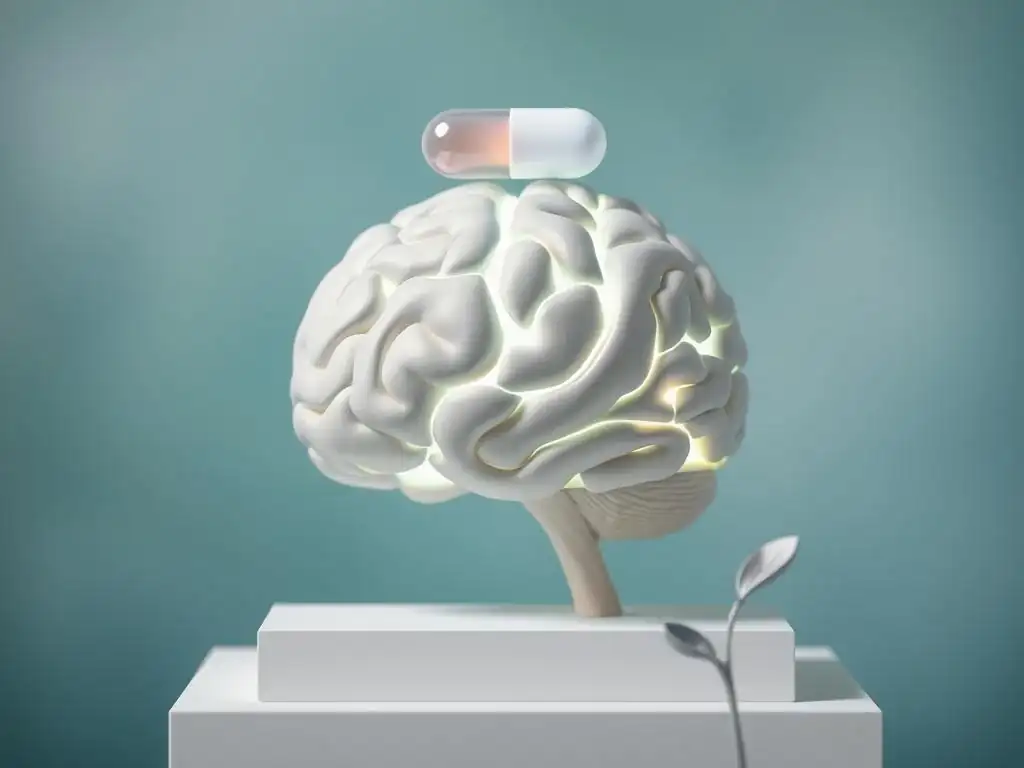
The Discovery of Chlorpromazine: A Turning Point in Treatment
The mid-20th century marked a revolutionary period in mental health treatment with the accidental discovery of psychotropic medications. Chlorpromazine (marketed as Thorazine) was synthesized in the early 1950s and initially used as an anesthetic. However, its calming and antipsychotic properties were soon recognized, leading to its use in treating severe mental illnesses like schizophrenia.
Chlorpromazine was the first effective medication to significantly reduce the symptoms of psychosis, such as hallucinations and delusions. Its introduction dramatically changed the landscape of psychiatric hospitals, allowing many patients who were previously considered untreatable to manage their symptoms and, in some cases, live outside institutions. This single drug profoundly altered the approach to how to improve mental health for individuals with severe conditions.
The Development of Antidepressants: Addressing Mood Disorders
Following the success of antipsychotics, research accelerated into medications for other mental health conditions. The late 1950s saw the development of the first tricyclic antidepressants (TCAs) like imipramine, initially studied for their potential as antipsychotics but found to lift mood in depressed patients. Shortly after, monoamine oxidase inhibitors (MAOIs) were discovered, also showing antidepressant effects.
These early antidepressants provided the first pharmacological tools specifically targeting mood disorders, which were previously very difficult to treat effectively. While these first-generation drugs had significant side effects, their development paved the way for the discovery of newer, safer antidepressants, such as the selective serotonin reuptake inhibitors (SSRIs) in the late 1980s (e.g., fluoxetine/Prozac), which revolutionized the treatment of depression and anxiety and expanded options for how to improve mental health related to mood.
The Rise of Anxiolytics: Managing Anxiety Symptoms
Anxiety disorders are among the most common mental health conditions, and the search for effective pharmacological treatments was ongoing. While barbiturates were used historically for sedation and anxiety, they carried significant risks of addiction and overdose. The discovery of benzodiazepines in the early 1960s (e.g., chlordiazepoxide/Librium, diazepam/Valium) offered a seemingly safer alternative for managing acute anxiety symptoms.
Benzodiazepines became widely prescribed due to their rapid effect in reducing anxiety. However, concerns about dependence and withdrawal led to more cautious prescribing practices and the development of non-benzodiazepine anxiolytics and the increased use of antidepressants (like SSRIs) which are also effective for many anxiety disorders, providing varied approaches to how to improve mental health by managing anxiety.
The Benefits and Challenges of Pharmacological Interventions for Mental Well-being
Psychiatric medications have provided undeniable benefits, enabling millions of people to manage debilitating symptoms, function in their daily lives, and reduce the need for long-term hospitalization. They have transformed the prognosis for conditions like schizophrenia, bipolar disorder, and severe depression, allowing individuals to pursue recovery and lead fulfilling lives. The availability of effective medication is a critical component of modern strategies for how to improve mental health.
However, pharmacological interventions also present challenges. Side effects can range from mild to severe and may impact adherence. Finding the right medication and dosage can be a trial-and-error process. Concerns about potential for dependence, withdrawal symptoms, and long-term effects require careful consideration. Furthermore, medication alone is often not sufficient and is most effective when combined with other therapies and support.
Mental Health Medication Management: A Guide to Safe and Effective Use
Effective use of mental health medication requires careful management, typically overseen by a psychiatrist or other qualified healthcare provider. This involves accurate diagnosis, selecting the appropriate medication based on symptoms, medical history, and potential interactions, and determining the correct dosage. Regular monitoring is essential to assess efficacy, manage side effects, and make necessary adjustments.
Patient education is crucial. Individuals need to understand why they are taking the medication, how it works, common side effects, and the importance of taking it consistently as prescribed. They should also be aware of potential withdrawal symptoms if the medication is stopped abruptly. Open communication with the prescribing clinician is key to safe and effective medication management as part of a comprehensive plan for how to improve mental health.
Modern Psychiatry: Integrating Therapies for Optimal Mental Well-being
Modern psychiatry operates largely under the biopsychosocial model, which recognizes that mental health is influenced by a complex interplay of biological, psychological, and social factors. Biological factors include genetics, brain chemistry, and physical health. Psychological factors encompass thoughts, emotions, coping skills, and life experiences. Social factors involve relationships, family dynamics, cultural background, socioeconomic status, and community support.
This holistic perspective moves beyond viewing mental illness as solely a brain disorder or a psychological issue. It emphasizes understanding the individual within their full context, leading to more comprehensive and personalized treatment plans that address the multiple dimensions contributing to their well-being. Adopting this model is fundamental to understanding how to improve mental health in a truly integrated way.
Combining Therapy and Medication: A Comprehensive Treatment Plan
For many mental health conditions, the most effective approach involves combining psychotherapy (talk therapy) with medication. Research consistently shows that for conditions like moderate to severe depression, anxiety disorders, bipolar disorder, and schizophrenia, this integrated approach often yields better outcomes than either treatment modality alone.
Medication can help manage severe symptoms, making it easier for individuals to engage in therapy. Therapy, in turn, can provide coping strategies, address underlying issues, improve communication skills, and help individuals understand and navigate their condition. A comprehensive treatment plan, tailored to the individual, is considered the gold standard for how to improve mental health effectively.
The Role of Cognitive Behavioral Therapy (CBT): Changing Thought Patterns and Behaviors
Cognitive Behavioral Therapy (CBT) is one of the most widely used and evidence-based psychotherapies. It is based on the principle that our thoughts, feelings, and behaviors are interconnected, and that problematic patterns of thinking can lead to emotional distress and unhelpful behaviors. CBT helps individuals identify and challenge negative or irrational thought patterns (cognitive restructuring) and develop more adaptive coping mechanisms and behaviors.
CBT has proven effective for a wide range of conditions, including depression, anxiety disorders (panic disorder, social anxiety, OCD), PTSD, and eating disorders. Its structured, goal-oriented approach makes it practical and often relatively short-term compared to other therapies. It provides individuals with concrete tools and strategies they can use to manage their symptoms and contribute to improving mental health in their daily lives.
The Importance of Individualized Treatment: Tailoring Care to Specific Needs

Recognizing that every individual's experience with mental illness is unique, modern mental healthcare strongly emphasizes individualized treatment plans. There is no one-size-fits-all approach. A person's diagnosis, symptom severity, personal history, preferences, strengths, cultural background, and life circumstances all influence the most effective course of treatment.
A thorough assessment is the starting point for developing a personalized plan, which may involve a combination of specific therapies (e.g., CBT, Dialectical Behavior Therapy - DBT, psychodynamic therapy), medications, lifestyle adjustments, and support services. Regularly reviewing and adjusting the plan based on the individual's progress and changing needs is crucial for sustained recovery and demonstrates a commitment to truly helping individuals figure out how to improve mental health in their specific context.
Alternative and Complementary Therapies for Mental Health: Mindfulness, Yoga, and Art Therapy
Beyond traditional talk therapy and medication, a growing body of evidence supports the use of various alternative and complementary therapies as part of an integrated mental health treatment plan. These approaches can be used alongside conventional treatments to enhance well-being and provide additional tools for managing symptoms.
Examples include mindfulness and meditation practices, which can help reduce stress and anxiety by focusing on the present moment; yoga and other forms of physical exercise, known for their positive impact on mood and stress reduction; and creative therapies like art therapy, music therapy, and drama therapy, which provide non-verbal ways to express emotions and process experiences. Incorporating these practices offers additional avenues for how to improve mental health and build resilience.
Improving Mental Health Today: Accessing Care and Resources
Overcoming Stigma: Encouraging Open Conversations About Mental Illness
Despite significant progress, stigma surrounding mental illness remains a major barrier to seeking help. Fear of judgment, discrimination, and misunderstanding can prevent individuals from reaching out to mental health professionals or even talking to friends and family about their struggles. Overcoming this stigma requires ongoing efforts to educate the public, promote understanding, and encourage open, empathetic conversations about mental health.
Sharing personal stories, challenging misconceptions in media, and advocating for policies that support mental healthcare access are all vital steps. Creating safe spaces where people feel comfortable discussing their mental health without fear of reprisal is fundamental to ensuring that individuals can access the support they need to improve mental health.
Finding a Mental Health Professional: Considering Credentials, Specializations, and Fit
Navigating the process of finding a mental health professional can be daunting. It's important to consider various factors, including the type of professional (e.g., psychiatrist, psychologist, licensed clinical social worker, licensed professional counselor), their credentials and licensing, their specialization (e.g., specific disorders, age groups, therapeutic modalities), and their experience.
Equally important is finding a therapist or clinician with whom you feel a good rapport – someone you trust and feel comfortable opening up to. This therapeutic alliance is a strong predictor of successful treatment outcomes. Many resources, including online directories, insurance provider lists, and referrals from primary care physicians, can help in the search for the right professional to guide you on how to improve mental health.
The Importance of Self-Care: Prioritizing Mental and Physical Wellness
Self-care is not a luxury but an essential component of maintaining and improving mental health. This involves intentionally engaging in activities that promote physical, emotional, and mental well-being. This includes getting sufficient sleep (aiming for 7-9 hours for adults), eating a balanced diet, engaging in regular physical activity (e.g., 30 minutes of moderate exercise most days), and managing stress through techniques like mindfulness, deep breathing, or hobbies.
Prioritizing self-care means setting boundaries, learning to say no, taking breaks when needed, and engaging in enjoyable activities. It's about building resilience and creating daily habits that support overall health, making it easier to cope with challenges and sustain efforts to improve mental health.
Building a Support System: Connecting with Others for Emotional Support
Humans are social beings, and strong social connections are vital for mental well-being. Building and nurturing a support system of friends, family, or support groups provides emotional support, reduces feelings of isolation, and offers a sense of belonging. Sharing your experiences with trusted individuals can lighten emotional burdens and provide different perspectives.
Connecting with others who have similar experiences, such as through peer support groups for specific conditions, can be particularly validating and empowering. Investing time and effort in relationships and seeking out supportive communities are crucial strategies for how to improve mental health and build resilience against life's stressors.
The Future of Mental Health Treatment: Teletherapy, Personalized Medicine, and AI
The field of mental health treatment continues to evolve, driven by technological advancements and deeper scientific understanding. Teletherapy, or online therapy, has expanded access to care, particularly for individuals in remote areas or those facing mobility issues, offering convenience and flexibility in accessing professional help.
The future also holds promise in personalized medicine, using genetic and biological information to predict how an individual might respond to specific medications or therapies, leading to more targeted and effective treatments. Artificial intelligence (AI) is being explored for its potential in analyzing data to identify patterns, assist in diagnosis, develop predictive models for relapse risk, and even power therapeutic chatbots, offering new tools in the ongoing quest for how to improve mental health care.
Frequently Asked Questions
How has the treatment of mental health evolved over time?
Treatment has shifted dramatically, moving from restraint and institutionalization to more humane approaches like rehabilitation and medication (Rx). The focus has shifted from simply containing individuals to actively helping them recover.
What role does rehabilitation play in modern mental health treatment?
Rehabilitation focuses on restoring an individual's ability to function in daily life. It involves skills training and therapy to help individuals manage their symptoms and achieve their goals.
How significant is medication (Rx) in contemporary mental health care?
Medication plays a crucial role for many, helping to manage symptoms like depression or anxiety. It's often used in conjunction with therapy and other interventions for optimal results.
What are some alternative or complementary approaches to improving mental health, beyond medication?
Beyond medication, options include therapy, lifestyle changes (diet, exercise), and mindfulness practices. These can significantly contribute to overall mental well-being and improve mental health.
Where can I find more information and support for my mental health challenges?
Resources are available through organizations like the Mind Care Guide, providing information, support groups, and access to qualified mental health professionals. Seeking help is a sign of strength and a vital step towards recovery.
Final Reflection: A Path Towards Holistic Mental Wellness
The fight for improved mental health is not just a medical battle; it's a societal shift. We've moved beyond the outdated and often harmful practices of the past, recognizing that mental wellness requires a multifaceted approach encompassing rehabilitation, medication, and a fundamental change in how we perceive and treat mental illness. This revolution demands our continued attention and proactive engagement.
The journey from restraint to rehabilitation to responsible medication use highlights the profound evolution in our understanding of mental health. This shift reflects a growing awareness of the interconnectedness of mind, body, and spirit. It's a testament to the tireless advocacy of individuals and organizations who have fought for better treatment and a more compassionate approach. The mind is everything. What you think you become.
– Buddha. This ancient wisdom underscores the power of our thoughts and the importance of nurturing our mental well-being. It's a responsibility we all share, both individually and collectively.
Now, consider your own path towards mental wellness. What steps can you take today to prioritize your mental health? Are you engaging in self-care practices that nourish your mind and body? Are you seeking support when needed, whether from friends, family, or professionals? The journey towards improved mental health is a personal one, but it's a journey we can all embark on together, creating a more supportive and understanding world for ourselves and for those around us. Let's continue this revolution, one mindful step at a time.
Unlock Your Potential: Take the Next Step on Your Mental Wellness Journey
Thanks for taking the time to explore the evolving world of mental health treatment with us! We hope this article provided you with valuable insights and a renewed sense of hope. Now it's time to put that knowledge into action.
Here are a few ways to continue your journey towards better mental wellness:
- Prioritize self-care: Identify one small, manageable self-care activity (even 5 minutes!) that you can commit to daily – whether it's meditation, journaling, or a walk in nature. This is your foundation.
- Reach out and connect: Share this article with someone who might find it helpful. Starting a conversation is a powerful step towards building a supportive network.
- Explore additional resources: Consider researching local mental health organizations or support groups. Many offer free or low-cost services.
What small step will you take today to invest in your mental well-being?