
Life Inside: Asylums and Institutions of the Early 20th Century

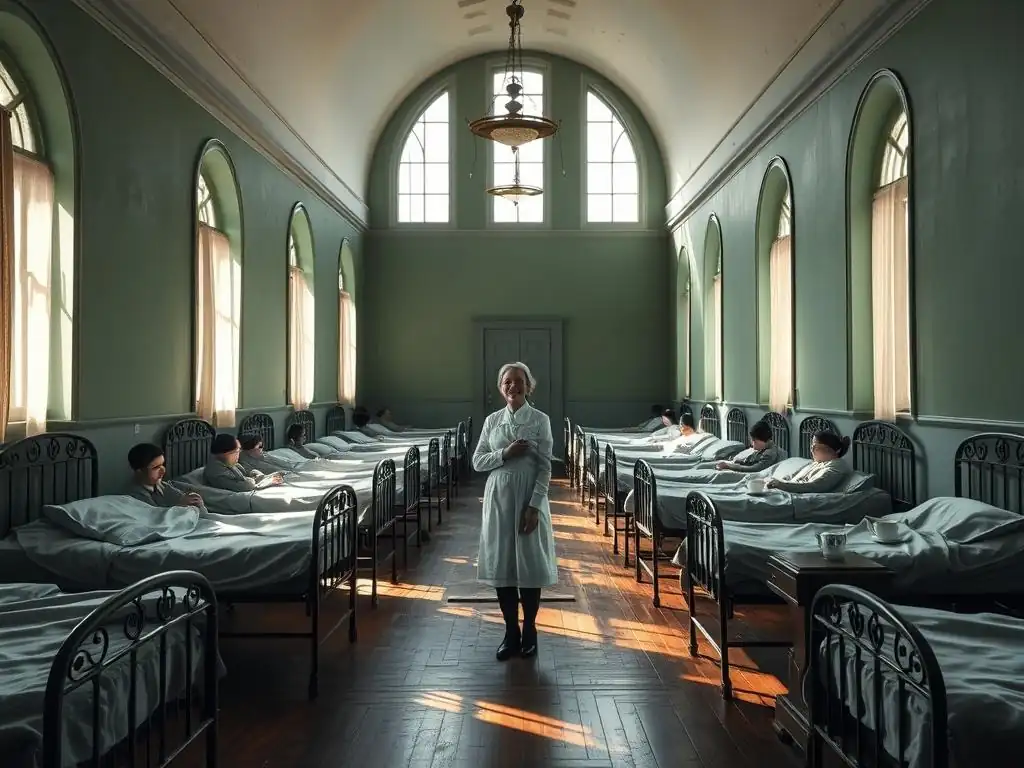
Welcome to Mind Care Guide, where we believe that understanding our history is essential to fostering a brighter mental health future. In our latest article, "Life Inside: Asylums and Institutions of the Early 20th Century," we delve into the often-overlooked realities of early 20th-century asylum life. As you explore this compelling exploration, you will uncover the challenges and triumphs faced by individuals navigating mental health institutions during a pivotal era.
Join us on this journey to not only learn about the past but also to gain insights that resonate today, illuminating paths to healing and understanding. Don't miss the chance to dive deeper into a topic that touches the very core of mental well-being!
- Introduction to Early 20th Century Sanatorium Life
- Admission and Assessment in Early 20th Century Sanatoriums
- Daily Life Within the Walls: Early 20th Century Sanatorium Routine
- Treatment Approaches in Early 20th Century Tuberculosis Sanatoriums
- The Patient Experience: Voices from Inside Early 20th Century Sanatoriums
- Staff and Caregivers: Roles and Responsibilities in Early Sanatoriums
- The Physical Environment: Architecture and Conditions of Early 20th Century Sanatoriums
- The Decline of the Sanatorium Model: Towards Modern Tuberculosis Treatment
- Understanding the Historical Context: The Importance of Learning from the Past
-
Frequently Asked Questions
- What were the primary characteristics of early 20th century asylum life?
- What types of treatments were commonly used in asylums during the early 20th century?
- How did societal attitudes influence the conditions within early 20th century asylums?
- What were some of the long-term impacts on individuals who lived in early 20th century asylums?
- Where can I find more information about early 20th century asylum life?
- Final Reflection: Echoes of the Past, Lessons for the Future
- Unlock the Secrets of the Past: Explore Early 20th Century Asylums
Introduction to Early 20th Century Sanatorium Life
The early 20th century was a time when tuberculosis, often called consumption or the "White Plague," ravaged populations worldwide. With no effective drug treatments available, the disease was a leading cause of death, particularly among young adults. Faced with this widespread health crisis, medical professionals and public health advocates championed a new approach centered around specialized institutions designed specifically for treating and isolating tuberculosis patients: the sanatorium. These facilities became hallmarks of the era's fight against TB, offering a glimmer of hope amidst a devastating epidemic.
Life within these sanatoriums was a unique and often challenging experience, defined by strict routines, isolation from the outside world, and a treatment regimen that was labor-intensive and often lengthy. While distinct from the institutions dedicated to mental health, which also shaped Early 20th century asylum life, sanatoriums shared some characteristics of institutional confinement, offering a window into structured living designed around a medical condition. This article delves into the daily realities and medical practices within these early 20th-century tuberculosis sanatoriums, exploring the environment, treatments, and human experiences that defined this significant chapter in public health history.
The State of Tuberculosis Treatment at the Turn of the Century
At the dawn of the 20th century, medical science had identified Mycobacterium tuberculosis as the causative agent of tuberculosis, thanks to Robert Koch's work in 1882. However, this understanding did not immediately translate into effective treatment. Antibiotics were decades away from discovery, leaving doctors with few tools to combat the infection directly. Treatments available were largely supportive, focusing on enhancing the patient's natural ability to fight the disease.
The prevailing medical wisdom centered on rest, fresh air, good nutrition, and sometimes, surgical interventions aimed at collapsing the affected lung. This therapeutic approach formed the core of sanatorium treatment. While seemingly simple, these methods were believed to slow the progression of the disease, allow cavities in the lungs to heal, and boost the patient's immune system. Mortality rates remained high, often exceeding 50% for those with advanced disease, but for some, particularly those with early-stage illness, sanatorium care offered the best chance for remission or recovery.
Purpose and Perception of Sanatoriums in the Early 1900s
The primary purpose of the early 20th-century sanatorium was twofold: to treat individuals diagnosed with tuberculosis and to isolate them from the healthy population to prevent the spread of the highly contagious disease. Sanatoriums were often built in rural or mountainous areas, believed to offer cleaner, healthier air free from the pollutants of industrial cities. These locations also facilitated the prescribed regimen of prolonged exposure to fresh air and sunlight.
Perceptions of sanatoriums were varied. For some, they were places of hope, sanctuaries where patients could receive dedicated care and potentially recover. Families saw them as necessary, albeit painful, separations to protect other household members. However, sanatoriums were also viewed with fear and stigma. Admission was often seen as a death sentence or, at best, a long, uncertain exile. The association of TB with poverty and poor living conditions also contributed to a sense of shame for patients and their families, creating complex social dynamics around institutionalization.
Admission and Assessment in Early 20th Century Sanatoriums
Gaining entry to a tuberculosis sanatorium in the early 20th century was a formal process that typically began with a diagnosis by a physician. Patients were often referred based on symptoms like chronic cough, fever, weight loss, and fatigue. Given the lack of widespread diagnostic tools compared to today, early diagnosis was challenging, and many patients entered sanatoriums with moderately or even advanced stages of the disease.
The admission process itself often involved a waiting period, as the demand for beds frequently exceeded the available space, particularly in public sanatoriums. Patients would undergo a comprehensive physical examination upon arrival, and their medical history would be thoroughly documented. This initial assessment determined the severity of their condition and helped the medical staff plan their course of treatment within the institution's strict regimen.
The Process of Admission: How Individuals Entered Sanatoriums
Entry into a sanatorium usually required a formal application, often supported by a physician's referral detailing the patient's symptoms and suspected diagnosis. For public sanatoriums, funding might come from state or local governments, tuberculosis associations, or charitable organizations, and eligibility could depend on residency or financial status. Private sanatoriums catered to wealthier individuals who could afford the fees, which could be substantial, potentially costing several hundred dollars a year in an era when average annual incomes were often less than $1,000.
Upon acceptance, the patient would travel to the sanatorium, often located far from their home. The admission day involved administrative procedures, a medical intake evaluation, and orientation to the sanatorium's rules and daily schedule. This transition marked a significant break from their former lives, as they entered a highly structured environment focused entirely on combating their illness, separated from family and friends for months or even years.
Diagnostic Practices and Assessment Methods Used
Diagnostic methods for tuberculosis in the early 20th century were limited but evolving. The primary diagnostic tool was the physical examination, where doctors would listen to the patient's lungs using a stethoscope for tell-tale sounds of congestion or cavities. Percussion (tapping on the chest) was also used to identify areas of consolidation. Microscopic examination of sputum samples to identify Mycobacterium tuberculosis was a crucial, albeit not always successful, method, with positive results confirming active disease.
Radiography, specifically chest X-rays, began to be used more widely during this period, offering a visual representation of lung damage, such as infiltrates or cavities. Though early X-ray technology was less sophisticated than modern equipment, it provided valuable insights into the extent and location of the disease, aiding in diagnosis and monitoring progress. Tuberculin skin tests were also used, but primarily for screening rather than definitive diagnosis of active disease in adults.
Who Was Admitted? Examining Patient Demographics
The demographics of sanatorium patients varied depending on the type of institution. Public sanatoriums, often funded by state or federal programs, typically served individuals from lower socioeconomic backgrounds, including factory workers, immigrants, and urban residents who lived in crowded conditions conducive to TB spread. For example, early reports from institutions like the Trudeau Sanatorium in Saranac Lake, New York, initially focused on working-class individuals.
Private sanatoriums, like the famous Battle Creek Sanitarium (though broader in its health focus, it treated TB) or specialized private TB facilities, catered to the wealthy elite. While TB affected all social classes, the ability to afford prolonged treatment in a comfortable, private setting was a privilege. The disease also disproportionately affected young adults, particularly those between the ages of 18 and 35, meaning sanatoriums often housed a population in the prime of their lives, forced to halt careers and personal milestones.
Daily Life Within the Walls: Early 20th Century Sanatorium Routine
Life inside an early 20th-century tuberculosis sanatorium was characterized by a strict, often monotonous routine designed to maximize the benefits of rest, fresh air, and nutrition. The schedule dictated nearly every aspect of a patient's day, from waking hours to lights out, with minimal deviation allowed. This regimentation was considered essential to the "cure."
Patients spent a significant portion of their day engaged in the core therapeutic activity: the "rest cure." This involved long hours spent lying down, either in bed or reclining chairs, often outdoors on "curing porches" or in open-air pavilions, regardless of weather conditions. Physical activity was severely restricted, especially for those with active disease, to conserve energy and allow the body to heal. This structured, inactive lifestyle was a radical departure for most patients and a major source of boredom and frustration.
A Typical Day: Schedules, Activities, and Restrictions
A typical day in a sanatorium began early, often around 6 or 7 AM, followed by breakfast. The bulk of the morning and afternoon was dedicated to the rest cure, with patients lying quietly. There might be short periods for meals or supervised, minimal activity. Lunch was usually followed by more rest, and then supper. Evenings were generally quiet, perhaps with reading allowed, before an early bedtime, often around 9 PM.
- Sample Daily Schedule (Approximate):
- 7:00 AM: Wake up, wash
- 7:30 AM: Breakfast
- 8:30 AM - 12:00 PM: Rest hour (lying out on porch)
- 12:00 PM: Lunch
- 1:00 PM - 4:00 PM: Rest hour
- 4:00 PM: Short period for light activity (e.g., gentle walk, if permitted)
- 5:30 PM: Supper
- 6:30 PM - 9:00 PM: Quiet time, rest
- 9:00 PM: Lights out
Activities were severely limited. Organized entertainment was minimal, though some sanatoriums might have libraries or spaces for quiet games. Restrictions were paramount: no strenuous activity, strict silence during rest hours, limitations on visitors, and often, prohibitions on leaving the sanatorium grounds. This isolation, while medically intended, profoundly impacted patients' psychological well-being.
Food, Clothing, and Hygiene: Basic Needs and Conditions
Nutrition was considered a cornerstone of TB treatment. Patients were typically given large quantities of calorie-rich food, often including milk, eggs, and meat, several times a day. The goal was to help patients regain weight lost due to the disease and strengthen their bodies. While the quantity was emphasized, the quality and variety could vary depending on the sanatorium's resources; some public institutions struggled to provide consistently appealing or varied meals.
Clothing needed to be warm for the hours spent outdoors, even in cold weather. Patients were often wrapped in blankets or wore specialized "curing suits" designed for outdoor rest. Hygiene was strictly enforced to prevent the spread of infection within the institution. This included meticulous disposal of sputum (often into specialized cups that were later disinfected or burned), frequent handwashing, and strict rules about coughing and sneezing. Shared facilities meant that sanitation protocols were critical to maintaining a safe environment for both patients and staff.
Social life within the sanatorium was complex. Patients were segregated, often by sex and sometimes by the stage or severity of their disease. Those with more advanced or contagious forms might be housed in separate wards or buildings. Despite the segregation and the restrictions on movement and activity, patient communities often formed. Shared experiences of illness, boredom, and hope created bonds.
Patients developed their own social hierarchies, slang, and customs. They supported each other, shared news from the outside world (often via letters), and found ways to alleviate the monotony, such as reading circles, writing letters, or quiet conversation during permitted hours. However, the constant presence of illness, the departure of sicker patients (often to die), and the long-term separation from family and friends also led to feelings of loneliness, isolation, and depression, despite the camaraderie.
Treatment Approaches in Early 20th Century Tuberculosis Sanatoriums
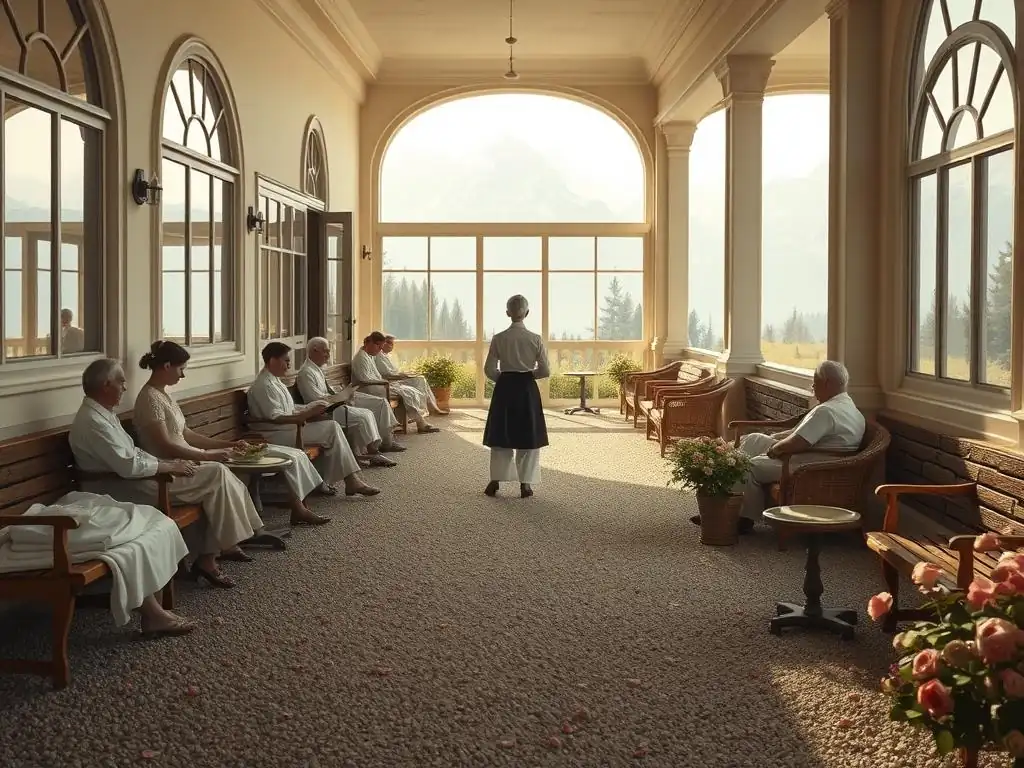
The therapeutic regimen in early 20th-century sanatoriums was based on principles developed in the late 19th century, primarily focusing on the patient's environment and lifestyle. The cornerstone was the "rest cure," involving strict bed rest or reclining for extended periods, often up to 18-20 hours a day. This was believed to reduce the metabolic demands on the body and allow the damaged lung tissue to heal.
In addition to rest, forced feeding was sometimes employed to combat the severe weight loss associated with TB, though this practice became less common over time. The most distinctive aspect of sanatorium treatment was the emphasis on fresh air and sunlight, leading to the characteristic architecture with open porches and large windows. While these conservative methods formed the basis, more aggressive interventions, including various surgical procedures, were also part of the treatment landscape.
Overview of Common Treatment Methods: From Rest Cures to Artificial Pneumothorax
The rest cure was universally applied, adapted to the individual patient's condition. Patients would lie on beds or reclining chairs on outdoor porches or in rooms with constantly open windows. This was complemented by a high-calorie diet aimed at improving overall health. Beyond these basic measures, more invasive treatments were also utilized, particularly as the understanding of lung mechanics evolved.
Artificial pneumothorax, which involved introducing air into the pleural space to collapse the affected lung, was a significant development. The theory was that collapsing the lung would rest it, allowing cavities to close and heal. This procedure, often performed repeatedly over months or years, was not without risks but offered a more active intervention than simple rest. Other procedures like phrenic nerve crush (to paralyze the diaphragm on the affected side) were also attempted.
Surgical Interventions: Thoracoplasty and Other Procedures
For patients with severe, advanced tuberculosis, especially those with large cavities that failed to close with conservative treatment or artificial pneumothorax, major surgical interventions were sometimes performed. The most significant of these was thoracoplasty. This procedure involved the surgical removal of several ribs from the affected side of the chest.
Removing the ribs caused the chest wall to collapse inward, permanently compressing the diseased lung. Thoracoplasty was a drastic and disfiguring operation with significant risks, including infection, hemorrhage, and even death. It was typically reserved for patients who had failed other treatments and whose disease was primarily confined to one lung. While sometimes successful in closing cavities and arresting the disease, it resulted in permanent disability and altered body shape, a testament to the severity of TB and the limited options available before antibiotics.
The Role of Fresh Air and Sunlight in Treatment
The belief in the healing power of fresh air and sunlight was central to the sanatorium movement. It was thought that clean air, free from urban pollutants, was beneficial for respiratory health and that sunlight had a direct bactericidal effect on the tuberculosis bacillus. Consequently, sanatoriums were designed to maximize exposure to these elements.
Patients spent hours each day "curing" outdoors, bundled in blankets on porches or in open-air pavilions, even in freezing temperatures. Windows in wards were often kept open year-round. Heliotherapy, or sunbathing, was also prescribed, with patients gradually increasing their exposure time. While the specific scientific rationale was flawed (sunlight does kill TB bacteria on surfaces, but its effect on deep lung infection is minimal, and the benefits of fresh air were more about ventilation and reducing germ concentration), the emphasis on these elements defined the sanatorium experience and contributed to the unique architecture of these institutions.
The Patient Experience: Voices from Inside Early 20th Century Sanatoriums
Life as a sanatorium patient was a complex tapestry woven with threads of hope, despair, boredom, and unexpected camaraderie. Patients were separated from their families, friends, and normal lives, entering a world dictated by medical authority and institutional routine. The experience was often one of profound isolation, yet simultaneously, a strange sense of community blossomed among those sharing the same struggle.
Personal accounts, letters, and diaries from former patients reveal the emotional rollercoaster of sanatorium life. There was the initial shock of diagnosis and confinement, followed by the monotony of the daily routine. Months turned into years for many, and the constant presence of serious illness and death among fellow patients cast a long shadow. Yet, moments of connection, small joys, and enduring hope were also significant parts of the narrative.
Accounts of Hope, Boredom, and Isolation
Patients arrived at sanatoriums clinging to the hope of recovery, often fueled by stories of those who had successfully "cured." This hope was a powerful motivator, helping them endure the hardships of treatment. However, the reality of the strict, repetitive routine quickly set in. Days consisted primarily of lying still, with little stimulation or personal freedom.
Another day of lying here, watching the clouds drift by. The silence is sometimes deafening. I miss the sound of the city, the feel of walking on solid ground for more than ten minutes. Hope is a fragile thing in this place.
This quote, representative of many patient diaries, captures the pervasive boredom and isolation. Letters home often focused on trivial details or forced cheerfulness to avoid worrying family, masking the deep sense of being cut off from the world. The physical separation was compounded by the psychological burden of having a potentially fatal, stigmatized disease.
Despite the enforced isolation from the outside world, a strong sense of community often developed within the sanatorium walls. Patients shared a common fate and understood the unique challenges of their situation in a way that healthy friends and family could not. This shared experience fostered empathy and mutual support.
Patients formed friendships, shared books and letters, played quiet games, and offered comfort during difficult times. They understood the nuances of the "cure," the frustrations with staff, and the emotional toll of watching fellow patients decline or leave, either cured or deceased. This camaraderie was a vital coping mechanism, providing emotional sustenance in an otherwise sterile and isolating environment. Patient-run newspapers or committees sometimes emerged, giving residents a small degree of agency and connection.
The Impact of Long-Term Confinement on Identity and Mental State
Prolonged confinement in a sanatorium had a significant impact on a patient's sense of self and mental well-being. Stripped of their former roles as workers, family members, and active participants in society, their identity became primarily that of a "patient." The dependence on institutional structure and care could erode independence and self-reliance.
The constant exposure to illness and death, combined with the uncertainty of their own prognosis, led to high rates of anxiety and depression. Some patients struggled to readjust to life outside the institution after discharge, having become accustomed to the routine and support structure of the sanatorium. While the focus was on physical recovery, the psychological toll of months or years of isolation and institutionalization was a significant, though often less documented, aspect of Early 20th century asylum life and institutional life in general during this period.
Staff and Caregivers: Roles and Responsibilities in Early Sanatoriums
The operation of an early 20th-century sanatorium relied on a dedicated, albeit often overworked, staff. This team comprised various professionals and support personnel, each with specific roles essential to maintaining the strict regimen and providing care for the patients. The hierarchy was clear, with physicians at the top, followed by nurses, and then various support staff.
Working in a sanatorium presented unique challenges. The primary one was the constant risk of contracting tuberculosis themselves, a very real danger in the years before effective preventative measures or treatments were widely available. Staff members faced long hours, emotional strain from working with seriously ill patients, and the demanding task of enforcing the often unpopular rules of the "cure."
The Hierarchy of Staff: Doctors, Nurses, and Support Personnel
At the apex of the sanatorium staff were the physicians. They were responsible for diagnosing patients, determining the course of treatment (including prescribing rest, diet, and procedures like artificial pneumothorax), monitoring patient progress, and deciding on discharge. They held ultimate authority within the institution regarding patient care.
Nurses were the backbone of daily operations. They were responsible for implementing the doctors' orders, monitoring patients' symptoms, administering basic care, distributing food and medication (when available), and, crucially, enforcing the strict sanatorium routine – ensuring patients stayed on their porches for rest hours, followed hygiene rules, etc. Below them were attendants, orderlies, and various support staff responsible for cleaning, cooking, laundry, and maintenance. This support staff was vital for the functioning of the institution but had less direct interaction with patient medical care.
Training and Conditions of Employment for Sanatorium Workers
Training for sanatorium staff varied. Physicians were trained medical doctors, sometimes specializing in respiratory diseases or public health. Nurses typically underwent nursing training, but specific training for tuberculosis care was often learned on the job. Some sanatorium nurses were themselves former patients who had recovered and chose to dedicate themselves to caring for others with the disease, bringing a unique empathy to their roles.
Conditions of employment could be challenging. Staff often lived on-site or nearby, especially in remote locations. The work was physically and emotionally demanding, dealing with chronic illness and death daily. Salaries were sometimes low, particularly for nurses and support staff. Despite the risks and difficulties, many staff members were deeply committed to the mission of fighting TB and caring for the afflicted, driven by a sense of purpose and the desire to help patients recover.
The Challenges of Providing Care in the Face of a Highly Contagious Disease
Providing care in a sanatorium meant constantly grappling with a highly contagious and often fatal disease with limited effective treatments. Staff had to adhere to strict protocols to minimize their own risk of infection, though contracting TB was an occupational hazard. They wore masks (though often simple gauze masks, less effective than modern respirators), practiced rigorous hand hygiene, and followed specific procedures for handling linens and disposing of infectious materials like sputum.
Beyond the physical risks, staff faced the emotional challenge of caring for patients over long periods, witnessing their struggles, and often experiencing the loss of those who did not recover. Maintaining patient morale while enforcing strict, sometimes unpopular, rules was also a constant balancing act. The dedication of sanatorium staff was crucial to the functioning of these institutions, providing essential care in a difficult and often dangerous environment.
The Physical Environment: Architecture and Conditions of Early 20th Century Sanatoriums

The architecture of early 20th-century tuberculosis sanatoriums was specifically designed to support the prevailing treatment philosophy centered on fresh air and rest. Unlike the imposing, often forbidding structures associated with Early 20th century asylum life, sanatoriums often aimed for a more open, airy feel, though their institutional nature was undeniable. They were typically situated in elevated, rural locations, away from the perceived impurities of urban air.
Buildings were designed with features like wide, expansive porches or verandas, often facing south or southeast to maximize sunlight exposure. These "curing porches" were central to the daily routine, serving as outdoor wards where patients spent hours reclining. Large windows were characteristic, intended to allow maximum natural light and ventilation into patient rooms and communal areas, reinforcing the belief in the healing power of the environment.
Architectural Design: Purpose and Impact on Patient Well-being
Sanatorium architecture prioritized ventilation, light, and access to the outdoors. Buildings often featured multiple wings or pavilions to house patients, sometimes separated by sex or stage of illness. Materials like concrete and tile were favored in some areas for ease of cleaning and sanitation. The design aimed to create a therapeutic environment, supposedly conducive to healing, but the institutional scale and uniformity could also feel isolating.
The aesthetic varied from simple, functional structures in public sanatoriums to more elaborate, almost resort-like designs in some private facilities. Regardless of luxury level, the core elements of open porches, large windows, and a focus on air and light were consistent. While intended for physical health, the constant exposure to the elements, the lack of privacy on shared porches, and the monotonous views could negatively impact patient morale, highlighting the complex relationship between physical environment and mental well-being in institutional settings.
Ventilation, Sanitation, and the Prevention of Disease Spread
Maintaining rigorous ventilation and sanitation was paramount in early sanatoriums to prevent the spread of TB among patients and staff, as well as secondary infections. Windows were kept open year-round, often with screens to keep out insects but little to block the cold. This emphasis on constant airflow was a key design feature.
Sanitation protocols included strict rules for handling infectious materials, particularly sputum. Patients were often provided with personal sputum cups, sometimes containing disinfectant, which were emptied and sterilized regularly. Linens were laundered frequently and often boiled. Shared bathrooms and facilities required constant cleaning. While these measures were intended to contain the highly contagious bacillus, the close quarters and nature of the disease meant that cross-infection remained a significant concern, underscoring the difficulty of infectious disease control before antibiotics.
Resources and Funding: The Economic Realities of Sanatorium Care
The establishment and operation of early 20th-century sanatoriums required substantial financial resources. Building the facilities, often in remote locations, and maintaining them year-round was expensive. Staff salaries, patient care (including ample food), and supplies all contributed to high operating costs. Funding sources varied widely.
Public sanatoriums relied on appropriations from state or federal governments, as well as donations from philanthropic organizations like the National Tuberculosis Association (later the American Lung Association), often raised through the sale of Christmas Seals. These institutions frequently faced funding shortfalls, impacting the quality of facilities, staffing levels, and sometimes even the quantity or quality of food provided. Private sanatoriums, funded by patient fees, could offer more amenities and potentially better staffing ratios, but were inaccessible to the majority of the population afflicted by TB. The economic realities significantly shaped the care available within these institutions.
The Decline of the Sanatorium Model: Towards Modern Tuberculosis Treatment
For decades, the sanatorium model remained the primary approach to treating tuberculosis. However, its dominance was challenged and ultimately supplanted by revolutionary medical discoveries in the mid-20th century. The advent of effective antibiotic therapies fundamentally altered the landscape of TB treatment, rendering the lengthy, institutional "cure" largely obsolete.
The discovery of streptomycin in the 1940s marked a turning point, followed by the development of other potent anti-tuberculosis drugs like isoniazid and rifampicin in the 1950s and 1960s. These medications could kill the Mycobacterium tuberculosis bacterium directly, offering the possibility of a genuine cure rather than just managing the disease. This biomedical breakthrough ushered in a new era of outpatient treatment, leading to the widespread closure of sanatoriums across the globe.
The Development of Antibiotics and Effective Drug Therapies
The isolation of streptomycin by Selman Waksman and his team in 1943, and its subsequent successful trials in the late 1940s, was a watershed moment in the fight against TB. For the first time, doctors had a medication that could effectively target and kill the tuberculosis bacteria. While streptomycin had limitations (it required injections and bacteria could develop resistance), it demonstrated that a pharmacological cure was possible.
The subsequent development of oral medications like isoniazid (discovered in the early 1950s) and a range of other drugs like PAS, ethambutol, and rifampicin provided a powerful arsenal. Combination therapy, using multiple drugs simultaneously, proved highly effective in curing TB and preventing the development of drug resistance. This drug revolution meant that patients no longer needed years of enforced rest and isolation to fight the disease; they could be treated effectively with a course of pills, usually within 6-12 months, often on an outpatient basis.
The Closure of Sanatoriums and the Shift to Outpatient Care
As effective drug therapies became widely available in the 1950s and 1960s, the need for long-term institutional care in sanatoriums dramatically decreased. Patients could receive treatment at home or in outpatient clinics, managing their disease with medication while continuing to live their lives. This shift was more cost-effective and far less disruptive to patients' lives than prolonged institutionalization.
Consequently, sanatoriums across the world began to close down. Many were repurposed into other types of hospitals, nursing homes, or even schools, while others were abandoned. The closure of these institutions marked the end of an era in tuberculosis treatment, transitioning from an environmental and supportive approach to a pharmacological one. The vast network of sanatoriums built over half a century rapidly became obsolete.
The Legacy of Early 20th Century Sanatoriums on Contemporary Pulmonology
Despite their eventual obsolescence as the primary treatment centers for TB, early 20th-century sanatoriums left a lasting legacy. They significantly advanced the understanding of infectious disease control within institutional settings, developing protocols for hygiene and isolation that influenced other medical facilities. The architectural focus on ventilation and light also held lessons for hospital design.
Furthermore, the sanatorium era fostered the development of pulmonology as a medical specialty. The doctors and researchers working in these institutions dedicated themselves to understanding the lungs and respiratory diseases, laying groundwork for future advancements. While the "cure" itself was replaced by drugs, the institutional model highlighted the importance of patient care management, public health initiatives, and the need for structured approaches to tackling widespread diseases, lessons relevant even today.
Understanding the Historical Context: The Importance of Learning from the Past
Examining the history of early 20th-century tuberculosis sanatoriums offers valuable insights not just into the fight against one disease, but into broader themes of public health, institutional care, and societal responses to epidemics. Understanding the limitations of medical knowledge and the social context of the time helps us appreciate the significant progress made in medicine.
The sanatorium era represents a unique period where the primary "treatment" was not a drug or a specific procedure, but an environment and a disciplined way of life. Studying this model, its successes, failures, and the human experience within it, provides perspective on how societies mobilize resources, develop infrastructure, and care for the sick when faced with devastating, incurable illnesses. It underscores the constant evolution of medical science and the profound impact of breakthroughs like antibiotics.
Medical Advancements and Lessons for Future Pandemics
The history of TB sanatoriums highlights the critical impact of medical research and discovery. The transition from rest-and-air therapy to effective drug treatment demonstrates how scientific breakthroughs can fundamentally change disease outcomes and public health strategies. This serves as a powerful lesson in the importance of investing in research, particularly for infectious diseases.
Furthermore, the sanatorium experience offers insights into managing contagious diseases through isolation and structured care, relevant knowledge in the context of modern pandemics. While institutional quarantine is used differently today, the challenges of isolation, maintaining patient well-being during confinement, and protecting healthcare workers are historical echoes. The rapid adaptation required during the TB epidemic, leading to the widespread sanatorium movement, provides a historical case study in scaling up public health infrastructure in response to a crisis.
Further Research and Resources on Early 20th Century Sanatorium Life
For those interested in delving deeper into the lives of patients and staff within these institutions, numerous resources are available. Historical archives often contain patient letters, staff records, and administrative documents from specific sanatoriums. Libraries hold memoirs, novels, and historical studies that explore the social and cultural impact of TB and sanatoriums.
- Potential Areas for Further Exploration:
- Patient diaries and correspondence (e.g., from the Trudeau Sanatorium archives).
- Histories of specific sanatoriums (state-run vs. private).
- The role of tuberculosis associations and Christmas Seals campaigns.
- Novels and memoirs depicting sanatorium life (e.g., Thomas Mann's "The Magic Mountain").
- Academic studies on the social history of disease and institutionalization, including comparisons between sanatoriums and Early 20th century asylum life.
Exploring these resources can provide a richer, more nuanced understanding of the challenges faced by individuals and society during the era of the "White Plague" and the complex reality of life inside the institutions built to combat it.
Frequently Asked Questions
What were the primary characteristics of early 20th century asylum life?
Life was often characterized by overcrowding, understaffing, and a focus on custodial care rather than therapeutic treatment. Patients often experienced isolation and neglect.
What types of treatments were commonly used in asylums during the early 20th century?
Common treatments included hydrotherapy, insulin shock therapy, and electroconvulsive therapy (ECT), often administered without modern safety protocols. Lobotomies were also performed.
How did societal attitudes influence the conditions within early 20th century asylums?
Negative societal attitudes towards mental illness led to dehumanization and a lack of resources for asylums. Patients were often seen as burdens on society.
What were some of the long-term impacts on individuals who lived in early 20th century asylums?
Many individuals suffered from trauma, loss of autonomy, and social stigma long after leaving the asylums. Reintegration into society was difficult.
Where can I find more information about early 20th century asylum life?
The Mind Care Guide offers resources related to mental well-being. Historical archives, museums, and academic papers can also provide detailed accounts of this era.
Final Reflection: Echoes of the Past, Lessons for the Future
The inhumane treatment within early 20th-century asylums remains a chilling reminder of societal failures, a stark contrast to the advancements we strive for in mental healthcare today. While these institutions are largely a relic of the past, their legacy continues to shape our understanding of mental illness and the crucial need for compassionate, evidence-based care. The echoes of neglect and misunderstanding resonate even now, urging us to constantly evaluate and improve our approaches to mental health support.
The pervasive stigma surrounding mental illness, a direct consequence of the historical mistreatment documented in these institutions, continues to hinder progress. The dehumanizing conditions described—the isolation, the lack of treatment, the sheer cruelty—are not simply historical footnotes; they are cautionary tales. The asylum was not a place of healing, but a place of confinement and suffering.
This sentiment, though simple, encapsulates the devastating reality experienced by countless individuals. Understanding this history allows us to actively combat the stigma that still prevents many from seeking the help they need.
Consider the stories you've read, the images you've seen. Let them serve as a powerful impetus for change. You have the power to challenge stigma, to advocate for better mental health resources, and to ensure that the lessons learned from the past are not forgotten. Let us build a future where mental illness is treated with the understanding, compassion, and respect it deserves—a future where the horrors of the early 20th-century asylums serve only as a stark warning, never a blueprint.
Unlock the Secrets of the Past: Explore Early 20th Century Asylums
Thanks for taking the time to delve into the fascinating—and often unsettling—history of early 20th-century asylums. You’ve gained valuable insights into a pivotal era in mental healthcare. Now, let's turn that knowledge into action:
- Dive deeper: Research a specific asylum or individual from the era that particularly resonated with you. Their stories are waiting to be uncovered!
- Share your thoughts: What surprised you most about the conditions and treatments described in this article? Leave a comment below and share your reflections with our community.
- Expand your knowledge: Explore additional resources on the history of mental health treatment. What other institutions or practices from that era merit further investigation?
What impact do you think these historical insights have on our understanding of modern mental healthcare?