
Treating Depression: From Melancholia to SSRIs in the 20th Century

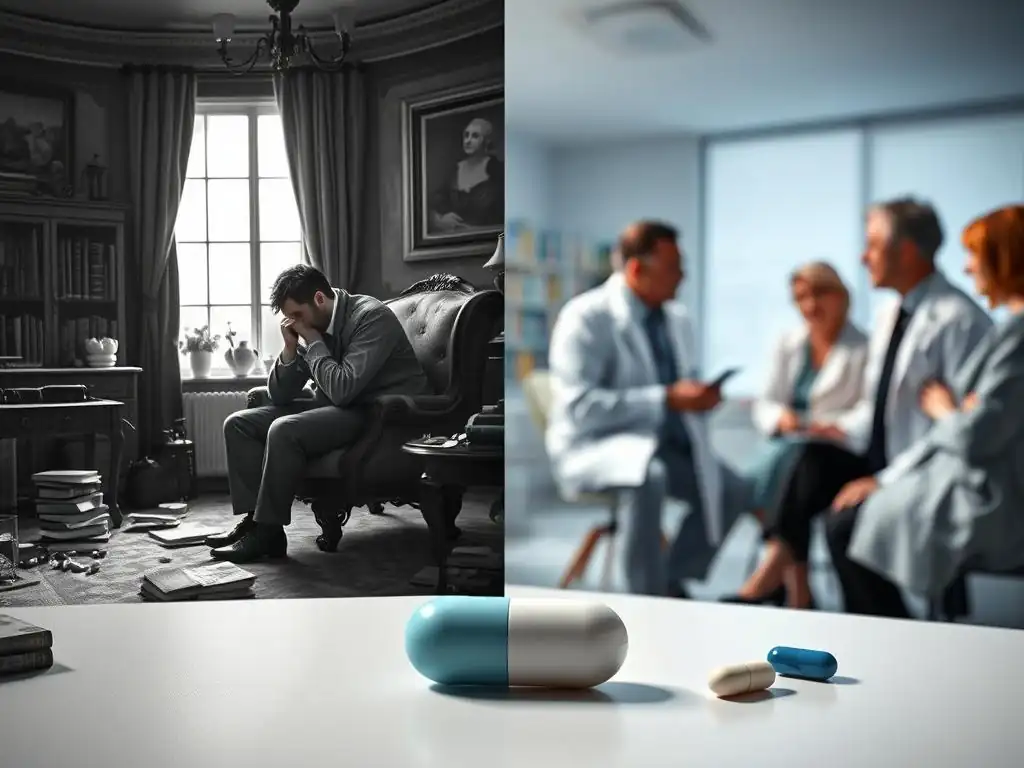
Welcome to Mind Care Guide, a sanctuary for understanding and navigating the complexities of mental well-being.
Ever felt lost in the maze of mental health information? You're not alone. We're here to shed light on your journey. Delve into the fascinating evolution of mental health treatments, starting with our exploration of treating depression medication options through history. From the melancholic remedies of the past to the modern era of SSRIs, discover how far we've come – and what the future holds. Intrigued? Let's explore this vital topic together and uncover the pathways to healing.
Treating Depression: From Melancholia to SSRIs in the 20th Century
- Understanding Depression Through Time: A Historical Perspective
- Early 20th Century Approaches to Depression Treatment
- The Mid-20th Century: Breakthroughs and New Therapies
- The SSRI Revolution: Transforming Depression Treatment
- Depression Medication Options: A Comparative Overview
- Beyond Medication: Integrated Approaches to Treating Depression
- The Future of Depression Treatment: Emerging Therapies and Research
- Conclusion: A Century of Progress in Treating Depression
-
Frequently Asked Questions
- What were the early approaches to treating depression before the introduction of modern medication?
- How did the introduction of SSRIs revolutionize depression treatment in the 20th century?
- Besides SSRIs, what other types of antidepressant medications became available in the 20th century?
- What are the key differences to consider when selecting among "Treating Depression Medication Options" such as SSRIs, TCAs, and MAOIs?
- Where can I find more information and support regarding mental well-being and treating depression medication options from Mind Care Guide?
- Final Reflection: The Evolving Landscape of Depression Treatment
- Unlock Your Understanding of Depression's History
Understanding Depression Through Time: A Historical Perspective
Defining Melancholia: Early Understandings of Depression
Before the 20th century, what we now understand as depression was often categorized under the broad term "melancholia." This concept dates back to ancient Greece, where Hippocrates attributed it to an imbalance of the body's humors, specifically an excess of black bile. Melancholia was characterized by deep sadness, fear, irritability, and often associated with physical ailments. It wasn't seen purely as a mental state but as a complex condition affecting both mind and body, a view that persisted for centuries, often intertwined with philosophical, religious, and moral interpretations rather than solely a medical disorder.
Across different eras, melancholia was described in various texts, from medieval medical treatises to Renaissance literature, reflecting a persistent human experience of profound despair. Treatments were often rudimentary and based on the prevailing humoral theories or later, moral and psychiatric approaches. These could range from dietary changes, purgatives, and bloodletting to more custodial care in asylums that began appearing in the 18th and 19th centuries. The understanding remained largely descriptive, focusing on observable symptoms of persistent sadness and withdrawal, without a clear pathological or neurobiological framework.
The Evolution of Depression as a Medical Concept
The transition from "melancholia" to "depression" as a medical term gained momentum in the late 19th and early 20th centuries. German psychiatrist Emil Kraepelin was pivotal in this shift, classifying different forms of mental illness and distinguishing manic depression (now bipolar disorder) from other conditions. His work provided a more systematic approach to psychiatric diagnosis, moving away from singular labels like melancholia towards categorizing clusters of symptoms based on their course and outcome. This laid foundational groundwork for viewing these conditions through a clinical lens, separate from general 'nervous' disorders or moral failings.
As the 20th century progressed, the concept of depression broadened beyond Kraepelin's framework to include less severe, non-manic forms. Psychoanalytic theory, while focusing on psychological roots, also contributed to discussing depressive states.
By mid-century, particularly with the development of diagnostic manuals like the Diagnostic and Statistical Manual of Mental Disorders (DSM) in the United States, "depression" became the predominant term, defining specific sets of symptoms like persistent low mood, loss of interest or pleasure (anhedonia), changes in sleep or appetite, fatigue, feelings of worthlessness, and difficulty concentrating. This standardized approach facilitated clinical research and the development of targeted treatments, including various treating depression medication options.
Early 20th Century Approaches to Depression Treatment
Psychoanalysis and Depression: Freud's Influence on Treatment
Sigmund Freud's psychoanalytic theory profoundly influenced early 20th-century psychiatric thought, including the understanding and treatment of depression. Freud viewed melancholia (depression) as related to loss and mourning, but with a pathological turn where the lost object (a person, ideal, etc.) is internalized, and the anger or grief directed inwards. He proposed that depression stemmed from unresolved conflicts, particularly those from early childhood relationships and experiences, leading to a weakened ego and a harsh superego that results in self-reproach and guilt.
Psychoanalytic therapy for depression involved long-term, intensive exploration of the patient's unconscious mind through techniques like free association and dream analysis. The goal was to uncover repressed feelings and conflicts related to the perceived loss or trauma, allowing the patient to work through these issues and resolve the internalized anger. While psychoanalysis offered a detailed psychological framework for understanding the origins of depression for the first time, its effectiveness as a primary treatment for severe depressive episodes was limited and often required significant time and financial resources, making it inaccessible for many.
Behavioral and Cognitive Therapies: Early Psychological Interventions
While psychoanalysis dominated early psychological thinking, the mid-20th century saw the emergence of behavioral and later cognitive approaches, which offered alternative frameworks for treating depression. Early behavioral theories viewed depression as a result of a lack of positive reinforcement in a person's environment or an increase in aversive experiences. Treatment focused on increasing engaging activities and social interactions to improve mood and reduce withdrawal. Techniques like activity scheduling were developed to help depressed individuals re-engage with life and experience pleasure or accomplishment.
Building on behavioral ideas, cognitive therapy, pioneered by Aaron T. Beck in the 1960s, revolutionized psychological approaches to depression. Beck proposed that depression was driven by negative thought patterns – a "cognitive triad" of negative views about oneself, the world, and the future. Cognitive therapy aimed to identify and challenge these distorted thoughts and beliefs, teaching patients to evaluate their thinking more realistically and develop more adaptive coping strategies. This approach, often shorter-term than psychoanalysis, proved highly effective in clinical trials and became a cornerstone of non-medication treating depression options.
The Rise of Biological Psychiatry: Initial Interventions
Parallel to psychological developments, the 20th century saw a growing interest in the biological underpinnings of mental illness. Early biological interventions for severe depression included somatic treatments like insulin shock therapy and induced seizures (chemically or electrically). These methods were often crude and carried significant risks but were sometimes pursued in severe, treatment-resistant cases when no other options seemed effective. The rationale was often empirical, observing that such intense physiological interventions could sometimes lift profound depressive states, although the mechanisms were poorly understood.
The accidental discovery of the first pharmaceutical agents with antidepressant effects marked a significant turning point in biological psychiatry in the 1950s. Researchers observed that iproniazid, a drug initially developed for tuberculosis, had mood-elevating effects in patients who also experienced depression. Simultaneously, imipramine, synthesized as an antihistamine derivative, was found to alleviate depressive symptoms in psychiatric patients. These discoveries, though serendipitous, provided the first chemical keys to understanding brain function related to mood and paved the way for the systematic development of modern treating depression medication options.
The Mid-20th Century: Breakthroughs and New Therapies
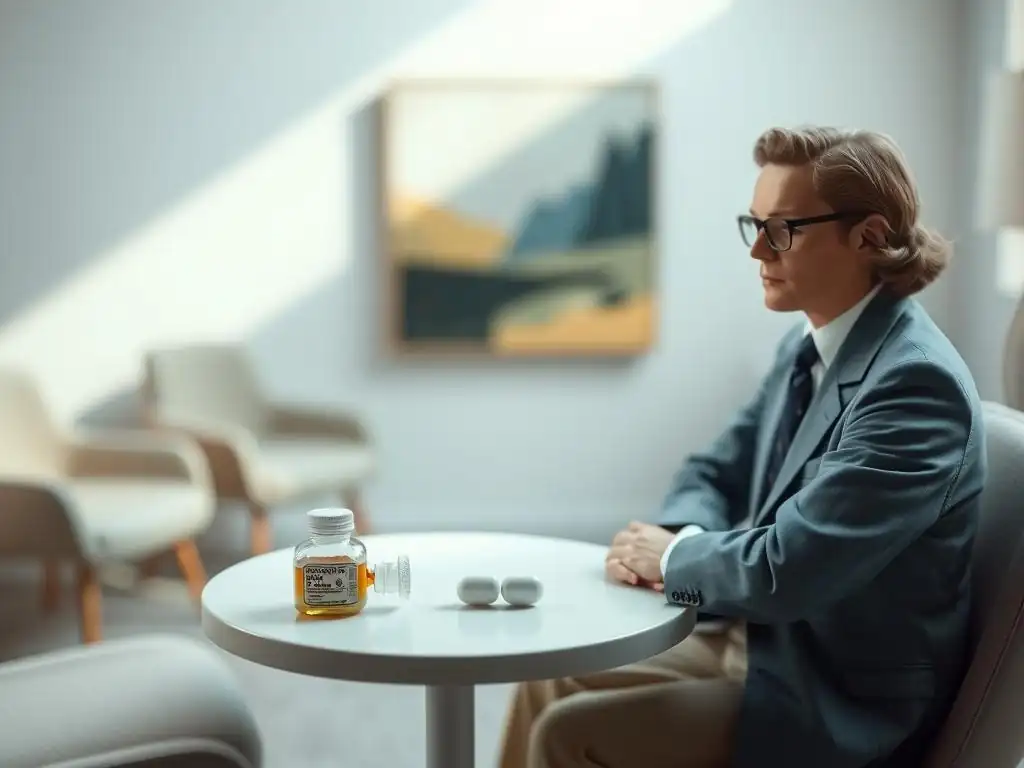
Electroconvulsive Therapy (ECT): Development and Application in Depression
Electroconvulsive Therapy (ECT) emerged in the late 1930s as a treatment for severe mental illness, initially inspired by the observation that epilepsy and schizophrenia rarely occurred together (a theory later debunked). Italian physicians Ugo Cerletti and Lucio Bini developed the method of inducing a seizure using electrical current. While initially used for various conditions, ECT quickly proved most effective for severe depression, particularly melancholic and psychotic forms, and catatonia. Early ECT was administered without anesthesia or muscle relaxants, leading to violent convulsions and a high risk of physical injury and significant patient fear.
Despite its difficult early history and public perception challenges, ECT, particularly after the introduction of anesthesia and muscle relaxants in the 1950s, became a vital tool for treating severe, life-threatening depression, especially when rapid response was needed or other treatments failed. Modern ECT is a highly modified procedure, administered under general anesthesia with careful monitoring. It remains one of the most effective treatments for severe depression, achieving remission rates often cited between 60-80% in carefully selected patients, though mechanisms are still not fully understood and cognitive side effects can occur.
Monoamine Oxidase Inhibitors (MAOIs): A New Class of Antidepressants
The discovery of iproniazid's mood-elevating effects in the early 1950s led to the identification of Monoamine Oxidase Inhibitors (MAOIs) as the first true class of antidepressant medications. Iproniazid inhibits the enzyme monoamine oxidase, which breaks down neurotransmitters like serotonin, norepinephrine, and dopamine in the brain. By blocking this enzyme, MAOIs increase the levels of these monoamines, which were hypothesized to be deficient in depression – the early formulation of the "monoamine hypothesis."
MAOIs like phenelzine (Nardil) and tranylcypromine (Parnate) became important treating depression medication options in the mid-20th century. They demonstrated efficacy comparable to or exceeding that of early TCAs for certain types of depression, such as atypical depression. However, MAOIs came with significant safety concerns, including potentially fatal interactions with certain foods (rich in tyramine, like aged cheeses and cured meats) that could cause hypertensive crises, and serious interactions with many other medications. These risks necessitated strict dietary restrictions and careful monitoring, limiting their widespread use despite their effectiveness.
Tricyclic Antidepressants (TCAs): Mechanism and Clinical Use for Depression
Simultaneously with the discovery of MAOIs, the tricyclic antidepressants (TCAs) emerged, beginning with imipramine in 1957. TCAs were named for their distinctive three-ring chemical structure. Their mechanism of action primarily involves inhibiting the reuptake of norepinephrine and serotonin in the brain, thus increasing the concentration of these neurotransmitters in the synaptic cleft. Like MAOIs, this supported the developing monoamine hypothesis of depression.
TCAs such as imipramine (Tofranil), amitriptyline (Elavil), and nortriptyline (Pamelor) quickly became the mainstay of treating depression medication options from the 1960s through the 1980s. They were generally considered effective for moderate to severe depression. However, TCAs had a broad range of side effects due to their effects on other neurotransmitter systems (like acetylcholine and histamine), including dry mouth, constipation, blurred vision, sedation, dizziness, and significant cardiovascular effects (like orthostatic hypotension and arrhythmias).
They were also dangerous in overdose, posing a significant risk in depressed patients who might be suicidal. Despite these drawbacks, they represented a major advance over previous limited options.
The SSRI Revolution: Transforming Depression Treatment
The Discovery and Development of Selective Serotonin Reuptake Inhibitors (SSRIs)
The development of Selective Serotonin Reuptake Inhibitors (SSRIs) in the 1970s and 1980s marked a paradigm shift in treating depression medication options. Researchers sought drugs that would specifically target serotonin without affecting other neurotransmitters as broadly as TCAs and MAOIs did, hoping to reduce side effects and improve safety. Early work by scientists at companies like Eli Lilly and Company focused on compounds that selectively inhibited serotonin reuptake.
Fluoxetine, later known as Prozac, was one of the first and most successful SSRIs developed, receiving FDA approval in the United States in 1987. Other SSRIs soon followed, including sertraline (Zoloft), paroxetine (Paxil), fluvoxamine (Luvox), citalopram (Celexa), and escitalopram (Lexapro). Their mechanism is simpler and more selective than older classes: they block the reabsorption of serotonin into the presynaptic neuron, leading to increased serotonin levels in the synapse. This selectivity was key to their improved side effect profile compared to MAOIs and TCAs.
Prozac and the Popularization of SSRIs for Depression
The launch of Prozac in the late 1980s and early 1990s was a cultural phenomenon that dramatically changed the landscape of treating depression medication options. Marketed effectively and perceived as having fewer and less severe side effects than older antidepressants (particularly less cardiotoxicity and anticholinergic effects), Prozac quickly gained widespread acceptance among physicians and patients. Its relative safety in overdose was a major advantage. The popularity of Prozac and subsequent SSRIs contributed to a significant increase in the diagnosis and medical treatment of depression, bringing mental health issues further into public discourse.
While generally safer and better tolerated than TCAs and MAOIs, SSRIs were not without their own side effects. Common issues included gastrointestinal upset, insomnia or drowsiness, headache, and sexual dysfunction. There were also initial concerns and later regulatory warnings regarding a potential increased risk of suicidal thoughts and behaviors in children, adolescents, and young adults, although studies generally showed that the benefits outweighed the risks for most patients. Despite these issues, the introduction of SSRIs made pharmaceutical treatment for depression more accessible and less burdensome for millions worldwide.
Advantages and Disadvantages of SSRIs Compared to Older Antidepressants
SSRIs offered several significant advantages over the older treating depression medication options, MAOIs and TCAs. The most notable was their improved safety profile, particularly the reduced risk of severe complications in overdose and fewer cardiovascular side effects. This made them much safer for outpatient use and reduced the need for strict monitoring. Their more targeted action on serotonin also meant a reduction in the bothersome anticholinergic and antihistaminergic side effects common with TCAs. This led to better patient adherence to treatment.
However, SSRIs also had disadvantages. While generally safer, side effects like sexual dysfunction, weight changes, and gastrointestinal issues were common and could be persistent. Some patients experienced activation or anxiety upon starting treatment.
Furthermore, SSRIs were not universally effective for all patients, and some individuals who did not respond to SSRIs might have found relief with older medications like TCAs or MAOIs, although these required more careful management. The time lag for SSRIs to show full therapeutic effect (typically 2-4 weeks) was similar to older drugs, meaning patients still needed patience during the initial treatment phase. The debate also arose regarding their efficacy for mild depression versus moderate to severe cases.
Depression Medication Options: A Comparative Overview
MAOIs vs. TCAs vs. SSRIs: Efficacy and Side Effects
Comparing the major classes of antidepressants that emerged in the 20th century reveals distinct profiles in terms of efficacy and side effects. MAOIs, while effective for certain types of depression, particularly atypical depression, are generally reserved for treatment-resistant cases due to their significant dietary and drug interaction risks. TCAs were highly effective for moderate to severe depression and certain melancholic features but were limited by their broad side effect profile (anticholinergic, sedative, cardiovascular) and high toxicity in overdose.
SSRIs became the first-line treating depression medication options for many due to their favorable safety profile and ease of use compared to MAOIs and TCAs. While their overall efficacy for typical major depression is often considered comparable to TCAs in clinical trials, their reduced side effect burden led to better tolerability and wider acceptance. However, response rates to any single antidepressant class are not 100%; studies in the late 20th century showed that only about 50-60% of patients achieve remission with the first antidepressant tried, highlighting the need for various options and strategies.
Other Antidepressant Medications: SNRIs and Atypical Antidepressants
Towards the end of the 20th century and into the early 21st, further developments in treating depression medication options occurred. Serotonin-Norepinephrine Reuptake Inhibitors (SNRIs), such as venlafaxine (Effexor) and duloxetine (Cymbalta), were developed. These drugs inhibit the reuptake of both serotonin and norepinephrine, offering a broader spectrum of action compared to SSRIs. SNRIs became popular as they could be effective for patients who didn't respond to SSRIs and were also useful for certain anxiety disorders and pain conditions often comorbid with depression.
Additionally, several "atypical" antidepressants emerged that didn't fit neatly into the MAOI, TCA, or SSRI/SNRI categories, offering more diverse treating depression medication options. Bupropion (Wellbutrin), for instance, primarily affects dopamine and norepinephrine reuptake and is often used when sexual side effects are a concern or as an augmenting agent. Mirtazapine (Remeron) affects adrenergic and serotonergic receptors in a different way, often used for depression associated with insomnia and poor appetite. These expanded the pharmacopoeia, allowing for more tailored treatment approaches based on patient symptoms and tolerance profiles.
The Role of Medication in Comprehensive Depression Treatment
By the close of the 20th century, the understanding of depression treatment had evolved to recognize that medication, while a powerful tool, is often just one component of comprehensive care. Antidepressant medications are primarily effective in alleviating the core symptoms of moderate to severe depression, helping to restore neurochemical balance and lift mood, increase energy, and improve sleep and appetite disturbances. This symptomatic relief can be crucial, enabling individuals to engage more effectively in other therapeutic interventions and daily life.
However, medication does not typically address the underlying psychological or situational factors that may contribute to depression. Therefore, the role of treating depression medication options is often seen as facilitating recovery rather than being a sole cure. Clinical guidelines increasingly emphasized integrated approaches, combining pharmacotherapy with psychotherapy, lifestyle interventions, and support systems. This holistic view acknowledges the complex nature of depression, which arises from an interplay of biological, psychological, and social factors, and requires a multifaceted approach for optimal long-term outcomes.
Beyond Medication: Integrated Approaches to Treating Depression

Psychotherapy and Medication: Combining Therapies for Optimal Outcomes
The 20th century witnessed a growing consensus that combining psychotherapy and medication is often the most effective strategy for treating depression, particularly for moderate to severe cases. Research, notably starting in the latter half of the century, demonstrated that while medication can alleviate biological symptoms, psychotherapies like Cognitive Behavioral Therapy (CBT) and Interpersonal Therapy (IPT) address the psychological and relational aspects. CBT helps patients identify and change negative thought patterns and behaviors, while IPT focuses on improving interpersonal relationships that may contribute to or be affected by depression.
Studies, including landmark trials conducted in the late 20th century, consistently showed that the combination of antidepressant medication and psychotherapy leads to higher remission rates and lower relapse rates compared to either treatment used alone, especially for chronic or recurrent depression. For example, research published in the 1990s indicated that combination therapy could improve outcomes by as much as 20-30% over single modalities for certain patient groups. This evidence base solidified the integrated approach as the gold standard in comprehensive depression care by the century's end.
Lifestyle Changes and Depression: The Importance of Diet, Exercise, and Sleep
Beyond clinical treatments like medication and therapy, the importance of lifestyle factors in managing depression became increasingly recognized throughout the 20th century. While not a substitute for formal treatment in moderate to severe cases, adopting healthy habits can significantly support recovery and prevent relapse. Regular physical exercise, for instance, was shown in numerous studies to have antidepressant effects, comparable to medication for some individuals with mild to moderate depression, likely through mechanisms involving neurotransmitter release and endorphins.
Adequate sleep hygiene is also crucial, as sleep disturbances are a common symptom of depression and can exacerbate its severity. Establishing a regular sleep schedule and improving sleep environment can help regulate mood. Nutrition also plays a role; while direct causal links were still being explored, a balanced diet was understood to support overall brain health, and deficiencies in certain nutrients were sometimes linked to mood disorders. By the late 20th century, incorporating guidance on diet, exercise (e.g., aiming for 30 minutes of moderate activity most days), and sleep into comprehensive depression management plans became standard practice.
Support Groups and Community Resources in Depression Management
Recognizing that depression can be an isolating experience, the value of social support and community resources gained prominence in the 20th century. Support groups, whether peer-led or facilitated by professionals, provide a space for individuals to share their experiences, feel understood, and gain practical coping strategies from others facing similar challenges. Organizations dedicated to mental health advocacy and support, like the National Alliance on Mental Illness (NAMI) founded in 1979 in the US, played a crucial role in destigmatizing depression and connecting individuals with resources.
Community mental health centers, which expanded significantly in the latter half of the century, aimed to provide accessible care, including therapy, case management, and support services, often on a sliding scale. These resources helped bridge gaps in access to care, particularly for individuals who might not have access to private therapy or consistent medication management. The emphasis shifted towards viewing depression not just as an individual affliction but as a condition that benefits from connection, understanding, and communal support structures as part of the overall strategy for treating depression.
The Future of Depression Treatment: Emerging Therapies and Research
Novel Antidepressants and Treatment Strategies
While SSRIs and SNRIs remain first-line treating depression medication options, research continues into novel pharmacological agents with different mechanisms of action. The late 20th and early 21st centuries saw exploration into drugs targeting glutamate (like ketamine and esketamine), which have shown rapid antidepressant effects in clinical trials for treatment-resistant depression, albeit with complex administration requirements and potential side effects. Other research avenues include targeting inflammatory pathways or the body's stress response system (e.g., the HPA axis).
Beyond traditional pills, non-pharmacological somatic therapies are also evolving. Transcranial Magnetic Stimulation (TMS), approved for depression in the late 2000s, offers a non-invasive brain stimulation technique. Deep Brain Stimulation (DBS) is being explored for severe, intractable depression, though it is still largely experimental for this indication. These emerging therapies aim to provide alternatives for patients who do not respond to standard medication or psychotherapy, expanding the repertoire of ways for treating depression effectively.
Personalized Medicine for Depression: Tailoring Treatment to Individual Needs
A major goal for the future of treating depression is the development of personalized medicine approaches. The 20th century saw a move from one-size-fits-all treatments to recognizing different subtypes of depression and varying individual responses. The future aims to use biological markers – such as genetic profiles, neuroimaging data, or blood tests – to predict which individuals are most likely to respond to specific treating depression medication options or therapies.
Pharmacogenetic testing, which analyzes how a person's genes might affect their response to certain medications or likelihood of side effects, began to emerge towards the end of the 20th century and is becoming more refined. While still not a definitive predictor, it represents a step towards tailoring antidepressant choice based on individual metabolic profiles. The vision is to move away from the current trial-and-error approach, where patients may try several medications before finding one that works, towards a more precise, individualized treatment selection from the outset.
Understanding the Brain: Advancements in Neuroscience and Depression Research
Underlying all advancements in treating depression is the progress in neuroscience. The 20th century began with very limited understanding of brain function and ended with sophisticated tools like fMRI, PET scans, and genetic sequencing. This research has moved beyond the simple monoamine hypothesis to explore complex neural circuits, inflammatory processes, neurogenesis (the birth of new neurons), and the role of glial cells in depression.
Continued research into the neurobiology of depression holds the key to developing more effective and targeted treatments. By identifying specific brain circuits or molecular pathways involved in different aspects of depression (e.g., anhedonia vs. cognitive symptoms), scientists hope to design novel interventions. This deeper understanding promises to unlock new treating depression medication options and non-pharmacological therapies that can address the root causes of the illness more effectively for a wider range of individuals.
Conclusion: A Century of Progress in Treating Depression
Reflecting on the Evolution of Depression Treatment
The 20th century represented a transformative era in the understanding and treatment of depression. Starting from vague notions of melancholia and custodial care, the field progressed through the psychological insights of psychoanalysis, the empirical efficacy of ECT, the accidental discovery of the first antidepressant medications (MAOIs and TCAs), and culminated in the targeted pharmacology of SSRIs. Each phase built upon the last, driven by scientific inquiry and the urgent need to alleviate immense human suffering caused by this pervasive illness.
The journey involved significant challenges, including limited understanding of brain function, severe side effects of early treatments, and societal stigma. However, the persistent effort led to a dramatically expanded toolkit for treating depression, offering hope and recovery to millions. The evolution highlights a move from purely symptomatic or custodial care towards interventions based on increasingly sophisticated models of brain function and human psychology, making treatment more effective, safer, and accessible over time.
Hope for the Future: Continued Advancements in Mental Health Care
As we look beyond the 20th century, the progress made provides a strong foundation for future advancements in mental health care. The development of diverse treating depression medication options, coupled with refined psychotherapies and a growing emphasis on integrated care, has significantly improved outcomes for many. The ongoing research into novel biological targets, personalized medicine approaches, and a deeper understanding of the brain's complexities promises even more effective and tailored interventions.
While challenges remain, including addressing treatment resistance, reducing side effects, improving access to care globally, and combating stigma, the trajectory set in the 20th century is one of continuous improvement and innovation. The commitment to understanding and treating depression with increasing precision and compassion offers significant hope that the future will bring even greater relief and recovery for those affected by this challenging condition.
Frequently Asked Questions
What were the early approaches to treating depression before the introduction of modern medication?
Early treatments often involved therapies like rest cures, psychoanalysis focusing on unconscious conflicts, and in some cases, more drastic measures like electroconvulsive therapy (ECT) in severe cases.
How did the introduction of SSRIs revolutionize depression treatment in the 20th century?
SSRIs, or selective serotonin reuptake inhibitors, offered a more targeted and potentially less side-effect-prone approach compared to earlier antidepressants. They helped to increase serotonin levels in the brain.
Besides SSRIs, what other types of antidepressant medications became available in the 20th century?
Besides SSRIs, other notable medications included tricyclic antidepressants (TCAs) and monoamine oxidase inhibitors (MAOIs). These medications were effective but often came with more significant side effects.
What are the key differences to consider when selecting among "Treating Depression Medication Options" such as SSRIs, TCAs, and MAOIs?
Differences lie in their mechanisms of action, potential side effects profiles, and interactions with other medications. A doctor's consultation is crucial for personalized treatment planning.
Where can I find more information and support regarding mental well-being and treating depression medication options from Mind Care Guide?
You can explore the Mind Care Guide website for comprehensive information, support resources, and articles addressing various mental health challenges, including detailed guides on depression treatment.
Final Reflection: The Evolving Landscape of Depression Treatment
The journey from melancholia to selective serotonin reuptake inhibitors (SSRIs) reveals a profound shift in our understanding and treatment of depression, a shift that continues to resonate deeply in our modern world. The development of effective pharmacological interventions, while undeniably revolutionary, also highlights the ongoing need for nuanced approaches that address the complex interplay of biological, psychological, and social factors contributing to this pervasive condition. The fight against depression is far from over, and the legacy of past approaches informs our present strategies.
The impact of this evolution is undeniable; the stigma surrounding mental illness, while still present, has lessened significantly. The availability of medication has empowered countless individuals to manage their symptoms and lead fulfilling lives. However, the ease of access to medication also presents challenges. We must remain vigilant against over-prescription and the potential for unintended consequences. The cure for boredom is curiosity. There is no cure for depression.
– This quote, while not directly addressing medication, underscores the holistic nature of mental health and the importance of looking beyond simple pharmacological solutions.
Consider the implications of this historical journey. What does it mean for you, personally? Are you equipped to navigate the complexities of mental health care, both for yourself and for those around you?
This article serves as a starting point, a foundation for further exploration and understanding. Take the time to learn more about the available treatment options, advocate for better mental health resources in your community, and most importantly, remember that seeking help is a sign of strength, not weakness. Your well-being is paramount, and your journey towards mental wellness deserves the same care and attention you give to your physical health.
Unlock Your Understanding of Depression's History
Thanks for exploring the fascinating – and often challenging – journey of depression treatment throughout the 20th century! You've gained valuable insight into the evolution of understanding and care. Now, let's take that knowledge further:
- Share your thoughts: What surprised you most about the historical approaches to depression discussed in this article? Leave a comment below and let's start a conversation! This is your chance to connect with others who share an interest in mental health history.
- Explore related resources: Dive deeper into specific treatments or eras mentioned – search online for more information on a topic that piqued your interest. Consider reading personal accounts from those who lived through these periods.
- Recommend this article: Do you know someone who would benefit from this historical perspective on depression treatment? Share this article with them – it might spark a valuable conversation.
What other historical aspects of mental healthcare would you like to explore?