
Does Anxiety Hurt Your Performance? A Guide for Athletes


Welcome to Mind Care Guide, a sanctuary for your mental well-being.
Are you an athlete struggling to reach your full potential? Imagine the frustration of knowing your physical abilities are there, yet something is holding you back. This isn't uncommon, and often the invisible opponent is anxiety. In this guide, we delve into the often-overlooked impact of anxiety on athletic performance, offering insights and strategies to help you reclaim your game and your peace of mind. Curious to learn how to conquer this challenge and unlock your true potential? Let's explore the connection.
Does Anxiety Hurt Your Performance? A Guide for Athletes
- Understanding Anxiety and Its Impact on Athletic Performance
- Anxiety's Detrimental Effects on Sports Performance
- Identifying Anxiety in Athletes: Recognizing the Signs
-
Strategies to Manage and Reduce Anxiety for Optimal Athletic Performance
- Mindfulness and Meditation Techniques for Athletes: Cultivating Calmness
- Cognitive Behavioral Therapy (CBT) for Anxiety in Sports: Changing Thought Patterns
- Breathing Exercises for Anxiety Relief: Quick and Effective Techniques
- Visualization and Mental Imagery for Performance Enhancement: Building Confidence
- The Role of Nutrition and Sleep in Managing Anxiety Levels
- Building Mental Resilience to Combat Performance Anxiety
- Long-Term Strategies for Maintaining Mental Well-being in Athletes
- Conclusion: Optimizing Athletic Performance Through Anxiety Management
-
Frequently Asked Questions
- How does anxiety specifically impact athletic performance?
- What are some common signs of anxiety impacting athletic performance?
- Can anxiety actually prevent an athlete from participating in their sport?
- What are some effective strategies for managing anxiety and improving athletic performance?
- Where can athletes find resources and support for dealing with anxiety impacting athletic performance?
- Final Reflection: Conquering the Inner Critic, Unleashing Peak Performance
- Unleash Your Peak Performance: Conquer Anxiety, Own Your Game!
Understanding Anxiety and Its Impact on Athletic Performance
Defining Anxiety: Beyond Normal Pre-Competition Nerves
Anxiety, particularly in the context of sports, is more than just the typical jitters or excitement athletes feel before a big game. While a certain level of arousal can be beneficial, known as the optimal arousal theory (often depicted by the Yerkes-Dodson law), anxiety becomes problematic when it is excessive, persistent, and interferes with an athlete's ability to perform their skills effectively.
It's a state characterized by worry, nervousness, and apprehension, often disproportionate to the actual situation. This feeling can stem from various sources, including fear of failure, pressure from coaches or peers, perceived inadequacy, or the high stakes of competition.
Unlike productive pre-competition energy, debilitating anxiety can manifest as intrusive thoughts about negative outcomes, difficulty concentrating on the task at hand, and a pervasive sense of dread. This type of anxiety impacting athletic performance shifts the athlete's focus away from execution and towards self-doubt and potential failure. It can transform what should be a challenging yet exciting experience into a source of significant distress, hindering not only enjoyment but critically, performance capabilities. Recognizing this distinction is the first step toward addressing performance anxiety effectively.
How Anxiety Manifests in Athletes: Physical and Mental Symptoms
The physical manifestations of anxiety in athletes are often noticeable and can directly interfere with physical execution. These include increased heart rate, rapid breathing, muscle tension (which can hinder fluidity and coordination), cold or sweaty hands, nausea, butterflies in the stomach, and even trembling or shaking. Some athletes might experience headaches or dizziness. These symptoms are the body's fight-or-flight response activating, preparing the body for perceived danger, which is counterproductive when the task requires fine motor control, strategic thinking, and stamina.
Mentally, the symptoms of anxiety impacting athletic performance can be equally, if not more, disruptive. Athletes might experience racing thoughts, difficulty concentrating, impaired memory, and excessive worry about making mistakes or disappointing others. They may become overly self-critical, focusing intensely on perceived flaws rather than strengths. This mental clutter consumes cognitive resources needed for strategic planning, reaction time, and adapting to changing game conditions. The combination of physical and mental symptoms creates a challenging internal environment that makes peak performance incredibly difficult to achieve.
The Science Behind Anxiety's Effect on Performance: Stress Hormones and the Brain
When an athlete experiences anxiety, the body releases stress hormones, primarily cortisol and adrenaline (epinephrine). Adrenaline causes the immediate physical responses like increased heart rate and rapid breathing, preparing muscles for action. However, chronic or intense release of these hormones due to anxiety can lead to detrimental effects. Cortisol, in particular, when elevated over time, can impair cognitive functions such as memory retrieval and decision-making, crucial for complex sports.
Furthermore, anxiety impacts brain activity, particularly in the prefrontal cortex (responsible for planning and decision-making) and the amygdala (involved in processing emotions like fear). High anxiety can lead to an overactive amygdala and reduced activity in the prefrontal cortex, essentially hijacking rational thought and promoting impulsive or inhibited actions. This neurological shift explains why athletes under severe anxiety might "choke" – their ability to execute well-learned skills deteriorates under pressure, as the brain's focus shifts from automatic, fluid performance to conscious, often critical, monitoring of actions, disrupting the natural flow state.
Anxiety's Detrimental Effects on Sports Performance
How Anxiety Impairs Focus and Concentration in Athletes
One of the most significant ways anxiety impacts athletic performance is by severely hindering focus and concentration. Athletes experiencing high anxiety often find their attention shifting uncontrollably from the task at hand to internal worries, negative self-talk, or external distractions like crowd noise or the presence of scouts. This divided attention reduces the mental resources available for processing crucial information, such as opponents' movements, ball trajectories, or strategic cues from coaches.
For example, a tennis player experiencing performance anxiety might become preoccupied with the consequence of missing a shot rather than focusing on the technique required for the shot itself. This internal distraction leads to errors in judgment, slow reaction times, and a general inability to stay "in the zone." Studies in cognitive psychology consistently show that states of high emotional arousal, like anxiety, narrow attentional focus in a way that can be detrimental to complex tasks requiring broad awareness and rapid processing of multiple data streams, which is characteristic of most sports.
The Impact of Anxiety on Decision-Making Under Pressure
Anxiety significantly compromises an athlete's ability to make effective and timely decisions, especially in high-pressure situations. The cognitive load imposed by worry and physiological stress can overwhelm the working memory, which is essential for evaluating options, predicting outcomes, and selecting the best course of action rapidly. Instead of relying on practiced strategies and intuitive reactions, anxious athletes may second-guess themselves, become hesitant, or make impulsive, poorly considered choices.
Consider a quarterback in American football facing a defensive blitz. An athlete managing anxiety well will quickly analyze the defensive scheme, identify the open receiver, and make an accurate throw. An athlete crippled by anxiety might become overwhelmed by the pressure, fail to process the information effectively, leading to a panicked decision like an ill-advised throw resulting in an interception, or simply freezing and taking a sack. This breakdown in decision-making is a clear illustration of how anxiety impacts athletic performance at a fundamental strategic level.
Anxiety and Motor Skill Execution: Decreased Coordination and Precision
The physical symptoms of anxiety, particularly increased muscle tension and trembling, directly interfere with the fine and gross motor skills necessary for athletic performance. Activities requiring precision, coordination, and smooth execution are particularly vulnerable. A golfer might find their putting stroke becoming jerky, a basketball player might struggle with free-throw accuracy due to shaky hands, or a gymnast might lose balance due to muscle tightness.
This impairment happens because anxiety shifts the body into a state of readiness for gross physical action (like running or fighting) rather than the relaxed, controlled movements required for skilled performance. This shift can disrupt the learned automaticity of skills. Instead of performing fluidly and unconsciously, the athlete might overthink each movement, leading to clumsy or inefficient execution. Research indicates that under high anxiety, athletes exhibit less efficient movement patterns, requiring more energy and reducing precision, showcasing a direct physiological pathway for anxiety impacting athletic performance.
The Link Between Anxiety and Increased Risk of Injury in Sports
While not always immediately obvious, anxiety can also increase an athlete's susceptibility to injuries. This link is multifaceted. Firstly, the muscle tension associated with anxiety can make muscles more rigid and less flexible, potentially increasing the risk of strains or tears during sudden movements or impacts. Chronic tension can also lead to overuse injuries.
Secondly, the impaired focus and decision-making caused by anxiety mean athletes may be less aware of their surroundings, fail to react quickly to avoid collisions, or make poor judgments regarding their physical limits. For instance, a soccer player distracted by anxiety might miss a cue to protect themselves during a tackle, or a weightlifter might rush a lift with poor form due to nervousness, leading to injury. The compromised coordination also contributes, making falls or awkward movements more likely. Thus, anxiety impacting athletic performance extends beyond immediate execution to the athlete's long-term physical well-being.
Identifying Anxiety in Athletes: Recognizing the Signs
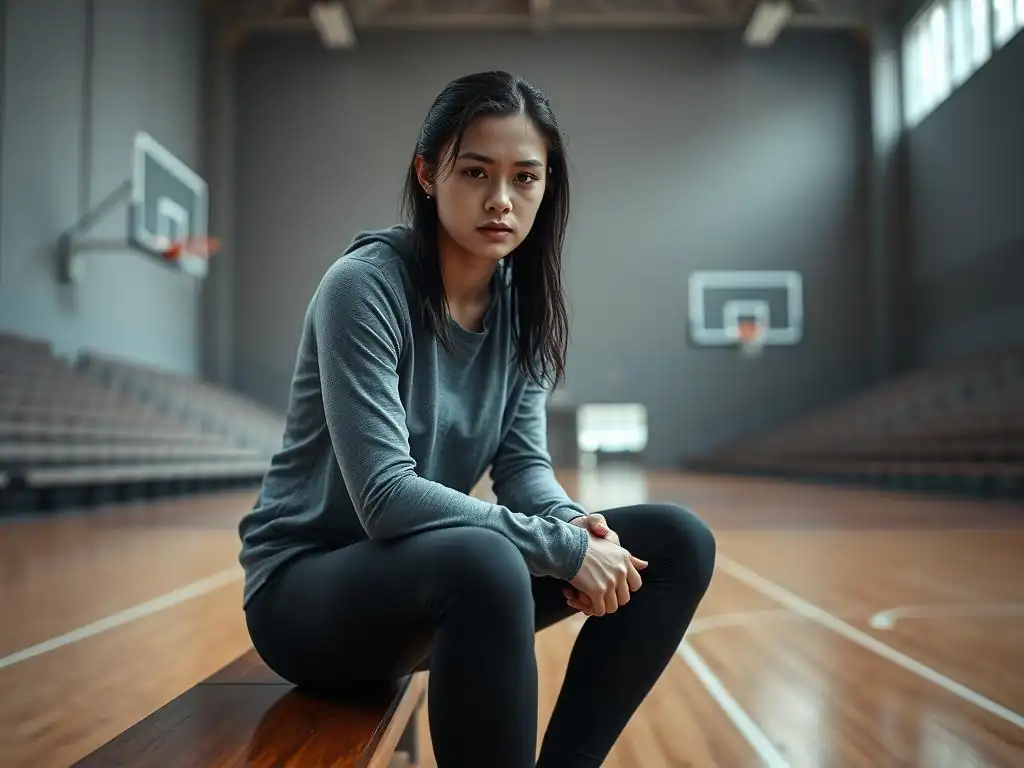
Self-Assessment Tools for Athletes: The Sport Anxiety Scale-2 (SAS-2)
Athletes can utilize self-assessment tools to gain insight into their levels of sport-specific anxiety. One widely used and validated instrument is the Sport Anxiety Scale-2 (SAS-2). This questionnaire typically asks athletes to rate how often they experience various physical symptoms (like "my heart races") and cognitive worries (like "I worry about choking under pressure") related to competition. It often measures three subcomponents of anxiety: Somatic Anxiety (physical symptoms), Worry (cognitive concerns about performance), and Concentration Disruption (difficulty focusing).
Taking such a test can provide an athlete with a quantifiable measure of their anxiety levels and help identify which aspects of anxiety (physical or mental) are most prominent for them. While not a diagnostic tool for a clinical anxiety disorder, the SAS-2 can be a valuable starting point for self-awareness. Scores can indicate whether an athlete's anxiety is within a typical range or if it might be elevated to a degree that is likely anxiety impacting athletic performance significantly, warranting further attention or professional consultation.
Recognizing Anxiety in Teammates: What to Look For
Teammates are often in a unique position to notice signs of anxiety in others, as they observe behavior both during practice and competition. Beyond the obvious physical signs like visible trembling or excessive sweating before a game, look for changes in typical behavior. A usually talkative teammate might become withdrawn and quiet, or conversely, someone normally reserved might become unusually irritable or restless.
Observe their interactions and focus. Are they easily distracted? Do they seem preoccupied or distant? Do they exhibit excessive negative self-talk after mistakes, or seem overly worried about minor errors during practice? Increased perfectionism that hinders rather than helps, or avoidance behaviors (like finding excuses to miss practice or competition), can also be red flags. Open and supportive communication with teammates about these observations, approached with empathy rather than judgment, can be crucial in encouraging them to seek help if needed.
When to Seek Professional Help: Differentiating Between Stress and Anxiety Disorder
It's important to distinguish between normal competitive stress, which can be motivating, and clinical anxiety, which is debilitating. While everyone experiences stress before important events, if the symptoms of anxiety are persistent, severe, and significantly interfere with performance, daily life, or overall well-being, it may indicate a more serious issue like a generalized anxiety disorder or social anxiety disorder manifesting in the sports context (often called performance anxiety disorder).
Seek professional help from a sports psychologist, licensed therapist, or counselor if anxiety symptoms:
- Are present consistently, not just before competition.
- Cause significant distress or panic attacks.
- Lead to avoidance of training or competition.
- Persist despite self-help strategies.
- Impact sleep, appetite, or relationships outside of sports.
- Are accompanied by feelings of hopelessness or depression.
A mental health professional can provide diagnosis, coping strategies, and potentially treatment options tailored to the individual's needs, addressing the root causes of anxiety impacting athletic performance.
Strategies to Manage and Reduce Anxiety for Optimal Athletic Performance
Mindfulness and Meditation Techniques for Athletes: Cultivating Calmness
Mindfulness involves paying attention to the present moment without judgment, focusing on sensations, thoughts, and feelings as they occur. For athletes, this means observing their physical state, their environment, and their thoughts about performance without getting swept away by worry. Regular mindfulness practice, even just 5-10 minutes daily, can help athletes develop greater self-awareness and the ability to notice anxious thoughts without reacting impulsively.
Meditation, a practice often used to cultivate mindfulness, can significantly reduce baseline anxiety levels. Techniques like focused breathing meditation or body scan meditation help train the mind to stay grounded and reduce the chatter of anxious thoughts. By becoming more present and less reactive, athletes can approach competition with a calmer demeanor, improving their ability to focus and execute skills effectively. This is a key strategy for mitigating anxiety impacting athletic performance.
Cognitive Behavioral Therapy (CBT) for Anxiety in Sports: Changing Thought Patterns
Cognitive Behavioral Therapy (CBT) is a highly effective therapeutic approach for managing anxiety, including performance anxiety in sports. CBT helps individuals identify and challenge negative or irrational thought patterns that contribute to anxiety. For athletes, this might involve recognizing thoughts like "If I make a mistake, I'm a failure" or "Everyone is watching and judging me" and replacing them with more realistic and helpful thoughts, such as "Mistakes are part of the learning process" or "I am prepared and capable."
A CBT therapist works with the athlete to develop coping strategies, such as cognitive restructuring (changing thoughts), exposure therapy (gradually facing feared situations), and relaxation techniques. By altering the way athletes perceive and react to stressful situations, CBT can significantly reduce the intensity and frequency of anxiety, directly addressing the cognitive component of anxiety impacting athletic performance. It empowers athletes to take control of their internal dialogue.
Breathing Exercises for Anxiety Relief: Quick and Effective Techniques
Simple breathing exercises can be powerful tools for quickly lowering physiological arousal when anxiety spikes. Techniques like diaphragmatic breathing (belly breathing) involve taking slow, deep breaths that expand the diaphragm, rather than shallow chest breaths common during anxiety. This activates the body's parasympathetic nervous system, promoting relaxation and reducing heart rate and muscle tension.
A common technique is the 4-7-8 method: inhale deeply through the nose for a count of four, hold the breath for a count of seven, and exhale slowly through the mouth for a count of eight. Practicing these exercises regularly, not just when feeling anxious, helps the body learn to relax and makes the technique more effective during moments of pressure. Athletes can use these techniques immediately before or even during competition breaks to regain composure and reduce the physical symptoms of anxiety impacting athletic performance.
Visualization and Mental Imagery for Performance Enhancement: Building Confidence
Visualization, or mental imagery, involves creating vivid mental pictures of successful performance. Athletes can mentally rehearse their routines, execute skills perfectly, overcome challenges, and experience the feeling of achieving their goals. This technique helps build confidence by familiarizing the mind and body with success, reducing the fear of the unknown or potential failure that fuels anxiety.
Regularly visualizing successful outcomes helps to reprogram the brain, shifting focus from potential threats to desired achievements. Athletes can visualize specific scenarios, such as executing a perfect serve in tennis, sinking a game-winning shot, or flawlessly performing a gymnastics routine. This mental preparation reduces uncertainty and increases feelings of control and preparedness, counteracting the debilitating effects of anxiety impacting athletic performance.
The Role of Nutrition and Sleep in Managing Anxiety Levels
Physical well-being forms a crucial foundation for mental resilience and managing anxiety. Proper nutrition provides the body and brain with the necessary fuel to function optimally. Avoiding excessive caffeine and sugar, which can exacerbate anxiety symptoms, and focusing on balanced meals with complex carbohydrates, lean proteins, and healthy fats can help stabilize mood and energy levels. Staying well-hydrated is also essential, as dehydration can mimic or worsen anxiety symptoms.
Adequate, quality sleep is equally vital. Sleep deprivation disrupts hormonal balance, including stress hormones like cortisol, and impairs cognitive function, making individuals more susceptible to anxiety and less able to cope with stress. Athletes should aim for 7-9 hours of sleep per night. Establishing a consistent sleep schedule and creating a relaxing bedtime routine can significantly improve sleep quality, contributing to better emotional regulation and reducing the overall impact of anxiety impacting athletic performance.
Building Mental Resilience to Combat Performance Anxiety

Developing a Positive Self-Talk Strategy: Replacing Negative Thoughts
Self-talk refers to the internal dialogue athletes have with themselves. For many experiencing performance anxiety, this dialogue is dominated by negative, critical, and self-defeating thoughts. Developing a positive self-talk strategy involves consciously identifying these negative thoughts and replacing them with constructive, encouraging, and realistic affirmations. This isn't about unrealistic positivity but about challenging irrational fears and focusing on capabilities and effort.
Examples include replacing "I'm going to mess this up" with "I am prepared and I will do my best," or changing "I can't handle this pressure" to "I have faced pressure before and I can focus on one play at a time." Athletes can practice positive self-talk during training and stressful situations to build this habit. This internal coaching helps reframe challenges, build confidence, and reduce the cognitive burden of negative thinking, directly mitigating how anxiety impacts athletic performance.
Setting Realistic Goals and Expectations: Avoiding Unnecessary Pressure
Unrealistic expectations are a major source of performance anxiety. Athletes who expect perfection every time, or tie their self-worth solely to winning or achieving specific statistical outcomes, place immense, often unbearable, pressure on themselves. Setting realistic, process-oriented goals shifts the focus from uncontrollable outcomes to controllable actions and effort.
Instead of aiming only to win a championship, an athlete might set goals related to improving specific skills, maintaining consistent effort in practice, or executing game plans effectively. These types of goals provide a clearer path forward, allow for progress tracking independent of wins or losses, and build a sense of accomplishment through effort and learning. This focus on controllable elements reduces the fear of failure associated with outcome goals, lessening the anxiety impacting athletic performance.
Embracing Failure as a Learning Opportunity: Fostering a Growth Mindset
The fear of failure is a core component of performance anxiety. Athletes with a fixed mindset may view failure as a reflection of their inherent lack of talent or ability. Embracing a growth mindset, however, means viewing challenges and setbacks as opportunities for learning and improvement. This perspective shift is crucial for building resilience.
When an athlete makes a mistake or loses, instead of dwelling on it as a personal failing, they can analyze what went wrong, identify areas for improvement, and focus on applying those lessons in future training and competition. This approach reduces the emotional impact of mistakes and transforms them into valuable data points for growth. By removing the catastrophic interpretation of failure, athletes can approach competition with less fear, significantly reducing the debilitating effects of anxiety impacting athletic performance.
Creating a Supportive Environment: The Importance of Team and Coach Support
An athlete's environment plays a significant role in managing anxiety. A supportive team culture where athletes feel safe to make mistakes, receive encouragement, and communicate openly can alleviate pressure. Knowing that teammates have their back, regardless of performance outcomes, builds trust and reduces the fear of judgment.
Coaches are particularly influential. Coaches who foster a positive, encouraging atmosphere, emphasize effort and development over results alone, provide constructive feedback, and are approachable for conversations about mental challenges can greatly help athletes manage anxiety. Understanding coaches might also adjust training or competition strategies to help an athlete gradually re-engage after experiencing significant performance anxiety. This network of support is vital in buffering the stress of competition and reducing the negative impact of anxiety impacting athletic performance.
Long-Term Strategies for Maintaining Mental Well-being in Athletes
Importance of Regular Mental Health Check-ins
Just as athletes undergo regular physical check-ups, scheduling regular mental health check-ins is crucial for long-term well-being and performance sustainability. These check-ins can be informal conversations with a trusted coach or mentor, or formal sessions with a sports psychologist or therapist. The goal is to proactively monitor mental state, identify potential stressors before they become overwhelming, and address any emerging signs of anxiety or other mental health challenges.
Regular check-ins help normalize discussions about mental health within the sports context. They provide a safe space for athletes to express concerns, learn new coping strategies, and reinforce existing positive habits. This preventative approach helps maintain mental fitness, making athletes more resilient to the inevitable pressures of high-level competition and ensuring that anxiety impacting athletic performance is managed consistently over their career.
Developing Coping Mechanisms for Stressful Situations
Building a repertoire of effective coping mechanisms is essential for navigating the inherent stress of athletic life. These mechanisms should be personalized and practiced regularly. They can include techniques already discussed, such as specific breathing exercises, mindfulness practices, positive self-talk phrases, or visualization routines. Other mechanisms might involve engaging in hobbies outside of sports, spending time with supportive friends and family, journaling, or listening to music.
The key is to have a variety of tools available and know when and how to use them. For instance, an athlete might use a quick breathing exercise before a critical play, practice mindfulness daily to reduce general anxiety, and use journaling after a tough loss to process emotions. Developing these strategies proactively, rather than waiting until a crisis point, provides athletes with the skills to manage anxiety impacting athletic performance throughout their careers.
Building a Strong Support System: Connecting with Peers and Professionals
A robust support system is a critical long-term asset for any athlete managing pressure and anxiety. This system typically includes peers (teammates, friends), family members, coaches, and mental health professionals (sports psychologists, therapists). Each component offers unique benefits. Peers provide understanding and shared experience; family offers unconditional support; coaches provide guidance and structure; and professionals offer expert strategies and clinical intervention when needed.
Actively nurturing these relationships and connections is vital. Athletes should feel comfortable reaching out for help or simply to talk when they are struggling. Knowing they are not alone and have people to rely on significantly reduces the burden of anxiety. This network acts as a buffer against the stresses of competition and helps athletes maintain perspective, contributing significantly to long-term mental well-being and resilience against anxiety impacting athletic performance.
Conclusion: Optimizing Athletic Performance Through Anxiety Management
Anxiety is a significant factor that can profoundly hurt athletic performance, impacting everything from focus and decision-making to motor skills and injury risk. However, understanding the nature of anxiety in athletes and implementing effective management strategies can transform this challenge into an opportunity for growth and enhanced mental resilience. By recognizing the signs of anxiety, utilizing self-assessment tools, and knowing when to seek professional help, athletes can take the first steps towards addressing their struggles.
Implementing strategies such as mindfulness, CBT, breathing exercises, and visualization provides athletes with practical tools to reduce the intensity of anxiety and its detrimental effects. Furthermore, building mental resilience through positive self-talk, realistic goal setting, embracing failure, and cultivating a supportive environment are crucial long-term approaches. Prioritizing mental well-being through regular check-ins, developing coping mechanisms, and leaning on a strong support system ensures athletes can manage anxiety impacting athletic performance not just for a single season, but throughout their athletic journey, ultimately leading to more consistent, enjoyable, and successful performance.
Frequently Asked Questions
How does anxiety specifically impact athletic performance?
Anxiety can lead to increased muscle tension, impaired decision-making, and difficulty concentrating, all detrimental to athletic performance. These physical and mental impacts can hinder optimal function.
What are some common signs of anxiety impacting athletic performance?
Signs include increased heart rate, excessive sweating, difficulty sleeping, and persistent worry about performance. These symptoms signal a potential problem.
Can anxiety actually prevent an athlete from participating in their sport?
Yes, severe anxiety can lead to avoidance of training or competition, and even panic attacks. This can significantly disrupt an athlete's career and overall well-being.
What are some effective strategies for managing anxiety and improving athletic performance?
Techniques like mindfulness, deep breathing exercises, and cognitive behavioral therapy (CBT) can help athletes manage anxiety. These tools promote relaxation and positive thinking.
Where can athletes find resources and support for dealing with anxiety impacting athletic performance?
Mind Care Guide offers information, support, and resources specifically tailored for athletes facing mental health challenges. Seeking professional help is also crucial.
Final Reflection: Conquering the Inner Critic, Unleashing Peak Performance
The pervasive nature of anxiety in athletic competition is undeniable, significantly impacting performance and overall well-being. This isn't just a niche concern; it's a widespread challenge affecting athletes at every level, from weekend warriors to Olympic champions. Understanding the intricate relationship between anxiety and athletic performance is crucial for unlocking true potential and fostering a healthier approach to competition.
The exploration of anxiety's influence on the athletic landscape has been a deeply personal journey for me, highlighting the often-overlooked mental health aspect of sports. The greatest battles are fought within ourselves.
This quote resonates deeply, as the internal struggle with anxiety can often be more challenging than the external competition itself. Witnessing athletes overcome these internal battles, transforming anxiety into resilience, is truly inspiring and underscores the importance of mental fortitude in achieving peak performance. The journey to mental well-being is ongoing, and this article serves as a stepping stone towards a more holistic understanding of athletic success.
Now, consider your own athletic journey. What anxieties hold you back? What strategies can you implement to manage these feelings and transform them into fuel for your performance? This isn't about eliminating anxiety entirely—it's about learning to navigate it effectively, building resilience, and cultivating a mindset that empowers you to thrive under pressure. Take the knowledge gained from this article, apply it to your training and competition, and discover the athlete you were always meant to be. Your journey to peak performance begins within.
Unleash Your Peak Performance: Conquer Anxiety, Own Your Game!
Thanks for taking the time to learn how anxiety can impact athletic performance. You’ve now gained valuable insights into managing this common challenge and unlocking your full potential. Ready to put this knowledge into action?
- Prioritize a personalized anxiety-reduction technique: Experiment with mindfulness exercises, deep breathing techniques, or progressive muscle relaxation. Find what works best for you and incorporate it into your daily routine.
- Share your insights: Discuss this article with a teammate or coach. Starting a conversation can help create a supportive environment where everyone feels comfortable addressing anxiety.
- Track your progress: Keep a journal to monitor your anxiety levels and the effectiveness of your chosen techniques. Notice the positive changes and celebrate your achievements!
What specific strategy will you implement this week to boost your confidence and performance on the field?