
Mental Health in Indigenous Communities: Unique Challenges and Strengths

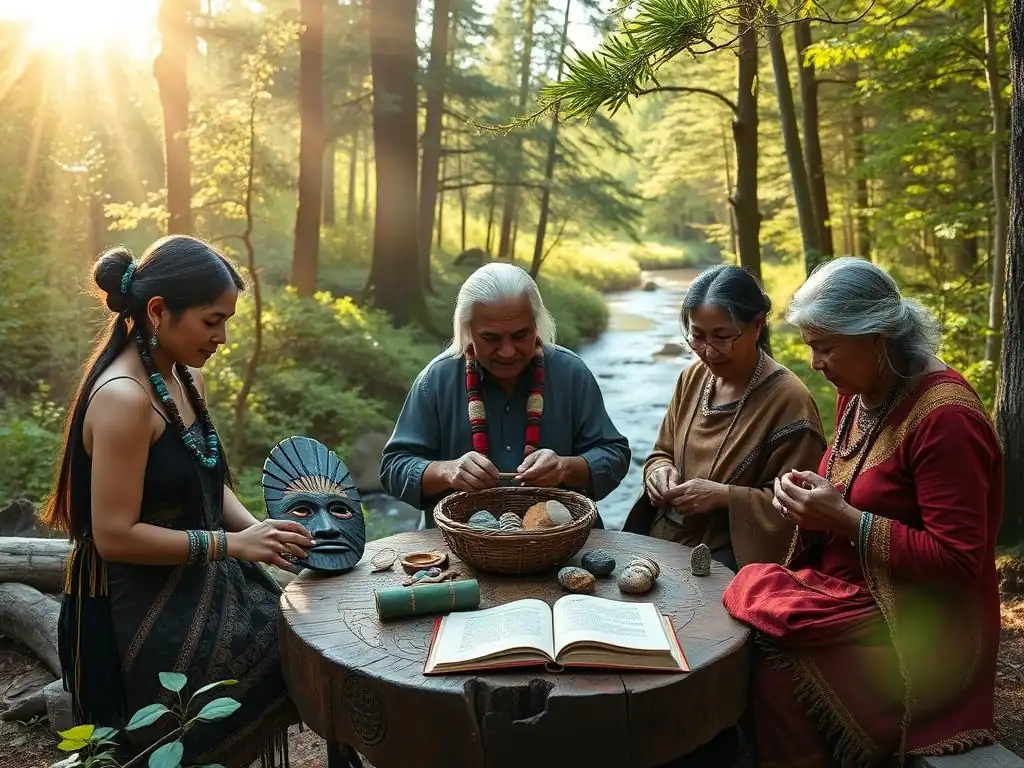
Welcome to Mind Care Guide, a space dedicated to understanding and nurturing mental well-being.
Feeling lost navigating the complexities of mental health support, especially within Indigenous communities? You're not alone. This month, we delve into the unique challenges and incredible strengths found within these communities, focusing on vital Indigenous mental health support resources that are often overlooked. Prepare to be enlightened and empowered as we explore a path towards culturally sensitive and effective care. Keep reading to learn more and discover pathways to healing and resilience.
- Mental Health in Indigenous Communities: Unique Challenges and Strengths - Mind Care Guide
- Unique Challenges to Mental Health in Indigenous Communities
- Strengths and Resilience in Indigenous Communities
- Addressing Mental Health Disparities in Indigenous Communities
- Indigenous Mental Health Support Resources: A Comprehensive Guide
- Promoting Mental Wellness and Resilience in Indigenous Communities
- Supporting Indigenous Mental Health: A Call to Action
-
Frequently Asked Questions
- What are some of the unique challenges faced by Indigenous communities regarding mental health?
- Why is it important to consider cultural context when addressing mental health in Indigenous communities?
- What are some examples of Indigenous mental health support resources available?
- How can Mind Care Guide help me find Indigenous mental health support resources?
- What can individuals do to become better allies in supporting Indigenous mental health?
- Final Reflection: Weaving Strength from Resilience: Indigenous Mental Health
- Unleash Your Community's Healing Power: Take Action Today
Mental Health in Indigenous Communities: Unique Challenges and Strengths - Mind Care Guide
Defining Indigenous Mental Health: A Holistic Perspective
Mental wellness within Indigenous communities extends far beyond the absence of illness. It is fundamentally rooted in a holistic understanding that encompasses the interconnectedness of the individual, family, community, land, and spirituality. This perspective recognizes that well-being is influenced by a complex interplay of factors, including cultural identity, historical context, social determinants, and spiritual harmony. Unlike Western models that may focus primarily on individual psychological states, Indigenous approaches often emphasize balance, connection, and collective health. This necessitates a broader view when discussing Indigenous mental health support resources.
This holistic view is crucial for effective intervention and support. For example, a person's mental wellness might be seen as inseparable from the health of their relationships with elders, the vitality of traditional practices, or their connection to ancestral lands. Disruptions to these connections, whether through forced displacement, cultural suppression, or environmental degradation, are understood to have profound impacts on mental health. Therefore, addressing mental health challenges requires approaches that honor and integrate these cultural dimensions, moving beyond symptom-focused treatment to promote overall life balance and community strength.
The Importance of Cultural Competence in Indigenous Mental Health Care
Cultural competence is not merely a desirable trait but an essential foundation for providing effective mental health support to Indigenous populations. It involves understanding and respecting the diverse histories, cultures, languages, and social structures of various Indigenous groups, as well as recognizing the specific impacts of historical trauma and ongoing systemic issues. Without cultural competence, mental health services can be ineffective, irrelevant, or even harmful, reinforcing feelings of alienation and mistrust among Indigenous individuals seeking help. Providers must be prepared to adapt their methods and perspectives.
Developing cultural competence requires humility, ongoing learning, and a willingness to collaborate with Indigenous communities and knowledge keepers. This includes understanding traditional healing practices, communication styles, family dynamics, and the significance of cultural ceremonies. For instance, a culturally competent therapist might incorporate storytelling, traditional art, or outdoor activities into therapy sessions, or work alongside traditional healers. Building trust is paramount, often taking significant time and demonstrating a genuine commitment to understanding and respecting the client's cultural background and worldview. This is critical for improving access to and effectiveness of Indigenous mental health support resources.
Unique Challenges to Mental Health in Indigenous Communities
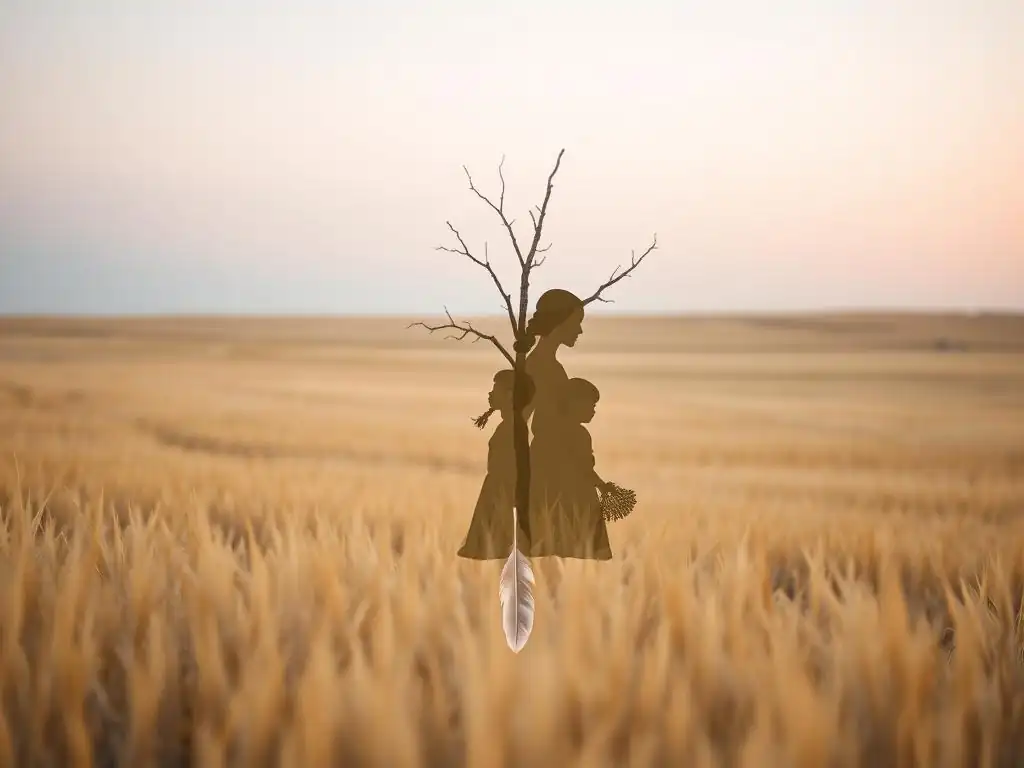
Historical Trauma and its Impact on Indigenous Mental Well-being
Historical trauma, resulting from events like colonization, residential schools, forced displacement, and the suppression of cultural practices, has had devastating intergenerational impacts on Indigenous mental health. These traumatic experiences have disrupted traditional family structures, eroded cultural identity, and created deep-seated mistrust in institutions. The effects are not confined to those who directly experienced the trauma but are passed down through generations, manifesting in higher rates of depression, anxiety, post-traumatic stress disorder (PTSD), substance use disorders, and suicide within Indigenous communities.
The long-term consequences of historical trauma are evident in various health and social indicators. Studies and reports from various regions consistently show elevated rates of mental health conditions compared to non-Indigenous populations. For example, suicide rates among Indigenous youth in some areas are reported to be five to seven times higher than among non-Indigenous youth. Addressing this requires trauma-informed approaches that acknowledge the historical context and its ongoing impact, integrating healing practices that help individuals and communities process this collective pain and build resilience.
Systemic Barriers to Accessing Mental Health Services for Indigenous Peoples
Indigenous peoples often face significant systemic barriers when attempting to access mental health services. These barriers include geographical isolation, particularly for those living in remote communities where mental health professionals and facilities are scarce or non-existent. Even when services are available, they may not be culturally safe, lacking providers who understand Indigenous worldviews or speak Indigenous languages. This lack of cultural relevance can make services feel alienating and ineffective.
Furthermore, financial constraints, lack of adequate transportation, and complex administrative processes within healthcare systems act as significant deterrents. A report might indicate that while national mental health services exist, only a small fraction of Indigenous individuals in remote areas can readily access them due to these logistical and cultural gaps. Overcoming these barriers requires dedicated funding, recruitment and retention of culturally competent professionals, expansion of telehealth services, and the development of community-based, Indigenous-led mental health initiatives that are accessible and culturally appropriate.
Socioeconomic Factors Affecting Indigenous Mental Health
Socioeconomic disparities play a significant role in shaping the mental health landscape of Indigenous communities. Higher rates of poverty, unemployment, inadequate housing, food insecurity, and lower educational attainment are prevalent in many Indigenous areas, stemming from historical and ongoing systemic inequities. These factors create chronic stress and instability, which are well-established risk factors for various mental health conditions.
For instance, living in overcrowded or substandard housing can exacerbate stress and contribute to feelings of hopelessness, impacting overall well-being. High unemployment rates limit opportunities and can lead to feelings of marginalization and lack of purpose. Addressing these socioeconomic determinants is crucial for improving Indigenous mental health. This involves investing in education, economic development, housing, and infrastructure in Indigenous communities, recognizing that mental health is deeply intertwined with social and economic conditions.
The Impact of Discrimination and Racism on Mental Health
Experiences of discrimination and racism, both historical and contemporary, have profound negative effects on the mental health of Indigenous peoples. Indigenous individuals frequently encounter prejudice and discrimination in various settings, including healthcare, education, employment, and daily social interactions. This can range from overt acts of racism to subtle microaggressions and systemic biases within institutions.
The constant exposure to discrimination leads to chronic stress, anxiety, depression, and feelings of anger and frustration. It can also erode self-esteem and contribute to internalized oppression. Research consistently links experiences of discrimination to poorer mental health outcomes across different populations, and Indigenous peoples are disproportionately affected. Combating racism and promoting anti-racist practices within all sectors, particularly healthcare, is essential for creating environments where Indigenous individuals feel safe, respected, and empowered to seek and benefit from mental health support resources.
Strengths and Resilience in Indigenous Communities
Cultural Practices and Traditional Healing Methods for Mental Wellness
Despite facing immense challenges, Indigenous communities possess profound strengths and resilience, often rooted in their vibrant cultural practices and traditional healing methods. These practices, which include ceremonies, storytelling, drumming, singing, dancing, and connecting with the land, serve as powerful sources of strength, identity, and collective healing. Traditional healers, elders, and knowledge keepers play vital roles in maintaining these practices and guiding community members toward wellness.
Traditional healing approaches often view illness, including mental distress, as an imbalance that affects the whole person and their relationships. Healing ceremonies and practices aim to restore harmony and connection – within the individual, with family and community, with the spiritual world, and with the land. For example, participation in a purification ceremony or a talking circle can provide a sense of belonging, validation, and emotional release that Western therapies might not fully capture. These practices are invaluable Indigenous mental health support resources, offering culturally relevant pathways to healing.
Community Support Systems and their Role in Mental Health
Strong community bonds and social support networks are significant protective factors for mental health within Indigenous populations. Extended family systems, kinship ties, and community structures provide a vital safety net, offering emotional support, practical assistance, and a sense of belonging. In times of crisis or distress, community members often rally together, drawing on collective strength and traditional values of mutual aid.
Community-led initiatives, such as local wellness programs, youth groups, and cultural centers, play a crucial role in promoting mental well-being. These initiatives are often designed and run by community members, ensuring they are culturally relevant and responsive to local needs. They provide safe spaces for sharing, learning, and connecting, reinforcing cultural identity and resilience. These grassroots efforts are fundamental components of effective Indigenous mental health support resources, built on trust and shared understanding.
The Importance of Language and Cultural Identity for Well-being
Language and cultural identity are intrinsically linked to mental well-being for Indigenous peoples. Indigenous languages carry the wisdom, history, and worldview of a people, connecting individuals to their ancestors, their land, and their cultural heritage. The suppression of Indigenous languages through policies like those implemented in residential schools has had a devastating impact on cultural transmission and identity.
Reclaiming and revitalizing Indigenous languages and cultural practices is a powerful act of healing and resistance. Engaging in cultural activities, learning traditional skills, and speaking one's language strengthens identity, fosters pride, and provides a buffer against the negative impacts of historical trauma and discrimination. Programs that support language immersion, cultural education, and intergenerational knowledge transfer are therefore vital for promoting mental wellness and resilience within Indigenous communities. They are essential elements that should be considered when discussing Indigenous mental health support resources.
Addressing Mental Health Disparities in Indigenous Communities
Culturally Adapted Mental Health Interventions for Indigenous Peoples
To effectively address mental health disparities, interventions must be culturally adapted to meet the specific needs and contexts of Indigenous peoples. Simply translating Western therapeutic models is often insufficient. Culturally adapted interventions integrate Indigenous worldviews, healing practices, communication styles, and social structures into the therapeutic process. This ensures that interventions are not only relevant and acceptable but also more likely to be effective.
Examples of culturally adapted interventions include incorporating traditional ceremonies, storytelling, land-based healing activities, or involving elders and traditional healers in the therapeutic process. A project in one community might adapt Cognitive Behavioral Therapy (CBT) by using traditional stories to illustrate concepts or by conducting sessions outdoors in a natural setting. Evaluations of culturally adapted programs often show improved engagement, reduced symptoms, and enhanced feelings of empowerment compared to standard approaches. Developing and implementing such programs is key to providing appropriate Indigenous mental health support resources.
The Role of Indigenous Knowledge Keepers in Mental Health Care
Indigenous knowledge keepers, including elders, traditional healers, and cultural teachers, hold invaluable wisdom regarding health, wellness, and healing within their respective communities. Their knowledge systems, built over millennia, offer profound insights into understanding and addressing mental distress from a holistic and culturally grounded perspective. Collaborating with and integrating the expertise of knowledge keepers into mental health services is essential for providing culturally safe and effective care.
Knowledge keepers can provide guidance on traditional healing practices, offer spiritual support, facilitate cultural ceremonies, and help individuals reconnect with their heritage. They can also educate non-Indigenous mental health professionals on cultural protocols and worldviews, fostering greater understanding and respect. Partnerships between Western mental health services and Indigenous knowledge keepers are vital for creating truly integrated and culturally responsive systems of care, ensuring that Indigenous mental health support resources are rooted in community wisdom.
Strategies for Improving Access to Mental Health Services in Remote Indigenous Communities
Improving access to mental health services in remote Indigenous communities requires innovative and context-specific strategies. Given the geographical challenges, expanding telehealth services is a critical step. This allows individuals to connect with mental health professionals remotely, overcoming barriers of distance and transportation. However, reliable internet access and culturally appropriate platforms are necessary for telehealth to be effective.
Beyond technology, strategies include recruiting and retaining Indigenous mental health professionals who are more likely to work in their home communities, providing mobile outreach services that travel to remote locations, and establishing community-based wellness centers that integrate mental health support with other health and social services. Training community members as peer support workers or mental health aides can also increase local capacity and provide accessible, culturally familiar support. These varied approaches are necessary to ensure equitable access to Indigenous mental health support resources, no matter the location.
Indigenous Mental Health Support Resources: A Comprehensive Guide

Identifying and Accessing Culturally Sensitive Mental Health Services
Finding culturally sensitive mental health services is a crucial step for Indigenous individuals and families seeking support. These services prioritize cultural safety, respect Indigenous worldviews, and are delivered by practitioners who are either Indigenous themselves or have received specific training in cultural competence and trauma-informed care related to Indigenous populations. Identifying such services often requires looking beyond mainstream healthcare providers.
Tips for identification include:
- Checking if providers or organizations explicitly state their commitment to cultural safety and Indigenous health.
- Asking about the cultural background and training of therapists or counselors.
- Inquiring if traditional healers or elders are integrated into their services.
- Seeking recommendations from trusted community leaders, family members, or Indigenous health organizations.
Accessing these services may involve navigating specific funding streams or referral pathways designated for Indigenous health, which can sometimes differ from general healthcare routes. Patience and persistence may be required, but prioritizing culturally appropriate care significantly increases the likelihood of positive outcomes.
Specific Indigenous Mental Health Programs and Organizations
Numerous organizations and programs are specifically dedicated to providing Indigenous mental health support resources. These range from national-level advocacy groups to regional health authorities with dedicated Indigenous mental wellness teams, and local community-based programs. While specific names vary by region (e.g., in Canada, the First Nations Health Authority in British Columbia; in the U.S., the Indian Health Service and various tribal health programs), their common goal is to offer services that are accessible, culturally relevant, and address the unique challenges faced by Indigenous peoples.
These programs often offer a range of services, including counseling, trauma therapy, substance use treatment, cultural programming, elder support, and youth-specific initiatives. Some focus on specific issues like residential school intergenerational trauma or missing and murdered Indigenous women and girls. Exploring regional health authority websites, contacting tribal health departments, or reaching out to national Indigenous organizations are good starting points for finding relevant and specific Indigenous mental health support resources in a particular area.
Navigating the mental health system can be complex for anyone, but it presents particular challenges for Indigenous individuals due to cultural barriers, historical mistrust, and systemic issues. Having strategies to navigate this system can empower individuals and families.
Here are some tips:
- Understand your rights: Know your rights regarding healthcare access and cultural safety.
- Seek support from advocates: Many Indigenous organizations offer patient advocates or navigators who can help you understand options, make appointments, and communicate with providers.
- Bring a trusted person: Attend appointments with a family member, elder, or friend who can offer support and help ask questions.
- Don't hesitate to ask questions: If you don't understand something, ask for clarification. If you feel a provider isn't culturally sensitive, it's okay to seek a different one.
- Explore all resource types: Remember that Indigenous mental health support resources include traditional healers and community programs, not just clinical services.
- Keep records: Jot down appointment details, names of providers, and questions you have.
Navigating the System Checklist:

- [ ] Identify culturally sensitive providers
- [ ] Connect with patient advocates/navigators
- [ ] Attend appointments with support
- [ ] Ask questions about treatment and cultural approach
- [ ] Explore traditional healing options
- [ ] Keep track of appointments and information
Using these strategies can help make the process of seeking help less daunting and more effective, connecting individuals with the Indigenous mental health support resources they need.
Promoting Mental Wellness and Resilience in Indigenous Communities
Building Stronger Communities Through Mental Health Awareness
Raising awareness about mental health is a crucial step in building stronger, more resilient Indigenous communities. Openly discussing mental health challenges helps to reduce stigma, encouraging individuals to seek help without shame. Community-led awareness campaigns that incorporate cultural messaging and involve trusted leaders can be particularly effective.
These initiatives often highlight the importance of mental wellness as a collective responsibility, emphasizing that healing happens within the community context. They might share stories of resilience, promote healthy coping strategies rooted in cultural practices, and inform community members about available Indigenous mental health support resources. Increased awareness also empowers community members to support one another and recognize signs of distress in friends and family, fostering a culture of care and mutual support.
Empowering Indigenous Youth to Promote Mental Wellness
Indigenous youth face unique pressures, including the intergenerational impacts of trauma, cultural identity challenges, and discrimination. Empowering them as leaders in promoting mental wellness is vital for the future health of their communities. Youth-focused programs that provide safe spaces for self-expression, cultural connection, and skill-building can significantly enhance their resilience.
Initiatives might include youth wellness camps, cultural mentorship programs, peer support training, or creative arts projects focusing on healing and identity. By involving youth in designing and leading these programs, they gain a sense of ownership and purpose, becoming positive role models for their peers. Equipping youth with knowledge about mental health and connecting them with appropriate Indigenous mental health support resources helps them navigate challenges and advocate for their own well-being and that of their community.
The Future of Indigenous Mental Health Care: A Vision for Equity and Inclusion
The future of Indigenous mental health care lies in achieving true equity and inclusion. This vision involves dismantling systemic barriers, ensuring adequate and sustained funding for Indigenous-led initiatives, and empowering communities to design and control their own mental wellness services. It requires a fundamental shift from a crisis-response model to one focused on prevention, early intervention, and long-term wellness rooted in cultural strength.
A future where Indigenous mental health is prioritized means investing in culturally safe infrastructure, training a workforce reflective of Indigenous populations, and formally recognizing and integrating traditional healing practices within the broader healthcare system. It's a vision where every Indigenous person has equitable access to high-quality, culturally appropriate Indigenous mental health support resources that honor their history, identity, and inherent right to well-being. Achieving this requires sustained commitment and partnership at all levels.
Supporting Indigenous Mental Health: A Call to Action
Advocating for Policy Changes to Improve Mental Health Outcomes
Improving mental health outcomes for Indigenous peoples requires significant policy changes at governmental levels. This includes advocating for increased and stable funding specifically allocated for Indigenous-controlled mental health and wellness programs. Policies must also address the social determinants of health, such as poverty, housing, and education, recognizing their direct link to mental well-being.
Advocacy efforts should push for policies that support the revitalization of Indigenous languages and cultures, formally recognize traditional healing practices, and implement the Truth and Reconciliation Commission's Calls to Action related to health. Furthermore, policies are needed to combat systemic racism and discrimination within healthcare and other institutions. Supporting organizations that advocate for these changes is a tangible way to contribute to better Indigenous mental health support resources and outcomes.
Supporting Indigenous Mental Health Initiatives
Directly supporting Indigenous mental health initiatives is crucial. This can take many forms, from volunteering with local Indigenous wellness programs to providing financial donations to Indigenous-led mental health organizations. Supporting these initiatives ensures that resources are directed by and for Indigenous communities, aligning with their priorities and cultural values.
Support can also involve promoting awareness within your own networks, sharing accurate information about the challenges and strengths of Indigenous mental health, and amplifying the voices of Indigenous advocates and service providers. Whether supporting a youth program, a residential school survivor support group, or a cultural healing center, contributing to these initiatives directly enhances the availability and effectiveness of Indigenous mental health support resources.
Resources for Further Learning About Indigenous Mental Health
Educating oneself about the history, challenges, and strengths related to Indigenous mental health is a vital step towards becoming an ally and supporting positive change. Numerous resources are available for further learning.
These resources include:
- Reports from national Indigenous organizations and health bodies (e.g., national Indigenous health surveys, reports on specific health disparities).
- Academic research and publications focusing on Indigenous health and mental wellness.
- Books, documentaries, and educational materials created by Indigenous authors and filmmakers.
- Online courses or workshops on cultural competence and trauma-informed care related to Indigenous populations.
- Museums, cultural centers, and historical sites that offer perspectives on Indigenous history and resilience.
Learning Journey Task List:

- [ ] Read a report on Indigenous mental health from a reputable source.
- [ ] Explore resources from a national Indigenous health organization.
- [ ] Seek out Indigenous perspectives through books or documentaries.
- [ ] Learn about the history of residential schools and their impacts.
- [ ] Reflect on personal biases and assumptions about Indigenous peoples.
- [ ] Identify ways to support local Indigenous mental health support resources.
Engaging with these resources fosters a deeper understanding and prepares individuals to contribute meaningfully to efforts aimed at improving Indigenous mental health and well-being.
Frequently Asked Questions
What are some of the unique challenges faced by Indigenous communities regarding mental health?
Indigenous communities often face challenges such as historical trauma, cultural loss, and socioeconomic disparities which significantly impact mental well-being. These factors contribute to higher rates of mental health conditions.
Why is it important to consider cultural context when addressing mental health in Indigenous communities?
Mental health support needs to be culturally sensitive because Indigenous perspectives on health and wellness are holistic and interconnected. Ignoring cultural context can render interventions ineffective and even harmful.
What are some examples of Indigenous mental health support resources available?
Examples include traditional healing practices, community-based programs, and culturally adapted therapies. These resources often integrate traditional knowledge with modern mental health approaches.
How can Mind Care Guide help me find Indigenous mental health support resources?
Mind Care Guide provides a curated directory of mental health services and resources. Search using keywords like "Indigenous mental health" or filter by location to find relevant options.
What can individuals do to become better allies in supporting Indigenous mental health?
Educate yourself about Indigenous history and culture, listen to Indigenous voices, and advocate for policies that support Indigenous self-determination and well-being. Support organizations dedicated to Indigenous mental health.
Final Reflection: Weaving Strength from Resilience: Indigenous Mental Health
The crisis of mental health within Indigenous communities is not merely a statistic; it's a profound violation of well-being demanding immediate and sustained action. The unique challenges faced, stemming from historical trauma, systemic inequities, and the erosion of traditional support systems, are undeniable. Yet, this article has also highlighted the incredible resilience and strength inherent within these communities, a strength that must be harnessed and amplified to create lasting change. The need for culturally appropriate and accessible mental health support resources is not just urgent, it's paramount to the survival and flourishing of Indigenous cultures.
The journey towards healing is a collective one, requiring a deep understanding of the interconnectedness between individual well-being and the health of the entire community. This understanding is crucial to developing effective interventions. We must move beyond simply addressing symptoms and instead focus on fostering holistic well-being, respecting and revitalizing traditional healing practices alongside modern approaches. As Dr. Evelyn Marie Wong states, Healing is not just about fixing what's broken; it's about creating a space where wholeness can emerge.
This quote encapsulates the essence of a truly effective approach to Indigenous mental health. It highlights the importance of not just treating the symptoms of trauma but also fostering a sense of belonging, connection, and cultural pride.
You, the reader, now hold a deeper understanding of the complexities surrounding Indigenous mental health. This knowledge is a powerful tool. I urge you to actively seek out and support Indigenous-led initiatives, advocate for policy changes that prioritize culturally safe care, and engage in respectful dialogue about the issues discussed. By amplifying Indigenous voices and actively participating in the creation of a more equitable and just society, we can collectively contribute to a future where mental health is not a barrier, but a pathway to thriving for all members of Indigenous communities.
Unleash Your Community's Healing Power: Take Action Today
Thanks for exploring the unique challenges and remarkable strengths within Indigenous mental health. We hope this article has equipped you with a deeper understanding and inspired you to make a difference. Now, let's turn that inspiration into action:
- Lead a community discussion: Share this article with your network and facilitate a conversation about the resources and support systems available within your community. This is a powerful way to build awareness and create positive change.
- Explore local Indigenous organizations: Discover the impactful work being done in your area and consider volunteering your time or donating to support their vital initiatives. Even small contributions can make a significant difference.
- Amplify Indigenous voices: Share this piece on social media, tagging relevant organizations and using relevant hashtags to increase visibility and reach a broader audience.
What concrete step can you take this week to support mental wellness within your Indigenous community?