
The Transformative Journey: How Yoga Changes Your Mental Landscape

Welcome to Mind Care Guide, a sanctuary dedicated to nurturing your mental well-being.
Feeling overwhelmed by anxiety? You're not alone. In this space, we gently explore the transformative power of holistic practices. Today, we delve into the profound impact of Yoga for Anxiety Relief, offering practical steps and insightful guidance to help you reclaim inner peace and navigate life's challenges with greater resilience. Discover how mindful movement can reshape your mental landscape and pave the way for a calmer, more centered you. Ready to begin your journey?
The Transformative Journey: How Yoga Changes Your Mental Landscape
- Introduction: Unveiling the Power of Yoga for Anxiety Relief
- The Science Behind Yoga's Impact on Mental Health
- Yoga Poses for Anxiety Relief: A Practical Guide
- Breathing Techniques (Pranayama) for Anxiety Management
- Mindfulness and Meditation in Yoga for Mental Clarity
- Beyond the Mat: Incorporating Yoga Principles into Daily Life
- Yoga vs. Other Anxiety Treatments: A Comparative Analysis
- Creating a Personalized Yoga Practice for Anxiety Relief
- Success Stories: Real-Life Examples of Yoga for Mental Well-being
- Conclusion: Embracing Yoga for a Calmer, More Resilient Mind
-
Frequently Asked Questions
- What specific styles of yoga are most effective for anxiety relief?
- How does yoga help to regulate the nervous system and reduce anxiety?
- How often should I practice yoga to experience noticeable anxiety relief?
- Can yoga be used as a standalone treatment for anxiety, or should it be combined with other therapies?
- What if I'm completely new to yoga and feel intimidated to start?
- Final Reflection: Finding Stillness in a Restless World
- Unroll Your Mat and Unwind Your Mind
Introduction: Unveiling the Power of Yoga for Anxiety Relief
Understanding the Mind-Body Connection in Mental Well-being
The connection between the mind and body is a fundamental aspect of human health, often overlooked in Western approaches to well-being. Our thoughts, emotions, and stress levels directly impact our physical state, influencing everything from heart rate and digestion to immune function. Conversely, physical sensations, movement, and posture can profoundly affect our mental state, altering mood, clarity, and emotional resilience.
Recognizing this intricate link is the first step towards understanding how practices like yoga can offer significant yoga for anxiety relief. This connection is not merely philosophical; it is rooted in complex biological systems, including the nervous system, endocrine system, and even the immune system, all of which are deeply interconnected and constantly communicating.
This integrated view of health emphasizes that addressing mental health challenges, such as anxiety, requires a holistic approach that considers the entire person. Traditional methods often focus primarily on psychological interventions or medication, which can be effective but may not fully address the physical manifestations of anxiety, such as muscle tension, rapid heart rate, or digestive issues.
By working with the physical body through practices like yoga, individuals can access and influence their mental and emotional states in powerful ways, creating a more balanced and sustainable path toward well-being. This mind-body unity is the core principle that allows yoga to be such an effective tool for managing and reducing anxiety symptoms.
The Growing Need for Natural Anxiety Solutions
In today's fast-paced world, anxiety is a prevalent challenge, affecting millions globally. The World Health Organization estimates that anxiety disorders are among the most common mental health conditions worldwide, with prevalence rates showing an increase in recent years, particularly following global events like the COVID-19 pandemic.
While conventional treatments like therapy and medication are vital and effective for many, there is a significant and growing interest in natural, complementary approaches that can be integrated into daily life. People are increasingly seeking methods that empower them to manage their symptoms actively, reduce reliance on pharmaceuticals, and promote overall health without potential side effects.
This surge in demand for natural solutions reflects a desire for greater personal agency in health management and a recognition that lifestyle factors play a crucial role in mental well-being. Yoga for anxiety relief stands out as a particularly appealing option because it is accessible, adaptable to various fitness levels, and offers a multi-faceted approach that addresses both the mental and physical aspects of anxiety.
Unlike a quick fix, yoga is a practice that cultivates long-term resilience and self-awareness, equipping individuals with tools they can use anytime, anywhere to navigate stressful situations and find inner calm. Its popularity is soaring, with millions incorporating it into their routines for not just physical fitness but specifically for its profound mental health benefits.
The Science Behind Yoga's Impact on Mental Health
How Yoga Reduces Anxiety: A Neurobiological Perspective
The effectiveness of yoga for anxiety relief is increasingly supported by neurobiological research. Studies utilizing fMRI scans and other brain imaging techniques have shown that regular yoga practice can lead to measurable changes in brain structure and function that are associated with reduced anxiety and improved mood.
For instance, research published in journals like Frontiers in Human Neuroscience suggests that yoga can increase the volume of gray matter in brain regions associated with fear regulation, self-awareness, and emotional processing, such as the prefrontal cortex, hippocampus, and amygdala. A smaller, less reactive amygdala is often linked to lower levels of anxiety and fear responses.
Furthermore, yoga has been shown to influence neurotransmitter levels in the brain. Physical activity, including the mindful movement of yoga, promotes the release of endorphins, which have mood-boosting effects. More specifically, studies indicate that yoga can increase levels of gamma-aminobutyric acid (GABA), a primary inhibitory neurotransmitter that helps regulate nerve activity and calm the nervous system.
Low GABA levels are often associated with anxiety and mood disorders. By increasing GABA, yoga helps to counteract the overactivity in the brain that contributes to anxious feelings, providing a tangible biochemical pathway for yoga for anxiety relief. Research, such as studies conducted at Boston University School of Medicine, has provided evidence for this GABA-enhancing effect of yoga.
The Role of Yoga in Regulating the Nervous System
Anxiety is often characterized by an overactive sympathetic nervous system, commonly known as the "fight or flight" response. This state triggers physiological changes like increased heart rate, rapid breathing, muscle tension, and heightened vigilance, preparing the body for perceived danger. While essential for survival in acute situations, chronic activation of this system contributes significantly to persistent anxiety symptoms. Yoga for anxiety relief works by intentionally activating the parasympathetic nervous system, the "rest and digest" system, which counteracts the effects of the sympathetic response and promotes relaxation and calm.
Through specific techniques like controlled breathing (pranayama), gentle movement, and mindful awareness, yoga signals to the body and brain that it is safe to relax. For example, slow, deep breathing stimulates the vagus nerve, a key component of the parasympathetic system, sending signals to the brain that reduce heart rate and blood pressure and decrease the release of stress hormones like cortisol.
Regular practice trains the nervous system to become more balanced and resilient, reducing the likelihood of slipping into a prolonged fight-or-flight state in response to stressors. This ability to consciously influence the autonomic nervous system is a powerful mechanism by which yoga helps manage and reduce anxiety.
Exploring the Vagus Nerve and Its Connection to Yoga
The vagus nerve is the longest cranial nerve, extending from the brainstem down through the neck, chest, and abdomen, connecting to major organs including the heart, lungs, and digestive system. It plays a critical role in regulating numerous bodily functions and is a primary pathway for communication between the brain and the body's internal organs.
The vagus nerve is a central component of the parasympathetic nervous system, and its activity is often used as an indicator of parasympathetic tone and resilience to stress. Higher vagal tone is associated with better mood, reduced inflammation, and improved ability to recover from stress.
Yoga practices, particularly those involving mindful breathing and gentle movement, are highly effective at stimulating and strengthening vagal tone. Deep, slow diaphragmatic breathing, for instance, directly massages the vagus nerve as it passes through the diaphragm. Chanting or humming during yoga practice can also stimulate the vagus nerve through vibrations in the throat.
By engaging these practices, yoga helps to increase vagal activity, promoting a state of calm and reducing the physiological symptoms of anxiety, such as a racing heart or stomach upset. This direct influence on a major nerve pathway provides a compelling biological explanation for the profound effects of yoga for anxiety relief.
Yoga Poses for Anxiety Relief: A Practical Guide
Gentle Poses for Calming the Mind: Child's Pose and Corpse Pose
Certain yoga poses are particularly effective at soothing the nervous system and promoting a sense of calm, making them excellent choices for yoga for anxiety relief. Child's Pose (Balasana) is a deeply comforting pose that encourages introspection and surrender. Kneeling on the mat, you bring your hips back to your heels and fold your torso forward, resting your forehead on the mat or a prop.
This pose gently stretches the back and hips while allowing the head to be supported, which can feel incredibly grounding and safe. Holding this pose for several minutes, focusing on the breath expanding the back body, can help quiet a busy mind and release tension.
Corpse Pose (Savasana) is deceptively simple but profoundly restorative. Lying flat on your back with arms relaxed by your sides and legs extended, the goal is complete relaxation of the entire body and mind. While it might seem like just lying down, the practice of consciously releasing tension from each body part, from the toes to the crown of the head, and allowing the breath to be natural and effortless, is a powerful antidote to anxiety.
Savasana allows the nervous system to downshift into a state of deep rest, integrating the benefits of the practice and offering a crucial moment of stillness. Even 5-10 minutes in Savasana can significantly reduce feelings of overwhelm and promote a sense of peace.
Grounding Poses for Stability and Focus: Mountain Pose and Warrior II
Anxiety often makes us feel scattered, disconnected, or unstable. Grounding poses help to bring awareness back to the present moment and cultivate a sense of stability, both physically and mentally, which is key for yoga for anxiety relief. Mountain Pose (Tadasana) is the foundational standing pose, seemingly simple but powerful in its intention.
Standing with feet hip-width apart or together, spreading your toes, and feeling the four corners of your feet rooted into the earth creates a sense of being firmly planted. Aligning the body from the ankles through the hips, spine, and crown of the head cultivates posture awareness and a feeling of strength and dignity. Bringing mindful attention to the sensation of gravity and the support of the ground can anchor a restless mind.
Warrior II (Virabhadrasana II) is another powerful grounding pose that combines stability with strength and focus. With feet wide apart, one foot turned out 90 degrees and the other slightly in, you bend the front knee over the ankle and extend arms parallel to the floor, gazing over the front fingertips.
This pose requires physical engagement and mental concentration, drawing attention away from anxious thoughts and into the present experience of the body. The strong foundation in the legs and the expansive posture can build confidence and a sense of being able to stand firm amidst challenges, making it beneficial for managing feelings of powerlessness that can accompany anxiety.
Restorative Poses for Deep Relaxation: Supported Bridge Pose and Legs-Up-the-Wall Pose
Restorative yoga poses use props like blankets, bolsters, and blocks to support the body completely, allowing for deep relaxation and passive stretching. These poses are particularly effective for yoga for anxiety relief as they signal profound safety and rest to the nervous system. Supported Bridge Pose (Setu Bandhasana supported) involves lying on your back with knees bent and feet flat, then lifting the hips slightly to slide a block or bolster underneath the sacrum (the bony area at the base of the spine).
This gentle inversion is incredibly calming, helping to reduce fatigue and soothe the nerves. The support allows the body to fully release tension in the back and hips without muscular effort.
Legs-Up-the-Wall Pose (Viparita Karani) is a gentle inversion that helps calm the mind and reduce stress. Lying on your back, you scoot your hips close to a wall and extend your legs straight up the wall, resting your arms by your sides or on your belly. This pose helps drain stagnant fluid from the legs and feet, can lower heart rate, and promotes relaxation by shifting the body into a parasympathetic state.
It is often recommended for alleviating anxiety, insomnia, and fatigue. Resting in this supported position for 10-20 minutes can have a profoundly calming effect on both the body and the mind, offering a simple yet effective way to unwind and de-stress.
Breathing Techniques (Pranayama) for Anxiety Management
Deep Breathing Exercises: Diaphragmatic Breathing for Immediate Calm
Breath is intricately linked to our emotional state; shallow, rapid breathing is a common symptom of anxiety, while slow, deep breathing promotes relaxation. Pranayama, the yogic practice of breath control, offers powerful tools for yoga for anxiety relief. Diaphragmatic breathing, also known as belly breathing, is one of the most fundamental and effective techniques.
It involves consciously engaging the diaphragm, a large muscle located below the lungs, to draw air deep into the belly, rather than just into the chest. This type of breathing maximizes oxygen intake and, crucially, stimulates the vagus nerve, which helps activate the parasympathetic nervous system.
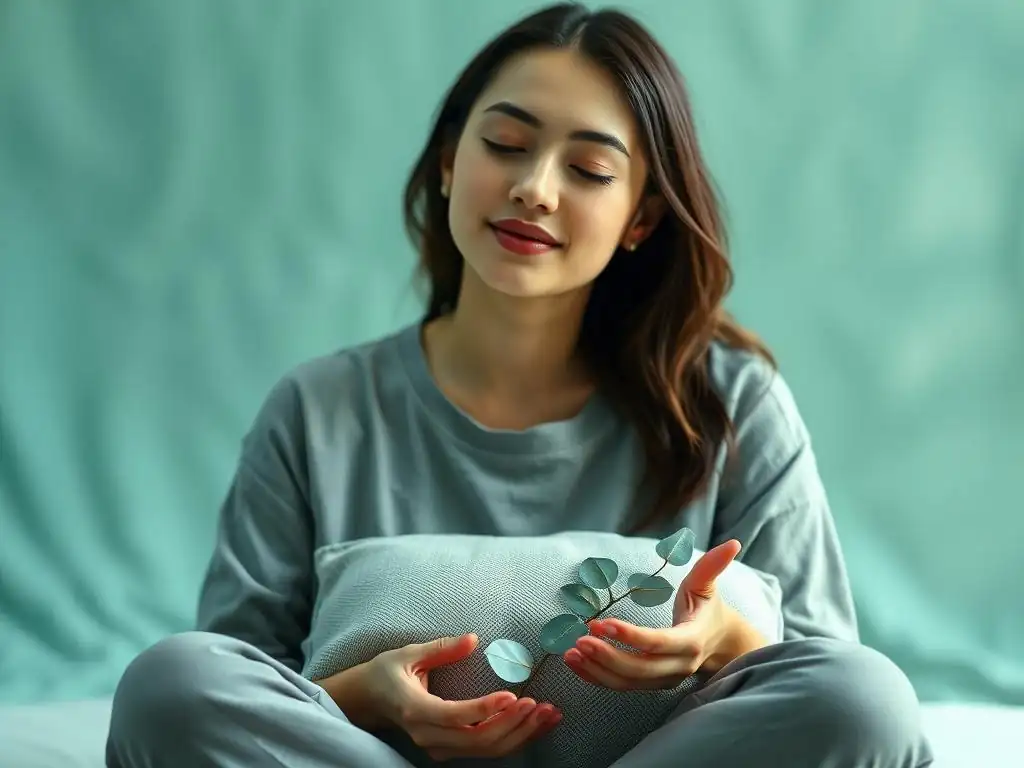
To practice diaphragmatic breathing, find a comfortable seated or lying position. Place one hand on your chest and the other on your belly just below the rib cage. Inhale slowly and deeply through your nose, allowing your belly to expand outward like a balloon while your chest remains relatively still.
Exhale slowly through pursed lips, feeling your belly gently contract inward. Aim for longer exhales than inhales, perhaps counting to four on the inhale and six or eight on the exhale. Practicing this for just a few minutes can significantly reduce immediate feelings of panic or stress, providing a readily accessible tool for calming the mind anytime, anywhere.
Alternate Nostril Breathing (Nadi Shodhana): Balancing the Mind
Alternate Nostril Breathing, or Nadi Shodhana, is a powerful pranayama technique aimed at balancing the flow of energy (prana) through the body's subtle channels (nadis), which is believed to harmonize the left and right hemispheres of the brain and balance the nervous system. This makes it exceptionally effective for yoga for anxiety relief as it promotes mental clarity, reduces stress, and instills a sense of calm equanimity. It is often practiced in a seated position with a comfortable, upright spine.
To practice Nadi Shodhana, use your right thumb to close your right nostril and inhale slowly and deeply through the left nostril. Then, close the left nostril with your ring finger, release the thumb from the right nostril, and exhale completely through the right. Inhale through the right nostril, close it with the thumb, release the ring finger from the left nostril, and exhale through the left.
This completes one round. Continue alternating nostrils for several minutes, focusing on the smooth, steady flow of breath. This rhythmic, controlled breathing pattern helps to soothe the nervous system and quiet the incessant chatter of an anxious mind.
The Power of Ujjayi Breath: Cultivating Inner Peace
Ujjayi breath, often translated as "victorious breath" or "ocean breath," is characterized by a gentle constriction at the back of the throat, creating a soft, audible sound during both the inhale and the exhale. This technique is commonly used throughout a physical yoga practice (asana) to link movement with breath and maintain focus. The sound itself can be meditative, helping to anchor the mind in the present moment and drown out distracting thoughts, which is invaluable for yoga for anxiety relief.
Practicing Ujjayi breath involves breathing deeply through the nose while slightly constricting the glottis, as if you are gently fogging a mirror with your breath, but with your mouth closed. The sound should be soft, like the gentle rolling of waves. This controlled, conscious breathing regulates the flow of prana and heat in the body, promoting a sense of calm energy.
The steady rhythm of the breath also helps to calm the fluctuations of the mind (chitta vritti), a core concept in yogic philosophy related to mental agitation. By providing a constant, soothing anchor, Ujjayi breath can help quiet the internal storm of anxiety and cultivate a sense of inner peace.
Mindfulness and Meditation in Yoga for Mental Clarity
Integrating Mindfulness into Your Yoga Practice
Mindfulness is the practice of paying deliberate attention to the present moment without judgment. While often discussed separately, mindfulness is an inherent component of yoga. Bringing mindfulness to your yoga practice transforms it from mere physical exercise into a powerful tool for yoga for anxiety relief. Instead of just going through the motions, you become acutely aware of the sensations in your body, the rhythm of your breath, and the thoughts and emotions that arise. This heightened awareness helps you notice patterns in your physical and mental responses to different poses or challenges on the mat.
Integrating mindfulness means consciously observing physical sensations – tightness, ease, balance, discomfort – with curiosity rather than reaction. It involves paying attention to the quality of your breath – is it shallow, deep, ragged, smooth? It also entails noticing the thoughts that pop up – worries, judgments, to-do lists – and practicing letting them pass without getting entangled in them.
This non-judgmental observation cultivates acceptance and detachment, skills that are crucial for managing anxiety. By training your mind to stay present on the mat, you build the capacity to stay present and less reactive to anxious thoughts and feelings in your daily life.
The Benefits of Meditation for Anxiety Reduction
Meditation, often practiced as part of or alongside yoga, is a focused training of attention and awareness that has significant benefits for reducing anxiety. Numerous studies have demonstrated that regular meditation practice can decrease symptoms of generalized anxiety disorder, panic disorder, and social anxiety. For example, research has shown that mindfulness-based stress reduction (MBSR), a program that incorporates meditation and yoga, can lead to measurable reductions in anxiety scores and improvements in coping mechanisms. One meta-analysis of studies indicated that meditation practice could reduce anxiety symptoms by a notable percentage across diverse populations.
Meditation helps to reduce anxiety by altering brain activity patterns, specifically by strengthening the connection between the prefrontal cortex (responsible for executive functions and rational thought) and the amygdala (the brain's fear center). This allows for a more measured response to potential threats rather than an immediate, overwhelming fear reaction. Meditation also cultivates a greater tolerance for uncomfortable thoughts and feelings, teaching you to observe them without being consumed by them. By creating mental space and reducing the mind's tendency to ruminate on worries, meditation is a powerful ally in the journey toward yoga for anxiety relief.
Developing a Consistent Yoga and Meditation Routine
Consistency is key to unlocking the full benefits of yoga for anxiety relief and integrating mindfulness and meditation into your life. While a single session can offer temporary calm, the transformative effects accumulate over time with regular practice. Aiming for even short, consistent sessions is more beneficial than infrequent long ones.
For instance, committing to 15-20 minutes of yoga and 5-10 minutes of meditation daily or several times a week can yield significant results. Finding a time that works best for you – perhaps first thing in the morning to set a calm tone for the day, or in the evening to unwind – is crucial for establishing a sustainable habit.
Developing a routine involves more than just scheduling; it's about creating a practice that feels accessible and enjoyable. Start small, perhaps with gentle poses and simple breath work. Explore different styles of yoga (like Hatha, Yin, or Restorative) and meditation techniques (like guided meditation, loving-kindness meditation, or body scan) to find what resonates with you. Remember that consistency doesn't mean perfection; some days might be shorter or less focused than others, and that's okay. The act of showing up consistently, even when you don't feel like it, reinforces your commitment to your well-being and gradually builds resilience against anxiety.
Beyond the Mat: Incorporating Yoga Principles into Daily Life
Cultivating Self-Awareness and Acceptance
One of the most profound benefits of yoga extends far beyond the physical poses: the cultivation of self-awareness and acceptance. Through mindful movement and breath, yoga encourages you to notice your physical sensations, emotional states, and thought patterns without immediate judgment. This heightened awareness, developed on the mat, becomes a powerful tool for yoga for anxiety relief in daily life. When anxiety arises, you become more adept at recognizing the early signs – the tightening in your chest, the racing thoughts, the feeling of restlessness – before they escalate.
More importantly, yoga fosters acceptance – acceptance of where you are in a pose, acceptance of challenging emotions, and acceptance of yourself, flaws and all. Anxiety often thrives on self-criticism and resistance to difficult feelings. By practicing non-judgmental observation and acceptance on the mat, you train your mind to approach your experiences, including anxiety, with greater compassion and less resistance. This doesn't mean resigning yourself to anxiety, but rather acknowledging its presence without adding fuel to the fire through self-recrimination or struggle. This cultivated self-compassion is a vital component of healing.
Applying Yoga Philosophy to Stressful Situations
Yoga is more than just a physical practice; it is a philosophy for living. Applying core yogic principles to daily stressful situations can significantly enhance yoga for anxiety relief. Concepts like Ahimsa (non-violence, including self-compassion), Santosha (contentment), and Ishvara Pranidhana (surrender or letting go) offer powerful frameworks for navigating challenges. When faced with a stressful event, instead of reacting with fear or frustration, you can pause and recall the principle of Ahimsa, choosing kindness towards yourself rather than self-blame.
The principle of Santosha encourages finding contentment in the present moment, even amidst difficulty, shifting focus away from what is lacking or going wrong. Ishvara Pranidhana reminds us that some things are beyond our control, encouraging a practice of letting go of the need to control every outcome. By consciously bringing these principles off the mat and into your interactions, decisions, and responses to stress, you create a mental and emotional buffer that reduces the grip of anxiety. This integration transforms yoga into a living practice that supports mental well-being around the clock.
Building Resilience Through Mindful Living
Mindful living, informed by yoga principles, is about intentionally engaging with your life in a way that builds resilience against stress and anxiety. It involves making conscious choices about how you spend your time, who you spend it with, and how you respond to challenges. Regular yoga and meditation practice strengthen the neural pathways associated with calm and focus, making you less susceptible to being overwhelmed by stressors. This isn't about avoiding stress but about developing the capacity to meet it with greater presence and less reactivity.
Building resilience through mindful living also involves prioritizing self-care, setting healthy boundaries, and cultivating gratitude. It means noticing and savoring positive experiences, not just dwelling on worries. It's about responding to difficult emotions with curiosity and self-compassion rather than avoidance or self-criticism.
By consistently applying the lessons learned on the mat – the awareness, the acceptance, the steady breath – to your daily life, you create a foundation of inner strength that helps you navigate the inevitable ups and downs with greater ease and a reduced burden of anxiety. This integrated approach is the ultimate goal of yoga for anxiety relief.
Yoga vs. Other Anxiety Treatments: A Comparative Analysis
Yoga as a Complementary Therapy for Anxiety
Yoga is increasingly recognized by healthcare professionals as a valuable complementary therapy for anxiety disorders. It is not typically presented as a standalone cure, especially for severe or complex cases, but rather as a powerful adjunct to traditional treatments like psychotherapy and medication. When combined with these approaches, yoga for anxiety relief can enhance their effectiveness by addressing the physical symptoms of anxiety, improving body awareness, and teaching coping mechanisms like breath control and mindfulness that supplement therapeutic strategies.
Integrating yoga into a treatment plan can provide individuals with a sense of empowerment and active participation in their healing journey. While therapy helps process underlying causes of anxiety and medication can address chemical imbalances, yoga offers practical, embodied tools for managing symptoms in real-time. Many therapists now recommend yoga to their clients as a way to manage stress, improve sleep, and increase overall resilience. A meta-analysis published in a mental health journal, for example, found that yoga interventions resulted in significant improvements in anxiety symptoms compared to control groups, supporting its role as a beneficial complementary treatment.
The Advantages of Yoga over Traditional Anxiety Medications
While anxiety medications are essential and life-saving for many, they can come with potential side effects such as drowsiness, weight changes, digestive issues, or dependence. Yoga for anxiety relief, in contrast, offers a non-pharmacological approach with very few risks when practiced safely and appropriately. Its "side effects" are generally positive, including improved physical fitness, flexibility, balance, and overall well-being. Yoga empowers the individual to actively participate in their healing process, rather than solely relying on external substances.
Furthermore, yoga addresses anxiety holistically, working on the mind, body, and spirit simultaneously. It doesn't just mask symptoms but helps to regulate the underlying physiological and psychological processes contributing to anxiety, such as nervous system dysregulation and negative thought patterns. While medication can provide crucial relief for acute or severe anxiety, yoga builds long-term coping skills and resilience. For individuals seeking alternatives or adjuncts to medication, or those experiencing mild to moderate anxiety, yoga presents a compelling option that promotes overall health alongside mental calm.
Integrating Yoga with Therapy for Holistic Mental Health
The most comprehensive approach to managing anxiety often involves integrating multiple modalities. Combining yoga for anxiety relief with psychotherapy, such as Cognitive Behavioral Therapy (CBT) or Acceptance and Commitment Therapy (ACT), creates a powerful synergy for holistic mental health. Therapy provides a space to explore the roots of anxiety, challenge negative thought patterns, and develop psychological coping strategies. Yoga complements this by providing practical tools to manage the physical sensations and emotional intensity of anxiety in the moment, and by cultivating the self-awareness and acceptance necessary to engage more effectively with therapeutic work.
For example, someone learning to challenge anxious thoughts in therapy might use yoga's grounding poses and breathwork to manage the physical discomfort that arises when confronting those thoughts. Or, someone practicing acceptance in therapy might use the non-judgmental awareness cultivated on the yoga mat to observe difficult emotions without resistance. This integrated approach addresses anxiety from multiple angles – psychological, physiological, and behavioral – leading to more robust and sustainable outcomes. Many mental health professionals are increasingly recognizing the value of this mind-body integration and recommending yoga as part of a comprehensive treatment plan.
Creating a Personalized Yoga Practice for Anxiety Relief
Identifying Your Specific Anxiety Triggers
To effectively utilize yoga for anxiety relief, it's beneficial to understand what specifically triggers or exacerbates your anxiety. Anxiety is not a monolithic experience; it can manifest differently for each person and be provoked by various internal or external factors. Triggers can include social situations, work stress, specific phobias, health worries, financial concerns, relationship issues, or even internal states like fatigue or hunger. Keeping a journal to track when your anxiety is highest and what was happening around that time can help you identify patterns and specific triggers.
Once you have a clearer understanding of your triggers, you can tailor your yoga practice to address them. For instance, if social situations trigger anxiety, practices that build confidence and grounding, like Warrior poses, might be helpful before an event. If rumination or racing thoughts are a trigger, focusing on breath control (pranayama) and meditation might be more beneficial. Identifying triggers allows you to proactively use specific yoga techniques as preventative measures or immediate coping tools, making your yoga for anxiety relief practice more targeted and effective.
Tailoring Your Yoga Routine to Your Individual Needs
A "one-size-fits-all" approach is rarely effective for managing something as personal as anxiety. Tailoring your yoga for anxiety relief routine to your individual needs, energy levels, and preferences is crucial for consistency and effectiveness. Consider what feels accessible and supportive on any given day. On days when anxiety is high and energy is low, a gentle restorative practice or simple diaphragmatic breathing might be most appropriate. When you feel restless or agitated, a more active flow or grounding standing poses might help release pent-up energy.
Your routine should also consider your physical capabilities and any existing health conditions. Start slowly, choose poses that feel comfortable and safe, and modify as needed using props. Explore different lengths of practice – even 5-10 minutes of mindful movement or breathing can make a difference. The goal is to create a practice that feels nurturing and empowering, not another source of pressure. Experiment with different times of day and different elements (poses, breath, meditation) to find what works best for you in managing your specific experience of anxiety.
Seeking Guidance from a Certified Yoga Therapist
While many online resources and general yoga classes offer valuable tools for yoga for anxiety relief, individuals with significant anxiety or specific mental health conditions may benefit greatly from seeking guidance from a certified yoga therapist. Yoga therapists have specialized training in applying yogic principles and practices to address specific physical and mental health challenges. They can conduct a thorough assessment of your individual needs, health history, and anxiety presentation to create a highly personalized and safe yoga practice plan.
A yoga therapist can guide you on specific poses, breath techniques, and meditation practices that are best suited for your unique situation. They can also help you understand the subtle ways anxiety manifests in your body and mind and teach you how to use yoga to regulate your nervous system more effectively.
They work collaboratively with other healthcare providers and understand how yoga fits within a broader treatment plan. Investing in sessions with a qualified yoga therapist can provide expert support and ensure that your yoga for anxiety relief practice is not only effective but also safe and tailored to your specific therapeutic goals.
Success Stories: Real-Life Examples of Yoga for Mental Well-being
Overcoming Panic Attacks with Yoga
Many individuals have found yoga for anxiety relief to be a powerful tool in managing and even overcoming panic attacks. Panic attacks are characterized by sudden, intense episodes of fear that trigger severe physical reactions when there is no real danger.
A common experience shared by those who use yoga is learning to recognize the early physiological signs of an impending attack – rapid heart rate, shortness of breath, dizziness – and using specific yoga techniques to intervene. For example, practicing slow, controlled diaphragmatic breathing (like the 4-7-8 technique or simple deep belly breaths) learned in yoga can help regulate the nervous system and prevent the escalation of symptoms.
One illustrative example involves a person named Sarah who experienced frequent, debilitating panic attacks. Through consistent yoga practice focused on breath awareness and grounding poses, she learned to stay present in her body during moments of rising panic rather than dissociating or spiraling into fearful thoughts.
She reported that using Ujjayi breath and rooting herself in Mountain Pose or a simple seated position helped her feel more anchored and in control during early signs of an attack. Over several months, the frequency and intensity of her panic attacks significantly decreased, attributing her newfound sense of self-regulation largely to her dedicated yoga for anxiety relief practice.
Social anxiety can make interactions with others incredibly challenging, often leading to avoidance behaviors and feelings of isolation. Yoga for anxiety relief can help individuals manage social anxiety by building self-confidence, reducing self-consciousness, and cultivating mindfulness. Practices that involve standing poses and finding balance can physically embody a sense of stability and presence, which translates psychologically to feeling more grounded in social situations. Group yoga classes themselves can also serve as a gentle way to practice being in a social setting in a supportive, non-judgmental environment.
Consider the case of David, who struggled with intense social anxiety that made networking events terrifying. Incorporating a regular Vinyasa flow practice helped him become more comfortable in his own skin and less focused on perceived external judgment. He found that the mindful movement and breath synchronicity quieted his internal critic.
Before attending social gatherings, he would practice a short sequence focusing on strong, open poses like Warrior II and Heart Openers, combined with Nadi Shodhana breathing, to feel more centered and less self-conscious. He reported feeling significantly more confident and able to engage in conversations, noting that his yoga for anxiety relief routine had fundamentally shifted his relationship with social situations.
Finding Inner Peace with Yoga After Trauma
Trauma can deeply impact the nervous system and contribute to chronic anxiety, hypervigilance, and difficulty feeling safe in one's body. Trauma-informed yoga practices specifically address these challenges by creating a safe, predictable environment and offering choices and gentle guidance to help individuals reconnect with their bodies without feeling overwhelmed. Yoga for anxiety relief in the context of trauma focuses on gentle movement, breath awareness, and cultivating a sense of agency and safety.
An example is Maria, a trauma survivor who experienced persistent anxiety and difficulty sleeping. She began attending a trauma-informed yoga class that emphasized gentle stretching, long holds in restorative poses, and guided breath work. The emphasis on feeling safe and in control of her own body's movements was crucial.
She learned to use Legs-Up-the-Wall pose before bed to calm her nervous system and practiced mindful breathing whenever she felt triggered during the day. Over time, she reported a significant reduction in her baseline anxiety levels, improved sleep quality, and a greater sense of inner peace and connection to her body, highlighting the profound capacity of yoga for anxiety relief in healing from traumatic experiences.
Conclusion: Embracing Yoga for a Calmer, More Resilient Mind
The Long-Term Benefits of Yoga for Mental Health
Embracing yoga as a consistent practice offers profound and lasting benefits for mental health, extending far beyond temporary stress reduction. Regular yoga for anxiety relief helps to fundamentally rewire the brain and nervous system, fostering greater resilience to stress, improved emotional regulation, and a more positive outlook. Over months and years of practice, individuals often report a significant decrease in the frequency and intensity of anxious feelings, a greater ability to navigate challenges without being overwhelmed, and a deeper connection to themselves.
The long-term benefits include improved sleep quality, reduced muscle tension, enhanced body image, and a stronger sense of self-efficacy – all factors that contribute to overall mental well-being and reduce vulnerability to anxiety. Yoga cultivates a sustainable state of calm alertness, allowing individuals to live more fully in the present moment rather than being consumed by worries about the future or regrets about the past. It is a journey of self-discovery and healing that builds a foundation for lasting peace and resilience.
Continuing Your Yoga Journey: Resources and Support
Embarking on or continuing your yoga for anxiety relief journey is a powerful step towards a calmer mind. There are numerous resources available to support your practice. You can find classes at local yoga studios, many of which offer beginner courses or specific workshops for stress and anxiety. Online platforms provide a vast library of classes, allowing you to practice anytime, anywhere, often with options for different styles and durations. Look for instructors who emphasize mindfulness, breath work, and a gentle approach.
Consider exploring different types of yoga to find what resonates most with you. Gentle Hatha, Restorative, Yin, and specific Trauma-Informed Yoga classes are often particularly beneficial for anxiety. Don't hesitate to use props – blankets, blocks, bolsters – to make poses more accessible and comfortable. Remember that consistency is more important than intensity.
Find a practice you enjoy and can stick with, even if it's just 15 minutes a day. If your anxiety is severe, consider seeking guidance from a certified yoga therapist or integrating yoga into your overall mental healthcare plan in consultation with a therapist or doctor. Your journey towards yoga for anxiety relief is personal, and finding the right support is key to its success.
Frequently Asked Questions
What specific styles of yoga are most effective for anxiety relief?
While all yoga can be beneficial, styles like Hatha, Restorative, and Yin yoga are often recommended due to their focus on slow movements, deep breathing, and mindfulness, promoting relaxation and reducing anxiety symptoms.
How does yoga help to regulate the nervous system and reduce anxiety?
Yoga helps regulate the nervous system through specific poses (asanas) and breathing techniques (pranayama), activating the parasympathetic nervous system (the "rest and digest" system) and calming the body's stress response. This leads to a reduction in anxiety symptoms.
How often should I practice yoga to experience noticeable anxiety relief?
Consistency is key. Aim for at least 3-4 sessions per week, even if they're just short 15-20 minute practices. Over time, this regular practice will help cultivate emotional resilience and reduce anxiety levels.
Can yoga be used as a standalone treatment for anxiety, or should it be combined with other therapies?
While yoga can significantly reduce anxiety, it's often most effective when combined with other therapies, such as therapy (e.g., CBT) or medication, especially for more severe cases of anxiety. Consider it as a complementary approach to holistic well-being.
What if I'm completely new to yoga and feel intimidated to start?
Start with beginner-friendly classes or online resources. Focus on listening to your body, avoiding overexertion, and modifying poses as needed. The goal is to create a safe and comfortable practice that promotes relaxation and self-compassion.
Final Reflection: Finding Stillness in a Restless World
The pervasive anxiety of modern life demands a powerful antidote, and the ancient practice of yoga offers just that. Its ability to calm the nervous system, quiet the racing mind, and cultivate a sense of inner peace is not merely anecdotal; it's increasingly supported by scientific research and the lived experiences of millions. This transformative power, once relegated to niche communities, is now recognized as a vital tool for navigating the complexities of the 21st century.
Yoga's influence extends far beyond the mat; it's reshaping our understanding of well-being, challenging the dominant narratives of productivity and achievement that often fuel anxiety. It encourages a gentler, more compassionate approach to self-care, reminding us that stillness and self-reflection are not luxuries, but necessities. The purpose of life, after all, is to live it, to taste experience to the utmost, to reach out eagerly and without fear for newer and richer experience.
– Eleanor Roosevelt. This quote speaks to the heart of yoga's transformative journey – a journey of embracing life fully, even amidst its challenges, by cultivating inner strength and resilience.
Consider the ways yoga has touched your life, or how it could. Perhaps it's time to explore the breathwork techniques discussed, to dedicate even a few minutes each day to mindful movement, or to simply find a quiet space to connect with your inner self. You deserve the peace and clarity that yoga offers. Embrace this journey of self-discovery, and allow the transformative power of yoga to guide you toward a calmer, more fulfilling life.
Unroll Your Mat and Unwind Your Mind
Thanks for taking the time to explore the transformative power of yoga with us! We hope you've gained a deeper understanding of how this ancient practice can reshape your mental wellbeing. Now it's time to put your newfound knowledge into action.
- Begin your yoga journey today: Even 10 minutes of mindful movement can make a difference. Find a quiet space, choose a beginner's routine, and experience the calm.
- Share your experience: Inspire others to embark on their own mental wellness journey. Tell your friends about what you've learned and encourage them to try a class.
- Explore different yoga styles: From Vinyasa's dynamic flow to the restorative power of Yin, discover the style that best suits your needs and preferences. Experiment and see what resonates with you!
Ready to experience the tranquility that yoga offers? What style of yoga will you explore first, and what are your goals for integrating it into your daily life?