
Finding Serenity: The Practice of Reflective Prayer


Welcome to Mind Care Guide, a haven for your mental well-being.
Feeling overwhelmed and searching for inner peace? In this article, we delve into the powerful practice of reflective prayer for anxiety, exploring how it can be a guiding light in navigating life's challenges. Discover how connecting with your inner self through prayer can unlock a path to serenity and lasting calm. Intrigued? Let's begin your journey to a more peaceful you...
Finding Serenity: The Practice of Reflective Prayer
- Understanding Reflective Prayer and its Benefits for Mental Well-being
- Implementing Reflective Prayer Techniques for Anxiety Relief
- Different Types of Reflective Prayer for Anxiety Management
- Cultivating a Consistent Reflective Prayer Practice
- The Science Behind Reflective Prayer and its Impact on Mental Health
- Reflective Prayer vs. Other Mindfulness Practices for Anxiety
- Advanced Techniques in Reflective Prayer
-
Frequently Asked Questions
- What is reflective prayer and how does it differ from other forms of prayer?
- How can reflective prayer specifically help with anxiety?
- Is reflective prayer tied to any specific religion or belief system?
- How often should I practice reflective prayer to see noticeable benefits for my anxiety?
- What are some practical tips for beginners starting with reflective prayer for anxiety?
- Final Reflection: Finding Peace in the Present Moment
- Unveil Your Inner Peace: Start Your Reflective Prayer Journey
Understanding Reflective Prayer and its Benefits for Mental Well-being
What is Reflective Prayer? A Deeper Look
Reflective prayer is a contemplative practice where individuals pause to consider their thoughts, feelings, and experiences in the light of their spiritual beliefs or higher power. Unlike petitionary prayer, which focuses on asking for things, or devotional prayer, which expresses adoration, reflective prayer centers on listening and discerning. It involves quiet introspection, often using scripture, spiritual texts, or simply the stillness of the moment as a focal point for contemplation. The goal is not necessarily to find immediate answers but to cultivate awareness, understanding, and a deeper connection to one's inner self and the divine.
This form of prayer encourages a gentle, non-judgmental observation of one's internal landscape. It might involve meditating on a specific passage, reflecting on a recent event, or simply sitting in silence, allowing thoughts and emotions to surface without attachment. The practice is accessible to individuals of various faith traditions or none, focusing on the universal human experience of seeking meaning and peace. Engaging in reflective prayer for anxiety can help individuals gain perspective on their worries, recognizing anxious thoughts without being consumed by them, fostering a sense of calm presence.
The Connection Between Reflective Prayer and Inner Peace
The consistent practice of reflective prayer is deeply linked to cultivating inner peace. By intentionally stepping away from the demands and distractions of daily life, individuals create space for calm. This pause allows the nervous system to settle, reducing the physiological responses often associated with stress and anxiety. It provides an opportunity to quiet the "noisy" parts of the mind that fuel worry and rumination, enabling a shift towards a more centered and tranquil state.
Furthermore, reflective prayer often involves acknowledging and processing difficult emotions or challenging circumstances within a supportive, spiritual framework. This process of acceptance and surrender, rather than resistance, can significantly reduce internal conflict and tension. Many find that reflecting on themes of grace, forgiveness, or resilience through prayer provides a stable anchor amidst life's storms, fostering a profound sense of peace that transcends external circumstances. This inner peace is a key outcome sought by those who turn to reflective prayer for anxiety relief.
How Reflective Prayer Can Alleviate Anxiety Symptoms
Reflective prayer offers a powerful approach to managing anxiety symptoms by addressing both the mental and emotional components of worry. The act of focusing the mind, even for a short period, helps to interrupt the cycle of anxious thoughts that often spiral out of control. Instead of being swept away by future-oriented worries or past regrets, reflective prayer encourages presence and a gentle return to the current moment, which is a foundational element in reducing anxiety's grip.
Moreover, reflective prayer can help reframe anxious thoughts by connecting them to a larger spiritual perspective. For someone experiencing overwhelming worry, reflecting on themes of trust, hope, or divine guidance can shift their focus from perceived threats to sources of strength and comfort. This cognitive reframing, combined with the physiological calming effect of quiet contemplation, can significantly lower stress hormones like cortisol and adrenaline, leading to a tangible reduction in physical anxiety symptoms such as rapid heart rate, shortness of breath, or muscle tension. Practicing reflective prayer for anxiety provides a structured way to engage with these benefits.
Implementing Reflective Prayer Techniques for Anxiety Relief
Preparing for Reflective Prayer: Creating a Quiet Space
Effective reflective prayer often begins with intentional preparation, starting with the creation of a quiet and undisturbed space. This doesn't require a dedicated prayer room; it could be a comfortable corner of your home, a bench in a park, or even just ensuring your phone is on silent and notifications are off. The key is to minimize external distractions that can pull your mind away from focused reflection. Finding a consistent time each day, even if just 10-15 minutes, can also signal to your mind and body that it's time to shift gears and enter a state of contemplation.
Consider adding elements that promote calm and focus, such as soft lighting, comfortable seating, or perhaps a meaningful object like a candle or a spiritual image. While these aren't strictly necessary, they can help create a sensory environment conducive to introspection. The physical act of preparing the space serves as a ritual, helping you transition from your busy day to a state of inner quietness, setting the stage for a meaningful session of reflective prayer for anxiety management.
Guided Reflective Prayer for Anxiety: Focusing on Gratitude
Guided reflective prayer can be particularly helpful for those new to the practice or struggling with persistent anxious thoughts. Focusing on gratitude is a powerful technique within this framework. A guided session might involve listening to a recording or following a script that prompts you to reflect on specific things you are thankful for, no matter how small. This deliberate shift in focus from what is wrong or worrisome to what is right and positive can significantly counteract the negative bias often present in anxious minds.
For example, a guided reflection might ask you to consider three simple things from your day you are grateful for – perhaps the taste of your morning coffee, a kind word from a friend, or the comfort of your home. Spending time truly feeling the gratitude associated with these things engages different neural pathways than those associated with worry. Regular practice of gratitude-focused reflective prayer for anxiety has been shown in various studies to improve mood and reduce perceived stress levels, making it a valuable tool in a mental wellness toolkit.
Using Scripture and Mantras in Reflective Prayer for Calmness
Integrating scripture or spiritual mantras into reflective prayer provides a focal point and source of calming truth. For individuals within a faith tradition, a chosen scripture passage can serve as a starting point for contemplation. Reading it slowly, perhaps several times, and reflecting on its meaning and how it resonates with your current experience can offer comfort, guidance, or a shift in perspective. For instance, reflecting on a passage about peace or trust can be particularly beneficial when feeling anxious.
Similarly, repeating a mantra – a word, phrase, or short prayer – can help quiet the mental chatter that often accompanies anxiety. This could be a traditional spiritual phrase like "Be still and know," or a simple affirmation like "I am safe," "I am calm," or "Peace begins with me." The gentle, rhythmic repetition helps anchor the mind and body in the present moment, creating a meditative effect. Using scripture or mantras in reflective prayer for anxiety provides a structured way to direct your focus towards calming, supportive thoughts.
Different Types of Reflective Prayer for Anxiety Management
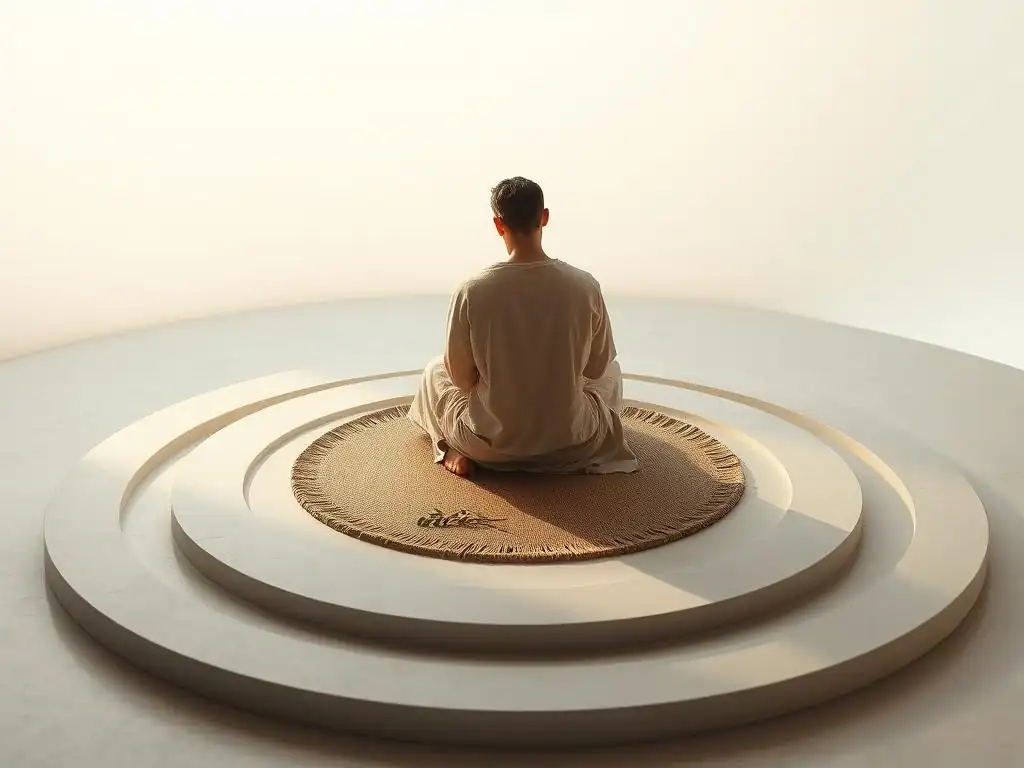
Centering Prayer: Finding Stillness in the Present Moment
Centering Prayer is a method of contemplative prayer that focuses on achieving inner stillness and resting in the presence of the divine. It typically involves choosing a sacred word as a symbol of your intention to consent to God's presence and action within. When thoughts inevitably arise (and they will, especially with an anxious mind), the practice is to gently return to the sacred word, letting the thoughts go without engaging with them. This simple, yet profound, act of letting go trains the mind to release attachment to thoughts, including anxious ones.
Practicing Centering Prayer for 10-20 minutes daily can significantly reduce mental clutter and foster a sense of calm presence. It's not about emptying the mind entirely, but about cultivating a detachment from the constant stream of thinking. This detachment is incredibly valuable for managing anxiety, which is often fueled by identifying too closely with fearful thoughts. Through consistent Centering Prayer, individuals build the capacity to observe their anxiety without being overwhelmed by it, finding a deeper sense of peace beneath the surface turbulence.
Lectio Divina: Reflective Reading for Spiritual Growth and Anxiety Reduction
Lectio Divina, meaning "divine reading," is a traditional monastic practice of scripture reading, meditation, prayer, and contemplation. It's a slow, reflective engagement with a short passage of scripture, moving through distinct stages. First, Lectio (reading) involves reading the text slowly, listening for a word or phrase that stands out.
Second, Meditatio (meditation) involves reflecting on that word or phrase, pondering its meaning and how it relates to your life. Third, Oratio (prayer) is a response to the text, speaking to the divine from the heart. Finally, Contemplatio (contemplation) is resting in silence, in the presence of the divine, allowing the text to resonate deeply.
For someone dealing with anxiety, Lectio Divina offers a structured yet gentle way to engage with potentially calming or hopeful texts. The slow pace and focus on deep listening can counteract the hurried, racing thoughts characteristic of anxiety. By meditating on a passage that speaks of peace, trust, or resilience, individuals can internalize these themes on a deeper level than simply reading the words. This practice of reflective reading provides spiritual nourishment while simultaneously offering a pathway to reduce mental agitation and find solace.
Imaginative Prayer: Engaging Your Senses for Deeper Reflection and Peace
Imaginative prayer, often associated with the Ignatian tradition, invites you to use your imagination to place yourself within a scene, typically from a spiritual text or a meaningful life event. The goal is to engage all your senses and emotions as if you were truly present in that moment. For example, you might imagine yourself sitting beside a figure of peace, walking through a serene landscape described in scripture, or revisiting a moment where you felt truly safe and loved.
This type of reflective prayer can be particularly effective for anxiety because it grounds you in a vivid, positive mental experience, redirecting focus away from abstract worries. By engaging your senses – seeing the colors, hearing the sounds, feeling the textures, perhaps even smelling scents – you create a rich internal environment that can soothe the nervous system. Imagining yourself surrounded by peace or strength can be a powerful antidote to feelings of vulnerability and fear, offering a tangible sense of calm and security within your own mind.
Cultivating a Consistent Reflective Prayer Practice
Setting Realistic Goals for Daily Prayer and Reflection
Cultivating a consistent practice of reflective prayer for anxiety requires setting realistic expectations, especially when starting out. Instead of aiming for lengthy, hour-long sessions, begin with a manageable goal, such as 5 or 10 minutes each day. Consistency is more important than duration initially. Choose a time that is likely to work for you – perhaps first thing in the morning before the demands of the day begin, during a quiet lunch break, or before bed to wind down.
Consider using a simple tracking method, like marking a calendar, to help build momentum and reinforce the habit. Be prepared for days when you miss your goal; life happens. The key is not perfection, but gentle persistence. If you miss a day, simply pick up again the next. Setting achievable goals makes the practice feel less daunting and more sustainable, increasing the likelihood that reflective prayer becomes a regular source of support for managing your anxiety.
Overcoming Challenges in Maintaining a Reflective Prayer Routine
Maintaining a reflective prayer routine, especially when dealing with anxiety, can present challenges. One common hurdle is the "busy mind" – finding it difficult to quiet racing thoughts or feeling like the time spent isn't "effective." It's important to remember that the goal is not to eliminate thoughts, but to cultivate a non-judgmental awareness of them and gently return to your intention. Be patient with yourself; it's a practice, not a performance.
Another challenge can be finding the time amidst a demanding schedule. This is where realistic goal-setting is crucial. Look for pockets of time you might not have considered – during your commute (if not driving), while waiting for an appointment, or even breaking up a longer session into two shorter ones. External factors like noise or interruptions can also be disruptive; try to create as quiet a space as possible, but also practice accepting that perfection isn't always attainable. The effort to engage in reflective prayer for anxiety, even imperfectly, is valuable.
Integrating Reflective Prayer into Your Daily Life for Lasting Serenity
Integrating reflective prayer into the fabric of your daily life is key to achieving lasting serenity and effectively managing anxiety. Beyond dedicated prayer sessions, look for opportunities to weave moments of reflection into your day. This could be a minute of mindful breathing and gratitude before eating a meal, a brief pause to appreciate nature during a walk, or a moment of quiet reflection before starting a challenging task.
Think of these small moments as "micro-reflections" that reinforce the benefits of your longer practice. They help maintain a state of presence and calm throughout the day, preventing anxiety from building up unnoticed. By making reflective prayer a natural part of your rhythm, you create a continuous connection to your inner peace and spiritual resources, providing a consistent anchor against the waves of anxiety. Over time, this integration transforms reflective prayer from a separate activity into a way of being.
The Science Behind Reflective Prayer and its Impact on Mental Health

Studies on the Effectiveness of Prayer for Anxiety
Research into the effects of prayer on mental health, including anxiety, has yielded promising results, though the field is complex due to the subjective nature of spiritual experience. Numerous studies suggest a correlation between religious and spiritual practices, including prayer, and reduced symptoms of anxiety and depression.
For instance, a review published in the Journal of Religion and Health analyzing multiple studies found that spiritual practices were often associated with lower anxiety levels among various populations. While specific studies focusing solely on reflective prayer for anxiety are fewer, the mechanisms involved – such as mindfulness, cognitive reframing, and fostering a sense of connection – overlap significantly with practices proven to reduce stress.
Some studies use subjective measures like self-reported anxiety scales, showing that individuals who engage in regular prayer report feeling less anxious. Others look at physiological markers. For example, research on contemplative practices, which include elements of reflective prayer, has indicated potential changes in brain activity patterns associated with reduced reactivity to stress and increased emotional regulation. While more targeted research on reflective prayer specifically is needed, the existing evidence base for prayer and related contemplative practices points towards a positive impact on anxiety management.
How Reflective Prayer Affects the Brain and Nervous System
Reflective prayer appears to impact the brain and nervous system in ways that promote calm and reduce anxiety. Neuroimaging studies on experienced meditators and individuals engaged in contemplative prayer show increased activity in areas of the brain associated with attention, emotional regulation (like the prefrontal cortex), and decreased activity in areas linked to the "default mode network," which is often active during mind-wandering and self-referential worrying.
Furthermore, the slow, rhythmic breathing often adopted during reflective prayer activates the parasympathetic nervous system, the body's "rest and digest" system. This counteracts the "fight or flight" response triggered by the sympathetic nervous system during anxiety. This physiological shift leads to a lower heart rate, reduced blood pressure, and decreased muscle tension. The combination of altered brain activity and nervous system regulation provides a biological basis for how reflective prayer can alleviate the physical and mental symptoms of anxiety.
The Role of Spirituality in Mental Health Recovery
Spirituality, often expressed through practices like reflective prayer, plays a significant role in mental health recovery for many individuals. It can provide a framework for understanding suffering, offer a sense of purpose and meaning, and foster hope. For someone struggling with anxiety, connecting with a spiritual belief system or a higher power can provide a sense of being supported, less alone, and part of something larger than themselves.
This sense of connection, whether to a divine entity, a spiritual community, or a personal inner source of strength, can build resilience. Spirituality can help individuals develop coping mechanisms, find acceptance of their challenges, and cultivate virtues like patience and trust. Numerous mental health professionals recognize the value of integrating spiritual practices into therapy and recovery plans, acknowledging that for many, spiritual well-being is intricately linked to overall mental and emotional health. Reflective prayer for anxiety is one avenue through which individuals can tap into these spiritual resources to support their recovery journey.
Reflective Prayer vs. Other Mindfulness Practices for Anxiety
Comparing Reflective Prayer to Meditation Techniques
Reflective prayer shares many similarities with secular meditation techniques, particularly mindfulness meditation, in its ability to cultivate presence and reduce reactivity to thoughts. Both practices involve setting aside time to quiet the mind, focusing attention (whether on breath, a mantra, or a spiritual text), and gently returning to the focus when the mind wanders. Both have demonstrated efficacy in reducing anxiety and improving emotional regulation by calming the nervous system.
The primary difference lies in the intention and framework. While secular meditation often focuses on cultivating present-moment awareness for its own sake or for general well-being, reflective prayer is typically rooted in a spiritual or religious context. It often involves an intention to connect with a higher power, seek spiritual insight, or align oneself with divine will. For someone seeking reflective prayer for anxiety specifically, the spiritual dimension can add an extra layer of meaning, hope, and perceived support that might resonate more deeply than a purely secular approach.
Combining Reflective Prayer with Other Mental Wellness Strategies
Reflective prayer is not a standalone cure for anxiety but can be a powerful complementary practice when combined with other mental wellness strategies. It works well alongside therapeutic interventions such as Cognitive Behavioral Therapy (CBT) or Acceptance and Commitment Therapy (ACT), which teach skills for managing thoughts and behaviors. Reflective prayer can enhance the self-awareness gained in therapy and provide a spiritual context for processing insights and emotions.
Integrating reflective prayer with mindfulness exercises, deep breathing techniques, regular physical activity, and healthy lifestyle choices creates a holistic approach to managing anxiety. For example, a few minutes of reflective prayer can be a calming way to start the day before engaging in other coping strategies. This integrated approach acknowledges that mental well-being is multifaceted and that combining different tools often yields the most effective results for sustained relief from anxiety symptoms.
Choosing the Right Practice for Your Individual Needs
Deciding whether reflective prayer is the right practice for managing your anxiety depends largely on your personal beliefs, comfort level, and preferences. If you have a spiritual or religious background, or are open to exploring one, reflective prayer might feel like a natural and deeply meaningful path. The spiritual framework can provide a powerful source of comfort and resilience.
However, if you are not drawn to spiritual or religious concepts, purely secular mindfulness or meditation practices might be a better fit. It's important to choose a practice that feels authentic and accessible to you, as consistency is key to reaping the benefits. You might even experiment with different methods – trying reflective prayer, mindfulness meditation, or other contemplative techniques – to see which resonates most effectively with you in your journey toward reducing anxiety and finding inner peace.
Advanced Techniques in Reflective Prayer
Journaling and Reflective Prayer: Deepening Your Self-Awareness
Combining journaling with reflective prayer can significantly deepen the practice and enhance self-awareness, which is crucial for understanding and managing anxiety triggers. After a period of quiet reflection or contemplative prayer, take some time to write down any thoughts, feelings, insights, or images that arose. This isn't about writing perfect prose, but about capturing the raw output of your reflection.
Journaling provides a tangible record of your inner landscape and your spiritual journey. Reviewing past entries can reveal patterns in your anxious thoughts, highlight moments of peace, and track your progress over time. It allows for further processing of the insights gained during prayer, helping you integrate them into your daily life. For instance, if a reflective prayer session brought a sense of peace about a specific worry, journaling about it can help solidify that feeling and provide a reference point the next time that worry arises.
Group Reflective Prayer: Finding Support and Connection
Engaging in reflective prayer within a group setting can offer unique benefits, particularly the sense of support and connection. While reflective prayer is often a solitary practice, sharing quiet contemplation with others can create a powerful collective energy and a feeling of not being alone in your struggles or spiritual journey. This is especially valuable when dealing with anxiety, as isolation can often exacerbate symptoms.
Group reflective prayer might involve guided meditations, shared silence, or reflecting on a common text or theme. Knowing that others are simultaneously engaged in a similar practice can foster a sense of solidarity. While personal reflection remains key, the shared space provides a sense of community and mutual encouragement. Many find that the support of a group makes maintaining a consistent practice easier and more fulfilling.
Using Music and Art in Reflective Prayer for Enhanced Creativity and Calm
Incorporating creative elements like music and art into reflective prayer can open up new pathways for expression and deepen the contemplative experience, offering unique ways to manage anxiety. Listening to calming instrumental music before or during reflection can help quiet the mind and set a peaceful atmosphere. Music can evoke emotions and states of being that words sometimes cannot, facilitating a deeper spiritual connection.
Similarly, using art supplies – drawing, painting, or even simple doodling – during or after reflective prayer can be a non-verbal way to process feelings, insights, or spiritual experiences. You might create a visual representation of a scripture passage you reflected on, sketch symbols of peace or hope that emerged, or simply draw to release tension. This creative expression can bypass the analytical mind, which is often overactive in anxiety, allowing for a more intuitive and calming form of reflection.
Frequently Asked Questions
What is reflective prayer and how does it differ from other forms of prayer?
Reflective prayer focuses on deep contemplation and inner awareness, unlike petitionary prayer which asks for specific things. It's about listening for guidance rather than actively requesting it.
How can reflective prayer specifically help with anxiety?
It helps by slowing down racing thoughts and fostering a sense of calm and presence. Reflective prayer allows you to process anxious feelings in a safe and mindful way.
Is reflective prayer tied to any specific religion or belief system?
While often associated with religious practices, reflective prayer can be adapted for secular mindfulness practices. The core principle is self-reflection and inner peace, accessible to anyone.
How often should I practice reflective prayer to see noticeable benefits for my anxiety?
Consistency is key; even 10-15 minutes daily can yield positive results. The benefits are cumulative, so regular practice is more important than long sessions.
What are some practical tips for beginners starting with reflective prayer for anxiety?
Find a quiet and comfortable space. Focus on your breath, and gently observe your thoughts without judgment. Use prompts or guided meditations if needed.
Final Reflection: Finding Peace in the Present Moment
The practice of reflective prayer isn't just a historical spiritual exercise; it's a vital tool for navigating the anxieties of the modern world. In a society constantly bombarded with information and demands, finding moments of quiet contemplation offers a powerful antidote to the pervasive stress that threatens our well-being. This ability to pause, reflect, and connect with a higher power or inner self is more crucial now than ever before.
Reflective prayer, as explored in this article, has profoundly shaped my own understanding of anxiety and its management. It's not about silencing the noise entirely, but about creating space to understand it, to process it, and to find a sense of peace amidst the chaos. As the theologian Thomas Merton wisely stated, The purpose of prayer is not to change God, but to change ourselves.
This resonates deeply, highlighting how reflective prayer isn't about demanding answers but about cultivating a deeper connection with oneself and a higher power, fostering resilience in the face of anxiety.
Now, I invite you to consider how you might integrate reflective prayer into your own life. Perhaps begin with just five minutes a day, a quiet space where you can simply breathe, listen, and reflect. Don't be afraid to experiment with different approaches – journaling, guided meditation, or simply conversing with your higher power in your own words. The journey towards serenity is a personal one, but the rewards of finding peace in the present moment are immeasurable. Embrace the practice, and discover the transformative power of reflective prayer for yourself.
Unveil Your Inner Peace: Start Your Reflective Prayer Journey
Thanks for taking the time to explore the powerful practice of reflective prayer with Mind Care Guide. We hope you found valuable insights into finding serenity and connecting with your inner self. Ready to deepen your practice?
- Begin your daily reflective prayer session today: Set aside even just 5 minutes to experience the transformative power of quiet contemplation. Notice the difference in your day.
- Share your experiences: Connect with others on their reflective prayer journeys. Share your insights and reflections to inspire and support each other. This is an excellent way to foster community and spread positivity.
- Explore guided meditations: Enhance your reflective prayer with focused guided meditations to help you find greater stillness and peace.
What unique insight did your reflective prayer session bring you today, and how will you integrate it into your life?