
Thoughtful DIY SelfCare Gift Ideas to Show Caregivers You Understand Their Struggle

Welcome to Mind Care Guide, a sanctuary for understanding and nurturing your mental well-being.
Feeling overwhelmed and searching for meaningful ways to support a caregiver in your life? In this article, we delve into DIY selfcare gift ideas – more than just presents, they're tangible expressions of empathy and understanding for the unique challenges they face. Discover how a little thoughtfulness can make a profound difference in their journey. Read on to explore gifts that truly resonate and offer genuine support.
Thoughtful DIY Self-Care Gift Ideas to Show Caregivers You Understand Their Struggle
- Introduction: Why DIY Self-Care Gifts Matter for Caregivers
- DIY Relaxation Gifts for Caregivers: Creating a Sanctuary
- DIY Pampering Gifts for Caregivers: Encouraging Self-Love
- DIY Comfort Gifts for Caregivers: Providing Warmth and Support
- Packaging and Presentation: Making Your DIY Self-Care Gift Extra Special
- Conclusion: Empowering Caregivers Through DIY Self-Care Gifts
-
Frequently Asked Questions
- What are some DIY self-care gift ideas that are easy to make for caregivers?
- How can I personalize a DIY self-care gift to show a caregiver I understand their specific struggles?
- What are some budget-friendly DIY self-care gift ideas for caregivers?
- What are the benefits of giving a DIY self-care gift versus a store-bought one?
- Where can I find inspiration and recipes for DIY self-care gifts?
- Final Reflection: The Unsung Power of Thoughtful Self-Care
- Unleash Your Inner Caregiver: Show Your Appreciation Today!
Introduction: Why DIY Self-Care Gifts Matter for Caregivers
Acknowledge the Caregiver's Burden: The Importance of Supporting Mental Well-being
Caregivers often shoulder immense responsibilities, navigating complex emotional, physical, and logistical challenges daily. This constant demand can lead to significant stress, burnout, and even impact their own mental and physical health. Studies, like those often cited by organizations supporting caregivers, indicate that a substantial percentage report high levels of stress and a lack of personal time, highlighting a critical need for support systems that acknowledge and alleviate this burden. Their dedication, while invaluable, frequently comes at the cost of their own well-being, making self-care not a luxury but a necessity.
Understanding the unique pressures faced by caregivers is the first step in providing meaningful support. They are often focused entirely on the needs of others, leaving little room or energy for their own. Recognizing this struggle and actively seeking ways to help them prioritize their mental health is a powerful act of empathy. Thoughtful gestures that encourage moments of respite and self-care can make a significant difference in their ability to cope and maintain their own resilience over the long term.
Show Your Understanding: Why DIY Gifts Offer a Personal Touch
In a world of mass-produced items, a handmade gift carries a unique weight – it signifies time, effort, and personal consideration. For a caregiver who may feel unseen or unappreciated in their demanding role, receiving a DIY selfcare gift ideas that you personally crafted sends a powerful message: "I see you, I appreciate you, and I took the time to create something specifically for your well-being." This personal investment transforms the gift from a simple item into a tangible expression of empathy and support, directly addressing their need for recognition and care.
Unlike store-bought items, DIY self-care gifts can be tailored precisely to the caregiver's preferences and needs. Do they prefer calming scents like lavender or invigorating ones like citrus? Are they more likely to use a bath product or something for relaxation before sleep? Knowing these details and incorporating them into a handmade item demonstrates a deep level of understanding and connection. This personalization makes the gift not just useful, but deeply meaningful, reinforcing the idea that their individual comfort and well-being are truly valued.
DIY Self-Care Gifts: A Budget-Friendly and Thoughtful Approach
Creating DIY selfcare gift ideas doesn't require a large financial outlay. Many effective self-care items can be made using readily available ingredients or craft supplies, making them accessible options for showing care without breaking the bank. For example, ingredients for a homemade sugar scrub or bath bomb might cost just a few dollars, far less than their retail counterparts, yet the personal touch adds immeasurable value. This affordability allows individuals to give thoughtful gifts even on a limited budget, making it easier to regularly show support.
Beyond the cost savings, the act of making something yourself adds a layer of thoughtfulness that purchased items often lack. It involves dedicating time and energy, which are precious commodities, especially in busy lives. This investment of personal resources communicates genuine care and effort. When a caregiver receives a handmade item, they receive not just the gift itself, but also the time and love that went into creating it, making these DIY self-care gifts profoundly meaningful and impactful.
DIY Relaxation Gifts for Caregivers: Creating a Sanctuary
How to Make a Calming Essential Oil Blend for Stress Relief
A custom essential oil blend can be a potent tool for stress relief, offering a moment of calm amidst a hectic day. Creating your own allows you to select scents known for their calming properties and tailor the strength to the caregiver's preference. These blends can be used in diffusers, added to baths, or diluted with a carrier oil for topical application. The process of blending itself can also be a mindful activity for the giver, further imbuing the gift with positive energy.
To make a topical blend, you'll need a carrier oil like fractionated coconut oil, jojoba oil, or sweet almond oil, and therapeutic-grade essential oils. A common and safe dilution for adult topical use is around 2-3%, meaning for every 100 drops of carrier oil, you add 2-3 drops of essential oil. For a standard 10ml roller bottle (approximately 200 drops of carrier oil), this translates to about 4-6 drops of total essential oil. Always ensure the essential oils are safe for the intended use and dilution.
Choosing the Right Essential Oils for Anxiety: Lavender, Chamomile, and Frankincense
Certain essential oils are widely recognized for their calming and anxiety-reducing properties, making them ideal choices for a caregiver's self-care blend. Lavender (Lavandula angustifolia) is perhaps the most famous, known for promoting relaxation and improving sleep quality. Studies have shown its efficacy in reducing anxiety levels in various settings. German Chamomile (Matricaria recutita) and Roman Chamomile (Chamaemelum nobile) are also potent calming agents, often used to soothe nerves and promote a sense of peace.
Frankincense (Boswellia carterii or serrata) is another excellent addition, known for its grounding and calming effect, often used in meditation and relaxation practices. Bergamot (Citrus bergamia) can also be beneficial, as it has uplifting properties that can help balance mood while still being calming – though note that cold-pressed Bergamot is phototoxic and should be used with caution or a bergaptene-free variety should be chosen for topical use. Combining a few of these oils can create a synergistic effect, enhancing the overall calming benefit of the DIY selfcare gift ideas.
Step-by-Step Guide: Blending and Packaging Your Relaxation Oil
Creating your essential oil blend is straightforward. You'll need a clean glass bottle, preferably dark glass to protect the oils from light. Roller bottles are excellent for easy topical application.
- [ ] Select your clean glass bottle (e.g., 10ml roller bottle).
- [ ] Choose your essential oils based on their properties and the caregiver's potential preferences (e.g., Lavender, Frankincense, Chamomile).
- [ ] Carefully add the chosen essential oils to the bottle. For a 10ml bottle, start with 4-6 total drops. A simple blend could be 3 drops Lavender and 2 drops Frankincense.
- [ ] Fill the remainder of the bottle with your chosen carrier oil (e.g., fractionated coconut oil), leaving a small space at the top for the rollerball or dropper insert.
- [ ] Insert the rollerball or dropper and securely fasten the cap.
- [ ] Gently roll the bottle between your hands to mix the oils. Avoid shaking vigorously, which can introduce air bubbles.
- [ ] Create a label for the bottle, including the blend name (e.g., "Calm & Peace Blend"), the ingredients, and a note about diluting before use if it's a concentrate.
- [ ] Package the bottle thoughtfully, perhaps in a small fabric pouch or box, adding a tag explaining its use.
Crafting a Personalized Aromatherapy Diffuser Bracelet
An aromatherapy diffuser bracelet allows a caregiver to carry their calming scents with them throughout the day, providing discrete moments of stress relief whenever needed. These bracelets typically feature porous beads, often made from lava stone or wood, that absorb essential oils and slowly release the aroma. It's a wearable form of self-care that requires no effort during a busy day – simply add a drop or two of oil and go.
Creating one is a simple crafting project that even beginners can manage. You'll need elastic cord or jewelry wire, lava stone beads (usually 6mm or 8mm), and other decorative beads if desired. Measure the caregiver's wrist if possible, or aim for an average size (around 7 inches for women, 8 inches for men), adding a bit extra for knotting. The lava beads are the key functional component, while other beads can add color and style.
Selecting Diffuser Beads and a Durable Bracelet Cord
Lava stone beads are the most popular choice for diffuser bracelets due to their porous texture, which effectively absorbs and retains essential oils for several hours or even a day. They come in various sizes and natural colors, primarily black or dark gray. Wooden beads, particularly those made from absorbent wood types, can also work, offering a different aesthetic. When selecting beads, consider the caregiver's style – do they prefer minimalist designs or something more decorative?
For the cord, durability is key as the bracelet will be worn frequently. Strong elastic cord (like 0.7mm or 1mm thickness) is easy to use and allows the bracelet to stretch, making it simple to put on and take off. Alternatively, jewelry wire with a clasp can be used for a more secure fit, though this requires basic jewelry-making tools like crimping pliers. Ensure the cord fits through the bead holes.
Promoting Mindfulness: How Aromatherapy Can Aid Caregiver Relaxation
The simple act of inhaling calming scents from a diffuser bracelet can serve as a cue for mindfulness and relaxation throughout a stressful day. When a caregiver feels overwhelmed, they can simply lift their wrist and take a deep breath, focusing on the aroma. This brief pause interrupts the stress response and provides a moment to reset. Essential oils like peppermint can also offer a quick pick-me-up when energy levels dip, offering versatile support.
Aromatherapy works by stimulating olfactory receptors that connect to the limbic system, the part of the brain involved in emotions, memory, and stress response. Inhaling calming oils can help lower heart rate, reduce cortisol levels, and promote feelings of tranquility. Providing a DIY selfcare gift ideas like an aromatherapy bracelet empowers the caregiver to access these benefits discreetly and effectively whenever they need a moment of peace, turning a simple accessory into a powerful self-care tool.
DIY Lavender Eye Pillow for Deep Relaxation
A weighted eye pillow filled with calming herbs like lavender can provide deep relaxation, soothe tired eyes, and block out light for moments of rest or meditation. The gentle weight on the eyes and forehead can trigger a relaxation response, and the aroma of lavender is known to promote calmness and improve sleep. This is a simple sewing project, making it an achievable DIY selfcare gift ideas for many skill levels.
To make an eye pillow, you'll typically need two pieces of soft fabric, a filling material like flaxseeds or rice for weight, and dried organic lavender buds for aroma. A standard size is about 4x9 inches, but you can adjust this. Using organic lavender ensures the caregiver isn't exposed to pesticides, and choosing a soft, breathable fabric like cotton or silk adds to the comfort.
Sourcing Organic Lavender and Soft Fabric
Finding quality organic lavender is important for both its therapeutic properties and safety. Look for culinary or therapeutic grade dried lavender flowers from reputable suppliers. About 1/4 to 1/2 cup of dried lavender is usually sufficient for one eye pillow, depending on desired aroma strength. For the fabric, choose something gentle on the skin, such as soft cotton flannel, jersey knit, or even repurposed silk. Avoid scratchy or synthetic materials that could irritate the delicate skin around the eyes.
You'll need two fabric pieces of your desired size, plus a small seam allowance (about 1/2 inch). For a 4x9 inch finished pillow, cut two pieces approximately 5x10 inches. Pre-washing the fabric is a good idea, especially if using cotton, to prevent shrinkage later. Consider a fabric with a calming pattern or color that the caregiver would appreciate, adding another layer of personalization to this DIY selfcare gift ideas.
Sewing Instructions: Creating a Comforting and Aromatic Eye Pillow
Making a lavender eye pillow is a relatively quick sewing project. You can use a sewing machine or hand stitch it.
- [ ] Cut two pieces of your chosen soft fabric to size (e.g., 5x10 inches).
- [ ] Place the fabric pieces right sides together.
- [ ] Sew around the edge, leaving a gap of about 2-3 inches along one long side for turning and filling. Use a 1/2 inch seam allowance.
- [ ] Clip the corners to reduce bulk when turning.
- [ ] Turn the fabric right side out through the opening. Gently push out the corners.
- [ ] Prepare your filling: Combine approximately 1.5 to 2 cups of flaxseeds or rice with 1/4 to 1/2 cup of dried organic lavender buds in a bowl. Mix thoroughly.
- [ ] Using a funnel or spoon, fill the fabric bag with the seed and lavender mixture. Fill it about two-thirds to three-quarters full, allowing it to mold comfortably to the face. Do not overstuff.
- [ ] Once filled, carefully fold in the raw edges of the opening.
- [ ] Stitch the opening closed using a sewing machine or hand-sew with a ladder stitch for a nearly invisible seam.
- [ ] Gently distribute the filling evenly.
Benefits of Weighted Eye Pillows for Sleep and Stress Reduction
The gentle pressure of a weighted eye pillow can activate the vagus nerve, which plays a role in the body's relaxation response, potentially lowering heart rate and blood pressure. This can be particularly helpful for caregivers who struggle to switch off their minds at the end of the day. The weight helps block out light, signaling to the brain that it's time to rest and making it easier to fall asleep or deepen meditation.
Combined with the calming aroma of lavender, the eye pillow becomes a powerful tool for inducing a state of relaxation. It can be used before bed, during short breaks, or while lying down to rest tired eyes. For a caregiver experiencing tension headaches or eye strain from long hours, a warm eye pillow (heated gently in a microwave for 20-30 seconds – caution: check temperature carefully before use) can provide soothing relief. This DIY selfcare gift ideas offers a simple yet effective way to encourage restorative rest.
DIY Pampering Gifts for Caregivers: Encouraging Self-Love
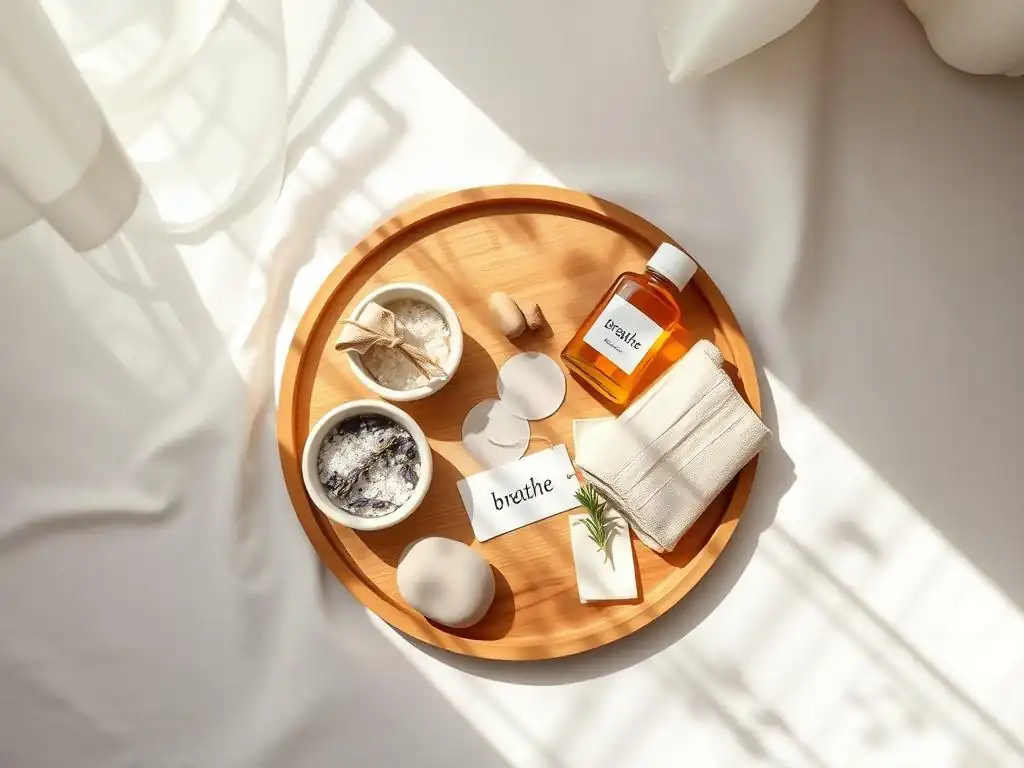
Homemade Sugar Scrub for Tired Hands and Feet
Caregivers' hands and feet often bear the brunt of their demanding work, becoming dry, rough, and tired. A luxurious homemade sugar scrub offers a simple yet effective way for them to exfoliate, moisturize, and revitalize their skin. This DIY selfcare gift ideas provides an opportunity for a few minutes of indulgent self-massage, promoting circulation and leaving skin feeling soft and smooth.
Sugar is a natural exfoliant, gently sloughing off dead skin cells, while the oil base provides intense hydration. Making the scrub yourself allows you to control the ingredients, ensuring they are natural and beneficial. You can also customize the scent with essential oils, turning a simple scrub into an aromatherapy experience tailored to the caregiver's needs – perhaps invigorating citrus for the morning or relaxing lavender for the evening.
The Power of Exfoliation: Rejuvenating Skin and Boosting Circulation
Exfoliation is a key step in skin care, removing the dull, dead cells that accumulate on the surface. For hands and feet, which are often exposed to harsh conditions or constant use, this is particularly important. Regular exfoliation with a sugar scrub helps to reveal brighter, healthier skin underneath. The granular texture of sugar provides mechanical exfoliation, while the rubbing motion stimulates blood flow.
Increased circulation brings fresh oxygen and nutrients to the skin cells, aiding in repair and rejuvenation. For tired feet that ache from standing or walking, a scrub can feel incredibly refreshing and help reduce swelling. Incorporating a scrub into a self-care routine, even just once a week, can significantly improve the look and feel of skin and provide a brief, therapeutic massage experience, making it a valuable component of DIY selfcare gift ideas.
Recipe: Combining Sugar, Oil, and Essential Oils for a Luxurious Scrub
Creating a sugar scrub is incredibly easy and requires just a few ingredients you likely have in your pantry.
- [ ] Gather your ingredients:
- 1 cup granular sugar (white or brown sugar works well)
- 1/2 cup carrier oil (such as coconut oil, olive oil, or almond oil)
- 10-20 drops of essential oil (optional, choose based on desired scent/benefit)
- A clean, airtight jar for storage.
- [ ] In a bowl, combine the sugar and the carrier oil. Stir well until all the sugar is coated and you have a consistency like wet sand. If it seems too dry, add a little more oil (a tablespoon at a time) until it reaches your desired consistency.
- [ ] If using essential oils, add them now and stir thoroughly to distribute the scent evenly.
- [ ] Carefully spoon the mixture into your clean, airtight jar.
- [ ] Decorate the jar with a label, ribbon, or tag. Include instructions for use:Massage a small amount onto damp skin (hands or feet), focusing on rough areas. Rinse thoroughly with warm water and pat dry.
DIY Bath Bombs for a Soothing Soak
A warm bath can be a sanctuary for a weary caregiver, and a homemade bath bomb elevates this simple act into a spa-like experience. The fizzing action, release of scent, and softening ingredients create a luxurious and relaxing soak. Making bath bombs is a fun DIY project, resulting in beautiful and therapeutic gifts that encourage the caregiver to take dedicated time for themselves.
Bath bombs typically contain a mix of baking soda (sodium bicarbonate) and citric acid, which react with water to create the fizz. Epsom salts are often included for their muscle-soothing properties, and oils like coconut or shea butter add moisture to the bathwater. Essential oils provide the aromatherapy benefits. While they require a bit more technique than a scrub, they are still an accessible DIY selfcare gift ideas.
Choosing Relaxing Scents: Epsom Salts, Baking Soda, and Essential Oils
The core ingredients for bath bombs are baking soda and citric acid, usually in a 2:1 ratio (e.g., 1 cup baking soda to 1/2 cup citric acid). Epsom salts (magnesium sulfate) are a popular addition, typically 1/4 to 1/2 cup per batch, known for helping to relax muscles and reduce tension – a common complaint among caregivers. A small amount of carrier oil (1-2 tablespoons) like coconut oil or shea butter adds moisture and helps bind the mixture.
For scent, focus on essential oils known for relaxation, such as lavender, chamomile, ylang-ylang, or frankincense. You'll typically use about 10-20 drops of essential oil per batch, depending on potency and desired strength. Adding a small amount of polysorbate 80 (about 1 teaspoon per batch) can help disperse the oils and prevent residue rings in the tub. You can also add natural colorants like mica powders (use cosmetic grade) or food coloring (use sparingly to avoid staining).
Step-by-Step Guide: Making Fizzing Bath Bombs
Making bath bombs requires careful mixing and a bit of patience to get the right consistency. Humidity can affect the process, so a dry day is ideal.
- [ ] In a large dry bowl, whisk together dry ingredients: 1 cup baking soda, 1/2 cup citric acid, 1/4 cup Epsom salts. Ensure no clumps remain.
- [ ] In a separate small bowl, mix wet ingredients: 1-2 tablespoons melted coconut oil or shea butter, 1 teaspoon polysorbate 80 (if using), 10-20 drops essential oil, and a few drops of colorant (if using).
- [ ] Very slowly add the wet ingredients to the dry ingredients, whisking constantly. It's crucial to add wet ingredients gradually (a few drops at a time) to avoid triggering the fizzing reaction prematurely. If the mixture starts to fizz, you're adding liquids too fast.
- [ ] Continue mixing until the mixture has the consistency of damp sand and clumps together when squeezed. If it's too dry, spritz very lightly with witch hazel or rubbing alcohol from a spray bottle, mixing immediately. Do not use water.
- [ ] Pack the mixture firmly into bath bomb molds (plastic or metal sphere molds work well). Overfill each half slightly and press them together firmly.
- [ ] Gently remove the bath bomb from the mold. Place it on a protected surface (like parchment paper on a tray) to dry.
- [ ] Allow the bath bombs to dry and harden completely for at least 24-48 hours. The longer they dry, the harder and more durable they will be.
- [ ] Once fully hardened, package them individually in shrink wrap or cellophane to protect them from moisture.
Crafting a Personalized Journal for Reflection and Gratitude
A journal is a powerful tool for mental well-being, offering a private space for caregivers to process emotions, track their experiences, practice gratitude, and manage stress. A personalized journal, created or customized specifically for them, transforms a simple notebook into a thoughtful invitation for self-reflection and emotional release. This DIY selfcare gift ideas encourages the often-overlooked practice of acknowledging their own feelings and needs.
You can create a personalized journal by selecting a beautiful, high-quality notebook and adding personal touches. This might involve decorating the cover, adding motivational quotes or affirmations throughout the pages, or even including specific prompts tailored to the caregiver experience. The act of writing itself can be therapeutic, helping to clarify thoughts and reduce anxiety, and having a dedicated, inviting space to do so makes it more likely they will engage in the practice.
Selecting a Beautiful Notebook and Quality Pens
The foundation of a great journal is a notebook that feels good to hold and write in. Look for one with sturdy binding (hardcover or spiral-bound) that will hold up to regular use. Consider the paper quality – thick paper prevents ink bleed-through, especially if the caregiver prefers using various pens. Size is also important; a smaller notebook might be easier to carry, while a larger one offers more space for extensive writing.
Choose a notebook style, color, or pattern that aligns with the caregiver's personality or preferences. Adding a set of quality pens that write smoothly can enhance the journaling experience. A pen that glides effortlessly across the page makes the process more enjoyable and less of a chore, encouraging consistent use of this valuable DIY selfcare gift ideas.
Prompts for Caregiver Self-Reflection and Stress Management
To make the journal even more helpful, you can include prompts or suggestions for how to use it for self-care and stress management. Write these directly on some pages, include them on a separate insert, or create a simple guide. Prompts can help overcome the initial hurdle of staring at a blank page.
Examples of prompts could include:
- What is one small thing you did for yourself today?
- List three things you are grateful for right now.
- Describe a moment today that brought you a sense of peace.
- Write about a challenge you faced today and one way you coped with it.
- What emotion are you feeling most strongly right now? Explore why.
- What is one boundary you need to set for yourself this week?
- Brainstorm ways to incorporate five minutes of rest into your day.
- What is one thing you appreciate about yourself as a caregiver?
- Write down any worries or anxieties you are holding onto.
- Imagine a moment of complete relaxation. Describe it in detail.
Including these prompts turns the journal into a guided self-care tool, explicitly showing the caregiver how this DIY selfcare gift ideas can be used to support their mental well-being.
DIY Comfort Gifts for Caregivers: Providing Warmth and Support
Knitted or Crocheted Blanket for Comfort and Security
A handmade blanket is a tangible symbol of warmth, comfort, and security – exactly what a caregiver might need after a long, emotionally draining day. Wrapping up in a soft, cozy blanket can provide a sense of being held and nurtured, offering a moment of physical and emotional respite. This DIY selfcare gift ideas requires time and skill, making it a deeply personal and valuable present.
Knitting or crocheting a blanket allows you to choose the perfect yarn for softness and warmth. The repetitive motion of creating the stitches can also be a meditative process for the maker, infusing the blanket with calm energy. While a large blanket can take time, even a smaller lapghan or shawl can offer significant comfort and shows a substantial investment of effort and care.
Choosing Soft and Cozy Yarn: Creating a Sensory-Friendly Blanket
The type of yarn you choose significantly impacts the comfort of the blanket. Look for fibers known for their softness and pleasant texture, such as merino wool (if the caregiver isn't sensitive to wool), alpaca, or high-quality acrylics designed to mimic natural fibers. Super bulky or jumbo yarns can create a wonderfully soft and heavy blanket quickly, offering a sense of comforting weight.
Consider the color as well – calming blues, greens, grays, or warm neutrals can enhance the relaxing quality of the blanket. Avoid scratchy or irritating fibers. Aim for a yarn that is easy to care for (machine washable is a plus for busy caregivers) and feels good against the skin. A sensory-friendly blanket, free from irritating textures or strong odors, adds to its therapeutic value as a DIY selfcare gift ideas.
Beginner-Friendly Knitting/Crocheting Patterns for Caregivers
Even if you're new to knitting or crocheting, there are many simple patterns suitable for creating a comfortable blanket. Basic stitches like the knit stitch (garter stitch) or single crochet stitch create dense, cozy fabrics that are perfect for blankets.
- Knitting: A garter stitch blanket is made by simply knitting every row. This creates a reversible, slightly textured fabric that lies flat and is very forgiving for beginners. Use large needles (e.g., size 15 or 17 US) with bulky or super bulky yarn for a fast project. Cast on a width you desire (e.g., 40-60 inches) and knit until the blanket reaches your desired length.
- Crocheting: A single crochet or double crochet blanket is also beginner-friendly. Using a large hook (e.g., size N or P) and bulky yarn will work up quickly. Chain the desired width (accounting for gauge) and then work rows of single or double crochet until the blanket is long enough. The moss stitch (alternating single crochet and chain spaces) is another simple pattern that creates a lovely texture.
Many free patterns are available online from yarn companies or crafting blogs, often specifying difficulty levels and required materials, making it easy to find a suitable project for your skill level and the desired DIY selfcare gift ideas.
Personalized Photo Album or Scrapbook Filled with Happy Memories
Caregiving can sometimes feel isolating and overwhelming, causing caregivers to lose touch with joyful moments or feel disconnected from their support systems. A personalized photo album or scrapbook filled with happy memories serves as a beautiful reminder of positive experiences, cherished relationships, and moments of joy that can provide emotional grounding and a sense of connection. This DIY selfcare gift ideas is deeply personal and can be incredibly uplifting.
Gather photos of happy times spent together, pictures of beloved family members and friends, or images that represent shared positive experiences. Arranging these photos thoughtfully in an album or scrapbook, perhaps adding captions, dates, or brief anecdotes, transforms a collection of pictures into a narrative of warmth and connection. It's a tangible way to show the caregiver they are loved and that the happy moments are remembered and valued.
Gathering Cherished Photos and Mementos
Collecting the materials for this DIY selfcare gift ideas is part of its charm. Reach out to family members and close friends to gather a variety of photos. Look for candid shots that capture genuine smiles, laughter, or meaningful interactions. Consider including photos from special events, holidays, or simple everyday moments that were filled with joy.
Beyond photos, you can include small mementos like ticket stubs from an outing, a dried flower from a shared garden, or a handwritten note or card. These items add layers of texture and memory to the album, making it a rich tapestry of shared life and positive experiences. Curating these items shows effort and deep personal investment in creating a gift that speaks directly to the caregiver's heart.
Adding Uplifting Quotes and Affirmations
To enhance the emotional impact of the photo album or scrapbook, intersperse the photos and mementos with uplifting quotes, positive affirmations, or personal messages. These additions can provide moments of encouragement and remind the caregiver of their strength, resilience, and the love that surrounds them.
Examples of additions:
- Write handwritten notes on the pages next to photos, recalling the memory or expressing your appreciation for the caregiver.
- Include quotes about strength, perseverance, hope, or the importance of self-care.
- Add affirmations like "You are doing an amazing job," "Your strength is inspiring," or "You are loved and appreciated."
- Create small pockets to hold additional notes or cards from other family members or friends.
This combination of visual memories and positive messages creates a powerful resource for the caregiver, offering a tangible source of comfort and encouragement they can turn to during challenging times, reinforcing the value of this DIY selfcare gift ideas.
DIY Tea Blends for Relaxation and Energy
Tea can be a simple ritual that provides a moment of calm or a gentle energy boost. Creating a custom tea blend as a DIY selfcare gift ideas allows you to tailor the flavors and benefits to the caregiver's specific needs – perhaps a blend for unwinding in the evening or one for a gentle pick-me-up in the afternoon. It's a consumable gift that encourages regular moments of pause and self-nurturing.
Blending teas and herbs is relatively easy and allows for endless customization. You can focus on single-herb infusions or combine several ingredients for complex flavors and synergistic effects. Presenting the blend in attractive packaging with instructions adds to the thoughtfulness of the gift.
Sourcing High-Quality Teas and Herbs
The quality of your tea blend depends on the quality of the ingredients. Source organic, high-quality loose-leaf teas and dried herbs from reputable suppliers. Avoid herbs that have been sitting on a shelf for too long, as their potency and flavor diminish over time.
Consider the type of tea base:
- Black tea: Provides caffeine for energy (e.g., Assam, Earl Grey).
- Green tea: Offers a gentler caffeine boost and antioxidants (e.g., Sencha, Gunpowder).
- Herbal infusions (Tisanes): Caffeine-free and offer various benefits (e.g., chamomile, peppermint, ginger, rooibos).
Dried herbs and spices like lavender, chamomile flowers, peppermint leaves, ginger pieces, cinnamon sticks, or dried fruit pieces (like orange peel or berries) can be added for flavor and therapeutic properties. Ensure all ingredients are food-grade and safe for consumption.
Tea Blends for Stress Relief, Sleep, and Energy Boosting
Here are a few ideas for DIY tea blends focusing on common caregiver needs:
- Stress Relief Blend: Combine equal parts dried chamomile flowers, lemon balm, and spearmint leaves. Chamomile and lemon balm are known for their calming properties, while spearmint adds a refreshing note.
- Sleepy Time Blend: Mix 2 parts dried valerian root (use cautiously, has a strong smell but is effective for sleep) with 1 part dried chamomile flowers and 1 part passionflower. Valerian and passionflower are traditional sleep aids.
- Gentle Energy Blend: Combine 2 parts green tea leaves (like Sencha) with 1 part dried ginger pieces and 1 part dried orange peel. Green tea provides caffeine, ginger is invigorating, and orange peel is uplifting.
- Relaxing Rooibos Blend: Blend 2 parts rooibos tea with 1 part dried lavender buds and a sprinkle of vanilla bean powder. Rooibos is caffeine-free and relaxing, lavender is calming, and vanilla adds comfort.
Store the blended teas in airtight containers (glass jars work well) away from light and moisture. Include a tag with the blend name, ingredients, and suggested brewing instructions (e.g., steep 1-2 teaspoons per cup in hot water for 5-10 minutes). This DIY selfcare gift ideas provides a comforting ritual.
Packaging and Presentation: Making Your DIY Self-Care Gift Extra Special
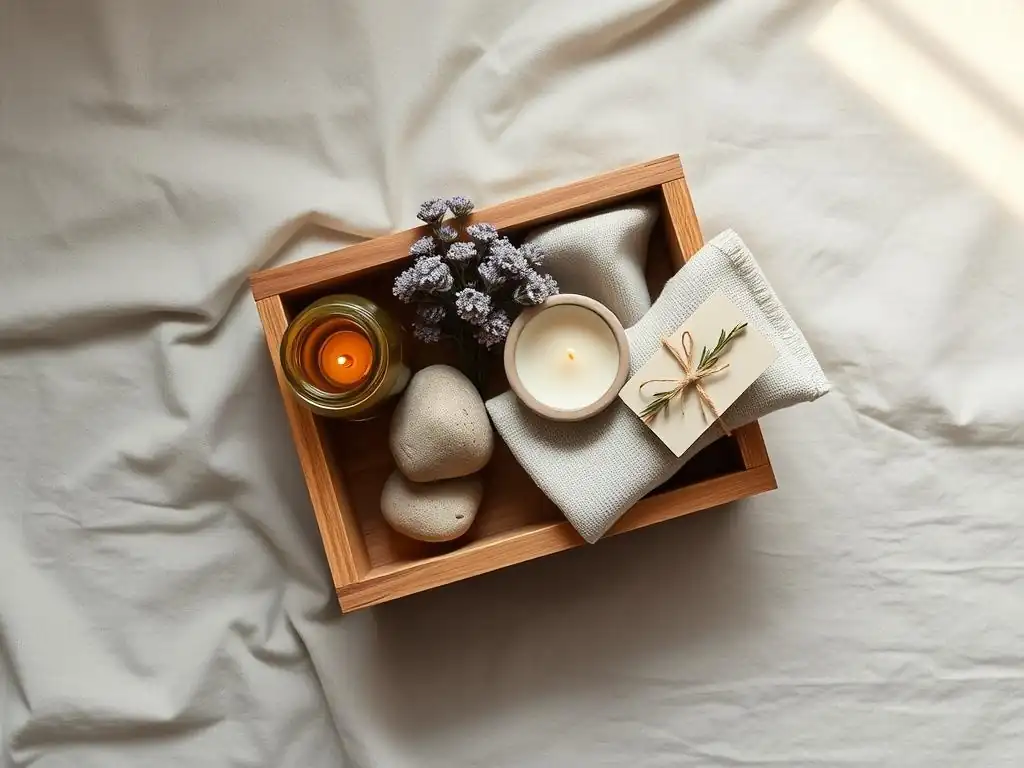
The way you present your DIY selfcare gift ideas is almost as important as the gift itself. Thoughtful packaging enhances the unwrapping experience and shows that you've put extra care into every detail. Beautiful presentation elevates a simple handmade item into a truly special and cherished gift.
Even modest DIY gifts can look luxurious and inviting with the right packaging. This doesn't require expensive materials; often, simple, natural elements or repurposed items can create a stunning effect. The goal is to create a sense of anticipation and delight, making the caregiver feel pampered and appreciated from the moment they receive their gift.
Consider grouping several smaller DIY selfcare gift ideas together in a themed package. A small basket or decorative box filled with a homemade scrub, a bath bomb, and a rollerball essential oil blend creates a mini home spa kit. Line the basket or box with tissue paper or natural shredded paper for a soft base.
Individual items can be wrapped simply but elegantly. Place a bath bomb in a small cellophane bag tied with ribbon. Put a jar of scrub in a small box or wrap it in fabric. Use twine, ribbon, or natural materials like dried leaves or sprigs of herbs to adorn the packaging. Add a personalized tag that identifies the item and perhaps includes a brief note about its intended use (e.g., "Relax & Rejuvenate Sugar Scrub").
Adding a Handwritten Note: Expressing Your Appreciation and Support
Perhaps the most crucial element of the packaging is a handwritten note. In today's digital world, a personal note carries significant weight. Use this note to express your appreciation for the caregiver's hard work and dedication. Acknowledge the challenges they face and reiterate your understanding of their struggle.
Share your intention behind the gift – explain that you made it specifically for them to encourage self-care and provide moments of relaxation or comfort. A simple message like, "Knowing how much you do for [person they care for], I wanted to make you a few things to help you take a moment for yourself. You deserve rest and care," can be incredibly touching and validate their experience. This personal touch makes the DIY selfcare gift ideas resonate deeply.
Importance of Thoughtful Presentation: Showing Care and Attention
Thoughtful presentation communicates that the gift was not an afterthought but a carefully planned expression of care. It shows attention to detail and reinforces the value you place on the caregiver's well-being. When a gift is beautifully wrapped and presented, it feels more special and encourages the recipient to cherish and use it.
For a caregiver who may feel overwhelmed and overlooked, receiving a gift that is not only useful but also presented with beauty and care can be a powerful emotional uplift. It signals that someone took the time to create something lovely just for them, reinforcing their worth and the importance of their own needs. The visual appeal of a well-packaged DIY selfcare gift ideas is an extension of the empathy and love poured into its creation.
Conclusion: Empowering Caregivers Through DIY Self-Care Gifts
Recap of the Benefits of DIY Gifts for Caregiver Mental Health
DIY selfcare gift ideas offer a unique blend of thoughtfulness, personalization, and affordability, making them ideal for supporting the mental well-being of caregivers. Unlike generic store-bought items, handmade gifts convey a deep level of understanding and appreciation for their demanding role. From calming essential oil blends and weighted eye pillows that promote relaxation and sleep to homemade scrubs and bath bombs that encourage pampering, these gifts provide tangible tools for caregivers to incorporate moments of self-care into their busy lives.
Furthermore, DIY gifts are often made with natural ingredients, contributing to a healthier self-care routine. The act of creating the gift itself is an expression of empathy, and the resulting items serve as constant reminders to the caregiver that their well-being is valued and supported. These thoughtful gestures empower caregivers by providing them with the means and the permission to prioritize their own needs, even if only for a few minutes each day.
Encouraging Continued Support and Self-Care Practices
Presenting a DIY selfcare gift ideas is a wonderful starting point, but ongoing support is crucial for caregivers. The gift can be an opening to conversations about their needs and how you can continue to help. Encourage them to actually use the gifts and make self-care a regular practice, not just a one-time event.
Consider offering practical support alongside the gift, such as offering to sit with the person they care for for an hour so they can use the bath bomb, or preparing a meal to free up their time. Remind them that taking care of themselves is not selfish but essential for their ability to continue providing care without burning out. Your continued encouragement reinforces the message that their well-being matters.
Final Thoughts: A Meaningful Way to Show You Care
Showing a caregiver you understand their struggle and are there to support them is incredibly valuable. DIY selfcare gift ideas provide a deeply personal and meaningful way to convey this message. Each item, crafted with care and intention, serves as a reminder of your empathy and a gentle nudge for them to prioritize their own mental and physical health.
Whether it's a simple jar of homemade scrub or a cozy knitted blanket, the value lies not just in the item itself, but in the love, time, and understanding poured into it. These thoughtful DIY gifts are more than just presents; they are acts of support, acknowledgment, and love that can make a real difference in a caregiver's life, helping them feel seen, appreciated, and empowered to care for themselves as they care for others.
Frequently Asked Questions
What are some DIY self-care gift ideas that are easy to make for caregivers?
Consider creating a personalized aromatherapy blend with essential oils known for relaxation, a handwritten gratitude journal with prompts, or a homemade bath soak using Epsom salts and dried flowers.
How can I personalize a DIY self-care gift to show a caregiver I understand their specific struggles?
Think about their specific needs. If they're stressed, a stress-relief kit with tea and a stress ball. If they have sore muscles, a homemade muscle rub with arnica and peppermint might be perfect.
What are some budget-friendly DIY self-care gift ideas for caregivers?
Repurpose items like jars for a layered bath salts gift, create a coupon book for acts of service (like babysitting or running errands), or make a personalized playlist of calming music.
What are the benefits of giving a DIY self-care gift versus a store-bought one?
DIY gifts show extra thought and effort, demonstrating a deeper level of care and understanding. They can also be tailored to the individual's specific needs and preferences, making them more impactful.
Where can I find inspiration and recipes for DIY self-care gifts?
Websites like Pinterest and crafting blogs offer numerous DIY recipes and tutorials. Look for resources specifically focused on aromatherapy, skincare, or mindfulness activities for additional ideas.
Final Reflection: The Unsung Power of Thoughtful Self-Care
The relentless dedication of caregivers often overshadows their own well-being, leaving them depleted and overlooked. This article explored the profound impact of thoughtful, DIY self-care gifts, highlighting their ability to communicate genuine understanding and offer tangible support in a deeply personal way. These aren't just gifts; they're acts of empathy, a silent acknowledgement of the sacrifices made and the emotional toll endured.
The act of creating a personalized self-care gift transcends the simple exchange of a material object; it's a powerful expression of connection and care. It speaks volumes about your appreciation for their tireless efforts and your desire to contribute to their emotional and physical restoration. The best gifts are those that come from the heart, and reflect the giver's understanding of the receiver's needs.
This sentiment perfectly encapsulates the spirit behind these DIY self-care creations. They are a testament to the power of human connection and the importance of acknowledging the often-unspoken struggles of caregivers.
Now, consider the impact you can have. Think about the caregivers in your life – parents, siblings, friends, or even yourself. What small, thoughtful gesture could you create to show your appreciation and help them replenish their own wellspring of strength? Don't underestimate the power of a handmade lavender sachet, a soothing bath bomb, or a personalized journal. These simple acts of kindness can make a world of difference, reminding caregivers that their efforts are seen, valued, and deeply appreciated. Let's prioritize the well-being of those who tirelessly care for others.
Unleash Your Inner Caregiver: Show Your Appreciation Today!
Thanks for taking the time to explore thoughtful ways to support the incredible caregivers in your life. We hope this article provided you with inspiring ideas to show your understanding and appreciation. Ready to make a difference?
- Craft a personalized self-care package: This is your chance to truly shine! Think beyond the generic gift basket – curate items based on the caregiver's individual needs and preferences. Consider including things like aromatherapy oils, a cozy blanket, or a gift certificate for a massage.
- Share this article with someone who needs a boost: Let's spread the love and create a ripple effect of appreciation for all the hard-working caregivers out there.
- Leave a comment below sharing your favourite self-care gift idea: Let's build a community of support and inspire each other with new ideas!
What small act of kindness will you extend to a caregiver today?