
Unveiling Psychiatric Treatments for Mood Disorders: Your Guide


Welcome to Mind Care Guide, a space dedicated to nurturing your mental well-being. Feeling overwhelmed by mood disorders? You're not alone. This guide, "Unveiling Psychiatric Treatments for Mood Disorders," is designed to empower you with the knowledge you need. Are you ready to explore a comprehensive range of mood disorder treatment options and find the path that resonates with you? Let's begin.
Defining Mood Disorders: A Spectrum of Conditions
Mood disorders represent a category of mental health conditions primarily characterized by significant disturbances in emotional state. These are not merely temporary feelings of sadness or elation, but persistent and intense shifts that can profoundly affect an individual's thoughts, behavior, physical health, and overall functioning.
The spectrum includes major depressive disorder, characterized by persistent sadness or loss of interest; bipolar disorders, which involve alternating periods of elevated mood (mania or hypomania) and depression; and other related conditions like persistent depressive disorder (dysthymia) or cyclothymic disorder. According to estimates from the World Health Organization (WHO), depression affects over 280 million people globally, making it one of the most common mental health conditions worldwide.
Understanding this spectrum is the first step in navigating mood disorder treatment options. Each condition within this category presents unique challenges and requires tailored approaches. For example, the treatment for bipolar disorder involves managing both depressive and manic episodes, often requiring mood stabilizers, whereas major depressive disorder treatment typically focuses on antidepressants and therapy.
Recognizing the specific diagnosis is critical because an incorrect diagnosis can lead to ineffective or even harmful treatment, such as prescribing only antidepressants to someone with undiagnosed bipolar disorder, which could potentially trigger manic episodes. A comprehensive guide to mood disorder treatment options must therefore begin with accurate identification of the specific condition.
The Impact of Untreated Mood Disorders on Overall Health
Untreated mood disorders have far-reaching consequences that extend well beyond mental distress, significantly impacting physical health and increasing the risk of various chronic diseases. Chronic stress and inflammation associated with conditions like major depression can contribute to cardiovascular problems, including heart disease and stroke.
Studies have shown that individuals with depression have a significantly higher risk of developing type 2 diabetes, and for those already diagnosed, depression can make managing blood sugar levels much more difficult. The persistent state of dysregulation in the body's systems, including hormonal and immune function, weakens overall resilience and makes individuals more susceptible to illness.
Furthermore, untreated mood disorders often lead to poor lifestyle choices that exacerbate health problems. This can include poor nutrition, lack of physical activity, disrupted sleep patterns, and increased rates of smoking or substance use. These behaviors create a vicious cycle, worsening both mental and physical health. The cumulative effect of these factors can lead to reduced life expectancy, highlighting the critical importance of seeking effective mood disorder treatment options promptly. Addressing the mood disorder is not just about improving mental well-being; it is a vital component of overall health management and disease prevention.
Why Psychiatric Treatment is Essential for Managing Mood Disorders
Mood disorders are complex biological and psychological conditions that often require professional medical intervention for effective management. While self-help strategies and lifestyle changes can be supportive, they are frequently insufficient on their own to address the underlying neurobiological imbalances or severe symptom presentations. Psychiatric treatment, encompassing medication, psychotherapy, and sometimes advanced treatments like ECT, provides targeted interventions designed to stabilize mood, alleviate symptoms, prevent relapse, and restore functioning. A psychiatrist, as a medical doctor specializing in mental health, can accurately diagnose the specific mood disorder, assess its severity, evaluate co-occurring conditions, and develop an evidence-based treatment plan.
Ignoring or delaying psychiatric treatment can lead to worsening symptoms, increased functional impairment, greater risk of hospitalization, and potentially life-threatening outcomes, such as suicide. For conditions like severe depression with suicidal ideation or bipolar disorder with acute mania, timely psychiatric intervention can be life-saving. Therefore, understanding the available mood disorder treatment options and engaging with a qualified mental health professional is not a sign of weakness, but a crucial step towards recovery and maintaining long-term well-being. Psychiatric care offers the expertise and tools necessary to navigate the complexities of these conditions and provide effective relief.
- Defining Mood Disorders: A Spectrum of Conditions
- The Impact of Untreated Mood Disorders on Overall Health
- Why Psychiatric Treatment is Essential for Managing Mood Disorders
- What are the primary categories of mood disorder treatment options?
- How effective is medication in treating mood disorders?
- What role does psychotherapy play in mood disorder treatment?
- Are there alternative or complementary therapies for mood disorders?
- How do I find the best treatment option for my specific mood disorder?
Medication Options for Mood Disorder Treatment
Medication is a cornerstone in the treatment of many mood disorders, particularly for moderate to severe cases or when symptoms significantly impair functioning. Psychiatric medications work by affecting the brain's neurochemistry, targeting neurotransmitters like serotonin, norepinephrine, dopamine, and others that are believed to play a role in mood regulation.
The choice of medication depends on the specific diagnosis (e.g., depression vs. bipolar disorder), the nature and severity of symptoms, individual medical history, potential side effects, and response to past treatments. It's important to understand that finding the right medication and dosage often requires a period of trial and error under careful medical supervision.
This section of the mood disorder treatment options guide will delve into the major classes of medications used, explaining how they work and their typical uses. While medication can provide significant relief and stability, it is often most effective when used as part of a comprehensive treatment plan that also includes psychotherapy and lifestyle adjustments. Patients should have open communication with their psychiatrist about their experiences with medication, including any side effects or concerns, to ensure the treatment plan remains optimal.
Antidepressants: A Key Treatment Approach
Antidepressants are the most commonly prescribed type of medication for major depressive disorder and are sometimes used in the treatment of bipolar depression (often alongside a mood stabilizer) or certain anxiety disorders that co-occur with mood issues. They primarily work by increasing the availability of certain neurotransmitters in the brain, which are thought to be deficient in individuals with depression.
While the exact mechanisms are complex and still being researched, the general principle involves enhancing neural communication in mood-regulating circuits. It typically takes several weeks, often 4 to 8 weeks, for the full therapeutic effects of an antidepressant to become apparent, which requires patience and consistent use as prescribed.
There are several different classes of antidepressants, each affecting neurotransmitters in slightly different ways and having varying side effect profiles. Understanding these differences is part of navigating effective mood disorder treatment options. The choice of which antidepressant to prescribe is a clinical decision made by a psychiatrist based on the patient's specific symptoms, medical history, potential drug interactions, and the side effects they are most likely to tolerate or avoid. While not a cure, antidepressants can significantly reduce the severity and frequency of depressive episodes, allowing individuals to engage more effectively in therapy and life activities.
SSRIs (Selective Serotonin Reuptake Inhibitors): Mechanism of Action
SSRIs are currently the most widely prescribed class of antidepressants due to their relative safety and tolerability compared to older medications. As their name suggests, SSRIs work by selectively inhibiting the reuptake of serotonin in the brain. Normally, after serotonin is released into the synapse (the space between nerve cells), it is reabsorbed back into the transmitting neuron.
By blocking this reuptake process, SSRIs increase the concentration of serotonin available in the synapse, allowing it to bind to receptors on the receiving neuron and potentially improve mood signals. Common examples include fluoxetine (Prozac), sertraline (Zoloft), paroxetine (Paxil), citalopram (Celexa), and escitalopram (Lexapro).
The selective action on serotonin is intended to minimize effects on other neurotransmitters, potentially leading to fewer side effects than less selective drugs. However, SSRIs can still cause side effects, especially in the initial weeks of treatment. Common side effects may include nausea, insomnia or drowsiness, weight changes, and sexual dysfunction.
While these side effects are often mild and temporary, they can be bothersome for some individuals. The effectiveness of SSRIs varies among individuals, and if one SSRI is not effective or causes intolerable side effects, a psychiatrist may recommend trying a different SSRI or switching to another class of antidepressant as part of the overall mood disorder treatment options guide.
SNRIs (Serotonin-Norepinephrine Reuptake Inhibitors): Benefits and Considerations
SNRIs are another class of antidepressants that work by inhibiting the reuptake of both serotonin and norepinephrine. Like SSRIs, this increases the availability of these neurotransmitters in the synapse, impacting mood and anxiety levels. Examples of SNRIs include venlafaxine (Effexor), duloxetine (Cymbalta), desvenlafaxine (Pristiq), and levomilnacipran (Fetzima).
The dual action on both serotonin and norepinephrine may offer benefits for certain individuals, particularly those with more severe depression or those experiencing symptoms like low energy or difficulty concentrating, which are sometimes linked more closely to norepinephrine levels. Duloxetine is also often used for chronic pain conditions, which frequently co-occur with depression, offering a potential dual benefit.
While generally well-tolerated, SNRIs can have a similar side effect profile to SSRIs, including nausea, insomnia, and sexual dysfunction. Additionally, because they affect norepinephrine, SNRIs can sometimes lead to increased blood pressure and heart rate, particularly at higher doses. This requires careful monitoring, especially for individuals with pre-existing cardiovascular conditions.
Discontinuation symptoms can also be more pronounced with some SNRIs compared to SSRIs, requiring a gradual tapering process when stopping the medication. The choice between an SSRI and an SNRI is part of the personalized approach to mood disorder treatment options, considering the specific symptom profile and individual health status.
Tricyclic Antidepressants (TCAs): Indications and Usage
Tricyclic Antidepressants (TCAs) are an older class of antidepressants that were among the first developed. They work by inhibiting the reuptake of both serotonin and norepinephrine, similar to SNRIs, but they also affect several other neurotransmitter systems, leading to a broader range of effects and potentially more significant side effects. Examples include amitriptyline (Elavil), imipramine (Tofranil), and nortriptyline (Pamelor). While largely supplanted by SSRIs and SNRIs as first-line treatments due to their less favorable side effect profile and higher risk in overdose, TCAs remain valuable therapeutic agents for certain patients and conditions.
TCAs are sometimes used for depression that has not responded to newer antidepressants (treatment-resistant depression). They may also be prescribed for specific subtypes of depression or for co-occurring conditions like certain types of chronic pain (e.g., nerve pain), migraine prevention, or insomnia, often at lower doses than used for depression. However, their side effects can include dry mouth, constipation, blurred vision, urinary retention, dizziness, drowsiness, and cardiac effects (like increased heart rate and changes in heart rhythm).
Due to the risk of cardiac side effects and their toxicity in overdose, TCAs require careful prescribing and monitoring, and are generally not suitable for individuals with certain heart conditions or a high risk of suicide. Their place in the mood disorder treatment options guide is typically for specific situations where other options are ineffective or contraindicated.
MAOIs (Monoamine Oxidase Inhibitors): Precautions and Usage
Monoamine Oxidase Inhibitors (MAOIs) are another older class of antidepressants that are generally reserved for use when other antidepressant options have been unsuccessful due to their significant potential for drug and food interactions. MAOIs work by inhibiting the enzyme monoamine oxidase, which is responsible for breaking down neurotransmitters like serotonin, norepinephrine, and dopamine in the brain. By blocking this enzyme, MAOIs increase the levels of these neurotransmitters, thereby improving mood. Examples include phenelzine (Nardil), tranylcypromine (Parnate), and isocarboxazid (Marplan).
The primary concern with MAOIs is the risk of a hypertensive crisis (a dangerous surge in blood pressure) if certain foods or medications are consumed while taking them. Foods high in tyramine, such as aged cheeses, cured meats, fermented products, and some alcoholic beverages, must be strictly avoided. Numerous medications, including many over-the-counter cold and flu remedies, other antidepressants, and certain pain relievers, can also interact dangerously with MAOIs.
Due to these stringent dietary and drug interaction precautions, MAOIs require careful patient education and strict adherence to guidelines. They are typically prescribed by psychiatrists specializing in complex cases and represent a less common, but sometimes necessary, component of the mood disorder treatment options guide for individuals with refractory depression.
Mood Stabilizers: Managing Bipolar Disorder
Mood stabilizers are a class of medications specifically used to treat bipolar disorder. Unlike antidepressants, which primarily target depressive symptoms, mood stabilizers work to prevent or reduce the severity and frequency of both manic (or hypomanic) and depressive episodes. They help regulate the extreme mood swings that characterize bipolar disorder, bringing greater stability to an individual's emotional state. Finding the right mood stabilizer, or combination of mood stabilizers, is often a process that requires careful monitoring and adjustment, as effectiveness and side effects vary significantly among individuals.
These medications are considered the cornerstone of long-term management for bipolar disorder. They can prevent the damaging effects of recurrent episodes on brain function, social relationships, and occupational performance. While some mood stabilizers can treat acute episodes (either mania or depression), their primary role is in maintenance therapy to keep the mood stable over time. A comprehensive mood disorder treatment options guide for bipolar disorder will always emphasize the central role of mood stabilizers, often prescribed for years, sometimes even lifelong.
Lithium: A Classic Mood Stabilizer
Lithium salts (commonly referred to simply as Lithium) are one of the oldest and most studied medications used in psychiatry and remain a highly effective mood stabilizer, particularly for preventing manic episodes in bipolar disorder. It is also effective in reducing the risk of suicide in individuals with bipolar disorder.
Although its precise mechanism of action is not fully understood, research suggests it affects multiple signaling pathways in the brain, influencing neurotransmitters and potentially promoting nerve cell growth and survival. Lithium is typically taken as an oral medication, and its dosage is carefully adjusted based on regular blood tests to ensure therapeutic levels are achieved without reaching toxic levels.
Due to the need for blood level monitoring and potential side effects, Lithium treatment requires consistent medical follow-up. Common side effects include increased thirst and urination, tremor, nausea, diarrhea, and weight gain. More serious, though less common, side effects can affect the kidneys and thyroid gland, necessitating regular monitoring of these functions. Despite these considerations, Lithium's proven efficacy in preventing manic episodes and reducing suicide risk makes it a vital component of the mood disorder treatment options guide for many individuals with bipolar disorder. It is often considered a first-line agent for classic bipolar I disorder presentations.
Anticonvulsants as Mood Stabilizers: Valproate, Lamotrigine, Carbamazepine
Several medications originally developed to treat epilepsy (anticonvulsants) have also demonstrated significant mood-stabilizing properties and are widely used in the treatment of bipolar disorder. These include valproate (divalproex sodium, Depakote), lamotrigine (Lamictal), and carbamazepine (Tegretol). These medications are thought to work by affecting neurotransmitters like GABA (an inhibitory neurotransmitter) and glutamate (an excitatory neurotransmitter), as well as influencing ion channels (like sodium and calcium channels) in nerve cells, which helps stabilize electrical activity and regulate mood swings. They offer alternative or complementary options to Lithium, particularly for individuals who don't respond well to Lithium or experience intolerable side effects.
Valproate is often effective for treating acute mania and mixed episodes and can be used for maintenance treatment, although it requires liver function monitoring and has risks during pregnancy. Lamotrigine is particularly effective for preventing bipolar depression and is generally well-tolerated, although it carries a rare risk of a severe rash (Stevens-Johnson syndrome), especially when initiated too quickly.
Carbamazepine can be useful for rapid-cycling bipolar disorder and acute mania but also requires monitoring (blood counts, liver function) and has significant drug interactions. The choice among these anticonvulsants, or whether to combine them or use them with Lithium, is a complex decision tailored to the individual's specific symptoms, history, and profile, forming a key part of their personalized mood disorder treatment options.
Atypical Antipsychotics: Role in Mood Disorder Treatment
Atypical antipsychotics, also known as second-generation antipsychotics, were initially developed to treat schizophrenia but have proven to be effective in managing various aspects of mood disorders, particularly bipolar disorder and sometimes as an adjunctive treatment for major depressive disorder. These medications affect dopamine and serotonin receptors in the brain, but with a different profile than older antipsychotics or antidepressants.
Their role in mood disorders includes treating acute manic or mixed episodes, bipolar depression, and serving as maintenance therapy to prevent relapse. In some cases of severe, treatment-resistant major depression, an atypical antipsychotic may be added to an antidepressant regimen to augment its effects.
The use of atypical antipsychotics in mood disorders has expanded the available mood disorder treatment options, offering relief for symptoms that may not fully respond to traditional mood stabilizers or antidepressants alone. They can be particularly helpful for managing agitation, psychosis (such as hallucinations or delusions that can occur in severe mood episodes), and sleep disturbances associated with mood episodes. However, like all medications, they come with potential side effects that must be carefully considered and monitored.
Atypical Antipsychotics: Quetiapine, Aripiprazole, Olanzapine - Benefits and Side Effects
Several specific atypical antipsychotics are commonly used in mood disorder treatment. Quetiapine (Seroquel) is approved for treating acute depressive episodes in bipolar disorder, acute mania, and maintenance therapy for bipolar disorder. It is also sometimes used off-label for anxiety and insomnia, though its use for these conditions is debated due to potential metabolic side effects.
Aripiprazole (Abilify) is approved as an add-on treatment for major depressive disorder that hasn't fully responded to antidepressants, as well as for acute manic/mixed episodes and maintenance in bipolar disorder. Olanzapine (Zyprexa) is effective for acute mania and, when combined with fluoxetine (Symbyax), for bipolar depression and treatment-resistant depression.
While effective, these medications can have significant side effects. Common side effects include weight gain, metabolic changes (increased blood sugar, cholesterol, and triglycerides, increasing risk of diabetes and heart disease), sedation, dizziness, and movement disorders (like restlessness or tremor). Olanzapine and Quetiapine are often associated with greater weight gain and sedation than Aripiprazole, which can sometimes cause akathisia (inner restlessness). Regular monitoring of weight, blood pressure, blood sugar, and lipid levels is crucial when prescribing atypical antipsychotics as part of a comprehensive mood disorder treatment options strategy.
Considerations When Choosing Medication
Selecting the appropriate medication for a mood disorder is a nuanced process that involves more than just identifying the diagnosis. It requires a thorough evaluation of the individual's overall health, lifestyle, and specific circumstances. There is no single "best" medication for any given mood disorder; the ideal choice is highly personalized. This is why a collaborative relationship between the patient and psychiatrist is essential. Open communication about symptoms, concerns, and treatment goals helps the clinician make informed decisions and adjust the plan as needed.
Navigating the various mood disorder treatment options requires understanding that medication is a tool to help manage the condition, not a cure. It can take time to find the right medication or combination, and patience is key during this process. Being aware of the factors that influence medication choice empowers patients to be active participants in their care and work effectively with their treatment team.
Individual Needs and Medical History
A patient's unique profile significantly influences medication selection. This includes their age, sex, overall physical health, including any pre-existing medical conditions (such as heart disease, kidney problems, liver issues, or diabetes), and whether they are pregnant or planning pregnancy. For instance, certain medications may be contraindicated or require dosage adjustments in individuals with kidney or liver impairment. Co-occurring mental health conditions, like anxiety disorders, PTSD, or substance use disorders, also play a role, as some medications may treat multiple conditions simultaneously while others could exacerbate them.
Furthermore, a detailed history of past psychiatric treatments is crucial. Information about which medications have been tried before, what doses were used, how long they were taken, how effective they were, and what side effects were experienced provides invaluable guidance. Genetic factors can also influence how an individual metabolizes certain medications, although genetic testing is not yet a routine part of initial prescribing for most mood disorders. A comprehensive medical history is therefore foundational to tailoring the mood disorder treatment options guide for each person.
Potential Side Effects and Interactions
Every medication carries the potential for side effects, which range in severity from mild and temporary (like nausea or headache) to serious and long-lasting (like metabolic changes or movement disorders). Discussing the potential side effects of any prescribed medication is a critical part of informed consent. Psychiatrists will explain common side effects, how to manage them, and what symptoms warrant immediate medical attention. Patients should feel comfortable reporting any side effects they experience, as adjustments to dosage or switching medications may be necessary.
Drug-drug interactions are another significant consideration. It is vital to inform the psychiatrist about all prescription medications, over-the-counter drugs, herbal supplements, and recreational substances being used. Some combinations can be dangerous, leading to increased side effects, reduced effectiveness of one or both drugs, or potentially life-threatening conditions like serotonin syndrome (with certain combinations of antidepressants). This detailed review of all substances is a non-negotiable step in ensuring the safety and efficacy of any mood disorder treatment options involving medication.
Collaborating with Your Psychiatrist for Optimal Medication Management
Effective medication management for mood disorders is a partnership between the patient and their psychiatrist. The psychiatrist brings medical expertise, knowledge of psychopharmacology, and experience in treating mood disorders. The patient brings their lived experience, including their symptoms, how they are responding to the medication, what side effects they are experiencing, and how the treatment is impacting their daily life. Regular follow-up appointments are essential to monitor symptoms, assess medication effectiveness, check for side effects, and make any necessary dosage adjustments or medication changes.
Open and honest communication is key. Patients should feel empowered to ask questions, express concerns, and share any difficulties they are having with adhering to the treatment plan. Sometimes, side effects can be managed with lifestyle changes or other medications; other times, a different medication may be a better fit. This ongoing dialogue ensures that the treatment plan remains aligned with the patient's needs and goals, optimizing the chances of successful symptom management and recovery within their overall mood disorder treatment options guide.
Electroconvulsive Therapy (ECT) for Mood Disorders
Electroconvulsive Therapy (ECT) is a medical procedure involving the administration of a brief electrical stimulus to the brain while the patient is under general anesthesia, inducing a controlled seizure. Despite historical misconceptions and stigma, modern ECT is a safe and highly effective treatment, particularly for severe and treatment-resistant forms of mood disorders. It is not a first-line treatment for most people with mood disorders but is a vital option when other therapies, such as medication and psychotherapy, have not provided sufficient relief or when the severity of the illness requires a rapid response.
ECT is typically administered in a series of treatments, usually 2 to 3 times per week, for a total of 6 to 12 treatments, depending on the individual's response. It is performed in a hospital setting by a trained medical team, including a psychiatrist, an anesthesiologist, and nurses. Understanding how ECT works and when it is indicated is crucial for individuals exploring all available mood disorder treatment options, especially in cases of severe or life-threatening symptoms.
Understanding Electroconvulsive Therapy (ECT)
ECT is a procedure performed under general anesthesia and muscle relaxation. Electrodes are placed on specific areas of the scalp, and a brief, controlled electrical pulse is delivered. This pulse stimulates the brain, intentionally triggering a generalized seizure that lasts typically between 30 and 60 seconds in terms of brain activity, although muscle activity is minimal or absent due to the muscle relaxant. The patient is asleep during the procedure and wakes up shortly afterward in a recovery area.
The exact mechanism by which ECT exerts its therapeutic effects is not fully understood, but research suggests it causes widespread changes in brain chemistry, similar to but often more rapid and robust than those seen with antidepressant medications. It may affect the release and function of neurotransmitters, alter brain connectivity patterns, and promote neurogenesis (the growth of new brain cells), particularly in areas like the hippocampus, which are often reduced in size in severe depression. These neurobiological changes are thought to be responsible for the significant improvement in mood symptoms observed after a course of ECT.
The Science Behind ECT: How it Works
While the visual of ECT might seem dramatic, the underlying science points to complex biological changes within the brain. The electrically induced seizure affects various neurochemical systems. It is known to cause a surge in the release of neurotransmitters like serotonin, norepinephrine, and dopamine, similar to antidepressants, but perhaps in a more global and immediate fashion. Beyond neurotransmitters, ECT influences hormonal systems, including stress hormones, and affects neurotrophic factors like Brain-Derived Neurotrophic Factor (BDNF), which supports the survival and growth of neurons.
Furthermore, studies using neuroimaging techniques like fMRI have shown that ECT can alter connectivity patterns in the brain, normalizing activity in circuits involved in mood regulation that are often dysfunctional in severe depression. For example, activity in certain areas of the prefrontal cortex, often reduced in depression, may increase, while overactivity in areas associated with rumination or negative emotion might decrease.
While a complete scientific picture is still emerging, the evidence strongly supports that ECT produces significant, beneficial biological changes in the brain, making it a powerful tool within the range of mood disorder treatment options for specific clinical situations.
Indications for ECT in Mood Disorder Treatment
ECT is not a universal treatment for all mood disorders but is indicated for specific, often severe, presentations where the potential benefits outweigh the risks and where other treatments have been ineffective or are too slow. Its use is guided by clinical evidence demonstrating its efficacy in particular circumstances. The decision to use ECT is made after careful evaluation by a psychiatric team, often involving consultation with the patient and their family.
Key indications fall primarily within the realm of severe depressive and bipolar episodes. It is considered when a rapid and definitive response is needed due to the severity of symptoms, such as when there is a high risk of suicide, severe malnutrition or dehydration due to refusal to eat or drink, or catatonia. It is also a crucial option for individuals whose mood disorder has not responded adequately to multiple trials of different medications and psychotherapy, known as treatment-resistant depression or bipolar disorder.
Severe Depression with Psychotic Features
One of the strongest indications for ECT is severe major depressive disorder accompanied by psychotic features, such as delusions (false, fixed beliefs) or hallucinations (perceiving things that aren't there). Psychotic depression is a particularly debilitating and dangerous form of depression, often associated with profound functional impairment and a high risk of suicide. Antidepressant medications alone are often less effective for psychotic depression, and the combination of an antidepressant and an antipsychotic can take several weeks to work.
ECT, in contrast, has demonstrated high remission rates, often exceeding 80%, in treating psychotic depression. It can provide much faster relief from both the depressive symptoms and the psychotic features compared to medication strategies. This rapid response is often critical when the patient's reality testing is impaired, increasing their risk. For these reasons, ECT is frequently considered the first-line treatment for severe psychotic depression, offering a potentially quicker and more complete recovery than medication alone, making it a vital part of the mood disorder treatment options for this specific, severe presentation.
Treatment-Resistant Depression
Treatment-resistant depression (TRD) is defined generally as major depressive disorder that has not responded adequately to at least two different trials of antidepressant medications taken at an adequate dose and duration. TRD is a significant clinical challenge, leaving individuals with persistent, debilitating symptoms despite standard interventions. For these individuals, ECT offers a powerful alternative when multiple medication regimens, including augmentation strategies and switches between classes, have failed to achieve remission.
Studies and clinical experience consistently show that ECT is highly effective in achieving remission in a significant percentage of patients with TRD, often ranging from 50% to 70% or even higher in some populations. While other strategies exist for TRD (like combining medications, using atypical antipsychotics as augmenters, or newer treatments like TMS or ketamine), ECT is often considered when these options are also insufficient or when a more rapid response is needed.
It provides a critical pathway to recovery for individuals who have not found relief through other means, reinforcing its importance in a comprehensive mood disorder treatment options guide.
Bipolar Disorder with Severe Mania or Depression
ECT is also a valuable treatment option for severe episodes of bipolar disorder, including both severe mania and severe bipolar depression. For acute, severe manic episodes, particularly those with psychotic features or catatonia, or when medication is ineffective or contraindicated (e.g., during pregnancy), ECT can provide rapid stabilization. It can quickly reduce agitation, impulsivity, and psychotic symptoms associated with severe mania, often more rapidly than mood stabilizers or antipsychotics alone.
Similarly, for severe bipolar depression, especially when it is treatment-resistant, or associated with catatonia or psychosis, ECT is highly effective. Bipolar depression can be particularly challenging to treat, and some antidepressants can risk triggering mania in vulnerable individuals.
ECT offers an antidepressant effect without this risk and can be safer than polypharmacy (using multiple medications) in complex cases. While maintenance ECT may be considered for some individuals with very frequent or severe relapses, it is more commonly used for acute episodes, followed by maintenance medication to prevent recurrence, integrating it into the broader mood disorder treatment options for bipolar disorder.
The ECT Procedure: A Step-by-Step Guide
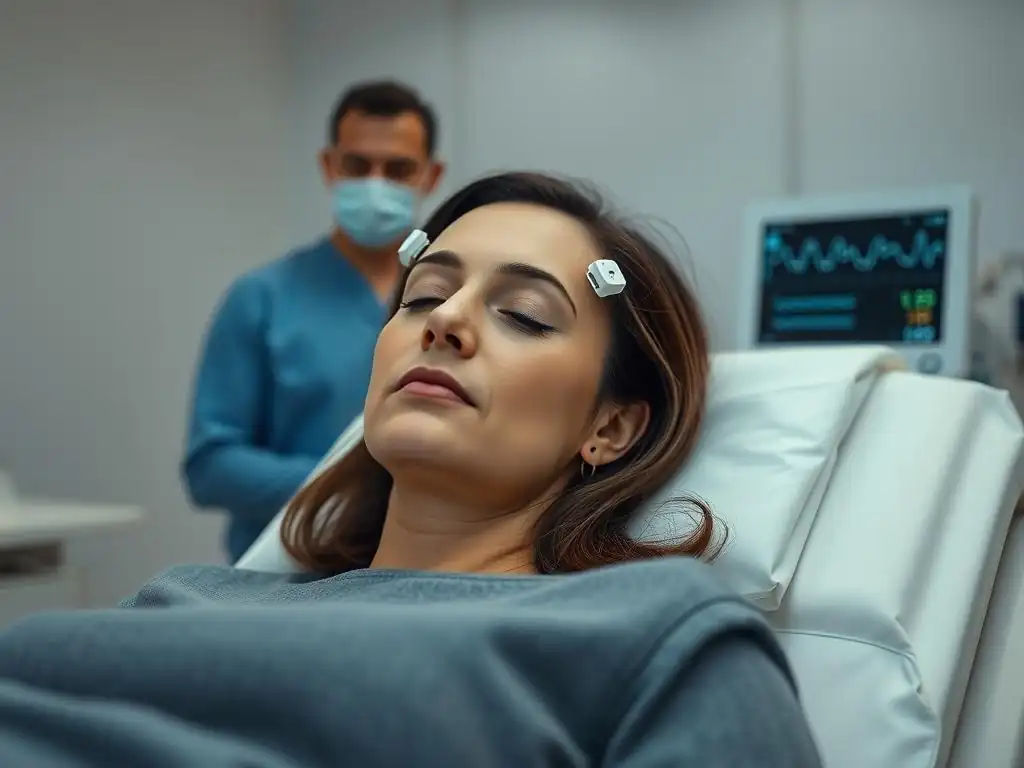
Undergoing ECT involves a series of steps, all performed in a carefully controlled medical environment. Understanding this process can help demystify the procedure and alleviate anxiety. The process typically begins with a comprehensive medical and psychiatric evaluation to determine if ECT is appropriate and safe for the individual. Once the decision is made, the patient is scheduled for a series of treatments.
Each individual treatment session follows a specific protocol designed to ensure patient safety and maximize therapeutic benefit. This involves preparation, the procedure itself, and a recovery period. Patients are typically asked to fast for a certain number of hours before the procedure. They are usually admitted to a day surgery unit or hospital ward for the brief period surrounding the treatment. The entire process for a single session, from preparation to full recovery and discharge (if an outpatient), usually takes a few hours.
Preparation and Anesthesia
Before the ECT procedure begins, the patient is taken to a treatment room. An intravenous (IV) line is inserted, typically in the arm, to administer medications. The patient is monitored with standard medical equipment, including an electrocardiogram (ECG) to track heart activity, a blood pressure cuff, and a pulse oximeter to measure blood oxygen levels. Electrodes are placed on the scalp to monitor brain activity (EEG) during the seizure.
A trained anesthesiologist then administers a short-acting general anesthetic to ensure the patient is completely unconscious and feels no pain or discomfort. A muscle relaxant is also given to prevent violent muscle contractions during the seizure, which significantly reduces the risk of injury (like bone fractures) that was a concern in historical ECT. A bite block is placed in the mouth to protect the teeth and tongue. This preparation phase is crucial for patient safety and comfort, making modern ECT a much more controlled and humane procedure than older methods.
The Stimulation Process
Once the patient is fully anesthetized and muscle-relaxed, the psychiatrist or trained clinician places the ECT electrodes on specific locations on the scalp. The most common placement is on one side of the head (unilateral ECT), typically the right side, as this often causes fewer cognitive side effects than placing electrodes on both sides (bilateral ECT), while still being highly effective for many patients. Bilateral placement may be used for individuals with more severe or treatment-resistant conditions where maximum efficacy is prioritized.
A brief electrical pulse, lasting only a few seconds, is then delivered through the electrodes. This pulse is carefully calibrated in terms of intensity and duration to ensure it is sufficient to induce a therapeutic seizure but no more. The anesthesiologist and psychiatrist monitor the patient's brain activity via the EEG to confirm that a seizure has occurred and to measure its duration, which typically lasts between 30 and 60 seconds on the EEG. Because of the muscle relaxant, visible physical movement during the seizure is minimal, often just a slight twitching in the hands or feet.
Post-ECT Recovery
Immediately following the electrical stimulation and the induced seizure, the patient is moved to a recovery area. The anesthesia wears off relatively quickly, and the patient gradually wakes up. During this time, medical staff continue to monitor vital signs, including blood pressure, heart rate, and breathing. Patients may experience some temporary confusion or disorientation upon waking, which typically subsides within minutes or an hour.
Common side effects in the immediate post-treatment period include headache, muscle aches, or nausea, which can often be managed with medication. Memory loss is the most notable potential side effect, discussed in more detail below. Once the patient is fully awake, alert, and medically stable, they are usually offered something to eat and drink. If the patient is an outpatient, they will need a responsible adult to drive them home and stay with them for the remainder of the day. This recovery phase is essential for ensuring the patient's safety and comfort before they return to their usual environment.
ECT: Benefits and Potential Side Effects
ECT, while highly effective for specific, severe presentations of mood disorders, is associated with potential side effects that need careful consideration. The decision to use ECT involves weighing its significant benefits against these potential adverse effects. For individuals facing life-threatening symptoms or debilitating illness that has not responded to other mood disorder treatment options, the potential for rapid and substantial improvement often outweighs the risks, but these must be thoroughly discussed with the treatment team.
The efficacy of ECT in appropriate cases is well-established in clinical research and practice. However, it is not a cure for mood disorders, and like other treatments, relapse can occur after a successful course. Therefore, maintenance treatment, often with medication, is usually recommended following a course of ECT to sustain the benefits and prevent future episodes.
Effectiveness in Severe Cases
The primary benefit of ECT is its remarkable effectiveness, particularly for severe and treatment-resistant mood episodes. For individuals with severe major depression, especially with psychotic features or catatonia, ECT can achieve remission rates significantly higher and faster than medication alone. Clinical studies frequently report remission rates ranging from 50% to over 80% in carefully selected patient populations with severe or resistant depression.
In severe manic episodes of bipolar disorder, ECT can also induce rapid calming and resolution of symptoms when medications are ineffective or contraindicated. This rapid response can be life-saving in situations where the patient is at immediate risk due to their illness. The ability of ECT to provide such substantial and rapid relief makes it an indispensable part of the mood disorder treatment options guide for the most challenging and severe cases.
Memory Loss and Other Potential Side Effects
The most commonly discussed and often most distressing potential side effect of ECT is memory disturbance. This can include:
- Retrograde amnesia: difficulty remembering events that occurred before the ECT course. This is often patchy, with more difficulty recalling events closer to the time of ECT.
- Anterograde amnesia: difficulty learning and retaining new information during the course of ECT treatments.
For most people, memory problems are temporary and improve significantly in the weeks and months following the completion of ECT. However, some individuals report persistent gaps in memory for events that occurred around the time of treatment. Other potential side effects include headache, muscle aches, nausea, confusion, and disorientation immediately after the procedure.
While serious medical complications are rare with modern ECT techniques (estimated risk of death is very low, comparable to or less than that associated with minor surgery), they are possible and include cardiovascular events or prolonged seizures. These potential risks and benefits are carefully weighed when considering ECT as one of the mood disorder treatment options.
Addressing Concerns and Misconceptions About ECT
Despite significant advancements in safety and technique, ECT remains subject to various misconceptions, often fueled by outdated portrayals in popular media. Concerns about pain, permanent brain damage, or it being used punitively are inaccurate regarding modern practice. ECT is performed under general anesthesia, so the patient is unconscious and feels no pain.
Muscle relaxants prevent the dramatic, uncontrolled movements seen in early, pre-anesthesia ECT, eliminating related physical injuries. There is no evidence from extensive research that modern ECT causes structural brain damage. While temporary memory loss is a known side effect, it typically improves over time and is considered a functional, rather than structural, change.
Modern ECT is a highly refined medical procedure delivered in a controlled environment with careful physiological monitoring. It is a treatment of last resort for many, but for those with severe, refractory illness, it can be profoundly effective. The goal is therapeutic brain stimulation, not punishment or control. Addressing these misconceptions with accurate information is crucial for individuals and families considering ECT, ensuring decisions are based on facts about its safety and efficacy as a critical component of the mood disorder treatment options available today.
Integrating Medication and ECT for Mood Disorder Treatment
For many individuals with severe or treatment-resistant mood disorders, the most effective long-term strategy involves a combination of therapies. Medication and Electroconvulsive Therapy (ECT) are not always mutually exclusive; in fact, they are often used sequentially or concurrently to optimize outcomes and prevent relapse. ECT can provide rapid relief from acute, severe symptoms, while medication can then be used to maintain the stability achieved by ECT and reduce the likelihood of future episodes. This integrated approach leverages the strengths of both modalities.
The decision to combine or sequence medication and ECT is part of a comprehensive, personalized treatment plan developed by the psychiatric team. It acknowledges that mood disorders can be chronic conditions requiring ongoing management. By integrating different mood disorder treatment options, clinicians aim to not only alleviate acute suffering but also to build a robust strategy for long-term recovery and improved quality of life.
The Synergy of Medication and ECT: Improving Treatment Outcomes
ECT is highly effective in achieving remission from severe mood episodes, but it does not typically provide long-term protection against future relapses on its own. This is where medication plays a crucial role. Using medication as maintenance therapy after a successful course of ECT has been shown to significantly reduce the risk of relapse compared to receiving ECT alone. For example, studies have demonstrated that individuals who continue antidepressant or mood stabilizer medication after completing ECT for depression have a much lower rate of relapse in the subsequent months.
The synergy lies in ECT's ability to rapidly lift the acute episode, essentially "resetting" the brain's mood circuits, while maintenance medication helps to keep those circuits functioning more stably over time. This combined approach can lead to more sustained periods of wellness, fewer hospitalizations, and overall better long-term outcomes for individuals with recurrent or chronic severe mood disorders. It highlights that a comprehensive mood disorder treatment options guide often involves a phased approach, starting with acute symptom resolution and moving to long-term maintenance.
Combining Medication and ECT: Examples of Integrated Treatment Plans
Integrated treatment plans involving medication and ECT are tailored to the individual's specific diagnosis (depression or bipolar disorder) and history. A common approach for severe, treatment-resistant depression is to initiate a course of ECT to achieve remission. As the ECT course is nearing completion, or immediately afterward, the patient is often started on a maintenance antidepressant medication that they either had a partial response to previously or a new one. The goal is to find a medication that can sustain the remission achieved by ECT.
For bipolar disorder, an individual might receive ECT for a severe manic or depressive episode. Following the ECT course, maintenance therapy typically involves a mood stabilizer, such as Lithium or Valproate, often in combination with an atypical antipsychotic, to prevent both manic and depressive relapses.
In some cases, especially with bipolar depression, an antidepressant might be cautiously added to the mood stabilizer regimen after ECT, with careful monitoring for signs of mania. These examples illustrate how ECT serves as a powerful tool for acute intervention, integrated into a broader, medication-based strategy for long-term stability within the spectrum of mood disorder treatment options.
Lifestyle Modifications and Therapy: Complementary Approaches

While medication and, in severe cases, ECT are powerful tools for managing mood disorders, they are often most effective when combined with psychotherapy and healthy lifestyle changes. These complementary approaches address the psychological, behavioral, and social factors that contribute to mood disorders and support long-term recovery and well-being. Integrating these elements creates a truly holistic mood disorder treatment options guide.
Psychotherapy provides individuals with coping skills, helps them understand their condition, and addresses underlying issues. Lifestyle modifications, such as exercise, diet, and sleep hygiene, support overall physical and mental health, enhancing the effectiveness of medical treatments and building resilience against future episodes. Together, these components empower individuals to take an active role in their recovery journey.
The Role of Psychotherapy in Mood Disorder Management
Psychotherapy, also known as talk therapy, is a crucial component in the comprehensive management of mood disorders. It can be used alone for mild to moderate depression, or more commonly, in conjunction with medication for moderate to severe depression and bipolar disorder. Therapy provides a safe space to explore feelings, understand the origins and triggers of mood episodes, develop coping strategies, and address interpersonal difficulties that may contribute to or be affected by the illness.
Different types of psychotherapy focus on various aspects of the individual's experience. A skilled therapist can help patients challenge negative thought patterns, improve problem-solving skills, develop healthier relationship dynamics, and build resilience. Therapy empowers individuals by equipping them with tools to manage symptoms, anticipate challenges, and prevent relapse, making it an indispensable element of any thorough mood disorder treatment options guide.
Cognitive Behavioral Therapy (CBT)
Cognitive Behavioral Therapy (CBT) is one of the most widely researched and evidence-based forms of psychotherapy for mood disorders, particularly depression. The core principle of CBT is that our thoughts, feelings, and behaviors are interconnected, and that negative or distorted thinking patterns can contribute to and maintain depressive symptoms. CBT helps individuals identify these unhelpful thought patterns (e.g., "I'm a failure," "Nothing good ever happens to me") and learn to challenge and restructure them into more realistic and positive ways of thinking.
Beyond thoughts, CBT also focuses on behavioral activation, encouraging individuals to engage in activities that are rewarding or provide a sense of accomplishment, even when they don't feel like it. This helps break the cycle of inactivity and withdrawal often seen in depression. A typical course of CBT might involve weekly sessions for 12-20 weeks, teaching specific skills that individuals can continue to use long after therapy ends. Its practical, goal-oriented nature makes it a highly effective tool in the range of mood disorder treatment options.
Interpersonal Therapy (IPT)
Interpersonal Therapy (IPT) is another evidence-based psychotherapy that focuses on the role of interpersonal relationships and social functioning in the onset and maintenance of mood disorders, particularly depression. IPT is based on the idea that improving communication patterns and addressing problems in relationships can help alleviate depressive symptoms. It typically focuses on one or two specific interpersonal problem areas identified during the initial assessment.
These problem areas might include grief over the loss of a loved one, role disputes with significant others (e.g., conflicts with a partner or family member), role transitions (e.g., adjusting to a new job, becoming a parent, retirement), or interpersonal deficits (e.g., difficulty forming or maintaining relationships). IPT helps individuals understand how these issues relate to their mood, develop strategies to resolve interpersonal conflicts, build social support networks, and improve communication skills. Like CBT, IPT is typically a time-limited therapy, often lasting 12-16 sessions, offering a focused approach within the mood disorder treatment options.
Dialectical Behavior Therapy (DBT)
Dialectical Behavior Therapy (DBT) was initially developed for individuals with Borderline Personality Disorder, particularly those with chronic suicidal ideation and self-harm behaviors, but it has proven useful for other conditions involving significant emotional dysregulation, including some mood disorders. DBT emphasizes finding a balance between acceptance (validating current feelings and experiences) and change (working towards healthier coping mechanisms).
DBT teaches a range of skills across four main modules: mindfulness (increasing present moment awareness), distress tolerance (learning to cope with intense emotions without making things worse), emotion regulation (understanding and changing intense emotions), and interpersonal effectiveness (learning how to ask for what you need and say no while maintaining self-respect and relationships). While not a primary treatment for all mood disorders, DBT skills can be highly beneficial for individuals with mood instability, intense emotional reactivity, or co-occurring difficulties with impulse control or suicidal thoughts, augmenting other mood disorder treatment options.
Lifestyle Changes for Mood Disorder Management
Integrating healthy lifestyle modifications into daily routines can significantly support recovery and enhance the effectiveness of medical and psychological treatments for mood disorders. These changes contribute to overall physical and mental resilience, helping to stabilize mood and reduce the frequency or severity of episodes. While not a standalone cure for moderate to severe mood disorders, they are essential complementary strategies.
Consistency is key with lifestyle changes. Making small, sustainable adjustments over time is often more effective than attempting drastic overhauls. These changes empower individuals by giving them tangible ways to participate actively in managing their health alongside professional care. Incorporating these habits into a daily or weekly structure provides a sense of control and predictability that can be particularly helpful for individuals dealing with the unpredictability of mood swings.
Regular Exercise and Physical Activity
Numerous studies have demonstrated the positive impact of regular physical activity on mood. Exercise releases endorphins, which have mood-boosting effects, and can also help reduce stress hormones like cortisol. Engaging in physical activity can improve sleep, increase energy levels, and provide a sense of accomplishment, all of which can counteract symptoms of depression and anxiety. Even moderate activity, such as brisk walking, jogging, swimming, or cycling, performed consistently can make a difference.
Guidelines often recommend aiming for at least 150 minutes of moderate-intensity aerobic activity or 75 minutes of vigorous-intensity activity per week, along with muscle-strengthening activities at least two days a week. Finding activities that are enjoyable and sustainable is important. Exercise is a powerful, evidence-based complementary strategy within the mood disorder treatment options, supporting both physical and mental health.
Healthy Diet and Nutrition
The relationship between diet and mental health is increasingly recognized. A diet rich in whole foods, such as fruits, vegetables, whole grains, lean proteins, and healthy fats (like omega-3 fatty acids found in fish), provides the necessary nutrients for optimal brain function and overall well-being. Conversely, diets high in processed foods, sugar, and unhealthy fats have been linked to increased inflammation and a higher risk of depression.
Maintaining stable blood sugar levels through balanced meals can also help prevent mood swings and energy crashes. While there is no specific "mood disorder diet," focusing on nutrient-dense foods and staying hydrated supports brain health and can improve energy levels and mood stability. Consulting with a nutritionist or dietitian can help create a personalized eating plan that complements other mood disorder treatment options.
Adequate Sleep Hygiene
Sleep disturbances are a common symptom of mood disorders, with insomnia or hypersomnia occurring during depressive episodes and reduced need for sleep during manic episodes. Establishing and maintaining healthy sleep hygiene is crucial for stabilizing mood. Aiming for a consistent sleep schedule, even on weekends, helps regulate the body's internal clock. Creating a relaxing bedtime routine can signal to the body that it's time to wind down.
Other practices include ensuring the bedroom is dark, quiet, and cool, avoiding caffeine and alcohol close to bedtime, and limiting exposure to screens (phones, tablets, computers) before sleep. While sleep patterns can be difficult to regulate during acute episodes, particularly mania, working on sleep hygiene during periods of relative stability can build resilience and help manage symptoms when they arise. Prioritizing 7-9 hours of quality sleep is a fundamental aspect of managing mood disorders.
Stress Management Techniques
Chronic stress can trigger or worsen mood episodes. Learning and practicing effective stress management techniques is therefore a vital component of a comprehensive mood disorder treatment plan. Techniques such as mindfulness meditation, deep breathing exercises, progressive muscle relaxation, yoga, or tai chi can help activate the body's relaxation response and reduce the physiological effects of stress.
Engaging in enjoyable hobbies, spending time in nature, practicing gratitude, and maintaining strong social connections are also powerful ways to mitigate stress. Identifying personal stressors and developing strategies to cope with or avoid them is key. Incorporating stress management into daily life builds coping skills and enhances overall resilience, making it a valuable addition to medical and therapeutic mood disorder treatment options.
Understanding the array of available treatments is the first step toward effective management of a mood disorder. From medication and advanced therapies like ECT to the essential roles of psychotherapy and lifestyle changes, a comprehensive approach offers the best chance for recovery and long-term well-being. It's clear that there is no one-size-fits-all solution; treatment must be tailored to the individual's specific diagnosis, symptom severity, personal history, and preferences.
Empowering oneself with knowledge about these options allows for informed decision-making and active participation in the treatment process. While this guide provides an overview, the most critical step is seeking professional help from qualified mental health professionals who can provide an accurate diagnosis and develop a personalized plan.
Key Takeaways: Medication, ECT, and Comprehensive Care
The journey through mood disorder treatment options reveals several key principles. Firstly, mood disorders are serious medical conditions that are treatable. Secondly, a range of effective treatments exists, including various classes of medications (antidepressants, mood stabilizers, atypical antipsychotics) and advanced procedures like Electroconvulsive Therapy (ECT), each with specific indications, benefits, and potential side effects. Medication is often crucial for moderate to severe symptoms and long-term maintenance, while ECT is a powerful tool for acute, severe, or treatment-resistant cases.
Thirdly, medical treatments are significantly enhanced by psychotherapy and healthy lifestyle modifications. Therapy provides essential coping skills and addresses psychological factors, while lifestyle changes support overall health and resilience. Finally, the most effective approach is typically comprehensive and integrated, combining different modalities under the guidance of a healthcare team. A personalized mood disorder treatment options guide considers all these facets.
Empowering Yourself with Knowledge
Learning about mood disorders and their treatment options is a powerful act of self-advocacy. Understanding the nature of the illness helps reduce self-blame and stigma, recognizing that it is a medical condition requiring treatment. Knowing the different types of medications, how they work, and what side effects to expect prepares individuals for treatment and enables them to report concerns accurately to their doctor. Similarly, understanding procedures like ECT or the principles behind therapies like CBT or DBT can make these options less intimidating and more accessible.
Knowledge empowers individuals to ask informed questions, participate actively in treatment planning decisions, and adhere more consistently to their prescribed regimen. It also helps in recognizing early warning signs of relapse and knowing when to seek help. Accessing reliable information, like this mood disorder treatment options guide, is a vital step towards taking control of one's mental health journey.
Seeking Professional Help: Finding a Qualified Psychiatrist
The most crucial step in navigating mood disorder treatment options is seeking help from a qualified mental health professional. A psychiatrist, as a medical doctor specializing in mental health, is equipped to provide an accurate diagnosis, evaluate the severity of the condition, rule out other medical causes for symptoms, and prescribe and manage psychiatric medications and other biological treatments like ECT. They can also recommend appropriate types of psychotherapy and coordinate care with therapists and other healthcare providers.
Finding a psychiatrist who is a good fit, with whom you feel comfortable discussing your symptoms and concerns, is important. Resources like mental health organization websites, patient advocacy groups, or referrals from a primary care physician can help locate qualified professionals specializing in mood disorders. Initiating this professional relationship is the cornerstone of developing a personalized and effective mood disorder treatment options guide tailored to your unique needs, paving the way toward recovery and improved well-being.
Frequently Asked Questions
What are the primary categories of mood disorder treatment options?
The main categories include psychotherapy, such as Cognitive Behavioral Therapy (CBT), medication, including antidepressants and mood stabilizers, and lifestyle changes like exercise and diet.
How effective is medication in treating mood disorders?
Medication can be very effective at managing symptoms of mood disorders. However, it's often most effective when combined with therapy, and requires careful monitoring by a psychiatrist.
What role does psychotherapy play in mood disorder treatment?
Psychotherapy helps individuals understand and manage their thoughts, feelings, and behaviors related to their mood disorder. It provides coping mechanisms and strategies for long-term well-being.
Are there alternative or complementary therapies for mood disorders?
Yes, some individuals find relief through alternative therapies like yoga, meditation, and acupuncture. These should be used in conjunction with traditional treatments, not as a replacement.
How do I find the best treatment option for my specific mood disorder?
The best treatment is highly individualized. Consulting with a mental health professional is crucial to receive a proper diagnosis and develop a tailored treatment plan.
The search for effective mood disorder treatment is a journey, not a destination, and understanding the available options is the crucial first step. The landscape of psychiatric care is constantly evolving, offering a growing array of therapies and medications to address the complexities of conditions like depression and bipolar disorder. This guide aimed to illuminate that landscape, providing a clearer path for those seeking relief and improved quality of life.
The impact of mood disorders on individuals, families, and society as a whole is undeniable. The stigma surrounding mental illness continues to be a significant barrier to seeking help, perpetuating suffering and hindering recovery. The greatest barrier to mental health care is not the lack of resources, but the lack of awareness and understanding.
This quote underscores the importance of continued education and open dialogue about mental health, fostering a culture of support and compassion. My own personal journey in researching this topic has reinforced the need for accessible, accurate information, empowering individuals to take control of their mental wellbeing.
You, the reader, now hold the knowledge to begin your own informed journey. Don't hesitate to utilize the resources provided in this guide, and remember that finding the right treatment is a collaborative process. Engage actively with your healthcare provider, advocate for your needs, and never underestimate the power of self-compassion and perseverance. Your mental health is invaluable – invest in it, nurture it, and celebrate every step forward on your path to wellness.
Ready to Take Charge of Your Mood?
Thank you for taking the time to explore the world of psychiatric treatments for mood disorders. We hope you gained valuable insights and feel more empowered. Now, let's put that knowledge into action!
- Schedule a consultation with a mental health professional: This is the most important step towards finding the right treatment plan for you. Don't hesitate – your well-being is worth it.
- Share this article with someone who might benefit: Knowledge is power, and sharing this information could make a real difference in someone else's life.
- Explore mindfulness techniques: Even small steps toward self-care can significantly impact your mood. Try a guided meditation or a short mindfulness exercise today.
What small step will you take today to prioritize your mental health?