
Teaching Kids Healthy Communication Skills: A Lifelong Gift for Their Relationships

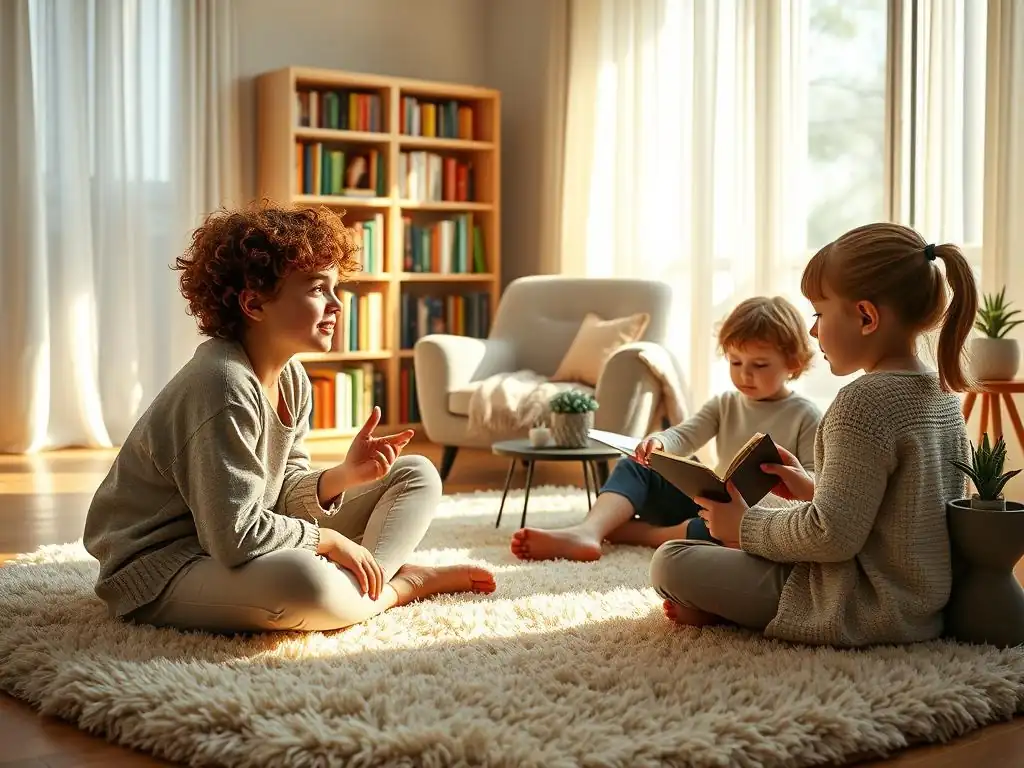
Welcome to Mind Care Guide, a sanctuary for cultivating inner peace and understanding.
Are you striving to equip your children with the kids healthy communication skills they need to thrive in a complex world? Imagine the profound impact you can have on their relationships and self-esteem by fostering open and honest dialogue. Let's embark on this journey together, exploring practical tips and strategies that will empower your kids to express themselves confidently and navigate interpersonal connections with grace. Ready to unlock the secrets to building stronger, healthier family bonds?
Teaching Kids Healthy Communication Skills: A Lifelong Gift for Their Relationships
- Introduction: Why Healthy Communication Matters for Kids
- Understanding the Fundamentals of Healthy Communication for Children
- Practical Kids Healthy Communication Skills Tips You Can Implement Today
- Activities and Games to Enhance Children's Communication Abilities
- Addressing Common Communication Challenges in Children
- The Long-Term Benefits of Nurturing Kids Healthy Communication Skills
- Conclusion: Investing in Your Child's Communication Future.
-
Frequently Asked Questions
- What are the key benefits of teaching kids healthy communication skills?
- At what age should parents begin focusing on developing healthy communication skills in their children?
- What are some practical tips for parents to model healthy communication for their kids?
- How can parents help children express their emotions in a healthy way, even when they are feeling angry or frustrated?
- What are some resources available for parents who want to learn more about teaching healthy communication skills to their kids?
- Final Reflection: The Ripple Effect of Healthy Communication
- Unlock Your Child's Communication Powerhouse!
Introduction: Why Healthy Communication Matters for Kids
Communication is the bedrock of all relationships, and for children, developing strong communication skills is crucial for navigating the world around them. From expressing basic needs as toddlers to negotiating friendships in adolescence, the ability to communicate effectively impacts every facet of a child's life. Teaching kids healthy communication skills early on provides them with essential tools for building positive relationships with family, friends, and eventually, colleagues and partners. It's not just about talking; it's about listening, understanding, expressing emotions appropriately, and resolving conflicts constructively.
Investing time and effort into nurturing a child's communication abilities yields significant dividends. Children who can communicate well are often better equipped to handle social situations, manage their emotions, and advocate for themselves. These fundamental skills contribute directly to their emotional well-being and resilience. As they grow, mastering kids healthy communication skills helps them build empathy, navigate complex social dynamics, and foster deeper connections, laying the groundwork for a fulfilling and connected life.
Understanding the Fundamentals of Healthy Communication for Children
What Does Healthy Communication Look Like in Children?
Healthy communication in children manifests in various ways, evolving with their age and developmental stage. For a young child, it might look like using words to express frustration instead of hitting, or being able to ask for help when needed. As children get older, healthy communication includes making eye contact, taking turns speaking, listening attentively when others are talking, and expressing their thoughts and feelings clearly and respectfully. It's about finding a balance between expressing one's own needs and considering the feelings and perspectives of others.
Furthermore, healthy communication involves non-verbal cues. Children learn to understand and use body language, facial expressions, and tone of voice to convey meaning. A child who can recognize when a friend is upset by their posture or tone is demonstrating an aspect of healthy communication. Similarly, a child who can modulate their own voice when they are feeling angry, rather than shouting, is practicing self-regulation through communication. These are essential kids healthy communication skills that contribute to successful interactions.
The Impact of Communication on Children's Mental Well-being
A child's ability to communicate effectively is intrinsically linked to their mental and emotional well-being. Children who struggle to express themselves may experience increased frustration, anxiety, or withdrawal. For instance, a child who cannot articulate feeling overwhelmed might act out behaviourally, leading to negative interactions and potentially impacting their self-esteem. Conversely, children with strong communication skills are often better able to manage stress, express their needs, and seek support, which are vital components of good mental health.
Effective communication also plays a crucial role in a child's social development and sense of belonging. Being able to communicate clearly helps children build and maintain friendships, navigate peer conflicts, and feel understood by adults. When children feel heard and validated, it reinforces their sense of self-worth and security. Conversely, difficulties in communication can lead to social isolation, misunderstandings, and conflict, potentially contributing to feelings of loneliness or sadness. Nurturing kids healthy communication skills is therefore a protective factor for their overall mental resilience.
Practical Kids Healthy Communication Skills Tips You Can Implement Today
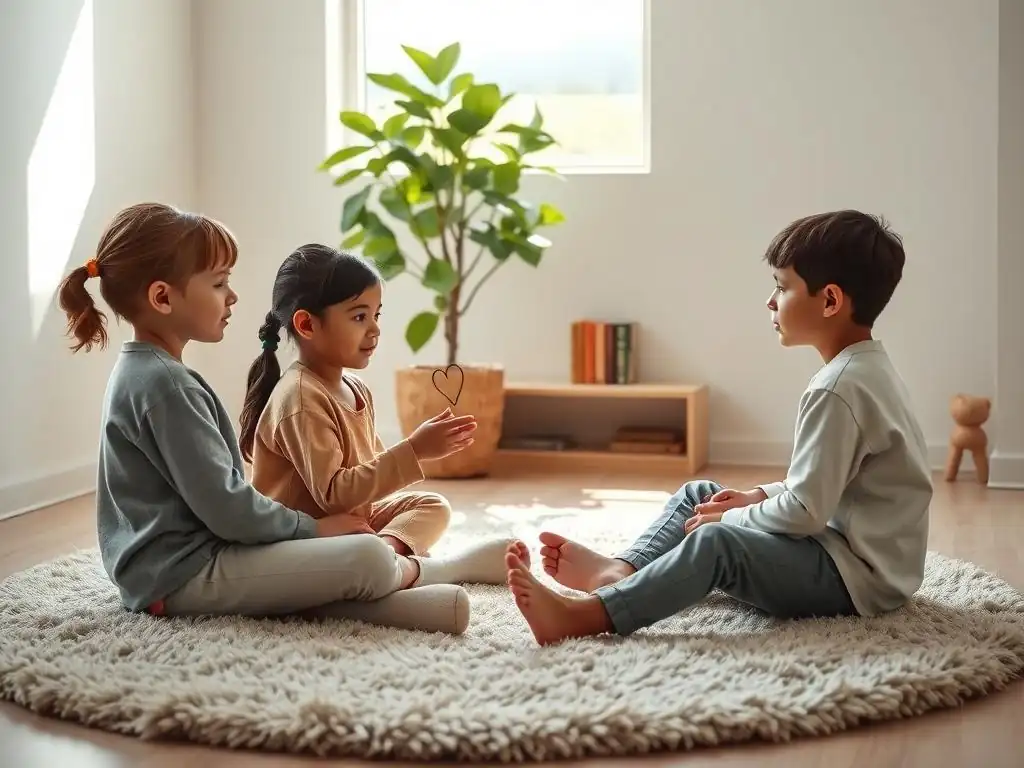
Tip 1: Model Healthy Communication at Home
Children are keen observers, and they learn much of their communication style from the adults around them, particularly parents and caregivers. Modeling healthy communication involves demonstrating active listening, expressing emotions constructively, using "I" statements (e.g., "I feel frustrated when..." instead of "You always make me frustrated"), and resolving disagreements respectfully. When parents talk through their own feelings or explain their thought process for solving a problem, children learn how communication is used in real-life situations.
It's also important to model apologizing when you make a mistake in communication and explaining why the apology is necessary. For example, saying, "I'm sorry I interrupted you; that wasn't respectful listening," teaches a child about the components of good communication and the importance of repairing interactions. Consistently demonstrating these kids healthy communication skills in daily family interactions provides a powerful, living example for children to follow.
Tip 2: Teach Active Listening Skills to Kids
Teaching children to truly listen is just as important as teaching them to speak. Active listening involves paying attention not just to the words spoken, but also to the speaker's tone and body language. For younger children, this might start with simple games like "Simon Says" or echoing what the other person said. For older children, it involves skills like making eye contact, nodding to show understanding, asking clarifying questions, and summarizing what they heard.
You can practice active listening by having dedicated listening time where each family member gets a turn to speak without interruption while others listen and then reflect back what they heard. For instance, after a child shares about their day, a parent might say, "So, it sounds like you had a really fun time at the park today, especially playing on the swings?" This validates the child's experience and shows them what active listening looks like. Developing strong listening skills is a cornerstone of effective kids healthy communication skills.
Tip 3: Encourage Emotional Expression and Validation
Healthy communication involves being able to identify and express one's emotions in appropriate ways. Help children build an emotional vocabulary from a young age, using words like "happy," "sad," "angry," "frustrated," or "excited." Encourage them to talk about how they are feeling and validate those feelings, even if you don't agree with the reason behind them. Saying "It sounds like you are feeling really angry right now because you couldn't have the toy" helps a child connect the emotion to the situation and feel understood.
It's also crucial to teach children how to express strong emotions constructively. Instead of yelling or hitting when angry, they can learn to use their words, take deep breaths, or find other healthy outlets. Role-playing different scenarios can help them practice saying, "I feel mad when that happens" instead of reacting impulsively. This focus on emotional literacy is a key element of teaching kids healthy communication skills.
Tip 4: Promote Assertiveness and Boundary Setting
Assertiveness is the ability to express one's needs, thoughts, and feelings directly and respectfully, without being aggressive or passive. Teach children that it's okay to say "no" to things they are uncomfortable with and to stand up for themselves and others in a kind way. This could involve practicing how to decline an invitation politely or how to tell a friend that something they did hurt their feelings.
Boundary setting is a critical component of assertiveness. Help children understand their personal boundaries and how to communicate them. For instance, teaching a child to say, "Please don't touch me like that, I don't like it," empowers them to protect their physical space. Similarly, teaching them how to say, "I need some quiet time to finish my homework," helps them communicate their need for space or focus. These skills are fundamental kids healthy communication skills for building self-respect and healthy relationships.
Tip 5: Resolve Conflicts Constructively
Conflict is a natural part of relationships, and teaching children how to resolve it constructively is invaluable. Instead of avoiding conflict or resorting to yelling or blaming, guide children through steps like identifying the problem, expressing their feelings calmly, listening to the other person's perspective, brainstorming solutions, and agreeing on a compromise. Using "I" statements is particularly helpful here, allowing children to express their feelings without making accusations.
For example, if two siblings are fighting over a toy, guide them to each state what they want and how they feel ("I feel frustrated because I want to play with the truck now"). Then, help them listen to each other. Brainstorm solutions together ("Could you take turns? Could you play together? Could one person play with the truck and the other with the cars?"). Finally, help them choose a solution they can both agree on. Practicing conflict resolution is a vital aspect of developing kids healthy communication skills.
Activities and Games to Enhance Children's Communication Abilities
Charades and Other Communication Games for Younger Children
Games can be a fun and effective way to build communication skills in younger children. Charades, for example, helps children practice non-verbal communication and interpreting body language. Pictionary encourages visual communication and understanding how drawings convey meaning. Simple turn-taking games, like building a tower together where each person adds one block, help reinforce the concept of sharing conversational space.
Another useful activity is "Feelings Charades," where children act out different emotions for others to guess, building their emotional vocabulary and ability to read emotional cues. Using puppets or stuffed animals to act out simple social scenarios can also help young children practice using their words to express needs or resolve minor disagreements in a low-pressure environment. These playful approaches make learning kids healthy communication skills enjoyable.
Debate and Role-Playing Activities for Older Children and Teenagers
For older children and teenagers, more complex activities can enhance their communication and critical thinking skills. Simple debates on age-appropriate topics (e.g., "Should school start later?") encourage organizing thoughts, presenting arguments clearly, listening to opposing viewpoints, and responding respectfully. This builds confidence in verbal expression and logical reasoning, key components of effective communication.
Role-playing various social situations is also incredibly beneficial. Scenarios could include asking a teacher for help, saying no to peer pressure, resolving a disagreement with a friend, or communicating feelings to a family member. By practicing these interactions in a safe setting, teenagers can experiment with different ways of communicating, receive feedback, and build confidence in their ability to handle real-life situations. These activities directly support the development of sophisticated kids healthy communication skills needed for adolescence and beyond.
Addressing Common Communication Challenges in Children
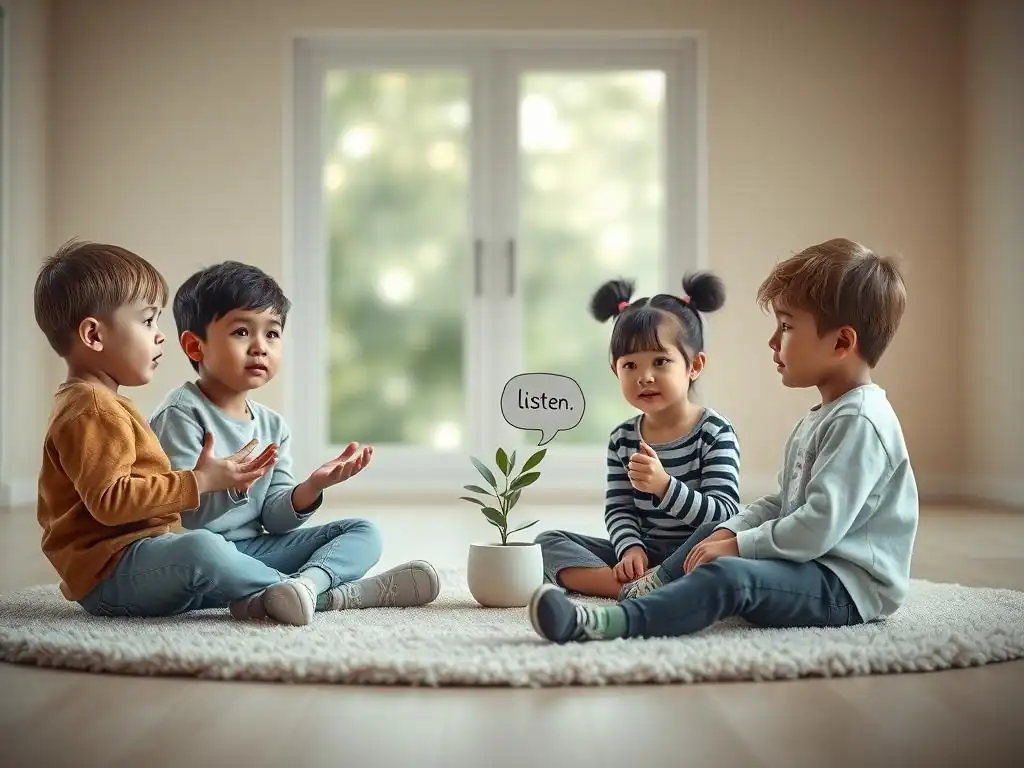
Shyness and social anxiety can significantly impact a child's willingness and ability to communicate. For a shy child, pushing them into large social situations can be counterproductive. Instead, start with small, low-pressure interactions, like playing one-on-one with a trusted friend or participating in small group activities. Encourage them gently, praising effort rather than just outcomes. Help them prepare for social situations by talking through what might happen and how they can respond, perhaps practicing simple greetings or conversation starters.
For children with more significant social anxiety, which might involve physical symptoms like stomach aches or avoidance behaviors, it's essential to be empathetic and patient. Professional support from a child therapist or counselor can provide targeted strategies, such as cognitive behavioral techniques, to help the child gradually face their fears and build confidence in their communication abilities. Consistent, positive reinforcement at home for small steps taken is crucial in helping these children develop their kids healthy communication skills.
Managing Aggressive or Disruptive Communication
Aggressive communication, such as yelling, hitting, or using hurtful words, often stems from a child's inability to manage strong emotions or express their needs effectively. Disruptive communication, like constant interruptions or off-topic comments, might be linked to attention issues or a lack of understanding of social rules. In both cases, setting clear boundaries and teaching alternative, acceptable ways to communicate are vital.
When a child communicates aggressively, address the behavior firmly but calmly. Help them understand why the behavior is unacceptable and what they could have done differently. "When you yell, it makes it hard for me to understand you. Can you try telling me how you feel in a calm voice?"
Teach them specific calming strategies and replacement behaviors. For disruptive communication, gently redirect the child and explicitly teach the rules of conversation, such as waiting for a turn to speak or staying on topic. Consistency and patience are key to reshaping these communication patterns and fostering kids healthy communication skills.
Supporting Children with Communication Difficulties
Some children face specific communication difficulties due to conditions like speech and language disorders, autism spectrum disorder, or hearing impairments. Supporting these children requires empathy, patience, and often, professional intervention. Working with speech-language pathologists, audiologists, or special education professionals can provide tailored strategies and tools to help the child develop their communication skills.
At home, create a supportive environment. Be patient and allow the child ample time to express themselves without interruption. Use clear, simple language and supplement verbal communication with visual aids, gestures, or assistive technology if recommended by professionals. Celebrate small communication successes and focus on their strengths. Collaborating closely with specialists and advocating for the child's needs in educational settings are crucial steps in helping children with communication difficulties build their kids healthy communication skills and connect with the world around them.
The Long-Term Benefits of Nurturing Kids Healthy Communication Skills
The effort invested in teaching kids healthy communication skills yields lifelong benefits. Children who learn to communicate effectively are better equipped to form strong, meaningful relationships throughout their lives. They tend to have higher self-esteem, are more resilient in the face of challenges, and are better able to navigate the complexities of social and professional environments. These skills contribute to academic success, career opportunities, and overall life satisfaction.
Furthermore, strong communication skills are essential for emotional intelligence and empathy. Children who can express their own feelings and understand the feelings of others are better able to resolve conflicts peacefully, collaborate effectively, and build supportive networks. As they become adults, these individuals are often better partners, parents, and community members, contributing positively to their relationships and society. Nurturing kids healthy communication skills is truly giving them a gift that will serve them well in every chapter of their lives.
Conclusion: Investing in Your Child's Communication Future.
Teaching kids healthy communication skills is one of the most valuable investments you can make in their future. It's a continuous process that involves modeling, teaching, practicing, and providing patient guidance. By focusing on active listening, emotional expression, assertiveness, and constructive conflict resolution, you equip your children with the essential tools they need to build strong relationships and navigate the world with confidence and empathy. Prioritizing the development of kids healthy communication skills is not just about improving their interactions today; it's about setting them up for a lifetime of healthy connections and well-being.
Frequently Asked Questions
What are the key benefits of teaching kids healthy communication skills?
Teaching children healthy communication equips them with essential tools for navigating relationships, resolving conflicts, and building stronger self-esteem. It fosters empathy and understanding.
At what age should parents begin focusing on developing healthy communication skills in their children?
It's beneficial to start introducing basic communication concepts from a young age, even infancy. As children grow, parents can adapt their approach to match their developmental stage.
What are some practical tips for parents to model healthy communication for their kids?
Parents can model healthy communication by actively listening to their children, expressing their own feelings respectfully, and demonstrating constructive conflict resolution.
How can parents help children express their emotions in a healthy way, even when they are feeling angry or frustrated?
Help children identify and name their emotions. Teach them healthy coping mechanisms like taking deep breaths or talking about their feelings, instead of resorting to aggressive behavior.
What are some resources available for parents who want to learn more about teaching healthy communication skills to their kids?
Mind Care Guide offers comprehensive articles and resources on mental well-being and communication techniques. Many books and online workshops are also available.
Final Reflection: The Ripple Effect of Healthy Communication
Teaching children effective communication skills isn't just about polite "please" and "thank you"; it's about equipping them with the tools to navigate the complexities of life, build strong relationships, and thrive in a world increasingly reliant on clear and empathetic interaction. The ability to express needs, listen actively, and resolve conflicts peacefully is a fundamental life skill, impacting everything from academic success to personal well-being.
The impact of healthy communication extends far beyond the individual child. It ripples outwards, influencing family dynamics, friendships, and ultimately, the broader social fabric. We see the consequences of poor communication skills daily – in escalating conflicts, misunderstandings, and fractured relationships. As adults, we often grapple with the very communication challenges we weren't taught to overcome as children. The single biggest problem in communication is the illusion that it has taken place.
- George Bernard Shaw. This quote highlights the crucial need for intentional teaching and modeling of effective communication strategies from a young age.
Now, consider your own communication style. Reflect on how you learned to communicate, and identify areas where you might benefit from strengthening your skills. What lessons from this article can you apply to your interactions with children in your life?
Perhaps it's practicing active listening, teaching your child to express their emotions constructively, or simply creating a safe space for open and honest dialogue. By investing in the communication skills of the next generation, we invest in a future characterized by understanding, empathy, and lasting connections. Let's empower our children to communicate effectively, not just for today, but for a lifetime of fulfilling relationships.
Unlock Your Child's Communication Powerhouse!
Thanks for investing your time in learning how to foster healthy communication in your child! You've gained valuable insights into building stronger relationships for them – a gift that keeps on giving. Now, let's put this knowledge into action.
- Start a family communication "check-in" tonight: Make it a fun, relaxed ritual where everyone shares their day, focusing on feelings and experiences. This is your primary action to solidify what you’ve learned.
- Share this article with other parents: Help spread the word and create a supportive community focused on raising communicatively confident kids.
- Try a new communication game together: Search online for interactive games that teach active listening or emotion identification – it's a fun way to practice new skills!
What small step will you take today to boost your child's communication skills?