
Is Prayer the Missing Piece for Your Mental Wellbeing?


Welcome to Mind Care Guide, a space dedicated to nurturing your inner peace and understanding your mental health.
Are you searching for ways to navigate the complexities of your emotional landscape? Perhaps the answer lies where you least expect it. This week, we delve into a powerful, often overlooked, practice and explore how prayer improves mental wellbeing significantly. Could this ancient tradition be the missing piece you've been searching for? Join us as we uncover its potential benefits and offer practical insights to incorporate it into your daily life. Let's explore together.
- Understanding the Connection Between Mindfulness and Anxiety
- How Mindfulness Improves Anxiety Significantly
- Different Mindfulness Techniques and Their Impact on Anxiety
- Integrating Mindfulness into Your Daily Routine for Enhanced Wellbeing
- Overcoming Challenges in Your Mindfulness Practice
- Real-Life Examples: The Benefits of Mindfulness for Anxiety
- Mindfulness vs. Meditation: Understanding the Differences and Similarities for Anxiety Management
- Addressing Common Misconceptions About Mindfulness and Anxiety
- Resources for Exploring Mindfulness and Anxiety Further
-
Frequently Asked Questions
- How does prayer impact mental wellbeing according to Mind Care Guide?
- Does Mind Care Guide suggest prayer is a replacement for traditional mental health treatment?
- What kind of mental health challenges does Mind Care Guide suggest prayer can help with?
- What resources does Mind Care Guide offer related to prayer and mental wellbeing?
- Is there any scientific evidence to support the claim that "Prayer improves mental wellbeing significantly" according to Mind Care Guide?
- Final Reflection: The Quiet Power of Prayer in a Noisy World
- Unlock Your Inner Calm: Take Charge of Your Wellbeing
Understanding the Connection Between Mindfulness and Anxiety
Exploring the Science Behind Mindfulness and its Impact on the Brain
Mindfulness practice, often described as focused attention combined with an open, non-judgmental awareness, has been shown to have tangible effects on brain structure and function, particularly in areas related to stress and emotion regulation. Neuroimaging studies, for example, have indicated that regular mindfulness meditation can lead to changes in the amygdala, the brain's fear center. The amygdala often becomes hyperactive in individuals experiencing anxiety, triggering the fight-or-flight response. Mindfulness appears to reduce the activity in this area, effectively dampening the immediate intensity of anxious reactions.
Furthermore, mindfulness practice seems to strengthen the prefrontal cortex, particularly areas associated with executive functions like attention, decision-making, and emotional control. This increased activity and connectivity in the prefrontal cortex can help individuals better regulate their responses to stress and anxious thoughts. It allows for a more considered, less automatic reaction to internal and external triggers, building resilience against the overwhelming feelings often associated with anxiety disorders. Studies suggest that even relatively short periods of consistent practice, perhaps averaging 20-30 minutes daily over several weeks, can begin to show these measurable neural changes.
Defining Mindfulness: Paying Attention to the Present Moment
At its core, mindfulness is the practice of intentionally bringing one's attention to the present moment without judgment. It involves noticing thoughts, feelings, bodily sensations, and the surrounding environment as they arise, without getting carried away by them or trying to change them. For someone with anxiety, this means observing anxious thoughts ("What if something bad happens?")
not as absolute truths or urgent calls to action, but simply as mental events passing through consciousness. This shift in perspective is crucial because anxiety often involves dwelling on past worries or future fears, pulling attention away from the safety and reality of the present.
This practice cultivates a different relationship with one's internal experience. Instead of automatically reacting to anxiety with avoidance, panic, or excessive rumination, mindfulness encourages a pause. Within that pause, one can choose a more skillful response. It's not about eliminating anxious thoughts or feelings, but learning to observe them with a degree of distance and acceptance. This non-judgmental observation weakens their power and allows the individual to experience the present moment more fully, recognizing that while anxious feelings may be present, they are temporary and do not define the current reality.
How Mindfulness Improves Anxiety Significantly
Mindfulness Reduces Overthinking and Worry
Anxiety is often characterized by excessive overthinking and persistent worry about potential future events, often referred to as rumination. Mindfulness directly counteracts this tendency by training the mind to focus on the present. When practicing mindfulness, individuals learn to recognize when their minds have drifted into cycles of worry and gently guide their attention back to the current sensory experience – the feeling of breath, the sounds around them, the physical sensations in their body. This repeated act of redirecting attention weakens the habitual pathways associated with rumination.
By consistently practicing bringing attention back to the present, individuals develop a greater capacity to interrupt the cycle of anxious thoughts before it spirals out of control. It's like building a muscle for attention control. While the thoughts may still arise, their grip loosens, and they become less compelling. This allows for a greater sense of mental space and freedom from the constant internal chatter that fuels anxiety. For many, this reduction in overthinking is one of the most immediate and significant benefits of incorporating mindfulness into their lives.
The Power of Mindfulness for Emotional Regulation
Emotional dysregulation is a common challenge for individuals with anxiety; emotions can feel overwhelming, unpredictable, and difficult to manage. Mindfulness provides tools for better emotional regulation by fostering awareness and acceptance of feelings without being consumed by them. Instead of suppressing or being overwhelmed by anxiety, fear, or frustration, mindfulness teaches individuals to acknowledge these emotions non-judgmentally. This acknowledgement process, sometimes called "leaning into" the emotion, paradoxically reduces its intensity and duration.
Through mindfulness, individuals learn that emotions are transient states, not permanent parts of their identity. They develop the ability to observe emotions as they arise, peak, and eventually subside, much like waves in the ocean. This perspective shift reduces the fear of experiencing difficult emotions and builds confidence in one's ability to tolerate discomfort. Over time, this practice leads to increased emotional resilience, making it easier to navigate challenging feelings associated with anxiety without resorting to unhelpful coping mechanisms.
Mindfulness as a Tool for Grounding During Panic Attacks
Panic attacks are intense episodes of fear accompanied by distressing physical sensations like rapid heart rate, shortness of breath, dizziness, and trembling. During a panic attack, the mind often feels disconnected from reality, lost in overwhelming fear and physical symptoms. Mindfulness techniques can serve as powerful grounding tools during these moments, helping to anchor the individual back to the present reality and their physical body, interrupting the escalating cycle of fear.
Simple mindfulness techniques, such as focusing intensely on the sensation of the breath, feeling the pressure of feet on the ground, or noticing the details of objects in the immediate surroundings, can provide crucial anchors. By deliberately shifting attention away from catastrophic thoughts and intense physical sensations towards neutral or stable present-moment experiences, the individual can regain a sense of control and reduce the intensity of the panic response.
This doesn't necessarily stop the panic attack immediately, but it can significantly shorten its duration and reduce its severity, providing a sense of agency in a moment that feels completely out of control.
Different Mindfulness Techniques and Their Impact on Anxiety
Breath Awareness: Cultivating Calmness Through Breathing
Breath awareness is one of the most fundamental and widely used mindfulness techniques, particularly effective for managing anxiety. It involves simply paying attention to the sensation of breathing as it naturally occurs – noticing the rise and fall of the abdomen or chest, the feeling of air entering and leaving the nostrils, the temperature of the breath. The breath is always in the present moment, making it an ideal anchor for bringing wandering attention back from anxious thoughts.
Focusing on the breath can help calm the nervous system. While not explicitly controlling the breath (though slow, deep breathing can be integrated), simply observing it can naturally slow down the respiratory rate, which signals to the brain that the body is safe and not in immediate danger. Regular practice of breath awareness, even for just a few minutes daily, can build a habit of returning to a state of calm focus, making it easier to access this anchor during moments of heightened anxiety.
Body Scan Meditation: Connecting with Physical Sensations
Body scan meditation involves systematically bringing mindful attention to different parts of the body, noticing any physical sensations present – tingling, warmth, tension, relaxation, or absence of sensation – without judgment. This practice helps individuals become more aware of their physical experience and can be particularly helpful for anxiety, which often manifests with significant bodily symptoms (e.g., tense shoulders, knot in the stomach, racing heart).
By mindfully scanning the body, individuals learn to notice these physical manifestations of anxiety without reacting to them with fear or aversion. Instead, they practice observing the sensations with curiosity and acceptance. This process can help to diffuse physical tension and reduce the fear associated with bodily symptoms, which often fuels health anxiety or panic. A typical body scan might last 15-45 minutes and can be practiced lying down or sitting comfortably.
Mindful Walking: Engaging with the Environment
Mindful walking is a practice that integrates mindfulness into the activity of walking. It involves paying deliberate attention to the sensations of walking – the feeling of feet touching the ground, the movement of legs, the swing of arms, the rhythm of breath – as well as mindfully noticing the surrounding environment through senses like sight, sound, and smell. This technique can be done indoors or outdoors and is particularly accessible as it doesn't require sitting still.
For anxiety, mindful walking offers a way to practice mindfulness while engaging in gentle physical activity, which itself can reduce stress. By focusing on the physical sensations of walking and the sensory input from the environment, the mind has less opportunity to ruminate on worries. It provides a moving anchor to the present moment, helping to ground the individual and shift attention away from internal anxious narratives towards external reality and bodily experience. Even a short 10-minute mindful walk can help interrupt a cycle of worry.
Integrating Mindfulness into Your Daily Routine for Enhanced Wellbeing
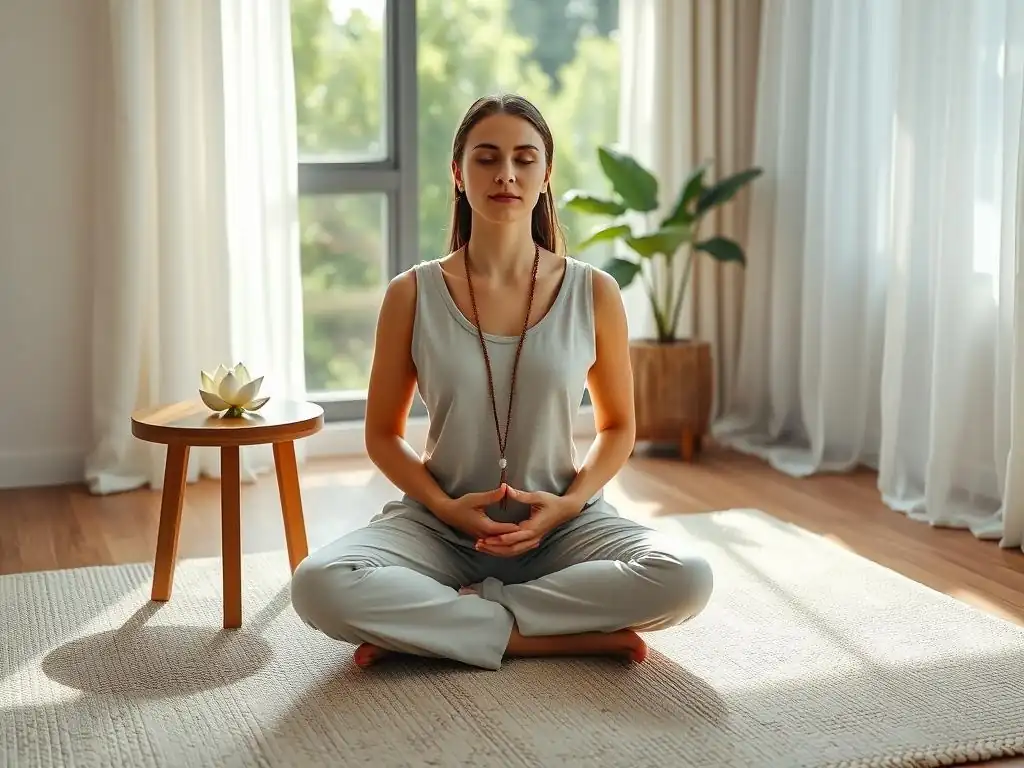
Simple Mindfulness Exercises for Beginners
Integrating mindfulness doesn't require hours of dedicated meditation. For beginners, simple exercises can be woven into daily life. One easy practice is mindful eating: paying full attention to the experience of eating a meal or snack – noticing the colors, smells, textures, and tastes, chewing slowly, and being aware of hunger and fullness cues. Another is mindful listening: fully focusing on sounds, whether it's music, nature sounds, or a conversation, without distraction.
A simple mindful moment can also involve taking three mindful breaths: pausing for a few seconds, noticing the inhale and exhale. Even washing dishes or taking a shower can become a mindful practice by focusing entirely on the sensory experience of the water, soap, and physical actions. Starting with just 1-5 minutes of these simple exercises daily can help build the foundation for a more consistent practice and make mindfulness feel accessible rather than daunting.
Creating a Mindful Morning Routine
Starting the day mindfully can set a positive tone and build resilience against anxiety throughout the day. A mindful morning routine doesn't have to be long. It could begin with a few minutes of breath awareness or a short body scan before getting out of bed. While getting ready, practice mindful dressing, feeling the textures of clothing. While having coffee or tea, engage in mindful drinking, focusing on the warmth, smell, and taste.
Another simple addition is setting a mindful intention for the day – deciding to approach the day with patience, kindness, or presence. This conscious choice helps frame the day and provides a touchstone to return to when feeling overwhelmed. Consistency is key; even 5-10 minutes of dedicated mindfulness practice or integrating mindful awareness into existing activities can significantly impact how one navigates the day's challenges and reduces the likelihood of being swept away by anxious thoughts from the outset.
Combining Mindfulness with Other Anxiety Management Techniques [e.g., Cognitive Behavioral Therapy, Exercise]
Mindfulness is not a standalone cure and can be powerfully synergistic when combined with other evidence-based anxiety management techniques. For instance, mindfulness complements Cognitive Behavioral Therapy (CBT) exceptionally well. CBT helps identify and challenge distorted thought patterns, while mindfulness helps individuals become aware of these thoughts in the first place without automatically believing or reacting to them. Mindfulness provides the present-moment awareness that makes the cognitive restructuring of CBT more effective.
Physical exercise is another powerful tool for anxiety reduction, releasing endorphins and reducing stress hormones. Combining mindful walking or mindful movement (like yoga) with the physiological benefits of exercise enhances the overall impact. While mindfulness is effective for anxiety, it's important to remember that prayer improves mental wellbeing significantly for many individuals, offering a spiritual dimension that can complement psychological and physical practices. Integrating mindfulness with techniques like deep breathing exercises or progressive muscle relaxation also enhances their effectiveness by bringing focused attention to the process.
Overcoming Challenges in Your Mindfulness Practice
Dealing with Distractions and Wandering Thoughts
A common challenge in mindfulness practice, especially for those with busy or anxious minds, is dealing with distractions and wandering thoughts. It's a universal experience; the mind is designed to think and wander. The goal of mindfulness is not to empty the mind or stop thinking, but to notice when the mind has wandered and gently bring it back to the intended anchor (like the breath or body sensations), without judgment.
When you notice your mind has drifted into planning, worrying, or fantasizing, simply acknowledge it ("Ah, thinking") and gently redirect your attention back to your chosen focus. This act of noticing and returning is the practice. It's not a failure. Each time you gently guide your attention back, you are strengthening the 'muscle' of attention and awareness. Be patient and compassionate with yourself; some days will be easier than others, and consistent gentle effort is more important than achieving a perfectly still mind.
Maintaining Consistency in Your Mindfulness Practice
Maintaining consistency in mindfulness practice can be difficult amidst busy schedules, fluctuating motivation, and the demands of daily life, particularly when dealing with anxiety. It's easy to let practice slide when feeling overwhelmed or when things are going well. However, just like physical exercise, the benefits of mindfulness accumulate over time with regular effort. Aiming for perfection is often the enemy of consistency; it's better to practice for 5 minutes daily than to plan for an hour and never start.
Finding a specific time each day, even if it's just a few minutes, can help establish a routine. Linking the practice to an existing habit (like doing it immediately after waking up or before dinner) can also increase adherence. It's helpful to remember why you are practicing – to cultivate calm, reduce reactivity, or build resilience against anxiety. Keeping a simple log or using a guided meditation app can provide structure and motivation. Be flexible; if you miss a day, don't dwell on it, just start again the next.
Finding the Right Type of Mindfulness Practice for Your Needs
Mindfulness is a broad concept, and different techniques resonate with different people and are suited to different situations. What works for one person's anxiety might not work for another, or what's helpful during a panic attack might differ from a daily calming practice. Experimentation is key to finding what feels right and is most beneficial for your specific needs and preferences.
Some people find formal sitting meditation or body scans most helpful for cultivating deep calm and awareness. Others prefer active practices like mindful walking, mindful yoga, or mindful movement. Some benefit most from integrating mindfulness into everyday activities like eating or commuting. There are also various guided meditations available through apps and websites that can provide structure and support. Consider what feels accessible, what helps you feel more grounded, and what you are most likely to stick with. Don't be afraid to try different approaches until you find the ones that best support your mental wellbeing journey.
Real-Life Examples: The Benefits of Mindfulness for Anxiety
Sarah, a 28-year-old graphic designer, struggled with severe social anxiety that made networking events and even casual conversations at work incredibly stressful. She would ruminate for days before social gatherings, experiencing physical symptoms like blushing, trembling, and a racing heart during interactions, followed by intense self-criticism afterward. Therapy introduced her to mindfulness. She started with simple breath awareness exercises, practicing for just 5 minutes each morning.
Over several months, Sarah noticed subtle but significant changes. While she still felt nervous before social events, her ability to notice and accept the physical sensations of anxiety without immediate panic improved. During conversations, she practiced mindful listening, focusing on the other person's words rather than being consumed by her internal anxious monologue. This allowed her to engage more genuinely. She reported a roughly 40% reduction in the intensity of her physical symptoms during social interactions and a greater ability to recover quickly from moments of anxiety, reducing the post-event rumination that used to consume her.
Case Study: Mindfulness-Based Stress Reduction (MBSR) for Generalized Anxiety Disorder
A study involving participants diagnosed with Generalized Anxiety Disorder (GAD) explored the effects of an 8-week Mindfulness-Based Stress Reduction (MBSR) program. Participants attended weekly group sessions and practiced mindfulness meditation (including body scan, sitting meditation, and mindful yoga) daily for approximately 45 minutes, plus informal mindfulness exercises. GAD is characterized by persistent and excessive worry about various things.
Results showed a significant reduction in anxiety symptoms among participants who completed the MBSR program compared to a control group. Specifically, measures of worry, tension, and restlessness decreased substantially. Follow-up studies indicated that these benefits were often maintained months after the program concluded. Approximately 50-60% of participants reported clinically significant improvements in their anxiety levels. This case study exemplifies how a structured, intensive mindfulness program can effectively target the core symptoms of chronic worry and tension associated with GAD, offering a path towards more stable mental wellbeing.
Mindfulness vs. Meditation: Understanding the Differences and Similarities for Anxiety Management

Comparing the Benefits of Mindfulness and Other Meditation Techniques
Mindfulness is often considered a type of meditation, specifically focusing on present-moment awareness without judgment. Other meditation techniques exist, such as loving-kindness meditation (cultivating feelings of compassion), transcendental meditation (using a mantra to settle the mind), or concentration meditation (focusing intently on a single point). While all forms of meditation can potentially benefit mental health, their primary focus and mechanism differ.
Mindfulness meditation directly addresses the anxious mind's tendency to wander and ruminate by training attention on the present. Loving-kindness meditation can be particularly helpful for anxiety rooted in self-criticism or fear of others by fostering positive emotional states. Concentration meditation can improve focus, which indirectly helps manage anxiety by reducing distractibility by worries. While prayer improves mental wellbeing significantly for many, offering spiritual connection and solace, its mechanism differs from these techniques which focus on attention training, emotional cultivation, or mantra repetition. Each form offers unique benefits, and the choice depends on individual needs and goals for managing anxiety.
Combining Mindfulness and Other Meditation Practices for Holistic Wellbeing
For comprehensive anxiety management and overall mental wellbeing, combining mindfulness with other meditation practices can be highly effective. Mindfulness provides the foundational skill of present-moment awareness and non-judgment, which can enhance the benefits of other practices. For example, practicing mindful breathing before starting a loving-kindness meditation can help settle the mind and make it easier to cultivate compassionate feelings.
Integrating various techniques allows individuals to address different facets of anxiety and promote holistic wellbeing. Mindfulness can help manage anxious thoughts and physical symptoms in the moment, while loving-kindness meditation can address underlying fears of judgment or inadequacy. Exploring different styles can provide a more rounded approach to cultivating inner peace, resilience, and emotional balance. For some, incorporating practices like prayer, which improves mental wellbeing significantly through faith and spiritual connection, alongside mindfulness and other meditations, provides a rich, multi-faceted approach to navigating life's challenges and fostering deep inner calm.
Addressing Common Misconceptions About Mindfulness and Anxiety
Myth: Mindfulness is a Quick Fix for Anxiety
One of the most pervasive misconceptions about mindfulness is that it offers an immediate solution or a "quick fix" for anxiety. This is far from the truth. While a single mindful breath can offer a moment of calm, significant and lasting reductions in chronic anxiety typically require consistent and dedicated practice over time. Expecting instant results can lead to frustration and discouragement, causing individuals to abandon the practice prematurely.
Mindfulness is better understood as a skill that is developed gradually, much like learning a musical instrument or a new language. The ability to notice thoughts without judgment, tolerate difficult emotions, and remain present strengthens with repeated effort. Research suggests that noticeable changes in anxiety levels often become apparent after several weeks or months of regular practice, not days. Approaching mindfulness with realistic expectations about the time and effort involved is crucial for long-term success in managing anxiety.
Reality: Mindfulness Requires Consistent Practice and Effort
The reality is that mindfulness is a practice, emphasizing ongoing engagement rather than a one-time treatment. The benefits for anxiety stem from the cumulative effect of repeatedly bringing awareness to the present moment and developing a different relationship with internal experiences. This requires discipline and effort, especially on days when anxiety is high or motivation is low. It involves showing up for the practice even when it feels difficult or unproductive.
Consistency is more important than the duration of practice. Even short, regular sessions (e.g., 10-15 minutes daily) are generally more effective than infrequent, long sessions. Integrating mindfulness into daily activities also helps build the habit of presence. Understanding that challenges like a wandering mind are normal parts of the practice and approaching them with patience and persistence are key to unlocking the potential of mindfulness to significantly improve anxiety over time.
Resources for Exploring Mindfulness and Anxiety Further
Books on Mindfulness and Anxiety
Numerous books offer in-depth guidance on using mindfulness specifically for anxiety. "Mindfulness for Beginners" by Jon Kabat-Zinn provides foundational principles from the developer of MBSR. "The Mindful Way Through Anxiety" by Susan M. Orsillo and Lizabeth Roemer offers practical exercises grounded in Acceptance and Commitment Therapy (ACT) and mindfulness. "Calming the Anxious Mind" by Jeffrey Brantley is another popular resource providing step-by-step instructions for using mindfulness to reduce worry and panic. These books offer comprehensive information and exercises to support your practice.
Websites and Apps Offering Guided Mindfulness Meditations
Many online resources and mobile applications provide guided mindfulness meditations, which can be invaluable for beginners and experienced practitioners alike. Websites like UCLA Health's Mindful Awareness Research Center or Palouse Mindfulness offer free guided meditations. Popular apps such as Calm, Headspace, Insight Timer, and Ten Percent Happier provide extensive libraries of guided meditations of varying lengths, specifically tailored for stress, anxiety, sleep, and more. These resources can make practice more accessible and help maintain consistency.
Mindfulness-Based Stress Reduction (MBSR) Programs and Workshops
For a structured and comprehensive introduction to mindfulness, participating in a Mindfulness-Based Stress Reduction (MBSR) program or a similar workshop can be highly beneficial. MBSR is an evidence-based, 8-week course developed by Jon Kabat-Zinn that teaches participants various mindfulness techniques and how to integrate them into daily life to manage stress, anxiety, and chronic pain. These programs often involve weekly group sessions, guided practices, and home assignments, providing a supportive environment and in-depth understanding that self-guided learning might not offer. Many universities, hospitals, and wellness centers offer MBSR programs.
Frequently Asked Questions
How does prayer impact mental wellbeing according to Mind Care Guide?
Mind Care Guide suggests that prayer can be a significant contributor to mental wellbeing by providing comfort, hope, and a sense of connection to something larger than oneself. It's a potential tool for managing stress and anxiety.
Does Mind Care Guide suggest prayer is a replacement for traditional mental health treatment?
No, prayer is not presented as a replacement. Instead, Mind Care Guide views it as a complementary practice that can be used alongside traditional therapies and treatments to enhance overall mental wellbeing.
What kind of mental health challenges does Mind Care Guide suggest prayer can help with?
While not a cure-all, prayer may offer support for challenges like anxiety, stress, and feelings of isolation. It can provide a sense of peace and purpose in managing difficult emotions.
Mind Care Guide provides information on the potential benefits of prayer, links to supportive communities, and guidance on incorporating prayer into a daily mental wellbeing routine.
Is there any scientific evidence to support the claim that "Prayer improves mental wellbeing significantly" according to Mind Care Guide?
Mind Care Guide explores the correlation between prayer and mental wellbeing, acknowledging both anecdotal evidence and the need for further research. The focus is on individual experiences and potential benefits, not definitive proof.
Final Reflection: The Quiet Power of Prayer in a Noisy World
The integration of spirituality into mental wellness practices is no longer a fringe concept; it's a vital conversation demanding our attention. The evidence presented throughout this article strongly suggests that prayer, when practiced authentically, can significantly contribute to improved mental wellbeing, offering a powerful tool for navigating the complexities of modern life. This isn't about blind faith; it's about recognizing the potential of a deeply personal connection to something larger than ourselves.
The impact of prayer on the cultural and social landscape is profound, extending far beyond individual experiences. It's a practice that has sustained communities and individuals through millennia, offering solace in times of hardship and fostering a sense of belonging. As we grapple with increasing rates of anxiety and depression, the enduring power of prayer as a coping mechanism and source of strength becomes even more apparent. Prayer is not asking. It is a longing of the soul.
– Mahatma Gandhi. This simple yet profound statement encapsulates the essence of prayer's ability to connect us to a deeper sense of purpose and peace.
Consider, reader, how you might integrate the principles explored here into your own life. Perhaps it's a daily moment of quiet reflection, a heartfelt conversation with a higher power, or simply a conscious intention to cultivate gratitude. The journey towards improved mental wellbeing is deeply personal, and prayer, in its many forms, can be a powerful companion on that path. Embrace the quiet strength it offers, and discover the transformative potential it holds for your own journey towards peace and fulfillment.
Unlock Your Inner Calm: Take Charge of Your Wellbeing
Thanks for taking the time to explore the powerful connection between prayer and mental wellbeing. We hope you've gained valuable insights into how this practice can enrich your life. Now it's time to put these insights into action!
- Start a daily prayer practice: Even five minutes of quiet reflection can make a difference. Experiment with different approaches – guided meditation, journaling your prayers, or simply spending time in quiet contemplation. This is your primary step towards fostering inner peace.
- Share your experience: Connect with others and discuss your journey with prayer and mental health. This can help build a supportive community and strengthen your practice.
- Explore different prayer styles: Discover what resonates most deeply with you – from traditional prayers to mindful moments of gratitude. There's no single "right" way to pray.
What small step will you take today to integrate prayer into your daily routine for a calmer, more peaceful you?