
The Physician vs. The Priest: Competing Approaches to Mental Care in the Middle Ages

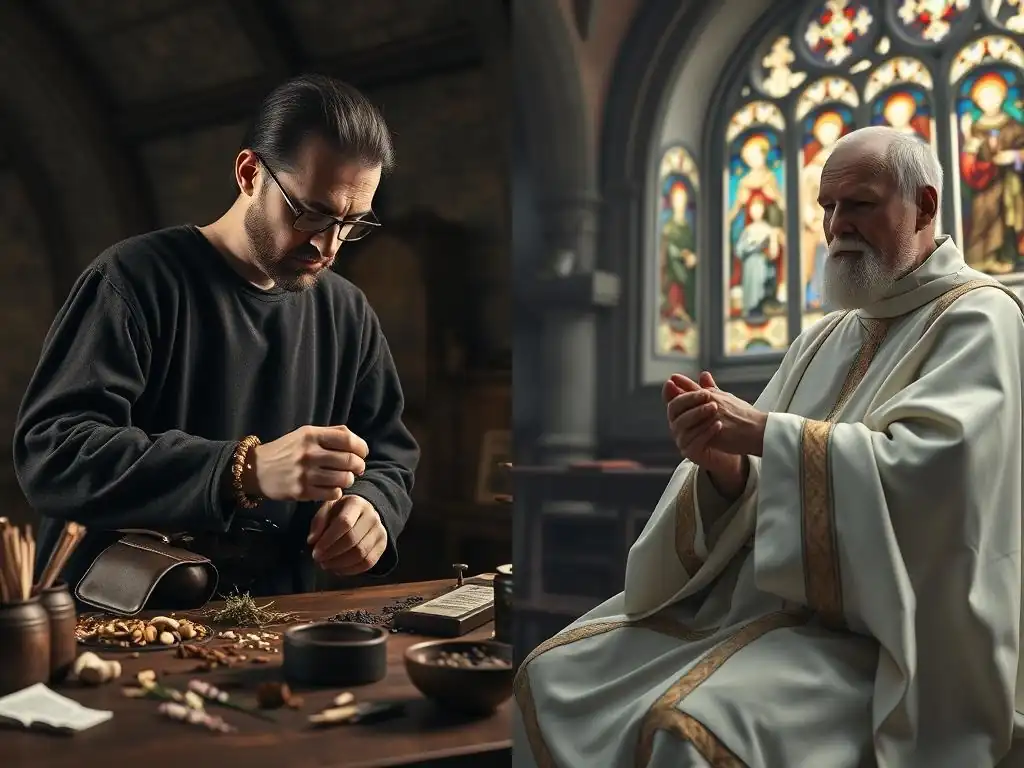
Welcome to Mind Care Guide, a sanctuary for exploring the intricate landscape of mental well-being. Ever wondered how our understanding of the mind has evolved through the ages? Delve into the captivating, and often unsettling, history of mental health treatment as we uncover the surprisingly varied approaches to care during the medieval period. Discover the contrasting roles of "The Physician vs. The Priest" and the societal forces that shaped their competing methods. Are you ready to uncover the past to better understand our present?
The Physician vs. The Priest: Competing Approaches to Mental Care in the Middle Ages
- Introduction: Understanding Medieval Mental Health Treatment Styles
- The Physician's Approach to Mental Illness in the Middle Ages
- The Priest's Role in Medieval Mental Healthcare
- Comparing and Contrasting: Medieval Medical and Religious Mental Care
- The Efficacy of Medieval Mental Health Interventions: A Critical Look
- Medieval Mental Health: Lessons for Modern Understanding
- Conclusion: Reconciling the Roles of Physician and Priest in Medieval Mental Healthcare
-
Frequently Asked Questions
- What were the primary competing viewpoints on mental health treatment during the Medieval period?
- How did the "Physician" approach mental illness in the Middle Ages?
- What role did the "Priest" play in addressing mental health challenges during the Medieval era?
- Were there any instances of collaboration or overlap between the "Physician" and "Priest" approaches?
- What were the overall limitations of Medieval mental health treatment styles, regardless of approach?
- Final Reflection: Echoes of the Past in Modern Mental Healthcare
- Uncover the Secrets of Medieval Mental Care
Introduction: Understanding Medieval Mental Health Treatment Styles
Setting the Stage: Mental Illness in the Medieval World
The Middle Ages, spanning roughly from the 5th to the 15th century, presented a complex landscape for understanding and treating mental illness. Unlike modern views, mental distress was often not solely attributed to biological or psychological factors but was deeply intertwined with religious, social, and supernatural beliefs. Societies across Europe grappled with behaviors that deviated from the norm, interpreting them through lenses shaped by classical medicine, Christian theology, and folk traditions. This era lacked a unified, scientific understanding of the mind, leading to diverse and sometimes conflicting Medieval mental health treatment styles.
Individuals exhibiting symptoms ranging from severe depression (often termed melancholia) to what might be recognized today as psychosis could face a variety of responses. These responses were heavily influenced by the perceived cause of the affliction, whether it was believed to stem from a physical imbalance, a spiritual failing, or demonic influence. The available resources for care were limited, often found within monastic communities, nascent hospitals, or through the advice of learned individuals, primarily physicians and priests, who represented the two main pillars of authority consulted for such matters.
The Dichotomy: Physicians and Priests as Caregivers
In the realm of Medieval mental health treatment styles, the physician and the priest stood as the two primary figures offering assistance, each operating from fundamentally different paradigms. The physician, often educated in universities influenced by classical Greek and Roman medical texts, approached mental distress primarily through the lens of physical health and the body's humors. Their methods, while rudimentary by today's standards, represented the era's attempt at empirical observation and physical intervention.
Conversely, the priest, representing the dominant force of the Church, viewed mental suffering often through a spiritual or moral framework. Afflictions might be seen as tests from God, punishment for sin, or the direct work of the devil. Their interventions focused on spiritual remedies, rituals, and moral guidance. This fundamental divergence created a fascinating dynamic in the Medieval landscape, where an individual seeking help for mental distress might turn to either or both authorities, navigating a system where physical and spiritual well-being were often seen as inseparable yet treated by distinct methods.
The Physician's Approach to Mental Illness in the Middle Ages
Humoral Theory and Mental Imbalance
The cornerstone of Medieval medical understanding, including its approach to mental health, was the humoral theory, inherited from ancient Greek physicians like Hippocrates and Galen. This theory posited that the human body was composed of four primary humors: blood, phlegm, yellow bile (choler), and black bile (melancholy). Each humor was associated with specific qualities (hot/cold, wet/dry) and linked to different temperaments. Mental illnesses were frequently attributed to an imbalance or corruption of these humors.
For example, melancholia, a term used to describe deep sadness, depression, and sometimes irrational fears, was widely believed to be caused by an excess of black bile. Mania, characterized by agitation, restlessness, and sometimes aggression, was often linked to an excess of yellow bile. Physicians believed that restoring the balance of these humors was essential for treating not only physical ailments but also mental disturbances, forming the basis of their Medieval mental health treatment styles.
Diagnostic Methods Employed by Medieval Physicians
Medieval physicians relied on a combination of patient observation, questioning, and examination of bodily fluids to diagnose conditions, including those affecting the mind. One of the most common diagnostic tools was uroscopy, the detailed examination of a patient's urine, analyzing its color, clarity, and even taste or smell (though the latter was less common in practice). Changes in urine were thought to reflect the state of the humors.
Beyond uroscopy, physicians would observe the patient's pulse, skin color, and general demeanor. They would inquire about the patient's diet, sleep patterns, and emotional state. While lacking sophisticated tools or anatomical knowledge of the brain, these methods represented the physician's attempt to gather empirical evidence about the patient's physical state to understand and address their mental or behavioral symptoms within the framework of humoral theory.
Treatments Offered: Herbal Remedies, Bloodletting, and More
Based on their humoral diagnosis, Medieval physicians prescribed various treatments aimed at restoring balance. Herbal remedies were widely used. For instance, hellebore, an herb known for its purgative properties, was commonly prescribed for melancholia, believed to expel excess black bile from the body. Other herbs were used for their perceived calming or invigorating effects.
Bloodletting, or phlebotomy, was another ubiquitous practice, performed by opening a vein to drain a quantity of blood. This was believed to reduce an excess of blood (plethora) or to help expel corrupted humors. Purging through laxatives or emetics was also common. Dietary changes, regulating sleep, and prescribing specific baths were also part of the physician's repertoire of Medieval mental health treatment styles, all designed to manipulate the body's humors and restore equilibrium.
Despite their adherence to a structured medical theory, the physician's influence on Medieval mental health treatment styles had significant limitations. Access to physicians was often restricted to the wealthy and urban populations; the vast majority of people, especially in rural areas, relied on folk healers or religious figures. Furthermore, the medical understanding of mental illness was rudimentary and often intertwined with supernatural beliefs, meaning physicians might also recommend prayer or acknowledge demonic influence.
Social stigma surrounding mental illness also played a role, sometimes leading families to hide afflicted members rather than seek professional help. The physician's approach, focused primarily on physical interventions, often failed to address the social, psychological, or spiritual dimensions of mental suffering that were central to the Medieval worldview. Their treatments, while sometimes offering symptomatic relief (e.g., the sedative effects of some herbs), lacked a deep understanding of complex mental processes.
The Priest's Role in Medieval Mental Healthcare
Exorcism and Spiritual Intervention
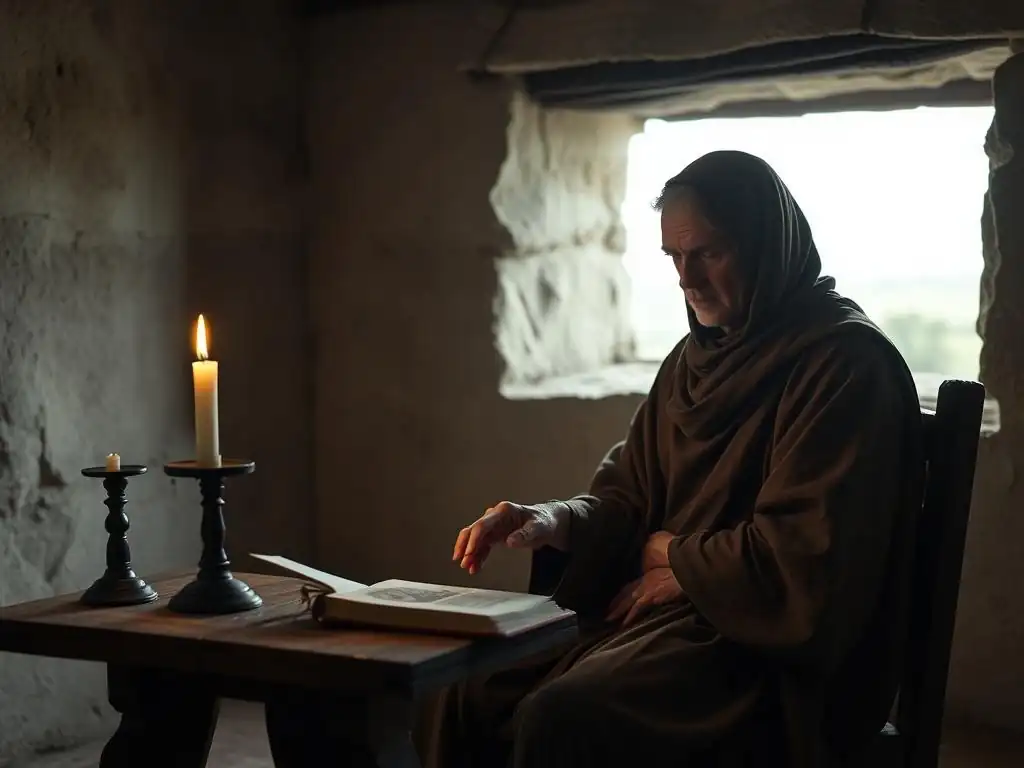
For many in the Middle Ages, inexplicable behaviors or intense mental distress were readily attributed to supernatural causes, most notably demonic possession. In such cases, the priest became the primary authority figure. Exorcism, a ritual aimed at expelling evil spirits from an afflicted person, was a recognized practice within the Church.
Exorcisms involved prayers, invocations, the use of holy water, relics, and sometimes fasting or physical restraint. While seemingly harsh by modern standards, these rituals were performed with the belief that they were directly combating a malevolent spiritual entity causing the suffering. This spiritual intervention was a significant part of the religious approach to Medieval mental health treatment styles, offering hope to those who believed their affliction was beyond earthly medical help.
The Power of Prayer and Religious Rituals
Beyond outright exorcism, prayer and participation in religious rituals were fundamental components of the Church's approach to mental well-being. Individuals suffering from distress, anxiety, or despair were encouraged to pray, confess their sins, and seek solace in religious services. Pilgrimages to holy sites, veneration of saints known for healing, and receiving sacraments were all seen as ways to gain divine favor, seek forgiveness, and alleviate spiritual or mental burdens.
Monasteries and convents offered structured routines, communal life, and spiritual guidance that could provide comfort and stability to individuals struggling with mental anguish. For some, this environment offered a form of therapeutic community, even if not explicitly designed as such for mental illness. The focus was on cultivating virtues, combating sin, and strengthening one's relationship with God as pathways to inner peace and mental fortitude.
Moral and Sin-Based Explanations of Mental Distress
A significant aspect of the priestly perspective was the link between mental suffering and morality or sin. Certain forms of mental distress, particularly those involving despair, inappropriate thoughts, or uncontrollable urges, might be interpreted as a consequence of personal sin or a manifestation of temptation by the devil. This view placed a moral burden on the afflicted individual, suggesting that their suffering was, at least in part, a result of their own moral failings or lack of spiritual discipline.
Confession and penance became crucial tools in this framework. By confessing sins and performing prescribed acts of penance, individuals could seek forgiveness and spiritual cleansing, which was believed to alleviate the mental anguish associated with guilt or spiritual corruption. This moral interpretation deeply influenced how mental distress was perceived and addressed within the religious domain of Medieval mental health treatment styles.
Asylum and Sanctuary Within the Church
While not hospitals in the modern sense, some religious institutions, particularly monasteries and later, dedicated church-run hospitals, offered a form of asylum or sanctuary for individuals with mental afflictions. These places provided basic care, shelter, and integration into the community's religious life. Individuals might be housed alongside the poor, sick, and elderly.
The primary focus was often on providing a safe environment and spiritual care rather than therapeutic treatment aimed at recovery. However, the structured routine, communal support, and emphasis on prayer and contemplation could offer a degree of stability and peace for some individuals struggling with severe mental disturbances that were considered disruptive or dangerous in broader society.
Comparing and Contrasting: Medieval Medical and Religious Mental Care
Despite their distinct methodologies, physicians and priests in the Middle Ages often shared certain fundamental beliefs about the causes of mental illness. Both spheres acknowledged the potential influence of supernatural forces, including demons and divine intervention, on human health, both physical and mental. A physician might diagnose a humoral imbalance but still recommend prayer, and a priest might perform an exorcism while also suggesting herbal remedies or dietary changes based on folk wisdom that overlapped with humoral concepts.
This overlap meant that an individual's experience with Medieval mental health treatment styles could involve a blend of medical and spiritual approaches. A case of severe melancholia might be attributed to an excess of black bile by a physician, who would prescribe hellebore, but the same condition might also be viewed by a priest as a spiritual test or temptation, leading to recommendations for increased prayer and confession. The lines between physical, spiritual, and supernatural causes were often blurred in the Medieval mind.
Divergent Approaches: Science vs. Faith
The core difference between the physician's and the priest's approaches lay in their primary explanatory frameworks and methods. The physician, operating within the Galenic tradition, sought physical causes and applied physical interventions based on observation and inherited medical theory (rudimentary science). Their focus was on the body and its perceived internal balance.
The priest, conversely, operated within a theological framework, viewing mental distress primarily through the lens of sin, salvation, and the spiritual battle between good and evil (faith). Their methods involved prayer, ritual, moral guidance, and spiritual discipline. This fundamental divergence represented the era's broader tension between understanding the world through natural philosophy (science) and through divine revelation (faith), significantly shaping the available Medieval mental health treatment styles.
Both physicians and priests held positions of respect and authority in Medieval society, but their influence varied depending on context. Physicians were often educated elites, associated with universities and royal courts, and their services were typically accessible to the wealthy. Their knowledge was seen as valuable for physical health, but their understanding of complex mental states was limited by the medical knowledge of the time.
Priests, on the other hand, were ubiquitous, present in every village and town through the structure of the Church. Their influence permeated all levels of society, addressing not just physical ailments but also moral and spiritual well-being. For the average person, the priest was often the first, and sometimes only, figure consulted for any form of suffering, including mental distress. This widespread accessibility gave the clergy significant influence over popular Medieval mental health treatment styles.
Treatment of "Acedia": A Case Study in Contrasting Approaches
Acedia, a term used particularly in monastic contexts, offers a compelling case study in the contrasting approaches. Often translated as spiritual sloth or despair, acedia was a state of listlessness, lack of spiritual fervor, and sometimes deep melancholy or anxiety experienced by monks and clergy. While it shares some symptoms with modern depression, it was understood primarily as a spiritual failing or temptation.
The priestly approach to acedia focused entirely on spiritual remedies: increased prayer, manual labor to combat idleness, meditation on scripture, confession, and guidance from a spiritual elder. It was viewed as a vice to be overcome through spiritual discipline. A physician, if consulted for similar symptoms interpreted as melancholia, might prescribe herbal remedies, dietary changes, or bloodletting. This highlights how the same cluster of symptoms could be interpreted and treated vastly differently depending on whether the individual sought help from a spiritual or a medical authority, showcasing the varied Medieval mental health treatment styles.
The Efficacy of Medieval Mental Health Interventions: A Critical Look
Examining the Success Rates of Physician-Led Treatments
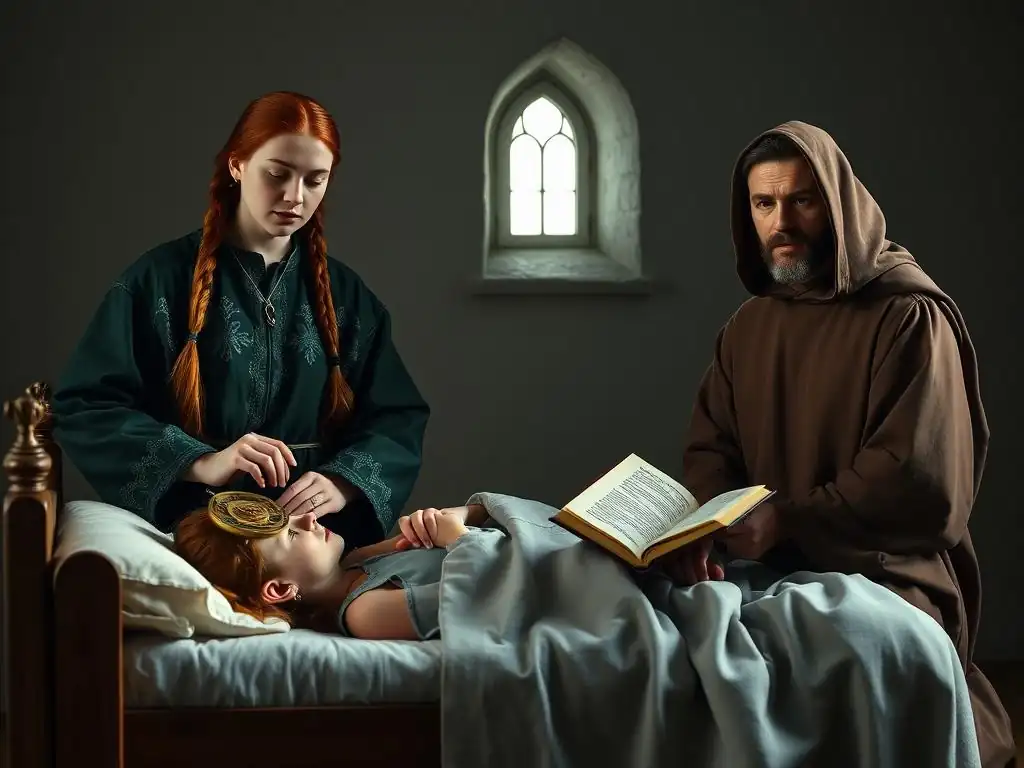
Assessing the true efficacy of physician-led Medieval mental health treatment styles is challenging due to the lack of systematic data collection and the rudimentary understanding of mental illness. Treatments like bloodletting and purging, while based on the flawed humoral theory, could sometimes have unintended physiological effects that might temporarily alter a patient's state, though often with significant risks. Herbal remedies, while prescribed based on humoral principles, sometimes contained compounds with actual psychoactive properties (e.g., sedatives or purgatives), which could offer symptomatic relief for some individuals.
However, without a proper understanding of dosage, interaction, or the underlying causes of mental illness, these treatments were often applied haphazardly. While some individuals might have experienced temporary improvement or relief, it is unlikely that these methods offered consistent or long-term cures for complex mental conditions. The perceived success was often based on anecdotal evidence and the patient's own belief in the treatment's power.
Assessing the Impact of Religious Practices on Mental Well-being
The impact of religious practices on mental well-being in the Middle Ages is similarly difficult to quantify empirically but likely had significant psychological effects. For individuals who genuinely believed their suffering was spiritual, exorcism, prayer, confession, and participation in religious community could provide immense psychological comfort, hope, and a sense of purpose.
The structured routine of monastic life or the communal support found within a parish could offer stability and reduce feelings of isolation. Confession and penance, while based on a sin-based model, could alleviate guilt and provide a path towards perceived spiritual and mental cleansing. While these methods did not address biological or complex psychological factors, they tapped into the powerful forces of faith, community, and meaning, which could be genuinely therapeutic for individuals operating within that belief system.
The Role of Placebo and Suggestion in Both Approaches
In both the medical and religious spheres of Medieval mental health treatment styles, the placebo effect and the power of suggestion likely played a significant role in perceived efficacy. When a patient had faith in their physician or priest and believed that the prescribed treatment (whether a herbal remedy or an exorcism) would help, this belief itself could influence their symptoms and experience.
The authority figures of the physician and the priest, the rituals they performed, and the cultural context that supported their methods all contributed to the power of suggestion. A patient undergoing bloodletting or an exorcism was participating in a culturally sanctioned act of healing, which could instill hope and a sense of agency, leading to perceived improvements regardless of the specific biological or spiritual mechanisms involved.
Medieval Mental Health: Lessons for Modern Understanding
Acknowledging the Limitations of Both Approaches
Examining Medieval mental health treatment styles highlights the significant limitations inherent in both the physician's and the priest's approaches when viewed through a modern lens. The physician's methods were constrained by a flawed understanding of the body and mind, relying on theories like humorism that lacked empirical validation. Treatments were often invasive and potentially harmful.
The priest's approach, while providing spiritual comfort, was based on a worldview that often pathologized normal human emotions or behaviors as sin or demonic influence, potentially increasing guilt and fear. Neither approach possessed the knowledge base or tools to effectively treat complex mental disorders as understood today, such as schizophrenia, bipolar disorder, or severe anxiety disorders.
Recognizing the Importance of Holistic Care
Despite their individual limitations, the combined approaches of the physician and the priest in the Middle Ages implicitly acknowledged that human suffering, including mental distress, had multiple dimensions – physical, spiritual, and social. While they treated these dimensions separately and often through incompatible methods, the fact that both medical and religious authorities were consulted for mental issues suggests a societal recognition that well-being was not solely a matter of the body or the soul in isolation.
This historical perspective underscores the modern understanding of the importance of holistic care in mental health. Effective contemporary approaches often integrate biological treatments (like medication), psychological therapies, social support, and attention to spiritual or existential concerns, recognizing that mental well-being arises from a complex interplay of factors, a concept hinted at, albeit crudely, in the Medieval dichotomy of care.
The Enduring Influence of Belief Systems on Mental Health Perceptions
Studying Medieval mental health treatment styles reveals the profound influence that dominant belief systems have on how mental illness is perceived, explained, and treated. In the Middle Ages, Christian theology and humoral medicine provided the primary frameworks for understanding suffering. These frameworks shaped not only the types of interventions offered but also the individual's and society's interpretation of their own experiences.
Today, while scientific and psychological models dominate, cultural beliefs, personal values, and spiritual perspectives continue to shape how individuals understand their mental health challenges, seek help, and respond to treatment. The Medieval period serves as a stark reminder that our approach to mental well-being is never purely objective but is deeply embedded within the prevailing cultural and intellectual currents of the time.
Conclusion: Reconciling the Roles of Physician and Priest in Medieval Mental Healthcare
The Complex Landscape of Mental Well-being in the Middle Ages
The landscape of Medieval mental health treatment styles was characterized by a fundamental division between medical and religious authority, embodied by the physician and the priest. While both figures aimed to alleviate suffering, they operated from vastly different conceptual frameworks – the physician focusing on the body's humors and physical interventions, the priest on spiritual states and religious rituals. This created a complex, often contradictory, system of care where individuals navigated explanations rooted in natural philosophy, theology, and the supernatural.
Neither approach, in isolation or combination, offered effective treatments for the wide spectrum of mental health conditions as understood today. Their methods were limited by the scientific knowledge of the era and deeply influenced by prevailing religious beliefs. However, they represented the most sophisticated attempts of the time to address conditions that were often frightening and poorly understood, reflecting the era's attempts to find meaning and intervention for mental distress within their available intellectual and spiritual resources.
Looking Forward: The Evolution of Mental Health Treatment
Examining the Medieval approaches to mental health provides valuable context for understanding the long and often challenging evolution of mental health treatment. It highlights the shift from supernatural and humoral explanations towards more biological, psychological, and social models. The limitations of Medieval mental health treatment styles underscore the progress made through scientific inquiry, empirical research, and the development of evidence-based therapies.
Yet, the Medieval era's implicit recognition of the multifaceted nature of human suffering – involving body, mind, and spirit – resonates with modern calls for integrated and holistic care. While the specific methods of the physician and the priest are artifacts of history, their roles illustrate the enduring human need to understand mental distress and the varied paths individuals have taken across centuries in the search for healing and peace.
Frequently Asked Questions
What were the primary competing viewpoints on mental health treatment during the Medieval period?
The main conflict was between medical practitioners (physicians) who sought physical causes and cures, and religious figures (priests) who attributed mental illness to spiritual or moral failings. This led to vastly different treatment approaches.
How did the "Physician" approach mental illness in the Middle Ages?
Physicians relied on humoral theory, believing imbalances in bodily fluids caused mental disturbances. Treatments focused on bloodletting, purging, and dietary adjustments aiming to restore bodily equilibrium.
What role did the "Priest" play in addressing mental health challenges during the Medieval era?
Priests viewed mental illness as a form of spiritual affliction, often attributed to demonic possession or divine punishment. Treatment involved prayer, exorcism, and repentance to restore spiritual balance.
Were there any instances of collaboration or overlap between the "Physician" and "Priest" approaches?
While generally distinct, there were some instances where the lines blurred. Physicians might incorporate religious practices into their treatments, and priests might acknowledge physical ailments alongside spiritual needs.
What were the overall limitations of Medieval mental health treatment styles, regardless of approach?
Both approaches suffered from a lack of scientific understanding of mental illness. Treatments were often ineffective and sometimes harmful, reflecting the limited medical knowledge of the era and prevailing superstitions.
Final Reflection: Echoes of the Past in Modern Mental Healthcare
The struggle to understand and treat mental illness, a battle waged with limited tools and profound societal biases in the Middle Ages, continues to resonate deeply in our modern world. The stark contrast between the physician's empirical approach and the priest's spiritual interpretations, explored throughout this article, highlights a fundamental tension that persists in contemporary healthcare: the ongoing negotiation between biological and psychosocial models of mental health.
This historical examination reveals that the challenges we face today are not entirely new, but rather echoes of a long-standing debate about the nature of the mind and the best methods for its healing.
The enduring legacy of medieval approaches to mental illness is evident in the persistent stigma surrounding mental health conditions. Even today, the intertwining of religious beliefs and mental health struggles remains a complex and often fraught issue. The societal attitudes shaped centuries ago continue to influence how we perceive and treat those experiencing mental distress. The past is never dead. It's not even past.
– William Faulkner. This quote perfectly encapsulates the lasting impact of medieval perspectives, reminding us that understanding our history is crucial to addressing the present. The lingering effects of those historical biases demand our continued attention and critical analysis.
Consider the implications of this historical journey. You now possess a deeper understanding of the evolution of mental health treatment, a journey marked by both progress and persistent challenges. Reflect on the parallels between the medieval approaches and contemporary practices.
How can we learn from the mistakes of the past to build a more compassionate and effective system of mental healthcare for all? Let this exploration inspire you to advocate for improved mental health services and to challenge the stigmas that still persist, ensuring that the echoes of the past do not silence the voices of those who need help today.
Uncover the Secrets of Medieval Mental Care
Thanks for exploring the fascinating world of medieval mental health practices with us! You've now gained valuable insights into the contrasting approaches of physicians and priests. Ready to delve deeper?
- Share your thoughts: What surprised you most about the different approaches to mental care in the Middle Ages? Leave a comment below and spark a discussion! This is your chance to contribute to a deeper understanding of this complex historical topic.
- Explore further: Research a specific historical figure mentioned in the article – perhaps a physician, a patient, or a religious leader who influenced mental health care during this period.
- Engage with the past: Imagine yourself as a patient during this time. How would you choose between these two approaches? Consider writing a short fictional piece reflecting your perspective.
What unique perspectives on medieval mental health care can you uncover through further research?